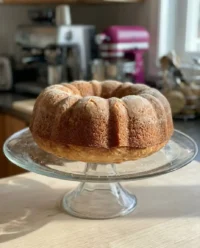
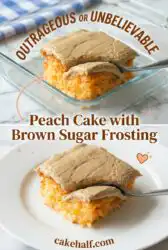
While tidying the old tin box, a stained card for this peach cake fell out, smelling faintly of summer harvests and warm vanilla.

This Peach Cake with Brown Sugar Frosting reminds me of the quiet afternoons spent in my grandmother’s sun-drenched kitchen. It uses a simple cake mix as a foundation, a common secret among the mid-century bakers who knew how to balance convenience with care. The golden crumb absorbs the sweetness of the fruit while the boiled frosting creates a rich, caramel-like finish. This is a dessert meant for slow Sunday evenings when the air is still and the house is full of family.
A Bite of Pure Nostalgia: Peach Cake with Brown Sugar Frosting
Prep: 15 min · Serves: 16 · Difficulty: Medium
- The crumb remains incredibly tender and moist
- Boiled frosting offers a unique caramel texture
- Uses simple staples from your pantry shelves
- Fruit flavor shines through every single bite
- Perfect for large family gatherings and picnics
This is the recipe my family gathers for every harvest season when the fruit is heavy on the branches. Finding a reliable peach dump cake recipe is wonderful, but this layered flavor profile is truly something special from our recipe box.
Get The Full Cake Recipe
Print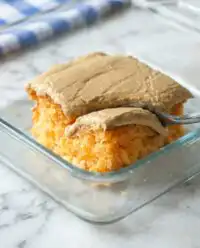
Peach Cake with Brown Sugar Frosting
- Total Time: 1 hour
- Yield: 16 servings
Description
This delightful peach cake features a tender, fruit-infused crumb paired with a decadent, caramel-like boiled brown sugar frosting. It is a perfect heritage-style dessert that balances the bright sweetness of fresh peaches with a rich, silky finish.
Ingredients
- 1 box yellow cake mix
- 1 box peach-flavored gelatin
- 3 large eggs
- 1/2 cup vegetable oil
- 1/2 cup water
- 1 teaspoon vanilla extract
- 2 cups fresh peaches, thinly sliced
- 1/2 cup unsalted butter
- 1 cup brown sugar, packed
- 1/4 cup heavy cream
- 1 teaspoon vanilla extract
- Pinch of salt
Instructions
- Preheat the oven. Heat the oven to 350 degrees Fahrenheit and grease a 9×13-inch baking dish.
- Mix the batter. Combine the cake mix, peach gelatin, eggs, oil, water, and vanilla in a bowl until smooth.
- Fold in peaches. Gently stir the sliced peaches into the batter and pour the mixture into the prepared baking dish.
- Bake the cake. Bake for 40 to 45 minutes until a toothpick inserted into the center comes out clean.
- Cool completely. Allow the cake to cool fully on a wire rack before applying the frosting.
- Prepare the base. Combine the butter, brown sugar, and heavy cream in a saucepan over medium-high heat.
- Boil the frosting. Bring the mixture to a rolling boil and cook for exactly sixty seconds, stirring constantly.
- Cool in ice. Remove from heat, stir in vanilla and salt, then set the pot in an ice bath while stirring continuously.
- Whip the frosting. Once thickened, beat the frosting for four to five minutes until light and fluffy.
- Assemble the cake. Spread the thickened frosting evenly over the cooled cake using an offset spatula.
Notes
- Ensure the cake is completely cool before frosting to prevent the icing from melting or sliding off the top.
- Packing the brown sugar firmly into the measuring cup is essential for achieving the correct flavor and texture.
- Use an ice bath to rapidly cool the boiled frosting, which is key to achieving a smooth, spreadable consistency.
- If using frozen peaches, add them directly to the batter without thawing to maintain the cake’s structural integrity.
- Prep Time: 15 mins
- Cook Time: 45 mins
- Category: Dessert
- Method: Baking
- Cuisine: American
From the Kitchen Shelf
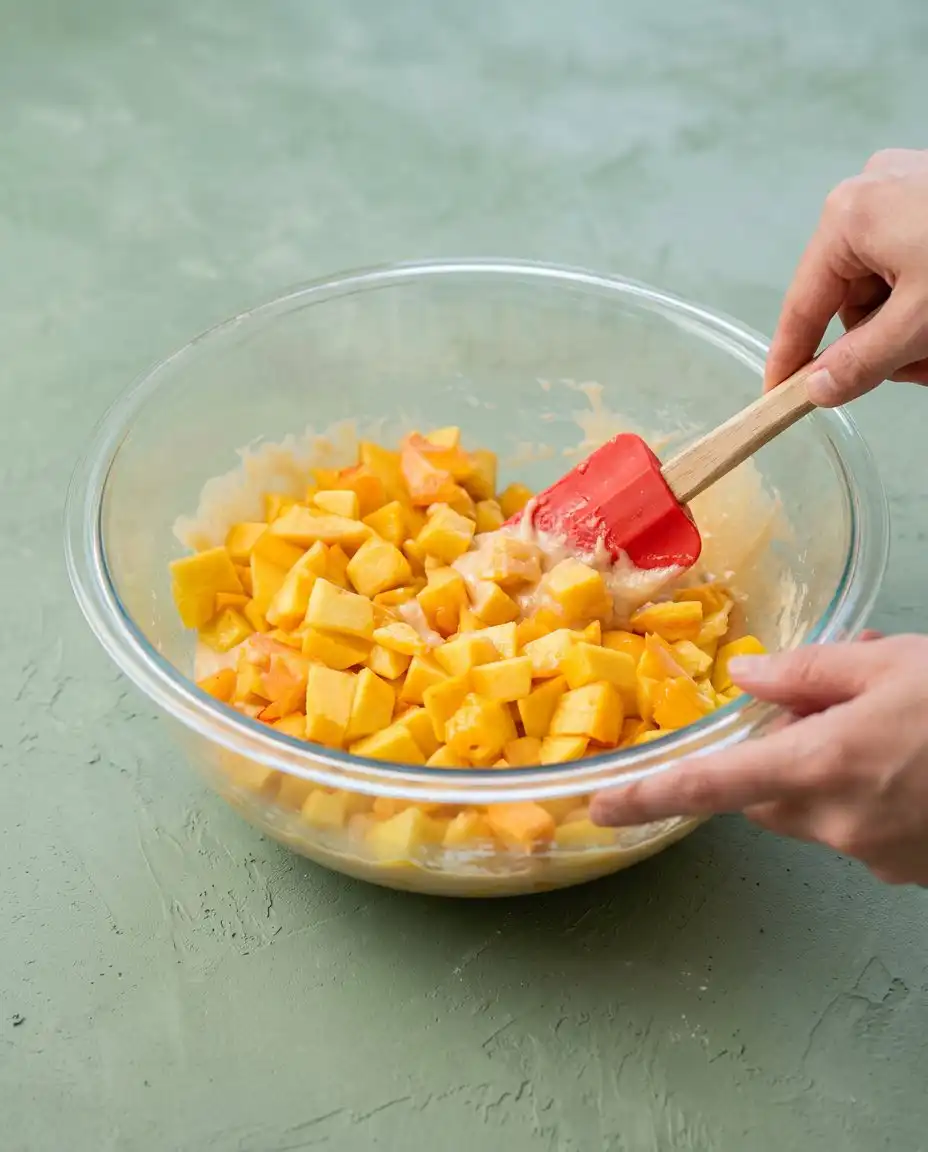
Gathering these ingredients feels like preparing for a celebration of the season’s finest gifts. We rely on high-quality pantry staples and the sweetness of the fruit to create a texture that feels substantial yet light on the palate.
- Yellow Cake Mix: Provides a consistent, golden base that allows the other flavors to develop without being overwhelmed.
- Peach Jello: Adds a beautiful hue and a concentrated burst of fruit flavor throughout the entire sponge.
- Fresh Peaches: Sliced thin, these provide pockets of real texture and natural juice that soften during the baking process.
- Vegetable Oil: Keeps the crumb exceptionally soft even after the cake has cooled completely on the counter.
- Heavy Cream: The secret to a frosting that remains silky and spreads with the weight of a traditional heritage icing.
- Brown Sugar: Creates a deep, molasses-rich sweetness that pairs perfectly with the floral notes of the peaches.
| Ingredient | Why It Matters |
|---|---|
| Peach Jello | Infuses color and deepens the fruit profile |
| Brown Sugar | Develops the caramel notes in the frosting |
| Heavy Cream | Provides the necessary richness for the boiled icing |
| Fresh Peaches | Offers authentic texture and seasonal sweetness |
Step by Step in Teresa’s Kitchen
Step 1: Prepare Your Baking Dish
Begin by preheating your oven to 350 degrees Fahrenheit so it reaches the proper temperature before the batter is ready. Lightly grease a 9×13-inch baking dish with a bit of butter or a light coating of non-stick spray to prevent sticking. A well-prepared pan ensures the edges of the cake pull away cleanly once the baking is finished.
Step 2: Combine the Base Ingredients
In your favorite glass mixing bowl, beat together the cake mix, peach jello, large eggs, oil, and vanilla extract. Mix until the ingredients are incorporated, but be careful not to overwork the batter, which can lead to a tough crumb. You should see a smooth, pale orange mixture that smells brightly of summer fruit and sweet vanilla.
Step 3: Baking Your Peach Cake with Brown Sugar Frosting to Perfection
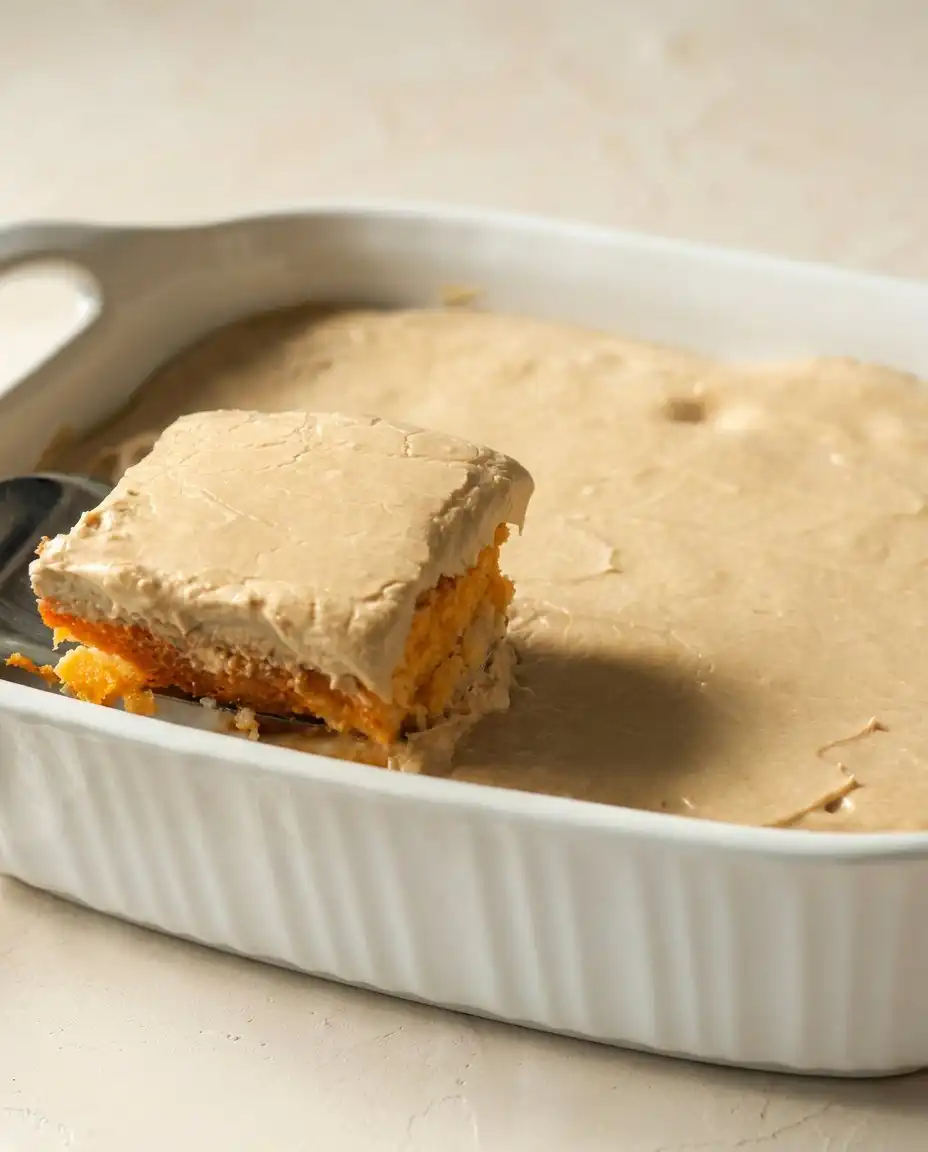
Gently fold the sliced peaches into the batter using a wooden spoon to keep the fruit pieces intact throughout the mixture. Pour the batter into your prepared dish and place it on the middle rack of the oven for 40 to 45 minutes. The cake is ready when a toothpick inserted into the center comes out clean and the scent fills your quiet kitchen.
Step 4: Cooling the Golden Crumb
Remove the pan from the oven and set it on a wire rack to cool completely before you even think about starting the frosting. A warm cake will cause the boiled icing to run off the sides rather than sitting thick and proud on top. Patience here is a virtue that leads to a much more beautiful presentation at the table.
Step 5: Start the Brown Sugar Base
While the cake rests, combine your brown sugar, heavy cream, and butter in a heavy-bottomed saucepan over medium-high heat. Stir the mixture gently with a wooden spoon as the butter melts and the sugar begins to dissolve into the cream. Watch for the first signs of bubbles around the edges of the pan as the heat increases.
Step 6: The Rolling Boil
Bring the sugar mixture to a full, rolling boil and let it cook undisturbed for exactly sixty seconds. This timing is essential for the sugar to reach the correct stage where it will set properly without becoming grainy. The mixture should look glossy and amber, resembling a light caramel sauce as it bubbles away.
Step 7: The Ice Bath Ritual
Remove the saucepan from the heat and stir in the vanilla and a pinch of salt if you prefer a balanced sweetness. Set up a large bowl filled with ice water and carefully place the bottom of your frosting pot into the cold water. Stir the frosting constantly as it cools, making sure no water splashes into your beautiful sugar mixture.
Step 8: Beating the Frosting
Once the mixture has cooled and begun to thicken, remove it from the ice bath and prepare to beat it. Use a hand mixer or a sturdy whisk to beat the frosting for four to five minutes until it becomes fluffy and airy. It should hold its shape while remaining soft enough to spread across the surface of the cake effortlessly.
Step 9: Final Assembly
Spread the thickened frosting over the top of your cooled cake using an offset spatula to create gentle swirls and peaks. The weight of the frosting should feel substantial as it settles over the fruit-filled sponge. Slice the cake into generous squares and serve them on your best china for a true heritage experience.
Baker’s Wisdom
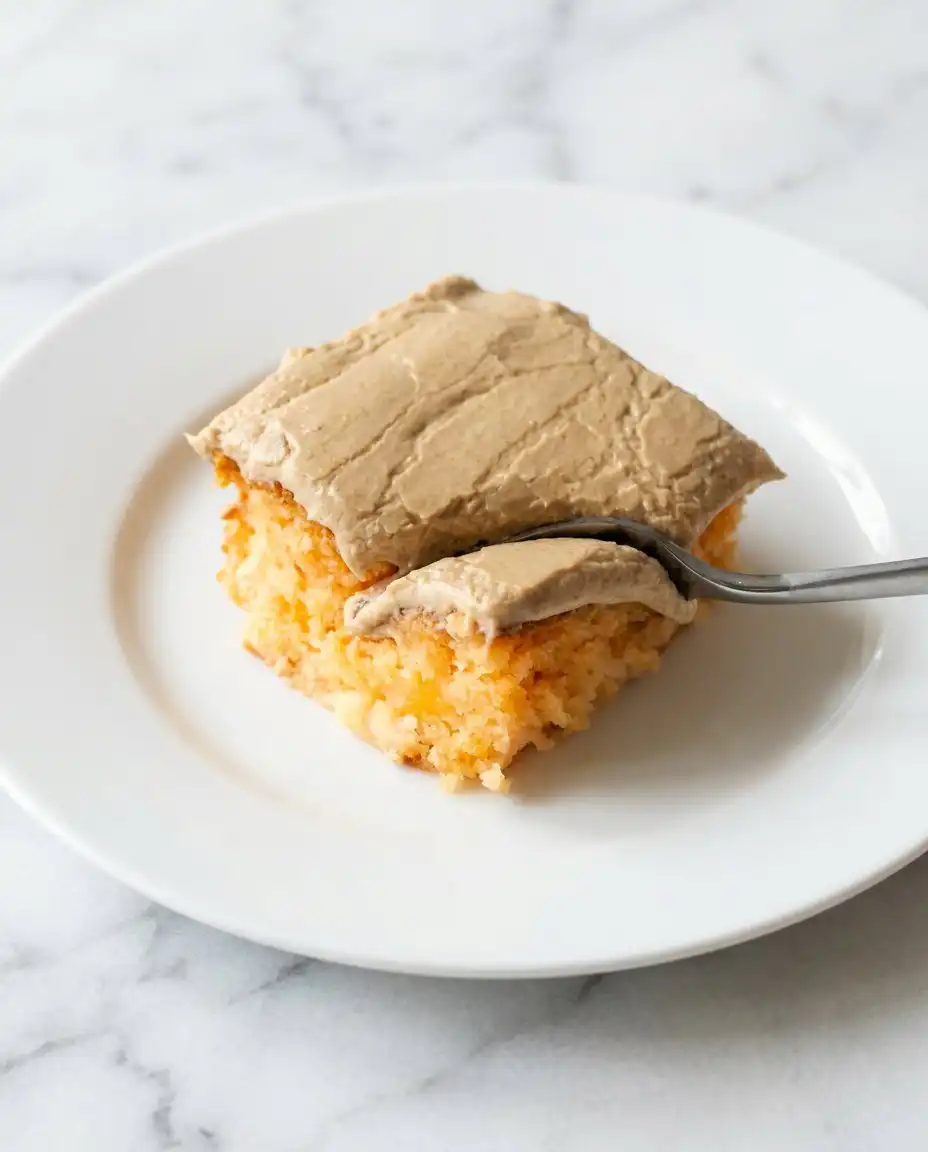
If your frosting remains soupy after beating, it likely did not cool enough in the ice bath before you started the mixing process. Return the pot to the ice water for another three minutes and then try beating it again until the peaks begin to hold. This frosting relies on the transition from hot sugar to a cooled, aerated state to achieve its signature texture.
When using frozen peaches, do not thaw them before folding them into the batter to prevent excess moisture from making the cake soggy. The cold fruit will thaw perfectly during the forty minutes in the oven, releasing just enough juice to keep the crumb tender. This method preserves the structural integrity of the cake while still providing that burst of real fruit.
Peeling fresh peaches is much easier if you drop them into boiling water for thirty seconds and then immediately into ice water. The skins will slip right off with the gentle pressure of your thumb, leaving the fruit smooth and ready for slicing. This old-fashioned technique is much faster than using a vegetable peeler and wastes less of the precious fruit.
Always measure your brown sugar by packing it firmly into the tin measuring cup to ensure you have the correct volume for the frosting. An airy measurement will result in a frosting that lacks the deep caramel flavor and structural thickness we desire. Consistency in these small details is what separates a good baker from a true guardian of the craft.
For those who appreciate a more complex fruit profile, looking at a ina garten peach cake can provide insight into different spice pairings like nutmeg or cardamom. Adding a tiny pinch of cinnamon to your dry cake mix can also deepen the warmth of the peach flavor. These small adjustments honor the old way of making every recipe your own.
To understand the science of boiled icings, you can refer to how to master cooked sugar frostings for detailed temperature guides. Understanding the stages of sugar helps you feel more confident when the saucepan starts to bubble and hiss. Experience in the kitchen is built one small batch at a time.
Frequently Asked Questions
Can I use fresh, canned, or frozen peaches?
You can use any of these options depending on what is available in your local market or pantry. Fresh peaches offer the best texture, while frozen peaches are convenient year-round as long as you use them unthawed. Canned peaches should be drained very well and patted dry to ensure they do not add too much liquid to the batter.
Why did my cake sink in the middle?
A cake often sinks if the oven door is opened too early, causing a sudden drop in temperature before the structure has set. It can also happen if the leavening agents in the cake mix are old or if too many juicy peaches were concentrated in one spot. Ensure your oven is fully preheated and keep the door closed until at least thirty-five minutes have passed.
My brown sugar frosting got hard and crackled. What happened?
This usually occurs if the sugar mixture was boiled for too long, moving past the soft-ball stage into a harder candy stage. If the frosting feels too stiff as you are beating it, you can stir in a teaspoon of warm heavy cream to soften it back to a spreadable consistency. Watch the clock carefully during the one-minute boil to prevent this from happening in the future.
How should I store this cake?
Because of the fresh fruit and the dairy in the frosting, this cake should be stored in the refrigerator in an airtight container. It will stay fresh and moist for up to four days, though the frosting may soften slightly over time. Bring slices to room temperature for about twenty minutes before serving to let the flavors fully wake up.
Can I use a different frosting?
While the brown sugar frosting is traditional for this recipe, a simple cream cheese frosting or a dusting of powdered sugar would also be appropriate. However, the boiled frosting provides a specific nostalgic character that is hard to replicate with modern cold-mix icings. Stick to the old way if you want the full heritage experience of this particular dessert.
Can I freeze this peach cake?
You can freeze the baked cake layers quite successfully if they are wrapped tightly in plastic and foil without the frosting. We do not recommend freezing the cake once it has been frosted, as the boiled icing can separate or become grainy upon thawing. For the best results, bake the cake ahead of time and prepare the fresh frosting on the day you plan to serve it.
Classic Variations
You might consider replacing the peach jello with apricot jello for a slightly more tart and sophisticated flavor profile. This swap maintains the beautiful color of the cake while offering a different nuance that pairs wonderfully with the brown sugar. It is a subtle change that would have been common in a grandmother’s kitchen when supplies varied by what was in the pantry.
Swapping the yellow cake mix for a white cake mix creates a lighter, more delicate crumb that highlights the pink hues of the peaches. This version feels a bit more formal, perhaps suited for a wedding shower or a spring luncheon in the garden. You can find similar inspiration in a peach upside down cake if you prefer a more fruit-forward presentation on the plate.
Adding a half cup of finely chopped pecans to the frosting during the final beating stage provides a delightful crunch that contrasts with the soft cake. The earthiness of the nuts complements the molasses in the brown sugar, creating a profile reminiscent of a southern praline. This is a lovely way to add texture if you are serving this for a special holiday gathering.
The Perfect Occasion
This cake is best enjoyed on the porch as the sun begins to set, served with a tall glass of cold milk or a cup of black tea. The simplicity of the presentation allows the golden color of the peach-infused crumb to be the center of attention. I often find that a small scoop of vanilla bean ice cream on the side is the only accompaniment needed for a truly special dessert.
If you are looking for a more traditional European presentation, serving this alongside a russian peach cake recipe at a tea party offers a beautiful contrast in textures. This cake is sturdy enough for transport, making it a wonderful choice for a potluck or a neighbor’s welcoming gift. Always slice it into clean squares to reveal the beautiful flecks of fruit hidden inside each piece.
Baking Memories
Returning to these old recipes is a way of keeping our history alive in the modern world. This cake, with its humble beginnings and rich finish, reminds us that beauty often lies in the most straightforward combinations of fruit and sugar. I hope this recipe finds a permanent place in your own tin box, gathered among the notes and cards that tell the story of your family.
Taking the time to boil the frosting and cool it in an ice bath is a slow ritual that honors the bakers who came before us. Please share your results with our community of home bakers and let us know how your family enjoyed this seasonal treasure. You can find more of our heritage recipes and kitchen stories through the links below.
For more kitchen inspiration and vintage baking tips, visit our pages on peach cake, Pinterest, Facebook, and TikTok.