The deep, concentrated ruby of a properly reduced strawberry puree offers a scent far more intense than any raw berry, signaling the foundation of a truly structured and flavorful crumb.
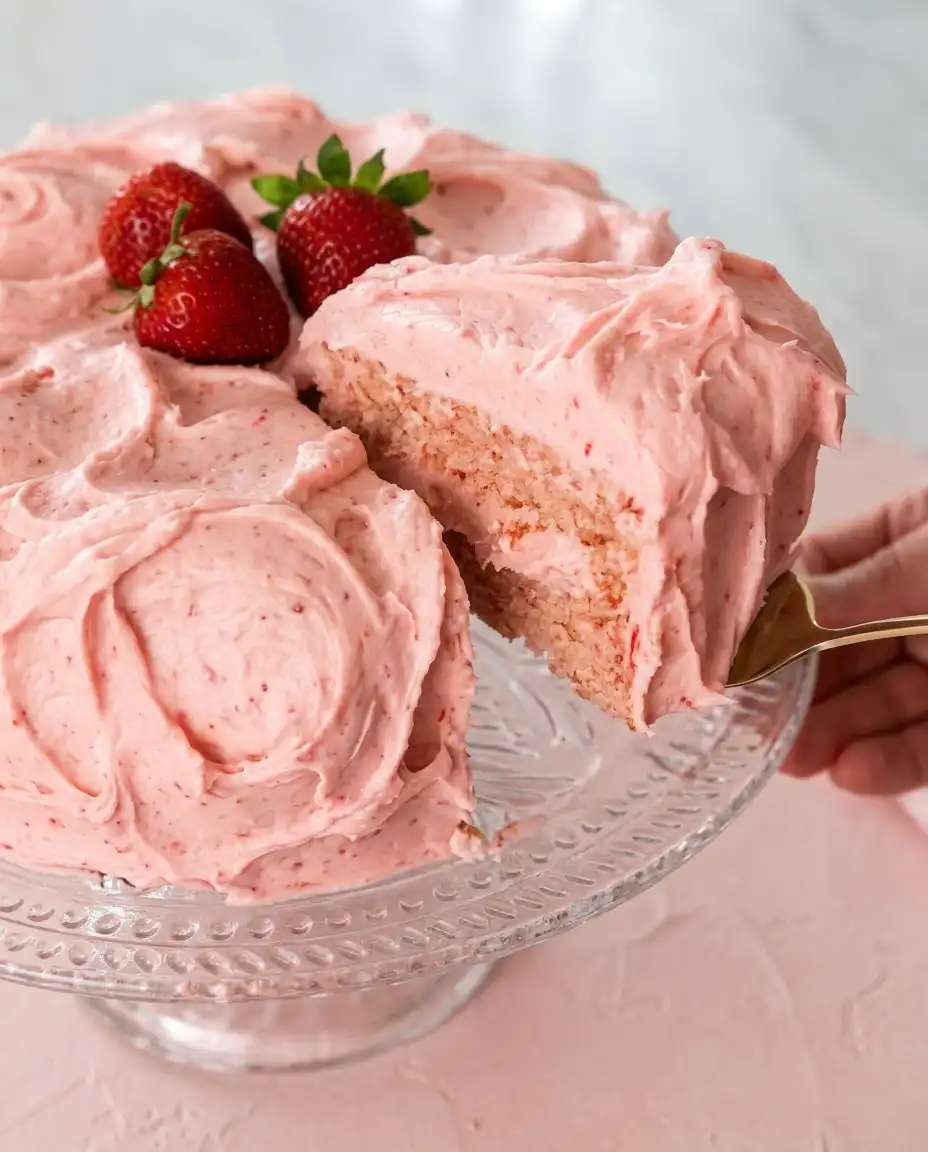
Achieving a refined Strawberry Cake requires more than adding fruit to a standard batter; it demands the mastery of reduction to control moisture. You will observe how the concentrated essence of the berries integrates with tempered fats to produce a sponge that remains resilient yet remarkably tender. This specific method guarantees that the natural oils and sugars of the fruit do not compromise the cake’s structural integrity or lead to a dense, gummy interior. By following these exact steps, you prepare a dessert that honors the fruit through disciplined French technique.
Why This Strawberry Cake Recipe Rewards Attention
Prep: 25 min · Serves: 12 · Difficulty: Medium
- Concentrated fruit reduction creates intense flavor profiles.
- Emulsified egg whites produce a stable crumb.
- Properly tempered fats deliver a silky frosting.
- Controlled moisture levels prevent a soggy texture.
- Pure fruit provides an elegant natural hue.
This strawberry cake recipe provides the technical framework for a dessert that balances rustic charm with patisserie-level precision.
Get The Full Cake Recipe
Print
Strawberry Cake
- Total Time: 70 mins
- Yield: 12 servings
- Diet: Vegetarian
Description
This refined strawberry cake features a concentrated berry reduction for intense flavor and a light, stable crumb structure. It is a sophisticated dessert designed for those who appreciate precise French baking techniques and elegant, natural results.
Ingredients
- Fresh strawberries, hulled and pureed
- All-purpose flour
- Unsalted butter, softened
- Granulated sugar
- Egg whites
- Vanilla extract
- Whole milk
- Cream cheese, softened
- Powdered sugar
Instructions
- Reduce strawberry puree. Simmer the strawberry puree in a saucepan until the volume is reduced by half, then cool completely.
- Prepare the oven. Preheat your oven to 350°F and grease two 9-inch pans, lining the bottoms with parchment paper.
- Aerate butter and sugar. Beat the softened butter and granulated sugar in a stand mixer for five minutes until light and voluminous.
- Build the emulsion. Add room temperature egg whites and vanilla extract to the butter mixture, beating until fluffy and well-combined.
- Combine dry ingredients. Alternately fold in the flour mixture, milk, and cooled strawberry reduction, mixing only until just combined.
- Bake the layers. Divide the batter into pans and bake for 30 minutes, then let cool in the pans for 20 minutes before wire-rack cooling.
- Prepare the frosting. Beat the cream cheese, butter, powdered sugar, and a tablespoon of strawberry reduction until smooth and silky.
- Assemble the cake. Frost the layers with an offset spatula, starting with a base layer and finishing with a smooth crumb coat.
Notes
- Ensure all dairy and egg components are at room temperature to prevent the batter from breaking during emulsification.
- Cool the strawberry reduction completely before adding it to the batter to avoid melting the butter and losing aeration.
- Measure flour using a kitchen scale rather than a cup to ensure structural integrity and a light, tender crumb.
- Use a chilled offset spatula and a warm knife for the cleanest cuts and most professional-looking dessert presentation.
- Prep Time: 25 mins
- Cook Time: 45 mins
- Category: Dessert
- Method: Baking
- Cuisine: French
Your Ingredients and Their Roles
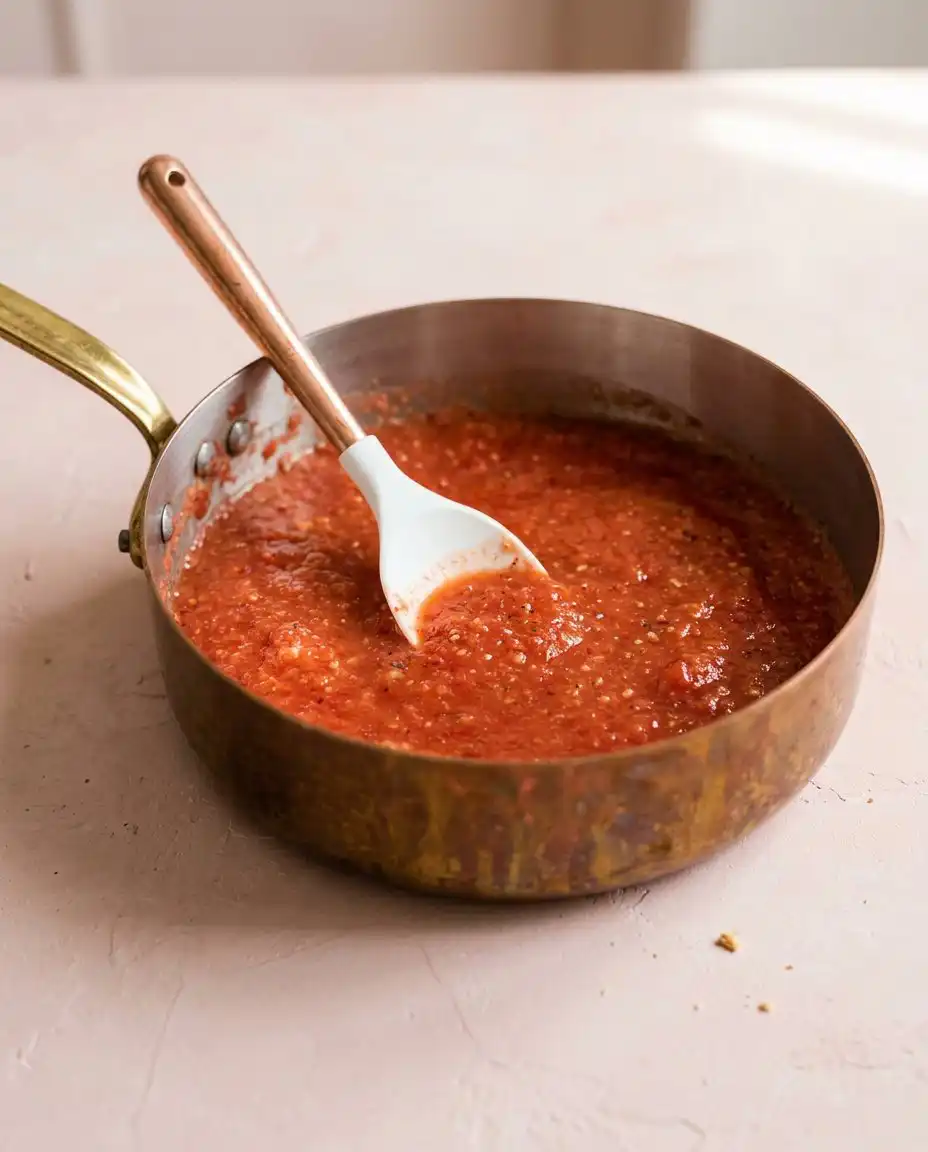
The success of this sponge relies on the quality of your fats and the concentration of your fruit. When you select your strawberries, look for berries with a deep fragrance, as their aromatic compounds will survive the heat of the reduction process more effectively. Each component serves a structural purpose that goes beyond simple flavor addition.
- Strawberry Puree: The reduction process removes excess water to prevent a gummy texture within the crumb.
- All-Purpose Flour: Provides the necessary protein structure to support the weight of the fruit solids.
- Unsalted Butter: High-fat content at room temperature is non-negotiable for creating a stable emulsion with sugar.
- Egg Whites: Whipped gently into the batter, these provide a delicate lift and a clean, neutral background.
- Whole Milk: Adds the required liquid fat to soften the gluten and create a tender mouthfeel.
- Cream Cheese: The acidity of the cheese balances the sweetness of the sugar and the brightness of the berries.
| Ingredient | Why It Matters |
|---|---|
| Strawberry Puree | Concentrates flavor and manages hydration levels. |
| Room Temperature Butter | Essential for proper aeration during the creaming stage. |
| Egg Whites | Creates a light, airy structure without the heaviness of yolks. |
| Powdered Sugar | Provides sweetness and stability to the cream cheese frosting. |
The Method, Step by Step
Step 1: Reducing the Strawberry Essence
You will begin by hulling and pureeing the berries until they are completely smooth. Pour this liquid into a saucepan and simmer until the volume decreases by exactly half, which takes roughly 25 to 45 minutes depending on the water content of your fruit. The resulting concentrate should be thick and intensely fragrant, providing the flavor profile without the excess water that would ruin the sponge.
Step 2: Preparing the Mise en Place
Position your oven rack in the center and preheat to 350°F while you prepare your 9-inch pans. Use room temperature butter to coat the pans, then line the bottoms with parchment paper to guarantee a clean release. Weighing your dry ingredients at this stage allows you to work without interruption once the emulsion process begins.
Step 3: Aerating the Butter and Sugar
In your stand mixer, beat the softened butter on medium speed until it appears pale and creamy. Gradually add the granulated sugar and continue beating for five full minutes until the mixture is light and voluminous. This step incorporates the microscopic air bubbles required for the cake to rise properly without being dense.
Step 4: Building the Emulsion
Add the room temperature egg whites and vanilla extract to the creamed butter, beating for one minute on medium speed. You will notice the mixture becomes very fluffy and holds its shape well. If the egg whites are too cold, the butter will seize, resulting in a broken batter that cannot trap air effectively.
Step 5: Incorporating the Dry and Wet Ingredients
Reduce the mixer speed to low and add the flour mixture in three parts, alternating with the milk and the cooled strawberry reduction. Mix only until the last streaks of flour disappear to avoid overworking the gluten. You may notice a pale pink hue forming naturally, which represents the pure fruit concentration within the batter.
Step 6: Baking the Strawberry Cake
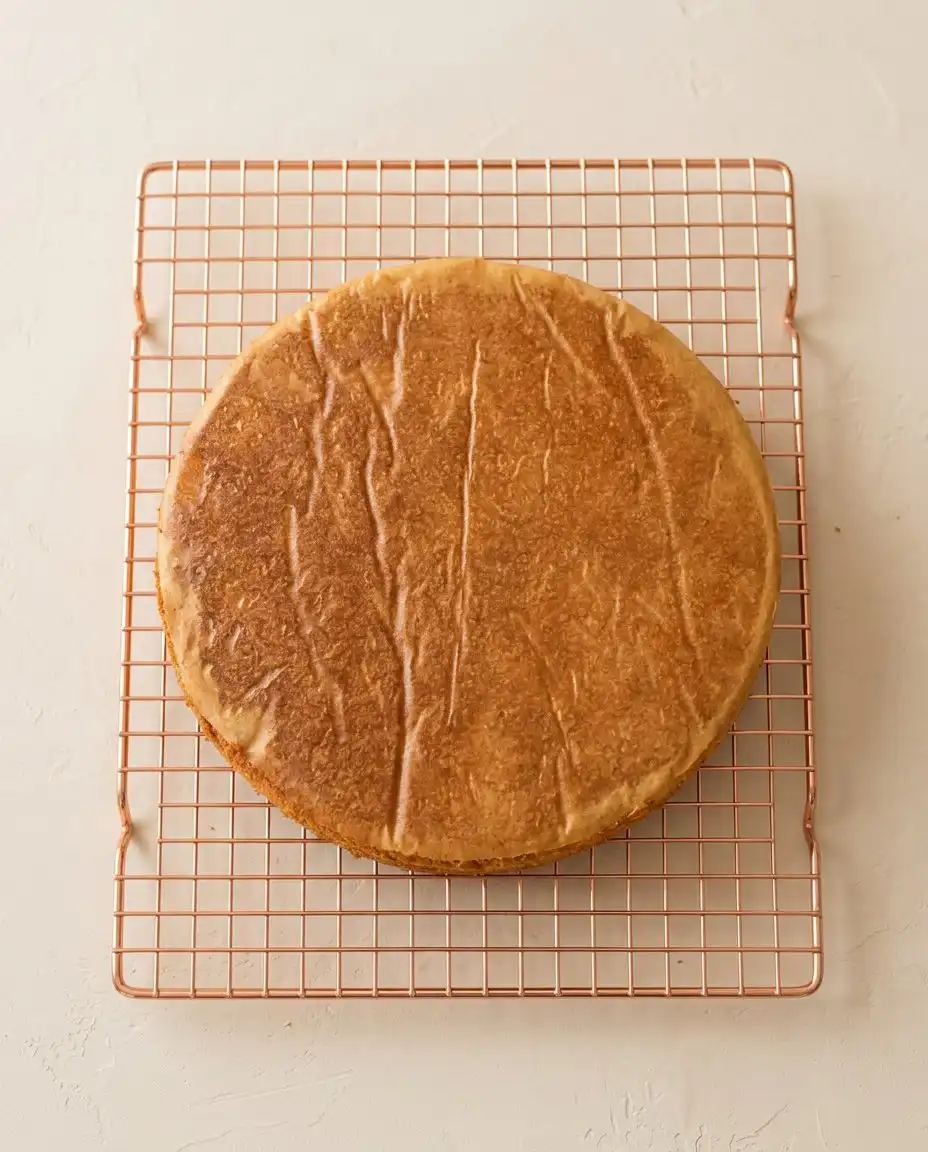
Divide the batter equally between your prepared pans and bake for approximately 30 minutes. The cake is ready when it feels springy to a light touch and the edges begin to pull away from the pan sides. Once removed from the oven, allow the layers to rest in their pans for 20 minutes before transferring them to a wire rack to cool completely.
Step 7: Preparing the Silky Frosting
Beat the room temperature cream cheese and butter until the mixture is perfectly smooth and free of lumps. Slowly add the sifted powdered sugar and a tablespoon of the strawberry reduction, continuing to beat until the frosting achieves a silky, spreadable consistency. If the frosting feels too firm, a small addition of milk will help you reach the desired texture.
Step 8: Precise Assembly and Finishing
Place the first layer on your stand and spread one cup of frosting evenly across the surface. Position the second layer on top and apply a thin crumb coat before finishing with the remaining frosting. Use a steady hand and an offset spatula to create clean, sharp lines that reflect the care taken during the baking process.
Where Precision Makes the Difference
Patience here is not a virtue — it is an instruction. Do not attempt to use the strawberry reduction while it is still warm, as the heat will melt the butter in your batter and destroy the aeration you worked so hard to achieve. For the most refined result, prepare the reduction a day in advance and store it in the refrigerator.
If your batter looks curdled or broken when you add the liquid, it is likely because your milk or puree was too cold. To fix this, you can place the mixing bowl over a pot of warm water for a few seconds to gently raise the temperature, then beat until the emulsion is restored. Understanding the temperature of your ingredients is the key to a strawberry cake with a consistent crumb.
When measuring your flour, always use a scale or the spoon-and-level method rather than scooping directly from the bag. Scooping packs the flour down, which can lead to adding up to 20 percent more than the recipe requires, resulting in a dry and tough cake. Accuracy in measurement is the hallmark of a disciplined baker.
For an even more intense fruit profile, you can sift a small amount of freeze-dried strawberry powder into your dry ingredients. This adds flavor and color without introducing any additional moisture to the delicate balance of the batter. It is a professional technique that yields a deeper result without compromising structure.
If you find your cream cheese frosting is becoming too soft to hold its shape, do not keep adding sugar, as this will make it cloyingly sweet. Instead, place the bowl in the refrigerator for fifteen minutes to allow the fats to firm up before you continue frosting. This temperature control is vital for a sharp, professional finish.
You should also consider how to manage fruit moisture in strawberry cakes to ensure your layers remain stable throughout the assembly process. High-water fruit is the enemy of a tall, beautiful cake, making the reduction step the most important task in the entire method.
Frequently Asked Questions
What is strawberry cake?
A strawberry cake is a dessert that incorporates the flavor of strawberries directly into the batter, often through a reduction or fresh puree. Unlike a vanilla cake with strawberry topping, the fruit is integral to the structure and flavor of the sponge itself. It is traditionally paired with a cream cheese or buttercream frosting that also features strawberry notes.
What’s the secret to a moist strawberry cake?
The secret lies in balancing the moisture of the fruit with the fat content of the butter and milk. By reducing the strawberry puree first, you remove excess water while concentrating the natural sugars and flavors. This allows the cake to remain moist and tender without becoming soggy or collapsing under its own weight.
How do I get the best strawberry flavor in my cake?
Relying on a concentrated reduction made from ripe, high-quality berries is the most effective method for natural flavor. Adding a small amount of freeze-dried strawberry powder to the dry ingredients can further intensify the taste without adding moisture. Artificial extracts should be avoided if you want a clean, authentic fruit profile.
Can I use frozen strawberries for this recipe?
Yes, frozen strawberries work well for the reduction as they are often picked at peak ripeness and then frozen. They will release more water than fresh berries during the thawing process, so you must account for a longer reduction time on the stovetop. Ensure the final volume of the reduction is exactly what the recipe calls for before using it.
Why did my strawberry cake turn out dense?
Density usually occurs if the butter and sugar were not creamed long enough or if the ingredients were too cold when combined. If the emulsion breaks, the batter cannot trap the air bubbles needed for a light rise. Additionally, overmixing the flour into the batter will develop too much gluten, leading to a tough, bread-like texture.
How should I store the finished cake?
Due to the cream cheese in the frosting, this cake should be stored in the refrigerator if not consumed within a few hours. Keep it in an airtight container or under a cake dome to prevent the sponge from drying out. For the best flavor, allow individual slices to sit at room temperature for fifteen minutes before serving.
Considered Variations
You may find that substituting the vanilla extract with a small amount of almond extract provides a sophisticated depth that complements the sweetness of the berries. This subtle change shifts the flavor profile toward a classic petit four style without altering the chemistry of the sponge. When making this swap, use half the amount of almond extract as you would vanilla, as it is significantly more potent.
For a lighter presentation, you can replace the cream cheese frosting with a stabilized whipped cream infused with the strawberry reduction. This variation is particularly refreshing during the summer months when a lighter mouthfeel is preferred. Keep in mind that a whipped cream finish requires the cake to be served shortly after assembly to maintain its volume.
If you are preparing a fresh strawberry cake, you might consider adding a layer of thinly sliced berries between the frosted layers. This adds a texture contrast but requires that you use a stiff frosting border to prevent the slices from sliding. It is a beautiful way to highlight the seasonal quality of your ingredients.
Finishing and Presenting
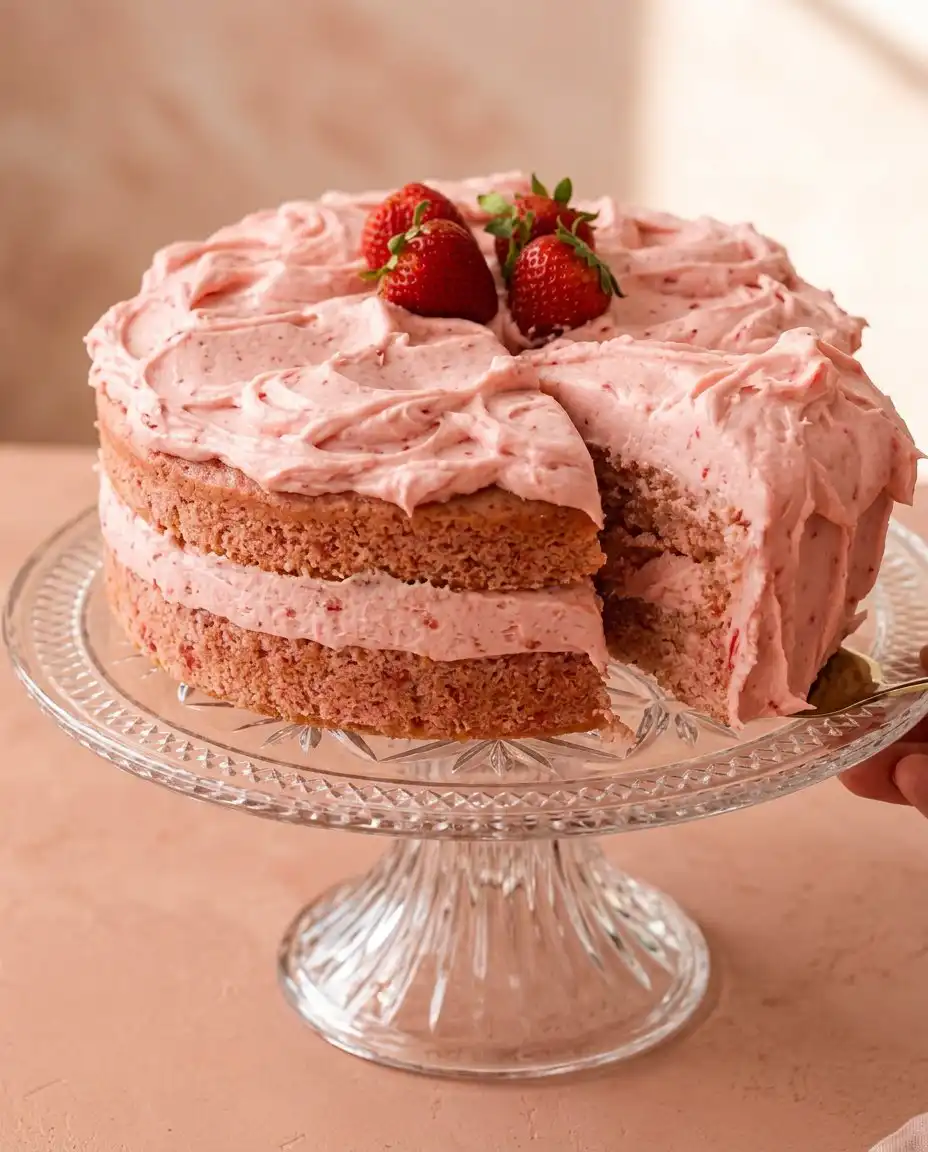
When you are ready to serve, use a clean, sharp knife that has been dipped in warm water and wiped dry between each cut. This technique ensures that the cross-section reveals the even distribution of the fruit and the precise layers of frosting without smearing. The reveal of the interior is the final proof of your technical execution.
You might consider serving each slice with a small dollop of lightly sweetened crème fraîche to provide a sophisticated tang that cuts through the richness of the frosting. This pairing honors the French tradition of balancing textures and acidity. For a larger gathering, a strawberry crunch cake topping can add an unexpected and delightful textural element to the presentation.
Presentation is the final step in the baker’s discipline. Arrange the slices on chilled plates to maintain the integrity of the cream cheese frosting, especially in warmer environments. A single, perfectly glazed strawberry placed atop each slice serves as a simple yet elegant reminder of the primary ingredient featured within the cake.
What You Have Learned Here
Mastering this recipe is an exercise in temperature control and moisture management. By respecting the reduction process and ensuring your fats are properly tempered, you have created a dessert that stands far above standard commercial versions. Small things, done exactly right, result in a cake that is as structurally sound as it is flavorful.
I encourage you to take the time to appreciate the technical details, from the ribbon stage of your batter to the final smooth stroke of your offset spatula. This strawberry poke cake is another wonderful way to explore fruit integration if you wish to continue building your skills. Please share your results and your progress with our community of dedicated bakers.