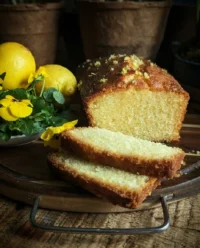
The early morning light spills across the counter as I sift flour, the dust dancing in the air before the house awakens to the scent of fruit warming in the kitchen.

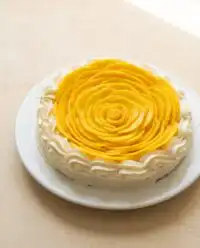
This Classic Mango Sponge Cake is a delicate balance of airy texture and the bright sweetness of fresh fruit. It reminds me of the simple desserts shared after a long Sunday dinner under the shade of the porch. We use a traditional method from our recipe box to ensure every slice feels like a gentle cloud on the tongue. By following these steps, you will create a centerpiece that honors the quiet art of small-batch baking.
A Bite of Pure Nostalgia for Classic Mango Sponge Cake
Prep: 30 min · Serves: 6 · Difficulty: Intermediate
- Light crumb that melts away quickly
- Fresh mangoes provide natural bright sweetness
- Simple ingredients found in any pantry
- Traditional techniques passed down through generations
- Perfect for quiet family birthday celebrations
This cake honors the patience of the old ways with every tender bite, much like our sponge cake recipe which has been a family favorite for years.
Get The Full Cake Recipe
Print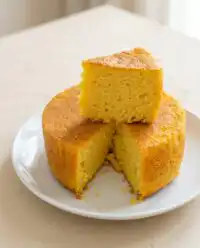
Classic Mango Sponge Cake
- Total Time: 1 hour 20 mins
- Yield: 6 servings
Description
This classic mango sponge cake features a light, airy crumb layered with fresh, tropical mangoes and silky vanilla cream. It is a timeless, delicate dessert perfect for celebrating special family occasions.
Ingredients
- Large egg yolks
- Granulated sugar
- All purpose flour
- Cornstarch
- Vegetable oil
- Fresh mangoes
- Egg whites
- Hot water
- Vanilla essence
- Baking powder
- Thickened cream
Instructions
- Prepare the oven. Preheat your oven to 160°C (320°F) and line the bottom of an 8-inch cake tin with parchment paper.
- Dissolve the sugar. Combine hot water and the first portion of granulated sugar in a large bowl, stirring until dissolved.
- Whisk the yolks. Add egg yolks and vanilla, whisking until the mixture doubles in volume, then slowly incorporate the vegetable oil.
- Fold dry ingredients. Sift flour, baking powder, and cornstarch into the yolk mixture and fold gently with a spatula.
- Whip egg whites. Beat egg whites in a separate bowl until foamy, then gradually add sugar and beat until stiff peaks form.
- Combine the batters. Gently fold the stiff egg whites into the yolk mixture in three additions, being careful not to deflate the air.
- Bake the sponge. Pour the batter into the tin and bake for 40 to 50 minutes until golden and springy to the touch.
- Invert to cool. Turn the cake tin upside down on a wire rack immediately after removing from the oven to prevent collapse.
- Prepare the filling. Whisk thickened cream with sugar and vanilla until firm, and slice the mangoes into ribbons and cubes.
- Assemble the layers. Slice the cake into three layers, stacking them with cream and mango, then finish by frosting the exterior.
Notes
- Ensure all equipment is completely grease-free to achieve the necessary stiff peaks from the egg whites.
- Use a turntable to help achieve a professional and smooth finish when frosting the cake sides.
- Bring eggs to room temperature before beginning to ensure they reach maximum volume when whipped.
- Handle the batter with a light touch during the folding process to preserve the delicate air bubbles.
- Select mangoes that are fragrant and slightly soft at the stem end for the best flavor and texture.
- Prep Time: 30 mins
- Cook Time: 50 mins
- Category: Dessert
- Method: Baking
- Cuisine: Contemporary
Gathering Your Ingredients
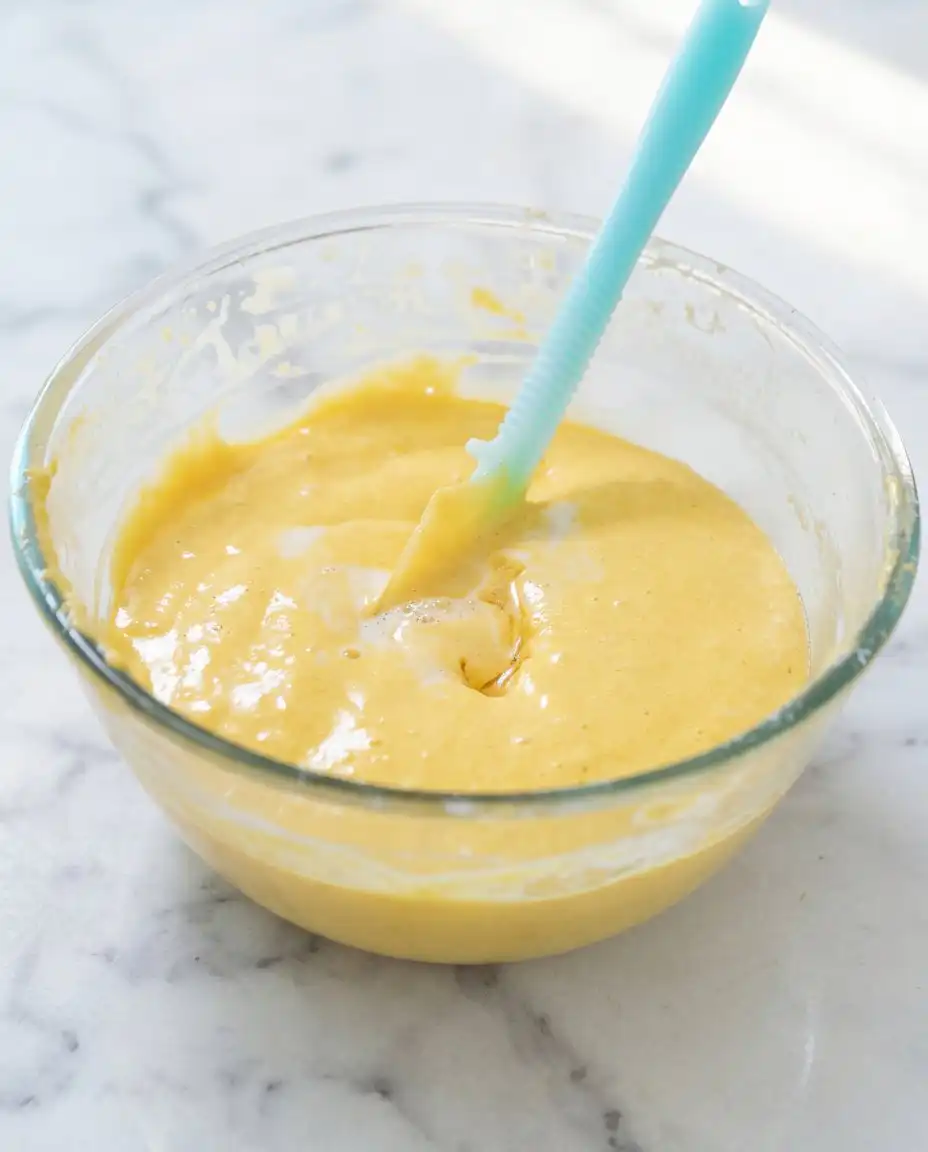
The beauty of a heritage sponge lies in the quality of the basics we keep on our shelves. Selecting the ripest mangoes and the freshest eggs ensures the flavor is as honest as the hands that prepared it. Each element serves a specific purpose in creating that signature lift.
- Large egg yolks create the rich, golden base of the batter.
- Granulated sugar provides sweetness and helps stabilize the delicate egg foam.
- All purpose flour gives the cake enough structure to hold the fruit.
- Cornstarch is the secret to a tender, silky crumb that feels light.
- Vegetable oil keeps the sponge moist even after it has been chilled.
- Fresh mangoes offer a vibrant tropical flavor that balances the creamy topping.
| Ingredient | Why It Matters |
|---|---|
| Egg Whites | Provide the essential lift and airy structure |
| Cornstarch | Softens the flour for a delicate mouthfeel |
| Hot Water | Helps dissolve sugar and creates a smooth yolk base |
| Vanilla | Adds a warm, aromatic depth to every slice |
Step by Step in Teresa’s Kitchen
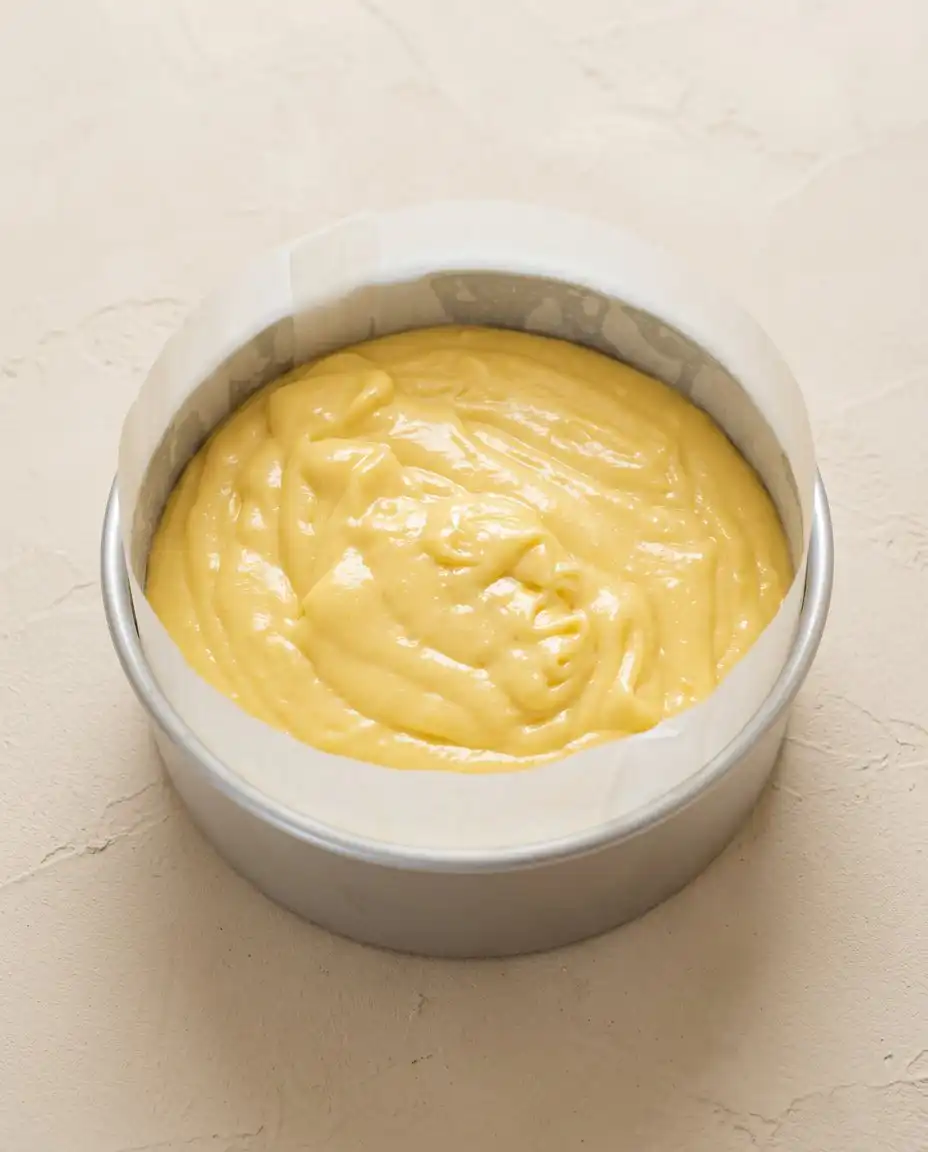
Step 1: Prepare the Foundation
Preheat your oven to 160°C (320°F) and carefully line the bottom of an 8-inch cake tin with parchment paper. Do not grease the sides of the pan, as the sponge needs to cling to the walls to rise properly. This is a quiet moment to ensure your workspace is clean and your tools are ready.
Step 2: Begin the Yolk Mixture
In a large glass bowl, combine the hot water and the first portion of granulated sugar. Stir gently until the sugar begins to dissolve into the warm liquid. This base will help the yolks reach their full potential of volume and lightness.
Step 3: Whisk the Yolks to Ribbons
Add the egg yolks and vanilla essence to the sugar mixture, whisking steadily until the volume doubles. You are looking for a pale yellow color and a thick consistency that leaves ribbons on the surface. Incorporate the vegetable oil slowly, maintaining the air you have worked so hard to build.
Step 4: Sift and Fold the Dry Ingredients
Sift the all-purpose flour, baking powder, and cornstarch directly over the yolk mixture to avoid any heavy lumps. Use a wide spatula to fold the ingredients together with a light hand. The batter should look smooth and consistent without losing its delicate, aerated nature.
Step 5: Master the Egg Whites
In a separate clean bowl, beat the egg whites until they become foamy like the crest of a wave. Gradually add the second portion of granulated sugar while continuing to beat at a medium speed. Stop only when stiff peaks form, standing tall and firm when the whisk is lifted.
Step 6: Combine the Two Worlds
Carefully fold the stiff egg whites into the golden yolk batter in three separate additions. Move your spatula in a gentle arc, lifting from the bottom to the top to preserve the tiny air bubbles. This step requires your full attention to ensure the batter remains voluminous and light.
Step 7: Bake Your Classic Mango Sponge Cake
Pour the batter evenly into the prepared cake tin and place it in the center of the warm oven. Bake for about 40 to 50 minutes, watching for the top to become golden and the center to spring back. The scent of vanilla will fill the air as the cake reaches its peak height.
Step 8: Cool with Care
Turn the cake tin upside down onto a wire rack immediately after removing it from the heat. Cooling the cake in this inverted position prevents the delicate structure from collapsing under its own weight. Once it is completely cool to the touch, place it in the fridge to chill through.
Step 9: Prepare the Cream and Fruit
Whisk the thickened cream with sugar and vanilla until it holds its shape firmly for piping. Peel your mangoes and slice them into thin, translucent ribbons and uniform cubes for the topping. The fruit should be ripe and fragrant, promising a burst of summer in every bite.
Step 10: Assemble the Layers
Cut the chilled cake into three equal layers and stack them with generous amounts of cream and sliced fruit. Smooth the remaining cream over the top and sides, then finish with a piped border and the golden mango cubes. Allow the cake to set in the cool of the fridge for at least an hour before serving.
Baker’s Wisdom
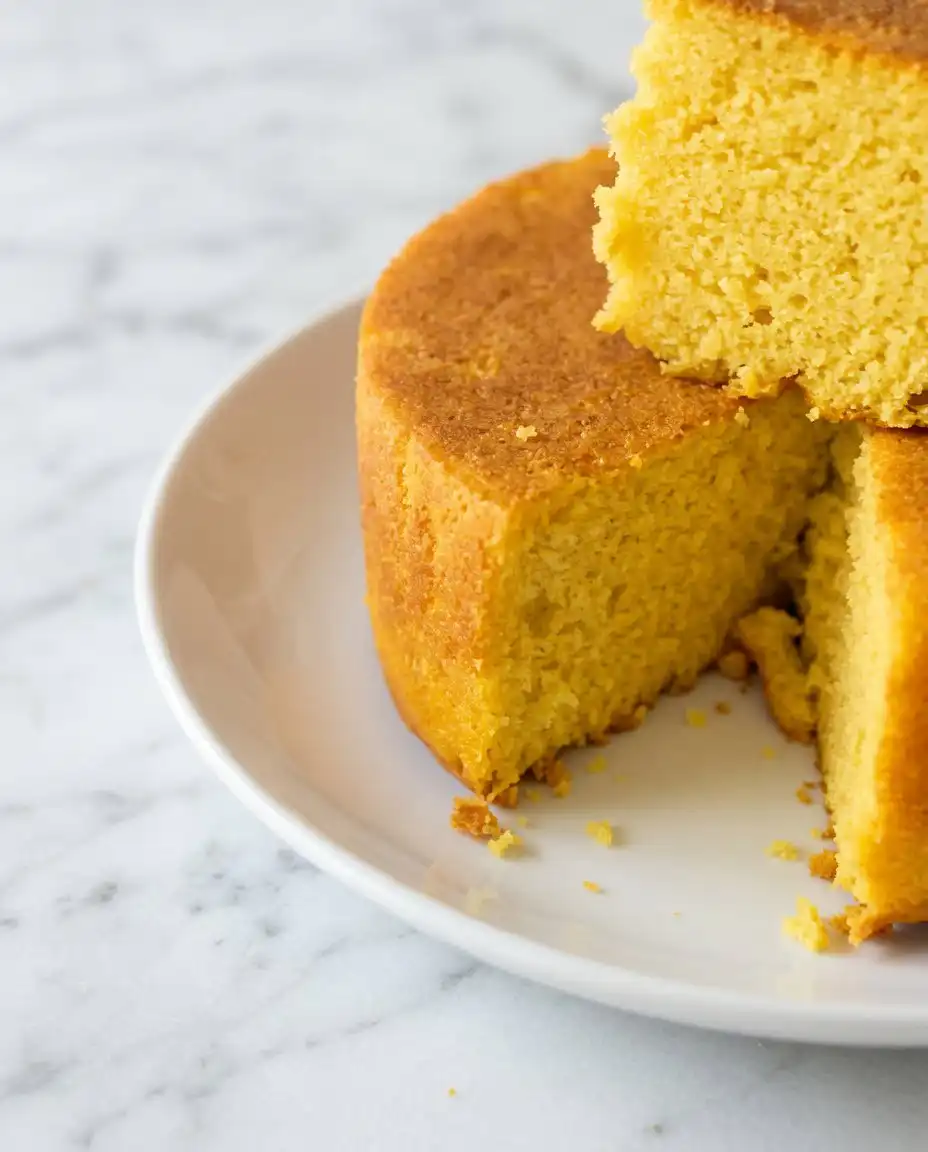
Always ensure your mixing bowls are completely free of grease before starting with the egg whites. Even a small drop of oil or yolk will prevent the whites from reaching the stiff peaks required for a true sponge. Using a glass or metal bowl is often better than plastic for this reason.
When folding the ingredients, imagine you are handling a fragile piece of lace. The goal is to combine the textures without deflating the air bubbles that act as the only leavening agent for this cake. Patience is your best tool in this part of the process.
If your cake is dense or fails to rise, here is why and how to fix it. This often happens if the egg whites were not beaten long enough or if the folding was too vigorous. Next time, ensure your whites are firm and use a gentle hand to keep the batter as light as a whisper.
For a truly professional finish, use a turntable when applying the cream to the sides of the cake. This allows you to create a smooth, even surface that looks as beautiful as those found in old-fashioned bakery windows. This technique is similar to how we handle a chiffon cake to keep it looking pristine.
Selecting the right fruit is vital for the overall success of the dessert. Look for mangoes that give slightly to pressure and have a strong, sweet aroma at the stem end. You can learn more about the best fruit for baking to ensure your selections are always at their peak.
Room temperature eggs are much easier to separate and will reach a greater volume when whisked. If you forget to take them out of the icebox early, place the whole eggs in a bowl of warm water for a few minutes. This simple step makes a significant difference in the final height of your sponge.
Frequently Asked Questions
Can I use frozen mangoes for this recipe?
It is best to use fresh, ripe mangoes for the assembly of this cake. Frozen fruit often releases too much moisture as it thaws, which can make the sponge soggy and cause the cream to slide. Fresh fruit provides the firm texture and bright flavor that defines this classic dessert.
Why did my sponge cake sink in the middle?
A sponge often sinks if the oven door was opened too early during the baking process or if it was not cooled upside down. The structure is very delicate until it is completely cold. Always wait until the final minutes to check for doneness and remember to invert the pan immediately.
How long will this cake stay fresh in the fridge?
This cake is best enjoyed within two days of assembly as the fresh fruit and cream are at their peak. Keep it covered in a cake dome to prevent the sponge from absorbing other scents from the fridge. The texture remains soft and light when kept properly chilled.
Can I make the sponge layers in advance?
You can certainly bake the sponge layers a day before you plan to assemble the cake. Once they are completely cool, wrap them tightly in plastic wrap and store them at room temperature. This allows the crumb to settle, making it easier to slice into layers the following morning.
Do I need to use cornstarch in the batter?
The cornstarch is a vital ingredient for achieving the tender, melt-in-the-mouth texture of a heritage sponge. It softens the proteins in the all-purpose flour, creating a crumb that is much finer than what flour alone could produce. Do not skip this if you want the most delicate result.
What is the best way to slice the mango thinly?
Use a very sharp paring knife and work slowly to create uniform slices. Peeling the mango first and then slicing off the large cheeks will give you the best surface to work with. If the mango is too slippery, use a clean kitchen towel to hold it steady while you work.
Through the Seasons
While mango is a traditional choice, you can easily adapt this recipe to include other seasonal fruits like peaches or strawberries. Simply ensure the fruit is ripe and sliced thinly so it does not weigh down the delicate sponge layers. This versatility is why we love our classic vanilla butter cake and keep it in our weekly rotation.
If you prefer a more tropical profile, try replacing the vegetable oil with melted coconut oil. You can also toast some shredded coconut to sprinkle over the finished cream for an added layer of texture. This small change brings a different character to the cake without losing the heritage feel of the original recipe.
For those who enjoy a deeper citrus note, add the zest of a large lemon or orange to the yolk mixture before whisking. The bright oils in the citrus skin will permeate the batter and offer a refreshing contrast to the sweet mango. This technique is often used when we want to properly prepare fruit for cakes in a traditional way.
At the Table
Serve each slice of this cake on a chilled porcelain plate to keep the cream firm for as long as possible. It is a beautiful addition to an afternoon tea service, especially when paired with a light Oolong or a gentle Earl Grey. The simplicity of the cake allows the natural sweetness of the mango to shine without being overshadowed by heavy accompaniments.
For a special family gathering, place the cake on a tall glass stand in the center of the table. It looks lovely when surrounded by fresh flowers or extra slices of fruit. This presentation reminds me of the classic vanilla layer cake that always graced the table during our summer celebrations in the garden.
If you are serving this for a birthday, consider adding a few sprigs of fresh mint for a pop of color against the white cream. The cooling nature of the mint complements the tropical mango beautifully. It is these small, thoughtful touches that make a house feel like a home and a meal feel like a memory.
Before You Close the Recipe Box
Baking this cake is an act of love and patience that brings the warmth of a heritage kitchen into your own home. It is a reminder that the simplest ingredients, when treated with care and the old way of doing things, can create something truly extraordinary. I hope this recipe finds a place in your family archives just as it has in ours.
Please share your baking journey with us and let us know how your kitchen smelled as the vanilla and mango came together. You can find more inspiration and share your photos with our community through our vanilla cake recipe page or by visiting us on social media.