Swapping standard milk for pumpkin spice creamer transforms a state fair staple into a seasonal heavyweight with zero apologies and a flavor profile that demands your full attention.

This Pumpkin Spice Funnel Cake isn’t just another pumpkin-flavored novelty; it’s a structural triumph that uses real puree and specialized creamer to anchor the spices. You don’t need a carnival trailer to achieve that tangled, crispy lattice that shatters on impact. By scaling this down to a home-sized batch, we control the oil temperature better than any high-volume vendor ever could. This precision allows the warm notes of cinnamon and allspice to bloom in the hot fat without becoming bitter or burnt.
Why Small-Batch Works Here
Prep: 10 min · Serves: 8 · Difficulty: Medium
- Crispy edges that hold their snap longer.
- Deep caramelization from targeted brown sugar use.
- Real pumpkin puree adds structural velvet richness.
- Cinnamon and allspice provide bold sensory depth.
- Small batches maintain consistent frying temperatures.
Small batch, full conviction is the only way to fry.
This method guarantees you never have to settle for the soggy, oil-logged funnel cake recipe found at local fairs.
Get The Full Cake Recipe
Print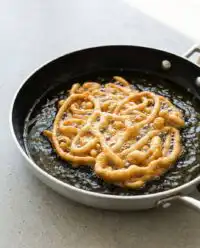
Pumpkin Spice Funnel Cake
- Total Time: 25 mins
- Yield: 8 servings
Description
Elevate the classic state fair treat with this pumpkin-infused funnel cake that combines real squash puree with seasonal spices and a rich, creamy batter. This method ensures a perfectly crispy, airy lattice that captures the essence of autumn in every golden bite.
Ingredients
- 2 cups all-purpose flour
- 1/2 teaspoon salt
- 1 tablespoon baking powder
- 1 teaspoon ground cinnamon
- 1/2 teaspoon ground allspice
- 1/4 teaspoon ground nutmeg
- 1/2 cup pumpkin spice creamer
- 1/2 cup 2% milk
- 1/3 cup pumpkin puree
- 2 large eggs
- 1 teaspoon vanilla extract
- 1/4 cup brown sugar
- Vegetable oil for frying
Instructions
- Sift dry ingredients. Whisk the flour, salt, baking powder, and spices in a bowl to ensure an even distribution for uniform structural integrity.
- Emulsify wet elements. Combine the creamer, milk, puree, eggs, vanilla, and brown sugar, whisking vigorously until the mixture is smooth and fully incorporated.
- Calibrate the oil. Heat vegetable oil in a heavy-bottomed pan to a steady 375°F to ensure the cake crisps properly without absorbing excess grease.
- Integrate the batter. Gradually fold the dry mixture into the wet base until a thick, ribbon-like consistency is achieved, avoiding over-mixing.
- Pipe the lattice. Transfer the batter to a bag, snip a half-inch opening, and squeeze into the oil in overlapping circles to create a connected lattice.
- Fry until golden. Cook for three minutes on the first side and two minutes on the second until both sides reach a deep, burnished brown.
- Drain excess oil. Lift the cake with a spider strainer, let it drip briefly, and place it on paper towels to ensure a crisp, non-soggy finish.
Notes
- Use a digital clip-on thermometer to maintain oil heat between 350°F and 375°F to prevent heavy, greasy cakes.
- Adjust the consistency of your batter with a splash of milk if it feels too thick to pipe through your bag easily.
- Over-mix the batter as little as possible to avoid developing tough gluten strands that compromise the delicate texture.
- Ensure the funnel cake strands overlap significantly during the pour so the structure holds together while frying.
- Prep Time: 10 mins
- Cook Time: 15 mins
- Category: Dessert
- Method: Deep-frying
- Cuisine: American
The Lineup
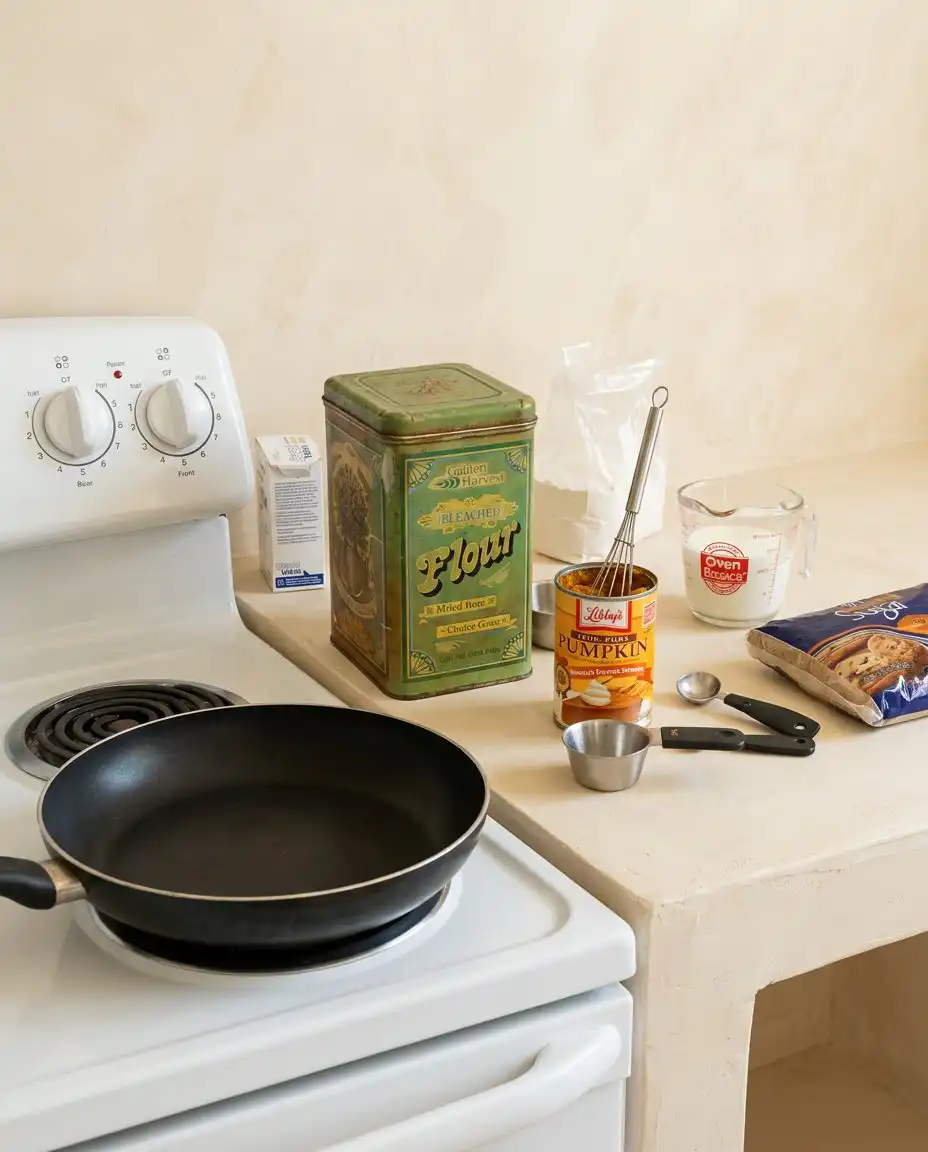
Baking is a game of ratios, and when you introduce the moisture of pumpkin puree, you must compensate with the right dry foundation. We use a heavy hand with the aromatics because the heat of the oil tends to mute subtle notes; we want a flavor that fights back.
- Pumpkin Spice Creamer: This rebel swap replaces the flat profile of plain milk with concentrated sweetness and fat.
- Pumpkin Puree: Use real puree, not the pre-spiced pie filling, to control the exact moisture content of your batter.
- Allspice and Cinnamon: These spices provide the foundational heat that defines the autumn season in every crispy bite.
- Brown Sugar: Unlike white sugar, this adds molasses which helps the batter brown into a deep mahogany color.
- Baking Powder: This is your lift; it reacts instantly with the heat to create those airy, puffed-up channels.
- Vegetable Oil: A high smoke point is non-negotiable here to avoid a kitchen full of acrid blue haze.
| Ingredient | Why It Matters |
|---|---|
| Pumpkin Puree | Adds density and real squash flavor |
| Pumpkin Spice Creamer | Boosts fat content for a richer crumb |
| Allspice | Provides a complex, peppery back-note |
| Brown Sugar | Accelerates the Maillard reaction for color |
The Method
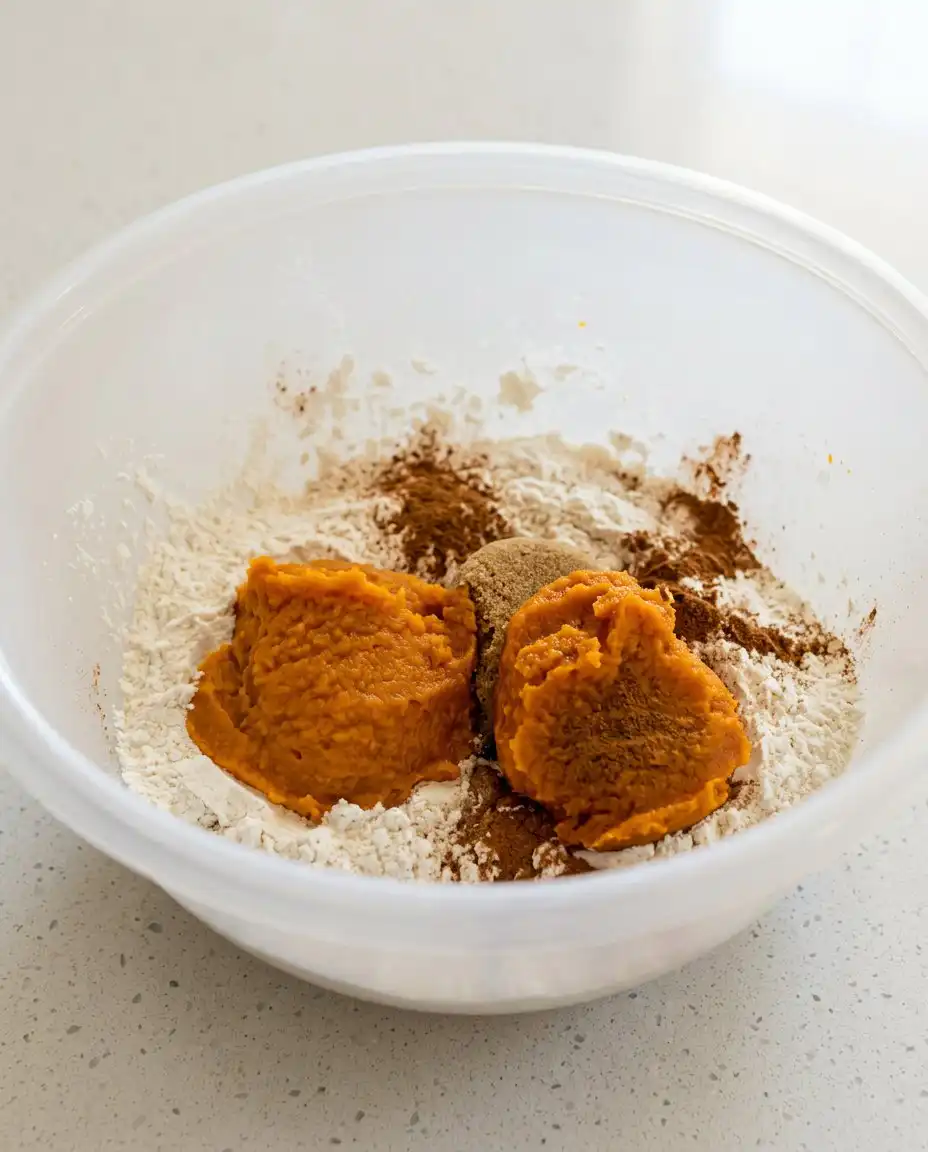
Step 1: Establish Your Dry Foundation
Sift your flour, salt, cinnamon, allspice, pumpkin spice, and baking powder into a large glass bowl. Use a whisk to aerate the mixture, looking for a uniform, sandy color that indicates the spices are evenly distributed throughout the starch. This prevents any concentrated pockets of leavening agent from ruining the structural integrity of your fried dough.
Step 2: Emulsify the Wet Elements
In a separate vessel, combine the 2% milk, pumpkin spice creamer, real pumpkin puree, eggs, vanilla extract, and brown sugar. You must whisk this vigorously until the brown sugar grains disappear and the puree is fully integrated into the liquid. The mixture should look like a pale orange latte and feel smooth when rubbed between your fingers.
Step 3: Calibrate Your Heat Source
Pour your vegetable oil into a heavy-bottomed pan and set it over medium-low heat. You are looking for a steady climb to 375°F; anything lower results in a greasy sponge, while anything higher burns the exterior before the center sets. The moment the oil begins to shimmer is your cue that the environment is ready for the batter.
Step 4: Integrate the Batter
Using a hand mixer, slowly introduce the dry flour mixture into the wet pumpkin base. You are looking for a thick, ribbon-like consistency that falls off the beaters in a steady stream without breaking. If the batter feels too thin, add flour by the tablespoon; if too thick, a splash of creamer will restore the flow.
Step 5: Frying Your Pumpkin Spice Funnel Cake to Golden Perfection
Transfer your batter into a large storage bag and snip exactly one-half inch from the corner. Squeeze the batter into the hot oil in a series of overlapping circles and zig-zags to create a connected lattice. Watch for the batter to immediately puff and rise to the surface, signaling the air pockets are expanding correctly.
Step 6: The Golden Turn
Fry the first side for about three minutes until the bottom is a deep, burnished gold. Use long tongs or a wide spider strainer to flip the cake in one decisive motion to avoid splashing. The second side usually cooks faster, requiring only two minutes to reach the same level of crispness.
Step 7: The Final Drain
Lift the cake from the oil and hold it over the pan for five seconds to let the initial excess drip away. Transfer it immediately to a plate lined with three layers of heavy paper towels. This step is vital to ensure the steam doesn’t trap inside the lattice and turn your crispy creation into a limp mess.
Notes from Testing
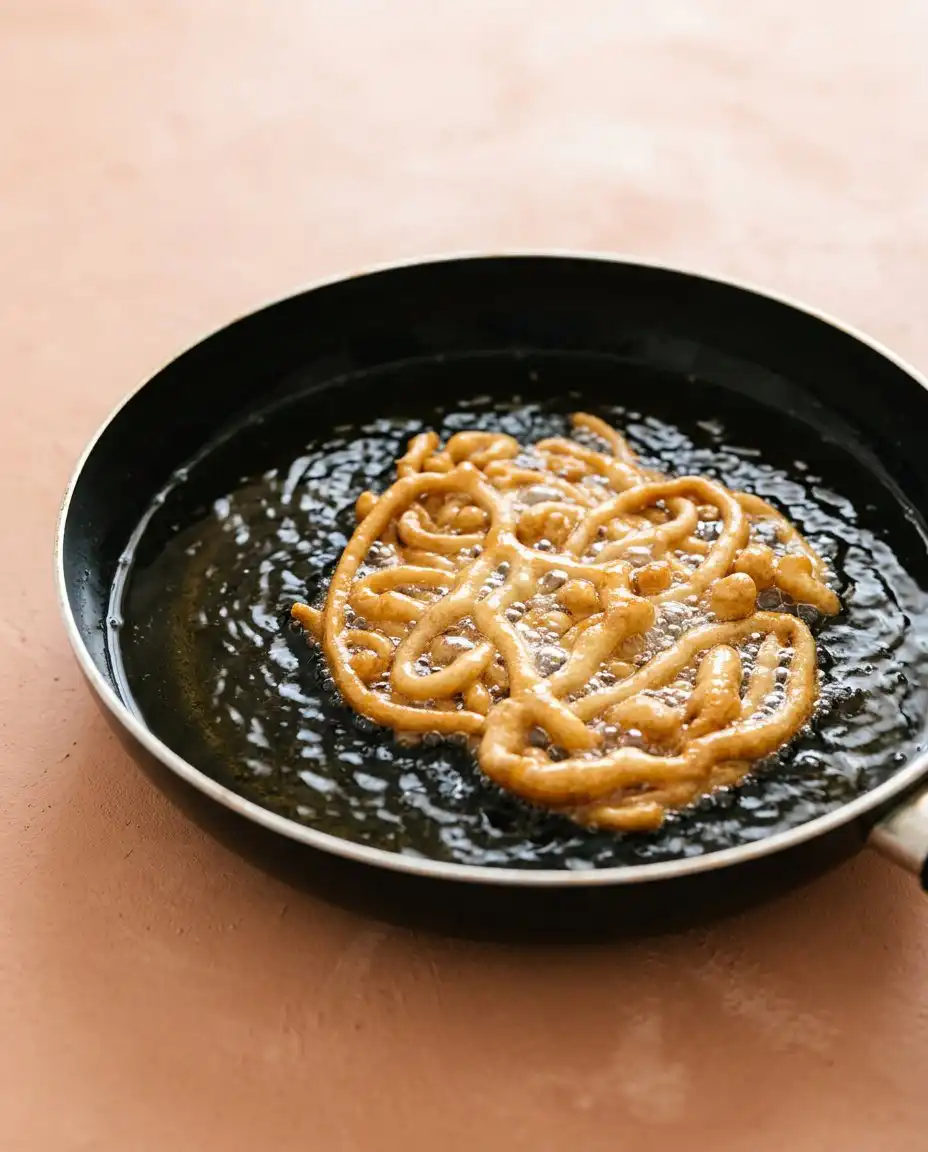
Temperature control is the difference between a pastry innovator and a hobbyist. If your funnel cake is coming out heavy and oil-soaked, your temperature has likely dropped below 350°F between batches. Invest in a clip-on thermometer so you aren’t guessing when to drop the next round of batter into the pan.
The hole in your piping bag dictates the texture of your finished cake. A small hole creates thin, crunchy threads while a larger snip produces a doughy, doughnut-like interior. Experiment with a test drop to find your preferred balance of crunch and chew before committing the whole batch.
Don’t overmix the batter once the flour meets the wet ingredients or you will develop too much gluten. Tough funnel cake is a mistake made by those who prioritize smoothness over lightness. Stop the mixer the moment the white streaks of flour vanish into the orange base.
If the pumpkin puree makes your batter too heavy to flow, add a teaspoon of milk at a time to adjust the viscosity. You want the batter to move with the gravity of the bag, not require a heavy squeeze to exit. This ensures a delicate lace pattern rather than thick, clunky logs of dough.
If your cake separates into individual pieces in the oil, you aren’t overlapping your circles enough during the pour. Every strand of batter needs to touch at least two others to form a stable structure. You can read more about moisture balance in my apple spice cake guide for better technical insight.
For more technical details on achieving a crispy exterior in seasonal bakes, refer to this pumpkin spice funnel cake recipe guide. Mastery comes from observing how different fats react to the sugars in your pumpkin base.
Frequently Asked Questions
Can I use canned pumpkin pie filling instead of puree?
No, you must avoid pie filling because it contains added sugars and stabilizers that will ruin the batter’s chemistry. These extras cause the dough to brown too fast and become gummy in the center. Stick to 100% pure pumpkin puree for the correct moisture ratio.
Why is my funnel cake so greasy and limp?
Greasy funnel cake is almost always the result of oil that isn’t hot enough. When the oil temperature drops, the batter absorbs the fat instead of being seared by it. Always use a thermometer to maintain a steady 375°F throughout the frying process.
How do I store leftovers without them getting soggy?
Fried dough is best enjoyed immediately, but you can store them in an airtight container for one day. To revive the crunch, place them in a 400°F air fryer for two minutes. Never use a microwave, as it will turn the sugar into a sticky, soft mess.
Can I make the batter ahead of time?
You can prep the batter up to two hours in advance if kept in the refrigerator. However, the baking powder will lose some of its potency over time. For the best lift, whisk in a fresh pinch of leavening right before you start frying.
What is the best oil for frying this recipe?
Vegetable oil or canola oil are the best choices because they have neutral flavors and high smoke points. Avoid butter or olive oil, as they will burn and smoke at the temperatures required for a proper fry. A clean oil ensures the pumpkin and spices remain the star of the show.
My batter is too thick to pour, what should I do?
If your batter won’t flow easily through the bag, it is likely because the pumpkin puree was particularly dense. Whisk in one tablespoon of milk at a time until it reaches a thick but pourable consistency. The recipe is a starting point, you are the variable.
Rebel Swaps
While the classic pumpkin profile is iconic, you can push the boundaries by swapping the spices. Replace the allspice with ground cardamom and ginger for a brighter, more floral take on the autumn theme. This pairs exceptionally well with a citrus-based glaze if you want to move away from heavy sugars.
Try using a dark brown sugar or even a touch of molasses in the batter for a deeper, more robust flavor profile. This creates a cake that feels more like a gingerbread hybrid than a standard fair treat. You can apply similar flavor-stacking logic used in my pumpkin spice cake to these fried variations.
For a technical dive into flavor profiles, this advanced spice guide explains how various heat levels affect aromatic compounds in hot oil. Understanding these chemical shifts allows you to customize your batter for maximum sensory impact.
Before You Slice
Traditional powdered sugar is the standard, but for a rebel twist, try a dusting of maple sugar mixed with a pinch of flaky sea salt. The salt cuts through the richness of the fried dough and highlights the earthy notes of the pumpkin. Sift the sugar while the cake is still hot so a thin layer melts into the crevices while the top remains snowy.
If you want to create a true dessert centerpiece, serve a hot funnel cake alongside a scoop of cold vanilla bean ice cream. The temperature contrast is a sensory landmark that makes each bite more dynamic. You can even drizzle it with the same glaze used for pumpkin cheesecake to add a tangy cream cheese element.
For a more technical approach to plating, consider a sharp balsamic reduction with a hint of ginger. This acidity balances the fat of the oil and the sweetness of the pumpkin spice creamer. Serve it on a dark plate to let the golden orange hues of the cake pop visually for your guests.
What You Just Proved
You have just moved beyond the standard bake to conquer the art of deep-frying with precision and intent. This recipe isn’t about following a script; it’s about understanding how heat, fat, and pumpkin moisture interact to create something far superior to the carnival original. Once you master this method, you realize that small-batch frying offers a level of quality that mass production can never touch.
Take this technique and apply it to other seasonal flavors throughout the year. The same structural rules apply whether you are working with squash or an indulgent 3 ingredient dump cake base. Baking is an evolution, and your kitchen is the lab where the rules get rewritten.
I want to see your golden, crispy results and how you chose to finish them. Share your creations and join our community of flavor rebels on Pinterest, Facebook, or TikTok. Your version is the only one that matters.