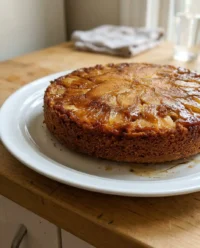
Conventional wisdom says you must use cake flour for a light layer cake, but that is a soft lie designed to keep your crumb fragile and forgettable.

When you bake this Lemon Blueberry Layer Cake with Cream Cheese Frosting, you throw out the fragile rules of standard layers. By blending a strategic measure of cornstarch into all-purpose flour, we create a structured crumb that holds heavy berries without sinking to the pan base. This small-batch three-layer beauty balances aggressive citrus oils against the rich, tangy cloud of whipped cream cheese frosting. It is a deliberate exercise in flavor tension, designed to surprise your palate with every single forkful.
Many bakers assume that small-batch means settling for a flat single-layer snack cake, but three six-inch pans prove that theory wrong. Going smaller allows for better heat distribution in your home oven, resulting in a more uniform rise and a tender texture. This format offers a high frosting-to-cake ratio, giving you that rich, decadent balance in every single bite without leftover waste. It is a calculated path toward baking less but making those fewer slices truly mean more.
Why This Lemon Blueberry Layer Cake with Cream Cheese Frosting Earns Its Place
Prep: 30 min · Serves: 12 · Difficulty: Medium
- Holds juicy blueberries high without sinking.
- Small-batch three-layer design bakes quickly.
- Cornstarch trick makes all-purpose flour tender.
- Real lemon oil provides pure citrus punch.
- Cream cheese frosting whips up light.
This lemon blueberry cake is the exact formula that will change how you view fruit layers forever. We do not compromise on flavor density or crumb structure when we scale down. It is a reliable blueprint for when you want a show-stopping dessert without a massive clean-up. You get clean layers, distinct fruit pockets, and a velvety crumb every single time.
Get The Full Cake Recipe
Print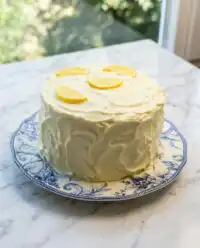
Lemon Blueberry Layer Cake with Cream Cheese Frosting
- Total Time: 1 hour 10 mins
- Yield: 12 servings
Description
This vibrant three-layer cake features a tender cornstarch-infused crumb packed with fresh, flour-dusted blueberries. Topped with a silky, cloud-like cream cheese frosting, it offers the perfect balance of bright citrus notes and rich, tangy sweetness in every bite.
Ingredients
- All-purpose flour
- Cornstarch
- Baking soda
- Baking powder
- Salt
- Unsalted butter, softened
- Vegetable oil
- Granulated sugar
- Fresh lemon zest
- Large eggs
- Buttermilk
- Fresh lemon juice
- Fresh blueberries
- Cream cheese, cold
- Heavy cream, cold
- Powdered sugar
- Vanilla extract
Instructions
- Preheat and prep. Set oven to 180°C (350°F) and line three 6-inch pans with parchment paper.
- Combine dry essentials. Whisk flour, cornstarch, baking soda, baking powder, and salt; reserve one tablespoon of the mix for the berries.
- Extract lemon oils. Beat butter, oil, sugar, and lemon zest for three minutes until the mixture turns into a fragrant, pale paste.
- Integrate wet base. Beat in eggs one at a time, then whisk in buttermilk and lemon juice until smooth.
- Fold dry ingredients. Add dry mixture in two parts, folding gently with a spatula until just combined.
- Coat and add berries. Toss blueberries in reserved flour and gently fold them into the batter.
- Bake the layers. Divide batter into pans and bake for 35 to 40 minutes until a toothpick inserted in the center comes out clean.
- Cool and level. Cool in pans for 10 minutes, then invert onto a wire rack and trim domed tops if necessary.
- Whip the frosting. Beat cold cream cheese, then fold in separately whipped heavy cream, powdered sugar, and vanilla until airy.
- Assemble and chill. Stack the layers with frosting between each, coat the exterior, and chill for 30 minutes before serving.
Notes
- Ensure all dairy and egg components are at room temperature to prevent the batter emulsion from breaking.
- Using a kitchen scale for flour and cornstarch prevents over-packing and guarantees a consistently light crumb.
- Always keep your heavy cream and cream cheese thoroughly chilled until the final assembly to ensure a stable, fluffy frosting.
- Avoid thawing frozen berries if you use them, as excess moisture will streak the batter and create purple bleeding.
- Prep Time: 30 mins
- Cook Time: 40 mins
- Category: Dessert
- Method: Baking
- Cuisine: American
The Lineup
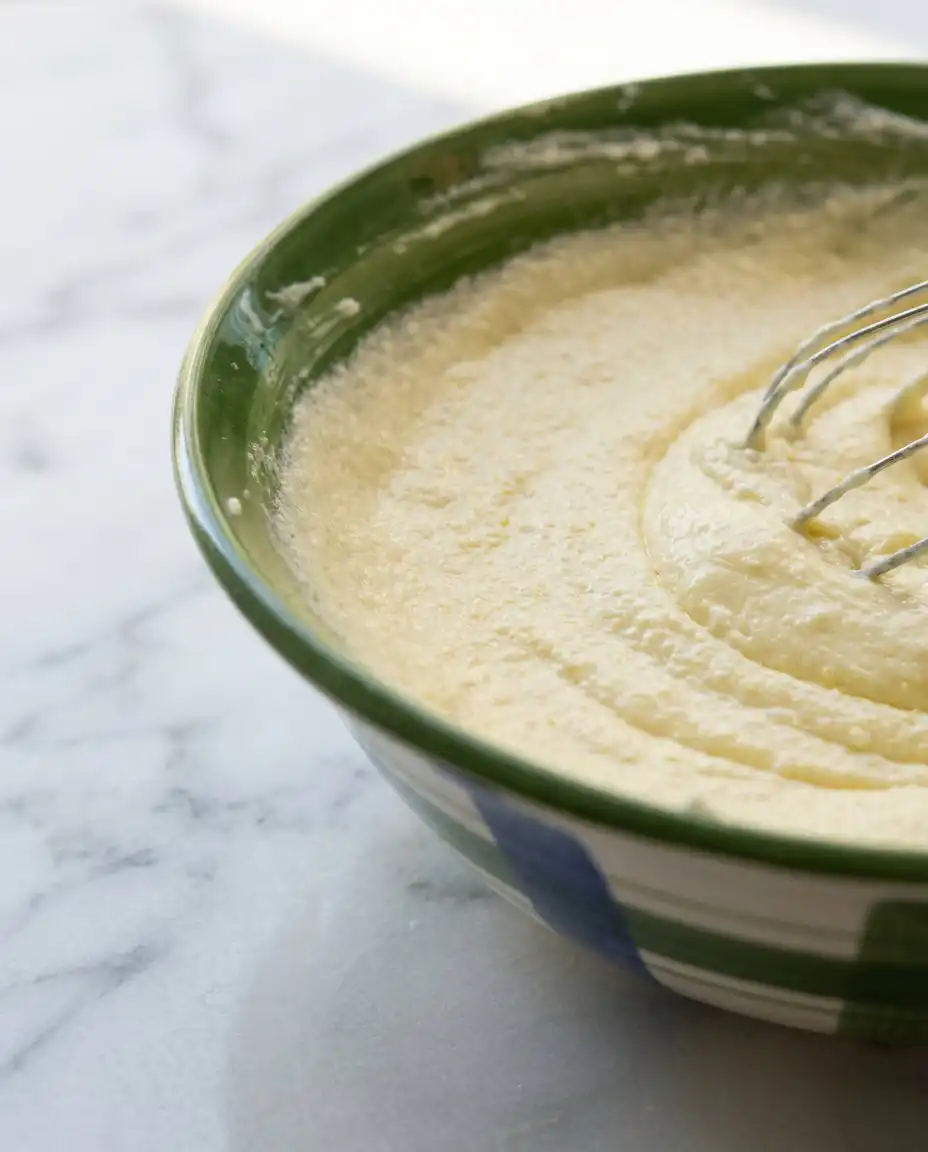
To build a crumb that stands up to heavy fruit, we do not need rare specialty items. We need standard kitchen staples used with total precision to create structural magic. Each element in this bowl has a specific job to perform, working in tandem to support the heavy blueberries and lock in lasting moisture.
The chemistry of this batter depends on balancing tenderizing fats against structural proteins. When these ingredients are scaled correctly, the crumb holds its shape while remaining soft enough to melt on your tongue. Let us look at what makes this specific combination perform so well under the oven’s high heat.
- All-Purpose Flour & Cornstarch: Blending these mimics low-protein flour while maintaining enough structural integrity to hold blueberries aloft. We are lowering the overall gluten potential to keep the cake tender without losing its shape.
- Vegetable Oil & Softened Butter: Butter brings that incomparable toast-like richness, while oil keeps the crumb incredibly soft even after chilling. Oil remains liquid at room temperature, which guarantees a moist mouthfeel.
- Fresh Lemon Zest: Rubbing these yellow oils into the sugar releases intense flavor that chemical extracts cannot match. The mechanical friction of the sugar crystals tears open the zest’s cell walls, releasing pure essential oils.
- Buttermilk: The natural acidity reacts with the baking soda, creating a tender texture and a beautiful rise. It also adds a subtle tang that cuts through the sweetness of the sugar.
- Fresh Blueberries: Tossed in dry flour first to prevent them from dropping straight to the bottom of the pans. Choose small, firm berries for the best distribution throughout the cake layers.
- Cold Cream Cheese: Provides the heavy structure and sharp tang needed to balance the sweet cake layers. Make sure to use brick-style cream cheese rather than spreadable tubs.
- Cold Heavy Cream: Whipped separately and folded in to turn heavy cream cheese into a light, cloud-like topping. This step keeps the icing fluffy instead of heavy and dense.
| Ingredient | Why It Matters |
|---|---|
| Cornstarch | Lowers protein content for a tender crumb. |
| Butter and Oil | Combines rich flavor with lasting moisture. |
| Lemon Zest | Releases natural citrus oils during mixing. |
| Heavy Cream | Lightens cream cheese frosting without adding sugar. |
The Method
Step 1: Prep and Prime Your Workspace
Before touching any ingredients, turn your oven to 180°C (350°F) so the heat is fully stable. Grease three six-inch pans and line each bottom with a neat round of parchment paper. A six-inch pan is a deliberate choice; the smaller surface area helps the batter rise high and evenly. Skipping parchment is a mistake that often leaves half your cake stuck to the metal.
Step 2: Combine the Dry Essentials
Whisk the all-purpose flour, cornstarch, baking soda, baking powder, and salt together in a medium-sized bowl. Remove exactly one tablespoon of this dry mix and set it aside in a tiny bowl. This tiny flour shield will protect your berries later, keeping them suspended in the batter. The cornstarch acts as a tenderizer, keeping the crumb soft and delicate.
Step 3: Extract the Lemon Oils
Combine the softened unsalted butter, vegetable oil, granulated sugar, and fresh lemon zest in a large mixing bowl. Beat the mixture for three minutes using your hand mixer until it transforms into a pale, fragrant paste. You should smell the intense citrus oils releasing as they merge with the fats. The mixture should look light and slightly textured from the sugar grains.
Step 4: Add Eggs and Liquid Foundations
Beat the large eggs into the butter mixture one at a time, making sure each is fully integrated. Pour in the buttermilk and fresh lemon juice, whisking gently until the liquids form a smooth emulsion. The mixture might look slightly curdled at this point, but this texture is correct and safe. The cold liquids are merely reacting with the room-temperature fats.
Step 5: Fold the Wet and Dry Together
Add your dry ingredients to the wet bowl in two distinct parts, folding gently with a silicone spatula. Stop stirring the second the last white streaks disappear to avoid overworking the gluten. Overmixing will turn your light cake layers into tough bread-like rounds. You want a batter that is thick, ribbons off the spatula, and smells deeply of citrus.
Step 6: Coat and Fold the Berries
Toss the fresh blueberries in your reserved tablespoon of dry flour until they look dusty. Fold them into the batter with three or four wide, gentle sweeps of your spatula. The flour coating guarantees the fruit stays distributed instead of dropping like stones. Handle the berries gently so you do not break their skins and bleed blue juice.
Step 7: Bake Your Lemon Blueberry Layer Cake with Cream Cheese Frosting
Divide the purple-flecked batter equally among your three prepared six-inch pans. Bake for 35 to 40 minutes, checking the center with a toothpick until it emerges dry and clean. Your kitchen will fill with a deep aroma of warm fruit and caramelized butter. The tops of the cakes should look golden brown and spring back when lightly touched.
Step 8: Cool and Level the Layers
Let the pans sit on a wire rack for ten minutes before running an offset spatula around the edges. Invert the cakes onto the rack to cool completely before attempting any assembly. If your cakes have slightly domed tops, trim them flat with a serrated knife so they stack safely. Save those tasty off-cuts as a proof-of-concept bite.
Step 9: Whip the Cloud-Like Frosting
Beat your cold cream cheese in a bowl until smooth and free of any tiny lumps. In a separate chilled bowl, whip the cold heavy cream with powdered sugar and vanilla until stiff peaks form. Gently fold the whipped cream into the cream cheese in three portions to maintain the airy texture. The frosting should look thick, glossy, and hold its shape.
Step 10: Assemble and Chill
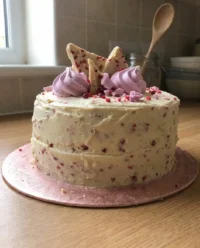
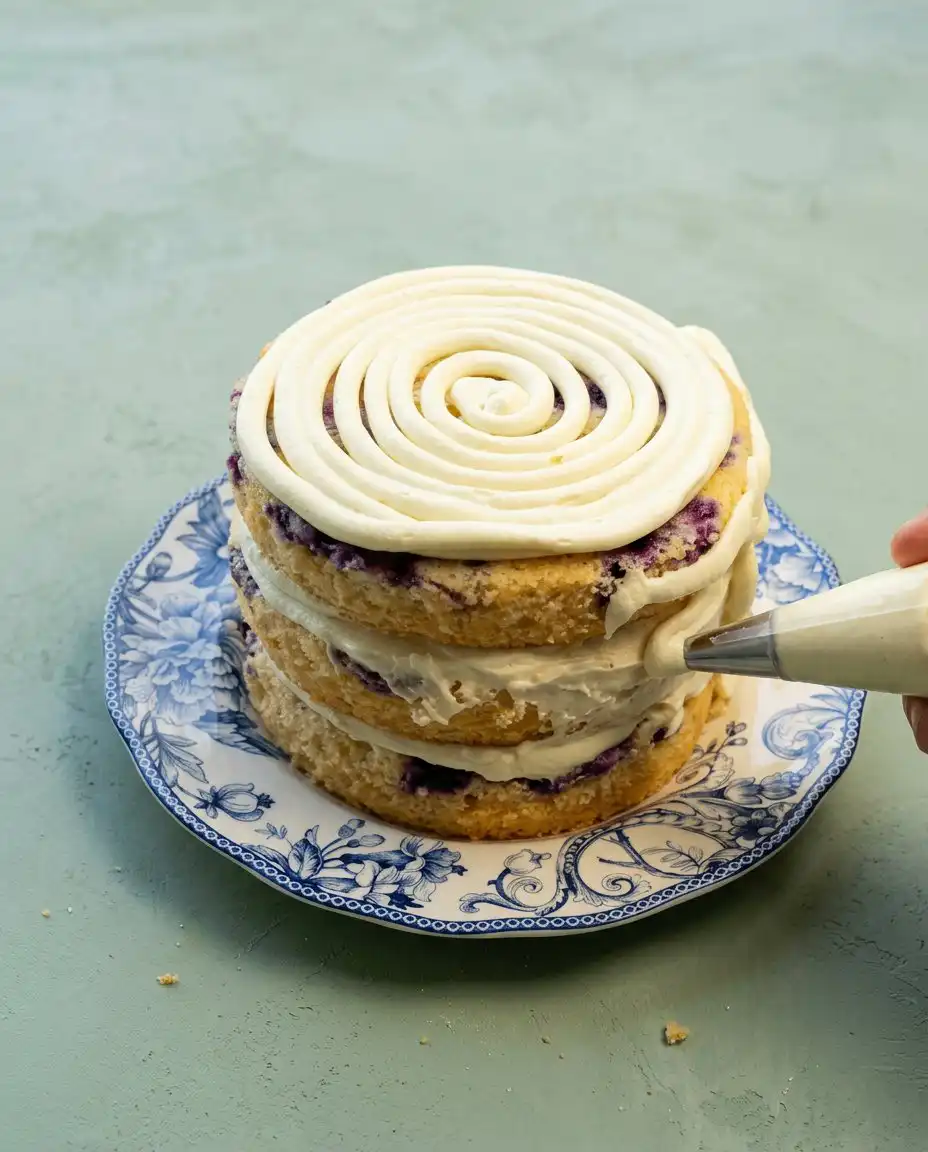
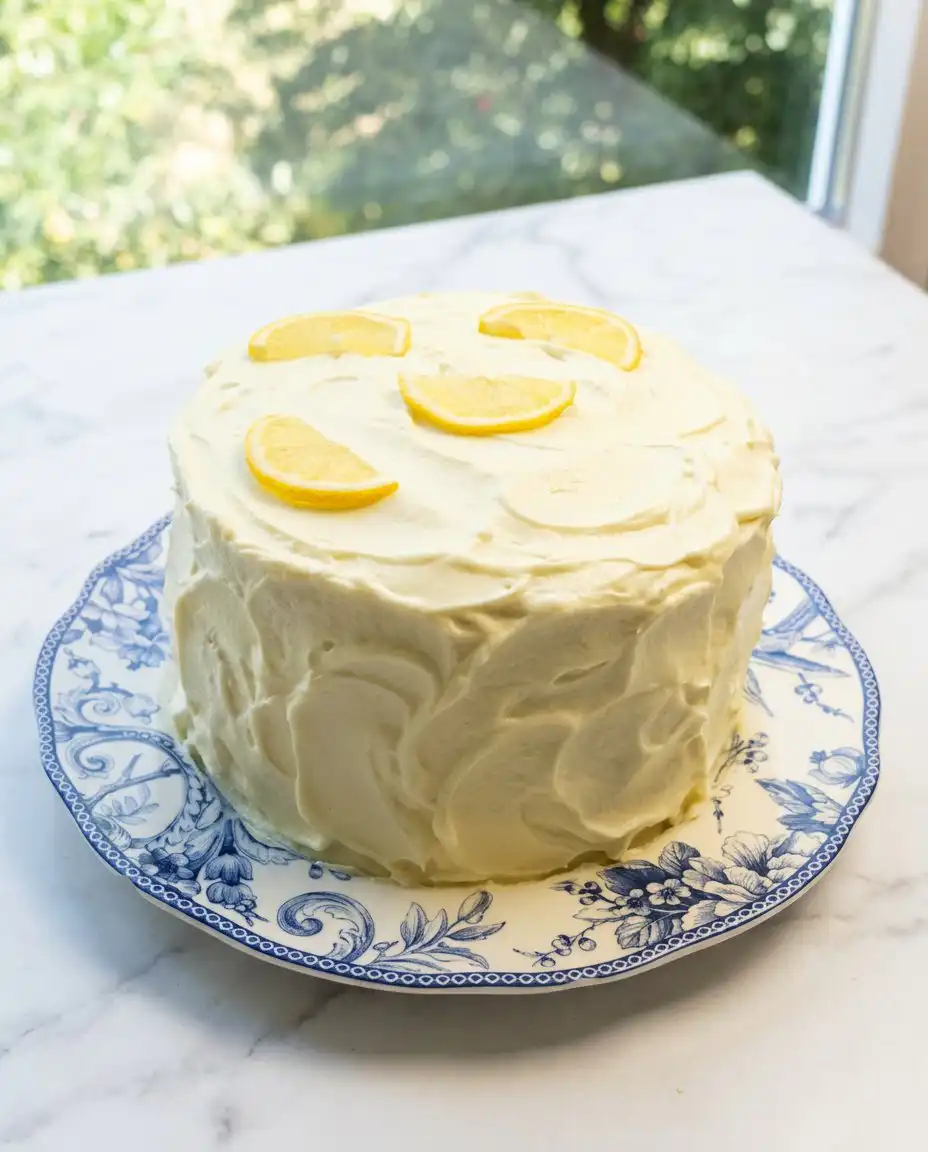
Place your first cake layer on a flat stand and spread one-quarter of the zesty frosting over the top. Repeat the process with the remaining layers, ending with a rustic layer of cream cheese on the exterior. Chill the assembled cake for thirty minutes to set the structure before slicing. This resting time allows the berry moisture to merge with the crumb.
Where to Be Precise
Temperature control is your secret weapon for emulsification. If your buttermilk and eggs are too cold, they will seize the creamed butter and ruin the batter’s emulsion. Let these ingredients sit on your counter for at least forty minutes before you start mixing.
If your frosting turns soupy, here is why and how to fix it. Over-whipping the cream cheese or using warm heavy cream breaks the fat emulsion, destroying the fluffy structure. Chill the entire bowl for twenty minutes, then beat in a few tablespoons of sifted powdered sugar on low speed to restore its body.
The kitchen scale is your ultimate liberation tool. Volume cups can easily pack down flour, adding up to twenty percent more starch and making your layers heavy. Weighing your flour and cornstarch guarantees you recreate the exact airy crumb developed during our testing.
If you want to master more citrus profiles, baking a classic lemon cake can help you understand how acid behaves in standard batter. Acid relaxes gluten, which is why we must balance lemon juice with buttermilk to maintain cake structure.
Frozen berries require a specific technique to keep your cake from turning entirely purple. Keep them in the freezer until the very moment you fold them in, and do not thaw them first. Thawing releases juice that streaks the batter and ruins the visual contrast.
Keep your heavy cream and cream cheese as cold as possible before starting the frosting. Warm cream cheese loses its structure, while cold cream whipped to stiff peaks provides the essential lifting power. If you have time, chill your metal mixing bowl and beaters for ten minutes first.
Grease your pans with softened butter and dust them with flour for an extra layer of security. Parchment paper on the bottom is non-negotiable, but flouring the sides guarantees a smooth release without tearing the delicate edges. This step makes a significant difference when working with small, fragile layers.
Frequently Asked Questions
Can I use frozen blueberries instead of fresh ones?
Yes, frozen blueberries work beautifully in this recipe. Do not thaw them before adding, as this will release juices and turn your batter purple. Toss them directly in the dry flour mix while frozen and fold them into the batter quickly.
Why did my blueberries sink to the bottom of the cake?
Blueberries sink when the batter is too thin or if they are not coated in flour first. Bumping up the batter structure with cornstarch helps keep the fruit suspended. Coating the berries in a tablespoon of flour creates friction, holding them in place as the cake bakes.
How do I store leftovers of this cake?
Because of the cream cheese frosting, you must store this cake in the refrigerator. Place it in an airtight container or cover the sliced edges with plastic wrap to prevent drying. It will stay fresh and moist for up to four days.
Can I bake this recipe in 9-inch pans instead?
You can bake this cake in two 8-inch or 9-inch pans instead of three 6-inch pans. Reduce the baking time to 25-30 minutes, keeping a close eye on the center. The layers will be thinner, so adjust your frosting distribution accordingly.
Why is my cream cheese frosting too runny?
Runny frosting usually happens if your cream cheese was too warm or over-whipped. Cream cheese can break down and liquefy if beaten for too long. If this occurs, chill the frosting in the refrigerator for thirty minutes to help the fats solidify.
Can I make this cake gluten-free?
You can substitute the all-purpose flour with a high-quality 1:1 gluten-free baking flour blend. Make sure the blend contains xanthan gum to provide the necessary structure. The cake may be slightly more fragile, so handle the cooled layers with care.
Can I freeze the cake layers before frosting?
Yes, freezing the cooled layers is an excellent way to prep ahead of time. Wrap each cooled layer tightly in plastic wrap and a layer of aluminum foil for up to three months. Frosting frozen layers is actually easier, as they produce fewer crumbs.
Rebel Swaps
You can swap the lemon zest for fresh lime or orange zest to create a different citrus profile. Lime juice works beautifully in the same quantities, offering a sharper, more tropical acidity that contrasts nicely with the sweet blueberries. This swap keeps the chemistry identical while shifting the flavor profile.
For an elegant adult twist, you can try a limoncello mascarpone cake approach by brushing the cooled layers with a splash of sweet lemon liqueur. Replacing the cream cheese frosting with a mascarpone whip provides a richer, more velvety finish. This simple swap lifts the dessert for evening gatherings.
For a deeper scientific dive into the chemistry of fat-to-acid balances in layer cakes, you can study this detailed guide on balancing oil and butter in cake batter. By understanding how these fats interact with acid, you can confidently swap oils to customize your cake’s texture.
If you want a deeper color and flavor in your berries, swap half of the blueberries for wild blueberries or blackberries. Wild blueberries are smaller and hold less water, which means they are even less likely to sink during the baking process. This subtle shift adds a rustic complexity to every slice.
Before You Slice
For the best visual results, slice this cake while it is cold from the refrigerator. A cold cake holds its shape beautifully, allowing you to get those clean, sharp cross-sections that showcase the blueberry pockets. Dip your sharp chef’s knife in warm water and wipe it clean between each cut. This technique keeps the cream cheese frosting from smearing across the clean layers.
Pair this zesty cake with a warm pot of Earl Grey tea or a cold glass of prosecco. The bergamot notes in the tea or the crisp bubbles of the wine cut through the rich cream cheese frosting beautifully. It is an ideal dessert for warm spring afternoons, backyard gatherings, or casual celebrations. The citrus elements harmonize naturally with botanical herbal drinks.
If you are hosting a larger dessert spread, consider offering a variety of textures by serving this alongside a dense lemon cheesecake. Offering different formats of the same citrus profile allows your guests to experience how lemon behaves in both airy layers and rich, baked custards. It is a brilliant way to showcase the versatility of lemon in pastry design.
What You Just Proved
Baking this three-layer cake proves that precision and playfulness are not opposites. You have successfully manipulated protein levels with cornstarch, suspended heavy berries, and balanced a rich cream cheese frosting. The result is a bold, zesty crumb that speaks for itself. It stands as proof that small-batch baking can deliver massive flavor impact.
Now it is your turn to share this creation with the world. You can find more small-batch experiments and flavor swaps in our original lemon blueberry cake 2 guide. Let us know how your layers turned out by posting your cross-section cuts on our channels. We love seeing how home bakers take these foundational templates and make them their own.
For daily baking inspiration, tips, and behind-the-scenes experiments, follow us on Pinterest and join our community on Facebook. We love seeing your baking triumphs, so share your photos and show us how you made this recipe your own. Let us build a community of flavor rebels together.