The scent of bubbling brown sugar and toasted pecans fills the kitchen as a dark, velvety chocolate batter glides into the pans.

This is the moment you realize a classic German Chocolate Cake does not have to be a sugary relic of mid-century baking. By using a scientific approach to moisture and a bold, dual-frosting structure, we are reclaiming this legendary dessert from the realm of the overly sweet. We swap out the standard, cloying frostings for a balanced contrast of deep, dark cocoa buttercream and a flawlessly caramelized coconut-pecan custard. Get ready to experience a texture so tender it practically melts upon contact with your fork.
The Case for Making This German Chocolate Cake
Prep: 30 min · Serves: 15 · Difficulty: Medium
- Decadent dual-frosting design creates exceptional contrast.
- Boiling water unlocks unparalleled cocoa depth.
- Soft crumb texture remains extraordinarily moist.
- Toasted pecans provide a necessary satisfying crunch.
- Small-batch precision scales beautifully for crowds.
This is the defiant masterpiece that will forever redefine your dessert table expectations, built with chocolate cake recipe principles at its core.
Get The Full Cake Recipe
Print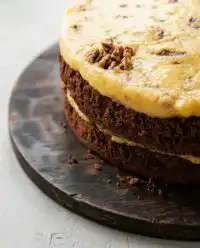
German Chocolate Cake
- Total Time: 1 hour 10 mins
- Yield: 15 servings
Description
This refined German Chocolate Cake features a tender, dark cocoa sponge layered with a balanced, house-made coconut-pecan custard. By utilizing boiling water to bloom the cocoa and a sophisticated dual-frosting technique, this dessert offers a perfect harmony of texture and deep, complex sweetness.
Ingredients
- 2 cups granulated sugar
- 1 3/4 cups all-purpose flour
- 3/4 cup unsweetened cocoa powder
- 1 1/2 teaspoons baking powder
- 1 1/2 teaspoons baking soda
- 1 teaspoon salt
- 2 large eggs
- 1 cup buttermilk
- 1/2 cup vegetable oil
- 2 teaspoons vanilla extract
- 1 cup boiling water
- 1 cup light brown sugar
- 1/2 cup butter
- 3 egg yolks
- 1 cup evaporated milk
- 1 cup sweetened shredded coconut
- 1 cup toasted pecans
- 3 cups powdered sugar
Instructions
- Prepare the oven. Set your oven to 375°F and grease two round cake pans, lining the bottoms with parchment paper.
- Combine dry ingredients. Whisk together the sugar, flour, cocoa, baking powder, baking soda, and salt in a large bowl.
- Mix wet ingredients. In a separate bowl, whisk the eggs, buttermilk, oil, and vanilla until smooth.
- Create the batter. Combine wet and dry mixtures, then stir in the boiling water until the batter is smooth.
- Bake the layers. Divide batter into pans and bake for 25 to 35 minutes until a toothpick comes out clean.
- Cook the custard. Heat brown sugar, butter, yolks, and evaporated milk in a saucepan until thickened; stir in coconut and pecans.
- Whip the frosting. Beat butter, remaining cocoa, powdered sugar, evaporated milk, and vanilla until smooth and spreadable.
- Assemble the cake. Layer cake rounds with buttercream and coconut-pecan custard, frosting the top and sides for a professional finish.
Notes
- Always measure flour using a kitchen scale to ensure the crumb remains tender and not dense.
- Chill the cake layers in the freezer for thirty minutes before frosting to prevent the butter from melting.
- Toast pecans in a dry pan until fragrant to enhance their natural buttery crunch.
- Use room temperature ingredients to prevent fats from seizing and creating an uneven texture.
- Prep Time: 30 mins
- Cook Time: 40 mins
- Category: Dessert
- Method: Baking
- Cuisine: German-American
The Lineup
Selecting the right structural players is the difference between a dry, crumbly mess and a legendary showstopper. Each element in this lineup has a specific chemical job to do, guaranteeing our cake remains structural yet impossibly tender under the heat. Here is what you need to assemble on your counter before you begin.
- Unsweetened Cocoa Powder: This provides the deep, acidic chocolate base that reacts with our leaveners, creating an airy but intense crumb structure.
- Buttermilk: The natural acidity in buttermilk tenderizes the gluten instantly, making certain your layers turn out incredibly soft and velvety.
- Boiling Water: Adding boiling water at the very end blooms the cocoa powder, releasing trapped flavor molecules for maximum chocolate impact.
- Evaporated Milk: Unlike regular milk, this concentrated dairy provides the rich, caramelized foundation necessary for our custard-like coconut filling.
- Sweetened Shredded Coconut: This ingredient delivers both chew and moisture, absorbing the warm caramel syrup to create the iconic textured filling.
- Toasted Pecans: We toast these nuts to activate their natural oils, giving each bite an earthy, buttery crunch that breaks up the cake’s softness.
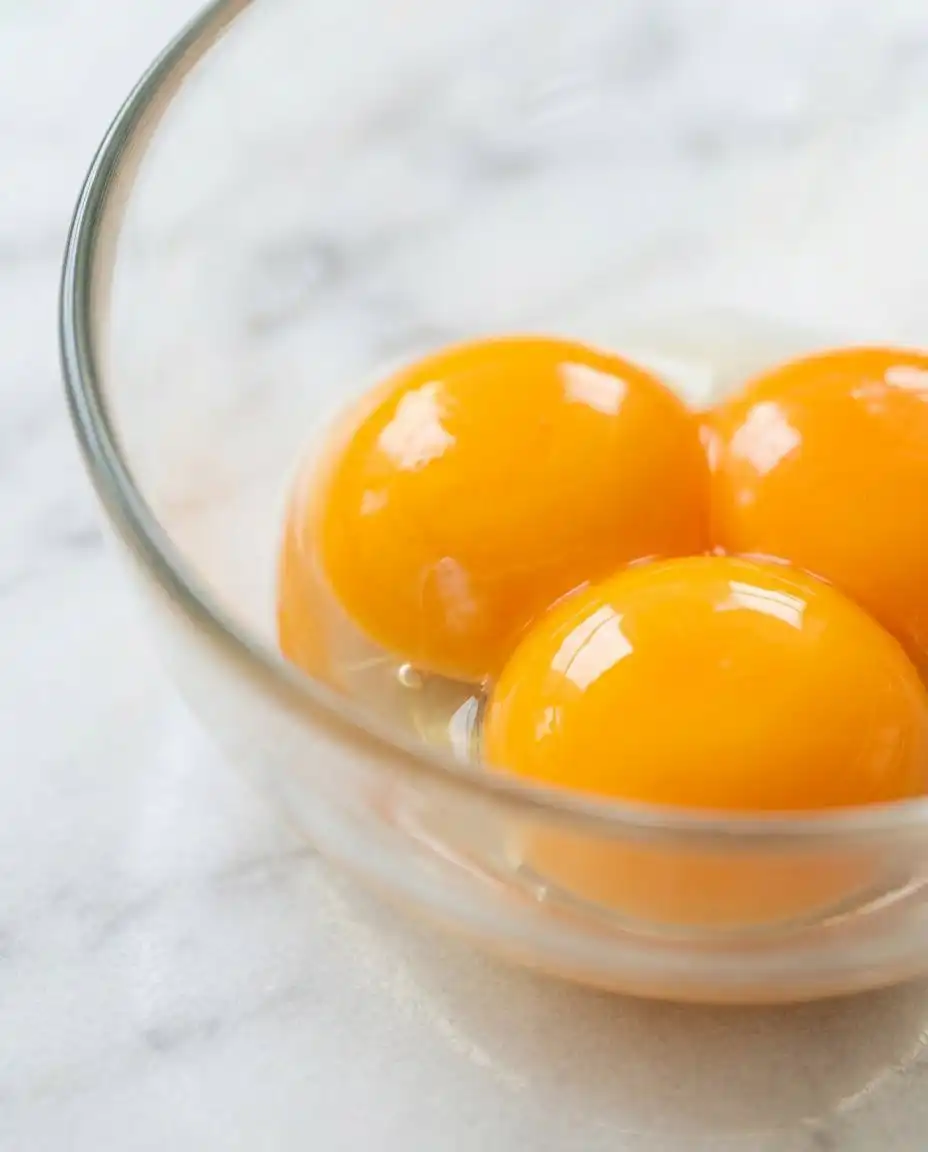
- Egg Yolks: These act as our emulsifiers in the coconut frosting, binding the sugar and dairy into a glossy, sliceable custard.
| Ingredient | Why It Matters |
|---|---|
| Buttermilk | Tenderizes gluten and adds a subtle tang |
| Boiling Water | Blooms the cocoa powder for deep chocolate flavor |
| Evaporated Milk | Creates a rich, caramelized base for the custard |
| Toasted Pecans | Adds structural crunch and deep nutty notes |
| Cocoa Powder | Delivers the intense chocolate backbone |
The Method
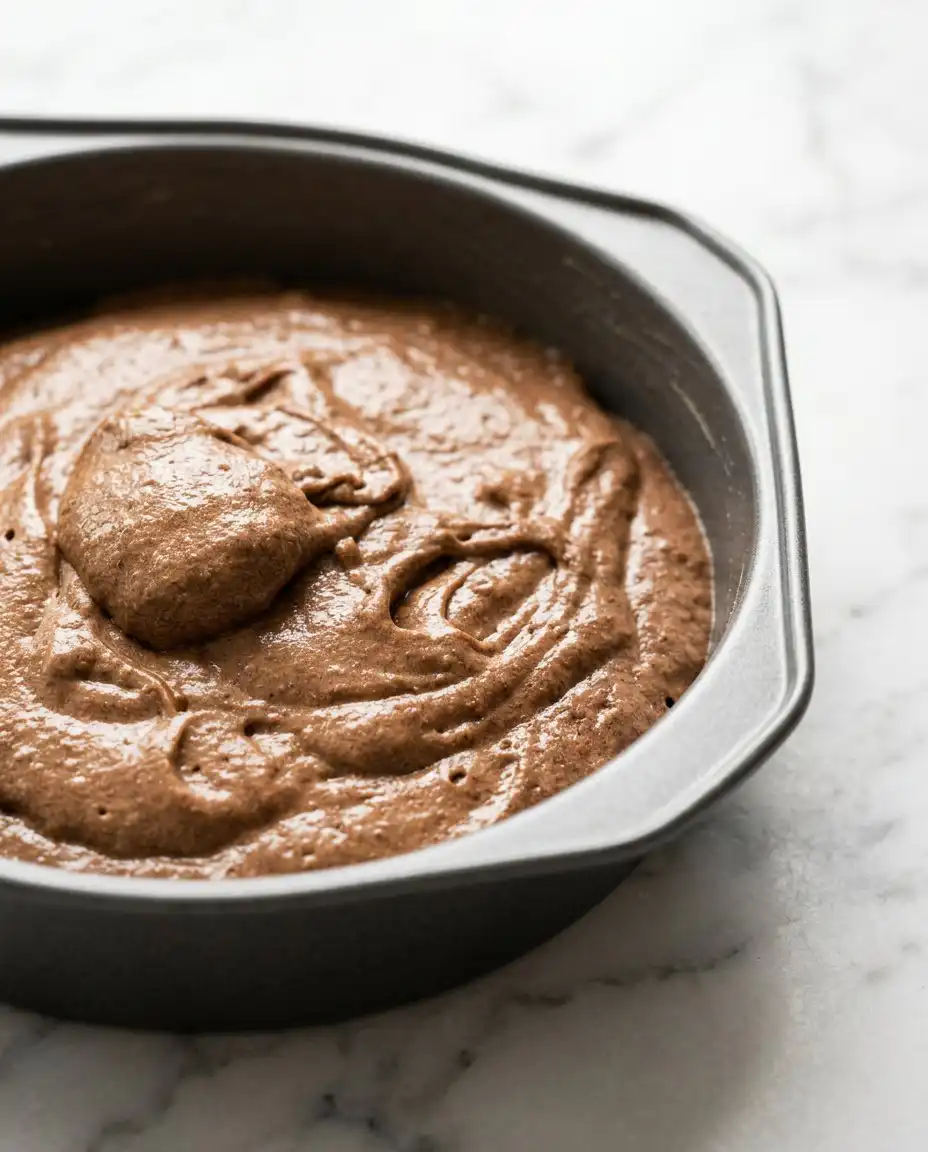
Step 1: Prepare Your Station and Preheat the Oven
Set your oven to 375°F (190°C) and let it thoroughly preheat while you assemble your gear. Grease two round eight-inch or nine-inch cake pans with butter or cooking spray to prevent any sticking during the bake. Line the bottom of each pan with a parchment paper round, which guarantees a flawless release later. If you skip this parchment step, you risk leaving half of your precious cake stuck to the metal.
Step 2: Combine the Dry Structural Elements
In a large mixing bowl, combine the granulated sugar, all-purpose flour, cocoa powder, baking powder, baking soda, and salt. Use a fine-mesh whisk to blend these together until the mixture is uniform and pale brown. This process aerates the flour and makes certain the leavening agents are distributed evenly throughout the bowl. Watch for any stubborn cocoa clumps and break them up now before adding any moisture.
Step 3: Whisk the Wet Ingredients Separately
In a medium bowl, whisk together the eggs, buttermilk, vegetable oil, and vanilla extract until completely smooth. The buttermilk should look creamy, and the oil must be fully integrated without floating in slick pockets on top. This emulsion makes certain that fats and liquids are evenly distributed before meeting the dry flour mixture. Taking this extra minute prevents over-mixing later, keeping our final cake crumb wonderfully tender.
Step 4: Mix the Batter and Bloom with Boiling Water
Pour the wet ingredients into the dry mixture and stir gently with a spatula until combined. Next, carefully pour in the boiling water, stirring slowly so the hot liquid does not splash out of the bowl. The batter will look remarkably thin, almost like a warm chocolate soup, but that is exactly what we want. This hot water blooms the cocoa powder, activating deep flavor notes that cold liquids simply cannot reach.
Step 5: Bake the German Chocolate Cake Layers to Perfection
Divide the thin batter equally between your prepared pans and slide them onto the center rack of your oven. Bake for 25 to 35 minutes, keeping in mind that nine-inch pans will cook faster than deeper eight-inch pans. The cakes are ready when a toothpick inserted into the center comes out clean or with a few moist crumbs. Let the layers cool in their pans for five minutes before inverting them onto wire racks to cool completely.
Step 6: Cook the Caramelized Coconut Pecan Custard
In a medium saucepan, combine the light brown sugar, granulated sugar, butter, egg yolks, and evaporated milk. Cook this mixture over medium heat, stirring constantly with a heatproof spatula to prevent the egg yolks from scrambling. Bring it to a gentle, low boil and watch as the mixture thickens into a rich, golden caramel custard. Remove the pan from the heat and stir in the vanilla extract, toasted pecans, and shredded coconut.
Step 7: Whip the Decadent Chocolate Frosting
Melt your butter in a saucepan or microwave, then stir in the remaining cocoa powder until smooth. Alternately add the powdered sugar and evaporated milk in small batches, beating vigorously to create a smooth, spreadable consistency. If the frosting feels too stiff, beat in a splash of milk, or add more powdered sugar if it runs. Stir in the vanilla extract at the very end to lock in that sweet, aromatic finish.
Step 8: Assemble the Masterpiece
Place your first cooled cake round onto a serving platter and spread a thin layer of chocolate buttercream over the top. Spoon half of the cooled coconut-pecan frosting directly over the buttercream, leaving a half-inch border around the edge. Stack the second cake layer on top, then frost the sides and top of the cake with the remaining chocolate buttercream. Finish by spooning the remaining coconut-pecan frosting directly onto the center of the top layer.
Where to Be Precise
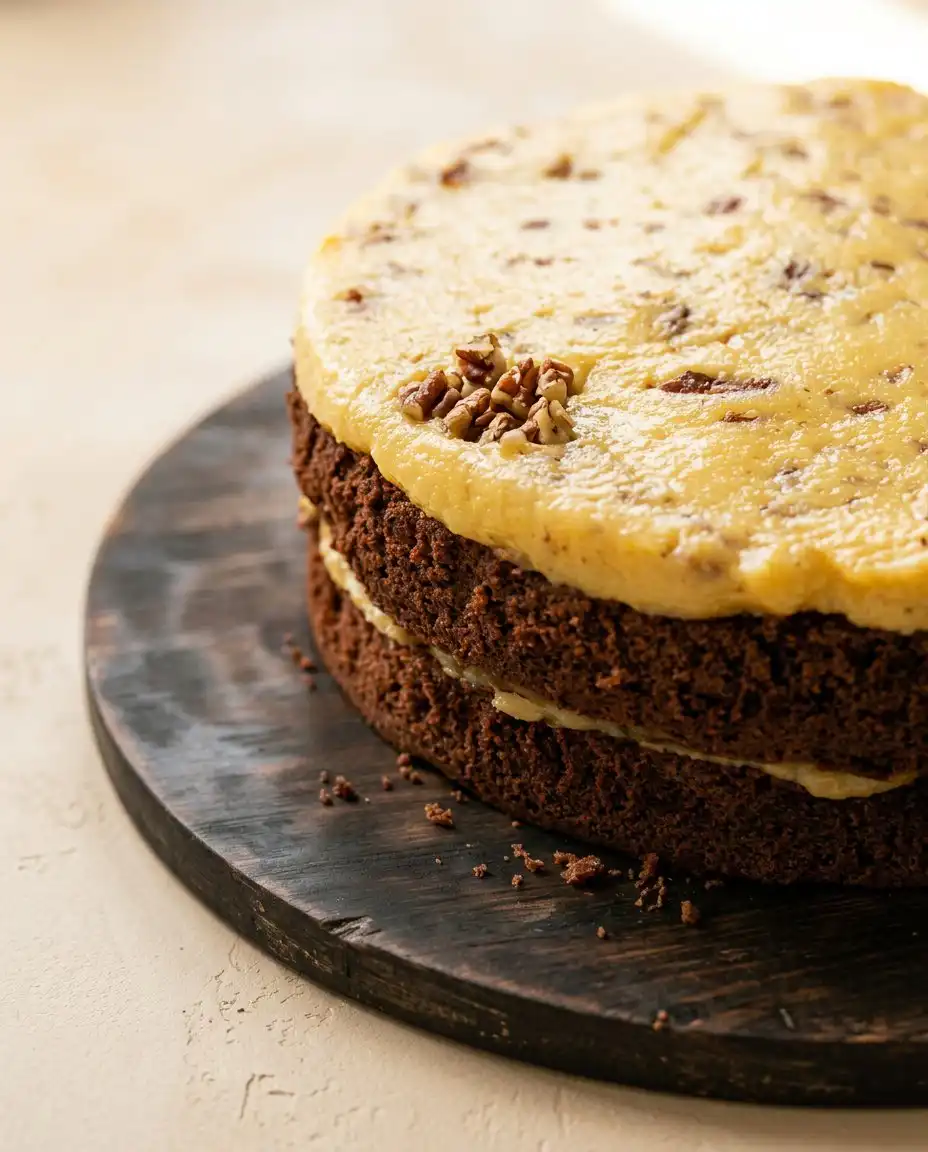
Toast your pecans in a dry skillet before adding them to the frosting to boost their flavor profile. Raw pecans can taste soggy and flat when trapped inside a moist frosting, but a quick toast draws out their essential oils. This simple technique transforms the texture of the entire cake.
If you prefer a simpler bake, you can adapt these techniques for an easy chocolate cake that still delivers incredible flavor. The secret is keeping your ingredients at room temperature before you start mixing. Cold buttermilk will cause your melted fats to seize up, creating an uneven crumb.
If your coconut pecan frosting remains too runny to spread, here is why and how to fix it. This issue occurs when the custard mixture is not cooked long enough to reach the proper temperature for egg yolk gelatinization. Simply return the frosting to a saucepan over low heat and stir constantly until it thickens, or let it chill in the refrigerator for an hour to firm up the butter.
Pay close attention to how you cook your custard, as learning how classic custard-based frostings develop will prevent you from scrambling your egg yolks. Keep your heat at a steady medium-low and never stop stirring. This patience guarantees a silky, spreadable texture every single time.
Let your cake layers cool completely before you attempt to frost them. Applying warm frosting to a warm cake will cause the butter in both frostings to melt instantly, leaving you with a messy, sliding disaster. For the neatest slices, wrap the cooled layers in plastic wrap and freeze them for thirty minutes before assembly.
Always use a kitchen scale to measure your flour and cocoa powder for flawless consistency. Scooping directly from the bag packs the flour down, adding up to thirty percent more starch than the recipe actually requires. Precision is your best friend when you want a light, melt-in-your-mouth crumb.
Frequently Asked Questions
Is German chocolate cake actually German?
Despite its name, this dessert did not originate in Germany. It was actually named after Sam German, an American who created a sweet baking chocolate for the Baker’s Chocolate Company in 1852. The cake recipe became wildly popular decades later when a Texas homemaker submitted it to a local newspaper.
Who invented the German chocolate cake?
The original recipe was created by Mrs. George Clay, a homemaker from Dallas, Texas, who published it in 1957. She used Sam German’s specialized baking chocolate as the star ingredient. The recipe became an overnight sensation, causing baking chocolate sales to skyrocket across the country.
Why is there no ‘s’ in German chocolate cake?
The lack of an ‘s’ is due to the cake being named after a person rather than the European country. Since Sam German developed the sweet baking chocolate used in the original recipe, the cake was named German’s Chocolate Cake. Over time, the possessive ‘s’ was dropped in common speech, leaving us with the modern name.
Why does German chocolate cake have coconut and pecans?
The combination of coconut and pecans is a traditional Texas pairing that perfectly complements the mild sweetness of the cake. The custard-like frosting adds a rich, gooey texture that offsets the soft, airy crumb of the chocolate layers. This unique topping has become the defining characteristic of the entire dessert.
Can I freeze the assembled cake?
Yes, you can freeze the fully assembled cake for up to three months with excellent results. We recommend slicing the cake first and wrapping each individual slice tightly in plastic wrap before placing them in a freezer-safe container. Allow the slices to thaw in the refrigerator overnight before serving.
What is in the German chocolate frosting?
This iconic frosting is a cooked caramel custard made from evaporated milk, sugar, butter, and egg yolks. Once thickened on the stovetop, it is loaded with shredded coconut and chopped toasted pecans. It delivers a rich, gooey texture that is entirely unique to this dessert.
Why do recipes call for boiling water in the cake batter?
Boiling water plays a critical role in blooming the cocoa powder, which dissolves the solid cocoa particles and intensifies the chocolate flavor. The heat also melts the sugar quickly and hydrates the flour starches, resulting in an incredibly moist and tender crumb. Do not be alarmed by the thin batter, as it bakes up beautifully.
How should I store leftovers?
Store any leftover cake in an airtight container at room temperature for up to three days. If your kitchen is particularly warm, keep it in the refrigerator to prevent the custard frosting from softening too much. Always bring the cake back to room temperature before serving for the best texture and flavor.
Where to Deviate
If you want to skip the stacking process, you can easily transform this recipe into a rustic sheet cake. Pour the chocolate batter into a greased 9×13-inch baking pan and bake for 35 to 40 minutes. Once cooled, spread the chocolate buttercream over the top, followed by a thick layer of the coconut pecan frosting. This format is incredibly easy to transport to potlucks and parties.
For those who prefer a less sweet profile, swap the standard unsweetened cocoa powder for Dutch-processed dark cocoa powder. This swap yields a deeper, almost black cake layer that mimics a luxurious triple chocolate layer cake. The bitter notes of the dark cocoa create a phenomenal contrast with the sweet, caramelized coconut pecan filling.
Cutting, Plating, Presenting
Serving this cake is all about celebrating the dramatic visual contrast of its layers. For clean, professional slices, dip a long, sharp knife in hot water and wipe it clean between every single cut. This prevents the sticky coconut pecan frosting from dragging through the dark, delicate crumb of your homemade chocolate cake layers. Present each slice on a neutral white plate to let the rich colors of the chocolate and caramel shine.
Pair this decadent dessert with a beverage that cuts through the rich sweetness of the caramelized custard. A cup of strong, unsweetened black coffee or a shot of espresso provides the perfect bitter counterpoint to the sugary pecans. For a non-caffeinated option, a cold glass of whole milk remains an absolute classic that never fails to please a crowd.
The Takeaway
Baking this cake is more than just following a set of instructions; it is an act of flavor discovery. By focusing on temperature control and using a double-frosting method, you have elevated a classic dessert into a modern masterpiece. The contrast of the gooey coconut custard against the rich, velvety layers is a testament to your precision in the kitchen.
If you enjoyed this baking experiment, make sure to check out our deep, velvety chocolate fudge cake for your next weekend project. We love seeing your kitchen triumphs, so please share your beautiful cross-sections with us on Pinterest or join our baking community on Facebook or check our quick technique videos on TikTok to swap tips. Let’s keep baking with conviction, breaking rules, and making every single slice count.