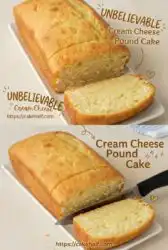
An amateur pound cake is often dense and dry, whereas a well-made Cream Cheese Pound Cake possesses a velvety, close-knit crumb that yields slowly to the tooth.

Mastering the classic Cream Cheese Pound Cake requires you to look past the simplicity of its ingredients and focus entirely on the mechanics of the emulsion. By introducing the lactic acid and fat of cream cheese into the traditional sugar-and-butter structure, we alter the crumb’s behavior entirely. The result is a cake of remarkable stature, boasting a golden crust that shelters a remarkably tender, moist interior. Your patience during the extended mixing and slow bake will be rewarded with a pastry that needs no decoration to command the table.
What Careful Baking Produces in This Cream Cheese Pound Cake
Prep: 20 min · Serves: 14 · Difficulty: Medium
This refined recipe delivers a crumb of unparalleled texture and structural integrity.
- A tight, velvety crumb that never crumbles.
- Rich dairy flavor refined by subtle tang.
- Remarkable moisture that preserves beautifully over days.
- A golden, crisp crust contrasting the interior.
- Technique that translates to reliable baking mastery.
This quiet masterpiece represents the exact intersection of rustic comfort and pastry school precision, offering a deeper appreciation of technique than my previous peach cobbler pound cake recipe.
Get The Full Cake Recipe
Print
Cream Cheese Pound Cake
- Total Time: 1 hr 40 mins
- Yield: 1 (10-inch) cake
- Diet: Vegetarian
Description
A classic, refined pound cake with a velvety, close-knit crumb and rich dairy flavor, perfected through precise temperature control and meticulous creaming.
Ingredients
- 1 ½ cups butter, room temperature
- 1 (8 ounce) package cream cheese, room temperature
- 3 cups white sugar
- 6 large eggs, room temperature
- 3 cups all-purpose flour
- 1 teaspoon vanilla extract
Instructions
- Prep: Preheat oven to 325°F (165°C). Grease and flour a 10-inch tube pan.
- Cream: Beat butter and cream cheese together until smooth. Gradually add sugar and beat on medium speed for 5 minutes until pale and fluffy.
- Emulsify: Add eggs two at a time, beating thoroughly after each addition.
- Combine: Add flour all at once and mix on low speed until just combined. Stir in vanilla extract.
- Bake: Pour batter into the prepared pan. Bake for 1 hour and 20 minutes, checking for doneness at 1 hour with a wooden skewer.
- Cool: Cool in the pan for 20 minutes before inverting onto a wire rack.
Notes
- Ensure all dairy and eggs are at room temperature (70°F) before starting to prevent the emulsion from breaking.
- Weigh your flour and sugar on a kitchen scale for the most accurate results.
- Do not open the oven door during the first 50 minutes of baking to prevent the cake from collapsing.
- Store wrapped tightly in plastic wrap at room temperature for up to five days.
- Prep Time: 20 mins
- Cook Time: 1 hr 20 mins
- Category: Dessert
- Method: Baking
- Cuisine: American
Ingredients, Chosen with Purpose
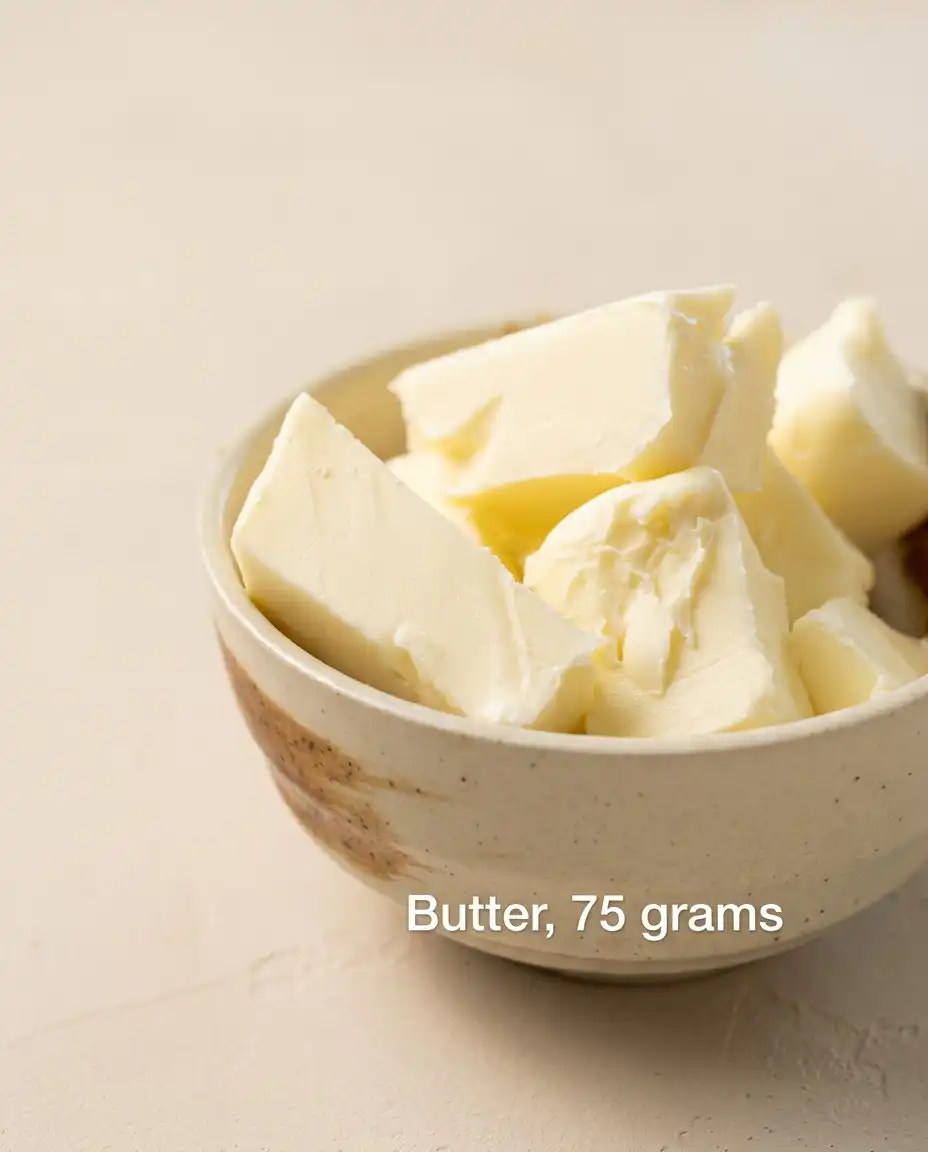
Every element in this formula has a structural role that dictates the final density and lift of your cake. By understanding how these simple components interact, you can control the outcome with absolute certainty. Let us examine the purpose of each ingredient before we begin our mise en place.
- High-Quality Butter: Providing the primary fat base, it must contain at least eighty-two percent butterfat to guarantee a rich flavor and a tender crumb.
- Full-Fat Cream Cheese: The addition of cream cheese introduces lactic acid, which tenderizes the gluten structure while providing a distinct, subtle tang.
- Granulated Sugar: Beyond sweetening, sugar cuts into the solid fats during creaming, creating millions of microscopic air pockets necessary for rising.
- Tempered Large Eggs: Eggs act as the primary emulsifier and liquid, binding the fat and flour together while providing structure through protein coagulation.
- All-Purpose Flour: With a moderate protein content, it provides only enough gluten to support the heavy batter without making the cake tough.
- Pure Vanilla Extract: A high-quality extract seasons the batter, rounding out the richness of the dairy and highlighting the caramelized notes of the crust.
| Ingredient | Why It Matters |
|---|---|
| Butter | Creates the initial fat-and-air emulsion during creaming. |
| Cream Cheese | Weakens gluten bonds to produce a melt-in-the-mouth texture. |
| Large Eggs | Provide structure and moisture while holding the emulsion. |
| All-Purpose Flour | Establishes the crumb framework without adding excess elasticity. |
The Method, Step by Step
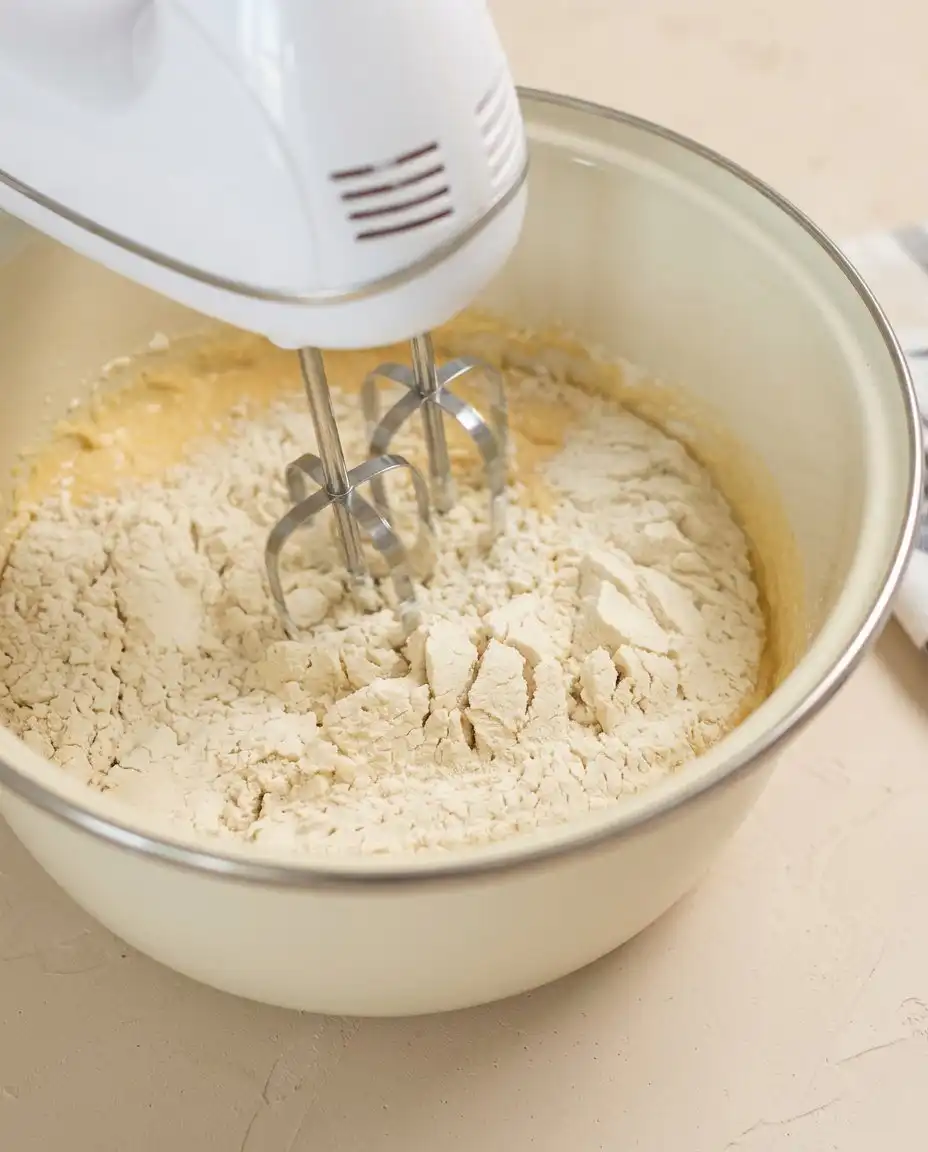
Patience here is not a virtue — it is an instruction. To achieve the legendary velvety texture of this cake, you must follow the steps below with exact attention to temperature and time.
Step 1: Tempering Your Dairy and Eggs
Before you begin, you must allow your butter, cream cheese, and eggs to sit at room temperature for at least two hours. Cold ingredients will cause the batter to curdle, breaking the delicate emulsion you are trying to build. When properly tempered, the butter should yield to gentle pressure without feeling greasy or melting.
Step 2: Preparing the Pan with Precision
Coat your ten-inch tube pan thoroughly with softened butter, reaching into every corner and up the center tube. Dust the interior with flour, tapping out the excess until only a fine, even veil remains. This meticulous preparation prevents the high-sugar batter from sticking, securing a clean release after baking.
Step 3: Creaming the Fats and Sugar
Combine the butter and cream cheese in your mixing bowl and beat on medium speed until completely smooth and unified. Gradually stream in the sugar, then continue beating for a full five minutes until the mixture is pale and voluminous. You will observe a light, fluffy texture that resembles whipped cream, indicating that sufficient air has been incorporated.
Step 4: Emulsifying the Eggs for the Cream Cheese Pound Cake
Add the eggs two at a time, beating thoroughly after each addition to maintain the stability of your emulsion. If you notice the mixture starting to look speckled or separated, pause and allow the batter to come together before adding more. Once all eggs are incorporated, the batter should fall from the paddle in a beautiful, thick ribbon stage.
Step 5: Incorporating the Flour and Vanilla
Add the all-purpose flour all at once, mixing on the lowest speed only until the dry patches disappear. Pour in the vanilla extract, allowing the paddle to turn only a few times to distribute it evenly. The batter should appear glossy and thick, holding its shape when scraped with a flexible spatula.
Step 6: Baking to Golden Perfection
Transfer the batter into your prepared pan, smoothing the surface with an offset spatula to promote an even rise. Bake at 325 degrees Fahrenheit for approximately eighty minutes, checking the progress at the one-hour mark. The cake is fully baked when a long wooden skewer inserted into the thickest part comes out with a clean, dry crumb.
Where Precision Makes the Difference
To guarantee absolute accuracy, you should always weigh your flour and sugar rather than relying on volume cups. A cup of flour can vary significantly in weight depending on how it was packed, leading to a dry or heavy cake. Precision in measurement is the foundation of repeating your baking successes.
If your cake develops a wet, sticky line near the bottom, here is why and how to fix it. This dense layer, often called a sad streak, occurs when the emulsion breaks during mixing or when the oven temperature is too low. To prevent this, make certain all your ingredients are at a uniform seventy degrees Fahrenheit before mixing and verify your oven temperature with a standalone thermometer.
Position your baking rack in the lower-middle portion of the oven to protect the top of the cake from scorching before the center is cooked through. If you observe the top browning too quickly during the last thirty minutes of baking, tent it loosely with a piece of aluminum foil. This simple shield allows the heat to continue penetrating the dense batter without drying out the crust.
Before you start baking, consult our recipe index to study other classic techniques that will help you build your pastry skills. Learning how to read the visual cues of a batter is a skill that translates across all styles of cake making.
Allow the cake to cool in its pan on a wire rack for exactly twenty minutes before attempting to invert it. This brief resting period allows the delicate starch structure to set, preventing the cake from tearing as it releases. If you try to unmold the cake immediately, the steam trapped inside will cause the crust to stick to the pan.
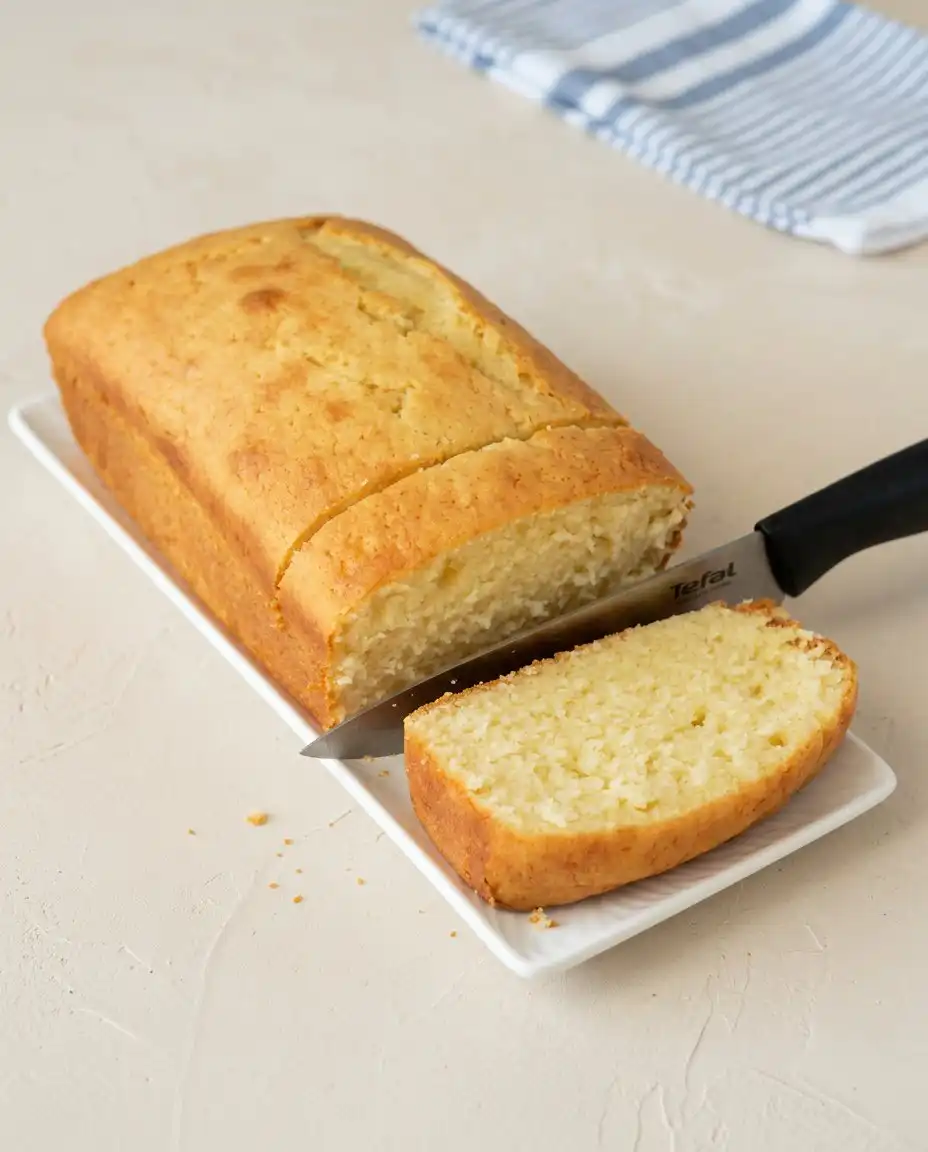
When slicing your finished cake, always use a long, sharp serrated knife and a gentle sawing motion. Wipe the blade clean with a damp cloth between each cut to preserve the pristine cross-section of the crumb. This small discipline makes certain that each slice looks as elegant as it tastes.
Frequently Asked Questions
What does cream cheese do to a pound cake?
It introduces extra fat, moisture, and lactic acid to the batter, which yields a tighter, more velvety crumb. The acid also tenderizes the gluten, keeping the cake soft and sliceable for days.
Can you use all-purpose flour instead of cake flour?
Yes, this recipe is formulated specifically for all-purpose flour to provide the necessary structural support for the heavy cream cheese. Using cake flour without adjusting the liquid ratios can result in a cake that collapses in the oven.
What is the difference between regular pound cake and cream cheese pound cake?
A traditional pound cake relies solely on butter for fat and leavening, resulting in a slightly coarser, more open crumb. The cream cheese version is denser, more moist, and has a subtle, pleasant tang that balances the sweetness.
Why is my cream cheese pound cake dense or heavy?
This usually happens when the butter, cream cheese, and sugar are not creamed long enough, or if cold eggs are added, which breaks the emulsion. Without those microscopic air pockets created during creaming, the cake cannot rise properly.
Why did my cream cheese pound cake fall or collapse in the middle?
A collapsed center is typically caused by opening the oven door too early in the baking process, which lets cool air disrupt the rising cake before its structure has set. It can also occur if you use expired leavening agents or over-mix the batter once the flour is added.
How do I know when my pound cake is done?
Insert a long wooden skewer into the thickest part of the cake; it should come out clean or with a few dry crumbs attached. The top of the cake should be deeply golden and spring back slightly when pressed gently with a finger.
Do the ingredients need to be room temperature?
Yes, this is a non-negotiable step for a successful emulsion. Cold ingredients will not bond correctly, causing the batter to curdle and leading to a dense, wet streak at the bottom of your baked cake.
How long does a cream cheese pound cake last?
When wrapped tightly in plastic wrap and stored at room temperature, this cake will remain moist and delicious for up to five days. You can also freeze individual slices wrapped in foil for up to three months.
Considered Variations
Introducing a bright citrus note to this rich base can be achieved by adding the finely grated zest of two lemons or oranges. Rub the zest directly into the sugar with your fingertips before creaming it with the butter to release the essential oils. This technique, which we also employ in our lemon velvet cake, cuts through the density of the dairy with a clean, lively aroma.
For a deeply traditional flavor profile, you can substitute half of the vanilla extract with pure almond extract. This modification introduces a warm, cherry-like undertone that pairs beautifully with the caramelized crust of the cake. Be cautious with the measurement, as almond extract is highly concentrated and can easily overwhelm the delicate dairy flavors if overused.
If you prefer a lighter, more old-fashioned texture, you can examine the traditional cream cheese pound cake method which sometimes utilizes cake flour instead of all-purpose flour. Cake flour contains less protein, which minimizes gluten development and produces an exceptionally soft, delicate crumb. However, you must adjust your mixing times slightly to avoid over-aerating the weaker flour structure.
Presentation and Service
To present this cake in its most elegant form, let it cool completely to room temperature before slicing. The beauty of a pound cake lies in its pristine cross-section, which is best revealed when sliced with a sharp, warm knife. Arrange the slices on a simple ceramic platter, allowing the golden, caramelized crust to contrast with the pale, velvety interior.
While this cake is magnificent on its own, you can accompany it with a spoonful of lightly sweetened Chantilly cream and fresh, seasonal berries. The acidity of raspberries or blackberries cuts through the rich dairy notes of the cake beautifully. For an elegant dessert course, you might serve a slice alongside a delicate chocolate mousse cake to offer your guests a study in contrasting textures.
If you have leftover slices after a few days, they can be gently toasted in a dry skillet over low heat until the surfaces are caramelized and warm. Serve the toasted slices with a cup of dark, unsweetened espresso or a delicate Earl Grey tea. The warmth of the beverage coaxes out the vanilla and butter aromas, turning a simple slice into a refined afternoon ritual.
The Result of Your Care
Baking a cake of this stature is an exercise in patience and discipline, but the reward is found in every flawless slice. When you take the time to temper your ingredients and cream them with care, you are practicing the true art of the pastry kitchen. Small things, done exactly right, make all the difference.
As you share this cake with your loved ones, you will notice how its rich flavor and tight crumb invite people to slow down and savor each bite. If you enjoyed mastering this technique, you might also appreciate the structured layers of our red velvet cheesecake, which offers another delightful challenge for the dedicated home baker.
We invite you to share your baking journey and connect with our community of passionate bakers. Please follow us on Pinterest, join our discussions on Facebook, or watch our step-by-step videos on TikTok. We look forward to seeing your beautiful creations and celebrating your success at the bench.