In the pastry arts, there is a profound difference between a baked custard and a set mousse, though both may bear the name “cheesecake.” This recipe relies on the latter technique—utilizing the mechanical aeration of whipped cream to create a structure that is ethereal rather than dense. It reminds me of the early lessons in the laboratory, where we learned that patience during the folding process is the only way to preserve that delicate, cloud-like texture.

This pumpkin cheesecake marries the warmth of autumn spices with the cool, silky finish of a classic cream cheese patisserie. Supported by a robust gingersnap foundation, the filling is rich yet remarkably light, requiring precise chilling rather than oven heat to achieve its perfect consistency.
The Art of the Cold Set
Unlike its baked counterparts, which demand water baths and careful temperature modulation to avoid cracking, this pumpkin cheesecake relies on the gentle power of thermal setting. The result is a texture that is exceptionally smooth, lacking the occasional graininess that can occur with over-baked eggs.
We appreciate this recipe for its quiet sophistication. The gingersnap crust offers a sharp, caramelized contrast to the mellow sweetness of the pumpkin cream. It is an ideal project for the home baker who wishes to practice the crucial technique of *pliage*—folding—to create a dessert that feels luxurious on the palate without feeling heavy.
Print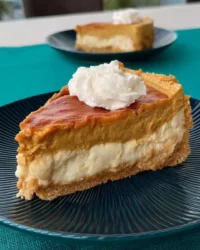
Pumpkin Cheesecake
- Total Time: 8 hours 30 mins
- Yield: 10 servings
- Diet: Vegetarian
Description
This elegant no-bake pumpkin cheesecake features a spicy gingersnap crust and a light, mousse-like filling aerated with whipped cream. It is the perfect sophisticated autumn dessert for those who appreciate a silky texture without the need for a water bath.
Ingredients
- 1 1/2 cups gingersnap cookie crumbs
- 1/4 cup granulated sugar
- 1/2 teaspoon ground ginger
- 6 tablespoons unsalted butter, melted
- 16 ounces full-fat brick cream cheese, softened
- 1 cup 100% pure pumpkin puree
- 1/2 cup confectioners’ sugar
- 1/2 cup light brown sugar, packed
- 1 teaspoon vanilla extract
- 1 teaspoon pumpkin pie spice
- 1/2 teaspoon ground cinnamon
- 1/4 teaspoon salt
- 1 1/2 cups heavy whipping cream, chilled
Instructions
- Combine gingersnap crumbs, sugar, and ginger in a bowl, stir in melted butter, and press firmly into the base and sides of a 9-inch springform pan before freezing for 20 minutes.
- In a chilled bowl, whip the cold heavy cream until stiff peaks form, taking care not to over-mix.
- Beat the softened cream cheese in a separate large bowl until completely smooth, then incorporate the pumpkin puree and both sugars until velvety.
- Mix in the vanilla, pumpkin pie spice, cinnamon, and salt until the batter is glossy and free of lumps.
- Gently fold the whipped cream into the pumpkin mixture in three separate batches using a silicone spatula to maintain the airy structure.
- Pour the filling over the chilled crust, smooth the top with an offset spatula, and cover tightly.
- Refrigerate the cheesecake for at least 8 to 24 hours to allow the filling to set properly.
- Run a thin, warm knife around the edge of the pan to release the cake before slicing with a clean blade.
Notes
To ensure a perfectly smooth filling, verify that your cream cheese is completely at room temperature before mixing to prevent small lumps. If the pumpkin puree seems particularly moist, you can blot it with paper towels to help achieve a firmer set for cleaner slices.
- Prep Time: 30 mins
- Cook Time: 0 mins
- Category: Dessert
- Method: No-Bake
- Cuisine: American
Precision in the Pantry
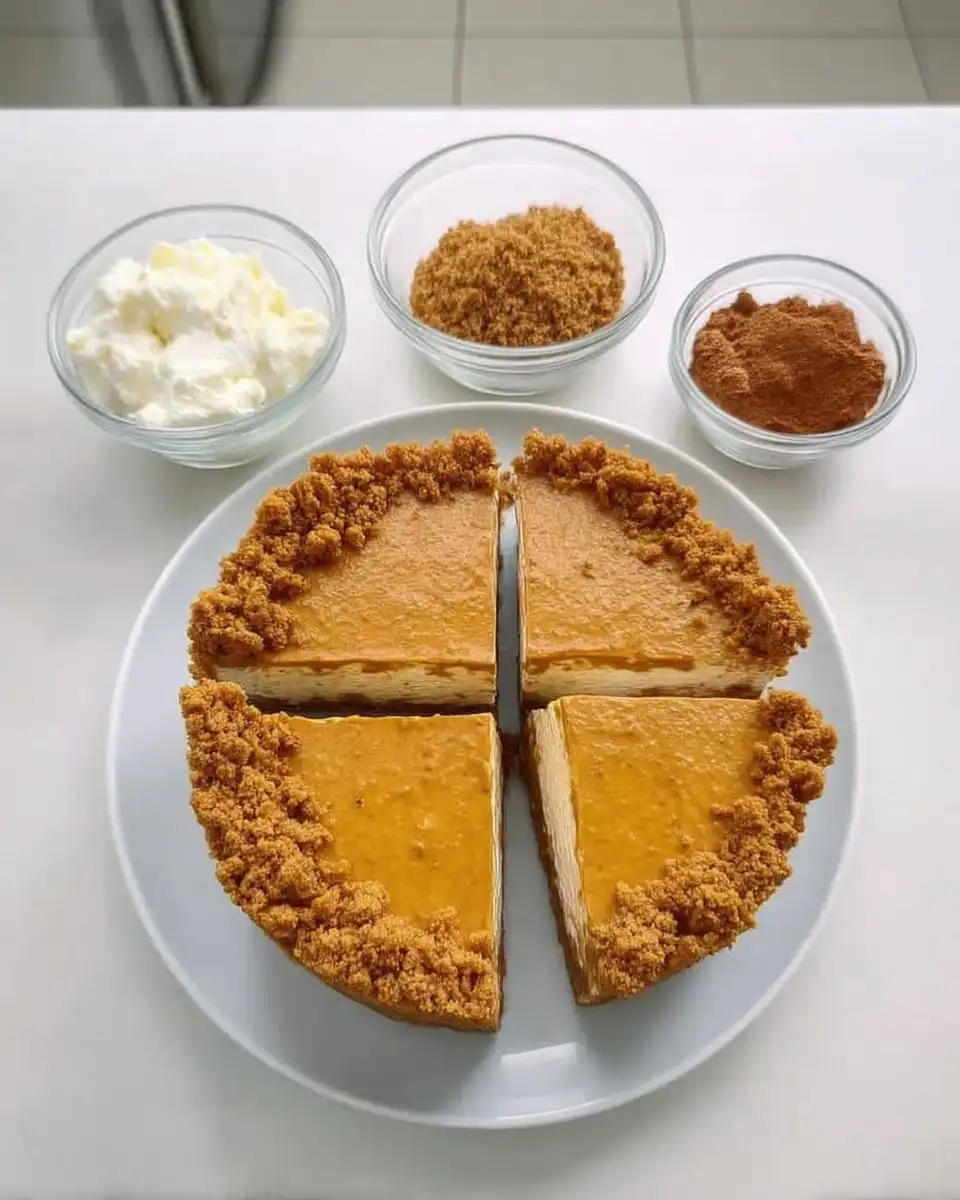
To achieve the silky mouthfeel characteristic of fine French entremets, the quality and temperature of your ingredients are paramount. Here is what is required for the foundation and filling.
- Gingersnap Cookies: We use these for the base to introduce a spicy, brittle contrast. Pulverize them into fine, uniform crumbs to guarantee a crust that holds its shape when sliced.
- Unsalted Butter: Melted, this acts as the binder. We use unsalted to control the sodium balance, as the cookies already contain salt.
- Cream Cheese: You must use full-fat brick cream cheese. It provides the necessary fat structure for the cake to set properly. The tub variety is too aerated and contains water that will prevent a firm set.
- Heavy Cream: Look for a fat content of at least 36%. This must be very cold to achieve stable stiff peaks, which act as the “scaffolding” for the pumpkin mixture.
- Pumpkin Puree: Use 100% pure pumpkin, not pie filling. Its moisture content is significant, so measure precisely.
- Spices: A blend of cinnamon, ginger, cloves, and nutmeg—or a high-quality pumpkin pie spice—infuses the cream. Blooming these in the dairy can sometimes deepen the flavor profile.
Method: The Gentle Fold
Step 1: Construct the Gingersnap Foundation
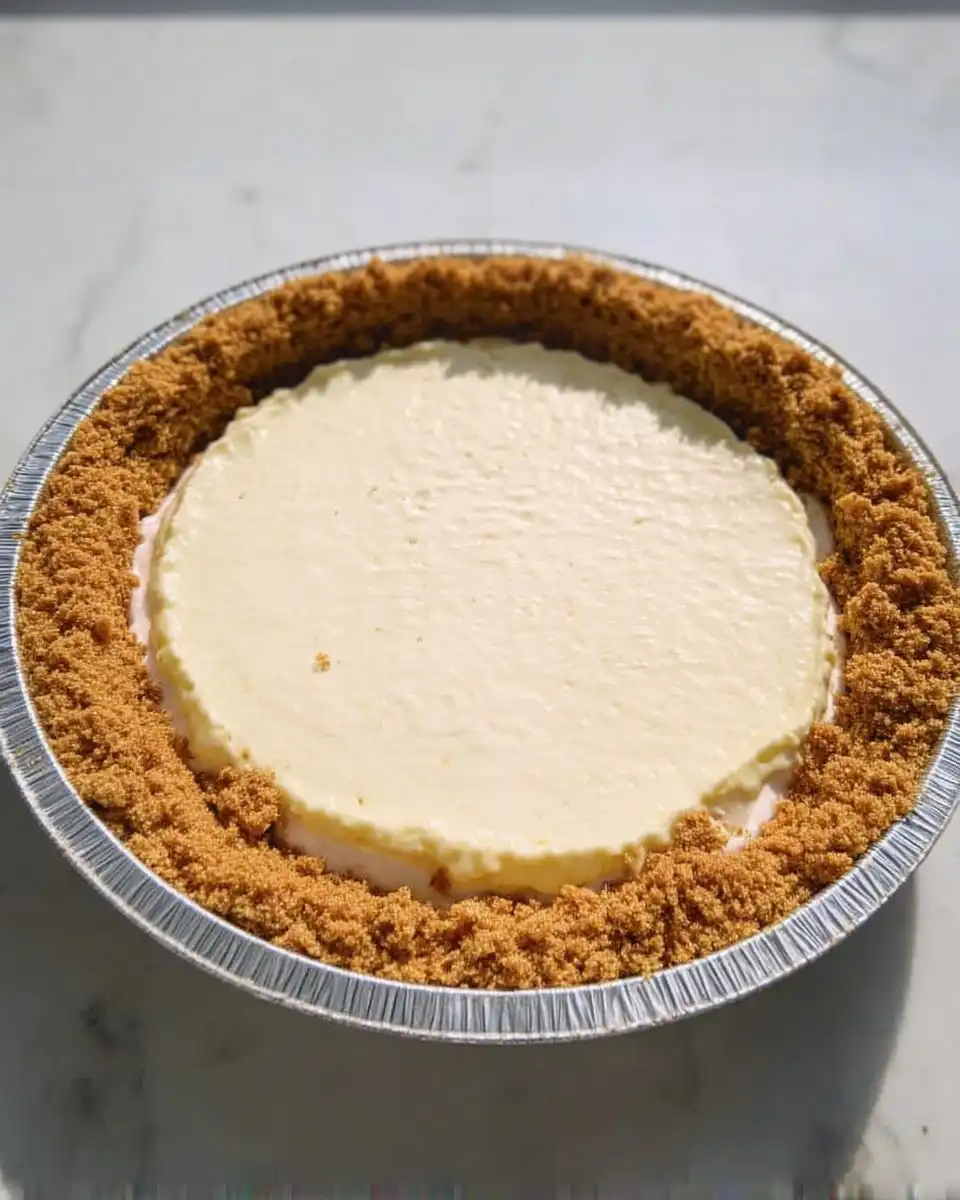
Begin by combining your gingersnap crumbs with the sugar and spices in a medium bowl. Pour in the melted butter and toss with a fork until the mixture resembles wet sand. Transfer this to a 9-inch or 10-inch springform pan. Using the flat bottom of a measuring cup, press the crumbs firmly into the base and slightly up the sides. This compression is vital; a loose crust will crumble under the weight of the slice. Place the pan in the freezer for 20 minutes to set the butter.
Step 2: Aerate the Cream
In a chilled bowl, whip the cold heavy cream until you achieve stiff peaks. This means when you lift the whisk, the cream stands straight up without curling over. This step introduces the air bubbles that will lighten the final cake. Do not over-whip to the point of butter separation. Set this bowl aside in the refrigerator if your kitchen is warm.
Step 3: Emulsify the Base
In a large mixing bowl or stand mixer, beat the softened cream cheese until it is completely smooth and free of lumps. This may take a few minutes. Scrape the bowl down meticulously. Add the pumpkin puree, confectioners’ sugar, and brown sugar. Beat on medium-high until fully combined and velvety. Scrape the bowl again—this vigilance prevents streaks of unmixed cheese later.
Step 4: Season the Batter
Add the vanilla extract, pumpkin pie spice, cinnamon, and salt. Beat until the spices are evenly distributed and the mixture is creamy. Check the texture once more; it should be glossy and uniform. If you detect any small lumps of cheese, continue beating before proceeding. You cannot remove lumps once the whipped cream is added.
Step 5: The Fold (Le Pliage)
This is the most critical technical step. Using a large silicone spatula, gently fold the whipped cream into the pumpkin mixture in three batches. Cut through the center, sweep along the bottom, and turn the mixture over. Do this slowly to preserve the air bubbles you created in Step 2. Continue until no white streaks remain, but stop immediately after to maintain volume.
Step 6: Cast and Smooth
Retrieve the crust from the freezer. Pour the filling into the pan. Use a small offset spatula to smooth the top, creating a flat, professional surface. This attention to detail affects the final presentation.
Step 7: The Long Chill
Cover the pan tightly with plastic wrap. Refrigerate for at least 8 hours, though 12 to 24 hours is superior. The fats need this time to crystallize and firm up, transitioning the filling from a soft mousse to a sliceable cake. Do not rush this process.
Step 8: Unmold and Serve
Run a thin knife dipped in warm water around the edge of the pan to release the cake. Release the springform ring. Slice with a sharp knife, wiping the blade clean between every single cut for pristine layers.
Secrets from the Pastry Bench
Temperature Control is Everything
Just as we carefully monitor batter temperatures for our Purple Carrot Cake, you must ensure your cream cheese is truly at room temperature (around 20°C/68°F) before beginning. If it is too cold, it will not emulsify with the pumpkin, leaving unpleasant white specks in your orange filling.
The Blotting Technique
If your pumpkin puree appears exceptionally watery, you may gently blot it with a paper towel before measuring. Reducing excess water helps the cheesecake set more firmly, resulting in a cleaner slice.
Respect the Chill
While the recipe states 8 hours, a full overnight rest allows the flavors to meld and the gingersnap crust to hydrate slightly, making it easier to cut. In professional kitchens, we always prepare cold-set desserts the day before service.
Refined Twists on the Classic
The Individual Portion
For a sophisticated dinner party, pipe the filling into small verrines or glass jars atop the crust mixture. This eliminates the need for slicing and offers an elegant presentation, similar to the individual servings we might suggest for a rich Raspberry White Chocolate Cake.
Salted Caramel Finish
A thin layer of salted caramel sauce poured over the cheesecake before serving adds a luxurious bitterness that cuts through the cream. Sprinkle with a few flakes of fleur de sel for a professional touch.
Speculoos Crust
Substitute the gingersnap cookies with Speculoos or Biscoff cookies for a deeper caramel-spice flavor profile in the foundation.
Presentation and Plating
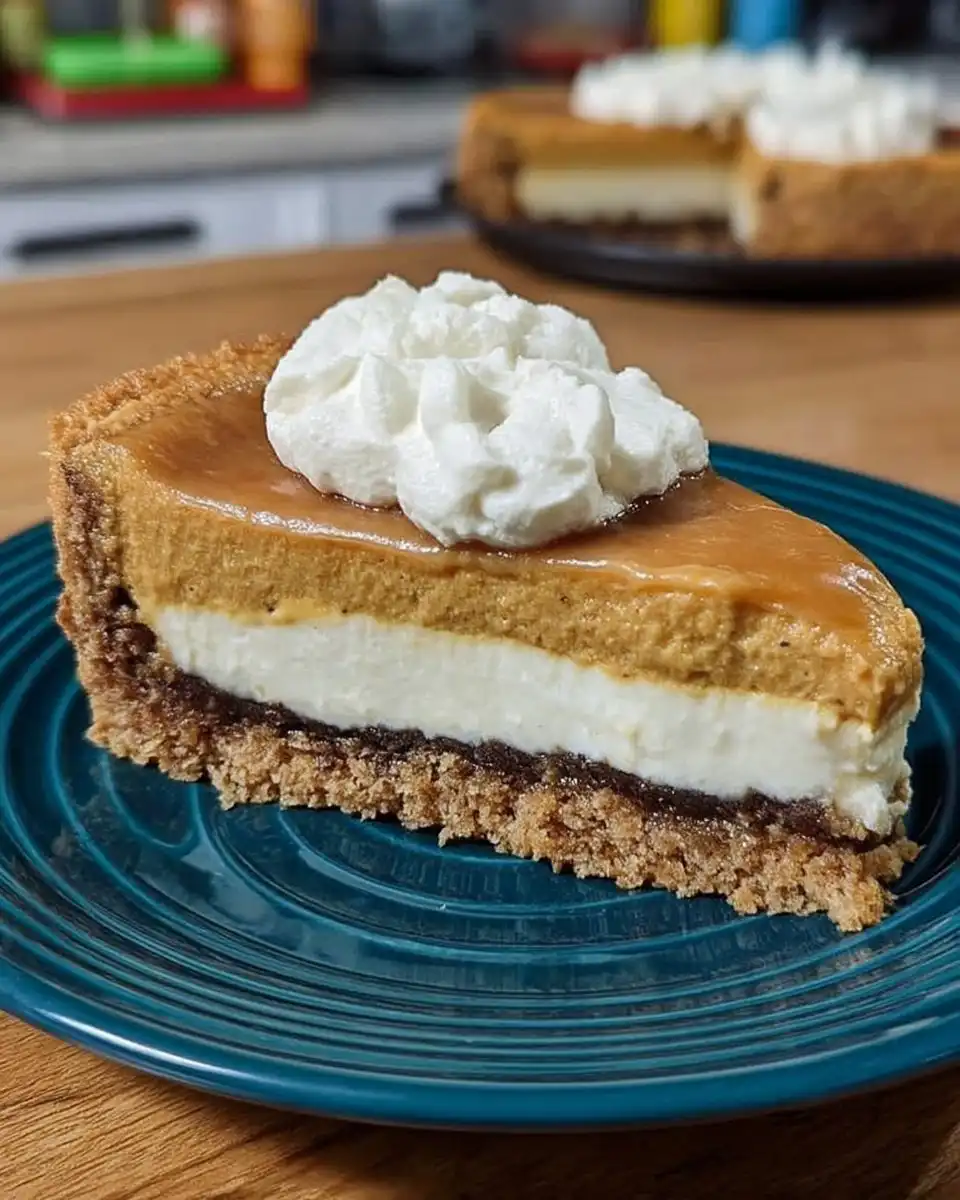
To serve this dessert with the elegance it deserves, ensure your slices are pristine. Use a knife warmed in hot water and dried; slice, then wipe. This reveals the distinct layers of crust and cream.
A dollop of freshly whipped Chantilly cream—perhaps infused with a drop of bourbon or vanilla bean paste—adds height and visual interest. Serve this alongside a warm beverage, perhaps a spiced tea or dark roast coffee, which would also suit our Irish Apple Cake perfectly. The bitterness of the coffee balances the sweetness of the pumpkin cream.
Final Thoughts on Texture
Mastering a no-bake cheesecake is an exercise in restraint and timing. It teaches us that great structure does not always require heat; sometimes, it simply requires the patience to let ingredients set in their own time. Once you have perfected this technique, you might wish to explore other textures, such as the effortless crumb of our Lemon Yogurt Cake.
For those interested in exploring further variations on American no-bake classics, similar structural techniques are often discussed by experts like Sally’s Baking Addiction, whose testing methods we greatly respect. We hope this pumpkin cheesecake becomes a cherished part of your autumn repertoire.
Connect with us on social media: