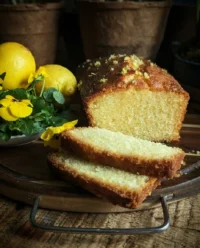
In the pastry kitchens of France, we often say that the simplest cakes are the hardest to hide behind. Without layers of mousse or heavy frosting, the crumb itself must be flawless. This particular cake reminds me of the *gâteaux de voyage*—travel cakes—designed to stay moist and tender for days. It relies on the precision of the emulsion and the quality of the butter to create something truly elegant.

This recipe yields a dense yet tender crumb, enriched with sour cream for a velvety texture that feels luxurious on the palate. Flavored with a generous amount of vanilla and a whisper of nutmeg, it is a timeless classic. It pairs perfectly with an afternoon tea or a strong coffee, proving that refined baking does not always require complexity.
The Beauty of Simplicity
There is a quiet confidence in a well-made Bundt cake. Unlike layer cakes that require structural engineering, this cake finds its beauty in the baking mold itself. You will love this recipe because the sour cream ensures the crumb remains incredibly moist, while the creaming method creates a structure that is both sturdy and delicate. It is the kind of recipe that, once mastered, becomes a signature in your repertoire—unassuming on the counter, but unforgettable upon the first bite.
Print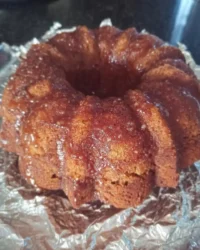
Classic Sour Cream Bundt Cake
- Total Time: 1 hour 15 mins
- Yield: 16 servings
Description
This elegant Bundt cake features a velvety, dense crumb enriched with sour cream and fragrant vanilla. A subtle hint of nutmeg adds sophisticated depth to this timeless dessert, making it the perfect centerpiece for any afternoon tea or coffee gathering.
Ingredients
- 2 cups unsalted butter, softened to room temperature (68°F/20°C)
- 3 cups granulated white sugar
- 6 large eggs, room temperature
- 1 cup full-fat sour cream, room temperature
- 2 teaspoons high-quality vanilla extract
- 3 cups all-purpose flour, spooned and leveled
- 1/2 teaspoon baking soda
- 1/2 teaspoon salt
- 1/4 teaspoon ground nutmeg
Instructions
- Preheat your oven to 350°F (175°C) and generously grease a Bundt pan with butter or shortening, then dust with flour and tap out the excess.
- In a stand mixer fitted with the paddle attachment, cream the butter and sugar on medium-high speed for 5–7 minutes until the mixture is pale and very fluffy.
- Reduce the mixer speed to medium and add the eggs one at a time, allowing each to fully incorporate before adding the next to maintain the emulsion.
- Beat in the vanilla extract until the batter looks silky and voluminous.
- In a separate bowl, whisk together the flour, baking soda, salt, and nutmeg.
- With the mixer on low, add half of the flour mixture, followed by half of the sour cream; repeat with the remaining flour and sour cream, mixing only until streaks disappear.
- Pour the batter into the prepared pan, smooth the top with a spatula, and tap the pan firmly on the counter twice to release air bubbles.
- Bake for 50–60 minutes, or until a long wooden skewer inserted near the center tube comes out clean or with a few moist crumbs.
- Let the cake cool in the pan for exactly 15–20 minutes before inverting it onto a wire rack to cool completely.
Notes
To ensure a perfect release from the pan, avoid using liquid oil to grease the mold; instead, use softened butter or a baking spray that contains flour. If your kitchen is particularly cold, you can quickly bring eggs to room temperature by placing them in a bowl of warm water for five minutes. This cake stores exceptionally well and the flavor often deepens if kept in an airtight container overnight.
- Prep Time: 20 mins
- Cook Time: 55 mins
- Category: Dessert
- Method: Baking
- Cuisine: French-American
The Foundation of Flavor
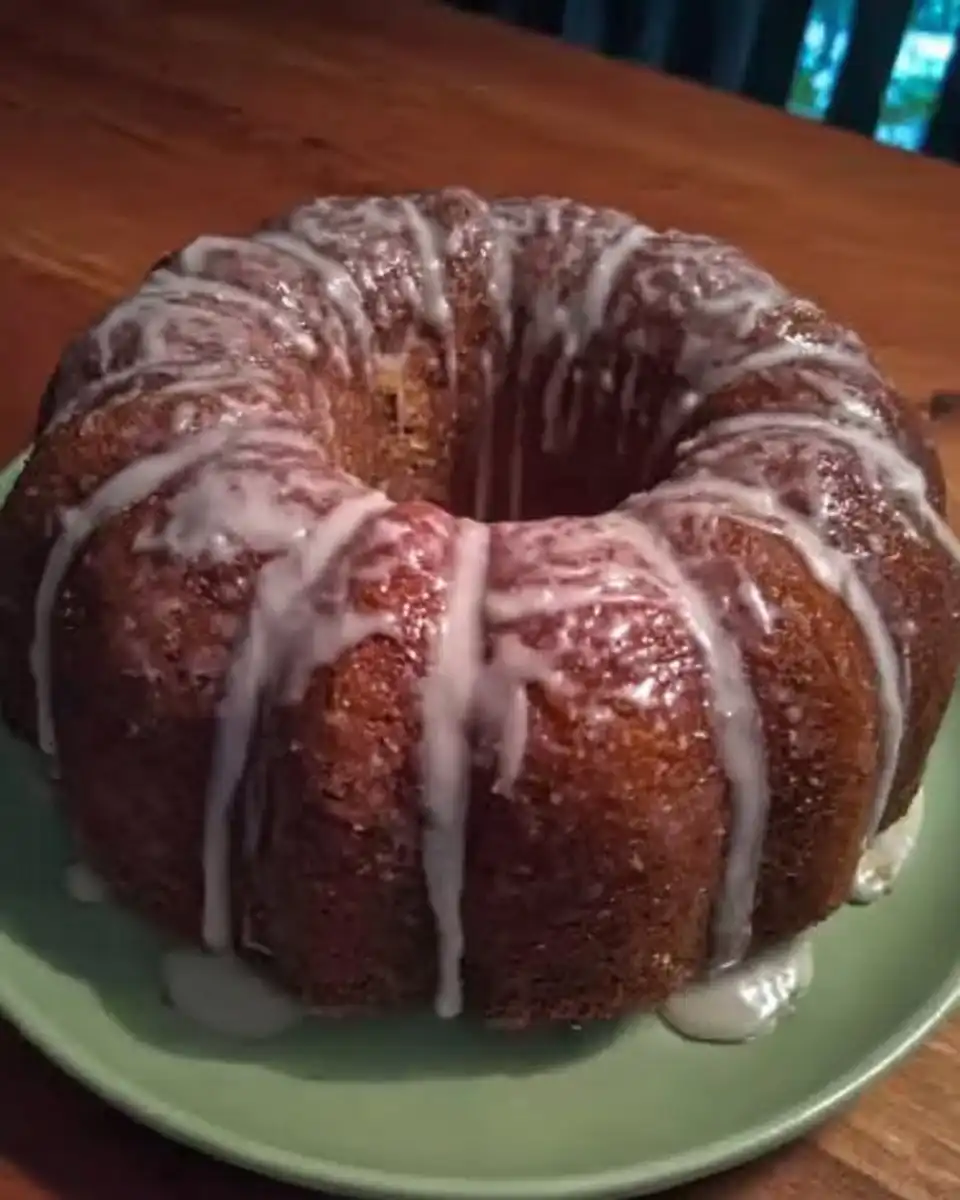
To achieve the perfect texture, we must respect the role of each ingredient. Precision here is the difference between a heavy brick and a tender sponge.
- Unsalted Butter: You will need two cups, softened to room temperature (about 68°F/20°C). This allows for maximum aeration when beaten with the sugar.
- White Sugar: Provides the necessary sweetness and aids in creating a light structure during the creaming process.
- Large Eggs: Six eggs provide richness and stability. They must be at room temperature to emulsify properly with the butter.
- Sour Cream: The acidity in the sour cream tenderizes the gluten strands, resulting in a “melting” texture.
- Vanilla Extract: Use a high-quality extract or bean paste for a pure, floral aroma.
- All-Purpose Flour: Provides the structure. Measure this by weight if possible, or fluff and spoon it into your cup to avoid packing.
- Nutmeg: A pinch adds a subtle warmth that distinguishes a sophisticated cake from a plain one.
- Leavening Agents: A precise balance of baking soda and salt ensures the cake rises evenly without collapsing.
Methodical Precision
Step 1: Prepare the Mold
Preheat your oven to 350°F (175°C). The preparation of your Bundt pan is critical. Grease every crevice generously with butter or shortening, then dust with flour, tapping out the excess. Alternatively, use a baking spray containing flour to ensure a clean release.
Step 2: The Creaming Stage
In the bowl of a stand mixer fitted with the paddle attachment, beat the softened butter and sugar together. Do not rush this step. Beat on medium-high speed for 5–7 minutes until the mixture is pale yellow and fluffy. This incorporates the air necessary for a light crumb.
Step 3: Emulsifying the Eggs
Reduce the mixer speed to medium. Add the eggs one at a time. Allow each egg to fully disappear into the batter before adding the next. This patience preserves the emulsion and prevents the batter from separating or curdling.
Step 4: Flavor Infusion
Beat in the vanilla extract. The batter should look silky, smooth, and voluminous at this stage.
Step 5: Alternating Dry and Wet
Whisk together the flour, baking soda, salt, and nutmeg in a separate bowl. With the mixer on low, add half of the flour mixture. Once barely combined, add half of the sour cream. Repeat with the remaining flour and sour cream. Mix only until the flour streaks disappear—overworking the batter now will toughen the cake.
Step 6: Baking
Pour the batter into your prepared pan. Smooth the top with a spatula and tap the pan firmly on the counter twice to release large air bubbles. Bake for 50–60 minutes. Test by inserting a wooden skewer near the center tube; it should come out clean or with a few moist crumbs attached.
Step 7: Cooling and Unmolding
Let the cake cool in the pan for exactly 15–20 minutes. If you invert it too soon, it may break; too late, and it may stick. Invert onto a wire rack and allow to cool completely before serving.
Secrets for Perfection
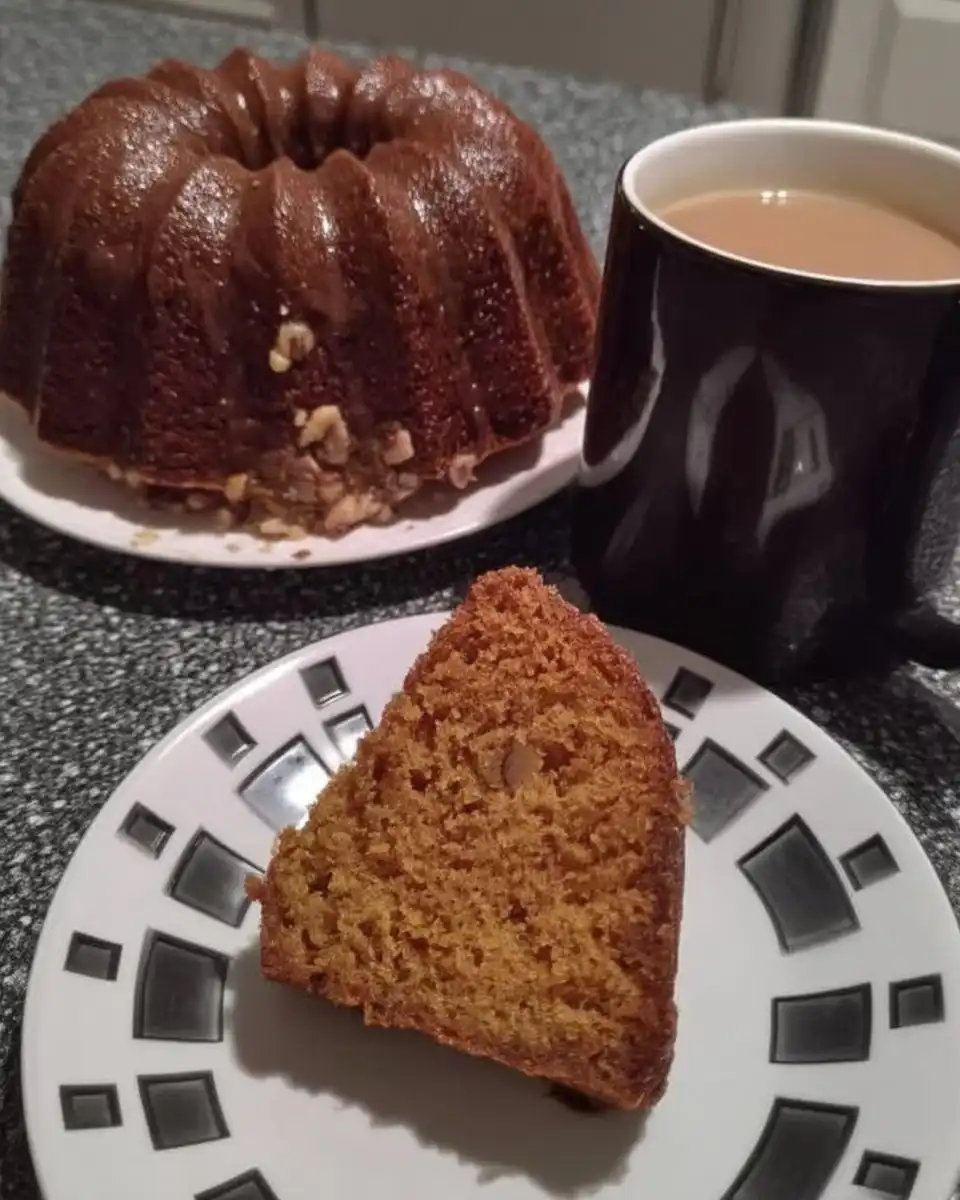
- Temperature Matters: If your eggs or sour cream are cold, they will shock the butter, causing the batter to look curdled. If this happens, the cake will be heavy. Ensure every ingredient is at room temperature before you begin.
- The Skewer Test: Bundt cakes are deep. A standard toothpick is often too short to test the true center. Use a long wooden skewer to ensure the batter near the tube is fully cooked.
- Storage: This cake matures beautifully. Wrap it tightly in plastic wrap once cool; the flavor and texture often improve the next day. If you enjoy this dense, moist texture, you might also appreciate the technique used in our lemon yogurt cake, which also utilizes acidity for tenderness.
Refined Twists
- Citrus Infusion: Rub the zest of two lemons or oranges into the sugar before creaming. This releases the essential oils for a fragrant citrus variation.
- Almond Elegance: Replace the vanilla extract with 1 teaspoon of almond extract and top with toasted sliced almonds for a variation reminiscent of financial style cakes.
- Berry Fold-In: Toss a cup of fresh blueberries in a tablespoon of flour and gently fold them in at the very end. This adds a burst of fruit similar to our blueberry coffee cake.
Presentation and Pairing
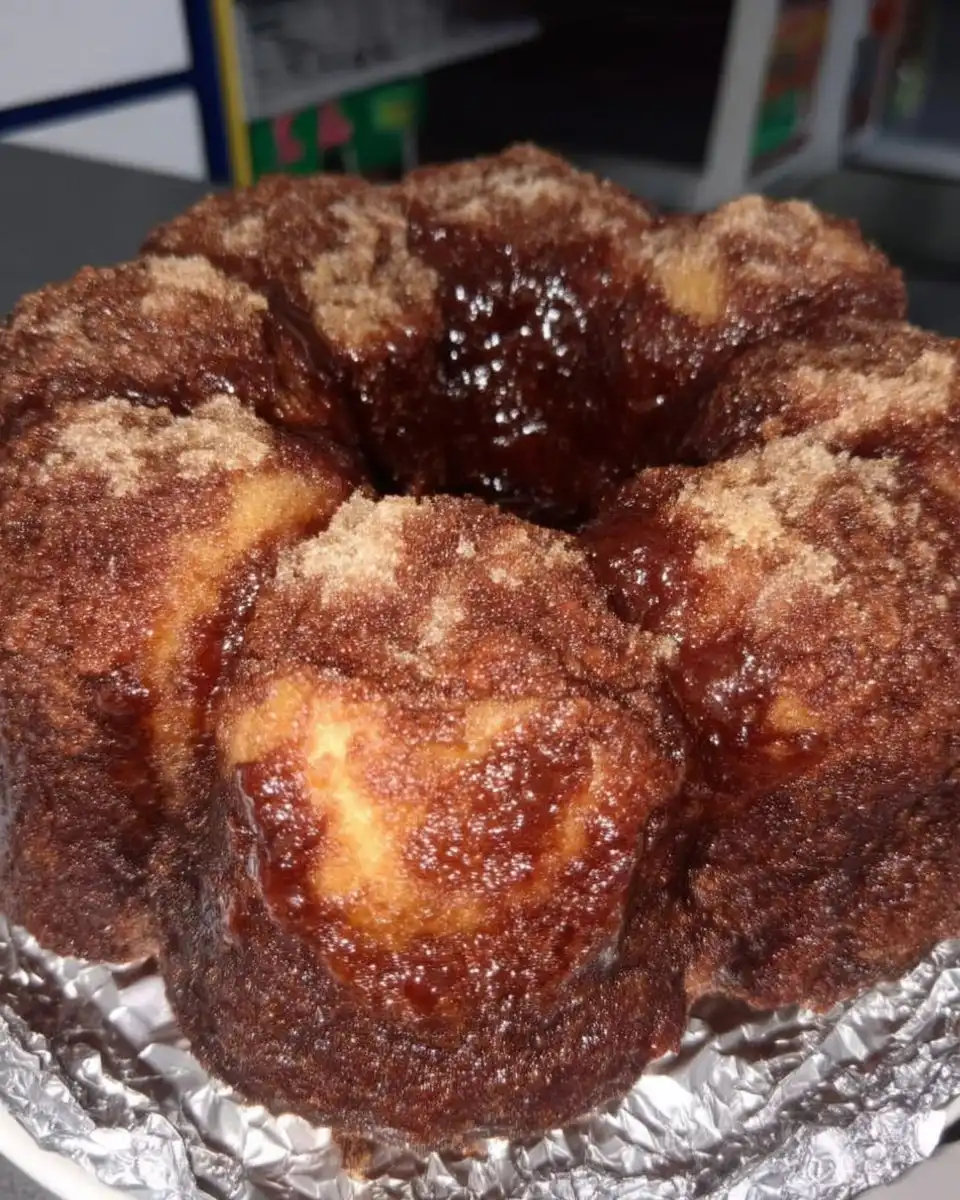
A cake this beautiful requires very little decoration. A simple dusting of confectioners’ sugar ‘snow’ is classic and elegant. For a dinner party, serve thin slices with a dollop of softly whipped unsweetened cream and fresh berries. If you prefer a warm dessert, this cake toasts beautifully in a pan with a little butter, a technique I often recommend for our Irish apple cake.
The Art of the Small Batch
There is a deep satisfaction in pulling a perfect golden ring from the oven. This Bundt cake is a testament to the fact that when you use quality ingredients and respect the process, the results are always extraordinary. It honors the tradition of home baking where flavor reigns supreme. Whether you serve it for a Sunday brunch or keep it under a dome for snacking, it is a recipe to treasure. For those looking to expand their classic repertoire, I recommend trying our old fashioned chocolate cake next. And if you are seeking even more inspiration from the broader baking community, the variations at The Kitchen Magpie offer lovely rustic twists.
We would love to see your creations. Please share your beautiful cakes with us on Pinterest, Instagram, or Facebook.