In my early days at the pastry conservatory, I was taught that sugar is not merely a sweetener, but a medium for art. I vividly recall the scent of browning butter and melting sugar wafting through the narrow streets of the Marais, a memory that returns every time I begin this Caramel Cake. It is a recipe that demands patience and a gentle hand, rewarding the baker with a golden masterpiece that speaks of tradition and refined skill.
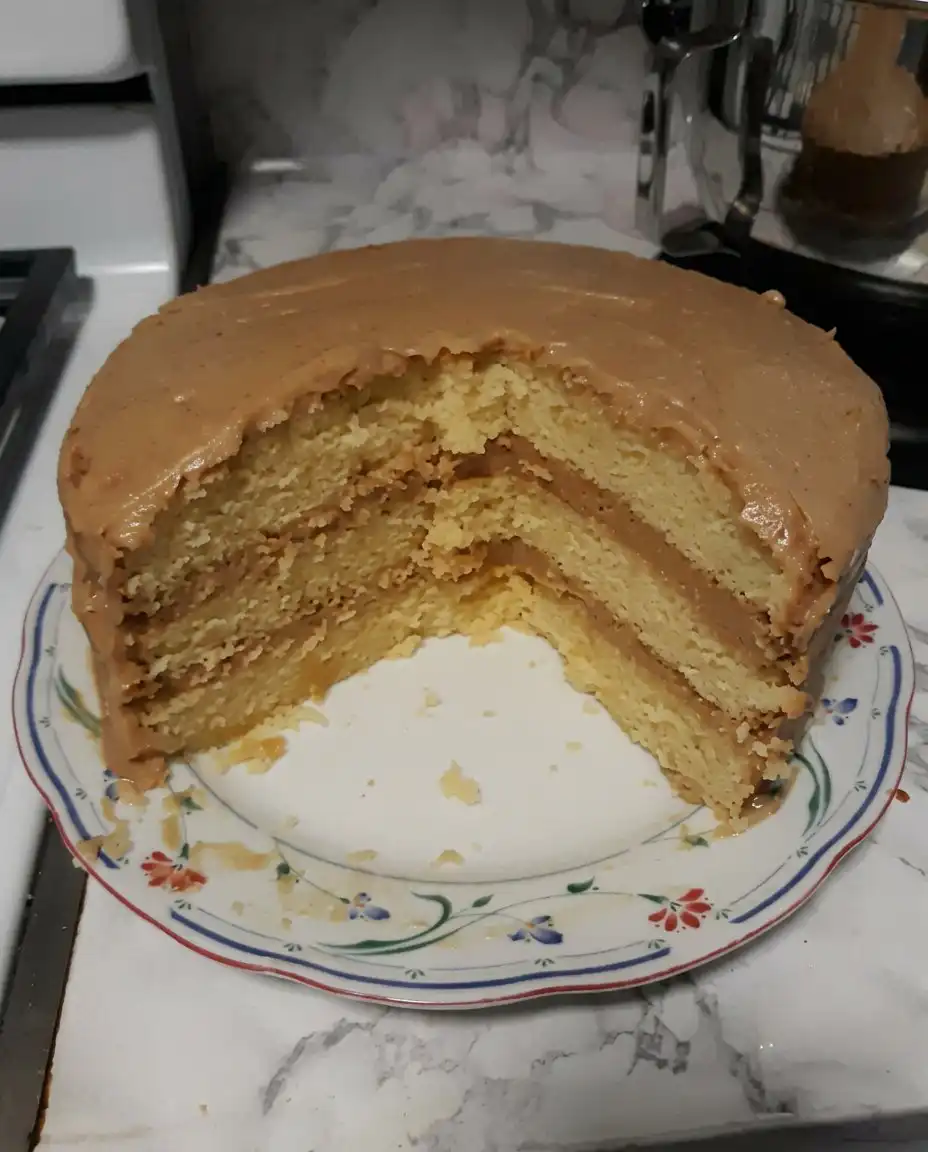
This particular cake is a study in balance, featuring a tender, fine-grained sponge that serves as the perfect canvas for a rich, cooked caramel frosting. Unlike modern shortcuts, this method relies on the classic technique of simmering sugar and milk to achieve a texture that is both smooth and deeply flavorful. It is a dessert designed for those who appreciate the quiet satisfaction of a recipe executed with precision and care.
The Art of Southern Elegance and French Precision
There is something profoundly comforting about a dessert that relies on the mastery of heat and sugar. This recipe is not just a cake; it is an experience in texture and flavor that has stood the test of time. You will find that the crumb is exceptionally soft, a result of the meticulous creaming of butter and sugar, which creates a structure capable of supporting the luxurious frosting.
The frosting itself is the crowning achievement of this dish. By cooking the brown sugar and butter until they reach a specific stage of caramelization, we develop a depth of flavor that is miles beyond a simple buttercream. It possesses a slightly fudgy consistency that sets into a beautiful, semi-matte finish, reminiscent of the pralines found in high-end Parisian boutiques. When you serve this, you are offering more than a sweet treat; you are sharing a piece of culinary history refined for the modern home kitchen.
Print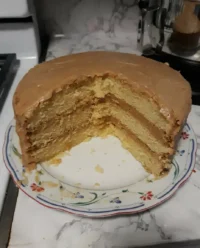
Caramel Cake
- Total Time: 1 hour 5 mins
- Yield: 12 servings
- Diet: Vegetarian
Description
This elegant three-layer Caramel Cake features a tender, fine-grained sponge paired with a traditional cooked caramel frosting. Its rich, fudgy texture and deep golden flavor offer a sophisticated take on a classic Southern dessert.
Ingredients
- 2 cups granulated sugar
- 1 cup unsalted butter, softened
- 4 large eggs, room temperature
- 3 cups all-purpose flour, sifted
- 1 tablespoon baking powder
- 1/2 teaspoon salt
- 1 cup whole milk
- 2 teaspoons pure vanilla extract
- 2 cups light brown sugar, packed (for frosting)
- 1/2 cup unsalted butter (for frosting)
- 1/2 cup evaporated milk (for frosting)
- 2 cups confectioners’ sugar, sifted (for frosting)
- 1 teaspoon pure vanilla extract (for frosting)
- 1/4 teaspoon salt (for frosting)
Instructions
- Preheat your oven to 350°F (175°C) and grease and flour three 9-inch cake pans, tapping out any excess.
- In a large mixing bowl, cream the granulated sugar and softened butter on medium speed for several minutes until the mixture is pale and aerated.
- Add the eggs one at a time, beating the batter thoroughly after each addition to ensure a stable emulsion.
- In a separate bowl, whisk together the sifted flour, baking powder, and salt.
- Add the flour mixture to the butter mixture in three parts, alternating with the whole milk, beginning and ending with the flour to maintain a light crumb.
- Fold in the vanilla extract and beat briefly until the batter reaches the ribbon stage, then divide the batter equally among the three prepared pans.
- Bake in the center of the oven for approximately 30 minutes, or until a skewer inserted into the center comes out clean.
- Allow the cakes to cool in their pans for 5 minutes before inverting them onto wire racks to cool completely.
- To make the frosting, combine the brown sugar, butter, and salt in a heavy-bottomed saucepan over medium heat, stirring constantly until the sugar dissolves.
- Add the evaporated milk and bring to a gentle boil; let it bubble for 4 minutes while stirring continuously to prevent scorching.
- Remove the caramel from the heat and let it rest for 5 minutes before beating in the sifted confectioners’ sugar and vanilla with an electric mixer until thick and glossy.
- Assemble the cake by spreading a generous layer of frosting between each cake layer and then covering the top and sides, working quickly before the frosting sets.
Notes
To ensure the best texture for your frosting, use a heavy-bottomed saucepan to prevent scorching and always sift your confectioners’ sugar to avoid lumps. If the frosting sets too quickly during assembly, you can briefly place the bowl over a pot of simmering water to soften it back to a spreadable consistency.
- Prep Time: 30 mins
- Cook Time: 35 mins
- Category: Dessert
- Method: Baking
- Cuisine: American
The Foundation of Golden Flavor
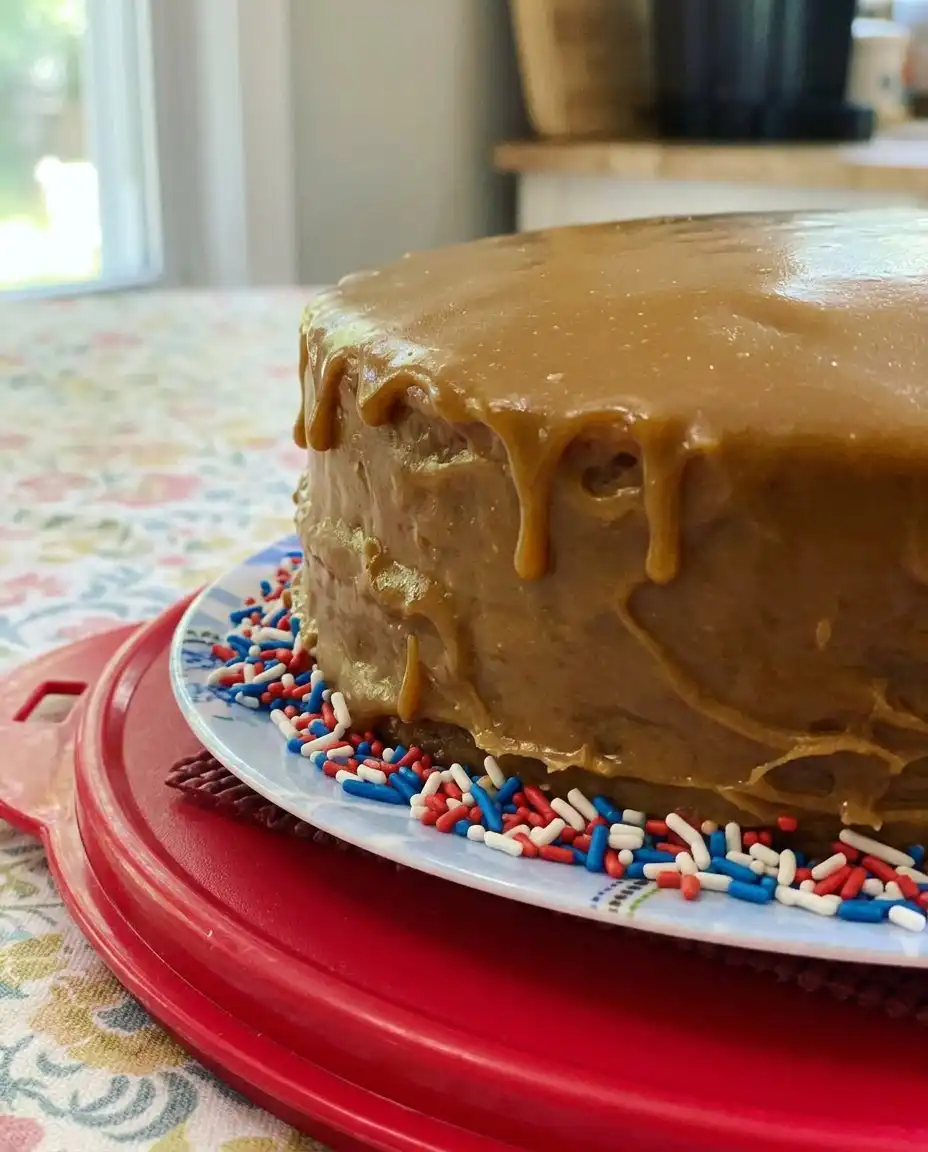
To achieve professional results, one must start with ingredients of the highest quality. In small-batch baking, every component is magnified, so choosing the best butter and freshest eggs is paramount to the success of your Caramel Cake.
- Granulated Sugar and Brown Sugar: We use granulated sugar in the cake for a clean sweetness and brown sugar in the frosting to provide those essential molasses notes that define a true caramel.
- Unsalted Butter: Use a butter with a high fat content if possible. It provides the richness and the tender mouthfeel that distinguishes a superior sponge.
- Large Eggs: Make sure your eggs are at room temperature to facilitate a perfect emulsion during the creaming stage.
- All-Purpose Flour: This provides the necessary structure. Sifting it with the baking powder and salt is a step you should never skip, as it aerates the flour for a lighter crumb.
- Evaporated Milk: In the frosting, this ingredient is vital. It provides a concentrated milk flavor and a creamy texture without the excess water found in regular milk.
- Pure Vanilla Extract: A high-quality extract or even vanilla bean paste will add a floral bridge between the sugar and the dairy.
The Method of Perfection
Step 1: Preparing the Workspace
Begin by preheating your oven to 350 degrees F (175 degrees C). Precision starts with a properly prepared environment. Grease and flour three 9-inch cake pans with care, tapping out any excess flour to prevent a thick crust from forming on the base of your layers.
Step 2: The Creaming Process
In your mixing bowl, combine the granulated sugar and softened butter. Beat these together on medium speed for several minutes. You are looking for more than just a mixture; you want the butter to become pale and aerated. This process creates tiny air pockets that will expand in the oven, giving your cake its characteristic lightness.
Step 3: Emulsifying the Eggs
Add your eggs one at a time. It is crucial to beat the batter thoroughly after each addition. This allows the fats and liquids to emulsify properly. If you add them too quickly, the batter may break, resulting in a dense, greasy texture. Patience here is the mark of a true patissier.
Step 4: Alternating the Dry and Wet Ingredients
In a separate bowl, whisk together your flour, baking powder, and salt. Add the flour mixture to the butter mixture in three parts, alternating with the whole milk. Begin and end with the flour. This technique prevents the overdevelopment of gluten, which can make the cake tough, while making sure the milk is fully incorporated.
Step 5: Achieving the Ribbon Stage
Fold in the vanilla extract and continue to beat the batter briefly until it reaches the ribbon stage. This means that when you lift the beaters, the batter should fall back into the bowl in a slow, thick ribbon that holds its shape for a few seconds before disappearing. Divide the batter equally among your three prepared pans.
Step 6: The Golden Bake
Bake in the center of the oven for approximately 30 minutes. Use a thin wooden skewer to check the center; it should come out clean or with just a few moist crumbs. The tops should be a light golden brown and spring back gently when pressed. Allow the cakes to cool in their pans for 5 minutes before inverting them onto wire racks to cool completely.
Step 7: Simmering the Caramel Frosting
While the cakes cool, begin the frosting. Combine the brown sugar, butter, and salt in a heavy-bottomed saucepan over medium heat. Stir constantly until the sugar dissolves. Once the mixture is smooth, add the evaporated milk. Bring it to a gentle boil and let it bubble for 4 minutes. You must stir during this entire window to prevent the sugar from scorching on the bottom of the pan.
Step 8: The Final Whip
Remove the caramel from the heat and let it rest for 5 minutes. This cooling period is essential before adding the confectioners’ sugar. Using an electric mixer, beat in the sifted confectioners’ sugar and vanilla. Continue beating until the frosting thickens and takes on a glossy, spreadable consistency. If it seems too thin, continue to beat; the aeration and cooling will help it set.
Step 9: The Assembly
Place the first layer on your serving plate. Spread a generous layer of frosting to the edges before placing the second layer on top. Repeat this process, then cover the top and sides of the cake. Work relatively quickly, as cooked caramel frosting begins to set as it cools.
Pastry Wisdom for Success
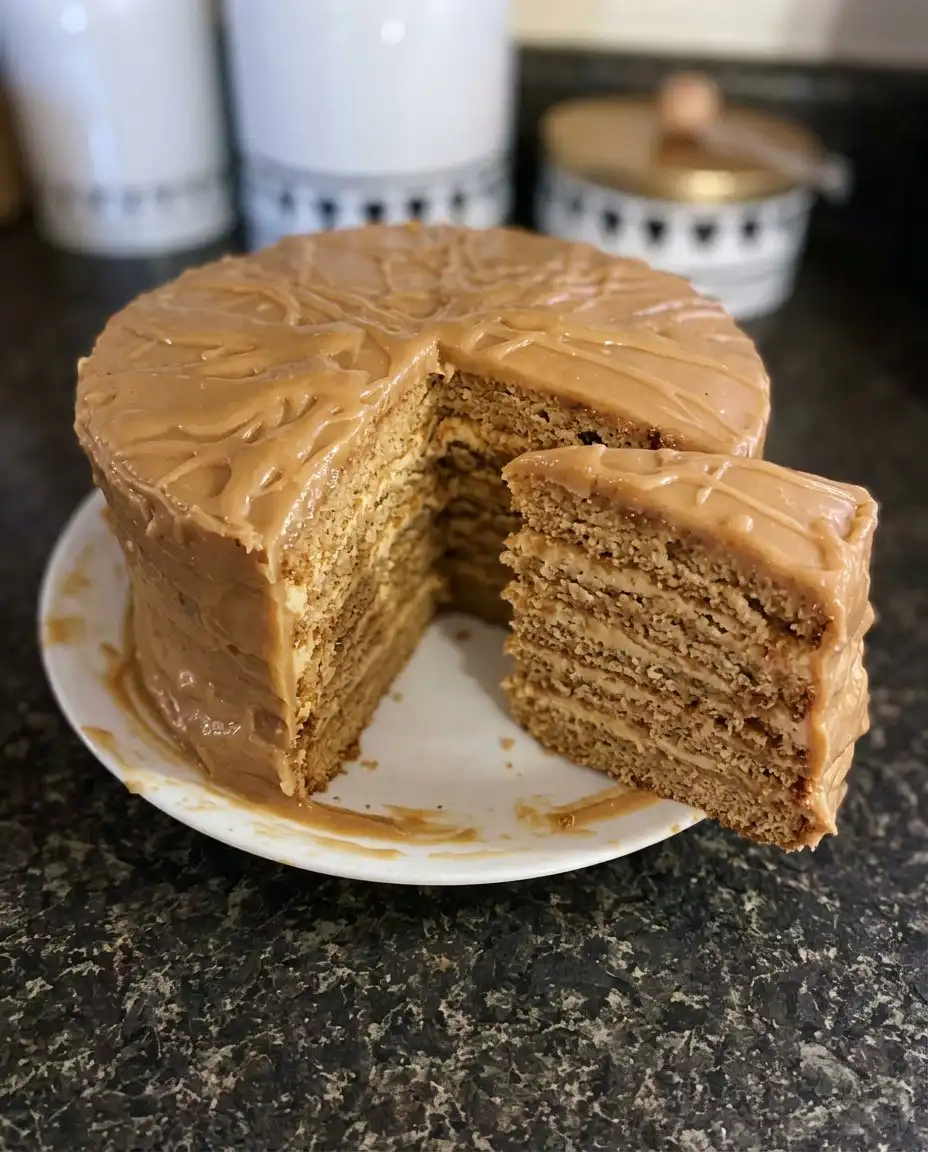
Temperature control is the most frequent challenge when making a cooked frosting. If your kitchen is particularly warm, the frosting may take longer to thicken. In such cases, you can place the mixing bowl over a larger bowl of ice water for a minute while beating to encourage the set. Always make sure your cake layers are entirely cool before you begin frosting; even a hint of warmth can cause the caramel to slide off the sponge. For those who enjoy a variety of traditional bakes, mastering this frosting is as essential as learning the secrets of a yellow cake with chocolate frosting. Precision in the boiling time is also vital; 4 minutes is the sweet spot for a frosting that is firm enough to stack but soft enough to melt in the mouth.
Refined Twists on Tradition
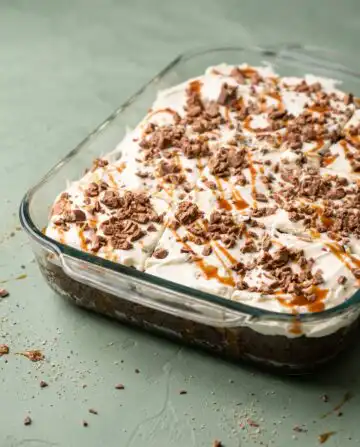
While the classic version is sublime, you can introduce subtle changes to suit the occasion. Adding a pinch of Fleur de Sel to the frosting transforms it into a sophisticated salted caramel cake, which pairs beautifully with a glass of dry sparkling wine. For a nutty texture, consider folding toasted pecans into the frosting between the layers. If you find yourself craving a different profile of sweetness and salt, you might also enjoy the complexity found in a snickers cake, which uses similar caramel notes in a more decadent application. Another elegant variation is to brush the cake layers with a simple syrup infused with bourbon before frosting, which adds a mature depth to the final flavor profile.
The Final Touch of Elegance
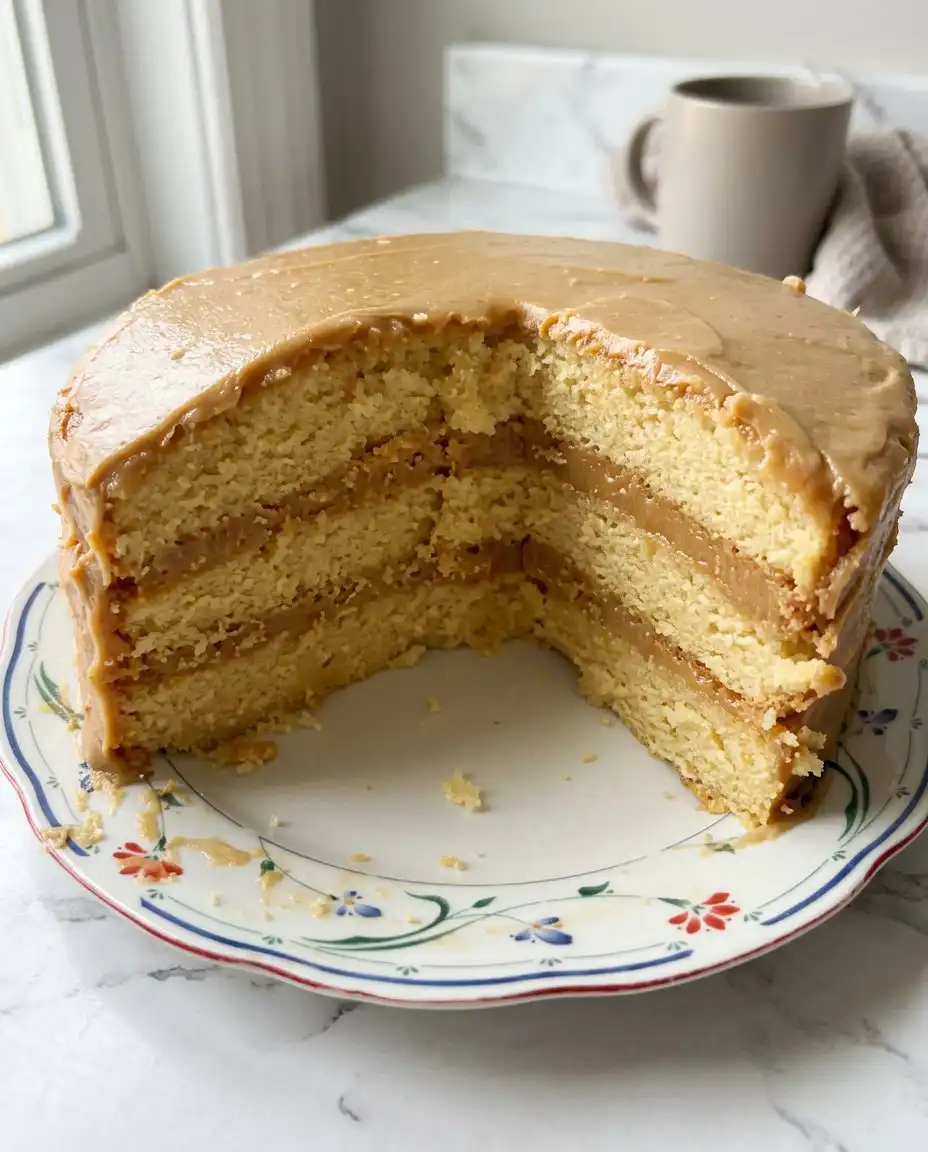
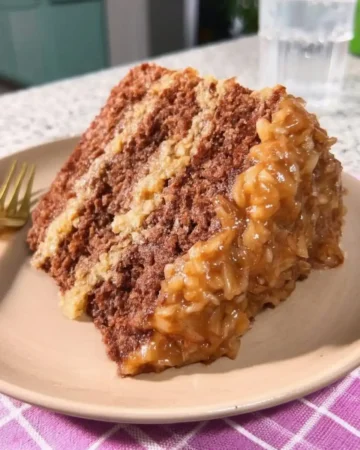
When serving this Caramel Cake, presentation should reflect the care put into its creation. Use a sharp, thin-bladed knife dipped in hot water and wiped dry between each cut to achieve clean, professional slices. This cake is quite rich, so smaller wedges are often appreciated by guests. It pairs wonderfully with a cup of Earl Grey tea or a dark roast coffee, which cuts through the sweetness of the caramel. For a formal gathering, you might present it alongside other classics like a German chocolate cake to offer a variety of textures. A simple garnish of fresh berries can also provide a bright acidic contrast to the deep golden notes of the frosting.
The Art of Small Batches
Mastering the Caramel Cake is a milestone for any dedicated home baker. It represents a transition from simple mixing to understanding the delicate chemistry of sugar and heat. As you enjoy the final result, remember that the beauty of this cake lies in its imperfections and the handmade quality of the cooked frosting. If you found joy in this process, you might find equal satisfaction in perfecting an old fashioned chocolate cake, another staple of the refined baker’s repertoire. For more inspiration and to see how others are mastering these techniques, I invite you to visit Grandbaby Cakes or follow our community on Pinterest and Instagram. Happy baking, and may your kitchen always be filled with the scent of golden caramel.