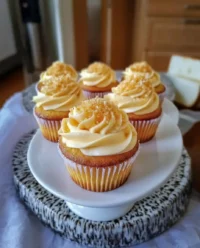
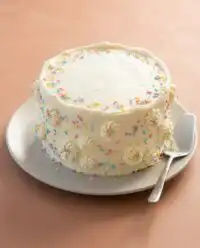
I often recall my early mornings in a quiet patisserie in Lyon, where the air was thick with the scent of melting butter and high-quality cocoa. There is a profound beauty in the precision of a small-batch sponge, especially when it honors a playful theme like this refined Stitch Cake. The secret to this recipe lies in the classic European method of weighing ingredients to match the eggs, a technique that creates a perfect balance of structure and moisture.

This cake is far more than a simple chocolate dessert; it is a lesson in the art of the emulsion and the delicacy of Swiss meringue buttercream. By using equal weights for our base, we achieve a crumb that is both sturdy for stacking and remarkably tender on the palate. Whether you are celebrating a special occasion or simply practicing your technique, this cake offers a sophisticated path to mastery.
Mastering the Balance of Texture and Whimsy
This recipe stands as a testament to the fact that themed desserts can be as elegant and high-quality as any traditional French pastry. You will love this cake because it relies on the fundamental principles of weight-based baking, which removes the guesswork often found in volume-based recipes. This method makes certain that every crumb is consistent and every layer is perfectly proportioned.
The inclusion of a silky Swiss meringue buttercream provides a luxurious mouthfeel that typical American frostings simply cannot replicate. It is light, less sweet, and exceptionally stable, making it the perfect canvas for the deep chocolate notes of the sponge. This is a dessert that respects the ingredients, using premium cocoa and fresh butter to create a flavor profile that is mature, refined, and deeply satisfying. Perfecting this technique once means you will possess the skills to create an array of high-end gateaus for years to come.
Print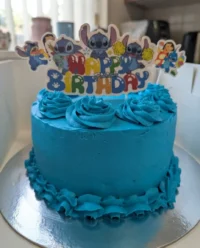
Stitch Cake
- Total Time: 1 hour 30 mins
- Yield: 12 servings
- Diet: Vegetarian
Description
Master the art of European-style pastry with this sophisticated Stitch Cake, featuring a perfectly balanced chocolate sponge and a silky Swiss meringue buttercream. This recipe emphasizes the precision of weight-based baking to ensure a consistent, professional-quality crumb every time.
Ingredients
- 400g Large Eggs (weighed in shells)
- 400g Caster Sugar
- 400g Unsalted Butter, softened
- 350g Self-Raising Flour
- 50g High-Quality Cocoa Powder
- 5 Large Egg Whites (for buttercream)
- 250g Granulated Sugar (for buttercream)
- 340g Unsalted Butter, cubed and cool (for buttercream)
- 1 tsp Vanilla or Coconut Extract
- Pinch of Salt
- Fresh Cherries, for decoration
Instructions
- Preheat oven to 180°C (160°C fan) and line two 8-inch cake tins with parchment paper.
- Weigh the eggs in their shells to determine the exact weight needed for the sugar, butter, and flour/cocoa mixture.
- In a large bowl, cream the softened butter and caster sugar together until the mixture is pale and voluminous.
- Add the eggs one at a time, beating thoroughly after each addition to maintain the emulsion and avoid curdling.
- Sift the flour and cocoa powder together over the batter, then gently fold them in using a large metal spoon.
- Divide the batter between the tins and bake for 40 to 45 minutes until a skewer inserted into the center comes out clean.
- For the buttercream, whisk egg whites and granulated sugar over a pan of simmering water until the sugar is fully dissolved.
- Whisk the egg white mixture on medium-high until stiff, glossy peaks form and the bowl feels cool to the touch.
- Switch to a paddle attachment and add the cubed butter one piece at a time on low speed until the frosting is thick and silky.
- Assemble the cooled cakes with a generous layer of buttercream, frost the exterior, and decorate with piped swirls and fresh cherries.
Notes
For the most successful sponge, ensure all your ingredients, especially the eggs and butter, are at room temperature before you begin. This allows the fats to emulsify properly, resulting in a lighter, more tender cake that avoids a greasy or dense finish.
- Prep Time: 45 mins
- Cook Time: 45 mins
- Category: Dessert
- Method: Baking
- Cuisine: European
The Foundation of Perfect Proportions
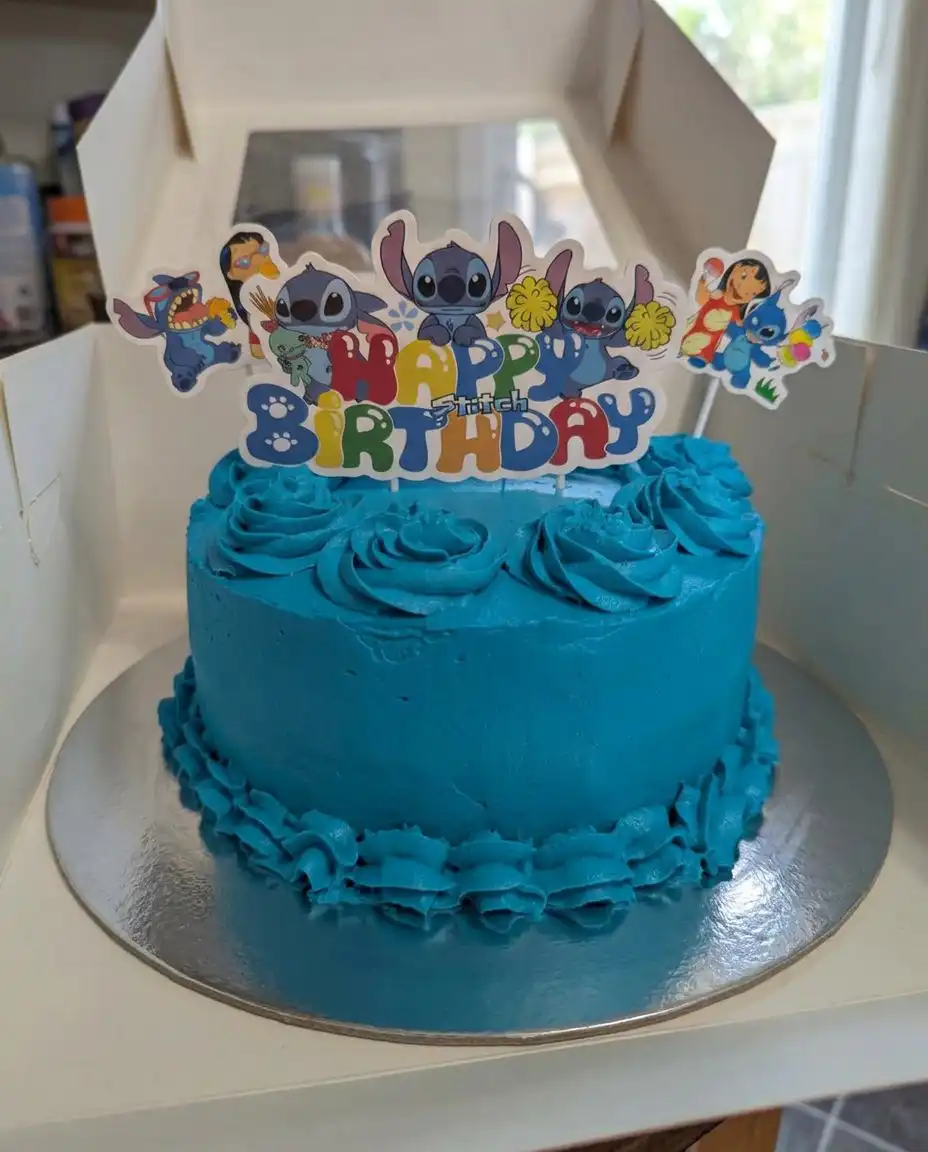
In the world of fine pastry, the quality of your ingredients dictates the quality of your result. For this cake, every component must be at the correct temperature and of the highest standard to achieve the desired texture.
- Large Eggs: These serve as our primary weight measurement. By weighing the eggs in their shells first, we establish the blueprint for the entire cake structure.
- Caster Sugar: Its fine crystals dissolve much more readily than granulated sugar, contributing to a tighter, more delicate crumb during the creaming process.
- Unsalted Butter: Always use high-fat European-style butter if possible. It must be softened to a cool room temperature—about 65°F (18°C)—to hold air effectively.
- Self-Raising Flour: This provides the lift and structure. Sifting is non-negotiable to remove any lumps and incorporate air.
- High-Quality Cocoa Powder: This is where the depth of flavor comes from. A Dutch-processed cocoa will provide a darker color and a smoother, less acidic chocolate taste.
- Swiss Meringue Base: This requires fresh egg whites and granulated sugar. The stability of the meringue depends on the complete absence of fats (like egg yolk) in your whisking bowl.
- Fresh Cherries: These add a natural, vibrant finish. Keeping the stems on provides an organic, artisanal look to the final presentation.
The Methodical Path to Excellence
Step 1: Calibration and Preparation
Begin by preheating your oven to 180°C (350°F). For fan-assisted ovens, 160°C is appropriate. Grease two 8-inch (20cm) tins and line them with parchment paper. This step makes certain that your delicate sponges can be removed without compromising their edges.
Step 2: The Art of Measurement
Place your eggs on a digital scale. Aim for approximately 400g. Once you have your exact weight, measure out your sugar, butter, and flour/cocoa mixture to match that precise number. This precision is the hallmark of a professional pastry chef.
Step 3: The Creaming Phase
In a large bowl, combine your softened butter and caster sugar. Using a stand mixer or hand beaters, cream them together until the mixture is pale and voluminous. This should take several minutes; you are looking for a texture that resembles soft whipped cream.
Step 4: Emulsifying the Eggs
Add your weighed eggs one at a time. It is vital to beat thoroughly after each addition to maintain the emulsion. If the mixture looks as though it is curdling, add a tablespoon of your flour to help bind the fats and liquids back together.
Step 5: Sifting and Folding
Sieve the flour and cocoa powder together over the bowl. Use a large metal spoon or a silicone spatula to fold the dry ingredients into the wet. Do this gently to preserve the air you worked so hard to incorporate during the creaming stage.
Step 6: The Oven’s Alchemy
Divide the batter equally between the prepared tins. Bake for 40 to 45 minutes. The cakes are ready when they no longer make a bubbling sound when you listen closely and a skewer inserted into the center comes out clean. Allow them to cool in the tins for 10 minutes before transferring to a wire rack.
Step 7: The Bain Marie Foundation
For the buttercream, place egg whites and sugar in a heatproof bowl over a pan of simmering water. Whisk constantly by hand. You are looking for the sugar to dissolve completely. Test this by rubbing a small amount of the mixture between your thumb and forefinger; it should feel perfectly smooth.
Step 8: The Glossy Meringue Stage
Transfer the warm egg white mixture to a mixer. Whisk on medium-high until stiff, glossy peaks form and the bowl feels cool to the touch. This can take upwards of 10 minutes. If the meringue remains warm, the butter will melt when added.
Step 9: Butter Integration
Switch to a paddle attachment. With the mixer on low, add the cool, cubed butter one piece at a time. The mixture may appear to break or look soupy; continue beating, and it will eventually come together into a silky, thick frosting.
Step 10: Final Flourish and Assembly
Fold in your salt and extract. Place the first sponge on your stand and spread a generous layer of buttercream. Top with the second sponge and cover the exterior. Use a palette knife for a refined, smooth finish, then decorate with piped swirls and fresh cherries.
Secrets from the Pastry Bench
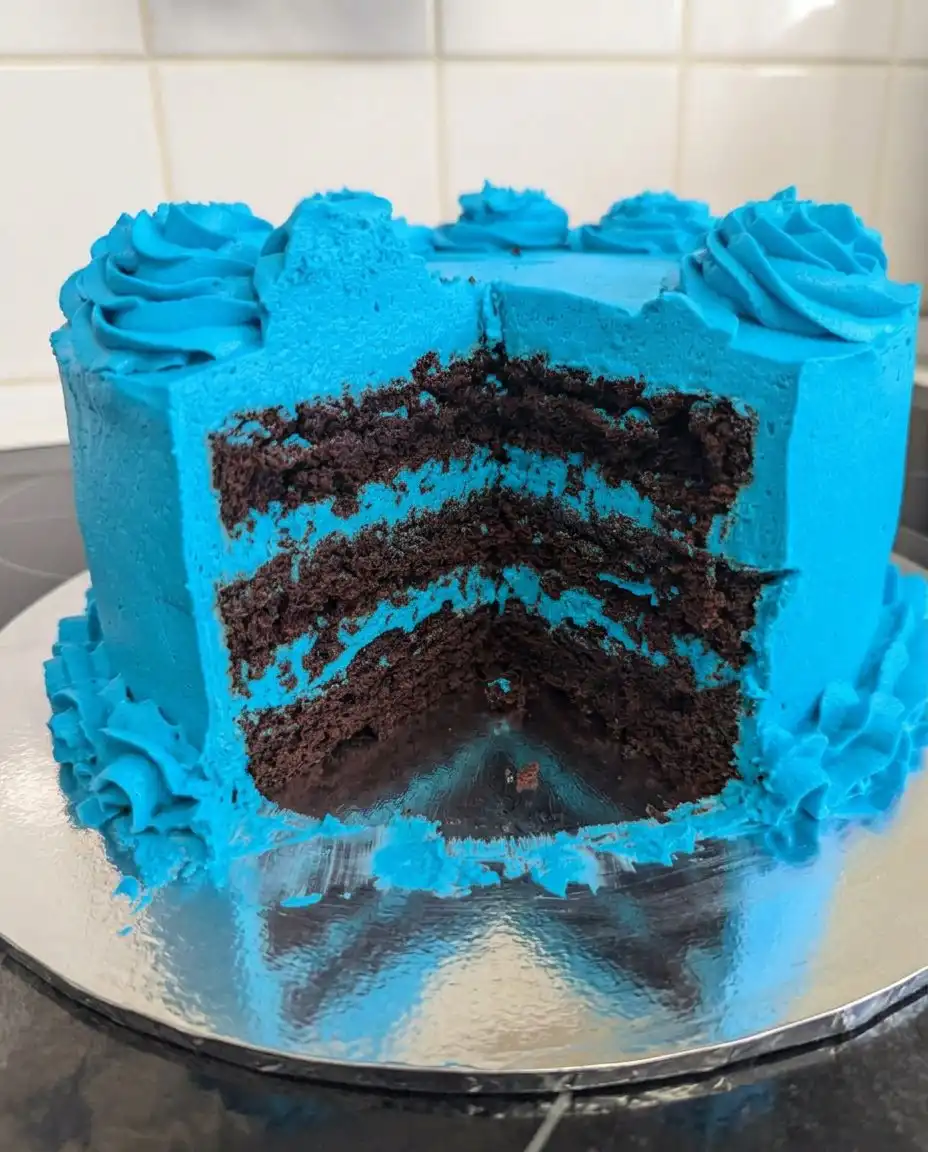
Precision in temperature is just as important as precision in weight. If your Swiss meringue buttercream appears curdled after adding the butter, do not panic. This usually happens if the butter was too cold. Simply continue to beat the mixture on a medium speed, or gently warm the bottom of the bowl with a hair dryer for a few seconds to help the fats emulsify.
Another critical cue is the auditory test for the sponge. A cake that is still ‘singing’ (making a distinct bubbling or crackling sound) has too much internal moisture and requires a few more minutes in the oven. For those looking to master other festive designs, you might find our guide on celebration cakes helpful for planning your next project. Remember, a perfectly baked sponge should be silent and spring back gently when touched.
Refined Twists on a Classic Foundation
While the chocolate sponge is a classic, you can introduce subtle island-inspired flavors to honor the Stitch theme. Replace the vanilla or coconut extract in the buttercream with a touch of passion fruit puree for a sophisticated acidity that cuts through the richness of the butter. This provides a tropical profile that remains elegant and balanced.
You might also consider a visual variation by using natural food colorings. For instance, a very light touch of butterfly pea flower powder can give the buttercream a soft, ethereal blue hue without using synthetic dyes. For more ideas on using color to create impact, look at our lemon rainbow cake which showcases how to layer flavors and colors effectively. For more thematic inspiration, you can also see these stitch cake ideas for different decorative approaches.
Presentation and the Final Flourish
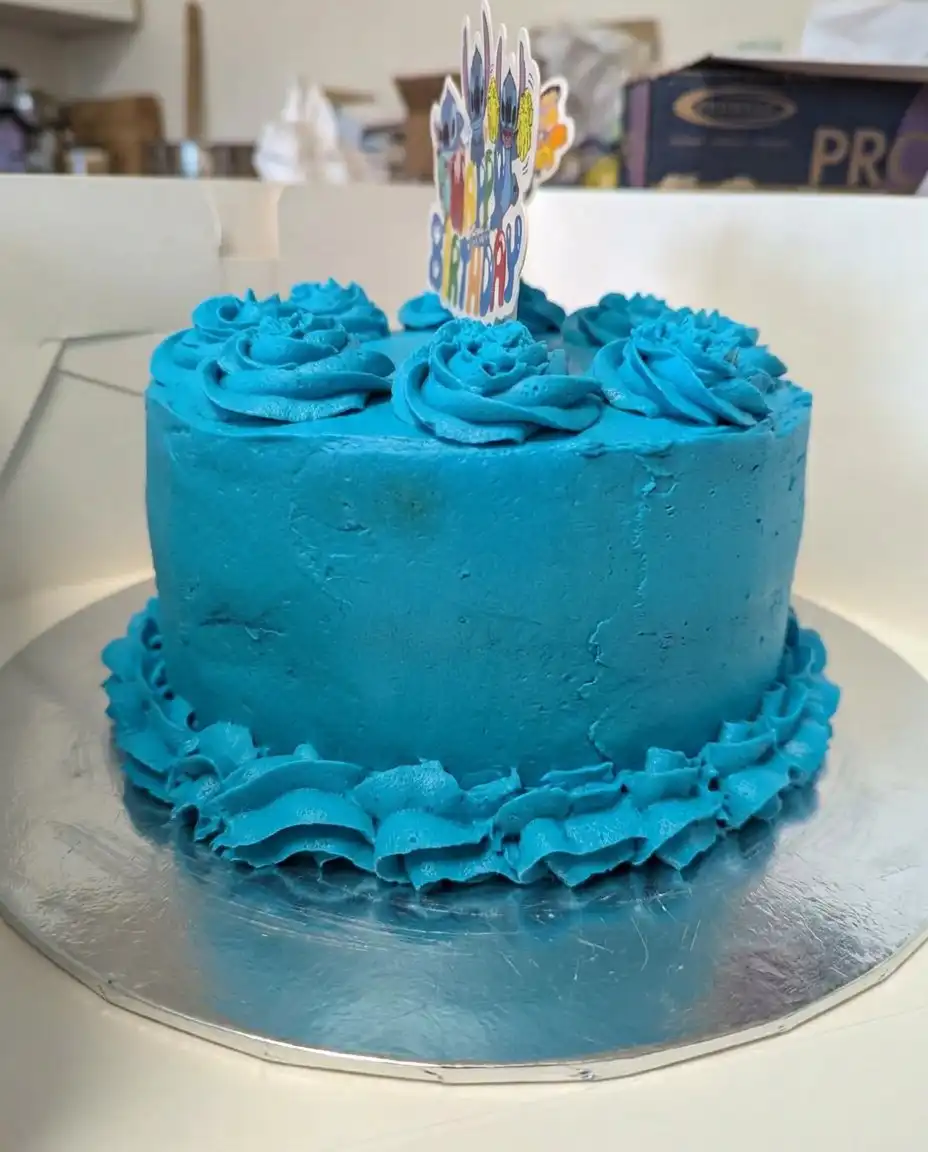
When serving a cake of this quality, the presentation should be as refined as the bake itself. Use a clean, sharp knife dipped in hot water and wiped dry between each cut to achieve pristine slices. This prevents the buttercream from dragging and keeps the layers distinct.
I recommend serving this cake on a chilled porcelain plate to maintain the integrity of the Swiss meringue. Pair it with a cup of Earl Grey tea or a dry Champagne to complement the deep cocoa notes. For those interested in more decorative shapes for their serving platters, our heart cake guide offers excellent tips on how to plate shaped desserts with grace and sophistication.
The Art of the Small Batch Masterpiece
Creating a Stitch Cake is a journey through the fundamental techniques that define high-end pastry. From the equal-weight measurement of the sponge to the temperature-sensitive whisking of the Swiss meringue, each step is an opportunity to practice precision and care. When we bake in small batches, we can afford to focus on these details, ensuring that the final result is a treasure to be shared.
If you enjoyed this technical guide, you might also like to see our approach to themed bakes in our car cake tutorial. We invite you to share your results and continue your pastry journey with us on our social platforms. Connect with our community on Instagram, Pinterest, and Facebook for more professional baking secrets.