In the quiet corners of a Parisian patisserie, I first learned that a cake is merely a canvas for the imagination. The true mastery lies not just in the bake, but in the final touches—the delicate chocolate shards, the glossy ganache, and the precise dusting of cocoa that speaks of professional care. This recipe for Chocolate Cake Decoration focuses on a tender cocoa sponge that serves as the ideal foundation for your artistic expression.

Creating a beautiful dessert is an act of patience and devotion. By mastering this light, cocoa-infused crumb, you provide yourself with a reliable base that holds its shape under the weight of rich frostings and intricate designs. We shall focus on the quality of our fats and the aeration of our eggs to achieve a result that is as structurally sound as it is delicious.
The Art of This Technique
There is a profound satisfaction in presenting a cake that looks as though it belongs in a boutique window. This Chocolate Cake Decoration method is favored because it balances the robustness needed for structural integrity with a delicate, melt-in-the-mouth texture. When you work in small batches, you have the luxury of monitoring every bubble and every grain of sugar, resulting in a superior crumb that mass-produced cakes simply cannot replicate.
You will find that this sponge is remarkably forgiving. It retains moisture beautifully due to the golden caster sugar, which adds a subtle hint of caramel that deepens the cocoa’s profile. Mastering this base allows you to focus your creative energy on the decoration, knowing the foundation is flawless. It is a recipe that demands precision but rewards you with a canvas that is worthy of your finest chocolate work.
Print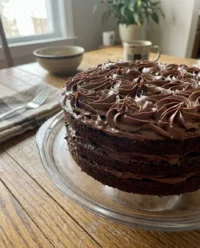
Chocolate Cake Decoration
- Total Time: 50 mins
- Yield: 1 cake (10 servings)
- Diet: Vegetarian
Description
A refined cocoa-infused sponge designed as a perfect, level canvas for intricate chocolate decorations. This recipe focuses on precise creaming and folding techniques to achieve a professional, light-as-air crumb that supports rich frostings.
Ingredients
- 200g golden caster sugar
- 200g unsalted butter, softened
- 4 large eggs, room temperature
- 200g self-raising flour
- 2 tbsp high-quality cocoa powder
- 1 tsp baking powder
- ½ tsp pure vanilla extract
- 2 tbsp whole milk
Instructions
- Preheat your oven to 180°C (350°F) and grease a deep 20cm (8-inch) cake tin, lining the base with parchment paper.
- In a large bowl, cream the softened butter and golden caster sugar for at least five minutes until the mixture is pale and voluminous.
- Incorporate the eggs one at a time, beating well after each addition to prevent curdling.
- Sift the self-raising flour, cocoa powder, and baking powder together, then gently fold them into the wet mixture using a figure-eight motion.
- Add the milk to adjust the batter to a ‘dropping’ consistency, ensuring it will rise evenly.
- Transfer the batter to the tin and bake for 25–30 minutes until the center springs back or a skewer comes out clean, then cool completely on a wire rack.
Notes
To ensure a perfectly flat top for decorating, avoid opening the oven door during the first 20 minutes of baking. If you need a more intense chocolate flavor, you can bloom the cocoa powder in the milk before adding it to the batter. Always weigh your ingredients using a digital scale for the most consistent results in French-style patisserie.
- Prep Time: 20 mins
- Cook Time: 30 mins
- Category: Dessert
- Method: Baking
- Cuisine: French
The Foundation of Quality
To achieve the refined texture we desire, every ingredient must be selected with care. The chemistry of a sponge depends on the quality of its components.
- Golden Caster Sugar (200g): Unlike white sugar, golden caster sugar contains a trace of molasses. This provides a more complex sweetness and helps retain moisture in the sponge, preventing the dryness often associated with cocoa-based bakes.
- Unsalted Butter (200g): Softened butter is essential for the creaming process. Use a high-fat European-style butter if possible; the lower water content leads to a richer mouthfeel and a finer crumb.
- Large Eggs (4): Eggs provide the structure. Ensure they are at room temperature to prevent the batter from curdling when they are incorporated into the fats.
- Self-Raising Flour (200g): This provides the bulk and the primary lifting agent. Always sift your flour twice to introduce as much air as possible.
- Cocoa Powder (2 tbsp): Use a high-quality Dutch-processed cocoa. This type of cocoa is treated to neutralize acidity, resulting in a darker color and a smoother, more mellow chocolate flavor.
- Baking Powder (1 tsp): While the flour has lifting agents, this extra teaspoon provides the gentle boost needed to keep the cake light despite the weight of the cocoa.
- Vanilla Extract (½ tsp): A small amount of pure vanilla acts as a flavor enhancer for the chocolate, much like salt does for savory dishes.
- Whole Milk (2 tbsp): This is used at the end to adjust the consistency to the perfect ‘dropping’ stage, ensuring the batter spreads evenly in the tin.
How to Make It
Step 1: Preparation and Mise en Place
Begin by preheating your oven to 180°C (350°F). Lightly grease a deep 20cm (8-inch) cake tin with a small amount of softened butter and line the base with parchment paper. In French pastry, preparation is everything; having your ingredients measured and your tin ready ensures you can work quickly once the aeration process begins.
Step 2: Creaming the Butter and Sugar
In a large bowl, cream the softened butter and golden caster sugar together. I recommend using a whisk or a stand mixer until the mixture is pale, voluminous, and almost white. This ‘creaming method’ is the secret to a light cake, as it traps tiny air bubbles that expand in the heat of the oven. This stage should take at least five minutes of consistent beating.
Step 3: Incorporating the Eggs
Add the eggs one at a time, beating well after each addition. If the mixture looks like it might begin to curdle, add a tablespoon of your weighed flour to bind it back together. Precision here prevents the fats from separating, which would result in a heavy, greasy sponge. Once all eggs are in, add the vanilla extract and whisk briefly to combine.
Step 4: Sifting and Folding
Sift the self-raising flour, cocoa powder, and baking powder together over the wet ingredients. Using a large metal spoon or a silicone spatula, gently fold the dry ingredients into the batter using a figure-eight motion. Do not stir vigorously; the goal is to retain the air you worked so hard to incorporate during the creaming stage. Fold only until no streaks of flour remain.
Step 5: Adjusting the Consistency
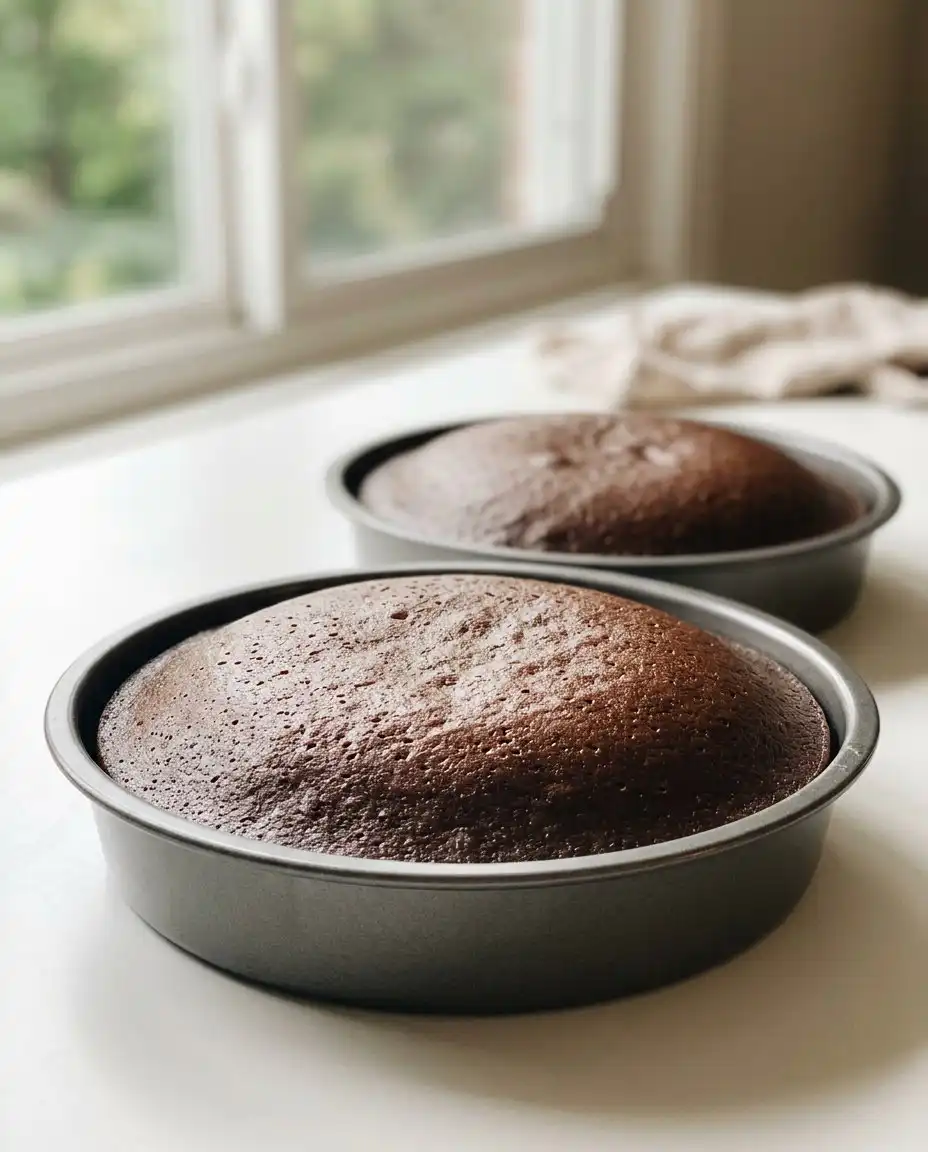
Check the batter’s consistency. It should be at the ‘dropping stage’—meaning it should fall easily from a spoon when tapped. Add the two tablespoons of milk and fold gently to integrate. This slight thinning of the batter allows the cake to rise evenly without a large dome, making the eventual decoration much easier.
Step 6: Baking and Cooling
Transfer the batter into the prepared tin and smooth the top with a spatula. Bake in the center of the oven for 25–30 minutes. To test for doneness, gently press the center of the cake; it should spring back. Alternatively, a skewer inserted into the middle should come out clean. Allow the cake to cool in the tin for ten minutes before transferring to a wire rack. It must be completely cold before you begin any decoration.
Precision Secrets
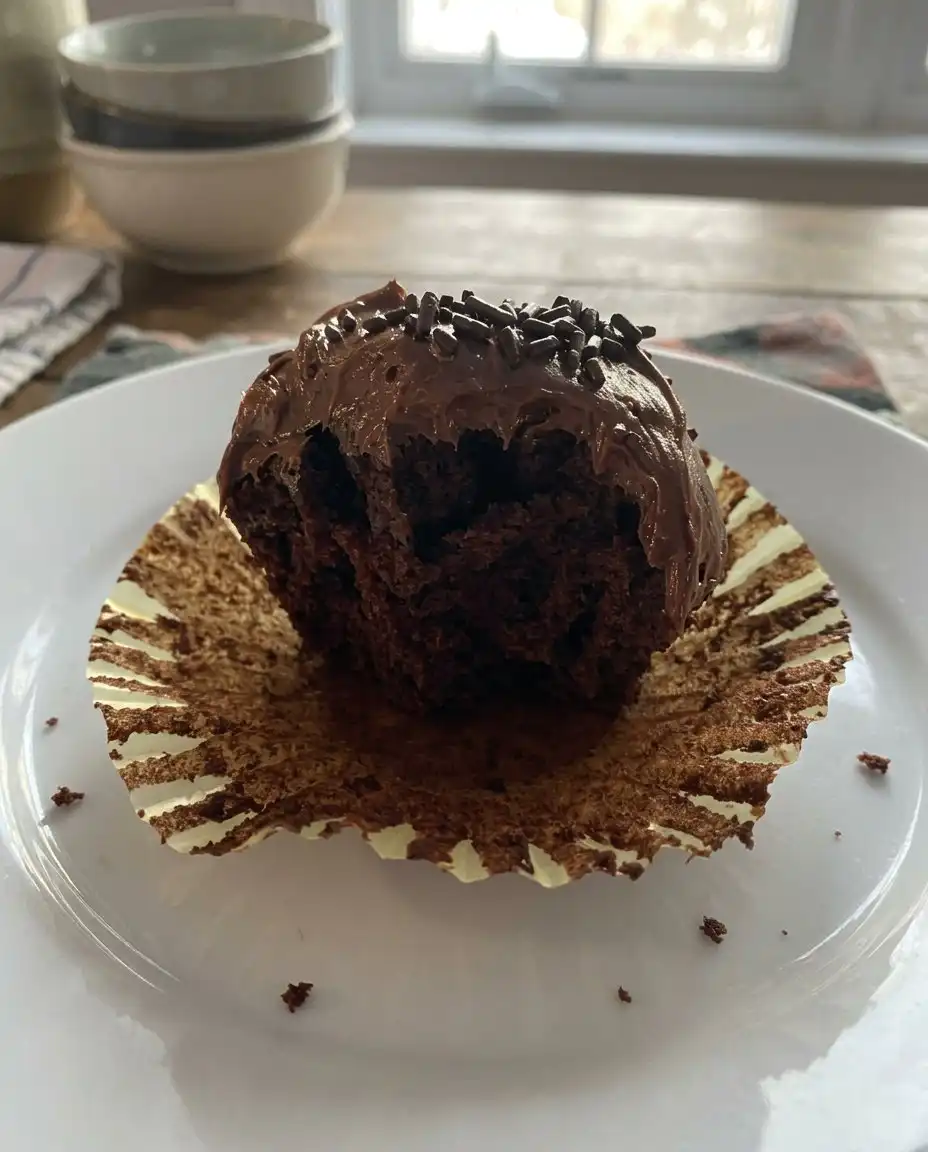
The secret to professional Chocolate Cake Decoration is a perfectly level surface. If your cake has a slight dome, use a serrated knife to gently trim it flat once cooled. This ensures that your chocolate work sits perfectly. For a truly professional finish, I always recommend sifting your cocoa through a fine-mesh sieve twice; this prevents small lumps from ruining the silky texture of the batter. If you are looking to master more fundamental skills, you might enjoy our guide to classic recipes which covers the basics of French sponge techniques.
Temperature is your greatest ally and your fiercest enemy. Always ensure your butter is genuinely soft—not melted, but pliable enough that a finger leaves an indentation with no resistance. Cold butter will never trap enough air, leading to a dense cake. Conversely, never attempt to decorate a cake that is even slightly warm, as your chocolate decorations or frostings will lose their structure and slide. For more guidance on specialized techniques, refer to professional resources like The Cake Decorating Company for visual inspiration.
Refined Twists
Once you have mastered this classic base, you can begin to introduce subtle flavor variations. For a bright, citrus note that cuts through the richness, add the finely grated zest of one large orange to the butter and sugar during the creaming stage. The oils in the zest will infuse the entire sponge with a delicate aroma. For those who prefer a deeper, more adult profile, replace the milk with two tablespoons of strong espresso. This doesn’t make the cake taste like coffee; instead, it intensifies the chocolate notes.
You might also consider a chocolate indulgence variation by folding 50g of finely chopped dark chocolate (at least 70% cocoa) into the batter just before baking. This creates small pockets of molten chocolate within the sponge. Remember, when adding inclusions, ensure they are chopped very finely so they do not sink to the bottom of the tin during the bake.
Presentation and The Final Touch
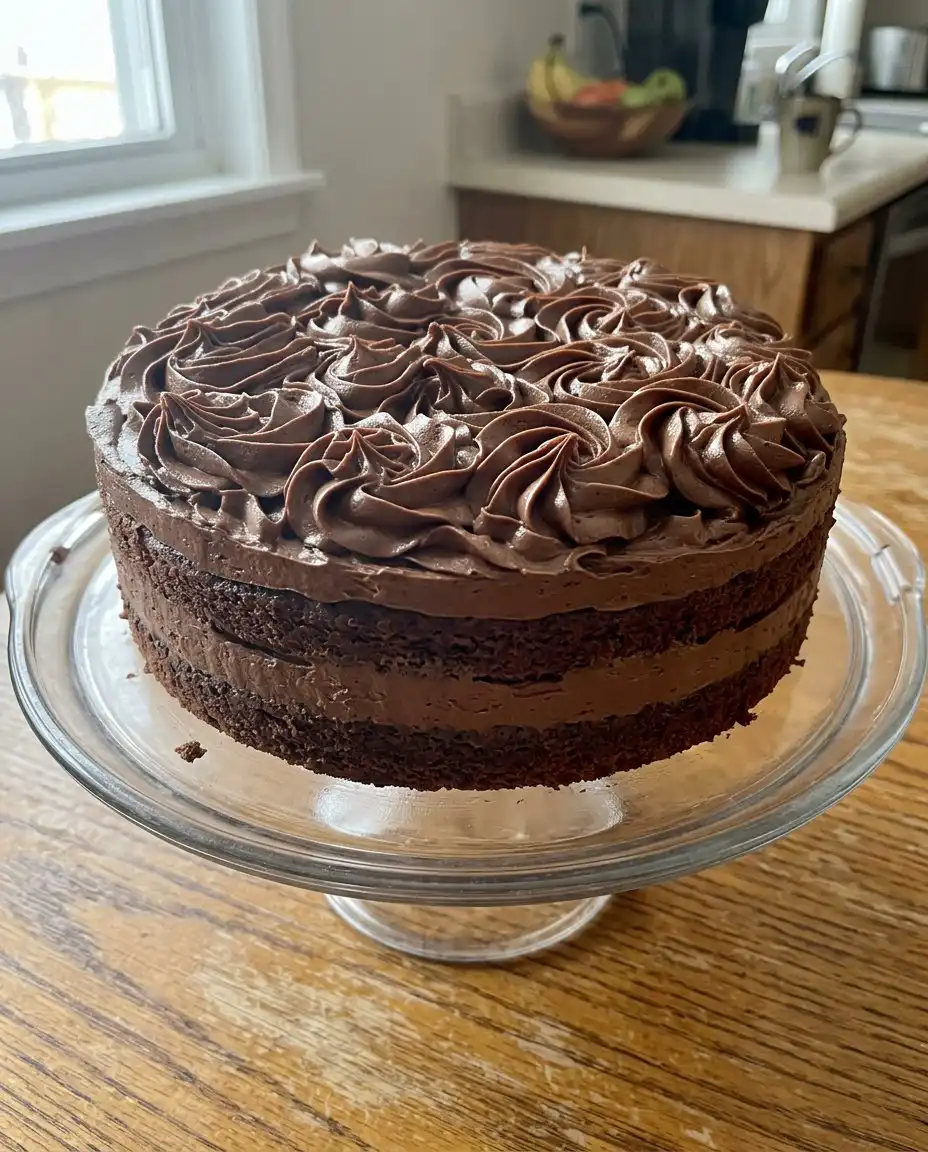
When serving a cake of this quality, presentation is as important as the bake itself. I prefer to serve slices on chilled porcelain plates with a small dollop of crème fraîche to balance the sweetness. If you are preparing this for a special event, perhaps as part of your celebration cakes repertoire, consider pairing it with a glass of semi-sweet dessert wine or a dark roast coffee.
For a truly French touch, serve the cake with a side of fresh berries macerated in a little Grand Marnier. The acidity of the fruit and the citrus note of the liqueur provide a beautiful contrast to the dark cocoa. Always slice the cake with a warm, sharp knife to ensure clean edges that showcase the delicate crumb you have worked so hard to achieve.
The Art of Small Batches
Mastering the fundamentals of Chocolate Cake Decoration is a journey of precision and practice. By focusing on small batches, you allow yourself the space to perfect your technique and appreciate the subtle nuances of high-quality ingredients. Whether you are baking for a quiet afternoon tea or a grand celebration, the care you put into the foundation will always shine through in the final result. To continue your journey into the world of refined baking, look into our modern mini desserts for more inspiration.
We invite you to share your beautiful creations with our community of devoted bakers. Your progress is a testament to the art of patisserie.