I remember the late afternoon sun spilling across my grandmother’s yellow formica countertop, highlighting the fine dusting of flour that always seemed to linger there. Tucked inside her worn oak recipe box, between a recipe for sourdough starter and a hand-drawn map of the local berry patches, lived a small, stained index card simply titled Lemon Poke Cake 3. It was her go-to for bridge club meetings and Sunday potlucks, a reliable bit of kitchen magic that never failed to draw a crowd around the dessert table.

This particular version of the classic citrus dessert relies on the gentle marriage of a simple cake mix and a bright, homemade glaze that seeps into every single crumb. It is the kind of cake that tastes even better the next day, once the lemon juice has had time to really settle into the heart of the sponge. Whether you are a seasoned baker or someone just starting to find your way around a mixing bowl, this recipe offers a path to a perfectly moist, tart, and sweet treat that feels like a warm hug from the past.
The Bright Magic of This Citrus Treasure
There is something profoundly comforting about a cake that doesn’t demand hours of your time but offers a wealth of flavor in return. This Lemon Poke Cake 3 is a testament to the beauty of simple baking, where the focus is on the marriage of textures and the brightness of real fruit. You will love how the light, airy sponge acts as a canvas for the tart lemon glaze, creating a dessert that is neither too heavy nor too sweet. It captures the essence of a breezy summer day, making it a wonderful companion for a glass of cold milk or a steaming cup of tea.
In our family, we often talk about recipes that have ‘staying power,’ and this one has been a staple for decades because it is fundamentally honest. It doesn’t hide behind layers of heavy frosting or complicated decorations; instead, it celebrates the humble poke cake method that ensures every bite is just as moist as the last. The way the glaze forms a slight, sugary crust on the top while remaining tender inside is a sensory delight that modern, store-bought cakes simply cannot replicate. It is a return to a time when baking was about sharing something thoughtful and homemade with the people you love most.
Furthermore, this cake is incredibly forgiving. If your oven runs a little hot or if you happen to leave it in for an extra minute, the ‘poke’ method allows the lemon syrup to revive the crumb, keeping it supple and delicious. It is the perfect recipe for those busy weeks when you want to offer your family something special without spending the entire evening in the kitchen. It honors the tradition of resourceful baking, using pantry staples like cake mix and pudding to create a result that tastes purely of heritage and home.
Print
Lemon Poke Cake 3
- Total Time: 45 mins
- Yield: 12 servings
- Diet: Vegetarian
Description
This delightful Lemon Poke Cake features a tender, citrus-infused sponge that is soaked with a bright and zesty homemade glaze. It is an easy-to-bake dessert that perfectly balances sweet and tart flavors, making it an ideal choice for potlucks or refreshing afternoon treats.
Ingredients
- 15.25 ounces lemon cake mix
- 3.4 ounces instant lemon pudding mix
- 4 large eggs
- 3/4 cup water
- 1/2 cup canola oil
- 1/3 cup fresh lemon juice
- 2 cups confectioner’s sugar
- 1 tablespoon lemon zest, divided
Instructions
- Preheat your oven to 350°F (175°C) and grease or line a 13×9-inch baking pan.
- In a large bowl, mix together the cake mix, pudding mix, eggs, half of the lemon zest, water, and canola oil until the batter is completely smooth.
- Pour the batter into the prepared pan and bake for about 30 minutes, or until the cake is golden and a toothpick comes out clean.
- In a separate bowl, whisk the confectioner’s sugar, fresh lemon juice, and the remaining lemon zest until a smooth glaze forms.
- Let the cake rest for 3 to 5 minutes after baking, then poke holes across the surface using a wooden spoon handle and pour the glaze evenly over the top.
Notes
For a clean release from the pan, use parchment paper with a slight overhang on the sides. If you prefer a thicker glaze, you can gradually add more confectioner’s sugar until you reach your desired consistency before pouring it over the warm cake.
- Prep Time: 15 mins
- Cook Time: 30 mins
- Category: Dessert
- Method: Baking
- Cuisine: American
Gathering Your Pantry Essentials
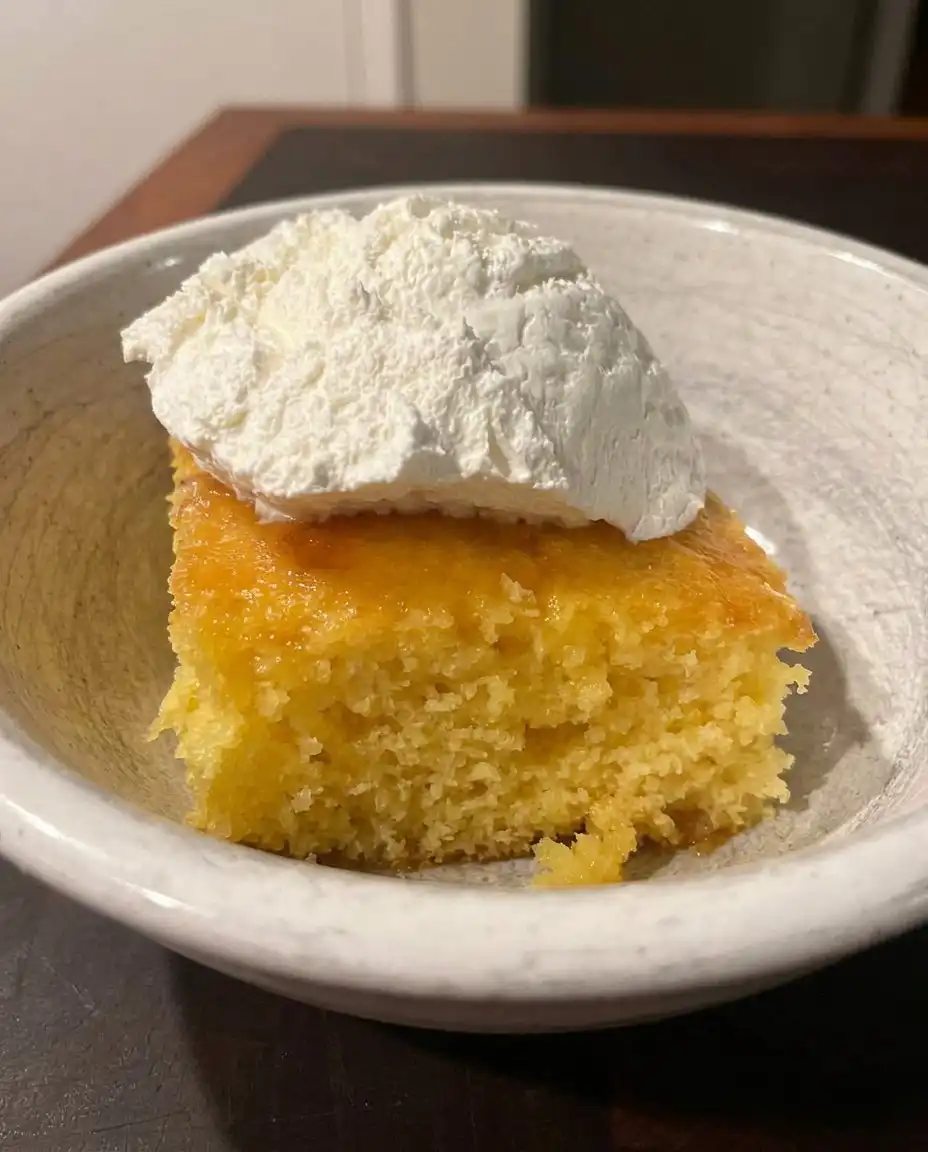
To begin this journey into citrus bliss, you will want to gather a few simple items that likely already have a home in your pantry. We start with a standard box of lemon cake mix (15.25 ounces), which provides the reliable structure and base flavor we need for a successful small-batch feel. To that, we add a package of instant lemon pudding mix (3.4 ounces). This is a little secret passed down through the years; the pudding mix works to keep the crumb exceptionally tender and adds a depth of flavor that a plain mix alone sometimes lacks.
- Lemon Cake Mix (15.25 ounces): The foundation of our cake, providing a consistent and light texture.
- Instant Lemon Pudding Mix (3.4 ounces): Our secret for a moist, almost velvet-like consistency.
- Large Eggs (4): These provide the necessary richness and help the cake rise beautifully in the oven.
- Water (¾ cup): Essential for hydrating the dry ingredients and creating a smooth batter.
- Canola Oil (½ cup): We use oil instead of butter here to keep the cake moist even after it has been refrigerated.
- Lemon Juice (⅓ cup): Freshly squeezed is always best, as it carries a brightness that bottled juice can’t match.
- Confectioner’s Sugar (2 cups): This creates the sweet base for our soaking glaze.
- Lemon Zest (1 tablespoon, divided): The zest contains the essential oils of the lemon, providing that unmistakable floral aroma.
When you are selecting your lemons, look for ones that feel heavy for their size and have a thin, smooth skin; these are usually the juiciest. I always suggest zesting your lemons before you juice them—it is a small step that makes the process much easier. You will use half of the zest in the batter to perfume the cake from the inside out, and the other half in the glaze to provide those beautiful little flecks of yellow across the top. Using quality ingredients, even in a simple recipe like this, is how we honor the craft of baking.
Crafting the Perfect Lemon Poke Cake 3
Step 1: Prepare the Oven and Pan
Before you begin mixing, turn your oven on and set it to 350°F (175°C). While the kitchen starts to warm, prepare a 13×9-inch baking pan. I find that a light spray of vegetable oil inside the pan before lining it with parchment paper helps the paper stick perfectly, making it much easier to lift the cake out later if you wish. This little trick ensures your cake won’t stick to the corners.
Step 2: Mix the Batter
In a large, sturdy mixing bowl, combine your lemon cake mix, the instant lemon pudding mix, four large eggs, half of your lemon zest, the water, and the canola oil. Using a wooden spoon or a simple spatula, stir the ingredients together until the batter is smooth and well-combined. There is no need for fancy electric mixers here; a bit of old-fashioned hand-stirring connects you to the process and ensures you don’t overwork the flour.
Step 3: Bake to Golden Perfection
Pour your smooth, fragrant batter into the prepared pan, smoothing the top with your spatula. Slide the pan into the center of your preheated oven and bake for roughly 30 minutes. Keep a close eye on it toward the end—oven temperatures can be fickle things. You are looking for a beautiful golden brown color. If the cake begins to pull away from the sides of the pan, it is likely done. You can use a toothpick to check; if it comes out clean or with just a few dry crumbs, your cake is ready.
Step 4: Prepare the Soaking Glaze
While the scent of baking lemon fills your home, whisk together your confectioner’s sugar, the ⅓ cup of fresh lemon juice, and the remaining half tablespoon of lemon zest in a medium bowl. Continue whisking until the glaze is completely smooth and the sugar has fully dissolved. This syrup is what will transform your cake into something truly special.
Step 5: The Poke and Pour
Once the cake comes out of the oven, let it rest for about three to five minutes. While it is still quite warm, take the end of a wooden spoon, a chopstick, or a fork and poke about a dozen holes across the surface of the cake. Pour your lemon glaze evenly over the top, allowing it to disappear into those holes. The heat of the cake will help the glaze seep deep into the center. Let the cake cool completely before slicing so the glaze has time to set into its signature texture.
Secrets from My Tattered Recipe Box
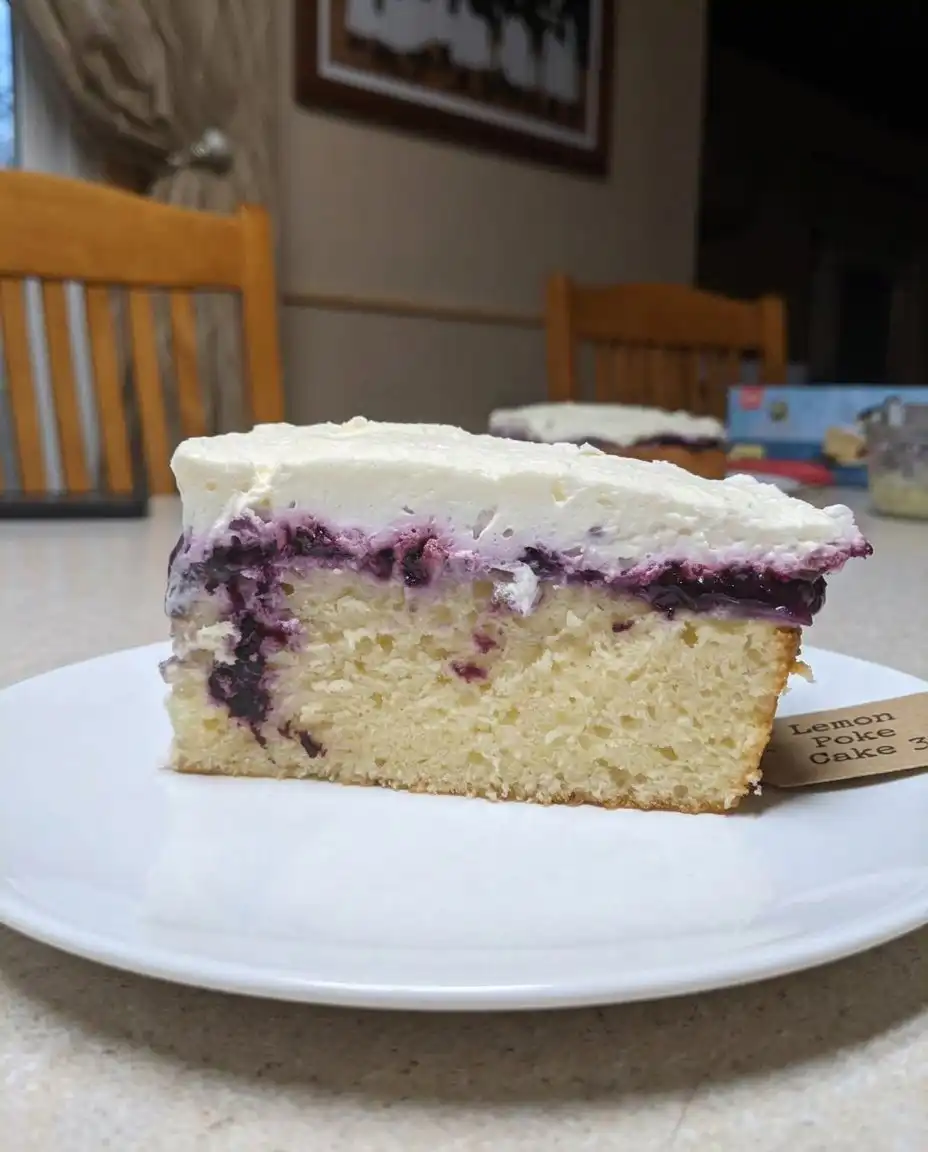
One of the most important lessons I learned from my grandmother is the value of patience when it comes to the glaze. While it is tempting to pour that sweet syrup over the cake the second it leaves the oven, waiting just a few minutes allows the cake’s structure to firm up slightly. This means the glaze will soak in rather than making the top of the cake soggy. If you prefer a slightly ‘crusty’ finish on your glaze—which I personally adore—let the cake cool for the full five minutes before poking your holes. For those who love experimenting with different textures, I often suggest looking at our lemon rainbow cake to see how different layering techniques can change the citrus experience.
To be absolutely certain your cake is baked through without overdoing it, I recommend using a digital kitchen thermometer. When the center of the cake reaches 200°F (93°C), it is perfectly done. This avoids the heartbreak of a dry cake or an underbaked center. Also, remember that lemons vary in tartness; if your lemons are particularly large or acidic, you might want to taste your glaze before pouring. If it feels too sharp, a tiny pinch of salt can help balance the flavors and bring out the natural sweetness of the confectioner’s sugar. Always store your leftovers in an airtight container to keep that wonderful moisture locked inside.
Simple Ways to Make It Your Own
While the Lemon Poke Cake 3 is a masterpiece in its original form, there are lovely ways to adapt it to the seasons or your family’s preferences. For a slightly more decadent twist, you might consider replacing the water in the batter with whole milk or even a bit of buttermilk for a tangier profile. If you find yourself in the middle of berry season, topping each slice with a handful of fresh raspberries or blueberries adds a beautiful pop of color and a fresh contrast to the sweet glaze. If you enjoy fruit-forward desserts with a different profile, you might find inspiration in our strawberry tres leches cake, which uses a similar soaking method but with a creamy finish.
Another classic variation is to add a tiny drop of almond extract to the glaze along with the lemon juice. The almond adds a subtle, nutty depth that complements the citrus beautifully. For those who prefer a more pronounced ‘zing,’ you can increase the amount of zest in the batter. Some folks also like to fold in a half cup of poppy seeds into the batter before baking, giving the cake a delightful little crunch and a vintage look that reminds me of old-fashioned tea rooms. No matter how you choose to tweak it, the heart of this recipe remains its simplicity and its dependable, comforting flavor.
Setting a Beautiful Table
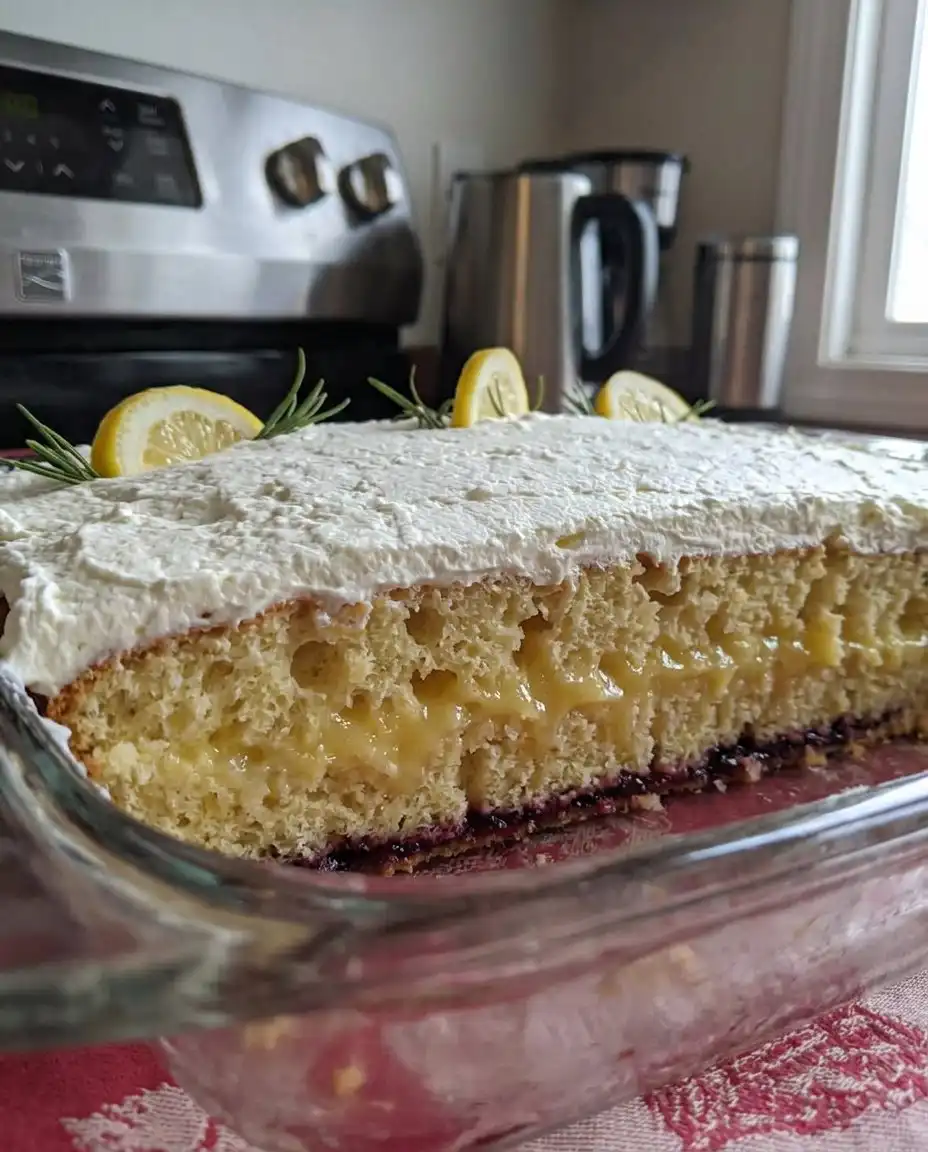
Serving this cake is an opportunity to slow down and enjoy the simpler things in life. I love to bring the 13×9 pan right to the table, though you can certainly lift the parchment paper out to place the cake on a pretty rectangular platter. A light dusting of extra confectioner’s sugar just before serving adds a touch of elegance without much effort. If you are hosting a morning gathering, a slice of this cake pairs wonderfully with our lemon yogurt cake for a citrus-themed brunch spread that guests will surely remember.
For a late-night treat, serve a slightly chilled slice with a dollop of softly whipped cream or a scoop of high-quality vanilla bean ice cream. The cold creaminess balances the tartness of the glaze in a way that feels incredibly indulgent. I often find that a small sprig of fresh mint on the side of the plate adds a lovely aroma and a professional touch to your home baking. This is the kind of dessert that invites people to linger at the table, sharing stories and perhaps a second helping, just like the gatherings in my grandmother’s kitchen years ago.
A Final Slice of Sunshine
Baking this Lemon Poke Cake 3 always brings me back to the heart of why I love what I do. It isn’t about the most complex techniques or the most expensive ingredients; it is about the feeling of home and the joy of sharing something handmade. This cake, with its bright citrus notes and tender crumb, is a piece of history that continues to bring smiles to faces young and old. If you find yourself craving another comforting bake, I encourage you to try our blueberry coffee cake for a different take on fruit and sponge. You can also find the original inspiration for this technique at Kitchen Serf, where the love for simple baking is just as strong.
Please share your baking journey with us on our social channels! I would love to see how your cake turns out. Join our community on Pinterest, Instagram, and Facebook. Seeing these recipes live on in your kitchens is the greatest reward I could ask for. Happy baking, and may your kitchen always be filled with the scent of lemons and love.