In the quiet mornings of a Parisian autumn, the scent of caramelizing fruit and buttery batter is a form of Cake Art that speaks to the soul without needing elaborate decoration. I remember my first mentor in the Marais teaching me that a cake’s beauty lies in the precision of its texture and the quality of its harvest. This classic French preparation celebrates the apple in its purest state, using a light, custard-like batter to bind the fruit into a delicate masterpiece.

This particular version is refined for the home baker who values the quiet satisfaction of a perfect crumb and a crisp, sugary crust. By focusing on small-batch quality, we allow the nuances of the dark rum and the tartness of the apples to truly shine. It is a simple dessert, yet it requires a gentle hand and a devotion to the fundamental techniques of French patisserie.
Mastering the Classic Apple Cake Art
There is a profound elegance in a dessert that does not hide behind layers of heavy frosting or complex garnishes. This recipe represents the pinnacle of rustic French baking, where the fruit is the protagonist and the cake is merely the supporting cast. You will find that the texture is unlike a standard American sponge; it is closer to a clafoutis in the center, yet maintains a light, airy quality thanks to the meticulous creaming of the butter and sugars.
One of the most compelling reasons to embrace this technique is the contrast it provides. The top of the cake is dusted with a generous layer of granulated sugar before entering the oven, which creates a crackling, vitreous shell that shatters beautifully under the fork. This sits atop a moist, tender interior packed with softened apples that have been macerated in a touch of acidity. It is a study in textures—crisp, soft, and juicy all at once.
Furthermore, this recipe is remarkably forgiving once you master the basic emulsion. It allows the baker to focus on the sensory cues: the way the batter transitions from a dense paste to a pale, voluminous cloud, and the intoxicating aroma of dark rum as it hits the warm butter. It is a ritual of precision that rewards the baker with a result that feels both humble and professional.
Print
French Apple Cake
- Total Time: 1 hour 35 mins
- Yield: 8 servings
- Diet: Vegetarian
Description
A refined French classic featuring a light, custard-like crumb and a high fruit-to-batter ratio. This rustic masterpiece is finished with a signature crackling sugar crust that perfectly complements the soft, rum-infused apples within.
Ingredients
- 2 large Honeycrisp apples, peeled, cored, and diced into 1/4 to 3/8-inch cubes
- 1 teaspoon apple cider vinegar
- 1 cup all-purpose flour
- 1 teaspoon baking powder
- 1/4 teaspoon kosher salt
- 1/2 cup unsalted butter, room temperature
- 1/2 cup white granulated sugar (plus 3 tablespoons for topping)
- 2 tablespoons light brown sugar
- 2 large eggs, room temperature
- 1 teaspoon vanilla extract
- 2 tablespoons dark rum
Instructions
- Preheat your oven to 350°F (175°C). Lightly grease a 9-inch round cake pan with butter and line the bottom with parchment paper.
- Place the diced apples in a large bowl and toss gently with the apple cider vinegar to prevent oxidation.
- In a separate small bowl, whisk together the flour, baking powder, and salt until well combined.
- Using an electric mixer, cream the room-temperature butter with 1/2 cup of white sugar and the light brown sugar for 3 to 5 minutes until pale and fluffy.
- Add the eggs one at a time on high speed, ensuring each is fully incorporated before adding the next to maintain a stable emulsion.
- Reduce the mixer speed to low and add the dark rum and vanilla extract.
- Gradually fold in the flour mixture using a flexible spatula by hand just until no white streaks remain.
- Gently fold the diced apples into the thick batter until evenly distributed, then transfer to the prepared pan.
- Smooth the top with a spatula and sprinkle the remaining 3 tablespoons of white sugar evenly over the surface.
- Bake for approximately 45 minutes, or until a skewer inserted into the center comes out clean and the top is deep golden brown.
- Allow the cake to cool in the pan for 30 minutes before removing it and placing it on a serving plate sugar-side up.
Notes
To ensure a perfectly airy texture, take the time to cream your butter and sugars until they are visibly lighter in color. If you are serving this for a special occasion, a dollop of unsweetened crème fraîche provides an excellent acidic balance to the sweet, crunchy topping.
- Prep Time: 20 mins
- Cook Time: 45 mins
- Category: Dessert
- Method: Baking
- Cuisine: French
The Foundation of Fine Ingredients
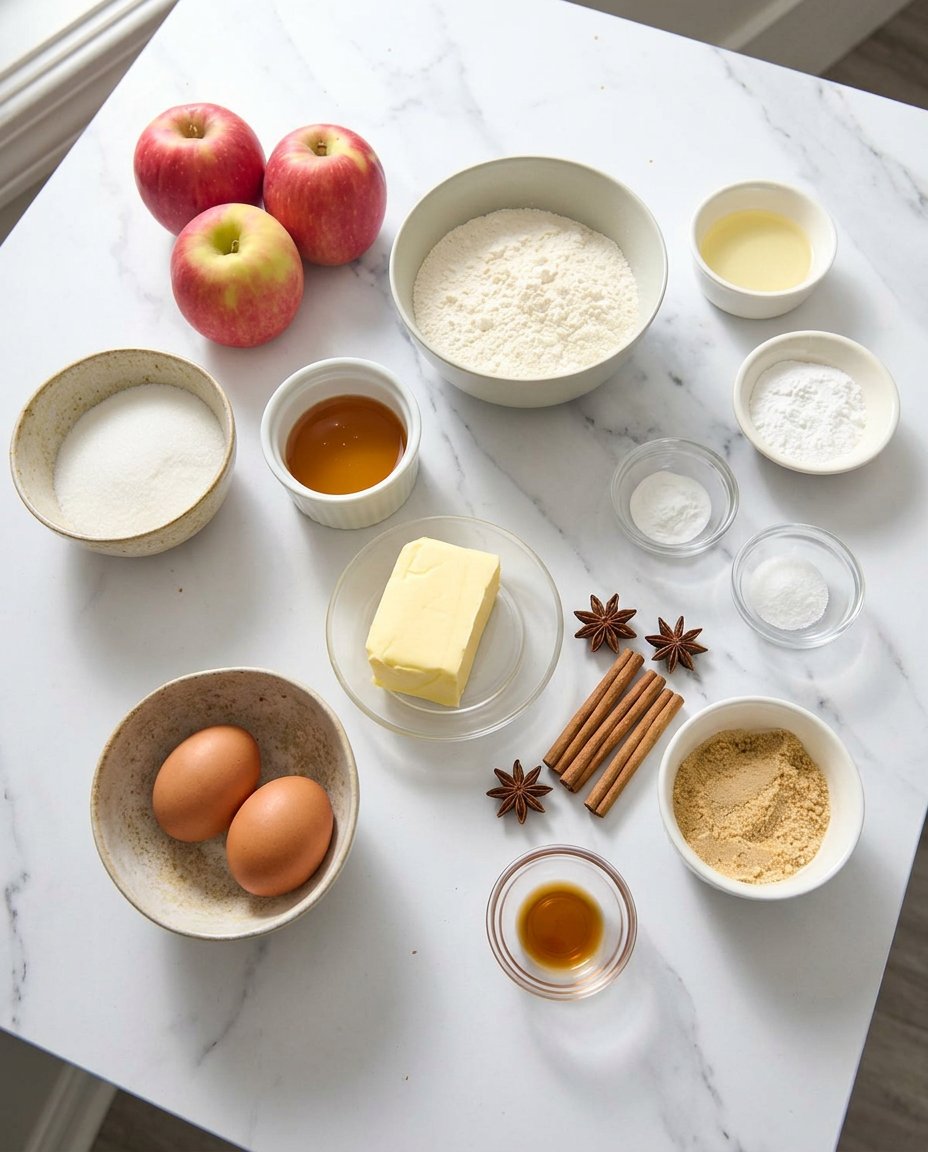
To achieve the best results, every component must be chosen with intention. In French baking, the quality of your butter and the variety of your fruit are not merely details; they are the foundation of the final flavor profile.
- Baking Apples: I prefer using Honeycrisp for this recipe. They offer a pristine balance of sweetness and acidity, and more importantly, they maintain their structural integrity during the 45-minute bake. You want an apple that softens without turning into sauce.
- Unsalted Butter: Use the highest quality butter available to you, ideally with a high fat content. It should be at room temperature—soft enough to hold an indentation, but not so warm that it appears greasy. This is vital for creating a stable emulsion with the sugars.
- Dark Rum: This is the secret to the cake’s sophisticated depth. The rum doesn’t just add flavor; it interacts with the fats and sugars to create a complex aromatic profile that simple vanilla cannot achieve alone.
- Apple Cider Vinegar: A small but crucial addition. Tossing the diced apples in vinegar prevents oxidation and adds a bright note that cuts through the richness of the butter and sugar.
- Sugars: We use a combination of white granulated sugar for sweetness and structure, and a touch of light brown sugar for moisture and a hint of molasses.
- All-Purpose Flour: This provides the necessary structure without making the cake heavy. We use a precise amount to ensure the batter remains light enough to let the apples take center stage.
The Method of Precision
Step 1: Preparing the Canvas
Begin by preheating your oven to 350 degrees F (175 degrees C). The oven must be fully at temperature before the cake enters to ensure the immediate rise of the leavening agents. Lightly grease a 9-inch round cake pan with unsalted butter and line the bottom with a circle of parchment paper. This step is non-negotiable for a clean release, as the high sugar content on the top and the moisture of the apples can make the sides delicate.
Step 2: The Art of the Apple Cut
Peel and core your apples. The size of the dice is a critical technical detail: aim for cubes between 1/4 and 3/8-inch. If the pieces are too large, they will remain too firm; if they are too small, they will disappear into the batter. Place the cubes in a large glass bowl and toss them gently with the apple cider vinegar. This step protects the color and primes the fruit for baking.
Step 3: Aerating the Dry Components
In a separate small bowl, whisk together the all-purpose flour, baking powder, and kosher salt. Sifting these together ensures there are no clumps and that the leavening is evenly distributed throughout the crumb. Set this aside while you prepare the wet base.
Step 4: Creating the Emulsion
Using an electric mixer, beat the room-temperature butter with the 1/2 cup of white sugar and the light brown sugar. You are looking for the “pale and fluffy” stage, which usually takes about 3 to 5 minutes. Once the mixture is light, add the eggs one at a time on high speed. It is essential to wait until the first egg is completely incorporated before adding the second. This creates a stable emulsion that holds the air bubbles necessary for a light texture.
Step 5: Incorporating the Flavor and Flour
Reduce the mixer speed and add the dark rum and vanilla extract. Gradually mix in half of the flour mixture. Once the white streaks of flour have almost disappeared, stop the mixer. Add the remaining flour and use a flexible spatula to fold it in by hand. This prevents over-mixing, which can lead to a tough, bready texture rather than a tender crumb.
Step 6: The Final Fold and Bake
Gently fold the diced apples into the thick batter until they are evenly distributed. The batter will be very thick, almost like it is just barely holding the apples together. Transfer this to your prepared pan, smoothing the top with your spatula. Sprinkle the remaining 3 tablespoons of sugar evenly over the surface. Bake for approximately 45 minutes, or until a skewer inserted into the center comes out clean and the top is a deep golden brown.
Step 7: The Cooling Process
Allow the cake to cool in the pan for 30 minutes. This resting period is vital, as the structure needs time to set around the moist fruit. Invert the cake onto a wire rack to remove the parchment, then immediately flip it back onto a serving plate so the sugar crust remains on top.
Pastry Wisdom for Perfect Texture
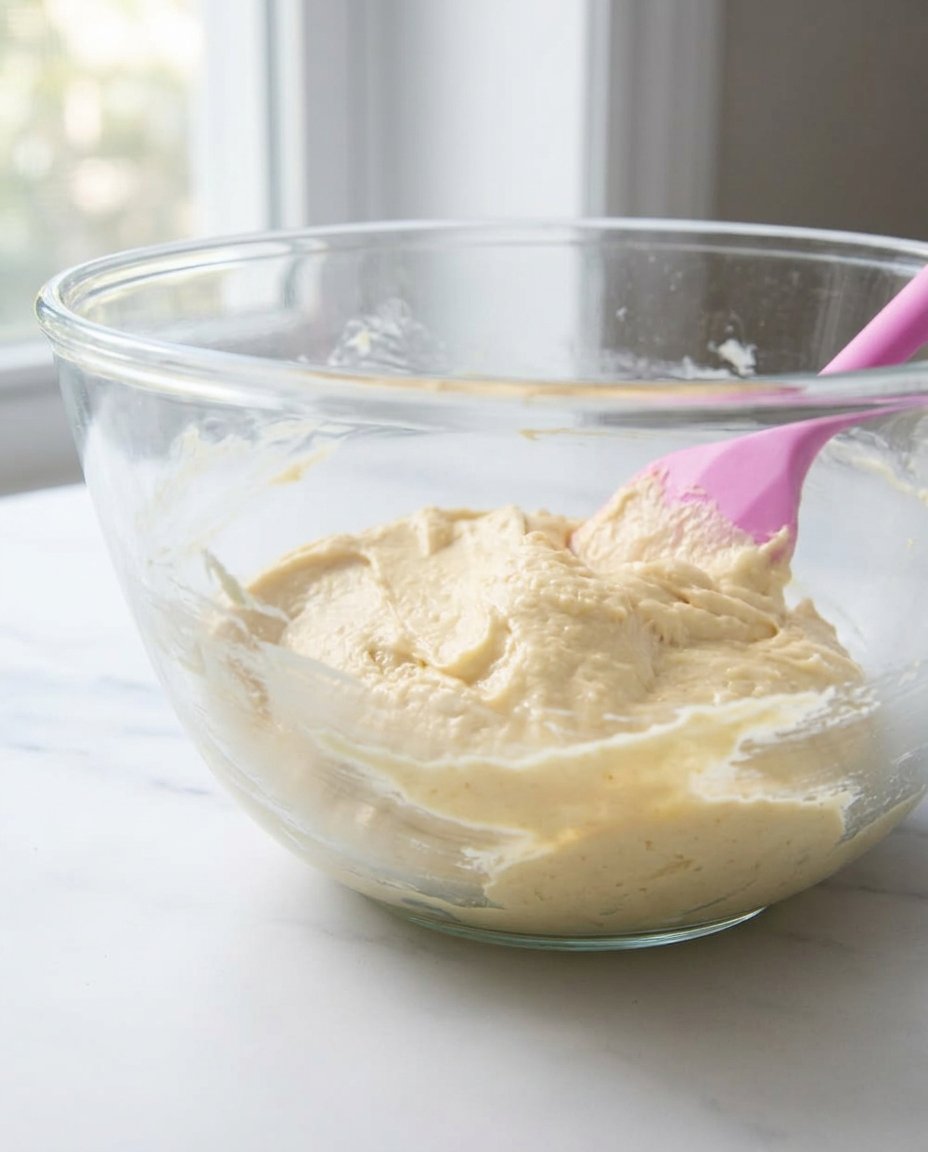
To achieve true mastery with this recipe, one must pay attention to the temperature of the ingredients. Using cold eggs in room-temperature butter will cause the emulsion to break, resulting in a curdled appearance and a dense bake. If your eggs are cold, place them in a bowl of warm water for five minutes before cracking. For those interested in more decorative finishes, you can learn about various vintage-cake aesthetics to apply to your presentation.
Another secret lies in the “ribbon stage” of the batter. While this isn’t a traditional genoise, the way you beat the eggs into the butter should result in a mixture that falls off the whisk in a thick, slow ribbon. If your cake feels too dense, you likely didn’t beat the butter and sugar long enough. Remember, we are building the structure with air at the beginning so the heavy apples don’t sink the cake.
Refined Twists on a French Classic
While the traditional apple and rum combination is a treasure, you can experiment with different flavor profiles to suit the season. Replacing the dark rum with Calvados (apple brandy) offers a more intense apple flavor that is quintessentially Norman. For a bright, citrus-forward variation, you might consider how the techniques used in a lemon-rainbow-cake could be adapted here, perhaps by adding lemon zest and a splash of Limoncello in place of the rum.
Another elegant variation is the addition of nuts. Folding in half a cup of toasted, slivered almonds along with the apples adds a wonderful crunch that complements the soft fruit. You can also experiment with spices; while I prefer the clean taste of the fruit, a pinch of cardamom or ginger can add a warm, sophisticated glow to the batter without overpowering the delicate apple notes.
The Art of Presentation
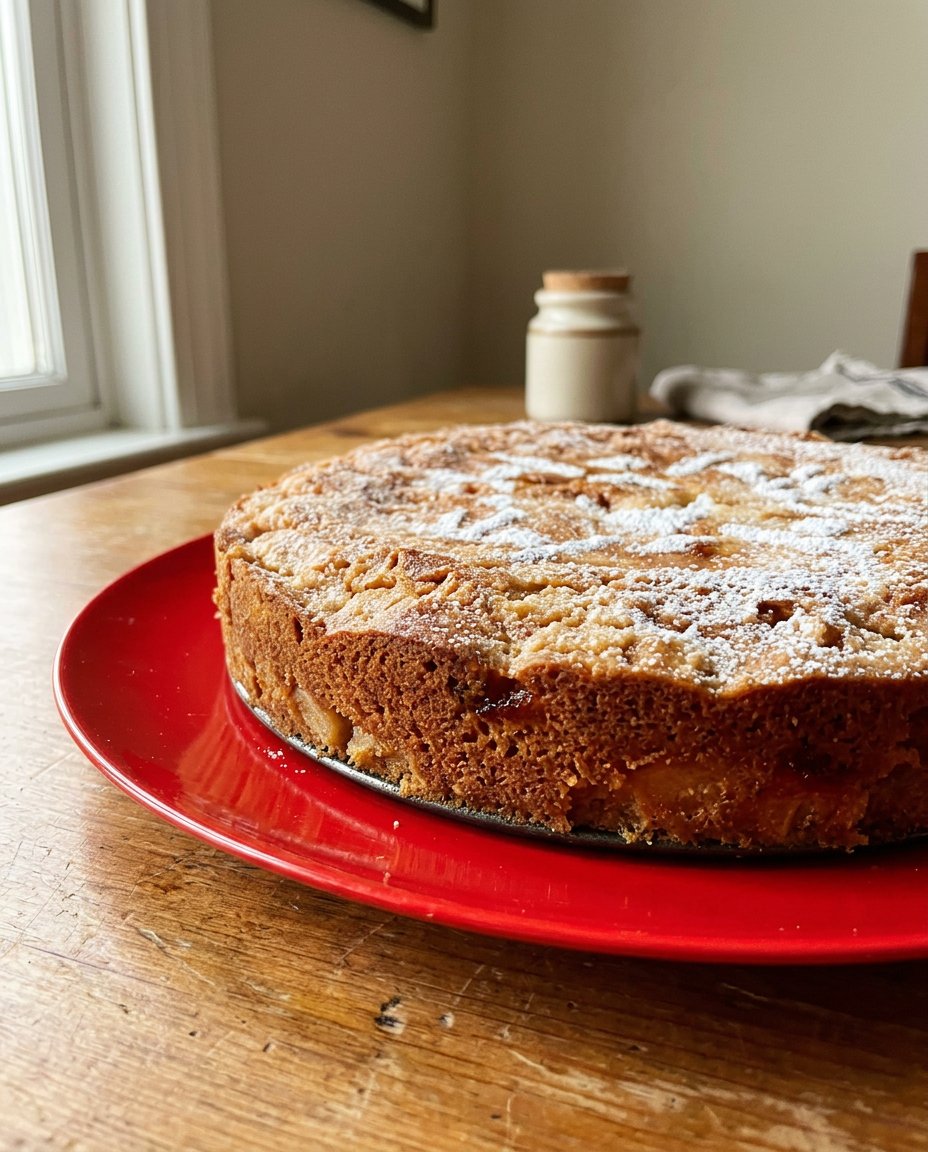
This cake is best served slightly warm, which allows the aromas of the rum and apple to be at their most potent. For a truly refined presentation, serve each slice with a generous dollop of unsweetened crème fraîche. The tartness of the cream balances the sugary crust of the cake beautifully. If you are preparing this for a gathering, you might look to our guide on celebration-cakes for inspiration on how to style your table.
In France, it is common to enjoy a slice of this cake in the late afternoon with a cup of Earl Grey tea or a small glass of chilled dessert wine. The simplicity of the cake makes it a versatile companion to many beverages. For an evening service, a slight dusting of powdered sugar just before the plate hits the table adds a pristine, professional touch that never fails to delight guests.
The Quiet Satisfaction of Mastery
Perfecting the French apple cake is more than just following a recipe; it is about developing an intuition for the ingredients and the process. When you take the time to dice the apples with precision and cream the butter until it is as light as air, you are engaging in a tradition that spans generations of patissiers. It is these small, devoted actions that transform a simple bake into a true work of art. For those who enjoy the challenge of themed baking, our car-cake tutorial offers a different perspective on cake structure and design.
I hope this recipe brings a sense of calm and accomplishment to your kitchen. Please share your beautiful results with our community on Instagram and follow us on Pinterest for more technique-driven baking inspiration. Happy baking!