In the small patisseries of the third arrondissement, I learned that a celebration is not measured by the height of the layers, but by the depth of the chocolate crumb. This recipe reflects that philosophy of precision, focusing on a moist, tender texture that feels both luxurious and comforting. When we bake for someone’s special day, we are not just mixing ingredients; we are crafting a memory in sugar and cocoa.

This particular Chocolate Cake Birthday preparation relies on a unique blender method that creates a superior emulsion, resulting in a silk-like consistency. By using evaporated milk and a touch of coffee, we reveal the full profile of the cocoa, making every bite a tribute to classic French technique. It is a small-batch masterpiece designed for those who value quality and the quiet joy of a perfectly executed sponge.
The Art of the Perfect Celebration Crumb
There is a specific kind of magic in a cake that remains moist long after the candles have been extinguished. You will love this recipe because it balances the robust intensity of dark cocoa with the delicate sweetness of evaporated milk, creating a crumb that is remarkably tender yet sturdy enough for a rich ganache. The use of oil instead of butter provides a consistent moisture that does not disappear when the cake is chilled, a technique often favored in high-end professional kitchens for its reliability.
Furthermore, the blender method is not a shortcut of laziness, but a tool for precision. It allows the sugar to dissolve completely into the liquid fats and proteins before the flour is introduced, preventing the over-development of gluten. This specific approach guarantees a velvety mouthfeel that traditional creaming methods sometimes miss. It is a recipe that respects your time while demanding the very best from your ingredients, resulting in an authentic, professional-grade dessert that feels deeply personal.
Print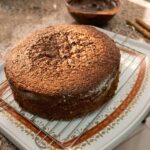
Chocolate Cake Birthday
- Total Time: 50 mins
- Yield: 8 servings
- Diet: Vegetarian
Description
A refined, small-batch chocolate cake featuring a unique blender method for a perfectly emulsified, moist crumb. Enriched with evaporated milk and topped with a luscious chocolate ganache, this dessert offers professional-grade texture and deep cocoa flavor for any celebration.
Ingredients
- 1 cup granulated sugar
- 1/2 cup vegetable oil
- 1 cup evaporated milk
- 4 tablespoons cocoa powder
- 1 teaspoon instant coffee (optional)
- Pinch of cinnamon and cardamom (optional)
- 2 large eggs, room temperature
- 1 teaspoon vanilla extract
- 1 1/2 cups all-purpose flour
- 2 teaspoons baking powder
- 200g heavy cream
- 200g chocolate, chopped
Instructions
- Preheat the oven to 180°C (350°F) and grease a cake pan, dusting it lightly with cocoa powder.
- In a blender, combine the sugar, oil, evaporated milk, cocoa powder, and optional spices; blend until smooth and the sugar is dissolved.
- Set aside 3/4 cup of this chocolate liquid to use as a syrup or glaze base.
- Add the eggs and vanilla to the remaining mixture in the blender and blend for 2 to 3 minutes until lightened and aerated.
- Transfer the mixture to a large bowl and gently fold in the sifted flour and baking powder with a spatula until just combined.
- Pour the batter into the prepared pan and bake for 30 to 40 minutes, or until a skewer comes out clean.
- Let the cake rest in the pan for 10 minutes before cooling completely on a wire rack.
- Prepare the ganache by heating heavy cream until simmering, pouring it over the chopped chocolate, and whisking until glossy before coating the cake.
Notes
To ensure a perfectly level cake, avoid over-mixing the batter once the flour is added, as this can cause the cake to toughen or sink. For the glossiest ganache finish, ensure the chocolate is finely chopped before adding the hot cream and stir slowly from the center outward to avoid creating air bubbles.
- Prep Time: 15 mins
- Cook Time: 35 mins
- Category: Dessert
- Method: Baking
- Cuisine: French-inspired
The Foundation of Fine Pastry
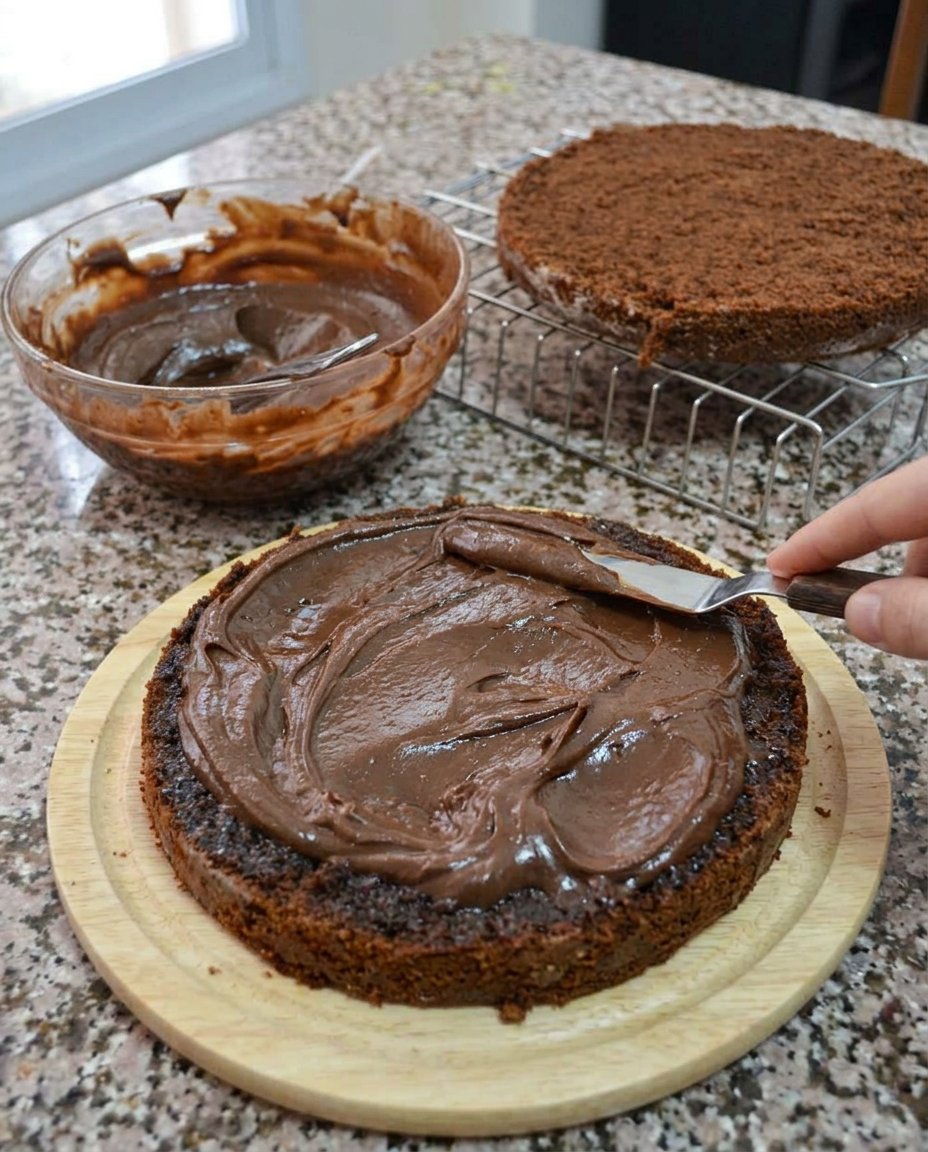
To achieve a professional result, one must understand the role each component plays in the architecture of the cake. Quality is the primary requirement for a Chocolate Cake Birthday that truly stands out.
- Granulated Sugar (1 cup): Beyond sweetness, sugar provides the tenderness by interfering with gluten formation and retaining moisture.
- Vegetable Oil (1/2 cup): I prefer a high-quality neutral oil to keep the crumb supple and moist, even at room temperature.
- Evaporated Milk (1 cup): This is my secret for a richer protein structure. The reduced water content compared to standard milk adds a creamy density that is irreplaceable.
- Cocoa Powder (4 tablespoons): Select a Dutch-processed cocoa for a darker color and a smoother, less acidic flavor profile.
- Instant Coffee and Spices (Optional): A teaspoon of coffee acts as a bridge, making the chocolate taste more like itself. The cinnamon and cardamom add a whisper of warmth that hints at Parisian spice markets.
- Eggs (2 Large): These should be at room temperature to ensure they emulsify properly into the chocolate base.
- Flour and Baking Powder: The structure. We use just enough to hold the air, keeping the cake light rather than bread-like.
- The Ganache Components: A 1:1 ratio of heavy cream to chocolate (200g each) creates a coating that is glossy and thick, the hallmark of a true patisserie finish.
The Method of Precision
Step 1: Preparing the Chocolate Emulsion
Begin by preheating your oven to 180 C (350 F) and ensuring the rack is positioned in the center for even heat distribution. Prepare your pan with a light coating of oil and a dusting of cocoa powder. In your blender, combine the sugar, oil, evaporated milk, cocoa powder, and your optional coffee and spices. Blend until the mixture is completely smooth and the sugar crystals have dissolved into the liquid. This creates a stable base that will carry the flavor throughout the entire sponge.
Step 2: Reserving the Flavor Base
This is a critical step for moisture. Before adding the structural ingredients, set aside 3/4 of a cup of this liquid chocolate mixture. This concentrated syrup will be used later to reinforce the flavor or as a base for your glaze. By separating this now, you keep a portion of the cake’s essence pure and untouched by the leavening agents or flour.
Step 3: Incorporating the Proteins
To the remaining mixture in the blender, add your two room-temperature eggs and the vanilla extract. Blend for another 2 to 3 minutes. This stage is vital for aeration; you are looking for the mixture to lighten slightly in color and increase in volume, which provides the lift necessary for a delicate birthday cake.
Step 4: The Gentle Integration of Flour
Transfer the liquid to a bowl and sift in your flour and baking powder. Using a spatula, fold the dry ingredients in with a gentle hand. It is imperative that you do not over-mix here. We want to incorporate the flour only until no white streaks remain. Over-working the batter at this point would toughen the crumb, and we strive for a cake that melts on the tongue.
Step 5: The Precision Bake
Pour the batter into your prepared pan and place it in the oven. Bake for 30 to 40 minutes. The cake is finished when a wooden skewer inserted into the center emerges clean, perhaps with one or two moist crumbs clinging to it. Allow the cake to rest in the pan for exactly 10 minutes—this allows the structure to set—before transferring it to a wire rack to cool completely. Finalize the cake by heating your cream until just simmering, pouring it over your chopped chocolate, and whisking into a glossy ganache to pour over the cooled cake.
Pastry Wisdom for Success
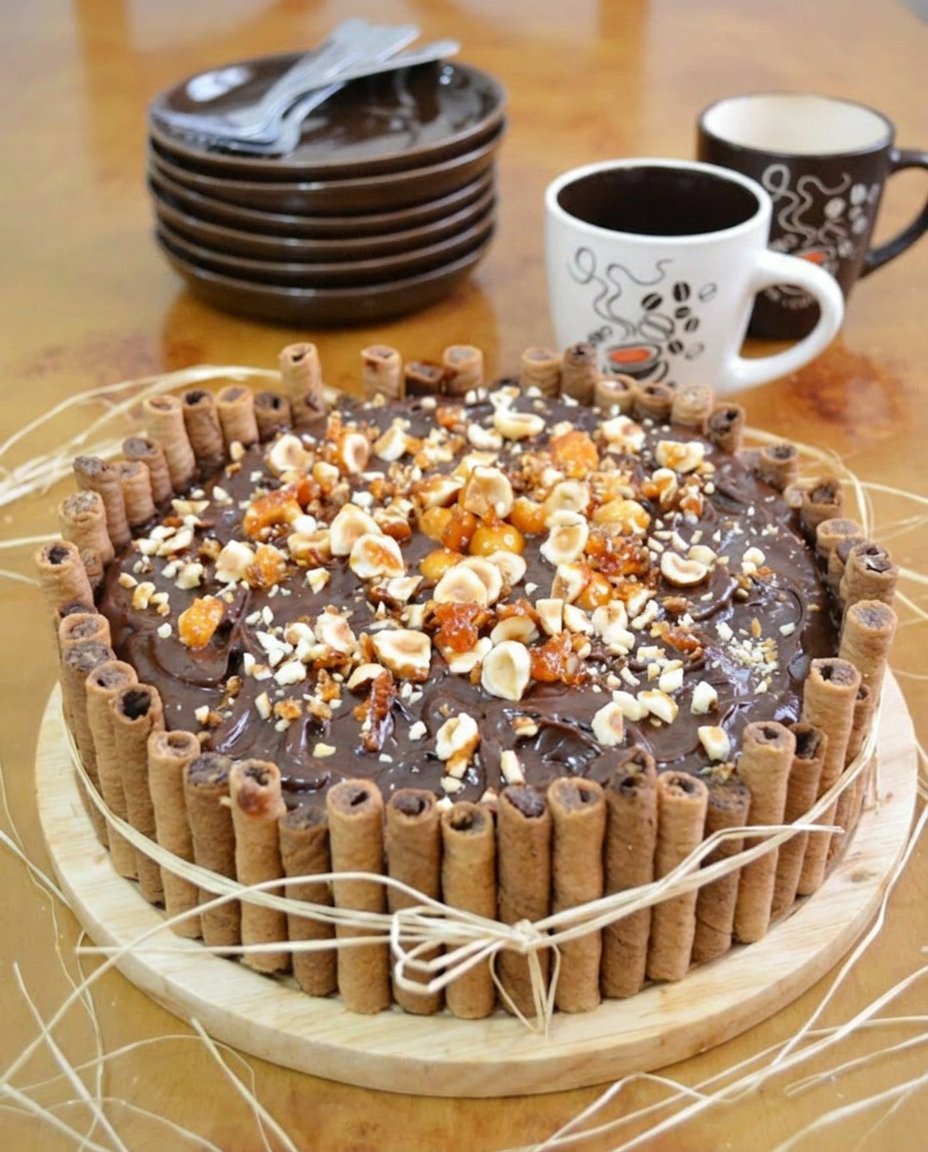
Temperature control is the silent partner of every successful baker. Make sure your evaporated milk and eggs are not cold from the refrigerator; room temperature ingredients bond more effectively, creating a smoother emulsion in the blender. If your cocoa powder appears lumpy, always sift it before adding it to the liquids to prevent bitter pockets of dry powder in the final bake. For those looking to master the fundamentals of chocolate work, examining the techniques in our old-fashioned-chocolate-cake can provide a deeper understanding of crumb stabilization.
Another secret is the ‘blooming’ of the cocoa. By blending it with the liquids and coffee first, you allow the cocoa solids to hydrate fully, which releases a more intense aromatic profile. When checking for doneness, trust your senses more than the timer. The cake should slightly pull away from the edges of the pan and the top should spring back gently when pressed. For a truly professional finish, you might look at the precision methods used in the NYT Cooking chocolate cake to see how different fats impact the final shine of your ganache.
Refined Twists on a Classic
While the classic Chocolate Cake Birthday is a masterpiece of its own, a few subtle adjustments can cater to different palates. For a more intense, dark experience, replace the milk chocolate in the ganache with a 70% dark chocolate and add a pinch of Maldon sea salt to the top. This contrast highlights the sugar in the cake beautifully. If you prefer a denser texture, you might find inspiration in our chocolate-fudge-cake, which utilizes different ratios for a heavier, more decadent bite.
If the occasion calls for a brighter note, add the zest of one organic orange to the blender stage. The citrus oils infuse the chocolate with a refreshing aroma that is traditional in many European desserts. For a nuttier profile, you could replace the vegetable oil with a browned butter (beurre noisette), though you must ensure it has cooled to room temperature before blending to avoid cooking the eggs prematurely. Each variation should be executed with the same level of care and precision as the original.
Presentation and the Final Touch
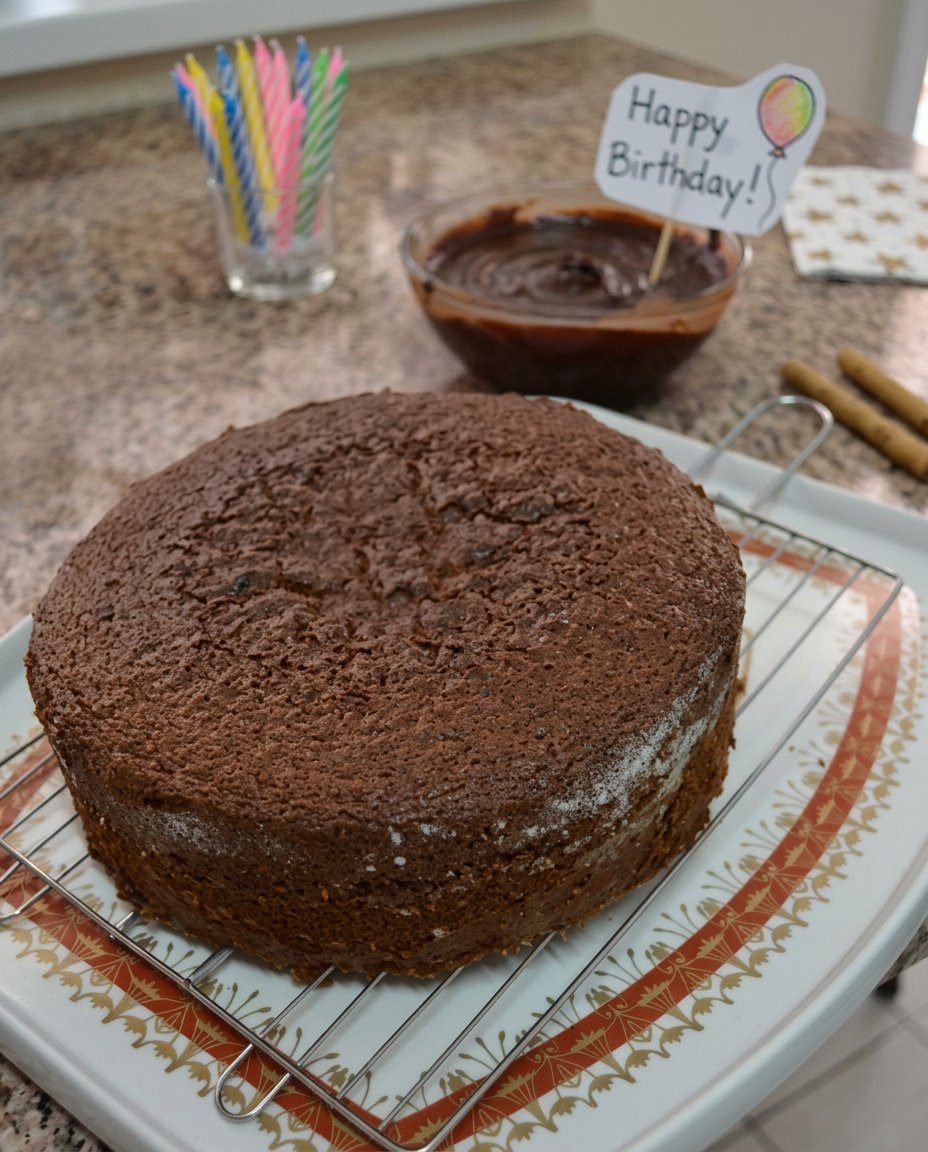
Serving a Chocolate Cake Birthday is an act of presentation that should reflect the care put into the baking. I prefer to serve slices at room temperature to allow the fats in the chocolate to soften, which maximizes the flavor perception on the palate. A light dusting of cocoa powder or a few edible gold flakes can add a sophisticated touch without being overly fussy. For more inspiration on presenting your bakes for guests, look at our guide on celebration-cakes.
Pair each slice with a small dollop of lightly sweetened crème fraîche or a pour of cold heavy cream to cut through the richness of the ganache. If serving in the evening, a glass of champagne or a well-brewed espresso provides the perfect bitter-to-acidic balance. The goal is to create a moment of pause where the quality of the cake can be truly appreciated in a serene setting.
Mastering the Small-Batch Tradition
Perfecting this Chocolate Cake Birthday is a journey into the heart of pastry precision. By focusing on the quality of your emulsion and the gentleness of your mixing, you create a dessert that is far superior to standard celebration cakes. If you enjoyed mastering this technique, you might wish to try the unique textures found in a german-chocolate-cake for your next project. Remember, the difference between a good baker and a master is found in the patience of the process. Please share your results with our community on Instagram or Pinterest, and continue to value the art of doing small things extraordinarily well.