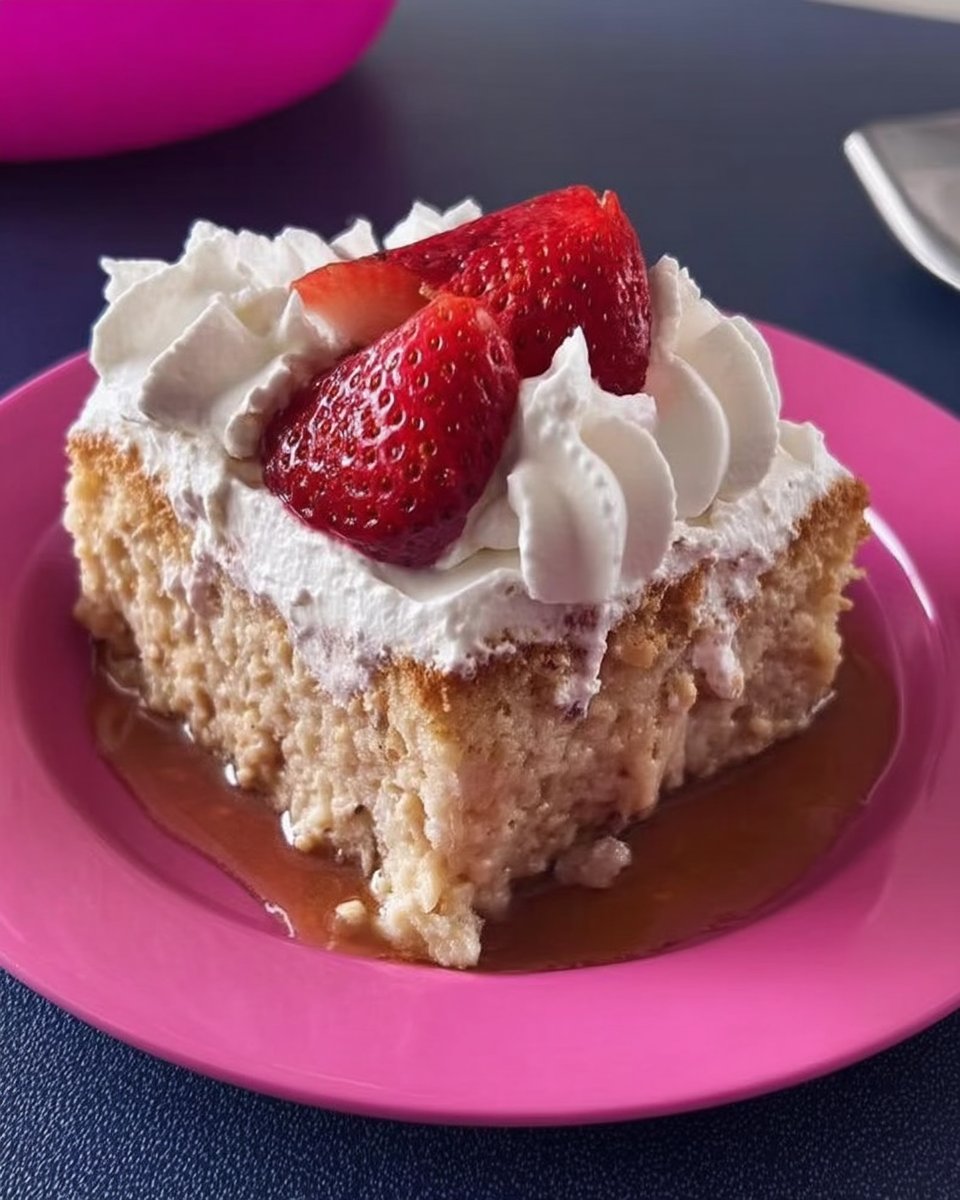
In the rigorous world of French patisserie, we often spend days perfecting a single entremet, layering flavors and textures with exacting patience. Yet, there are moments—perhaps late in the evening, when the kitchen is quiet—that the soul craves the immediate, uncomplicated comfort of warm chocolate. This recipe is my concession to that desire, a study in how precision can still be applied to the simplest of methods. By treating the microwave not as a shortcut, but as a unique heat source requiring its own technique, we create a single-serving gâteau that rivals the tender crumb of an oven-baked sponge.

This is not merely a mixture thrown together in haste; it is a carefully balanced formula designed to remain moist and fudgy without the rubbery texture that plagues so many quick recipes. We forego the egg—which often overcooks in the intense heat of a microwave—relying instead on the reaction between baking soda and the natural acidity of cocoa to provide lift. The result is a deeply chocolatey, velvety cake that rises beautifully in its vessel, ready to be enjoyed in moments. It is the perfect petit plaisir for one.
A Lesson in Instant Gratification
To master the art of the mug cake is to understand the beauty of restraint and the science of microwave cookery. While many dismiss this method as a novelty, I view it as a fascinating challenge in thermodynamics. The microwave excites water molecules rapidly, cooking the batter from within rather than conducting heat from the outside in. This intense process requires a batter specifically formulated to retain moisture.
You will appreciate this recipe for its refined texture. Unlike typical versions that result in a tough, spongy mass, this formula yields a crumb that is delicate and almost pudding-like in its richness. It is portion control at its most elegant—allowing you to indulge in a high-quality dessert without the commitment of a full gâteau. Furthermore, it is a testament to the fact that with the right ingredients and technique, even the most humble preparation can be transformed into a moment of luxury. It is ideal for those evenings when you desire a sophisticated treat but wish to keep the kitchen pristine.
Print
Chocolate Mug Cake
- Total Time: 7 mins
- Yield: 1 serving
- Diet: Vegetarian
Description
Indulge in a sophisticated, single-serving chocolate gâteau that achieves a velvety, fudgy texture in just minutes. This refined microwave recipe balances high-quality cocoa with precise leavening for a moist crumb that rivals traditional oven-baked desserts.
Ingredients
- 1/4 cup all-purpose flour
- 2 tablespoons unsweetened cocoa powder
- 2 tablespoons granulated white sugar
- 1/8 teaspoon baking soda
- 1 pinch fine sea salt
- 3 tablespoons whole milk
- 1 tablespoon canola oil
- 1 tablespoon water
- 1/4 teaspoon pure vanilla extract
Instructions
- In a 12-ounce microwave-safe mug, whisk together the flour, sugar, cocoa powder, baking soda, and salt until no lumps remain and the mixture is well aerated.
- Create a small well in the dry ingredients and pour in the milk, canola oil, water, and vanilla extract.
- Stir gently with a fork or small whisk until the batter is smooth and glossy, making sure to scrape the bottom edges of the mug.
- Microwave on high power for 1 minute and 45 seconds, adding 10-second intervals if the center still looks wet or shiny.
- Remove carefully and allow the cake to rest for 2 to 3 minutes to let the internal steam settle and the crumb structure stabilize.
Notes
For the best results, use a mug with straight sides to ensure the batter rises evenly without spilling. If you have a high-wattage microwave, start checking the cake at 90 seconds to prevent it from drying out, as the carry-over heat during the resting period will continue to set the crumb.
- Prep Time: 5 mins
- Cook Time: 2 mins
- Category: Dessert
- Method: Microwave
- Cuisine: French-inspired
The Mise en Place
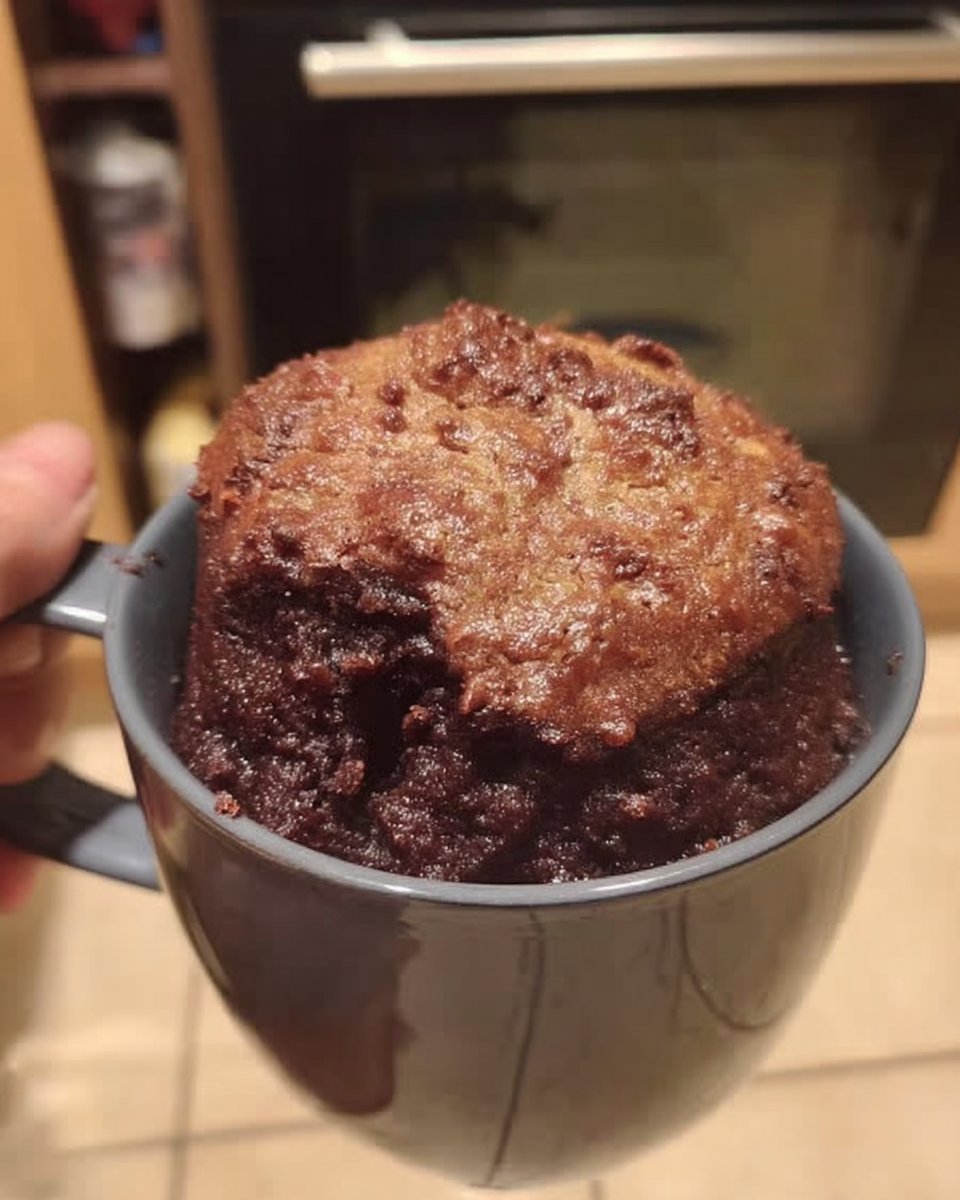
Even for a single serving, the quality of your ingredients dictates the final flavor profile. Since there are so few components, each one must be chosen with care.
- All-Purpose Flour: A standard T55 or all-purpose flour provides just enough structure. We want a protein content that supports the rise but remains tender. Do not use bread flour, as the gluten development would be too significant for this cooking method.
- Unsweetened Cocoa Powder: This is the heart of the flavor. I recommend a high-quality Dutch-process cocoa like Valrhona for a darker color and smoother, less acidic taste. However, natural cocoa works well here too, reacting vigorously with the baking soda.
- White Sugar: Granulated sugar not only sweetens but also tenderizes the crumb by retaining moisture. It balances the bitterness of the cocoa perfectly.
- Baking Soda: We use a precise amount—just 1/8 teaspoon. This alkali is essential for the rise, reacting with the cocoa and heat to create carbon dioxide bubbles. Too much, and the cake will taste soapy; too little, and it will be dense.
- Salt: A pinch of fine sea salt is non-negotiable. It suppresses bitterness and brings the chocolate notes forward.
- Milk: Whole milk provides the necessary liquid and fat for a soft crumb. You may substitute almond or soy milk, but the richness of dairy is superior.
- Canola Oil: Unlike butter, which contains water and milk solids that can toughen in the microwave, oil remains liquid at room temperature, ensuring the cake stays moist even as it cools. A neutral oil is best to let the chocolate shine.
- Vanilla Extract: A drop of pure vanilla extract rounds out the flavors, adding a floral note that mimics the complexity of a bakery-style cake.
The Method
Step 1: Aerate the Dry Ingredients
Begin by selecting a microwave-safe mug with straight sides, holding at least 12 ounces. In the mug, whisk together the flour, sugar, cocoa powder, baking soda, and salt. I prefer to use a miniature whisk or a fork to ensure there are absolutely no lumps of cocoa or baking soda. This aeration is crucial; it ensures the leavening agent is evenly distributed, preventing uneven rising or bitter pockets.
Step 2: Emulsify the Batter
Create a small well in the center of your dry ingredients. Pour in the milk, canola oil, water, and vanilla extract. Using your fork or small whisk, stir gently but thoroughly. Pay close attention to the bottom edge of the mug, where dry flour likes to hide. Mix just until the batter is smooth and glossy. Do not overwork the batter; once the flour is hydrated, stop mixing to prevent the development of tough gluten strands.
Step 3: The Controlled Cook
Place the mug in the center of your microwave. Cook on high power. The timing is precise but varies by machine; start with 1 minute and 45 seconds. Watch the cake through the door—it will rise impressively. The cake is done when it looks set and the surface is no longer wet or shiny in the center. If it needs more time, add 10-second intervals. Be vigilant; a mere 15 seconds too long can dry out the crumb significantly.
Step 4: The Essential Rest
Remove the mug carefully—it will be hot. Do not eat it immediately. Allow the cake to rest for 2 to 3 minutes. During this time, the internal steam settles, and the crumb structure stabilizes. This patience is the difference between a burnt tongue and a perfect tasting experience.
Secrets for Perfection
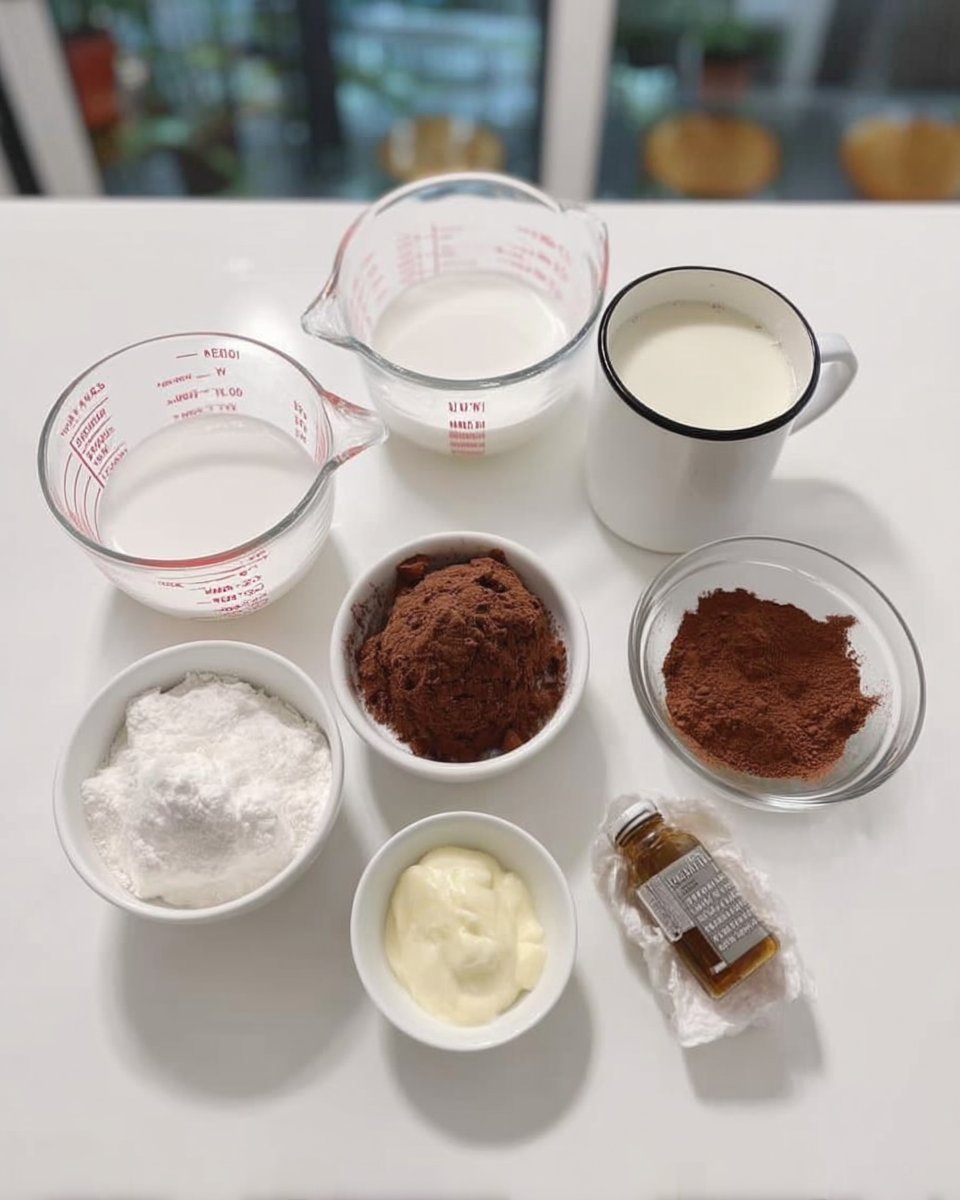
Precision is just as important in a mug as it is in a tart ring. Here are my notes for ensuring success every time.
- Respect the Vessel: Use a mug with straight sides rather than a tapered tea cup. Straight sides allow the batter to rise evenly without spilling over. Ensure it has ample headroom; the batter should only fill the mug halfway before cooking.
- The Oil Advantage: You might be tempted to substitute melted butter for the flavor, but I advise against it for this specific technique. Butter contains water which evaporates, and solids which can make the texture firm once the cake cools slightly. Oil guarantees that unmistakable moist, fudge-like interior.
- Don’t Overmix: When combining your wet and dry ingredients, use a gentle hand. Overmixing develops gluten, which is the enemy of a tender mug cake. We want a crumb that melts in the mouth, not one that requires chewing.
- Wattage Matters: Microwaves vary wildly in power. If you have a very high-wattage machine (1000W+), you may find 90 seconds is sufficient. If you are unsure, undercook slightly—you can always add time, but you cannot undo a dried-out cake. For more on our philosophy regarding equipment testing, you can read about us.
Refined Variations
Once you have mastered the base technique, you can introduce subtle variations to suit your palate. Remember, simplicity is key.
- Coeur Coulant (Molten Heart): Before cooking, press a single square of high-quality dark chocolate or a teaspoon of chocolate hazelnut spread into the center of the batter. Do not stir it in. As the cake cooks, this will melt, creating a luxurious liquid center reminiscent of a fondant au chocolat.
- Café Noisette: Add half a teaspoon of instant espresso powder to the dry ingredients. The coffee intensifies the chocolate flavor without making the cake taste distinctly like coffee.
- Zeste d’Orange: Rub a pinch of fresh orange zest into the sugar before mixing. The oils from the zest will perfume the entire cake, creating a classic chocolate-orange pairing.
- Spiced Chocolate: For a winter variation, add a pinch of cinnamon and a tiny dash of cayenne pepper. This adds warmth and depth to the cocoa. If you enjoy experimenting with flavors, consider subscribing to our newsletter for weekly inspiration.
Presentation and Plating
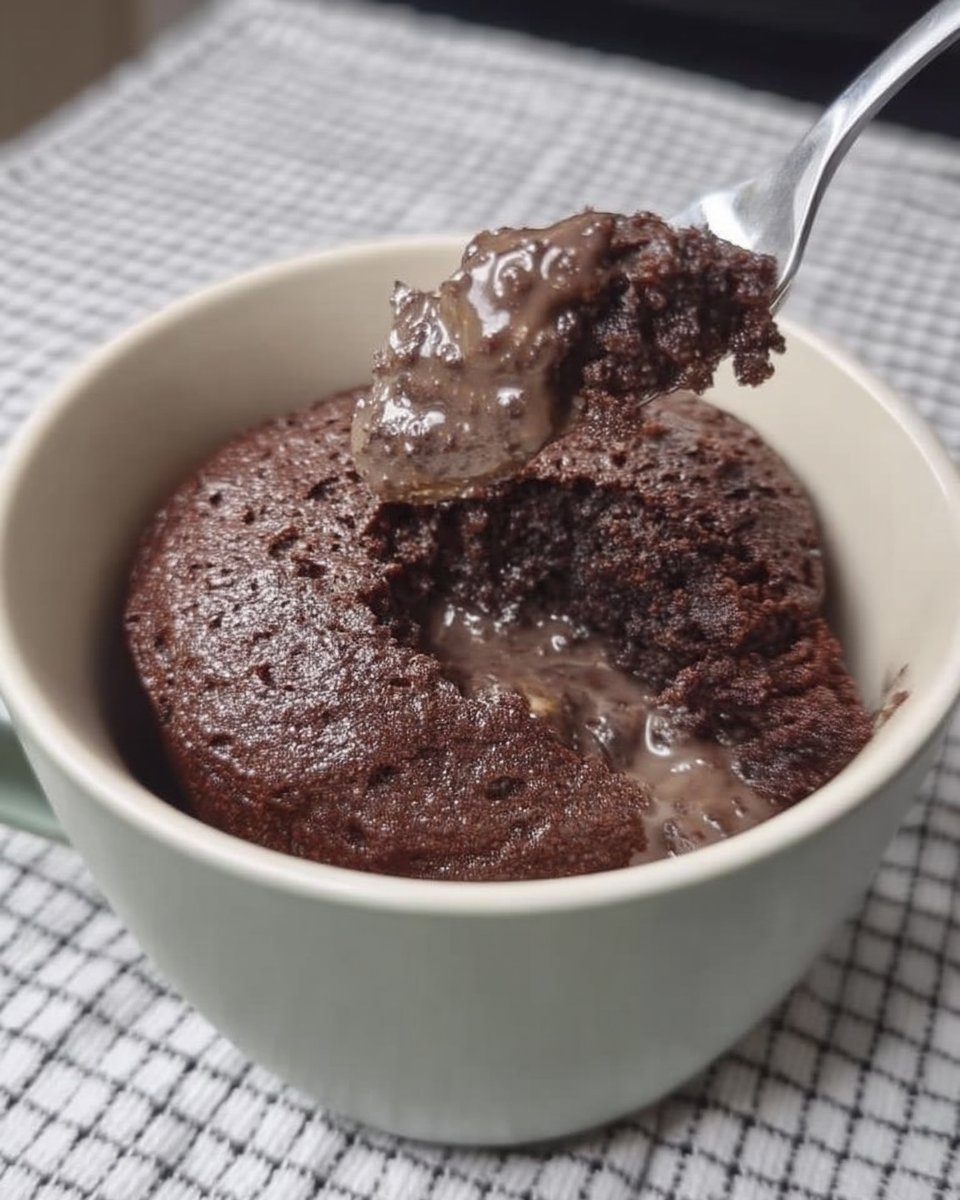
Just because it is made in a mug does not mean it cannot be served with elegance. I believe we eat first with our eyes.
Allow the cake to cool for a few minutes so the flavors can deepen. A simple dusting of *sucre glace* (powdered sugar) adds a professional finish. For a stark temperature contrast, place a small quenelle of vanilla bean ice cream or a dollop of softly whipped *Crème Chantilly* on top of the warm cake. The cream will melt slightly into the porous crumb, creating a delightful sauce.
If you are serving this for a guest, place the mug on a saucer with a beautiful spoon. Fresh raspberries or a sprig of mint add a pop of color that breaks up the monochrome dark chocolate. If you have questions about presentation, feel free to contact us.
The Art of Small Pleasures
There is a quiet joy in making something beautiful just for oneself. This chocolate mug cake is more than a quick fix; it is a reminder that quality need not always take hours. By respecting the ingredients and the method, you achieve a result that satisfies the craving for true patisserie flavor in a fraction of the time. I hope this becomes a cherished ritual in your kitchen, a small moment of sweetness in a busy day.
Please adhere to our affiliate disclosure when viewing recommended products.
For more classic techniques and daily inspiration, connect with us on social media: