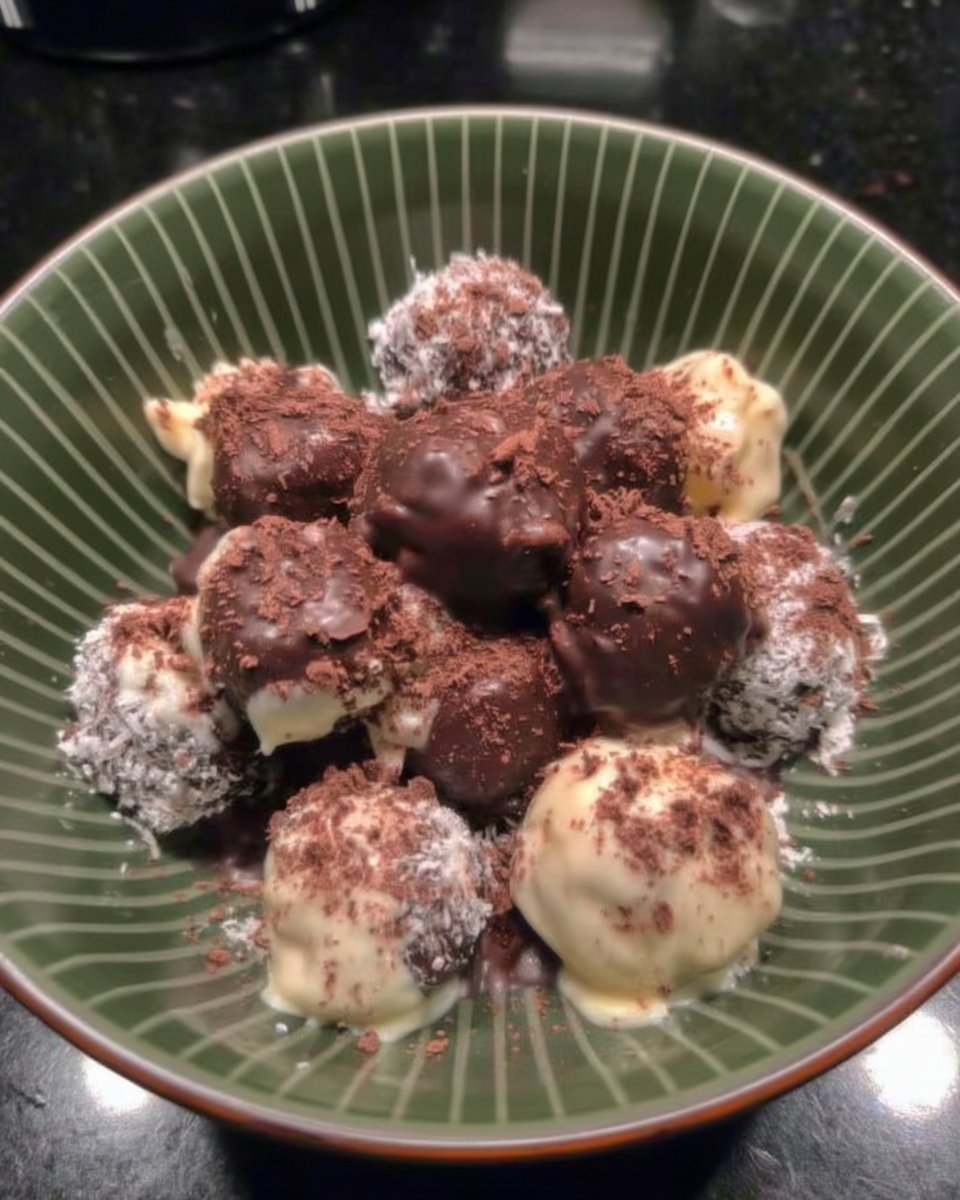
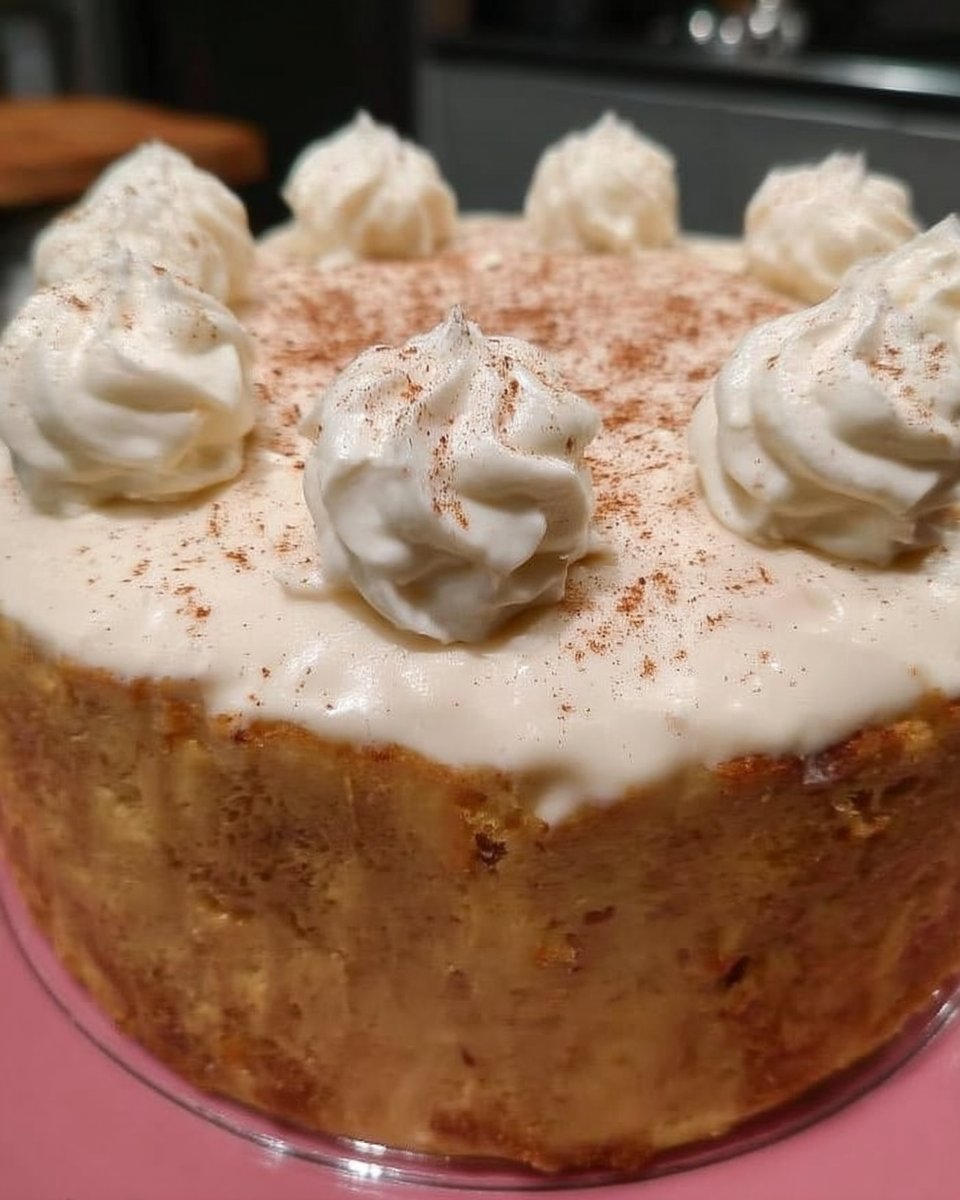
What if vanilla wasn’t just a synonym for “boring”? I used to think of vanilla cake as the safe choice, the one you bring when you don’t want to ruffle any feathers. Then I tasted a version that used specific temperature controls and toasted sugar, and it completely blew my mind. It was floral, deeply caramelized, and unapologetically bold—proof that even the most modest flavors can be revolutionary if you treat them with respect.

This isn’t your average box mix situation. We are getting precise with our temperatures here—cool butter and tepid eggs are the secrets to a texture that is plush, sturdy, and meltingly tender all at once. It is the perfect foundation for any flavor experiment you want to throw at it, but honestly? It stands on its own with a swagger that might surprise you.
Why This Recipe is a Total Game Changer
Let’s be real: most vanilla cakes are just vehicles for frosting. Not this one. This recipe challenges the norm by demanding precision—we are talking thermometers and exact ingredient temperatures. That might sound fussy, but the payoff is a crumb structure that is scientifically perfect.
It is sturdy enough to stack but tender enough to dissolve on the tongue. Plus, using toasted sugar (optional but highly recommended) adds a savory, caramel-like depth that plays against the sweet butter in a way that is totally addictive. It is the ultimate blank canvas for your wildest baking experiments.
Print
Classic Vanilla Butter Cake
- Total Time: 57 mins
- Yield: 12 servings
- Diet: Vegetarian
Description
Master the art of the perfect crumb with this scientifically-backed vanilla butter cake that emphasizes precise temperature control. It delivers a sophisticated flavor profile and a sturdy yet meltingly tender texture that elevates vanilla to a bakery-level masterpiece.
Ingredients
- Unsalted butter, cool (60°F)
- Granulated sugar (or toasted sugar)
- All-purpose flour (Bleached Gold Medal or Pillsbury recommended)
- Whole milk (65°F)
- Large eggs (65°F)
- Baking powder
- Salt
- Vanilla extract
Instructions
- Preheat your oven to 350°F (180°C) and grease three 8-inch anodized aluminum pans, lining each with parchment paper.
- Using a stand mixer with the paddle attachment, combine the cool butter (60°F), sugar, baking powder, and salt.
- Cream the mixture on medium speed for approximately 5 minutes until fluffy and light, scraping the bowl halfway through.
- Add the eggs one at a time, allowing each to fully incorporate before adding the next, then mix in the vanilla extract.
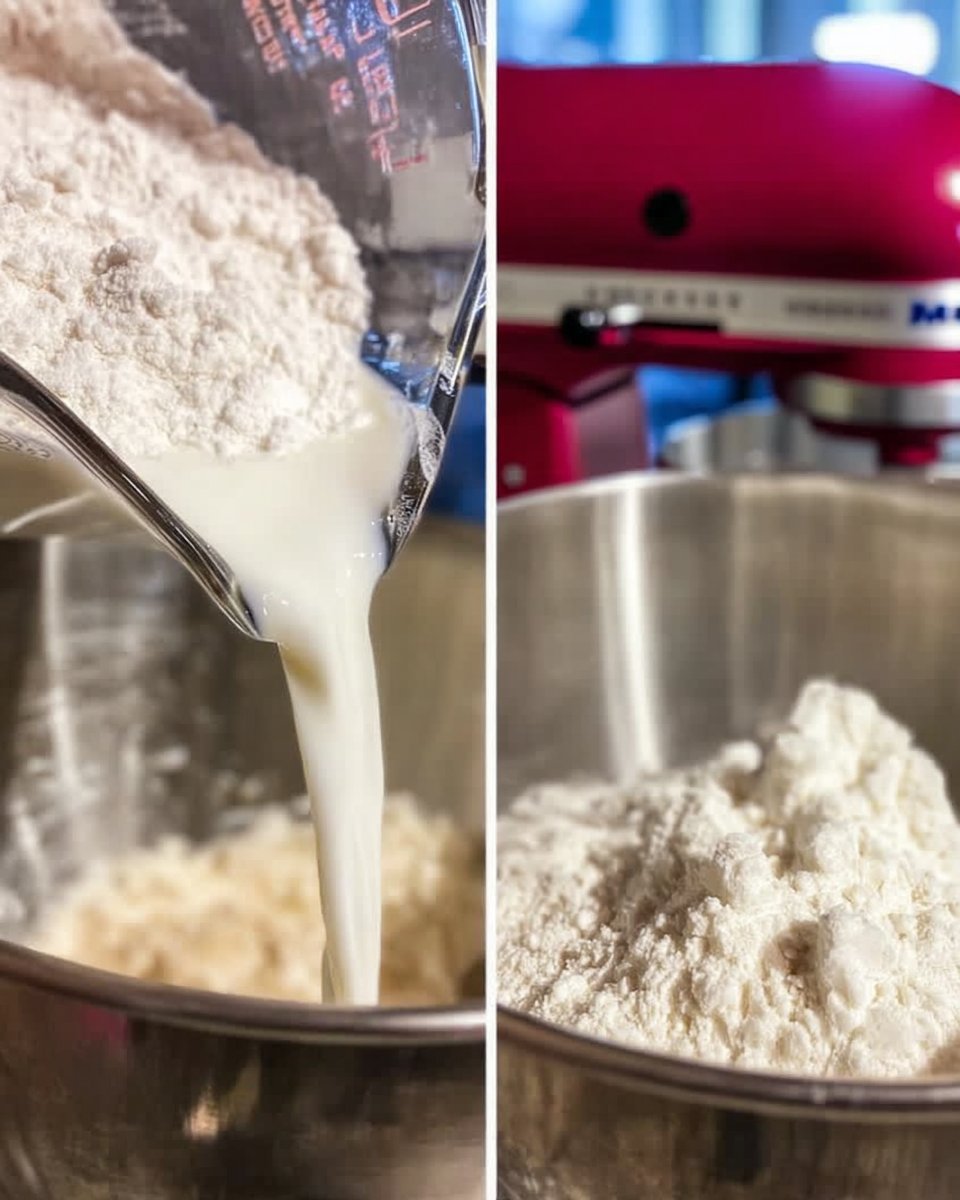
- Reduce the mixer speed to low and alternate adding the flour and milk in three additions, starting and ending with the flour.
- Finish by mixing on medium speed for exactly 3 seconds to ensure the batter is emulsified (target temperature 65-68°F).
- Divide the batter evenly between the pans (about 20 oz each) and bake for 32 minutes until the cakes are pale gold and firm.
- Allow the cakes to cool in the pans for at least one hour before inverted onto a rack.
Notes
For the most consistent results, always use a digital thermometer to monitor your ingredient temperatures, as even a few degrees can alter the final crumb structure. If your kitchen is particularly warm, consider chilling your mixing bowl briefly before starting to prevent the butter from softening too much during the creaming phase.
- Prep Time: 25 mins
- Cook Time: 32 mins
- Category: Dessert
- Method: Creaming
- Cuisine: American
The Flavor Arsenal
We are keeping the list short, but the quality and temperature of these ingredients are non-negotiable. Here is what you need to build this masterpiece.
- Unsalted Butter: This is the backbone. It needs to be soft but cool, exactly around 60°F. If it’s too warm, your structure collapses; too cold, and it won’t aerate. Precision is key.
- Sugar: You can use plain granulated sugar, but if you want to channel your inner rebel, use toasted sugar. It adds a nutty complexity that transforms the whole profile.
- Cake Flour or AP Blend: We are using all-purpose flour here (Bleached Gold Medal or Pillsbury work best) because we want structure. High-protein flours can make it tough, so stick to the recommended brands.
- Whole Milk & Eggs: Brought to about 65°F. This specific temp prevents the batter from breaking and ensures a smooth emulsion.
- Baking Powder & Salt: We mix these directly with the butter and sugar—a pro move that guarantees every single crumb is perfectly seasoned and leavened.
Let’s Build This
Step 1: Temperature Check and Prep
First, get your oven to 350°F (180°C). Grease three 8-inch anodized aluminum pans and line them with parchment. This is the moment to grab your digital thermometer. Make sure your butter is at 60°F and your eggs and milk are at 65°F. It feels like science class, but trust me, it matters.
Step 2: The Creaming Remix
In your stand mixer with the paddle attachment, combine the sugar, baking powder, salt, and that cool butter. We aren’t just mixing; we are building structure. Start low to incorporate, then blast it on medium for about 5 minutes until it’s fluffy and light. Scrape down the bowl halfway through to catch any stragglers.
Step 3: Emulsify the Batter
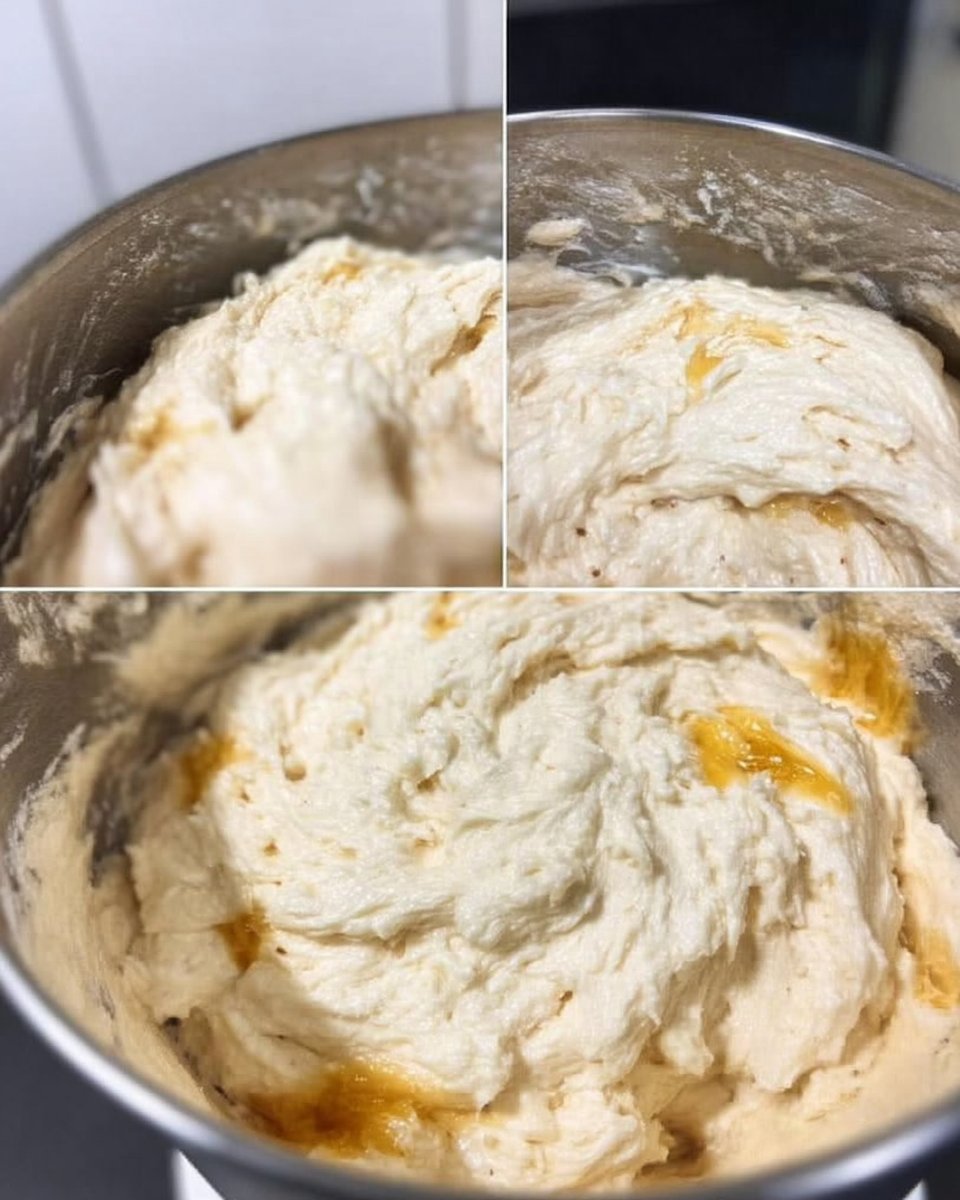
With the mixer running, add the eggs one at a time. Let each one fully disappear into the batter before adding the next. Dribble in the vanilla extract now. The mixture should look creamy and uniform, not curdled.
Step 4: The Dry and Wet Dance
Turn the speed down to low. Sprinkle in one-third of the flour, followed by a drizzle of one-third of the milk. Repeat this alternating pattern (flour, milk, flour, milk, flour) until everything is just combined. Finish by mixing on medium for exactly 3 seconds to bring it all together. The batter should register between 65°F and 68°F.
Step 5: Bake to Gold
Divide the batter evenly between your pans (about 20 oz each if you are weighing). Bake for about 32 minutes until they are puffed, firm to the touch, and pale gold. Cool them in the pans for an hour before flipping them out.
Riley’s Flavor Secrets
- Watch the Thermometer: If your batter is too warm (above 68°F), the cake might turn out coarse. If it’s too cold, it might be dense. That sweet spot of 65–68°F is where the magic happens.
- Toasting Sugar: To make toasted sugar, put granulated sugar in a baking dish and roast it at 300°F for a few hours, stirring occasionally. It tastes like marshmallows and adds a “what is that flavor?” quality to the cake.
- Texture Contrast: If you are looking for a completely different, perhaps denser crumb structure for stacking heavy tiers, you might want to compare this method with my vintage cake recipe to see which style suits your project best.
- Don’t Overmix: Once the flour hits the liquid, gluten starts forming. We want tender cake, not bread. Mix until *just* combined.
Twist It Up
- Earl Grey Infusion: Steep 2 tablespoons of loose-leaf Earl Grey tea in the milk while you heat it, then let it cool back down to 65°F before using. It adds a bergamot punch that cuts the richness beautifully.
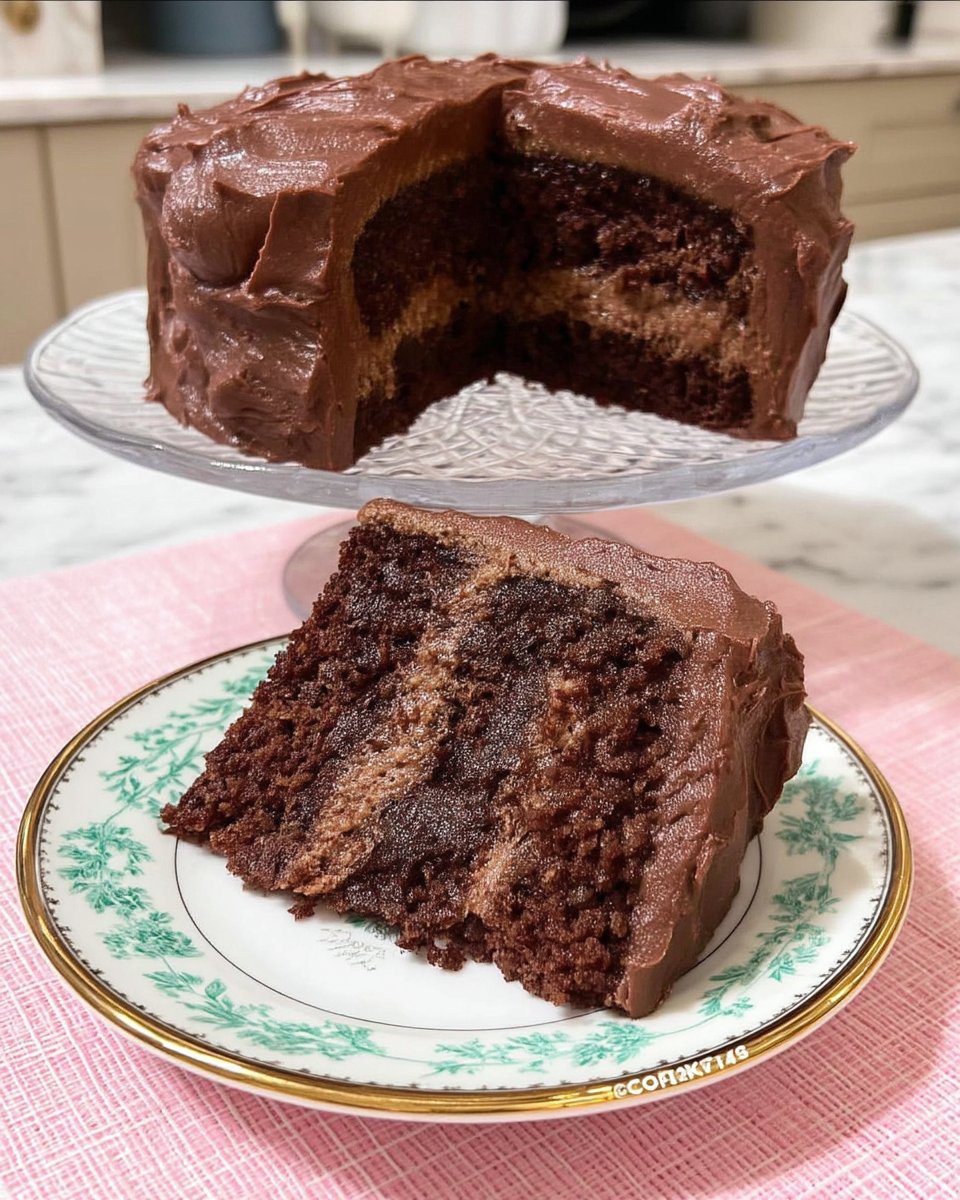
- Chocolate Swirl: Want to go to the dark side? Take a cup of the batter and fold in melted dark chocolate, then swirl it in. Or, for a full chocolate experience, my old fashioned chocolate cake is the answer.
- Berry Burst: Toss fresh raspberries in a little flour and fold them into the batter at the very end. The tartness against the sweet butter cake is killer.
Showtime and Plating
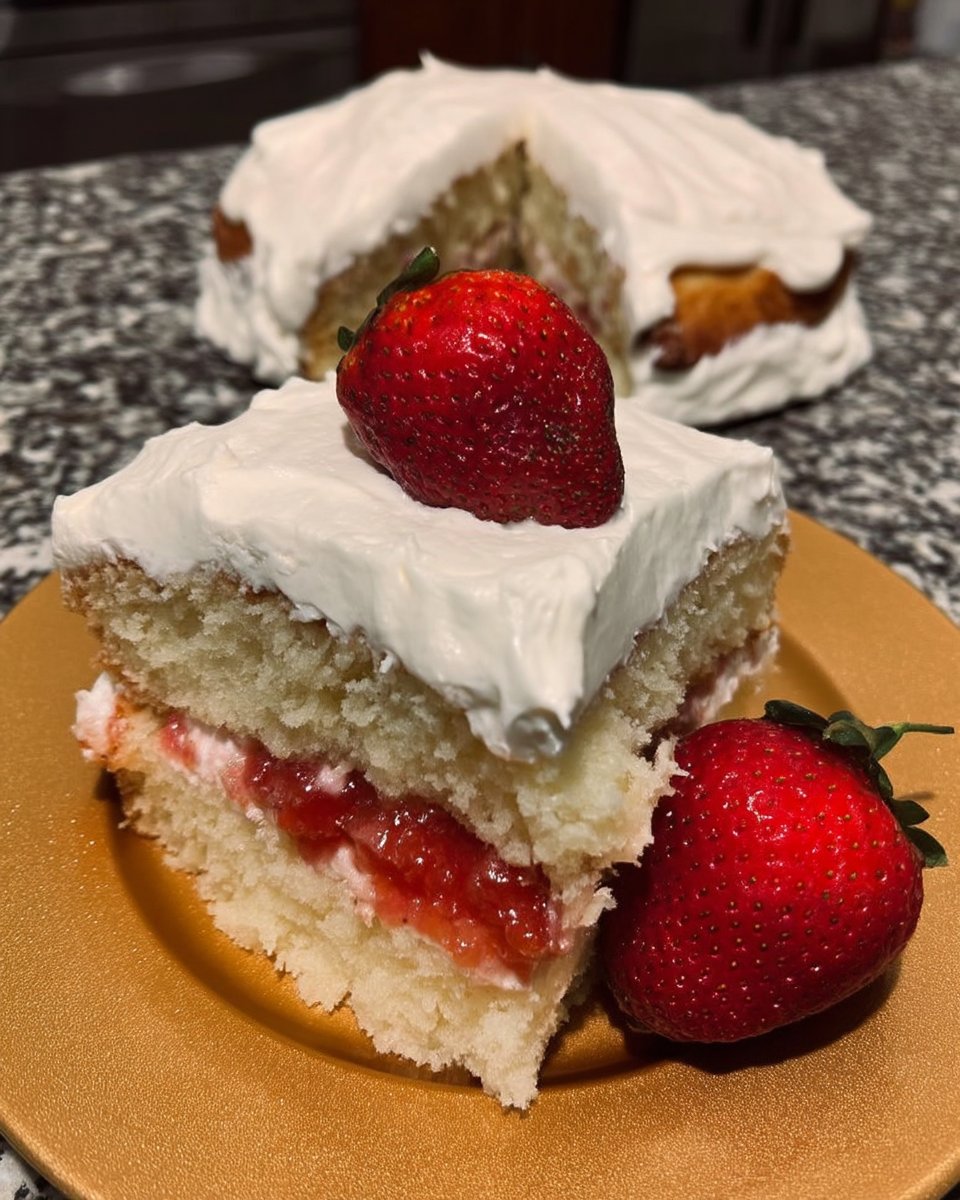
This cake is robust enough to handle heavy frostings but delicate enough to serve with just a dusting of powdered sugar and fresh berries.
Honesty time: I love pairing this with a high-contrast frosting. A dark chocolate fudge or a salted caramel buttercream works wonders here. If you want a classic birthday vibe, try pairing it with the frosting from my yellow cake chocolate frosting recipe. The contrast between the pale, floral cake and the rich cocoa frosting is pure nostalgia with a grown-up twist.
The Final Bite
This Classic Vanilla Butter Cake proves that “basic” doesn’t have to mean boring. With precise temperatures and a little bit of patience, you get a result that is bakery-quality right from your home oven. It is a testament to the fact that sometimes the boldest move you can make is mastering the classics.
For more foundational bakes that break the mold, browse my classic recipes collection. (And a huge shoutout to Serious Eats for the scientific inspiration on this specific method!)
Show me your stacks! Tag me on Instagram or Pinterest—I want to see how you decorated yours.