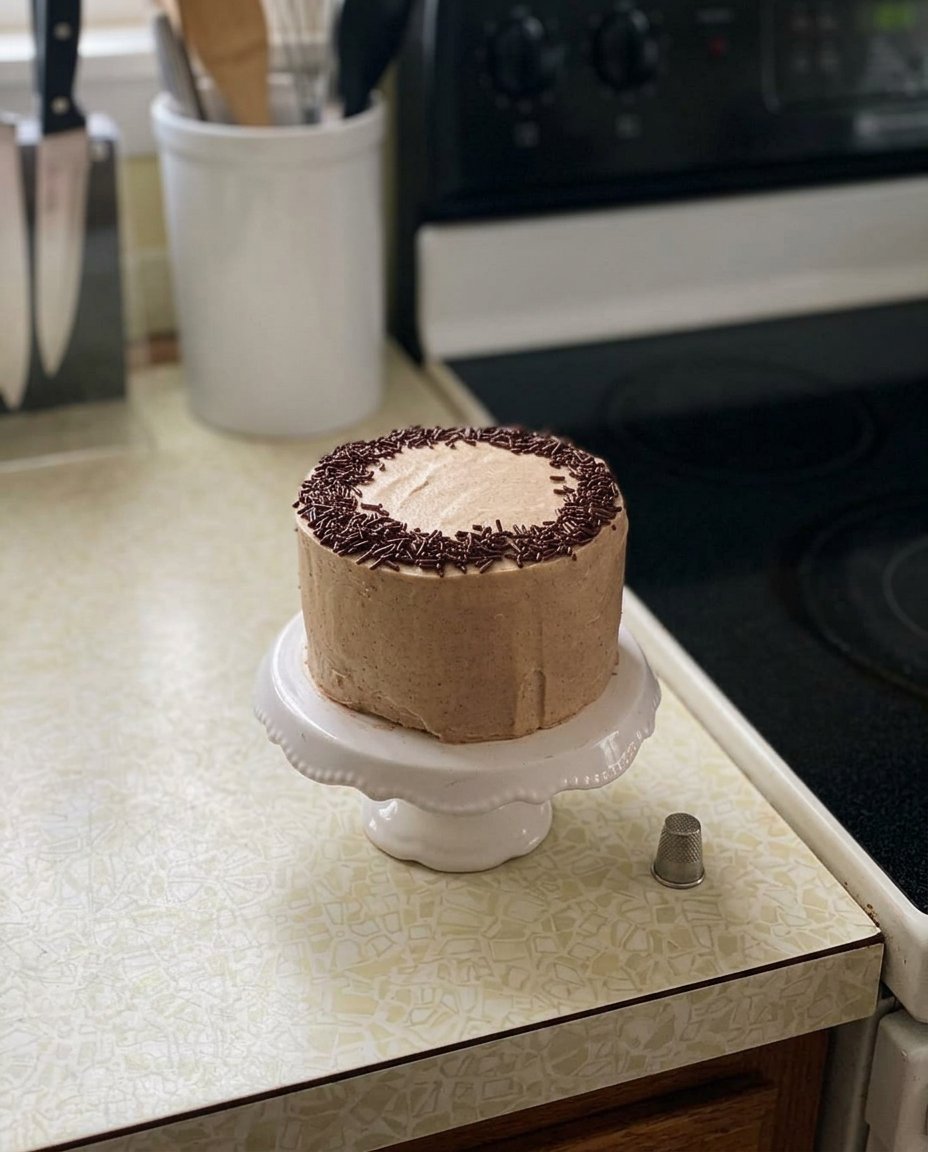
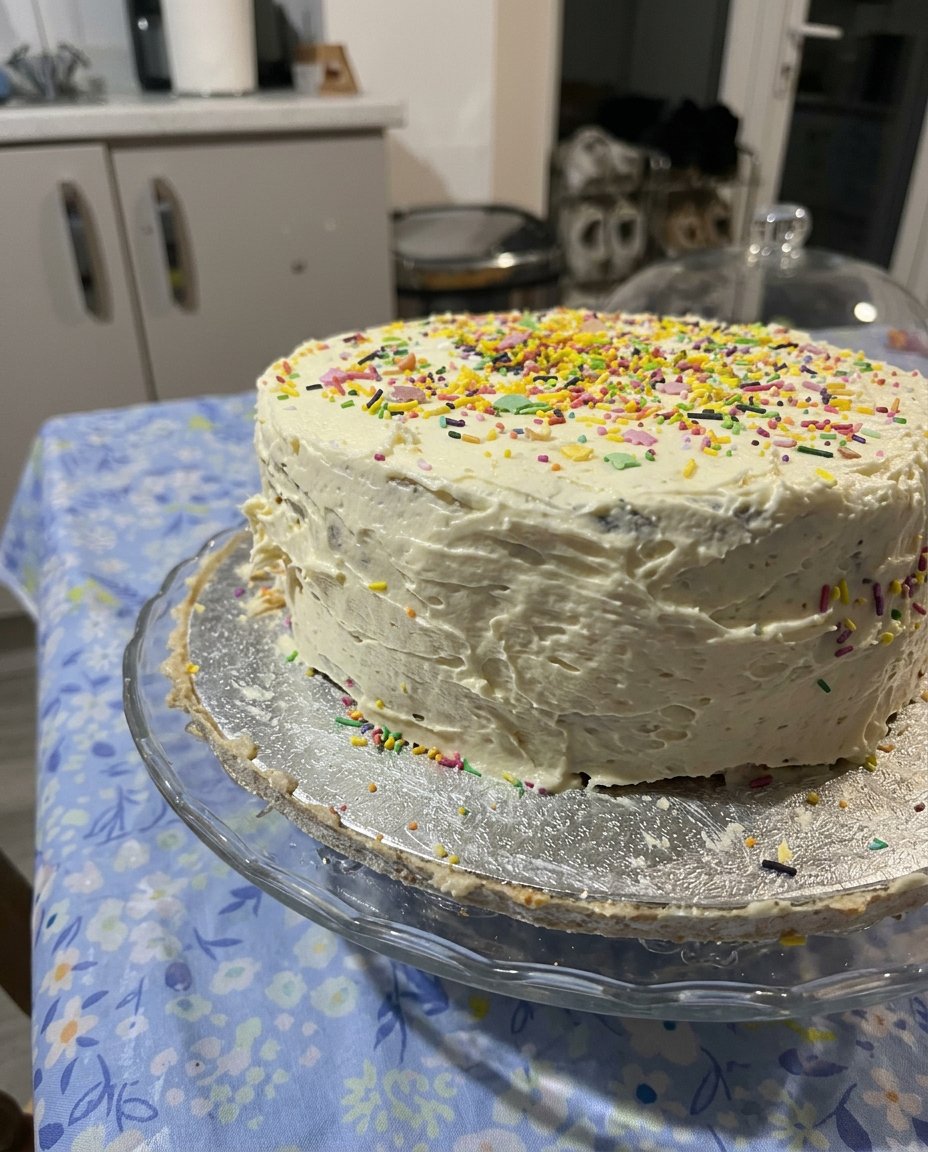
In my early years studying at a small patisserie near the Jardin du Luxembourg, I learned that the most profound joy often comes from the most humble foundations. This cookie cake is a tribute to that lesson, transforming the familiar comfort of a chocolate chip biscuit into a shared centerpiece that demands patience and precision. It is not merely a large cookie, but a structured dessert where the quality of the butter and the snap of the chocolate dictate the final experience.

This particular recipe focuses on the harmony between the salt-forward profile of demi-sel butter and the deep, earthy notes of toasted pecans. By baking the dough in a single round mold, we create a gradient of textures—from the crisp, caramelized exterior to the soft, almost custard-like heart. It is an elegant solution for those who seek the nostalgia of a cookie with the sophistication of a proper French gateau.
The Beauty of a Shared Classic
There is a specific kind of magic in a dessert that bridges the gap between childhood memories and adult refinement. This cookie cake achieves that balance through a commitment to high-quality ingredients and a methodical approach to temperature. Unlike individual cookies that can sometimes dry out in the oven, this larger format retains its moisture, offering a succulent crumb that remains tender for days.
Mastering this recipe allows you to appreciate the subtle chemistry of the creaming method on a larger scale. You will observe how the sugars interact with the butter to create a stable structure that supports heavy inclusions like hand-chopped chocolate and pecans. It is a reliable, beautiful addition to your repertoire that proves simplicity, when executed with care, is the ultimate form of sophistication. It is perfect for those moments when you want to offer something recognizable but significantly more polished than a standard tray of sweets.
Print
Cookie Cake
- Total Time: 45 mins
- Yield: 8 servings
- Diet: Vegetarian
Description
A sophisticated take on a classic chocolate chip treat, this cookie cake features high-quality demi-sel butter and toasted pecans for a rich, complex flavor. Its unique texture transitions from a crisp, caramelized edge to a soft, melt-in-your-mouth center.
Ingredients
- 150g (5.3 oz) Beurre Demi-Sel, softened
- 115g (4 oz) Sucre Cassonade
- 1 sachet (8g) Sucre Vanillé
- 1 large egg, room temperature
- 200g (1.6 cups) All-purpose flour
- 1 tsp Levure Chimique (baking powder)
- 150g (5.3 oz) Chocolat Noir Pâtissier (70% cocoa), hand-chopped
- 50g (1.8 oz) Noix de Pécan, roughly chopped
- Fleur de sel, for finishing
Instructions
- Preheat the oven to 170°C (340°F) and grease a 22 cm (9-inch) springform pan with butter.
- In a large mixing bowl, cream together the softened demi-sel butter, cassonade, and vanilla sugar until the mixture is pale and smooth.
- Add the room-temperature egg and whisk vigorously until the batter is glossy and fully emulsified.
- Sift the flour and baking powder into the bowl, then gently fold with a spatula just until no streaks of flour remain.
- Fold in three-quarters of the chopped chocolate and half of the pecans.
- Press the dough into an even layer in the prepared pan, then scatter the remaining chocolate and pecans over the top.
- Bake for 25 to 30 minutes until the edges are golden brown, then let the cake rest in the pan for 15 minutes before demolding.
Notes
For the best results, use a high-quality dark chocolate bar rather than chips to ensure those characteristic pools of melted cocoa. If you don’t have vanilla sugar, you can substitute it with one teaspoon of vanilla bean paste for a similar aromatic depth.
- Prep Time: 15 mins
- Cook Time: 30 mins
- Category: Dessert
- Method: Baking
- Cuisine: French
The Foundation of Fine Ingredients
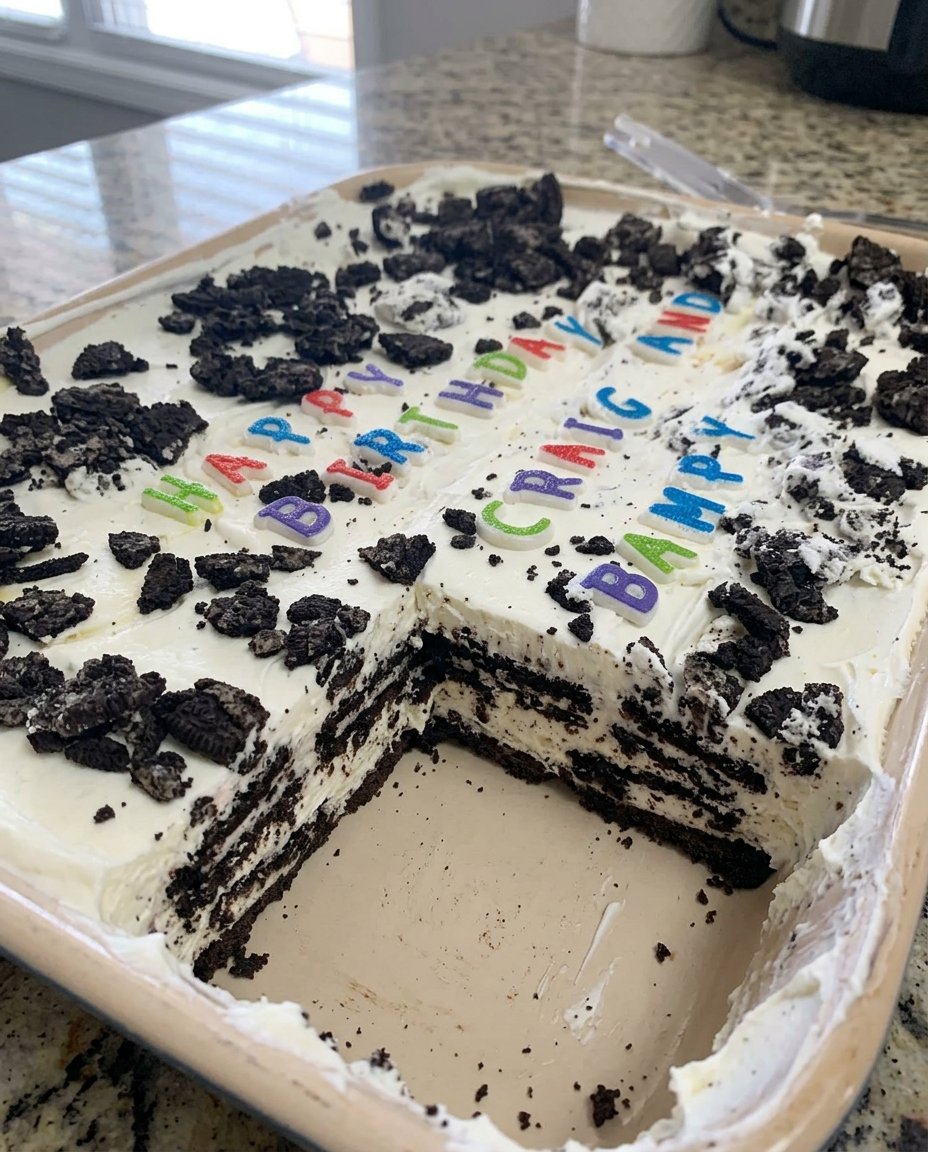
Success in the kitchen begins with the integrity of your pantry. For this recipe, every component plays a vital role in the structural integrity and flavor profile of the final cake.
- Beurre Demi-Sel (150g / 5.3 oz): Using high-fat, salted butter is a quintessential French touch. The salt does not just season; it acts as a foil to the sweetness of the sugars. It must be truly soft—what we call *beurre pommade*—to properly incorporate air during the mixing process.
- Sucre Cassonade (115g / 4 oz): This brown sugar provides the necessary moisture and a hint of molasses. It creates that characteristic chewiness in the center of the cake.
- Sucre Vanillé (1 sachet / 8g): Vanilla sugar offers a delicate, floral aroma that permeates the dough more evenly than liquid extract might in certain small-batch applications.
- Farine (200g / 1.6 cups): A standard all-purpose flour provides the right amount of protein to give the cake structure without making it tough. Precision in measuring this prevents a dry or crumbly result.
- Levure Chimique (1 tsp): This leavening agent provides just enough lift to keep the dense dough from becoming heavy, creating a slightly aerated crumb.
- Chocolat Noir Pâtissier (150g / 5.3 oz): Do not reach for standard chips. Instead, use a high-quality bar with at least 70% cocoa. Hand-chopping creates irregular shards that melt into luxurious pools of chocolate.
- Noix de Pécan (50g / 1.8 oz): These add a buttery crunch and a woody depth that complements the dark chocolate perfectly.
- Fleur de Sel: A final dusting of these delicate sea salt crystals brings out the hidden nuances of the cocoa.
The Methodical Path to Perfection
Step 1: Preparing the Environment
Begin by preheating your oven to 170°C (340°F). While the oven reaches temperature, prepare your 22 cm (9-inch) springform pan by buttering the sides and bottom. This step makes certain that the delicate edges of your cake do not stick, allowing for a clean release later. Accuracy in oven temperature is vital; if the oven is too hot, the edges will burn before the center sets.
Step 2: The Creaming Process
In a large mixing bowl, combine your softened demi-sel butter with the cassonade and vanilla sugar. Use a whisk or a spatula to beat them together until the mixture is smooth and light. This is not about adding massive volume, but about ensuring the sugar is evenly suspended in the fat. The texture should look like a thick, pale cream.
Step 3: Emulsifying the Egg
Add the room-temperature egg to the butter and sugar mixture. Whisk vigorously until the egg is fully incorporated and the batter looks glossy. If the egg is cold, it might cause the butter to seize, resulting in a broken emulsion. A smooth, unified batter is the secret to a consistent crumb.
Step 4: Incorporating the Dry Ingredients
Sift the flour and baking powder directly into the bowl. Switch to a flexible spatula and fold the ingredients together gently. Stop the moment you no longer see streaks of white. Over-mixing at this stage develops too much gluten, which would transform our tender cake into something tough and bread-like.
Step 5: Preparing the Chocolate
On a clean cutting board, use a large chef’s knife to roughly chop your dark chocolate bar. You want a variety of sizes—some dust, some small flakes, and some large chunks. Incorporeal three-quarters of these pieces into the dough, along with half of the pecans. This distribution makes certain every bite is rich with inclusions.
Step 6: Molding and Final Details
Transfer the dough into your prepared pan. Use the back of a spoon or clean, damp fingers to press the dough into an even layer, reaching all the way to the edges. Scatter the remaining chocolate chunks and pecans over the surface, pressing them in slightly so they stay in place as the dough expands.
Step 7: The Bake and Cool
Place the pan on the center rack of your oven and bake for 25 to 30 minutes. The cake is done when the edges are a deep golden brown and the center no longer looks wet, though it should still feel slightly soft to the touch. Let the cake rest in the pan for at least 15 minutes before attempting to demold it. This resting period allows the internal structure to set.
Pastry Secrets for the Home Baker
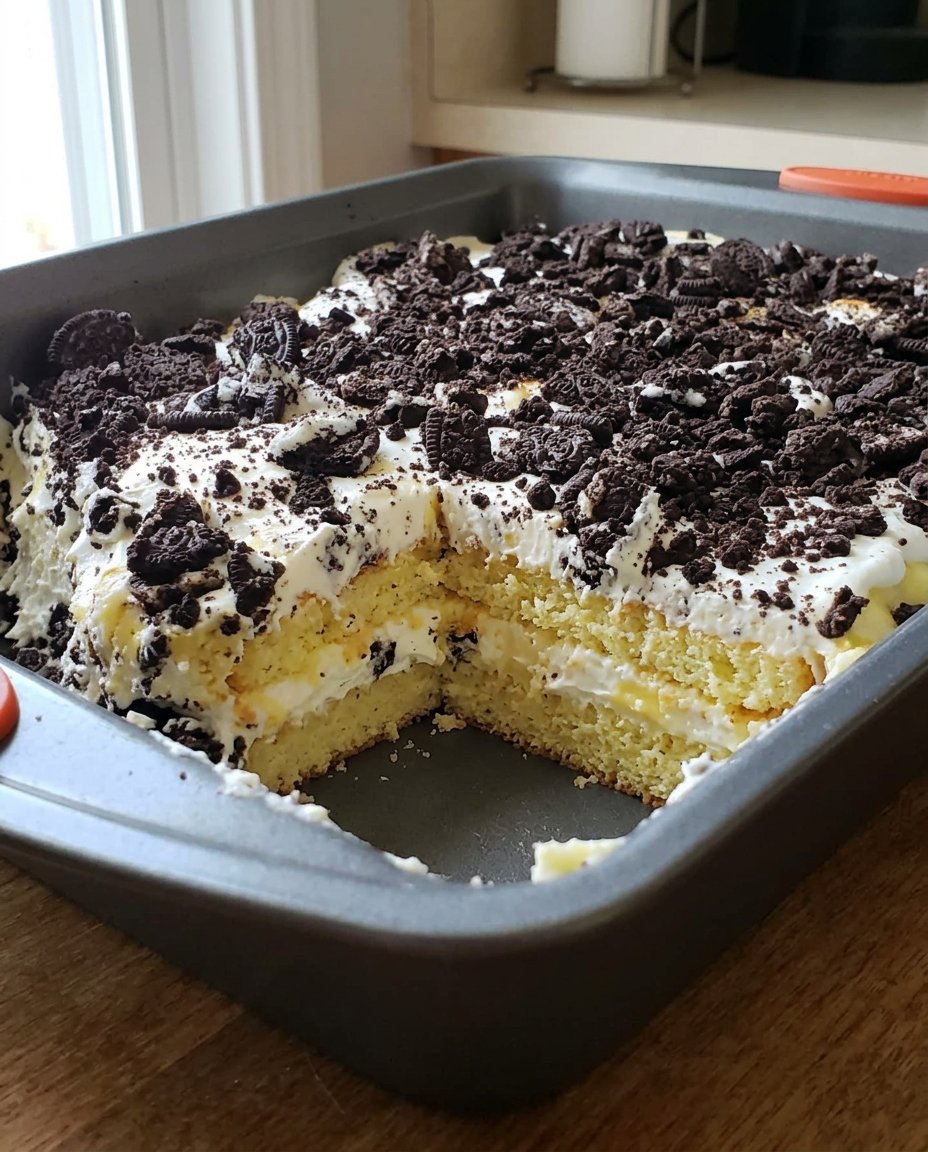
The secret to a truly professional finish lies in the temperature of your ingredients. Always ensure your butter is soft enough that a finger leaves an indentation with zero resistance, but it should not be melting or greasy. This state allows for the perfect aeration during the creaming stage. If you find your cake is browning too quickly, a light sheet of foil placed over the top during the last ten minutes can protect the pecans from scorching. For more advanced cake construction techniques, you might look into our guide on celebration-cakes to see how different bases react to heat. Additionally, don’t forget to weigh your ingredients with a digital scale for the most consistent results, as volume measurements can vary significantly. You can find more inspiration for textured bakes at this French cookie cake guide.
Refined Twists on a Classic Foundation
While the chocolate and pecan combination is a masterpiece of balance, you can modify the profile to suit your palate. Replacing the pecans with toasted hazelnuts and adding a swirl of homemade praliné paste into the dough before baking creates a deeply nutty, sophisticated variation. If you prefer a brighter note, the zest of one large orange rubbed into the sugar before mixing provides a beautiful aromatic lift that cuts through the richness of the dark chocolate. For those who enjoy more complex flavor profiles, consider layering techniques similar to those found in our snickers-cake, perhaps by adding a layer of salted caramel beneath the top inclusions.
Presentation and the Art of the Table
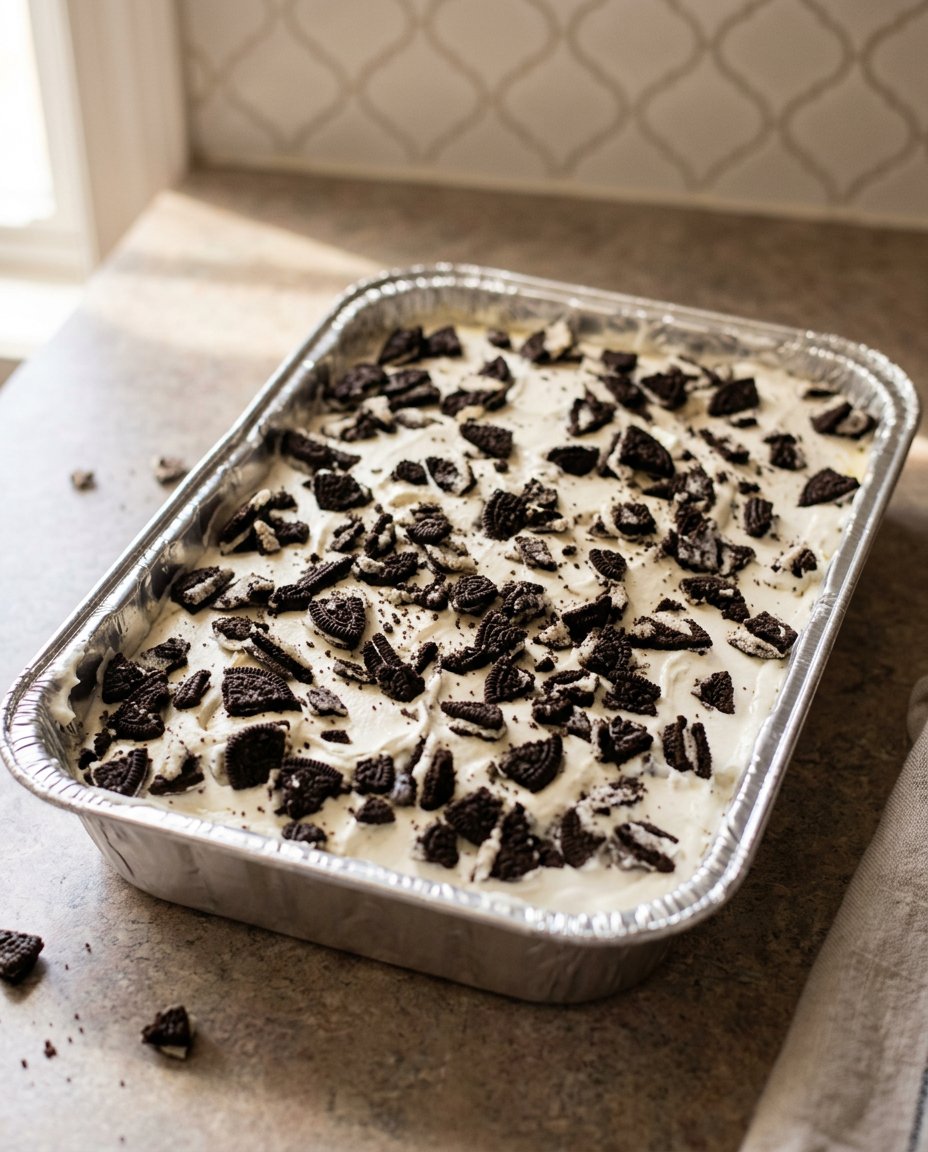
This cake is at its best when served slightly warm, allowing the chocolate to remain in a semi-liquid state. I prefer to serve it on a simple ceramic pedestal to highlight its rustic beauty. A small dollop of unsweetened crème fraîche or a pour of cold heavy cream provides a refreshing temperature contrast. If you are preparing this for a formal gathering, consider pairing it with a glass of semi-dry Champagne; the bubbles help cleanse the palate between rich bites. For those looking for more decadent presentation ideas, our ferrero-rocher-cake offers excellent inspiration for using gold leaf and crushed nuts to finish a dessert with grace.
The Final Flourish of Mastery
Baking this cookie cake is an exercise in restraint and appreciation for quality. When you move away from the frantic pace of making dozens of small cookies and focus on one single, perfect cake, you allow yourself the space to truly master the technique. I hope this recipe finds a permanent place in your kitchen, serving as a reminder that the best desserts are those made with intention and shared with love. For those who wish to continue their journey into classic foundations, I highly recommend looking at our yellow-cake-chocolate-frosting for another lesson in timeless textures. Please share your beautiful creations with our community of bakers online.