In French patisserie, we often speak of *l’équilibre*—the balance of flavors and textures that transforms a simple dessert into a memorable experience. While the combination of chocolate cookies and cream is distinctly American, the principles of constructing this cake remain rooted in classic technique. It reminds me of the *goûters* of my childhood, where a simple biscuit and a glass of milk offered a moment of pure contentment, though here we refine that nostalgia into a centerpiece worthy of a celebration.

This Cookies and Cream Cake is a study in contrasts: the deep, roasted notes of the chocolate sponge against the sweet, airy lightness of the vanilla bean and Oreo buttercream. We use a classic buttermilk and coffee-infused batter to ensure the crumb remains impossibly moist, providing a tender foundation for the generous layers of crushed cookie filling. It is a cake that demands precision in its mixing but rewards you with a rustic yet elegant finish.
A Study in Texture and Contrast
There is a reason this flavor profile has endured for generations; it satisfies every palate. You will love this recipe because it respects the integrity of the ingredients. We do not simply stir cookies into a batter; we carefully construct layers of flavor.
The cake base itself is rich and dark, utilizing hot coffee to bloom the cocoa powder, releasing its full aromatic potential. This technique creates a depth of chocolate flavor that sugar alone cannot achieve. Paired with the buttercream—which we whip to a pale, ivory elegance before folding in the chocolate wafers—the result is a dessert that is not overly sweet, but perfectly harmonized.
Furthermore, this recipe is a lesson in the art of the “naked” or semi-naked finish, should you choose to style it that way. The speckled grey of the buttercream offers a natural beauty that requires very little embellishment, making it an excellent project for bakers looking to practice their finishing techniques without the pressure of perfect fondant work.
Print
Cookies and Cream Cake
- Total Time: 1 hour 5 mins
- Yield: 12 servings
- Diet: Vegetarian
Description
Elevate your dessert table with this indulgent layered cake, featuring a tender chocolate crumb deepened by hot coffee and a velvety Oreo-flecked buttercream. This recipe masterfully combines childhood nostalgia with refined pastry techniques for a perfectly balanced treat.
Ingredients
- 3 cups all-purpose flour
- 2 cups granulated sugar
- 1 cup unsweetened cocoa powder
- 2 teaspoons baking soda
- 1 teaspoon baking powder
- 1 teaspoon kosher salt
- 1 cup buttermilk, room temperature
- 1/2 cup vegetable oil
- 2 large eggs, room temperature
- 2 teaspoons vanilla extract
- 1 cup freshly brewed hot coffee
- 1.5 cups unsalted butter, room temperature
- 6 cups confectioners’ sugar
- 1 package Oreo cookies, divided
- 3 tablespoons whole milk
Instructions
- Preheat oven to 350°F (175°C) and line two 8-inch round cake pans with parchment paper.
- Sift the flour, sugar, cocoa, baking soda, baking powder, and salt into a large bowl and whisk to combine.
- In a medium bowl, whisk the buttermilk, oil, eggs, and vanilla until fully emulsified.
- Slowly mix the wet ingredients into the dry ingredients, then stir in the hot coffee until the batter is smooth.
- Divide batter into pans and bake for 30-40 minutes until a cake tester comes out clean.
- Cool cakes completely on a wire rack before frosting.
- Beat the butter for 5 minutes until pale and fluffy, then gradually incorporate the confectioners’ sugar.
- Fold in finely crushed Oreo crumbs and milk to reach a spreadable consistency.
- Level the cakes, stack with a layer of buttercream and chopped Oreos, and finish with a crumb coat and final frosting layer.
Notes
To achieve a professional ‘naked’ look, use an offset spatula to scrape away excess frosting from the sides, allowing the dark chocolate layers to peek through. Always ensure your coffee is hot when adding it to the batter, as the heat is essential for blooming the cocoa powder.
- Prep Time: 30 mins
- Cook Time: 35 mins
- Category: Dessert
- Method: Baking
- Cuisine: American
The Essentials for Precision
To achieve the delicate crumb and robust flavor we desire, the quality of your ingredients is paramount. In my kitchen, we measure by weight for consistency, though I have provided volume measurements for your convenience.
The Chocolate Cake Base
- All-Purpose Flour: This provides the structure. We want enough gluten to hold the cake together, but not so much that it becomes tough. Sifting is non-negotiable here.
- Unsweetened Cocoa Powder: I prefer a high-quality cocoa. The acidity here reacts with the baking soda to help the cake rise.
- Baking Soda & Baking Powder: We use both leavening agents. The soda neutralizes the acid in the buttermilk and cocoa, while the powder provides that second lift in the oven.
- Buttermilk (Room Temperature): The acid in buttermilk tenderizes gluten, resulting in a soft, velvety crumb. Cold buttermilk will seize your butter or oil mixture, so patience is key—let it reach room temperature.
- Vegetable Oil: Unlike butter-based cakes which can dry out, oil ensures this cake remains moist for days.
- Freshly Brewed Hot Coffee: This is the secret to an intense chocolate flavor. The heat “blooms” the cocoa, dissolving the particles completely and releasing essential oils. If you prefer not to use coffee, hot water works, but you will lose a dimension of flavor.
The Oreo Buttercream
- Unsalted Butter: We use unsalted butter to control the seasoning. It must be truly at room temperature—soft enough to yield to a touch, but not melting.
- Confectioners’ Sugar: Also known as powdered sugar. It must be sifted to avoid lumps in your silky frosting.
- Oreo Cookies: The star of the show. We will use finely crushed crumbs for the frosting to prevent clogging your piping bag, and coarsely chopped pieces for the filling to add texture.
- Whole Milk: Used to adjust the consistency of the buttercream to the perfect spreading texture.
Mastering the Method
Precision is the difference between a good cake and a breathtaking one. Follow these steps closely, paying attention to the visual cues described.
Step 1: Mise en Place and Pan Preparation
Begin by preheating your oven to 350°F (175°C). Proper oven temperature is critical for the initial rise. Prepare two 8-inch round cake pans. I recommend spraying them with nonstick spray and lining the bottoms with parchment paper rounds. This ensures your delicate cakes release perfectly without tearing. Set these aside.
Step 2: Aerate the Dry Ingredients
In a large mixing bowl, sift together the flour, granulated sugar, cocoa powder, baking soda, baking powder, and kosher salt. Sifting is a step many home bakers skip, but in my kitchen, it is mandatory. It removes lumps from the cocoa and aerates the flour, preventing a dense final product. Whisk these ingredients gently to ensure they are evenly distributed.
Step 3: Emulsify the Wet Ingredients
In a separate medium bowl, whisk together the room temperature buttermilk, vegetable oil, eggs, and vanilla extract. Whisk vigorously until the mixture is homogeneous. You are looking for a cohesive liquid where the oil is fully emulsified into the buttermilk and eggs, ensuring an even crumb structure later.
Step 4: The Mixing Technique
Set your mixer to low speed. Slowly pour the wet ingredient mixture into the dry ingredients. Mix only until the flour is moistened—do not beat the batter yet. With the mixer still running on low, carefully pour in the hot coffee. The batter will be very thin and liquid; this is normal. Do not be alarmed. Mix just until combined, then stop. Use a rubber spatula to scrape the bottom and sides of the bowl to ensure no pockets of dry flour remain.
Step 5: The Bake
Divide the batter evenly between the two prepared pans. For absolute precision, I recommend using a kitchen scale to weigh the pans. Bake for 30 to 40 minutes. You will know the cake is done when the top springs back lightly when touched, or a cake tester inserted into the center comes out with just a few moist crumbs attached—never wet batter. Allow the cakes to cool in the pans for 30 minutes before inverting them onto a wire rack to cool completely. They must be cool to the touch before frosting.
Step 6: Creating the Buttercream
While the cakes cool, prepare the frosting. In the bowl of an electric mixer fitted with the paddle attachment, beat the room temperature butter on medium-high speed for about 5 minutes. You want the butter to become pale, almost white, and significantly increased in volume. This aeration is what makes the buttercream light rather than greasy.
Step 7: Incorporating Sugar and Cookies
Reduce the speed to low and add the confectioners’ sugar 2 cups at a time. Mix until fully incorporated before adding the next batch. Once all sugar is added, increase the speed to high and beat for another 2 minutes to create a fluffy structure. Fold in the finely crushed Oreo crumbs by hand or on the lowest speed to avoid deflating the air you just whipped in. Add the milk, one tablespoon at a time, until you reach a spreadable, silky consistency.
Step 8: Assembly
If your cakes have domed slightly, use a serrated knife to level the tops. Place the first layer on your serving plate or turntable. Spread a generous layer of buttercream (about 1 cup) evenly over the top. Scatter the coarsely chopped Oreo cookies over the buttercream for a hidden crunch. Place the second cake layer on top, flat side up for a sharp edge. Mask the entire cake in a thin layer of buttercream (crumb coat) and chill for 20 minutes before applying the final layer of frosting and toppings.
Secrets from the Pastry Kitchen
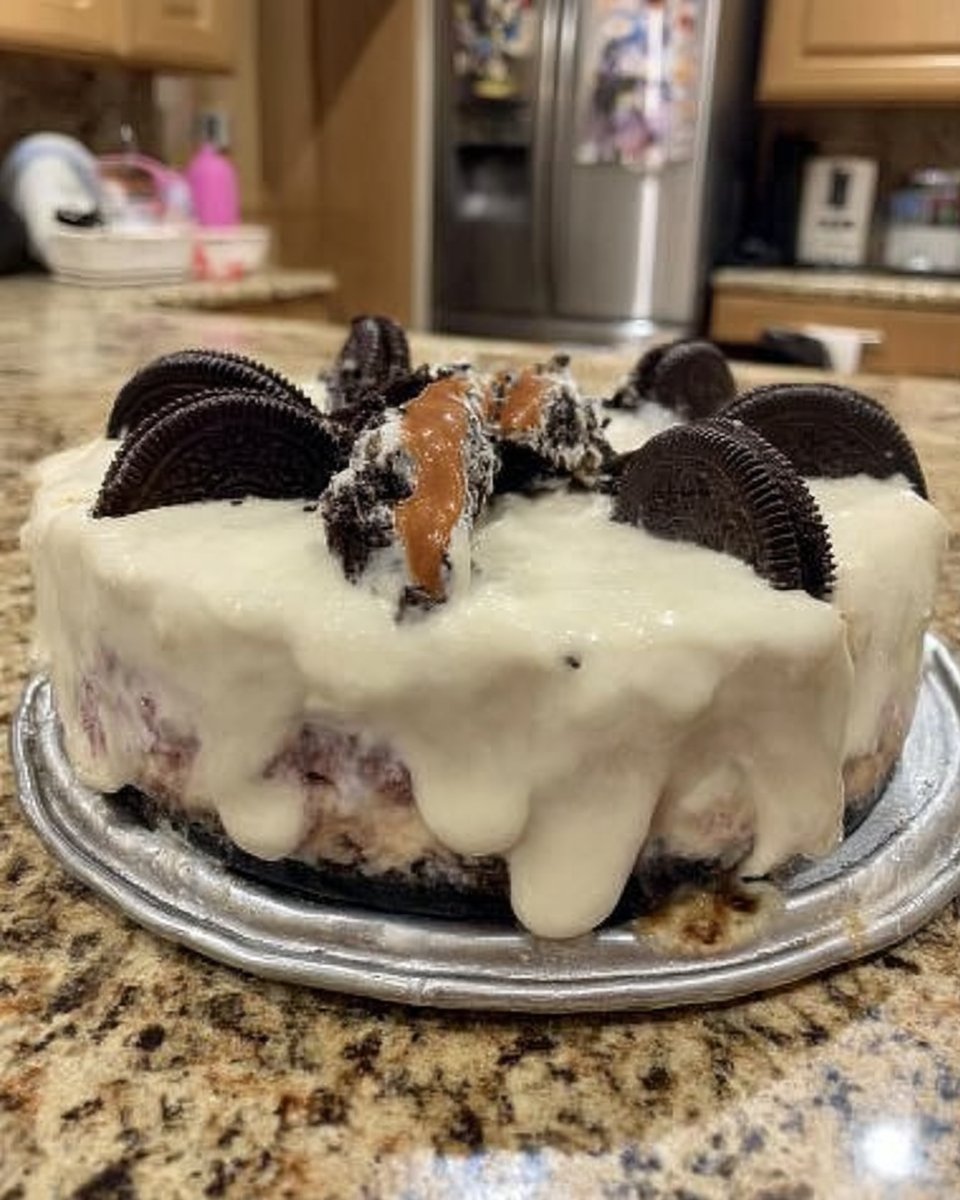
Temperature Matters: I cannot stress this enough—your eggs, buttermilk, and butter must be at room temperature (around 70°F/21°C). If your ingredients are cold, they will not emulsify properly, leading to a dense cake or a curdled buttercream. If you are in a rush, place your eggs in a bowl of warm water for 10 minutes.
Blooming the Cocoa: Pouring the hot coffee over the batter serves a dual purpose. It dissolves the cocoa butter in the powder, releasing a more intense chocolate flavor, and it helps the sugar dissolve before baking, leading to a softer crust. This is a technique used in the finest *chocolateries*.
The Crumb Coat: Because this cake is dark and the frosting is light, crumbs can easily ruin the visual finish. Apply a very thin layer of frosting first to trap the loose crumbs, then refrigerate the cake until the butter hardens. This creates a smooth canvas for your final layer of buttercream.
Storage: This cake is high in moisture, which keeps it fresh. It can be stored at room temperature in an airtight container for up to 3 days. However, for a texture comparison, you might also enjoy our chocolate fudge cake, which offers a denser, truffle-like experience compared to this airy crumb.
Refined Twists on the Classic
While the classic pairing is timeless, a few subtle adjustments can customize this cake for your specific occasion.
- Mocha Cream: If you enjoy the depth coffee adds to the sponge, enhance the buttercream as well. Dissolve 1 teaspoon of espresso powder into the milk before adding it to the frosting. This bridges the gap between the dark chocolate base and the sweet cream.
- Chocolate Ganache Drip: For a dramatic presentation, prepare a simple ganache (equal parts hot heavy cream and dark chocolate) and let it drip down the sides of the chilled cake. This adds a glossy, elegant finish reminiscent of a Parisian shop window.
- Mint Infusion: A classic variation is to add a few drops of peppermint oil to the buttercream. Be sparing—mint is potent and can easily overpower the delicate vanilla notes.
If you are fond of incorporating candy elements into refined bakes, you might also appreciate the architecture of our snickers cake, which balances caramel and nougat with similar precision.
Presentation and Service
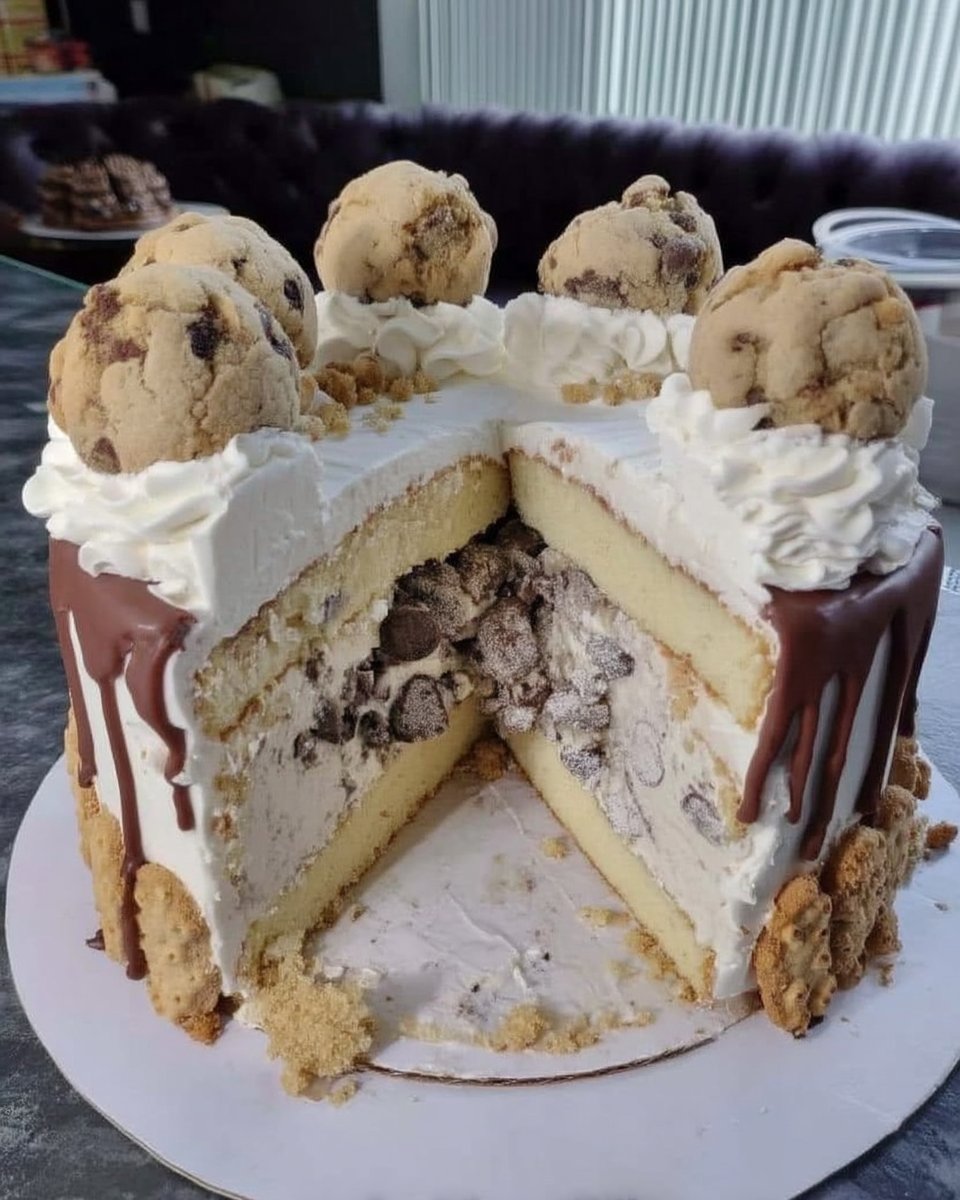
Serving a cake is the final act of the performance. For clean, sharp slices, dip a long chef’s knife into hot water and wipe it dry before each cut. The heat helps the blade glide through the buttercream and the cookie chunks without dragging.
This cake pairs beautifully with a glass of cold milk, honoring the tradition of the cookies themselves. However, for a more adult gathering, a shot of espresso or a glass of port wine complements the cocoa notes exquisitely.
If you are planning a dessert table and wish to offer a variety of textures, consider serving this alongside our chocolate indulgence cake. The contrast between the fluffy Oreo cake and a dense, flourless option allows your guests to experience the full spectrum of chocolate.
The Joy of Mastery
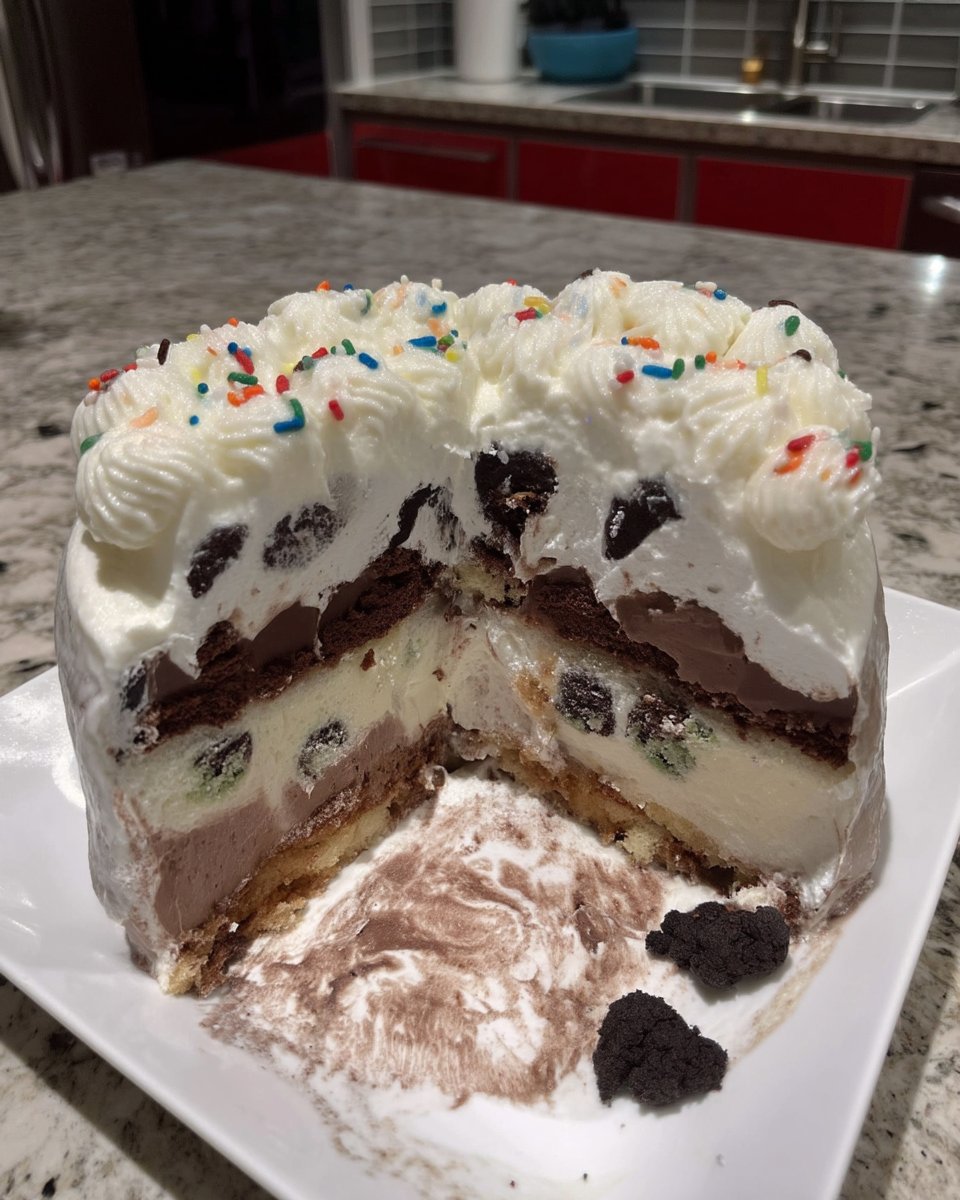
Mastering this Cookies and Cream Cake is about more than just following instructions; it is about understanding how temperature, air, and quality ingredients interact to create something beautiful. Whether you are baking for a birthday or simply to practice your technique, treat each step with care. The result—a towering, speckled masterpiece of dark chocolate and sweet cream—is worth every moment of effort.
Remember, baking in small batches allows you to focus on the details. Perfect your crumb coat, get your buttercream to the ideal consistency, and enjoy the process. For another challenge in texture and hazelnut flavor, I encourage you to try our Ferrero Rocher cake next.
For a different perspective on this American classic, you can also explore the version at iambaker.net, which offers its own take on this beloved flavor profile.
Connect with us and share your beautiful creations: