In the world of fine patisserie, we often strive for pristine, smooth surfaces, but there is a distinct beauty in the rustic, chaotic cracking of a well-baked treat. This cake, affectionately known as the “Earthquake Cake,” celebrates the delightful intersection of textures—where a rich chocolate sponge creates its own topography around pockets of sweetened cream cheese. It reminds me that not every confection requires a smooth glaze to be truly magnificent; sometimes, the flavor lies in the fault lines.

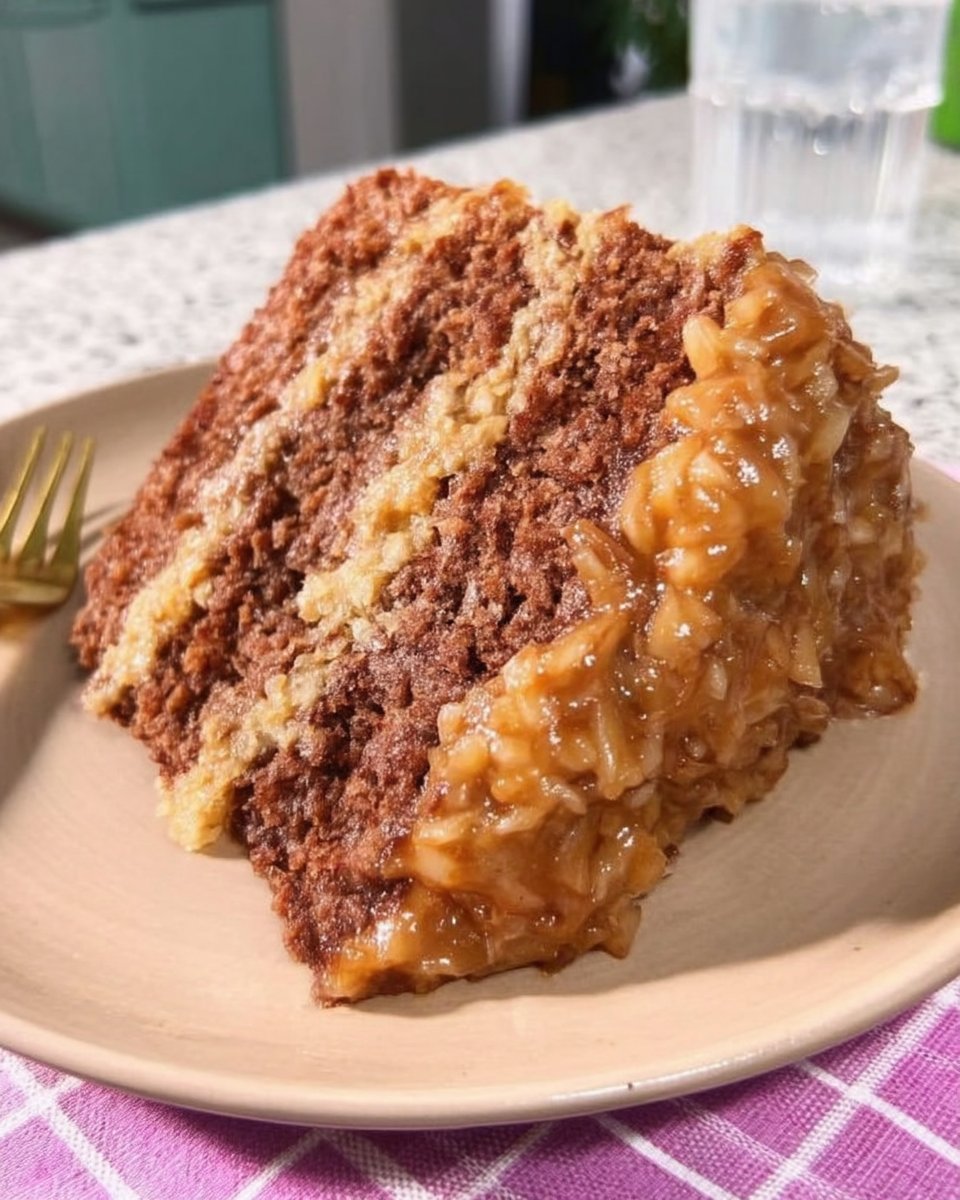
This recipe takes the beloved profile of a German chocolate cake and inverts the traditional structure, placing the coconut and pecan elements at the base. As it bakes, the batter rises and shifts around a luxurious cream cheese ribbon, creating deep crevices and molten peaks. It is a lesson in controlled chaos, resulting in a dessert that is visually striking and exceptionally moist.
The Beauty of Imperfection
Precision in baking usually dictates distinct layers, but here, we invite them to merge. You will adore how the cream cheese mixture sinks into the chocolate batter, creating a texture akin to a cheesecake-brownie hybrid. It requires no frosting, as the “earthquake” effect creates a rustic, self-decorated finish that is ready to serve the moment it cools slightly.
Print
Earthquake Cake
- Total Time: 50 mins
- Yield: 12 servings
- Diet: Vegetarian
Description
Experience the delightful chaos of the Earthquake Cake, where a rich chocolate sponge merges with a decadent cream cheese swirl over a crunchy coconut and pecan base. This rustic dessert creates its own beautiful fault lines as it bakes, resulting in a fudgy, cheesecake-like texture that is effortlessly elegant.
Ingredients
- 1 cup flaked coconut
- 1 cup chopped pecans
- 1 package (15.25 oz) German chocolate cake mix
- 1 cup water
- 1/2 cup vegetable oil
- 3 large eggs
- 8 oz cream cheese, softened
- 1/2 cup unsalted butter, softened
- 1 teaspoon vanilla extract
- 4 cups confectioners’ sugar
Instructions
- Preheat oven to 350°F (175°C) and lightly grease a 9×13-inch baking pan.
- Distribute the flaked coconut and chopped pecans evenly across the bottom of the pan to create the base layer.
- In a large mixing bowl, combine the cake mix, water, oil, and eggs, beating until the batter is glossy and smooth.
- Pour the chocolate batter over the coconut and pecan layer, spreading it to the edges.
- In a separate bowl, beat the softened cream cheese, butter, and vanilla until pale and creamy, then gradually fold in the confectioners’ sugar until silky.
- Dollop the cream cheese mixture over the batter and swirl gently with a knife to create a marbled effect.
- Bake for 30 to 35 minutes until the edges are set; the center should remain slightly wobbly as it will firm up while cooling.
Notes
To ensure a perfectly smooth cream cheese ribbon, sift the confectioners’ sugar before mixing to remove any stubborn clumps. For the best flavor contrast, use high-quality unsweetened flaked coconut and toast the pecans for a few minutes in a dry skillet before adding them to the pan. Remember that the cake will appear slightly underdone in the center when removed from the oven, but it will firm up into a fudgy consistency as it cools.
- Prep Time: 15 mins
- Cook Time: 35 mins
- Category: Dessert
- Method: Baking
- Cuisine: American
Mise en Place: The Essentials
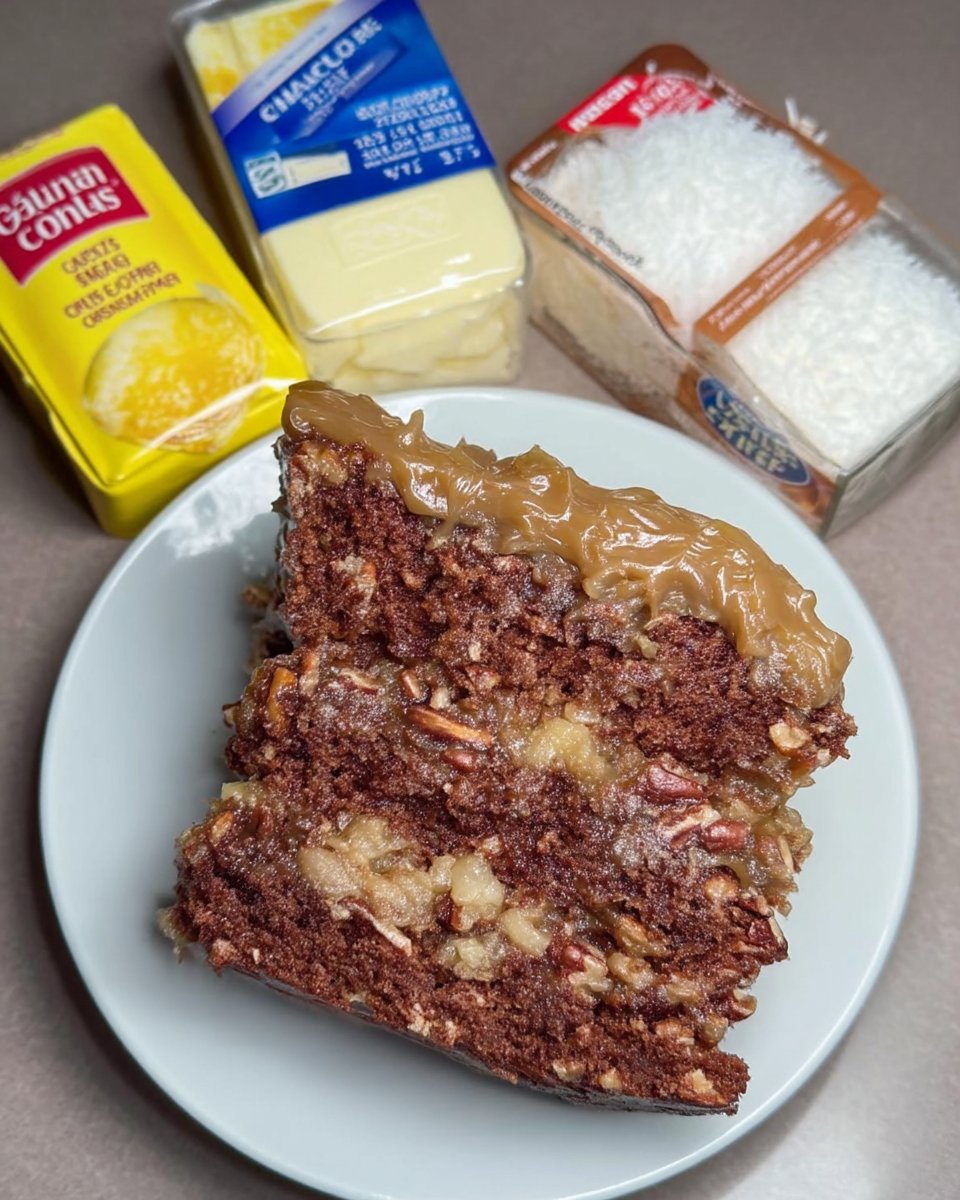
Quality ingredients are the secret to transforming a simple base into a sophisticated dessert. While this recipe utilizes a mix for consistency, we treat every element with the care of a scratch-made *gâteau*.
- Coconut and Pecans: These form the foundational crust. I recommend lightly toasting the pecans (classic *noix de pécan*) beforehand to awaken their natural oils and crunch.
- German Chocolate Cake Base: We enrich this base with high-quality oil and eggs to yield a tender crumb structure.
- Cream Cheese: Full-fat block cream cheese is essential here. It must be softened to room temperature to blend smoothly with the butter.
- Confectioners’ Sugar: Sift your sugar to avoid any lumps in the cheesecake swirl, guaranteeing a silky mouthfeel.
- Unsalted Butter: Using unsalted butter allows us to control the seasoning, providing a creamy richness to the filling.
Le Méthode: Step-by-Step
Step 1: Prepare the Foundation
Begin by preheating your oven to 350°F (175°C). Precision in temperature is vital for the proper rise. Lightly grease a 9×13-inch baking pan. Evenly distribute the flaked coconut and chopped pecans across the bottom of the pan. This layer will become a caramelized crust that contrasts beautifully with the soft sponge.
Step 2: Mix the Chocolate Batter
In a large mixing bowl, combine the German chocolate cake mix, water, vegetable oil, and eggs. Beat on medium speed just until the batter is glossy and uniform. Avoid overworking the batter, as we want to maintain a tender crumb structure. Pour this chocolate mixture gently over the coconut and pecan layer, covering it completely.
Step 3: Create the Cream Cheese Ribbon
In a separate bowl, beat the softened cream cheese, butter, and vanilla extract until the mixture is creamy and pale. Gradually fold in the confectioners’ sugar, mixing until silky smooth. This is similar to preparing a cheesecake batter; we want no lumps, just a velvety consistency.
Step 4: The Marbling Technique
Pour or dollop the cream cheese mixture over the chocolate batter. You may gently swirl it with a knife for a marbled effect, or leave it in distinct pools. This variation in density is what causes the cake to “quake” and crack as it bakes.
Step 5: The Bake
Bake for 30 to 35 minutes. The cake is done when the edges are set and the center has puffed and cracked significantly. Note that a toothpick will *not* come out clean due to the molten cream cheese pockets; this is expected and desired for a fudge-like texture.
Mastery of Texture
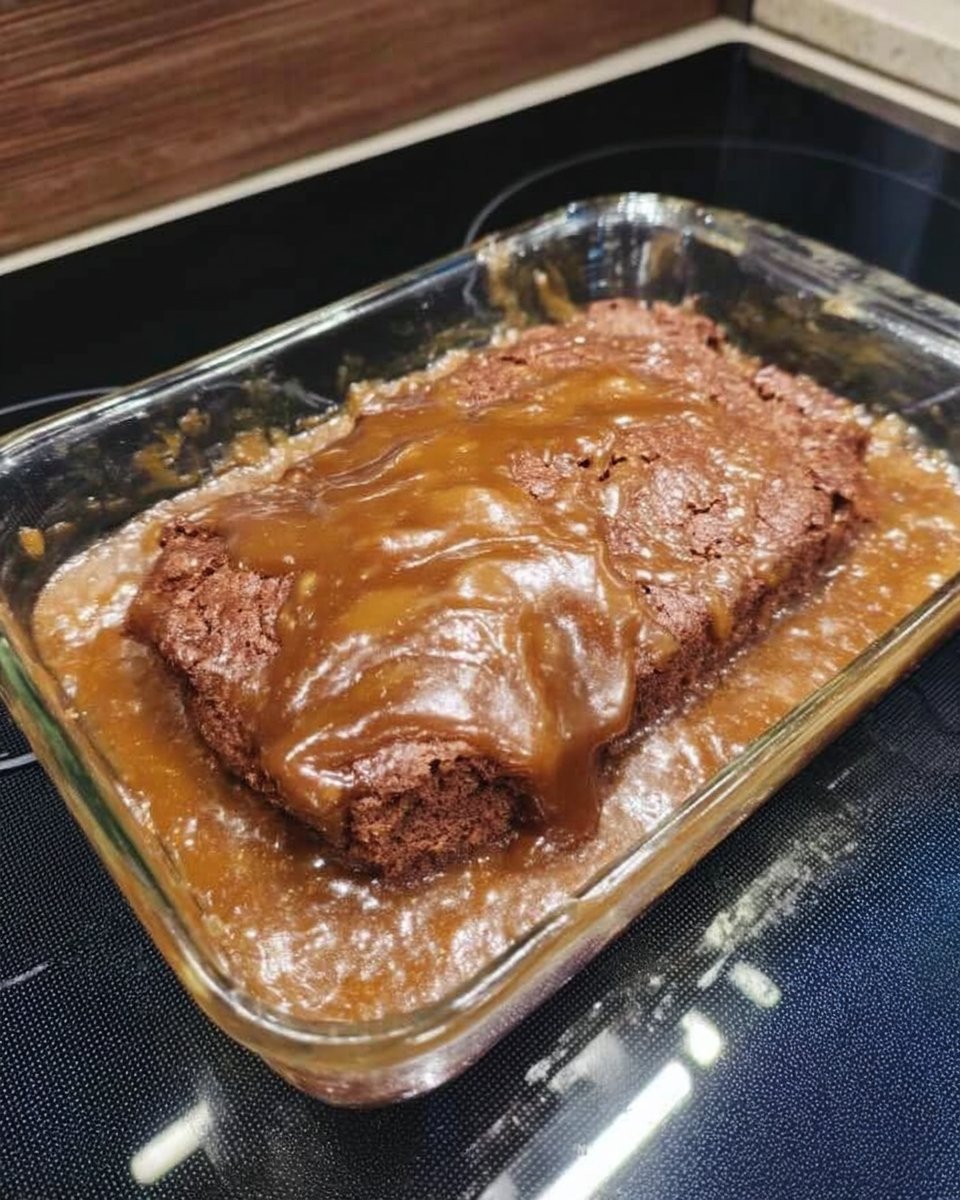
- Temperature Matters: Make certain your cream cheese and butter are truly at room temperature before mixing. If they are cold, you will have small lumps of fat that will melt greasy rather than emulsifying into a smooth ribbon.
- The Toothpick Test: Do not rely on a standard skewer test for this *gâteau*. Because of the cream cheese pockets, the center should remain slightly wobbly when you pull it from the oven. It will set as it cools, retaining that desirable, fudgy consistency similar to our German chocolate cake.
- Toast the Nuts: For a deeper flavor profile, toast the pecans in a dry pan for 2–3 minutes before layering them. This small step adds a fragrant nuttiness that balances the sweetness of the sugar.
Refined Variations
While the classic recipe uses German chocolate, one can adapt the method for different palates.
- Dark Chocolate Decadence: Use a dark fudge cake base and add a pinch of espresso powder to the batter to intensify the chocolate notes.
- Citrus Note: Add the zest of one orange to the cream cheese mixture. Chocolate and orange is a classic French pairing that adds brightness to the rich sugar.
- Texture Contrast: If you prefer a smoother crumb, you might enjoy the texture of our chocolate fudge cake as a base, though the German chocolate mix offers a lighter suspension for the heavy cream cheese.
L’Art de Servir
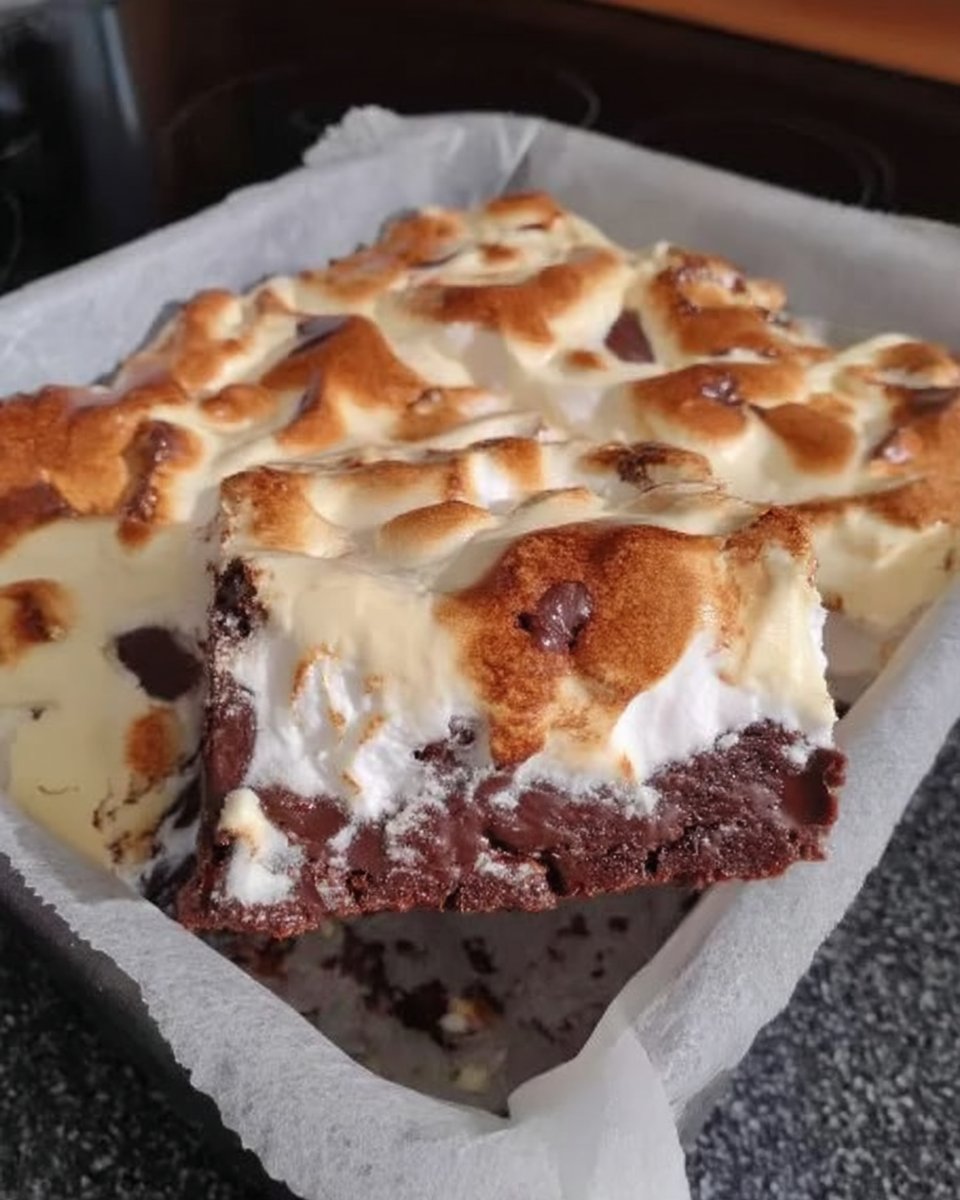
This cake is best served slightly warm or at room temperature to allow the flavors to bloom.
- Plating: Slice squares and serve on delicate china. Because the cake is rich and visually busy, no heavy garnishes are needed.
- Accompaniments: A simple dollop of unsweetened whipped cream (*crème chantilly*) balances the sweetness. It pairs exquisitely with a dark roast coffee or a vintage port.
- Comparison: Unlike a structured layer cake or a nostalgic vintage cake, this dessert is meant to be scooped or sliced casually, emphasizing comfort over architectural perfection.
Final Thoughts
The Earthquake Cake is a testament to the idea that beauty exists in the broken and the bold. It is a dessert that prioritizes pleasure and texture above symmetry. Whether you are baking for a casual gathering or simply treating yourself to a moment of sweetness, this recipe delivers satisfaction in every forkful. For a more traditional approach to chocolate, you might revisit our old-fashioned chocolate cake.