I can still hear the sound of the heavy tin lid prying open in my grandmother’s pantry, revealing a dark, spice-scented treasure wrapped in cheesecloth. For her, making fruitcake wasn’t just a holiday chore; it was a ritual that began weeks before the guests arrived, a promise of warmth on cold winter nights. It sat there aging, the flavors melding into something far richer and more complex than any fresh-baked treat could hope to be.

This recipe honors that tradition, yielding a cake that is dense, dark, and brimming with macerated dried fruits and toasted nuts. It avoids the neon-bright citron of modern jokes, favoring deep flavors like molasses, dark brown sugar, and holiday spices. Whether you brush it with brandy or keep it simple with apple juice, this loaf improves with patience, becoming moist and tender as the days pass.
Why This Recipe is a Keeper
There is a magic to baking something that is meant to last, a quiet rebellion against the rush of the season. This fruitcake is a far cry from the dry, crumbly bricks you might fear; it is incredibly moist, thanks to a generous soak of fruit and a batter rich with butter and dark sugar.
- Flavor Depth: The combination of boiled cider (or dark corn syrup) and brown sugar creates a caramel-like backdrop for the spices.
- Customizable: You can easily swap the dried fruits for your family favorites, making it truly your own.
- Make-Ahead Friendly: This cake actually tastes better after resting, making it the perfect bake to check off your list weeks in advance.
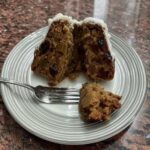
Fruitcake
- Total Time: 2 hours 35 mins
- Yield: 2 loaves
- Diet: Vegetarian
Description
This traditional fruitcake is dense, incredibly moist, and packed with deep caramel notes from dark brown sugar and boiled cider. Unlike mass-produced versions, it features a rich blend of dried fruits and toasted nuts, creating a sophisticated holiday dessert that ages beautifully.
Ingredients
- 1 cup diced pineapple
- 1 cup raisins
- 1 cup chopped dates
- 1 cup chopped dried apricots
- 1/2 cup candied cherries
- 1 cup rum, brandy, or apple juice (for soaking)
- 1 cup unsalted butter, room temperature
- 2 cups dark brown sugar
- 1 teaspoon salt
- 1 teaspoon ground cinnamon
- 1/2 teaspoon ground allspice
- 1/2 teaspoon ground nutmeg
- 1 teaspoon baking powder
- 4 large eggs
- 3 cups all-purpose flour
- 2 tablespoons black cocoa (optional, for color)
- 1/2 cup boiled cider or dark corn syrup
- 1/2 cup additional apple juice or water
- 2 cups toasted pecans or walnuts
Instructions
- Combine the pineapple, raisins, apricots, dates, and cherries in a large bowl and pour the soaking liquid over them; cover and let sit overnight or microwave for 1 minute and rest for an hour.
- Preheat your oven to 300°F (150°C) and lightly grease two 9″ x 5″ loaf pans or several smaller baking pans.
- In a large bowl, cream together the room-temperature butter and dark brown sugar until the mixture is smooth and cohesive.
- Beat in the salt, cinnamon, allspice, nutmeg, and baking powder, then add the eggs one at a time, scraping the bowl after each addition.
- In a separate bowl, whisk the flour and cocoa together, then gently beat the flour mixture and the boiled cider or syrup into the butter mixture.
- Stir in the additional juice or water, then fold in the macerated fruit (including any remaining liquid) and the toasted nuts until evenly distributed.
- Fill the prepared pans about 3/4 full and bake on the middle rack for 2 hours to 2 hours and 15 minutes (60-75 minutes for smaller loaves) until a tester comes out clean.
- Cool in the pans for 5 minutes before turning out; brush the warm cakes with additional liquor or syrup and wrap tightly in plastic wrap once completely cool.
Notes
For the best flavor development, bake this cake at least one week before you plan to serve it, storing it in a cool, dark place. If you notice the top of the cake browning too quickly during the long bake time, loosely tent the pans with aluminum foil after the first hour.
- Prep Time: 20 mins
- Cook Time: 2 hours 15 mins
- Category: Dessert
- Method: Baking
- Cuisine: American
The Pantry Staples
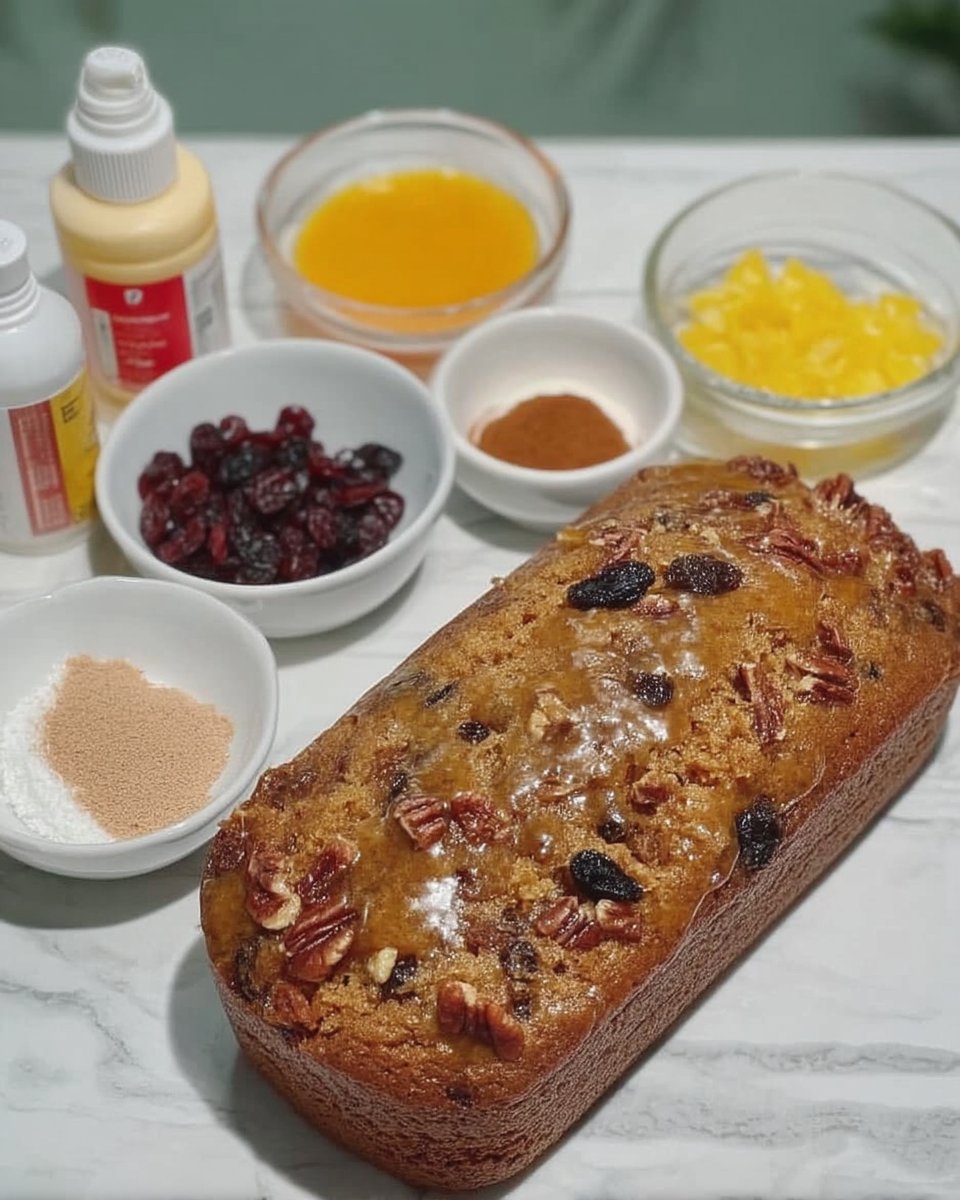
To create a fruitcake with genuine vintage character, we rely on quality ingredients that bring moisture and warmth. Here is what you will need to gather on your counter.
- Dried Fruit: A mix of diced pineapple, raisins, chopped dates, and apricots provides the heart of the cake. I also love adding candied cherries for that classic jewel-toned look.
- Soaking Liquid: You can use rum or brandy for a traditional “boozy” cake, or stick to apple juice or cranberry juice for a non-alcoholic version that is just as delicious.
- Butter & Sugar: Unsalted butter and dark brown sugar cream together to form a rich, heavy base that supports the fruit.
- Spices: A warming blend of cinnamon, allspice, and nutmeg brings the scent of Christmas into your kitchen.
- Boiled Cider or Dark Corn Syrup: This is the secret to the cake’s dark color and moisture. If you can’t find boiled cider, dark corn syrup works beautifully.
- Nuts: Toasted pecans or walnuts add a necessary crunch to balance the soft fruit.
How to Make It
Step 1: Macerate the Fruit
Combine all your dried fruits—pineapple, raisins, apricots, dates, and cherries—in a large non-reactive bowl. Pour your chosen liquid (rum, brandy, or juice) over them. Cover the bowl and let it sit overnight at room temperature to plump up. If you are in a hurry, you can microwave the mixture for about one minute until hot, then let it rest for an hour.
Step 2: Prepare Your Pans
Preheat your oven to 300°F (150°C). This batter is generous! It makes enough for two standard 9″ x 5″ loaves, or several smaller pans (like 6-8 medium loaves or even muffin tins). Grease your chosen pans lightly. If using muffin tins, I recommend using liners.
Step 3: Cream the Butter and Sugar
In a very large bowl (you’ll need the space!), beat the room-temperature unsalted butter and dark brown sugar together until the mixture is smooth and well combined. It won’t be as fluffy as a sponge cake batter, but it should be cohesive.
Step 4: Add Eggs and Dry Ingredients
Beat in the salt, cinnamon, allspice, nutmeg, and baking powder. Add the eggs one at a time, scraping down the bowl after each addition to keep things even. In a separate small bowl, whisk the flour and cocoa (if using) together. Gently beat the flour mixture and the boiled cider (or syrup) into the butter mixture.
Step 5: Fold in the Fruit
Stir in the additional juice or water. Then, add the macerated fruit (including any liquid left in the bowl) and the toasted nuts. Stir by hand or on low speed until everything is evenly distributed. It will be a heavy, thick batter studding with jewels of fruit.
Step 6: Bake Low and Slow
Fill your pans about 3/4 full. Bake on the middle rack. Standard loaves take about 2 hours to 2 hours and 15 minutes. Smaller loaves will take 60–75 minutes. The cakes are done when a tester inserted into the center comes out clean.
Step 7: Glaze and Age
Let the cakes cool in the pans for about 5 minutes, then turn them out. While still warm, brush them generously with rum, brandy, or a simple syrup. Let them cool completely before wrapping tightly in plastic wrap. Store at room temperature.
Secrets from the Recipe Box
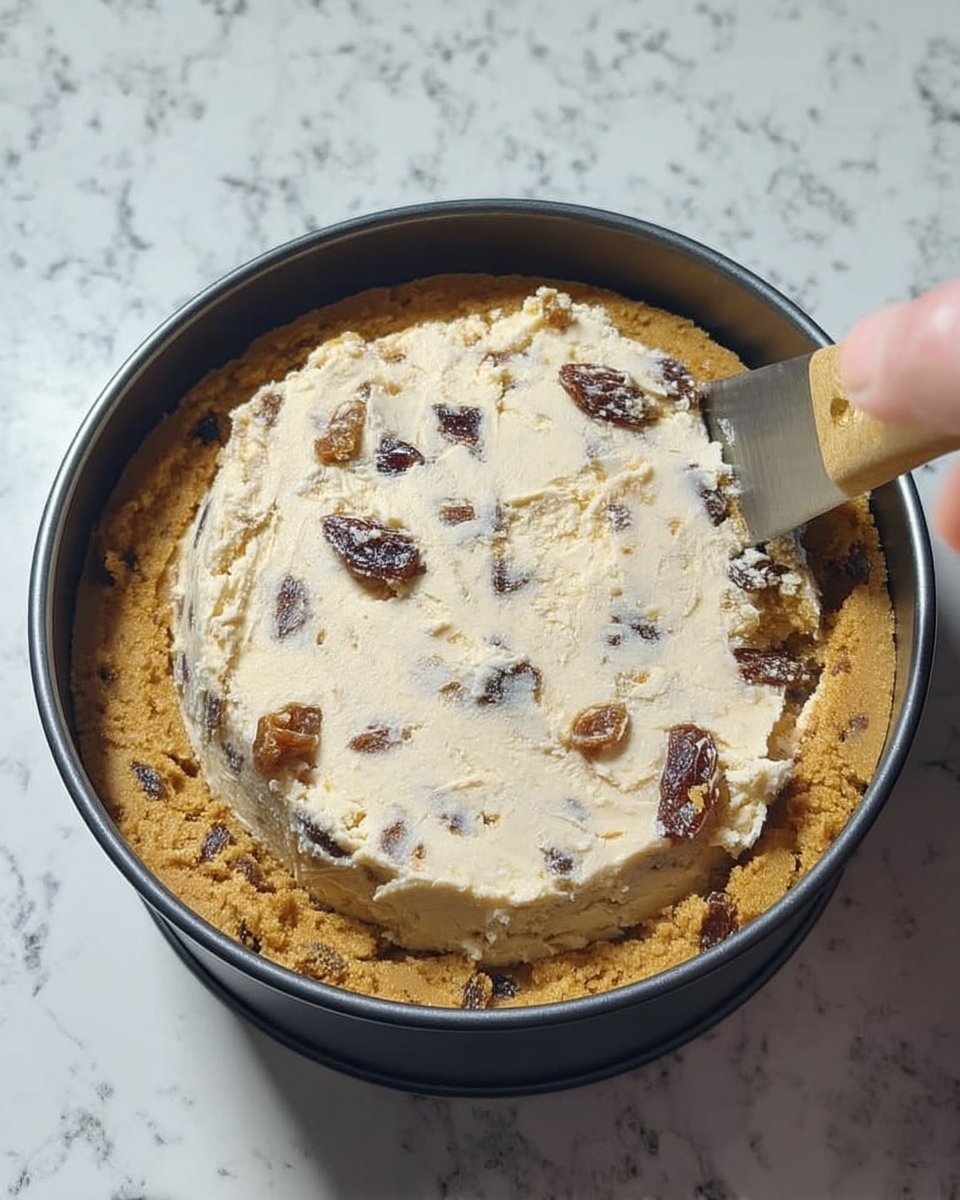
Baking fruitcake is a lesson in patience, much like waiting for a vintage cake to cool properly before frosting. Here are a few tips to ensure success.
- The Cocoa Trick: Adding a tablespoon or two of black cocoa isn’t for chocolate flavor—it’s an old baker’s trick to give the cake a deep, dark, antique color without burning it.
- Low Temperature: We bake at 300°F because of the high sugar content. A higher temperature would burn the outside before the heavy center is cooked.
- Feeding the Cake: If you plan to keep the cake for weeks, brush it with a little more liquor once a week. This process, often called “feeding,” keeps it preserved and incredibly moist.
- Kitchen Scale: For the most accurate results with all this fruit, weighing your ingredients is best. The batter is dense, and cups can vary.
Make It Your Own
Fruitcake is wonderfully adaptable. While I cherish the classic version, you can certainly adjust it to suit your pantry or palate.
- Light Fruitcake: Skip the cocoa and use light brown sugar and golden corn syrup. Use golden raisins and dried apricots for a glowing, golden loaf.
- Nut-Free: If you have allergies, simply omit the nuts or replace them with pumpkin seeds for crunch.
- Fresh Twist: If you find dried fruit too intense, you might prefer the lighter texture of an Irish apple cake, which celebrates fresh fruit instead.
- Citrus Zest: Add the zest of an orange or lemon to the butter mixture for a brighter aroma.
At the Table
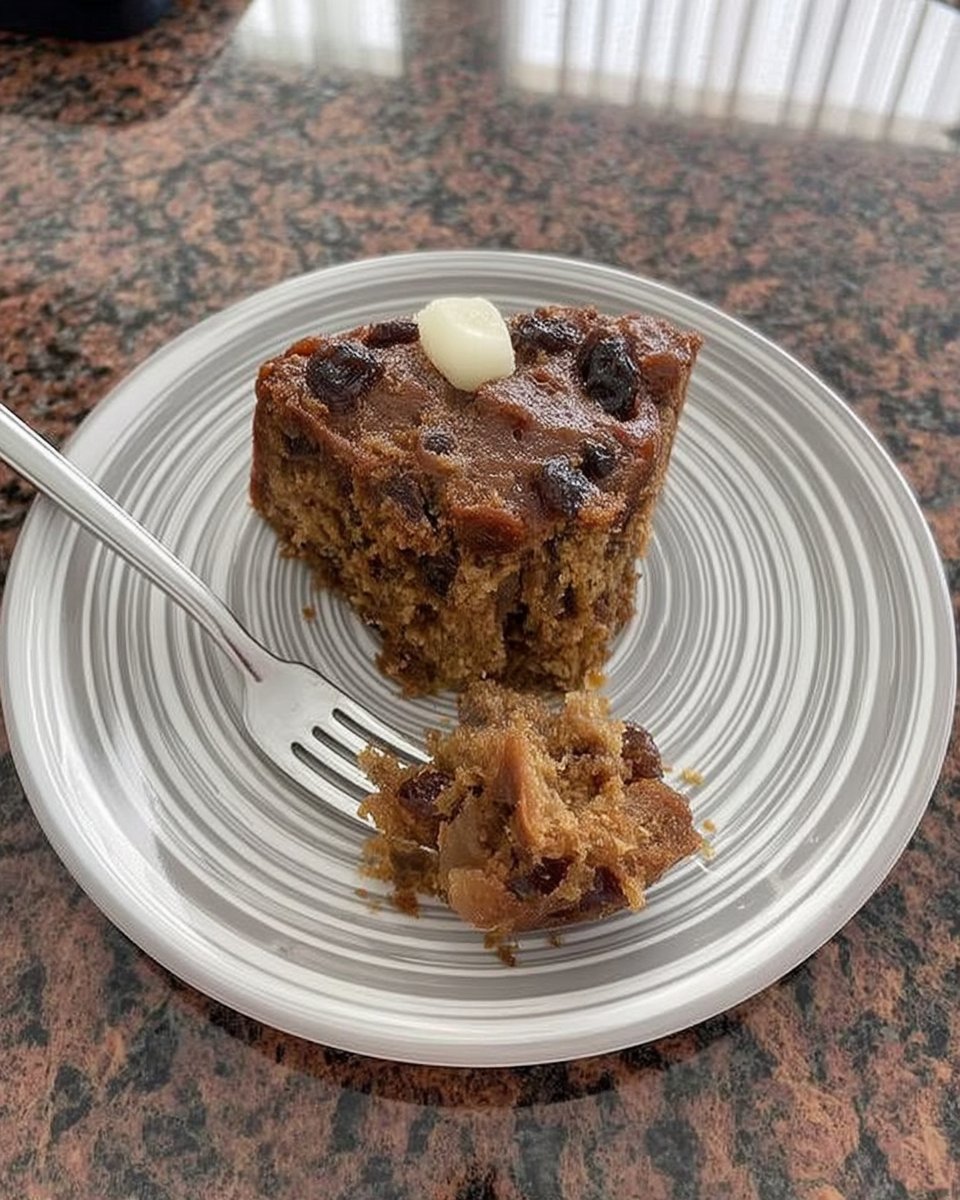
I love serving this cake on my grandmother’s floral china, sliced thin to show off the stained-glass effect of the fruit. It is a heavy cake, so a small slice goes a long way. It sits perfectly alongside a hot afternoon tea or coffee. If you are hosting a holiday brunch, serve this alongside a lighter blueberry coffee cake to offer your guests a variety of textures and sweetness levels.
A Final Slice
There is a deep comfort in slicing into a cake that has been waiting for you. It reminds us that good things take time and that the old ways often hold the most flavor. Whether you bake this for gifts or for your own quiet mornings, I hope it brings a sense of heritage to your kitchen. Remember to keep your fruit fresh and your pantry stocked, and you’ll always be ready to bake.
For more inspiration on this classic, you can visit the experts at King Arthur Baking. Happy baking, friends.