In the quiet corners of my favorite Parisian patisseries, I learned that even the most whimsical creations deserve the utmost technical precision. This Funfetti Cake is not merely a celebration of color, but a masterclass in achieving a light, tender crumb that melts on the tongue. It reminds me of the first time I saw a professional pastry chef apply rigorous technique to a playful concept, proving that joy and sophistication can coexist in a single bite.

Mastering this recipe requires attention to the emulsion of fats and the delicate aeration of the batter. By using a combination of butter for flavor and vegetable oil for lasting moisture, we create a cake that stays remarkably soft. This small-batch approach allows you to focus on the fine details, ensuring every sprinkle is perfectly suspended and every layer is leveled with the grace of a seasoned artisan.
Mastering the Joyful Classic
There is a profound satisfaction in taking a childhood favorite and perfecting it through the lens of professional pastry technique. This recipe matters because it refuses to compromise on quality, moving away from artificial box mixes toward an authentic, scratch-made experience. You will love this cake for its refined texture and the subtle depth provided by the hint of almond extract, which acts as a secret bridge between the vanilla and the buttery crumb.
Beyond the flavor, this method teaches you the importance of temperature and timing. When you see the batter reach that beautiful ribbon stage, you are witnessing the foundation of all great sponge cakes. This is more than a dessert; it is an opportunity to practice the quiet, methodical steps that transform simple ingredients into something extraordinary. Whether it is a quiet weekend or a grand milestone, the clarity of flavor here is unmatched.
Print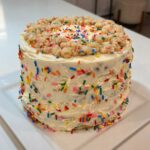
Funfetti Cake
- Total Time: 1 hour
- Yield: 12 servings
- Diet: Vegetarian
Description
Experience the perfect balance of childhood whimsy and pastry-shop sophistication with this tender Funfetti Cake. This recipe utilizes professional techniques like fat emulsification and a dual-fat base to create a light, moist crumb accented by delicate vanilla and almond notes.
Ingredients
- 2 1/4 cups cake flour
- 1/2 cup unsalted butter, room temperature
- 1/4 cup vegetable oil
- 1 1/2 cups granulated sugar
- 3 large eggs, room temperature
- 1 tablespoon pure vanilla extract
- 1/2 teaspoon pure almond extract
- 1 cup buttermilk, room temperature
- 2 1/2 teaspoons baking powder
- 1/2 teaspoon salt
- 1/2 cup rainbow jimmies (sprinkles)
- 3 cups powdered sugar
- 1/2 cup unsalted butter, softened (for frosting)
- 2–3 tablespoons whole milk
Instructions
- Preheat your oven to 350°F (175°C) and line two 8-inch round pans with parchment paper, lightly greasing the sides.
- In a stand mixer fitted with the whisk attachment, beat the room-temperature butter and vegetable oil on medium-high for 2 minutes until smooth and cohesive.
- Gradually add the granulated sugar and continue beating for another 2 minutes until the mixture is light, fluffy, and pale yellow.
- Add the eggs one at a time, followed by the vanilla and almond extracts, beating on medium-high until the mixture is voluminous and fully emulsified.
- In a separate bowl, whisk together the cake flour, baking powder, and salt.
- With the mixer on the lowest setting, alternate adding the dry ingredients and the buttermilk in three additions, starting and ending with the flour.
- Using a silicone spatula, gently fold the sprinkles into the batter by hand to prevent the colors from bleeding.
- Divide the batter equally between the prepared pans and bake for 30 to 40 minutes, or until the tops spring back and a tester comes out clean.
- Allow the cakes to rest in their pans for 10 minutes before inverting them onto a cooling rack to cool completely.
- Beat the frosting ingredients until glossy and spreadable, then assemble by applying a thin crumb coat, chilling for 15 minutes, and finishing with a final smooth layer of buttercream.
Notes
To ensure a perfectly stable emulsion, make sure your eggs and buttermilk are truly at room temperature before beginning; this prevents the butter from seizing and ensures a velvety texture. For the cleanest slices, always chill the assembled cake for at least 30 minutes before cutting with a hot, dry knife.
- Prep Time: 25 mins
- Cook Time: 35 mins
- Category: Dessert
- Method: Baking
- Cuisine: American
The Foundation of a Flawless Crumb
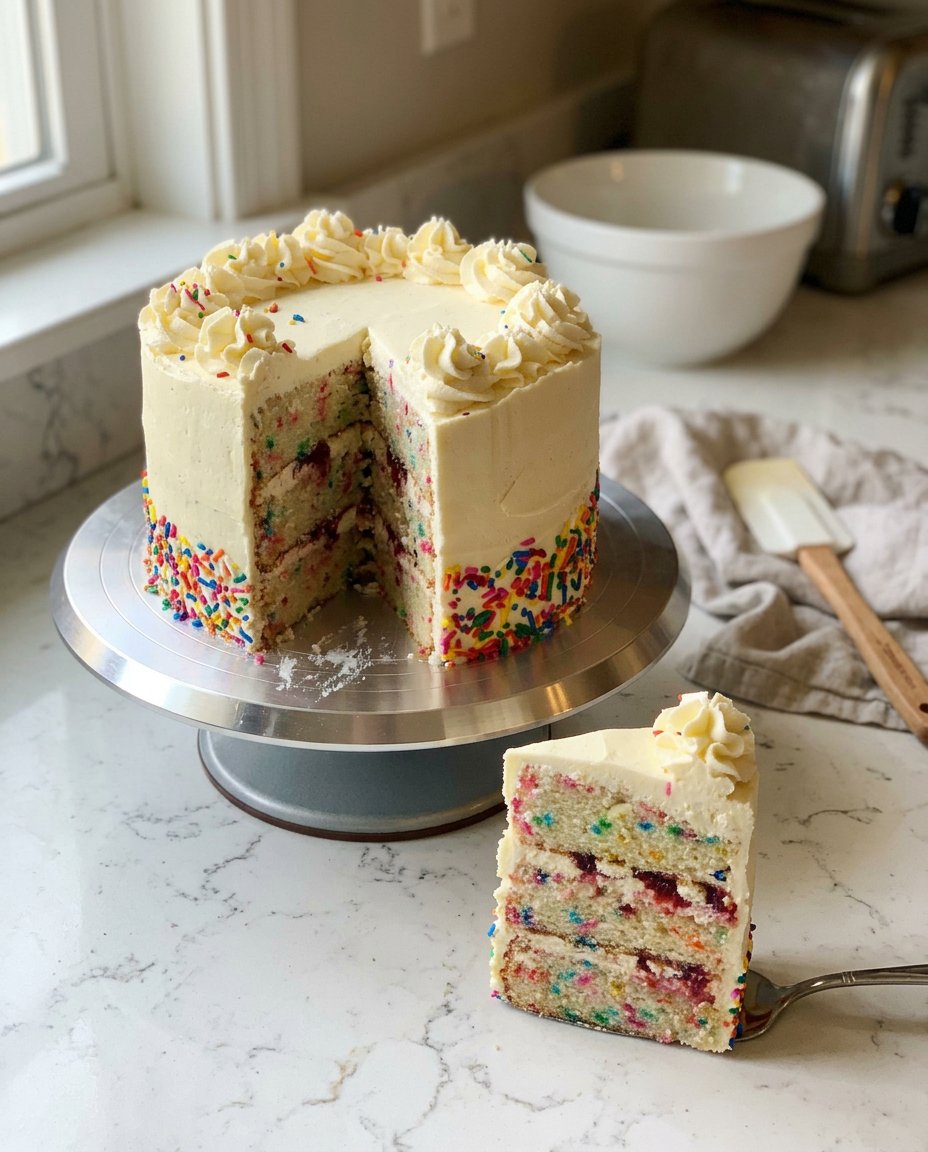
Selecting your ingredients with care is the first step toward pastry mastery. In my kitchen, I always emphasize that the quality of your butter and the fineness of your flour dictate the final elegance of the cake. Each component plays a specific role in the architecture of the crumb.
- Cake Flour: This is essential for a tender, fine-grained result. Its lower protein content prevents the over-development of gluten, which would otherwise make the cake heavy or tough.
- Unsalted Butter and Vegetable Oil: We use butter for its incomparable flavor and oil for its ability to keep the cake moist even when refrigerated. Together, they create a superior mouthfeel.
- Buttermilk: The acidity in buttermilk reacts with the baking powder to provide a gentle lift while tenderizing the gluten for a velvety finish.
- Pure Vanilla and Almond Extracts: Using high-quality extracts is vital. The almond extract provides that classic “birthday” profile without being overpowering.
- Sprinkles (Jimmies): Opt for high-quality sugar strands that hold their shape and color during the bake, rather than nonpareils which tend to bleed into the batter.
The Method of Precision
Step 1: Prepare the Foundation
Begin by preheating your oven to 350°F (175°C). The stability of your oven temperature is critical for an even rise. Line two 8-inch round pans with parchment paper, ensuring the paper is flat against the bottom to avoid wrinkles. Lightly grease the sides; this allows the batter to climb the walls of the pan uniformly, resulting in a level top.
Step 2: Emulsify the Fats
In the bowl of your stand mixer, fitted with the whisk attachment, combine the room-temperature butter and vegetable oil. Start on a low speed to prevent splashing, then gradually increase to medium-high. Beat for approximately 2 minutes until the mixture is cohesive and smooth. This step is about creating a stable base for the sugar to follow.
Step 3: Aerate with Sugar
Slowly add the granulated sugar while the mixer is running. Continue beating on medium-high for another 2 minutes. You are looking for a transformation: the mixture should become light, fluffy, and a very pale yellow. This process, known as creaming, incorporates tiny air pockets that will expand in the oven, giving the cake its lift.
Step 4: Incorporate the Aromatics and Eggs
Scrape down the sides and the bottom of the bowl with a silicone spatula to ensure no pockets of unmixed fat remain. Add the eggs one at a time, followed by the vanilla and almond extracts. Beat on medium-high until the mixture looks voluminous and pale, almost like a thick cream. This ensures the eggs are fully emulsified into the fats.
Step 5: The Gentle Addition of Dry Ingredients
Whisk the cake flour, baking powder, and salt in a separate bowl. With the mixer on its lowest setting, alternate adding the dry ingredients and the buttermilk in three additions. Start with half the flour, then all the buttermilk, and finish with the remaining flour. Stop as soon as the last streaks of flour disappear; overmixing at this stage will develop gluten and ruin the delicate texture.
Step 6: Fold in the Color
Using your spatula, gently fold the sprinkles into the batter. This manual movement prevents the sprinkles from breaking or bleeding excessively. Divide the batter equally between your prepared pans. Use the spatula to smooth the surface into a flat layer, which encourages an even bake.
Step 7: Bake to Perfection
Place the pans in the center of the oven. Bake for 30 to 40 minutes. The cakes are done when the tops spring back lightly when touched and a thin knife inserted into the center comes out clean. Avoid opening the oven door too early, as the sudden drop in temperature can cause the delicate structure to collapse.
Step 8: Cooling and Releasing
Allow the cakes to rest in their pans for about 10 minutes. This setting period is crucial for the structure. Run a knife carefully around the edges to loosen the sides, then invert the cakes onto a cooling rack. Remove the parchment paper and let them cool completely before you even think about frosting. A warm cake will melt the buttercream, destroying your hard work.
Step 9: Craft the Buttercream
For the frosting, beat the softened butter and powdered sugar until light and airy. Add the vanilla, salt, and milk gradually. The goal is a consistency that is spreadable but holds its shape. If the frosting feels too soft, chill it for a few minutes to regain its structure. Beat for an additional 3 minutes to achieve a glossy, professional finish.
Step 10: The Art of Assembly
Place your first layer on a cake stand. Spread about a third of the frosting evenly to the edges. Top with the second layer, ensuring it is centered. Apply a thin “crumb coat” of frosting to the entire cake and chill for 15 minutes. This seals in the crumbs, allowing your final layer of frosting to be pristine and smooth.
Pastry Wisdom for Success
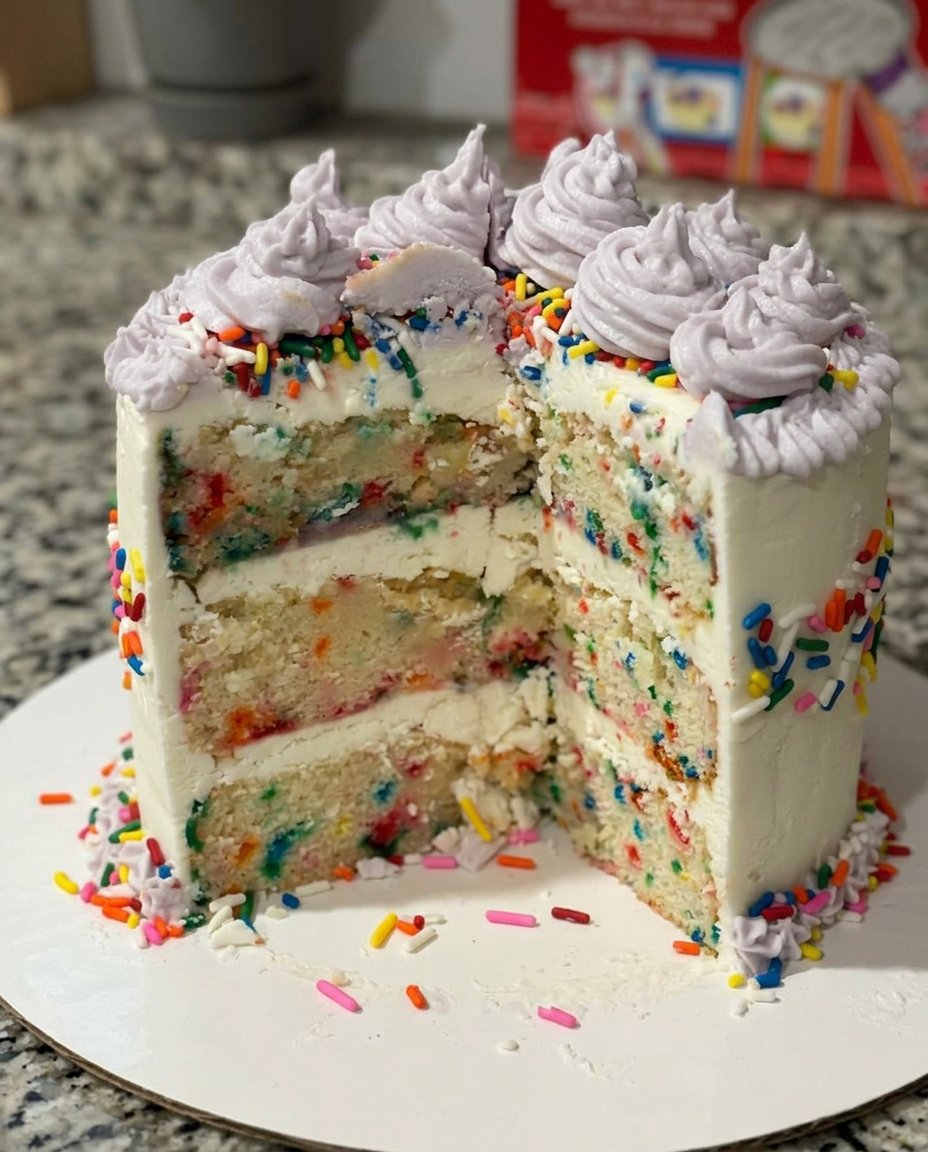
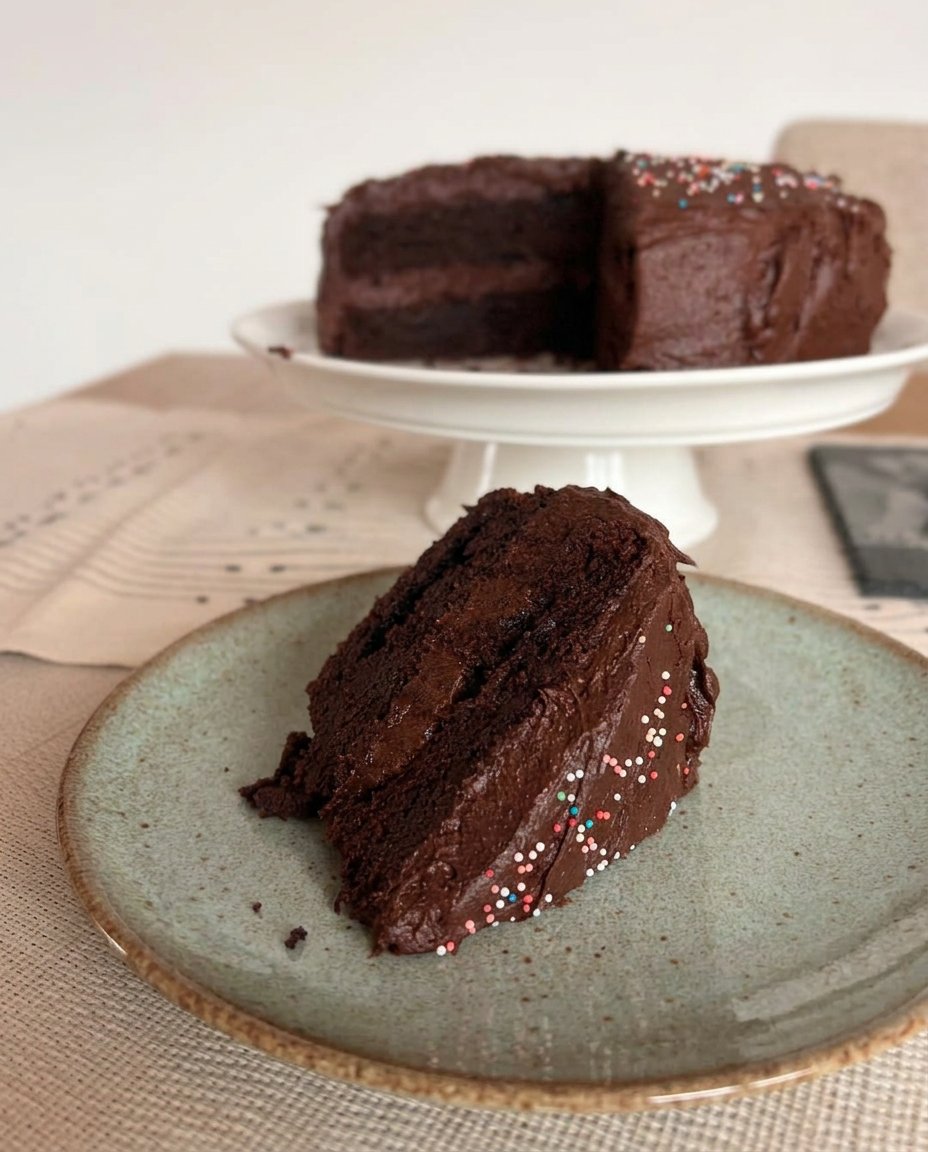
Precision is the hallmark of a great baker. Always ensure your eggs and buttermilk are at room temperature; cold ingredients will cause the butter to seize, resulting in a broken emulsion and a dense cake. If you find yourself in a hurry, you can place cold eggs in a bowl of warm water for five minutes to take the chill off. For more guidance on achieving the perfect base for your creations, consider our techniques for a yellow cake with chocolate frosting.
Another secret to a professional finish is the crumb coat. This thin initial layer of frosting acts as a primer, trapping any loose crumbs so they don’t mar the beauty of your final decorations. When applying the final layer of buttercream, use a bench scraper held at a 45-degree angle against the side of the cake while rotating the turntable. This creates the sharp, clean edges seen in high-end patisseries. For a deeper look at professional cake structures, you can see how the experts handle Funfetti Cake to achieve that iconic look.
Refined Twists on a Classic
While the traditional vanilla and almond profile is timeless, you can introduce subtle variations to suit the season. Adding the zest of a single lemon to the sugar during the creaming stage provides a bright, citrusy lift that cuts through the sweetness of the buttercream. If you enjoy playing with color and citrus, you might also find inspiration in our lemon rainbow cake, which uses similar principles of joyful presentation.
For a more sophisticated floral note, replace the almond extract with a teaspoon of food-grade dried lavender ground into the sugar. This creates a botanical version of the Funfetti cake that feels grown-up and elegant. You can also experiment with the types of sprinkles used; chocolate vermicelli provides a “stracciatella” effect that is both visually striking and delicious when paired with a dark chocolate ganache filling.
The Art of Presentation
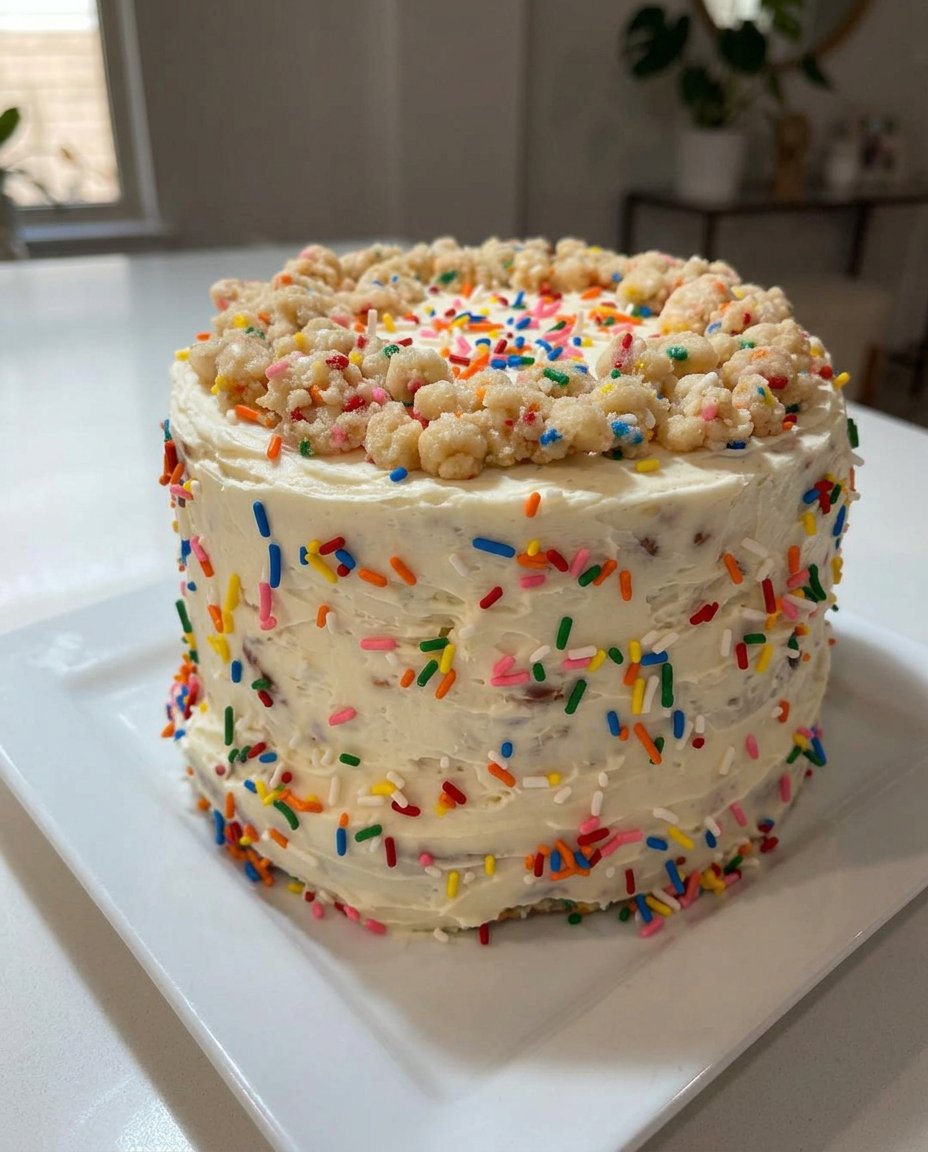
To serve this cake with true elegance, use a sharp chef’s knife dipped in hot water and wiped dry between each cut. This ensures clean slices where the colorful interior is displayed without smearing the frosting. This cake pairs beautifully with a dry sparkling wine or a light Earl Grey tea, as the tannins in the tea balance the richness of the buttercream. For those who appreciate a more nostalgic presentation, look into our vintage cake designs for piping inspiration.
Plating is also an opportunity for creativity. Place each slice on a chilled porcelain plate and consider a light dusting of powdered sugar or a few fresh raspberries on the side. The acidity of the berries complements the sweet vanilla notes of the cake. Always serve the cake at room temperature; if it has been refrigerated, let it sit out for at least 30 minutes so the butter in the crumb and frosting can soften to its intended silkiness.
The Beauty of Small-Batch Perfection
Baking this Funfetti Cake is a reminder that the most joyful desserts deserve our full attention and best techniques. By focusing on the quality of your emulsions and the gentleness of your mixing, you create a dessert that is as sophisticated as it is playful. I encourage you to keep practicing these fundamentals, as they are the building blocks of all great pastry. For more inspiration on marking your special moments with precision, browse our collection of celebration cakes. Please share your creations with our community and continue your journey into the art of baking. Connect with us on Pinterest, Instagram, and Facebook to see more techniques and seasonal inspirations.