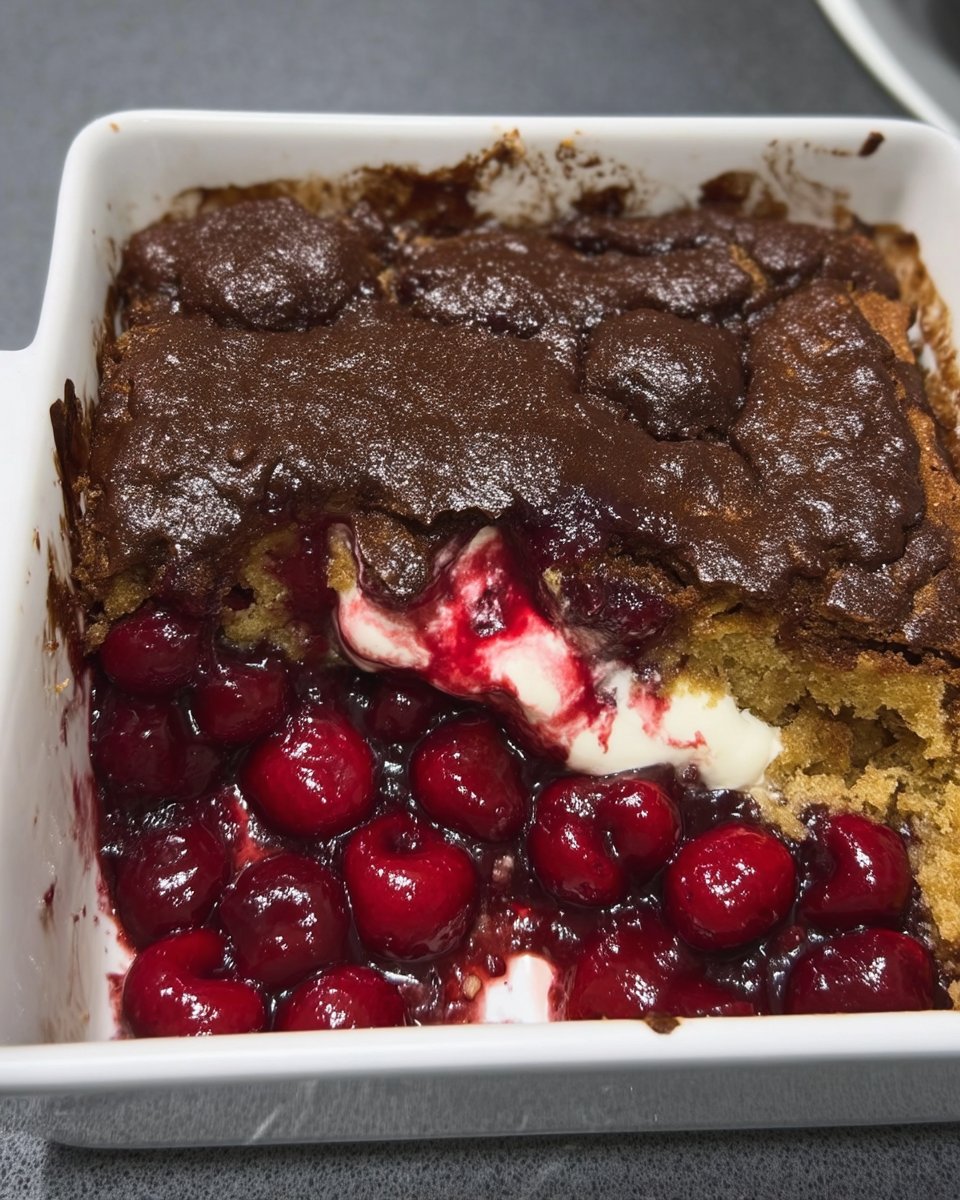
In the refined world of patisserie, names can sometimes be a delightful misdirection. This particular gâteau owes its heritage not to the European nation, but to Sam German, an American who developed a specific style of sweet baking chocolate. While the origins are domestic, the technique required to achieve the feather-light crumb mimics the precision of a classic French *biscuit*, relying on the gentle folding of egg whites to provide lift and elegance.

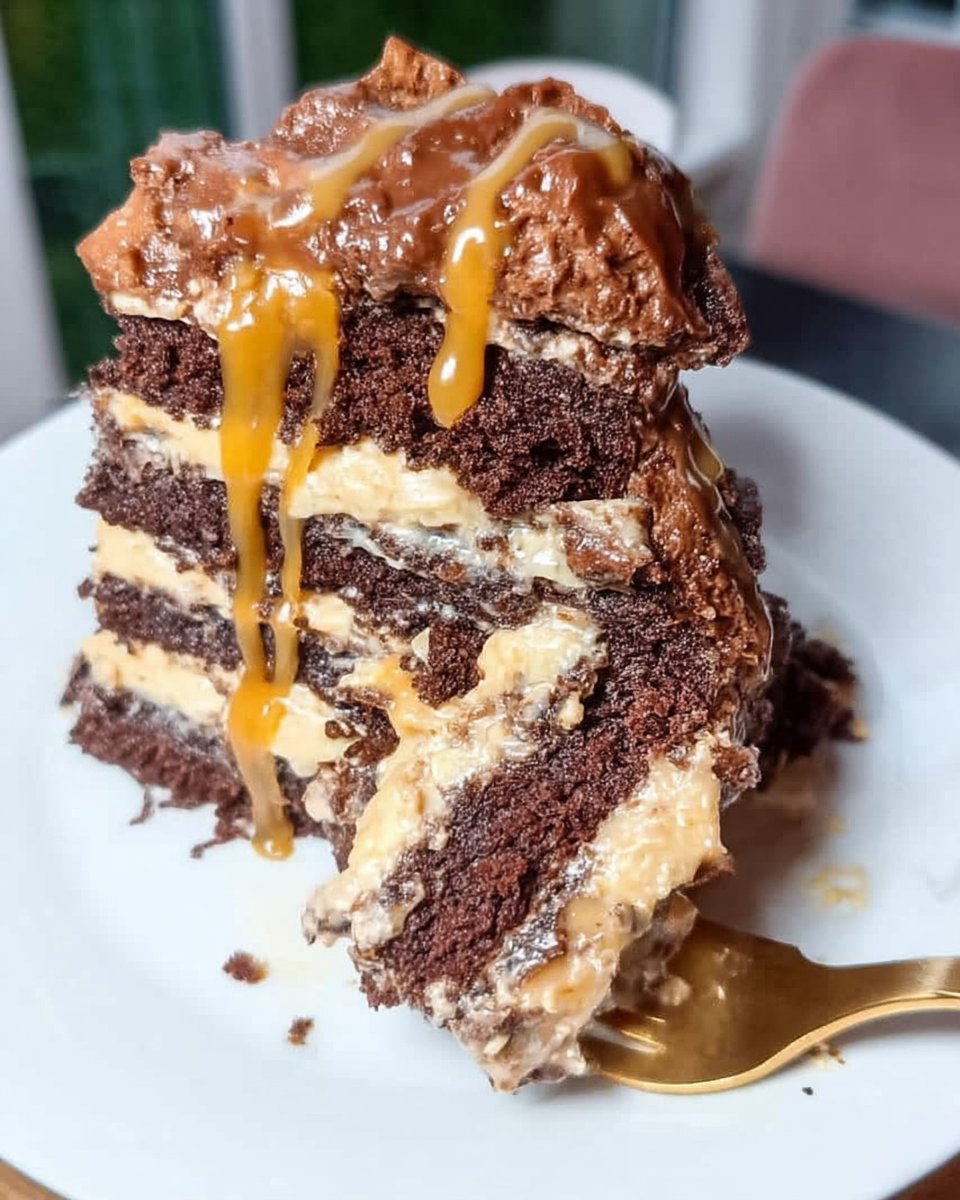
This is a cake that demands patience and rewards it generously. Unlike dense mud cakes, the sponge here is airy and tender, acting as the perfect vessel for the rich, custard-based coconut and pecan filling. It is a study in textures: the softness of the chocolate layers against the chewy, caramelized crunch of the iconic frosting.
A Symphony of Contrasting Textures
What makes this cake truly exceptional is the interplay between the delicate crumb and the robust filling. By separating the eggs and folding in the whipped whites—a technique akin to making a soufflé or a genoise—we create a structure that is remarkably light. This lightness is essential; it prevents the cake from becoming overly heavy when paired with the sweet, dense custard of coconut and pecans. It is a recipe that honors the art of baking, turning simple ingredients into a centerpiece that feels both nostalgic and sophisticated.
Print
German Chocolate Cake
- Total Time: 1 hour 10 mins
- Yield: 12 servings
- Diet: Vegetarian
Description
Experience a light and airy chocolate sponge paired with the iconic, caramelized crunch of a homemade coconut-pecan filling. This recipe elevates the American classic through traditional techniques like whipped egg whites for a truly refined texture.
Ingredients
- 4 oz German’s Sweet Chocolate
- 1/2 cup boiling water
- 1 cup unsalted butter, softened
- 2 cups granulated sugar
- 4 large eggs, separated
- 1 tsp vanilla extract
- 2 1/2 cups all-purpose flour
- 1 tsp baking soda
- 1/2 tsp salt
- 1 cup buttermilk
- 1 cup evaporated milk
- 1 cup granulated sugar
- 3 egg yolks
- 1/2 cup butter
- 1 tsp vanilla extract
- 1 1/3 cups sweetened flaked coconut
- 1 cup chopped pecans
Instructions
- Preheat oven to 350°F (175°C) and grease, flour, and line three 8-inch cake pans with parchment paper.
- Melt the chocolate in boiling water, stir until smooth, and set aside to cool.
- Cream 1 cup butter and 2 cups sugar until fluffy, then beat in 4 egg yolks one at a time.
- Stir in the vanilla and cooled chocolate mixture until uniform.
- Combine flour, baking soda, and salt, then add to the batter alternately with buttermilk, beginning and ending with the flour.
- In a clean bowl, beat the 4 egg whites until stiff peaks form and gently fold them into the batter using a spatula.
- Divide the batter evenly into pans and bake for 35 to 40 minutes; cool in pans for 10 minutes before moving to wire racks.
- For the frosting, cook evaporated milk, 1 cup sugar, 3 egg yolks, 1/2 cup butter, and vanilla in a saucepan over medium heat, stirring until thickened (about 12 minutes).
- Stir in coconut and pecans, let the frosting cool until spreadable, then assemble the cake layers with frosting in between and on top.
Notes
For the best results, ensure your mixing bowl for the egg whites is completely free of any fat residue to achieve maximum volume. If the coconut-pecan filling is too thin after cooking, allow it to cool completely at room temperature; the natural fats will help it reach the perfect spreadable consistency.
- Prep Time: 30 mins
- Cook Time: 40 mins
- Category: Dessert
- Method: Baking
- Cuisine: American
The Essential Components
To achieve the perfect balance of flavor and texture, the quality of your ingredients is paramount. Precision here ensures the chemistry of the cake works in your favor.
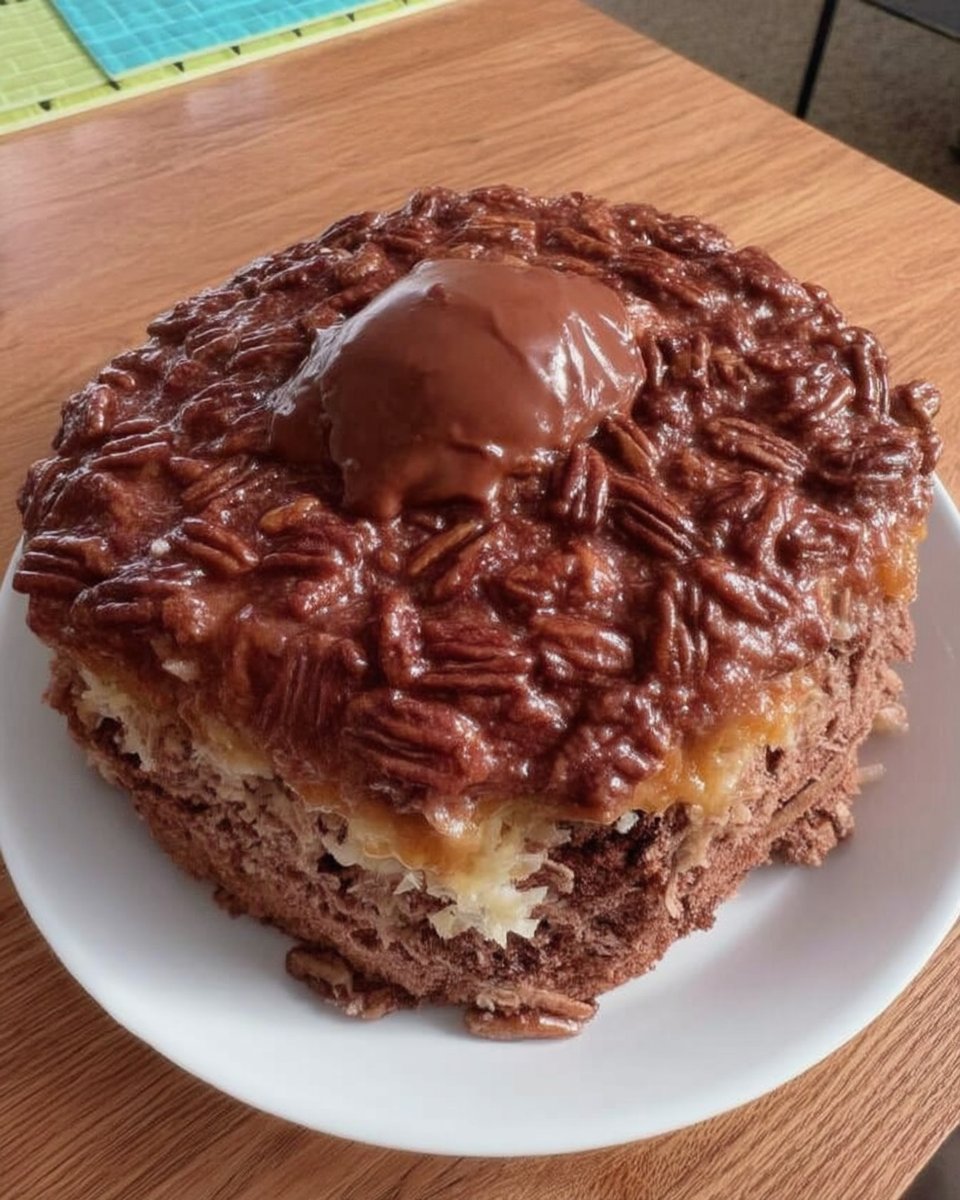
- German’s Sweet Chocolate: This is non-negotiable. Unlike semi-sweet or bittersweet chocolate, this variety contains a higher sugar content (48%), which this recipe is specifically balanced for. Using a different chocolate will alter the texture and sweetness profile.
- Eggs (Separated): We use large eggs, separating yolks from whites. The yolks provide richness and emulsification for the batter and the custard, while the whites are whipped to stiff peaks to aerate the cake.
- Buttermilk: This provides the necessary acidity to react with the baking soda, ensuring a good rise and a tender crumb. It also adds a subtle tang that cuts through the sweetness.
- Evaporated Milk: For the filling, use evaporated milk, not condensed milk. It provides a creamy, caramelized base for the custard without adding excess sugar before we introduce the coconut.
- Pecans & Coconut: Ensure your pecans are fresh and toasted for maximum flavor. Sweetened flaked coconut provides the classic chewy texture we desire.
Mastering the Method
Step 1: Prepare Your Station
Preheat your oven to 350°F (175°C). Precision starts with preparation; grease and flour three 8-inch cake pans. For extra security against sticking, I always recommend lining the bottoms with parchment paper circles.
Step 2: Melt the Chocolate
Break the German’s sweet chocolate into pieces. In a small bowl, pour the boiling water over the chocolate. Stir gently until the chocolate is completely melted and the mixture is smooth. Set this aside to cool to room temperature; if it is too hot, it will melt the butter in the next step.
Step 3: Creaming and Emulsification
In a large mixing bowl, beat the softened butter and 2 cups of sugar until the mixture is pale yellow and fluffy. This incorporates air, which is vital for the cake’s structure. Add the 4 egg yolks one at a time, beating thoroughly after each addition to ensure a stable emulsion.
Step 4: Incorporating Flavor and Flour
Blend in the vanilla extract and the cooled chocolate mixture until silky and uniform. Sift your flour, baking soda, and salt together. Add this dry mixture to the batter alternately with the buttermilk, starting and ending with the flour. Do this in 3 or 4 additions, beating only until smooth—about one minute. Do not overmix, or the cake will become tough.
Step 5: The Meringue Fold
In a separate pristine bowl (ensure no grease is present), beat the egg whites until stiff peaks form. This is the moment of finesse: gently fold the whites into the chocolate batter. Use a spatula and a cutting motion to retain as much volume as possible. This air is what makes the cake tender.
Step 6: Baking
Divide the batter evenly among the three prepared pans. Bake for 35 to 40 minutes. The cakes are done when they have browned lightly and a toothpick inserted into the center comes out clean. Allow them to cool in the pans for 10 minutes before turning them out onto wire racks to cool completely.
Step 7: The Coconut-Pecan Custard
For the frosting, combine the evaporated milk, 1 cup sugar, 3 egg yolks, butter, and vanilla in a large saucepan. Cook over medium heat, stirring constantly with a wooden spoon or heat-proof spatula. The mixture must gently boil and thicken, which takes about 12 minutes. Watch your heat to ensure the eggs do not scramble.
Step 8: Assembly
Remove the custard from the heat and stir in the coconut and pecans. Let the frosting cool until it reaches a spreadable consistency. Place one cake layer on your serving plate and spread frosting over the top. Repeat with the remaining layers, frosting the top of the final layer. Traditionally, the sides are left bare to showcase the beautiful strata of sponge and filling.
Laura’s Secrets for Success
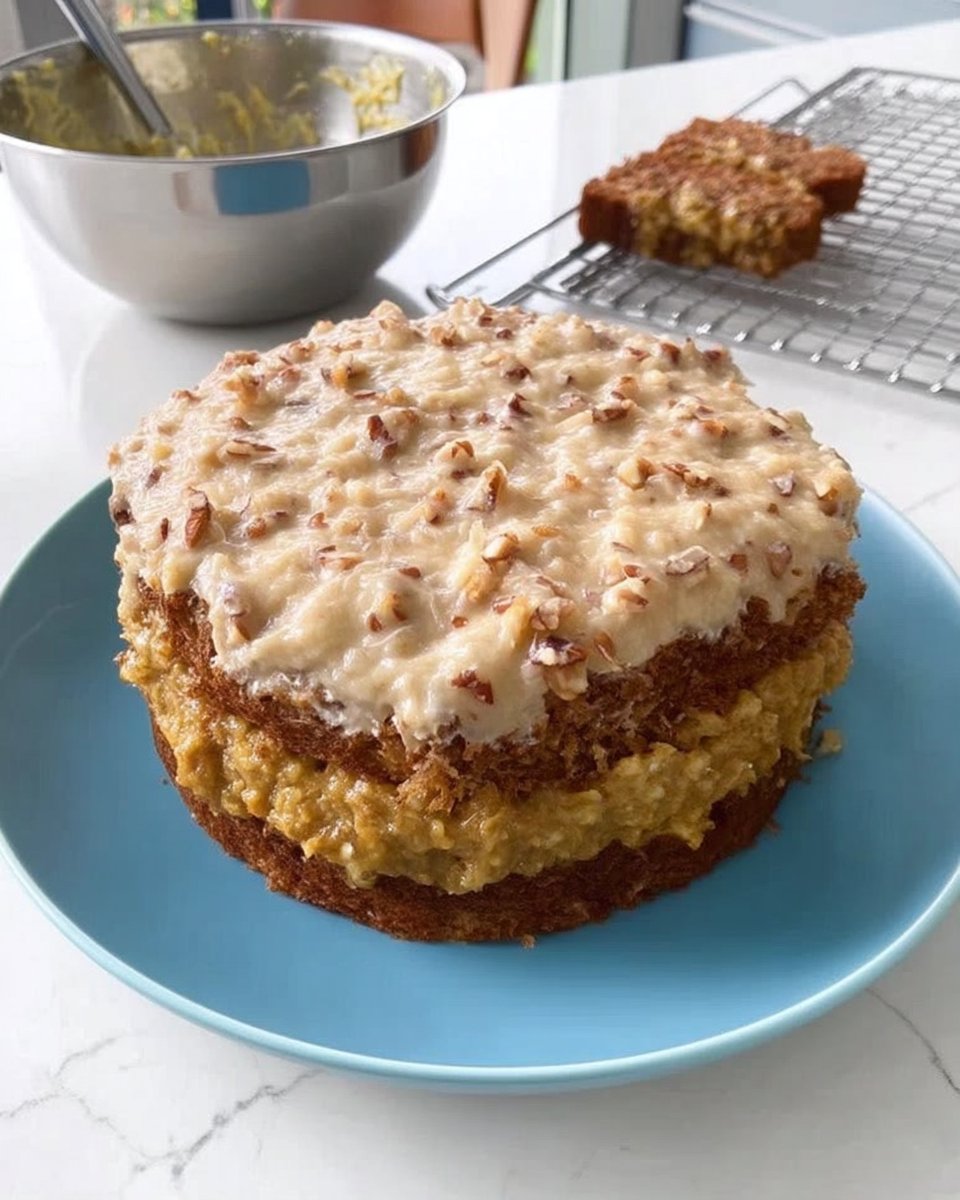
- The Art of Folding: When combining your egg whites into the heavy chocolate batter, sacrifice a small dollop of whites first. Stir this in vigorously to lighten the batter’s density. Then, fold in the remaining whites gently. This preserves the air bubbles you worked so hard to create.
- Custard Consistency: The filling thickens as it cools. If you apply it while it is too warm, it will run down the sides. Patience is key—wait until it holds its shape on a spoon before assembling.
- Toast Your Nuts: For a deeper flavor profile, toast your pecans in the oven for 5-7 minutes before chopping them. This releases their natural oils and adds a wonderful crunch.
- Learn More: At Cake Half, we believe that mastering these small techniques is what separates a good baker from a great one.
Refining the Classic
- Dark Chocolate Twist: If you find traditional German chocolate too sweet, you can substitute half of the sweet chocolate with semi-sweet chocolate. This creates a more robust cocoa profile that contrasts beautifully with the sugary filling.
- Spirited Filling: For an adult version, stir a tablespoon of dark rum or bourbon into the filling once it has been removed from the heat. The alcohol cuts the richness and adds a warm, aromatic note.
- Nut Alternatives: While pecans are traditional, walnuts offer a slightly more bitter note that balances the sweet coconut. Ensure they are chopped finely for a consistent texture.
- Stay Inspired: To receive more refined recipes and variation ideas directly to your inbox, you can subscribe to our newsletter.
Presentation and Pairing
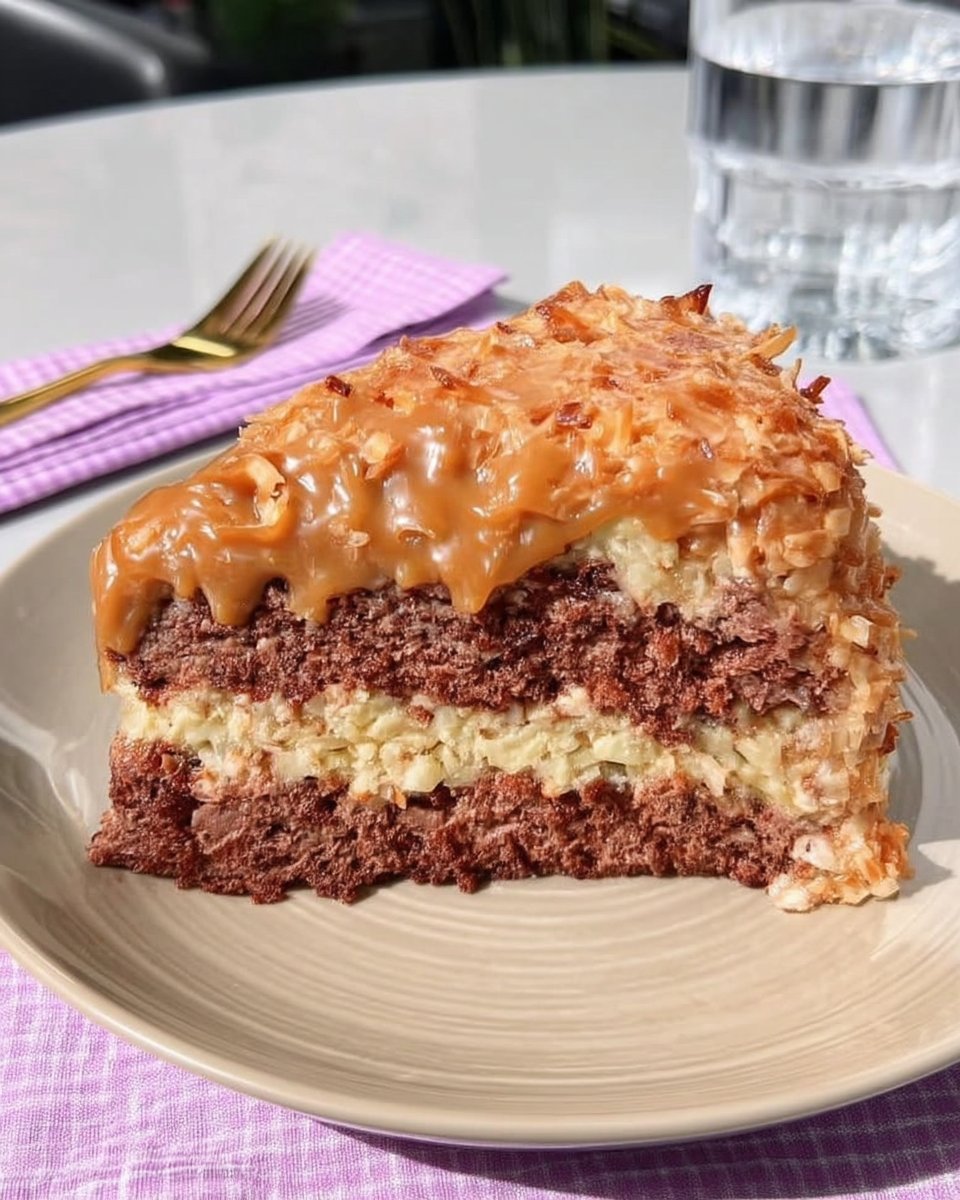
This cake is a showstopper on its own, so the plating should be simple to let the layers speak. I recommend serving this at room temperature, where the custard is softest and the chocolate flavor is most pronounced. A slice of this richness pairs beautifully with a dark roast coffee or an espresso, which cleanses the palate between bites.
For a truly elegant finish, serve on white porcelain with a silver fork. If you have any questions about presenting this for a special occasion, feel free to contact us for advice on plating aesthetics.
The Sweetest Reward
Baking a German Chocolate Cake is a labor of love, requiring attention to temperature, texture, and timing. Yet, when you slice into those distinct layers and taste the harmony of light sponge and caramel-coconut richness, you understand why this classic has endured. It is a perfect example of how small-batch precision yields extraordinary results.
While every baker has their method, and you might find wonderful versions like the one from Tastes Better From Scratch, this specific balance of meringue-leavened sponge and custard filling is my absolute favorite. To learn more about our philosophy on ingredients and technique, visit About Us.
Share your masterpiece with us: