In my early years at a quiet patisserie in Paris, I was captivated by the art of *trompe-l’œil*—the deliberate act of deceiving the eye through artistic precision. I watched my mentor transform simple marzipan into a basket of fruit so convincing that one had to resist the urge to take a bite without a fork. This Hyperrealistic Cake, styled to look like a humble stack of breakfast pancakes, captures that same spirit of whimsy and mastery, proving that even a simple sponge can become a work of art.

Creating a dessert that defies expectation requires more than just a reliable recipe; it demands a patient eye for detail and an appreciation for the subtle textures of the real world. By layering maple-infused sponge with ivory fondant and a glistening gelatin-set syrup, we achieve a result that is as delicious as it is startling. This project is a celebration of technique, inviting you to slow down and find joy in the delicate process of sculpting and painting with sugar.
The Art of Culinary Illusion
There is a profound satisfaction in the collective gasp of surprise when guests realize that what they thought was a heavy stack of pancakes is actually a light, maple-scented cake. This recipe matters because it challenges the boundaries between food and art, allowing you to practice the foundational skills of a pastry chef in a playful, modern context. By focusing on small-batch execution, we can pay close attention to the nuances of the ‘pancake’ edges and the specific translucency of the glaze.
Beyond the visual deception, the flavor profile is thoughtfully constructed. We do not rely on sugar alone; instead, we use the acidity of sour cream (255g) and the warmth of pure maple extract to create a crumb that is moist, stable, and aromatic. This cake is not merely a novelty; it is a refined dessert that honors the tradition of excellence. Mastery of this technique provides you with the confidence to tackle any themed project, turning simple ingredients into a memorable experience for those you serve.
Print
Hyperrealistic Cake
- Total Time: 1 hour 20 mins
- Yield: 12 servings
- Diet: Vegetarian
Description
This stunning trompe-l’œil dessert masterfully disguises a rich, maple-infused sponge cake as a stack of buttery breakfast pancakes. Featuring architectural fondant work and a glistening gelatin-set syrup, it is the ultimate project for bakers looking to challenge their sculpting and painting skills.
Ingredients
- 1 box yellow cake mix
- 5 ounces (142g) all-purpose flour
- 1/2 cup granulated sugar
- 1/2 teaspoon salt
- 9 ounces (255g) sour cream
- 1/2 cup melted butter
- 3 large eggs
- 2 teaspoons maple flavoring
- 6 ounces pasteurized egg whites
- 6 cups powdered sugar
- 1.5 pounds unsalted butter, room temperature
- 24 ounces ivory fondant
- 4 ounces modeling chocolate
- Blue, violet, and ivory food coloring
- 2 tablespoons vodka or clear grain alcohol
- 1 tablespoon powdered gelatin
- 1 cup pure maple syrup
Instructions
- Preheat your oven to 350ºF (175ºC) and grease three 8-inch cake pans.
- In a stand mixer fitted with a paddle attachment, combine the cake mix, flour, sugar, salt, sour cream, melted butter, eggs, and maple flavoring on medium speed for 2 minutes.
- Divide the batter between the pans and bake for 20 minutes; once cooled, wrap the layers and freeze until firm.
- Prepare the buttercream by whisking egg whites and powdered sugar on high for 5 minutes, then gradually adding room-temperature butter and whisking for 10-15 minutes until smooth.
- Fold in maple extract and salt to the buttercream, then use it to stack the chilled cake layers and apply a smooth crumb coat.
- Tint modeling chocolate to create a pale yellow butter square and deep blue/violet spheres for blueberries, snipping the tops with scissors for realism.
- Roll ivory fondant into thick ropes, slice them lengthwise, and wrap them around the cake with the rounded side out to mimic pancake edges.
- Mix ivory food coloring with vodka and brush it onto the fondant edges to create a toasted look, then use a toothpick to poke irregular air holes.
- Bloom the gelatin in cold water, melt it briefly, and stir into the maple syrup to create a stable glaze.
- Pour the syrup mixture over the cake, allowing it to drip naturally, and top with the prepared chocolate butter and berries.
Notes
For the most convincing illusion, ensure your fondant strips are not perfectly uniform; varying the thickness slightly will mimic the natural stack of a real breakfast. If your buttercream appears to curdle while mixing, gently warm the base of the bowl to help the fats emulsify correctly.
- Prep Time: 1 hour
- Cook Time: 20 mins
- Category: Dessert
- Method: Baking
- Cuisine: American
Selecting Your Canvas: The Foundation
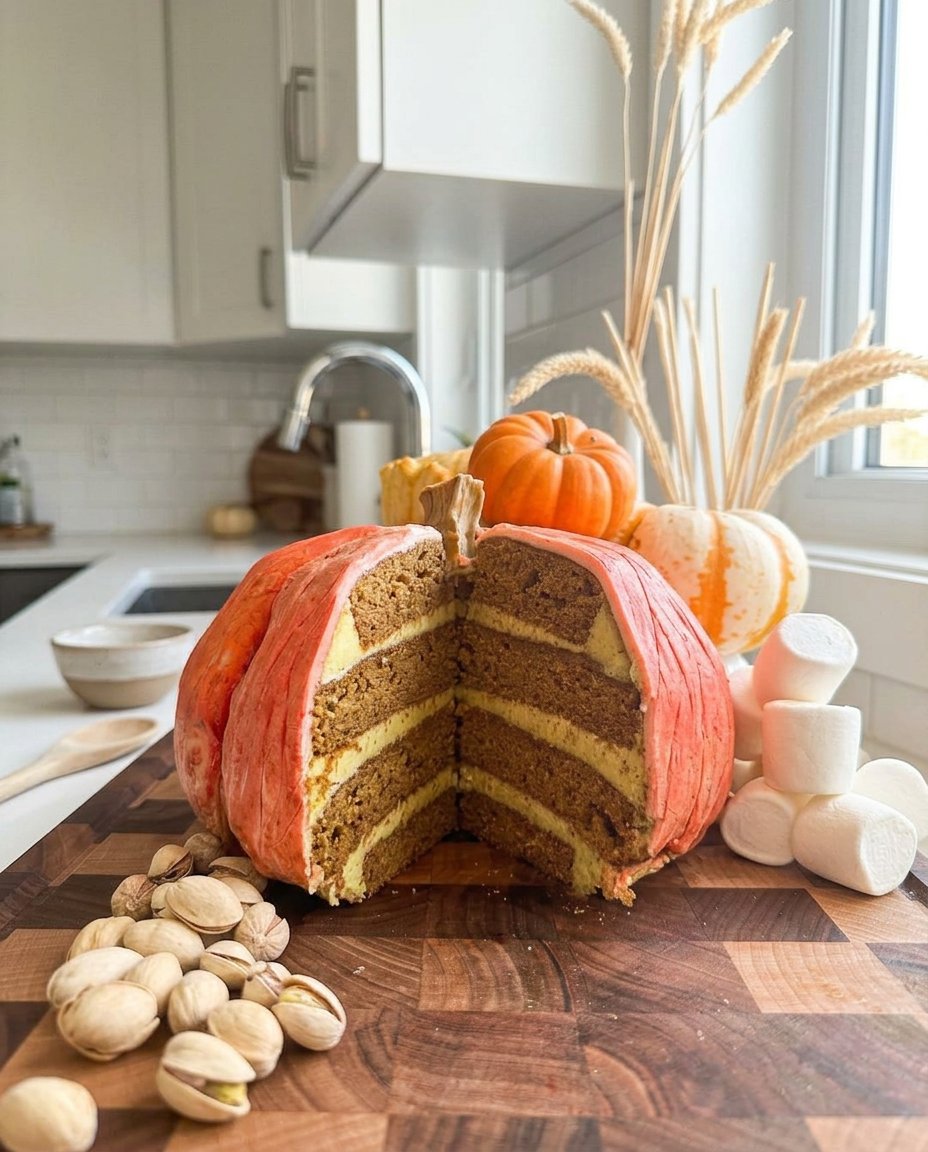
To achieve the structural integrity needed for a Hyperrealistic Cake, we must choose ingredients that offer both stability and a fine, even crumb. Every component serves a specific technical purpose in our edible illusion.
- Yellow Cake Base: Using a high-quality mix provides the consistent rise and structure required for stacking. We augment this with 5 ounces (142g) of all-purpose flour to increase the protein content, ensuring the layers can support the weight of the fondant.
- Sour Cream and Melted Butter: These provide the necessary fats for a tender mouthfeel. The sour cream (9 ounces/255g) adds a subtle tang that balances the sweetness of the maple.
- Maple Flavoring: This is the aromatic heart of the recipe. We use it in the cake, the buttercream, and the syrup to create a cohesive sensory experience.
- Pasteurized Egg Whites: For the buttercream, using pasteurized whites allows us to skip the heating process while maintaining a safe, glossy, and stable frosting that holds its shape under the fondant.
- Ivory Fondant and Modeling Chocolate: These are our sculpting mediums. The fondant mimics the smooth surface of a pancake, while the modeling chocolate is used for the ‘blueberries’ and the ‘pat of butter’ because it holds fine detail and sets firmly.
The Method of Deception
Step 1: Preparing the Stabilized Batter
Begin by preheating your oven to 350ºF (175ºC). In the bowl of a stand mixer, combine the yellow cake mix, all-purpose flour, sugar, salt, sour cream, melted butter, eggs, and maple flavoring. Using the paddle attachment, mix on medium speed for exactly two minutes. This specific timing develops just enough gluten to keep the cake sturdy for stacking without making it tough.
Step 2: The Art of the Bake
Divide the batter into three greased 8-inch (20cm) pans. We purposely keep these layers shorter than a standard cake to mimic the thickness of a real pancake. Bake for 20 minutes, or until a tester comes out clean. Once cooled, wrap the layers tightly and place them in the freezer. Cold cake is much easier to trim and frost than room-temperature sponge.
Step 3: Crafting the Maple Buttercream
Combine the egg whites and powdered sugar in a clean mixer bowl. Whisk on low until combined, then increase to high for 5 minutes. This dissolves the sugar crystals completely. Reduce the speed to medium and add the room-temperature butter in small increments. Continue whisking for 10-15 minutes until the buttercream is smooth, white, and no longer tastes of raw butter. Add the salt and maple extract at the very end.
Step 4: Sculpting the Accents
Take a small portion of modeling chocolate and tint it pale yellow for the butter square. Color the remaining modeling chocolate with royal blue and violet to create a deep blueberry hue. Roll these into small spheres and use a pair of fine scissors to snip a small ‘X’ in the top, peeling back the edges to mimic the blossom end of a real berry.
Step 5: Assembling the Stack
Stack and fill your chilled cake layers with a thin layer of buttercream. Apply a smooth crumb coat over the entire exterior and chill for 20 minutes. Roll out ivory-tinted fondant into long, thick ‘snakes’. Use a pizza cutter to slice these in half lengthwise, creating a flat edge that will sit against the cake, while the rounded side faces out to look like the edge of a pancake.
Step 6: Painting and Detailing
Dissolve a drop of ivory food coloring in two tablespoons of vodka or clear grain alcohol. Brush this solution lightly across the top edge of each fondant strip. The alcohol evaporates quickly, leaving behind a ‘toasted’ color that looks like a griddle-cooked pancake. Use a clean toothpick to poke small, irregular holes into the sides of the fondant to mimic air bubbles.
Step 7: The Glistening Syrup Reveal
Bloom your gelatin in cold water for 5 minutes, then melt it briefly in the microwave. Stir this into your maple syrup. This addition allows the syrup to hold its ‘drip’ on the cake without soaking into the fondant or running off the plate. Pour it slowly over the chilled cake, then top with your prepared butter and berries.
Precision Secrets from the Patisserie
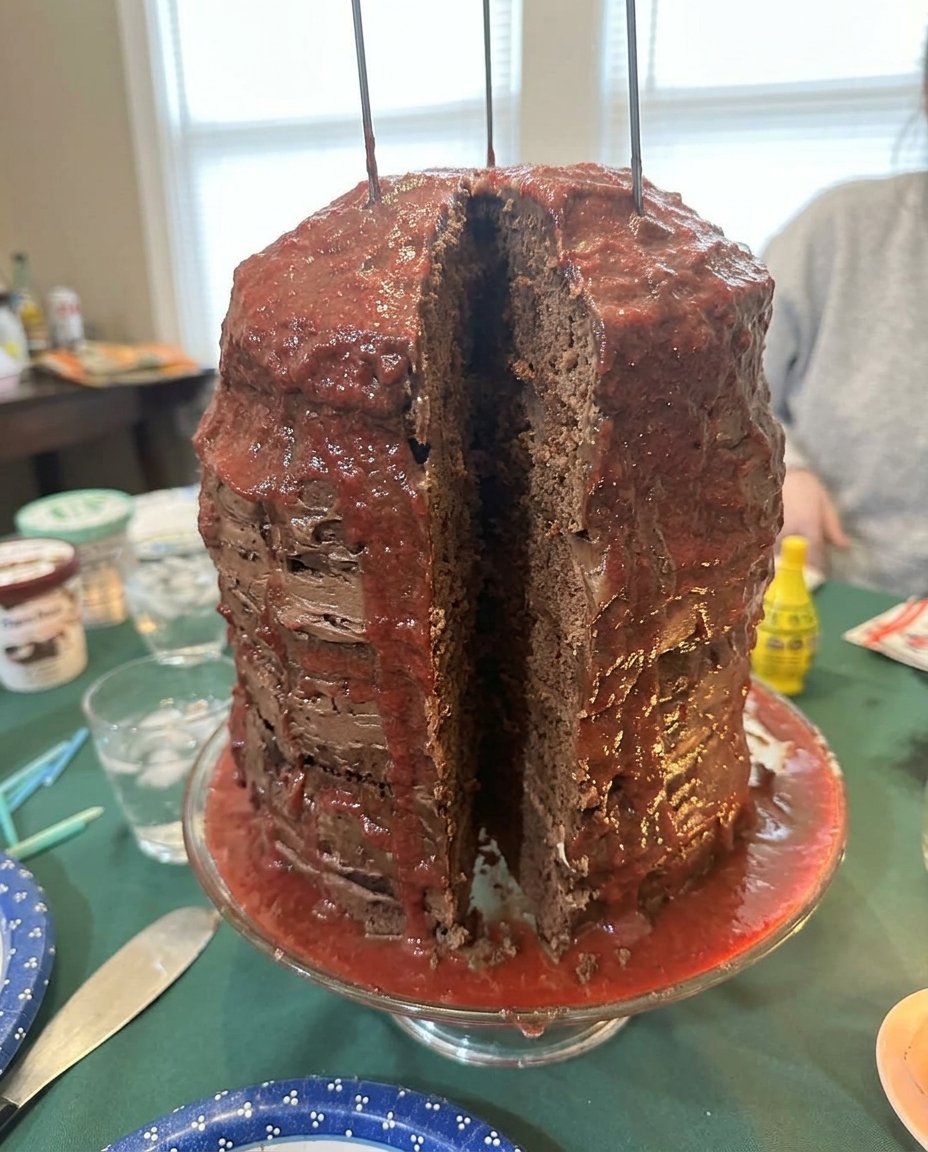
Temperature is your most important tool when working with sugar. If your buttercream begins to look curdled as you add the butter, the mixture is too cold; simply warm the bowl briefly over a pot of simmering water. Conversely, if it is too soupy, chill the bowl for ten minutes before continuing to whisk. For the most realistic ‘paint’ on your fondant, always use a high-proof alcohol rather than water. Water will dissolve the sugar in the fondant, creating a sticky mess, whereas alcohol evaporates almost instantly, leaving only the pigment behind. For more advanced structural techniques, you might study our guide on car cake construction. When applying the fondant strips, start from the bottom and work your way up to ensure the ‘stack’ looks natural and slightly uneven, just like a real plate of breakfast.
Refined Twists on a Classic
While the maple pancake is a timeless choice, you can apply this hyperrealistic technique to other flavors. Consider a ‘Red Velvet Pancake’ stack by using a red velvet base and cocoa-infused fondant for a more dramatic, artistic presentation. You could also create a ‘Lemon Poppyseed’ version by adding citrus zest to the batter and using a translucent lemon glaze instead of syrup. For those looking for more traditional inspiration, our collection of celebration cakes offers many ways to adapt these decorative skills. You may also choose to omit the fondant strips and use a specialized ‘petal’ tip to pipe the buttercream in a way that mimics the layers, though this will result in a less realistic, more whimsical appearance.
Presentation and the Final Reveal
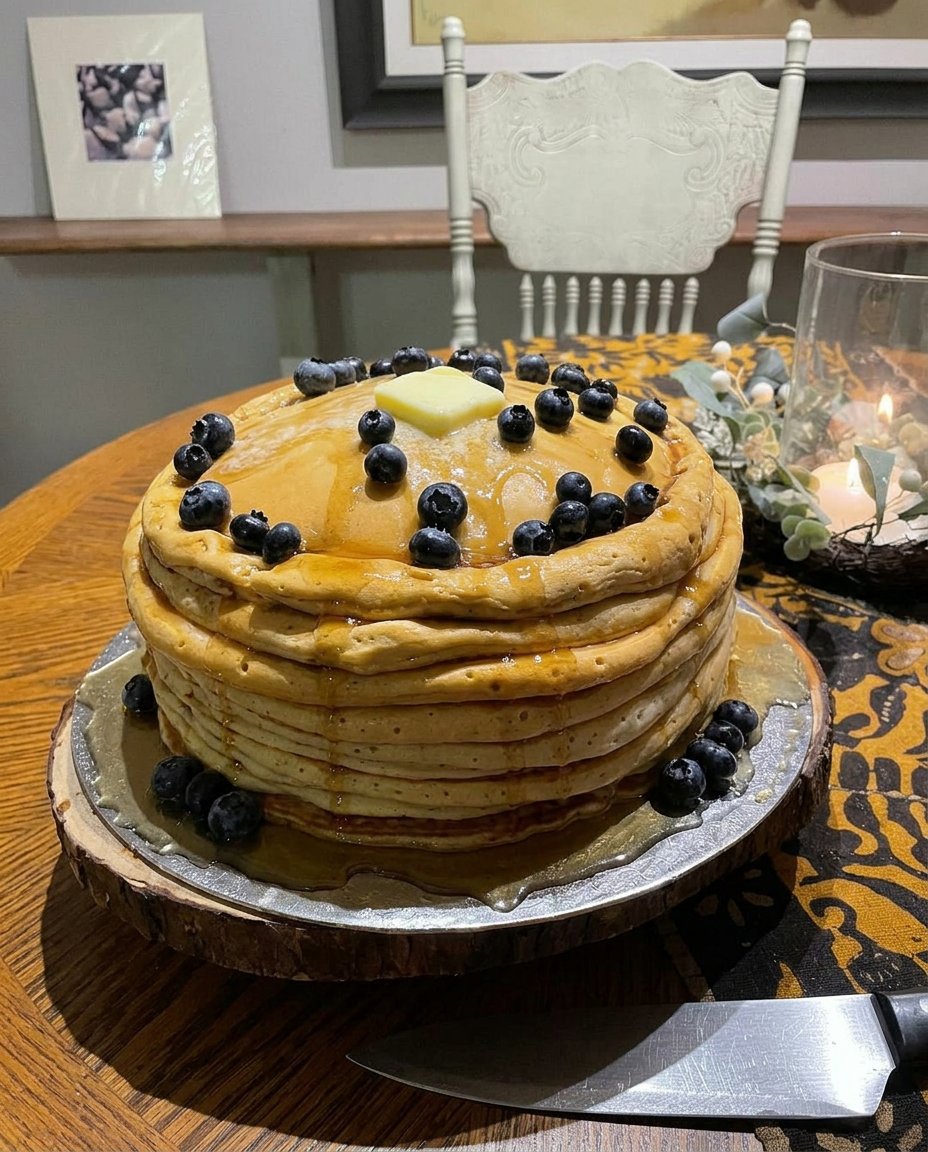
To complete the illusion, serve this cake on a large, ceramic breakfast platter rather than a traditional cake stand. Place a real fork and knife beside it to heighten the surprise. This cake pairs beautifully with a pot of Earl Grey tea or a light roast coffee, which cuts through the richness of the maple buttercream. If you are serving this at a brunch, consider surrounding the base with a few real strawberries to blur the line between the edible art and real food. For those who enjoy a more nostalgic aesthetic, you might find inspiration in the delicate piping of a vintage cake. Always slice the cake at the table; the moment the knife reveals the interior layers is the highlight of the experience.
The Quiet Joy of Mastery
Mastering the Hyperrealistic Cake is a journey that rewards patience and a devotion to the finer details of the craft. Whether you are preparing this for a grand celebration or a quiet afternoon of artistic practice, the skills you have honed—from stabilizing a crumb to the delicate painting of fondant—will serve you in every future baking endeavor. If you find yourself drawn to more emotive designs, you may enjoy our tutorial on the heart cake, which focuses on classic piping and elegant shapes. We invite you to share your creations and continue learning with our community. For more detailed visual guidance on this specific method, you can refer to the original inspiration at Sugar Geek Show. Please join us on Instagram or Pinterest to see more examples of pastry mastery.