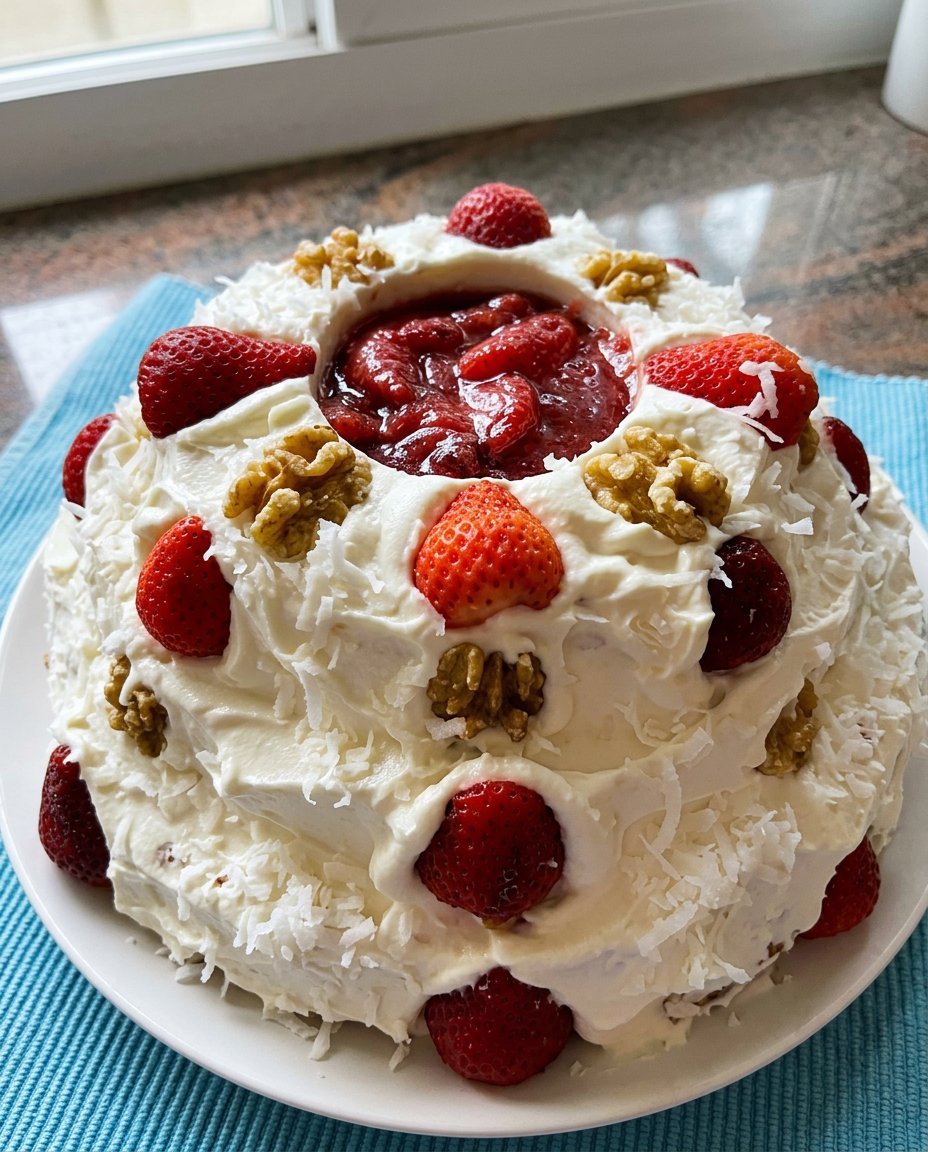
I remember finding a small, tattered index card tucked inside my mother’s old Fannie Farmer cookbook. The handwriting was faint, written in a delicate blue ink that had faded over the decades. It was a recipe for a bright citrus cake, the kind that filled the house with a sunshine scent even on the gloomiest winter afternoons. This recipe reminds me so much of those quiet Saturdays spent in a flour-dusted apron.

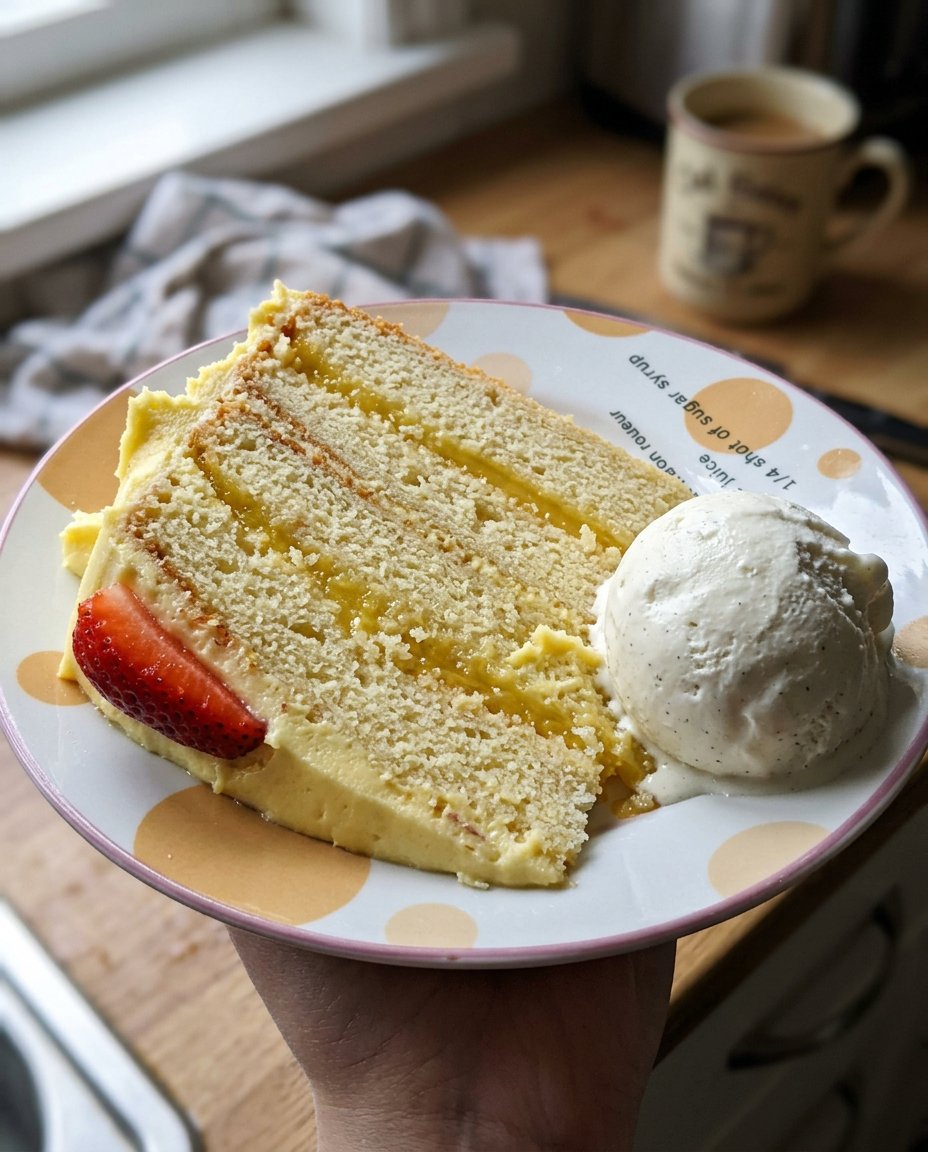
This specific cake is a celebration of texture and brightness. With four thin layers and a rich, buttery lemon filling, it feels much more special than a standard sheet cake. It is the sort of dessert you bring out for a silver anniversary or a quiet Sunday tea with your dearest friends. I find that the tartness of the filling perfectly balances the sweet, tender crumb of the cake layers.
The Magic of a Four-Layer Treasure
There is something truly captivating about a cake that reveals multiple layers when you slice into it. This recipe is not just a dessert; it is a labor of love that honors the old-fashioned way of building a cake. Each layer is thin and delicate, allowing the vibrant lemon filling to soak in just enough to keep every bite moist and flavorful.
You will appreciate how this recipe avoids the heavy, cloying sweetness often found in modern grocery store cakes. Instead, it relies on the natural brightness of fresh lemon juice and zest. It feels honest and pure, much like the cakes our grandmothers would set out on the sideboard. The combination of a soft butter cake, a cooked lemon curd filling, and a fluffy lemon buttercream creates a sensory experience that is both nostalgic and refreshing.
This is a wonderful choice for those who prefer fruit-forward desserts over chocolate. It has a light, airy quality that makes it perfect for spring gatherings or summer garden parties. Even if you are a beginner baker, the process of making the filling from scratch will make you feel like a seasoned pro in your own kitchen.
Print
Lemon Cake 3
- Total Time: 4 hours 10 mins
- Yield: 12 servings
- Diet: Vegetarian
Description
This elegant four-layer lemon cake features a tender butter crumb paired with a vibrant, homemade lemon curd filling and a silky citrus buttercream. It is a sophisticated, refreshing dessert that perfectly balances sweet and tart flavors for any special occasion.
Ingredients
- 2 1/4 cups all-purpose flour
- 2 tsp baking powder
- 1/2 tsp salt
- 1 1/2 cups unsalted butter, softened
- 2 cups granulated sugar
- 3 large eggs
- 1 tsp vanilla extract
- 3/4 cup milk
- 1 tbsp lemon zest
- 1/3 cup fresh lemon juice
- 1 tbsp cornstarch
- 3 egg yolks
- 3 cups confectioners’ sugar
- 2 tbsp milk
Instructions
- Preheat your oven to 350 degrees F (175 degrees C) and grease and flour two 8-inch round cake pans.
- Sift together the flour, baking powder, and salt in a small bowl and set aside.
- In a large mixing bowl, cream the butter and white sugar for 5 minutes until light and fluffy; add eggs one at a time, followed by the vanilla.
- Alternately add the flour mixture and the milk to the creamed mixture, stirring until just combined.
- Divide the batter between the prepared pans and bake for 30 minutes, then let cool in pans for 10 minutes before moving to wire racks.
- In a saucepan, whisk lemon zest, juice, and cornstarch together, add 6 tablespoons of butter and 1/2 cup sugar, and bring to a boil for one minute.
- Temper the egg yolks with a spoonful of the hot lemon mixture, then return all to the pan and cook on low for 5 minutes until thickened; chill for 3 hours.
- Beat together the confectioners’ sugar, softened butter, lemon juice, and zest with a splash of milk until the frosting is light and fluffy.
- Carefully split the cooled cake layers horizontally to create four thin layers.
- Assemble the cake by alternating cake layers with the chilled lemon filling and frosting, then finish by frosting the exterior of the cake.
Notes
For the cleanest slices, use a sharp serrated knife and wipe it clean between every cut. If the cake layers feel too soft to slice, place them in the freezer for 15 minutes to firm up. You can prepare the lemon curd up to two days in advance to save time on the day of assembly.
- Prep Time: 30 mins
- Cook Time: 40 mins
- Category: Dessert
- Method: Baking
- Cuisine: American
Notes from the Pantry
To make this beautiful cake, you will need simple, high-quality staples that you likely already have in your kitchen cupboards. We start with the foundation of any good vintage bake: butter, sugar, and flour.
- All-Purpose Flour: This provides the classic structure we want for a sturdy yet tender cake. Be sure to measure it carefully.
- Butter: Use real dairy butter here. It adds a depth of flavor that margarine simply cannot match. You will need it for the cake, the filling, and the frosting.
- Fresh Lemons: This is the star of the show. You will need both the zest and the juice to achieve that authentic, zesty punch.
- Eggs and Egg Yolks: The whole eggs go into the batter for lift, while the extra yolks create a rich, velvety filling.
- Milk: A bit of milk in the batter ensures the crumb remains soft and never dry.
- Confectioners’ Sugar: This creates the smooth, spreadable finish for the final frosting layer.
In my kitchen, I always suggest using the freshest eggs possible. Back in the day, eggs were often gathered from the coop that morning, and that freshness really translates to the height and color of the cake. When you grate your lemon zest, be careful to stop before you hit the white pith, as that can add an unwanted bitterness to your lovely creation.
Bringing the Sunshine to the Table
Step 1: Prep Your Kitchen
Begin by preheating your oven to 350 degrees F (175 degrees C). Take a moment to grease and flour two 8-inch round pans. This old-school step ensures your layers will release easily. Sift together your flour, baking powder, and salt in a small bowl and set it aside.
Step 2: Cream the Butter and Sugar
In your large mixing bowl, cream the butter and white sugar. Do not rush this part; let the mixer run for about 5 minutes until the mixture is light, fluffy, and pale. This incorporates the air needed for a fine crumb. Add your eggs one at a time, beating well after each addition, then stir in the vanilla extract.
Step 3: Combine the Batter
Now, you will want to alternate adding your flour mixture and the milk. Start with a bit of flour, then some milk, and continue until everything is just incorporated. Over-mixing at this stage can make the cake tough, so be gentle, just as if you were folding in a secret.
Step 4: The Golden Bake
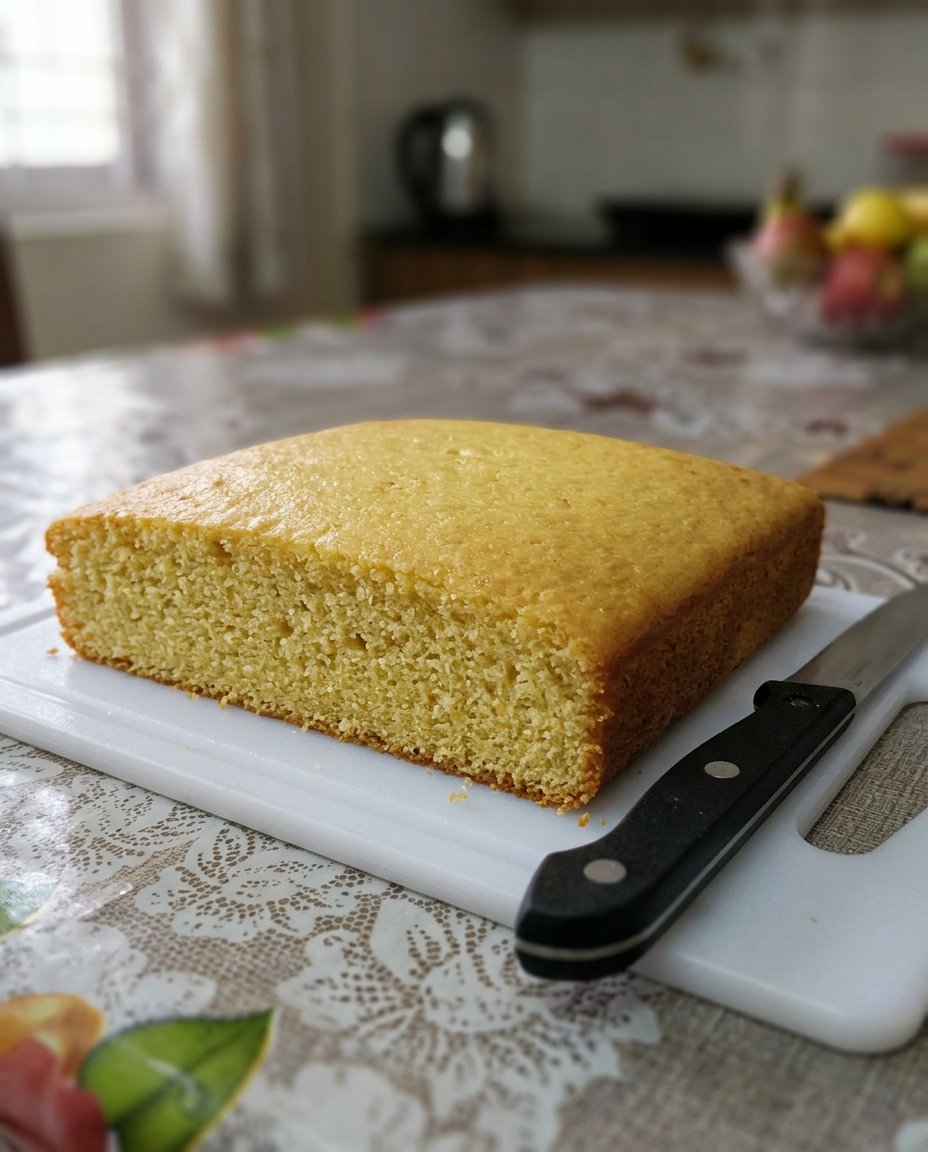
Divide your batter evenly between the two prepared pans. Place them in the oven for about 30 minutes. You will know they are ready when a toothpick comes out clean from the center. Let them rest in the pans for 10 minutes before inverting them onto wire racks to cool completely.
Step 5: Prepare the Lemon Filling
While the cakes cool, grab a medium saucepan. Whisk together the lemon zest, lemon juice, and cornstarch until perfectly smooth. Add in 6 tablespoons of butter and the sugar. Bring this to a boil over medium heat, stirring constantly for one minute.
Step 6: Temper the Egg Yolks
In a separate small bowl, beat your egg yolks. To avoid scrambling them, whisk in a small spoonful of the hot lemon mixture first. This tempers the eggs. Then, slowly pour the egg mixture back into the saucepan. Cook over low heat for about 5 minutes, stirring until it thickens into a beautiful curd. Transfer to a bowl, press plastic wrap against the surface, and chill for 3 hours.
Step 7: Whip the Frosting
In a clean bowl, beat together the confectioners’ sugar, softened butter, lemon juice, and zest. Add a splash of milk and increase the speed until the frosting is light and billowy, like a summer cloud.
Step 8: Assemble the Layers
Using a long serrated knife, carefully split each of your two cake layers in half horizontally, giving you 4 thin layers. Place the first layer on your plate, spread with half the lemon filling. Add the second layer and spread with a half cup of frosting. Add the third layer and the rest of the filling. Finally, top with the fourth layer and frost the entire cake.
Secrets from the Recipe Box
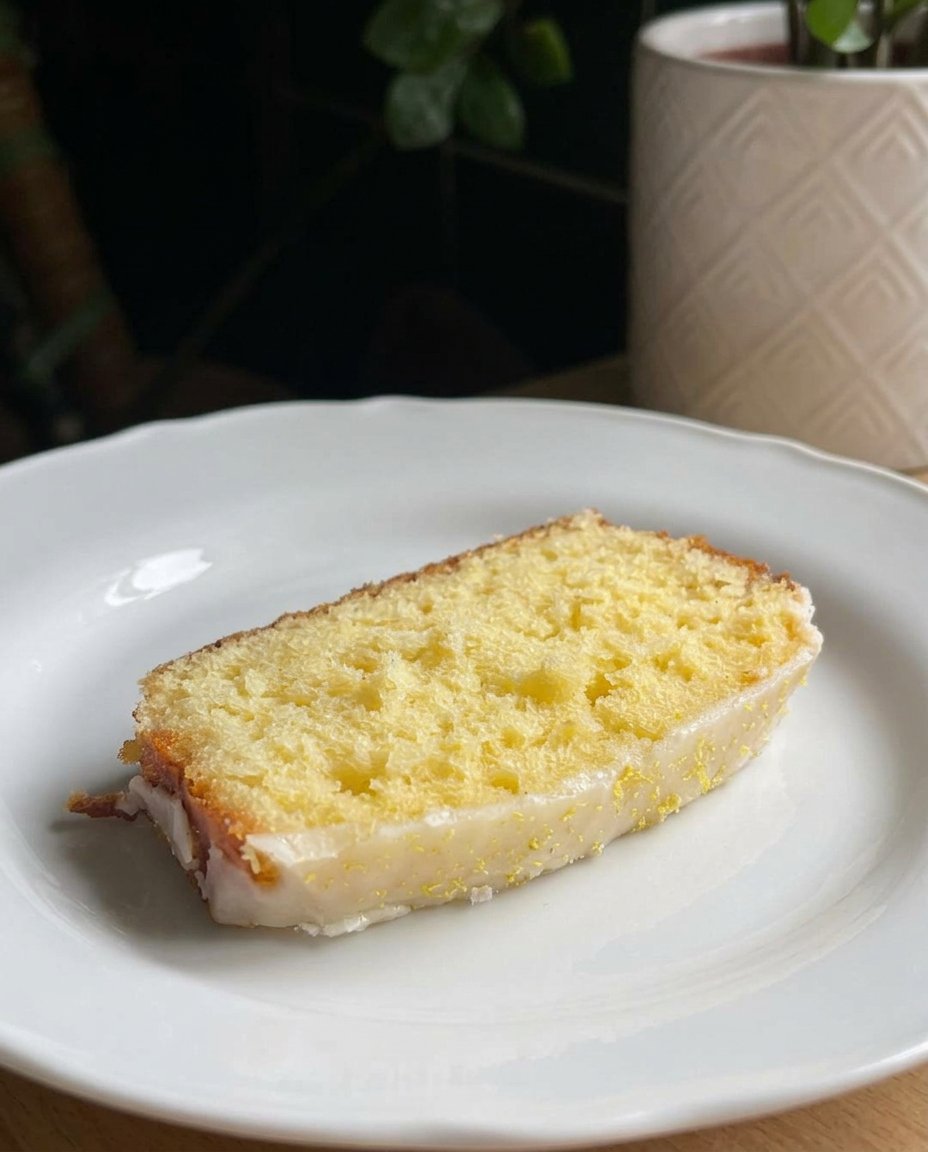
One of the most important things I learned from my grandmother is the importance of temperature. Always ensure your butter and eggs are at room temperature before you begin. This allows the fats and liquids to emulsify properly, creating a much smoother batter. If your butter is too cold, your cake might have a heavy or greasy texture instead of being light and airy.
When you are making the lemon filling, do not walk away from the stove. Custards and curds are temperamental and can scorch in a heartbeat. Use a heavy-bottomed saucepan if you have one, as it distributes heat more evenly. If you find your filling has a few small lumps, simply press it through a fine-mesh strainer while it is still warm. For those who love keeping their fruit-based desserts vibrant, you might find my guide on keeping fruit fresh helpful for your garnishes. For another perspective on this classic method, you can see how the folks at AllRecipes handle their citrus bakes. Patience is your best friend when it comes to the cooling process; never try to frost a cake that is even slightly warm.
Classic Twists on a Favorite
While this Lemon Cake 3 is perfection on its own, there are many ways to make it your own while staying true to its vintage roots. If you prefer a more subtle citrus flavor, you can replace the lemon juice in the cake batter with a bit of orange juice for a softer, sweeter profile. Some families enjoy adding a handful of fresh berries between the layers for a burst of color and a different texture.
If you are looking for something a bit quicker but still packed with flavor, you might enjoy trying our lemon yogurt cake. For a festive occasion, you can even stir a tablespoon of poppy seeds into the batter for a classic lemon-poppy seed variation. Another lovely idea is to brush the cake layers with a simple syrup infused with elderflower or lavender before adding the filling. This adds a floral note that feels very sophisticated and timeless.
Setting the Table for Tea
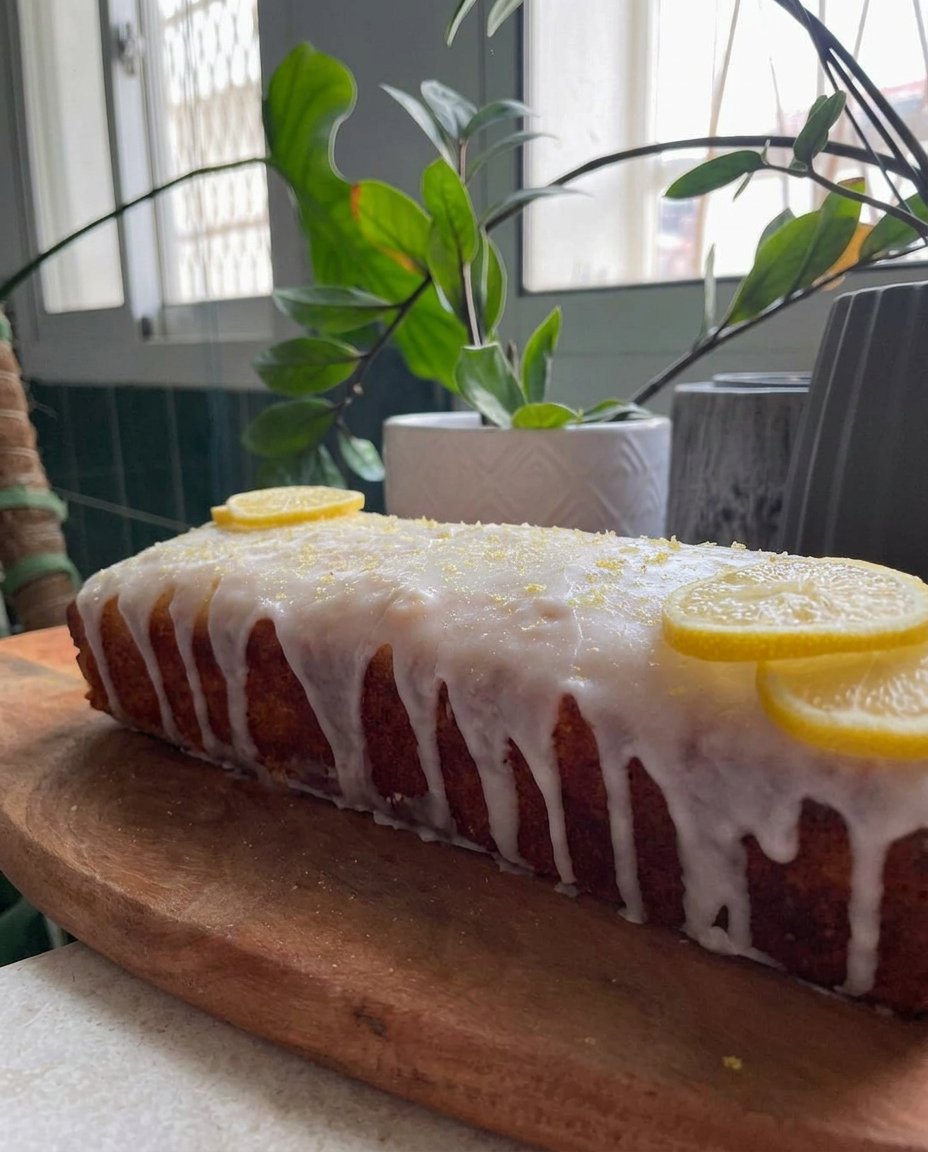
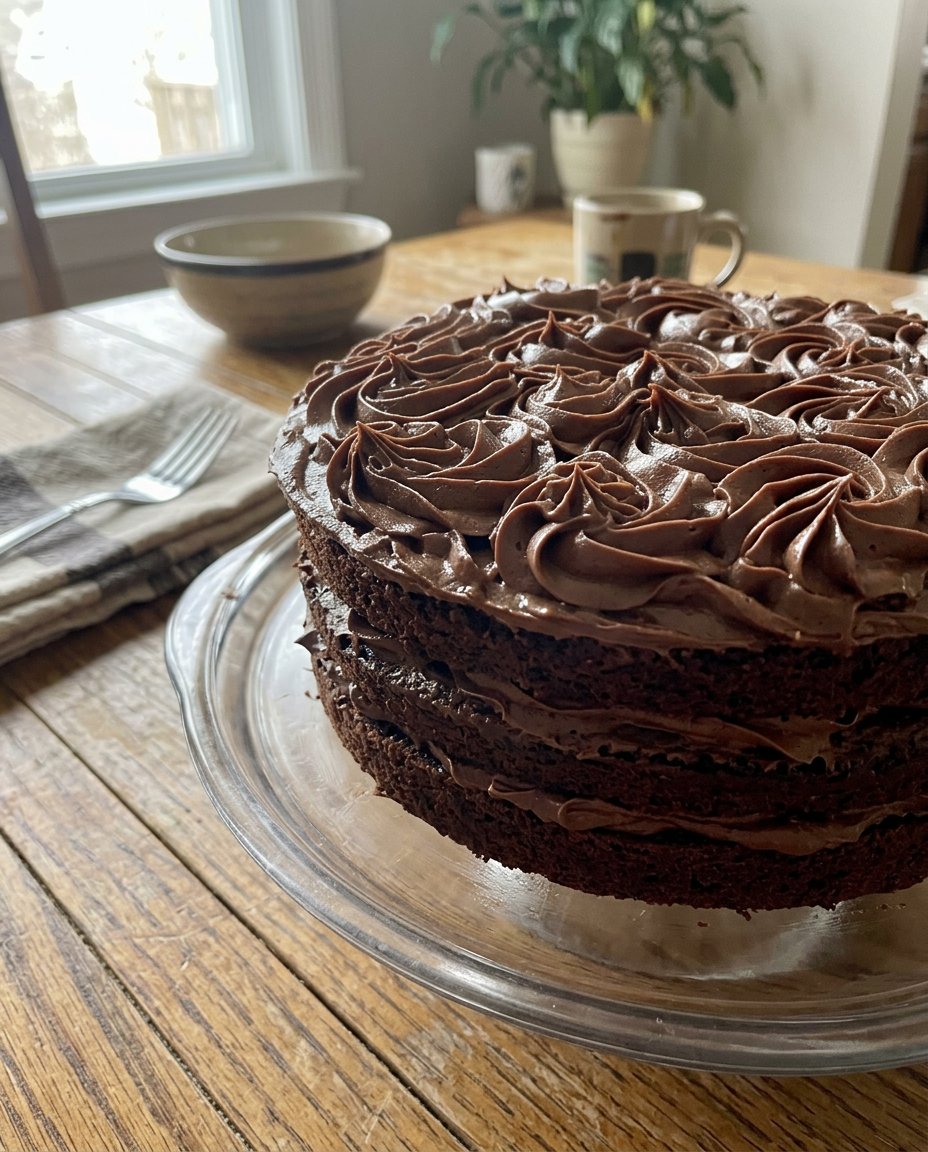
This cake is a true showstopper and deserves to be served with a bit of ceremony. I love placing it on a vintage glass pedestal stand so the four layers are visible to everyone at the table. It looks particularly charming when surrounded by a few sprigs of fresh mint or even some edible pansies.
To keep the experience light, serve thin slices with a cup of Earl Grey tea or a cold glass of milk. If you are hosting a larger gathering and want to offer a variety of citrus treats, consider serving this alongside our colorful lemon rainbow cake. Because this cake has a cooked filling, it is best kept in the refrigerator, but I recommend letting the slices sit at room temperature for about fifteen minutes before serving so the butter in the cake and frosting can soften slightly.
A Final Slice of History
Baking this cake is like taking a step back into a simpler time. It reminds us that the best things in life often require a little bit of patience and a lot of heart. Whether you are baking this for a birthday or just because it is a Tuesday, I hope it brings as much joy to your home as it has to mine over the years. This is the kind of recipe that gets passed down, written on index cards and tucked away for the next generation to find.
If you enjoyed this trip down memory lane, you might also like our blueberry coffee cake for your next breakfast gathering. Please share your baking photos with us and join our community of vintage kitchen lovers! You can find more inspiration on our Pinterest and follow our daily baking adventures on Instagram. Happy baking, and may your kitchen always smell of lemons and love.