I remember the yellowed index card tucked behind the sourdough starter notes in my mother’s oak recipe box. It was stained with a single drop of lemon oil, a testament to the many Sunday afternoons spent measuring sugar and whisking flour by the light of the kitchen window. There is something so honest about a pound cake, a simple loaf that asks for nothing but patience and good butter. These are the recipes that define a home, the ones that linger in the air long after the last slice is gone and the tea kettle has cooled.
In those days, baking was not about performance or speed; it was a rhythmic ritual. We would wait for the butter to soften on the counter, its yellow hue a promise of the richness to come. My grandmother always said that you could taste the mood of the baker in the crumb of the cake. If you were hurried, the cake would be tough. If you were thoughtful, the cake would be tender. This recipe is for those thoughtful mornings where you have nowhere to be but your own kitchen.

This Lemon Pound Cake 3 is a celebration of that simple honesty, refined for the modern baker who still values the quiet of a slow morning. It yields a crumb that is tight yet tender, singing with the brightness of fresh citrus and the richness of real cream. We use sour cream and fresh-squeezed juice to create a texture that is moist without being heavy, a difficult balance to strike in a traditional pound cake.
Unlike the airy sponges or towering layer cakes of the holidays, this loaf is meant for the everyday moments. It is a cake that sits comfortably on a wooden board, ready for a neighbor’s visit or a quiet moment with a book. By focusing on small-batch techniques and quality ingredients, we honor the old ways while making a treat that is perfectly suited for today’s table. Let the scent of lemons fill your home as we walk through this cherished process together.
The Magic of a Simple Lemon Loaf
There is a specific kind of joy that comes from a perfectly baked pound cake. It is not showy or loud, but its presence is deeply comforting. This version stands out because of its remarkable texture. By using a combination of butter and sour cream, we achieve a velvety crumb that feels substantial yet melts away the moment it hits your tongue. It is the kind of cake that doesn’t need a mountain of frosting to be beautiful; the simple lemon glaze provides just enough pucker to balance the sweet, buttery base.
What makes this recipe truly special is its reliability. It has been tested in my own kitchen more times than I can count, ensuring that each step leads you to a golden loaf with a classic crack down the center. The addition of fresh lemon zest provides an aromatic quality that bottled extracts simply cannot match. When you zest a lemon, you are releasing the essential oils that have been trapped in the peel, bringing a bright, floral note to the batter that reminds me of early spring mornings. It is a timeless treat that feels like a warm hug from a dear friend.
Print
Lemon Pound Cake 3
- Total Time: 1 hour 25 mins
- Yield: 10 servings
- Diet: Vegetarian
Description
This classic lemon pound cake features a rich, velvety crumb thanks to the addition of sour cream and fresh citrus. It is a simple yet elegant loaf finished with a thick, creamy lemon glaze that is perfect for any occasion.
Ingredients
- 1 and 1/2 cups all-purpose flour
- 1 teaspoon baking powder
- 1/4 teaspoon salt
- 3/4 cup unsalted butter, room temperature
- 1 cup granulated sugar
- 2 large eggs, room temperature
- 1/2 cup sour cream
- 1 tablespoon lemon zest
- 2 tablespoons fresh lemon juice
- 1 teaspoon pure vanilla extract
- 1 cup confectioners’ sugar
- 1 tablespoon fresh lemon juice
- 1 tablespoon heavy cream
Instructions
- Preheat your oven to 350°F (177°C) and grease an 8×4-inch loaf pan with nonstick spray or butter and flour.
- In a medium bowl, whisk together the flour, baking powder, and salt, then set aside.
- Using a mixer with a paddle attachment, beat the softened butter for one minute, then add the sugar and cream on high speed for 2 minutes until light and fluffy.
- On low speed, add eggs one at a time, followed by the sour cream, lemon juice, lemon zest, and vanilla extract until combined.
- Gently fold in the dry ingredients on the lowest speed just until no streaks of flour remain, being careful not to over-mix.
- Spoon the batter into the prepared pan and bake for 55-65 minutes, tenting with foil halfway through if needed; the cake is done when a toothpick comes out with only a few moist crumbs.
- Cool in the pan for one hour, then remove and whisk together the confectioners’ sugar, lemon juice, and cream to glaze the cake while still slightly warm.
Notes
To ensure a perfectly tender crumb, make sure your eggs and sour cream are at room temperature before mixing to prevent the butter from seizing. For the best flavor, always zest your lemons before juicing them to capture the aromatic essential oils.
- Prep Time: 20 mins
- Cook Time: 1 hour 5 mins
- Category: Dessert
- Method: Baking
- Cuisine: American
The Pantry Essentials
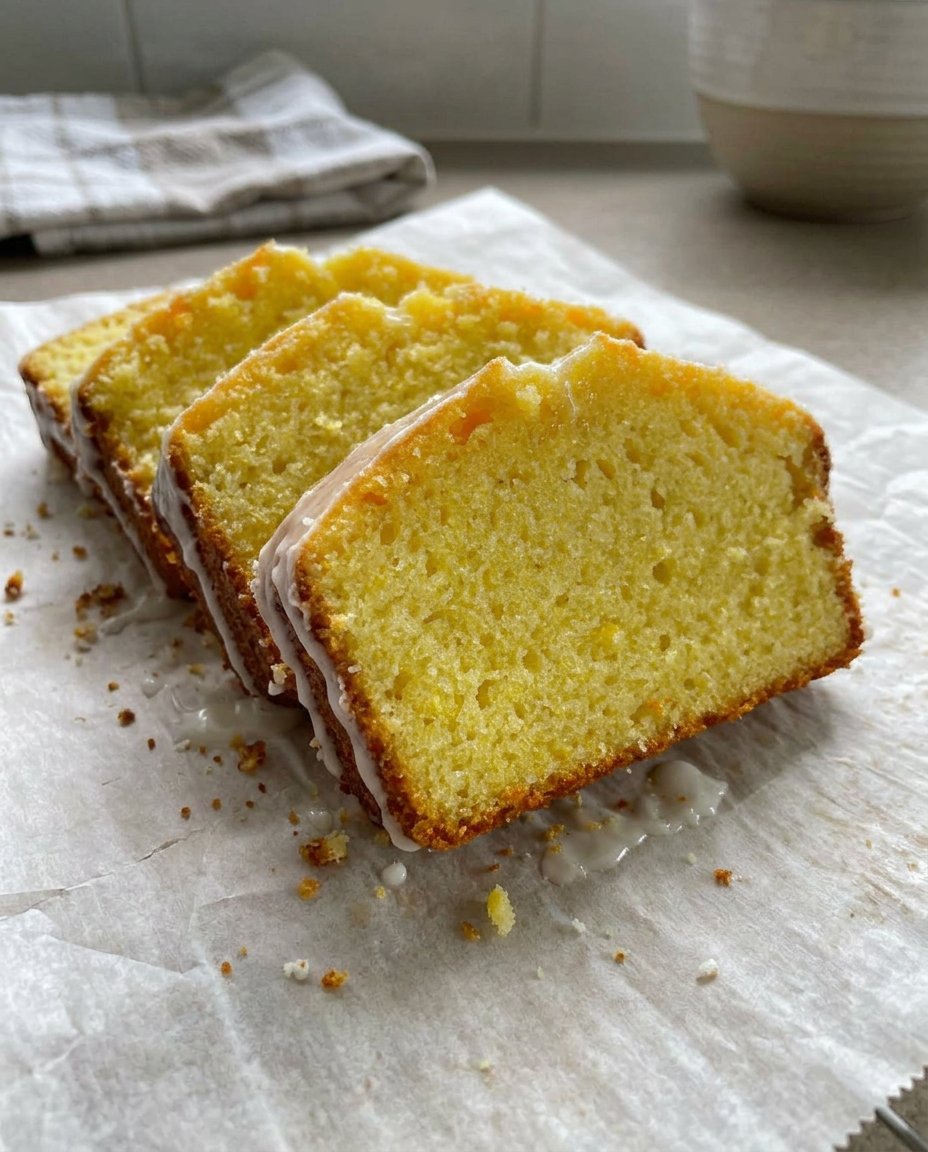
In my kitchen, I always emphasize that the quality of your ingredients is the foundation of your success. For this small-batch loaf, every element has a part to play. We start with all-purpose flour, which provides the necessary structure. It is important to spoon and level your flour rather than scooping it directly with the measuring cup, as packing the flour can lead to a dry, heavy cake. Baking powder and a touch of salt round out the dry ingredients, giving the cake its lift and balancing the sweetness of the sugar.
- Unsalted Butter: Use high-quality butter and let it sit at room temperature until it is soft. This allows it to cream properly with the sugar, creating tiny air pockets that lighten the dense pound cake texture.
- Granulated Sugar: This provides sweetness and helps in the creaming process.
- Large Eggs: Like the butter, these must be at room temperature so they incorporate into the batter without curdling the fats.
- Sour Cream: This is my secret for a moist crumb. It adds a subtle tang and a lot of moisture without thinning the batter too much.
- Fresh Lemon: You will need both the zest and the juice. The zest carries the aroma, while the juice provides the sharp flavor that defines this cake.
- Vanilla Extract: A dash of pure vanilla adds a layer of warmth that complements the citrus beautifully.
For the icing, we use confectioners’ sugar, more lemon juice, and a splash of heavy cream. The cream makes the glaze thick and opaque, similar to the cakes you might see in a vintage bakery window. If you prefer a more translucent look, you can use milk instead, but the heavy cream truly makes it feel like a special occasion treat.
The Baking Process
Step 1: Prep the Oven and Pan
Lower your oven rack to the lower-third position. This helps the dense pound cake bake evenly without the top burning before the center is set. Preheat the oven to 350°F (177°C). Prepare your 8×4-inch loaf pan by greasing it well with nonstick spray or a bit of butter and a dusting of flour. If you only have a 9×5-inch pan, that works too, though your loaf will be slightly shorter and bake a bit faster.
Step 2: Whisk the Dry Ingredients
In a medium bowl, whisk together the flour, baking powder, and salt. I like to use a wire whisk for this to make sure there are no clumps of baking powder hiding in the flour. Set this bowl aside for a moment.
Step 3: Cream the Butter and Sugar
Using a handheld or stand mixer fitted with the paddle attachment, beat the softened butter on high speed for about a minute until it is smooth and pale. Add the granulated sugar and continue beating on high for 2 full minutes. You are looking for a light, fluffy texture. Don’t rush this part; creaming is where the magic happens. Be sure to scrape down the sides of the bowl with a rubber spatula so every bit is included.
Step 4: Incorporate the Eggs and Aromatics
Turn the mixer to low speed and add the eggs one at a time, allowing each to be fully absorbed before adding the next. Once the eggs are in, stop the mixer. Add the sour cream, lemon juice, lemon zest, and vanilla extract. Beat on medium speed until combined. The mixture might look a bit curdled or lumpy here because of the different textures and acid from the lemon, but do not worry. It will come together once the flour is added.
Step 5: Fold in the Flour
With the mixer on the lowest setting, slowly add the dry ingredients. Mix just until you no longer see streaks of white flour. If you see large lumps, run a whisk through the batter a few times by hand. The batter should be very thick and fragrant. Over-mixing at this stage can lead to a tough cake, so keep a gentle hand.
Step 6: Bake and Tent
Spoon the batter into your prepared pan and smooth the top. Bake for 55-65 minutes for an 8×4 pan (or 45-60 minutes for a 9×5 pan). About halfway through, if you notice the top is getting quite dark, loosely tent the pan with aluminum foil. The cake is finished when a toothpick inserted into the center comes out with just a few moist crumbs.
Step 7: Cool and Glaze
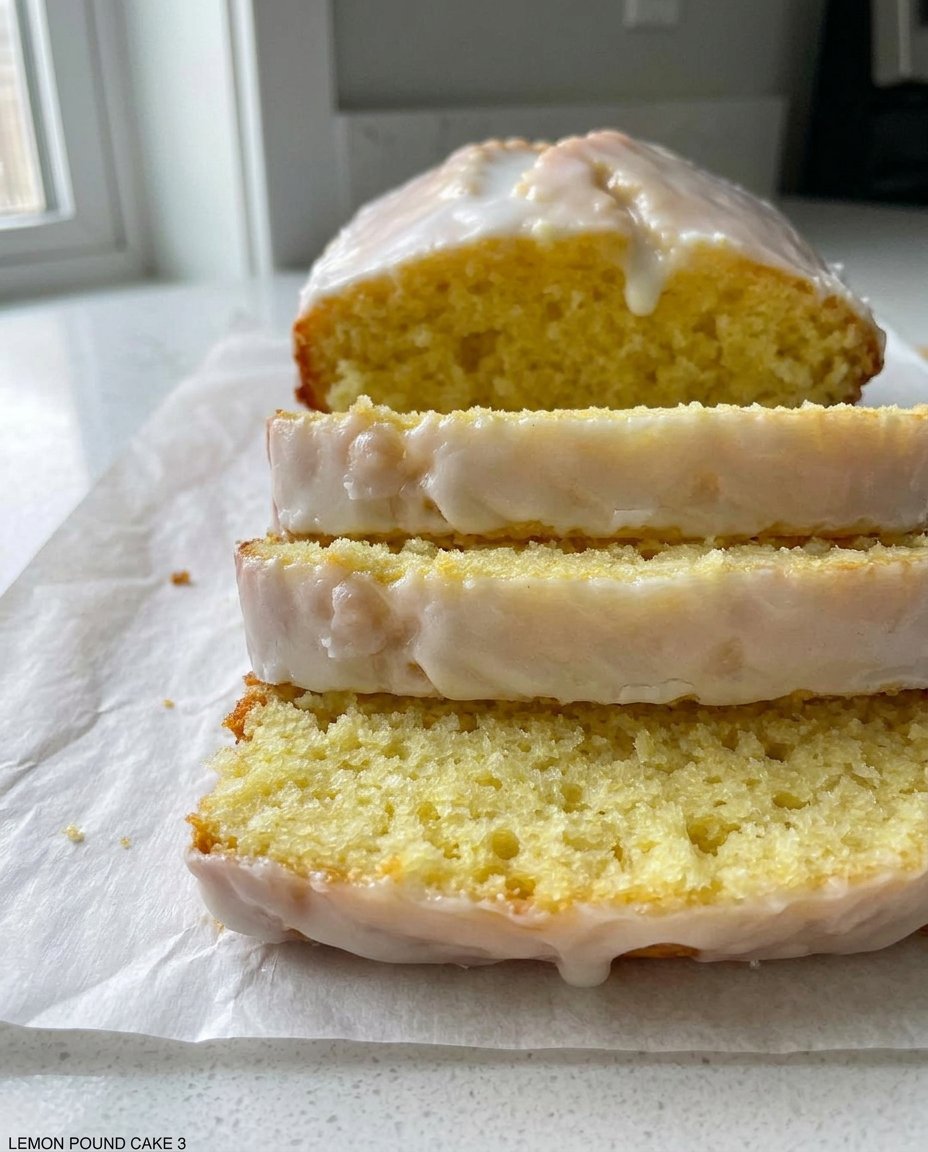
Let the cake rest in the pan on a wire rack for one hour. This allows the structure to firm up. Carefully remove it from the pan and let it finish cooling. While it is still slightly warm, whisk together your icing ingredients—sugar, lemon juice, and cream—and pour it over the top. The warmth helps the glaze set into a beautiful, smooth shell.
Secrets from the Recipe Box
One of the most important things to remember when baking a pound cake is the temperature of your ingredients. If your eggs or sour cream are cold, they will cause the creamed butter to seize up, resulting in a grainier texture. If you are in a hurry, you can place your eggs in a bowl of warm water for ten minutes to take the chill off. For the best results, I often look back at Sally’s Baking Addiction for inspiration on how to achieve that perfect glaze consistency.
Another vintage trick is to make sure your lemon is at room temperature before juicing. Roll it firmly against the counter with the palm of your hand before cutting it; this breaks the internal membranes and allows you to get every single drop of juice. If you enjoy working with citrus, you might also find success with our tips for keeping fruit-fresh in your recipes. Remember, a pound cake is done when it feels firm to the touch and the crack on top looks dry, not shiny.
Classic Flavor Twists
While this lemon version is a personal favorite, the beauty of a pound cake is its versatility. You can easily swap the lemon zest and juice for orange or lime for a different citrus profile. If you want a bit of crunch, folding in two tablespoons of poppy seeds transforms this into a classic lemon poppy seed loaf. For those who prefer a lighter, tangier base, you might enjoy trying our lemon-yogurt-cake, which uses yogurt in place of the sour cream for a slightly different crumb.
If you are feeling a bit more adventurous, you can add a half-teaspoon of almond extract along with the vanilla. This creates a more complex, professional flavor that pairs wonderfully with the tartness of the lemon. I have even seen some bakers fold in a handful of fresh blueberries tossed in a little flour to prevent them from sinking to the bottom. These variations stay true to the spirit of the original recipe while allowing you to use what you have in your pantry.
At the Table
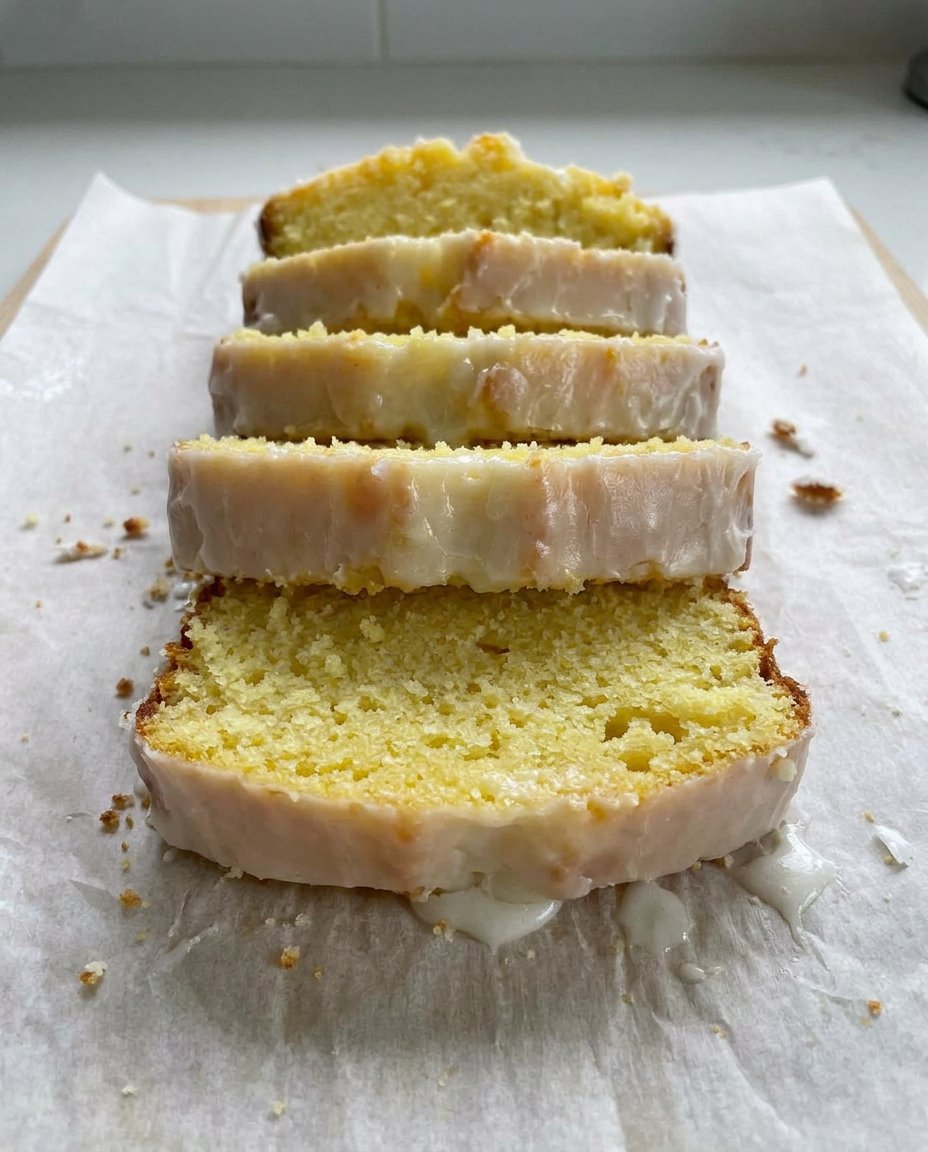
When it comes time to serve this cake, I prefer the simple approach. A thick slice served on a vintage floral plate is enough to make any afternoon feel special. If you are hosting a small gathering, consider serving this alongside our lemon-rainbow-cake for a citrus-themed dessert spread. It is also wonderful when served slightly toasted the next morning with a little bit of extra butter spread on top.
For a more formal presentation, you can garnish the platter with thin slices of fresh lemon and a few sprigs of mint. The contrast of the yellow glaze against the green mint is quite lovely. Always wait to slice the cake until it is completely cool if you want those clean, sharp edges. If you slice it while it is warm, the crumb may tear slightly, though it will still taste just as wonderful.
A Final Word
Baking this Lemon Pound Cake 3 is a way to slow down and appreciate the small things—the scent of citrus, the feel of soft flour, and the warmth of the oven. It is a recipe that has stood the test of time, and I hope it finds a permanent home in your recipe box, just as it has in mine. For more inspiration on building your collection of classic-recipes, be sure to browse our other vintage-inspired bakes.
I would love to see how your loaf turns out and hear the memories you create while baking it. Please share your photos and stories with our community of home bakers. You can find us and follow our journey on Pinterest and Instagram. Happy baking, from my kitchen to yours.