When I first discovered a handwritten note for an Opera Cake tucked inside my grandmother’s favorite cookbook, I felt as though I had found a hidden treasure. The paper was yellowed at the edges, carrying the faint scent of vanilla and the memory of a kitchen that never seemed to rest. It reminded me of those quiet Sunday afternoons when baking was a slow, rhythmic dance, and every layer told a story of patience and care.

This timeless French pastry is much more than just a dessert; it is a delicate balance of almond sponge, rich coffee, and dark chocolate. While it might look imposing with its many layers, the process is quite gentle once you find your stride. It is the perfect centerpiece for a small gathering where the conversation is as rich as the chocolate glaze on top.
The Magic of the Opera Cake
There is something truly remarkable about the way the flavors in this cake come together. Each bite offers a whisper of coffee followed by the deep, comforting embrace of chocolate. Because we bake it in small batches, the textures remain perfectly distinct—the sponge stays light, and the buttercream remains smooth as silk.
This recipe honors the old way of doing things, where we didn’t rush the process. You will love how the coffee syrup seeps into the almond biscuit, creating a moistness that feels like a warm hug for your palate. It is a heritage recipe that brings the elegance of a Parisian pastry shop right into the heart of your home kitchen.
We don’t use fancy gadgets or modern shortcuts here. Instead, we rely on quality ingredients and the kind of focus that makes baking feel like a form of meditation. The result is a cake that looks like a work of art but tastes like home, reminding us that some things are worth the extra bit of time and affection.
Print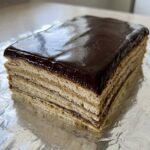
Opera Cake
- Total Time: 3 hours
- Yield: 8 servings
- Diet: Vegetarian
Description
A sophisticated French masterpiece, this Opera Cake layers light almond-infused Joconde sponge with aromatic coffee syrup, silky buttercream, and rich dark chocolate ganache. This elegant dessert offers a perfect balance of textures and deep, classic flavors that bring the spirit of a Parisian pastry shop to your table.
Ingredients
- 120 g almond flour
- 150 g powdered sugar
- 4 large eggs, room temperature
- 2 large egg whites
- 300 g dark chocolate
- 260 g unsalted butter
- Coffee extract
- 100 ml water
- 50 g sugar
- 200 ml liquid cream
- All-purpose flour
Instructions
- Preheat your oven to 180°C (350°F) and line a baking sheet with parchment paper.
- Whisk the almond flour and powdered sugar with the four whole eggs, then gently fold in two egg whites whipped to soft peaks.
- Sift in a pinch of flour and stir in melted butter before spreading the batter thinly on the baking sheet and baking for 10 to 12 minutes.
- Prepare the coffee syrup by simmering 100 ml water, 50 g sugar, and 2 tablespoons of coffee extract until the sugar is fully dissolved.
- Create the buttercream by whisking eggs and sugar until pale, then slowly incorporating soft butter and coffee extract until thick.
- Make the ganache by heating the liquid cream and pouring it over 200 g of chopped chocolate; stir until glossy and chill until spreadable.
- Cut the cooled biscuit into three equal rectangles and brush each generously with the coffee syrup.
- Assemble the cake by alternating layers of sponge, buttercream, and ganache, finishing with a final layer of ganache on top.
- Glaze the chilled cake with 100 g melted chocolate and 60 g butter, then refrigerate for at least two hours before slicing into rectangles.
Notes
To ensure the most distinct and beautiful layers, make sure each component is completely cooled before you begin the assembly process. Using a hot knife to slice the chilled cake will help achieve the clean, professional edges characteristic of a classic French Opera cake.
- Prep Time: 45 mins
- Cook Time: 15 mins
- Category: Dessert
- Method: Baking
- Cuisine: French
The Pantry Staples for a Classic Opera
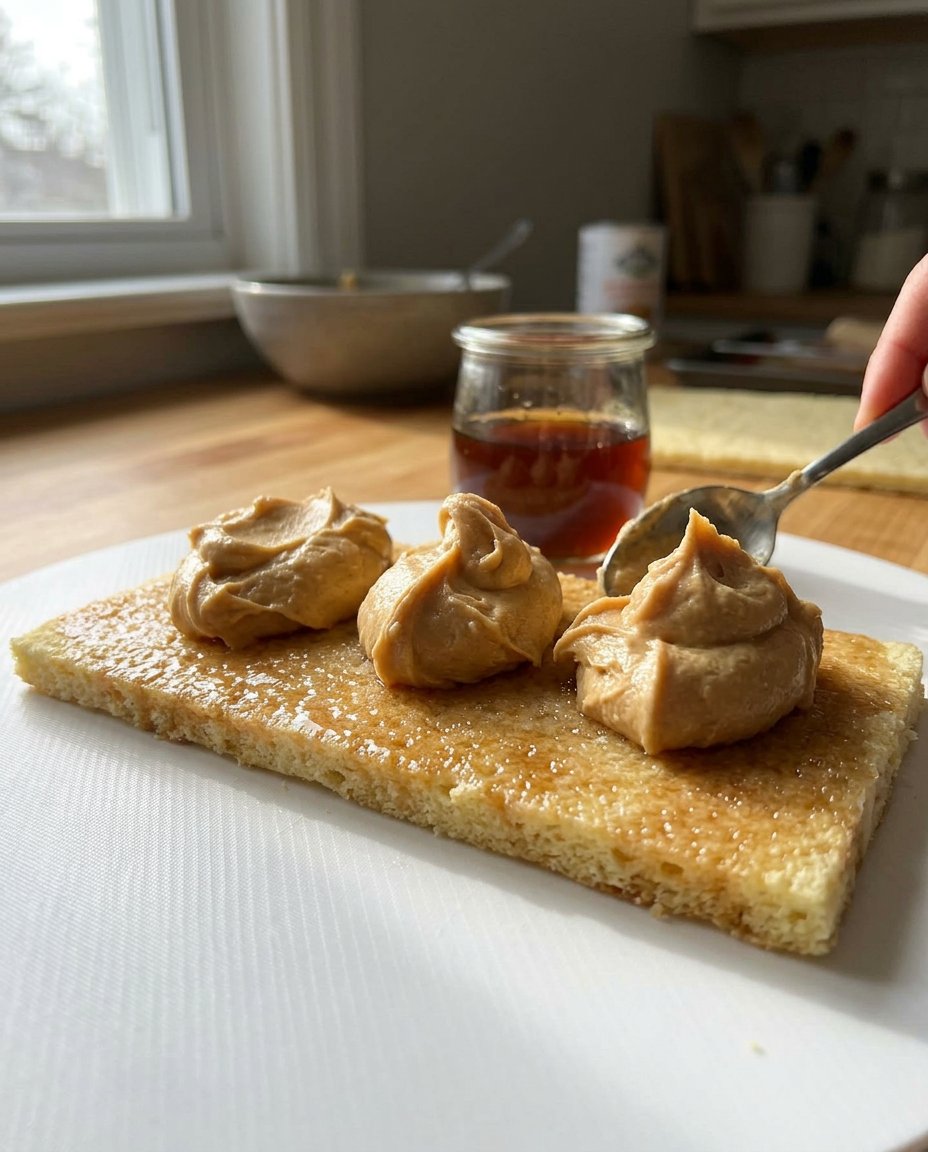
To begin this journey, we must look to our pantry for simple, high-quality staples. The foundation of our cake is the Joconde biscuit, a light almond sponge that acts as the perfect canvas for our flavors. You will want to ensure your eggs are at room temperature, just as Grandma always insisted, to achieve the proper lift in the sponge.
- Almond Flour (120 g): This provides the signature nutty flavor and tender crumb that makes the biscuit so special.
- Powdered Sugar (150 g): A fine sweetness that dissolves beautifully into the almond mixture.
- Large Eggs: We use four whole eggs and two extra whites to create a structure that is both sturdy and airy.
- Dark Chocolate (300 g total): Split between the ganache and the final glaze, choose a chocolate that feels like a treat to eat on its own.
- Unsalted Butter (260 g total): This is the heart of our buttercream and glaze; its creaminess is what carries the coffee flavor.
- Coffee Extract: A strong, aromatic essence that brings the spirit of the opera to every layer of the cake.
Every ingredient has a purpose, from the tiny pinch of flour to the rich liquid cream. When we gather these items on a worn wooden counter, we are preparing to create something that has been cherished for generations. It is a reminder that the best things in life are often made from the most basic elements, handled with a bit of grace.
The Baking Process
Step 1: Prepare the Joconde Biscuit
Begin by preheating your oven to 180°C (350°F). In a large bowl, whisk together your almond flour and powdered sugar before gently incorporating the four whole eggs one by one. In a separate clean bowl, whip your two egg whites until they form soft, snowy peaks, then fold them into the almond batter with the tenderness of a quiet morning. Finally, sift in your flour and stir in the melted butter until the batter is smooth and ready for the tray.
Step 2: Bake and Cool
Spread your batter thinly across a baking sheet lined with parchment paper, ensuring it reaches every corner. Bake for about 10 to 12 minutes, or until the top is golden and springs back slightly when touched by a gentle finger. Once removed from the oven, let it cool completely on a wire rack; this patience is key to making sure the layers hold their shape later on.
Step 3: Create the Coffee Syrup
While the sponge cools, we prepare the soak that gives the cake its soul. Combine 100 ml of water, 50 g of sugar, and 2 tablespoons of coffee extract in a small saucepan over low heat. Stir slowly until the sugar has vanished into the liquid, then set it aside to cool so it can deeply penetrate the sponge without making it soggy.
Step 4: Whip the Coffee Buttercream
This is perhaps the most nostalgic part of the process, reminding me of the scent of coffee in a warm kitchen. Whisk your remaining eggs and sugar until they turn a pale, creamy color, then slowly add your soft butter in small pieces. Continue whisking until the mixture is thick and luscious, then fold in the coffee extract to create a cloud-like filling.
Step 5: Simmer the Dark Ganache
For the ganache, gently heat your liquid cream until it just begins to simmer, then pour it over 200 g of chopped dark chocolate. Let it sit for a moment to let the heat work its magic, then stir from the center outward until you have a glossy, dark pool. Allow this to cool in the refrigerator until it reaches a spreadable consistency that feels like heavy silk.
Step 6: Assemble the Layers
Cut your cooled biscuit into three equal rectangles with a sharp knife. Lay the first piece down and brush it generously with the coffee syrup, then spread a thin, even layer of buttercream followed by a layer of ganache. Repeat this with the second and third layers, finishing the top with a smooth coat of ganache before letting it rest in the cold air of the fridge.
Step 7: The Final Glaze
For the crowning glory, melt 100 g of chocolate with 60 g of butter over a gentle bain-marie. Once it is slightly warm but not hot, pour it over the chilled cake and smooth it over the top with a steady hand. Let the cake sit in the refrigerator for at least two hours, allowing all the layers to become one harmonious dessert.
Secrets from the Recipe Box
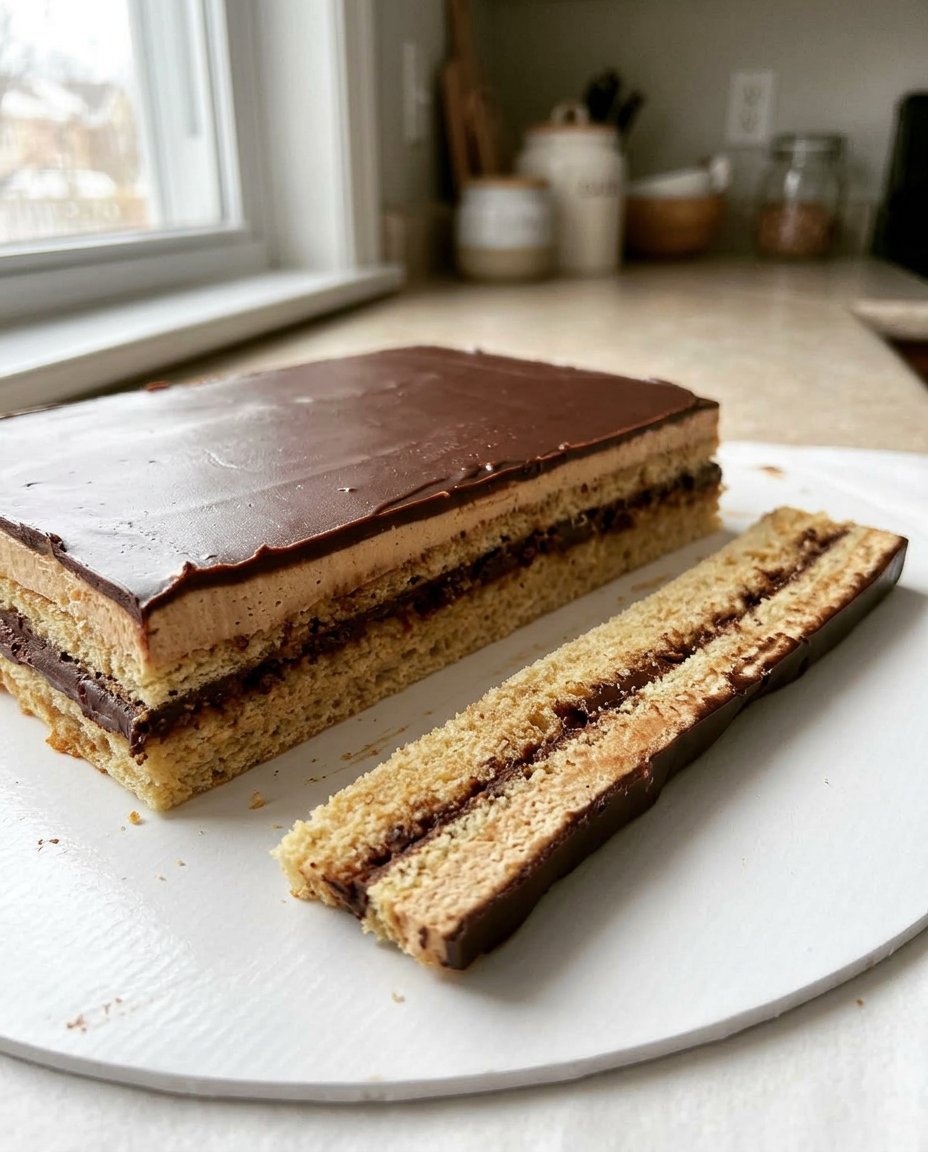
One of the most important lessons I learned is that the temperature of your ingredients determines the success of your buttercream. If the butter is too cold, the cream will break; if it is too warm, it will melt into a puddle. Always aim for a soft, yielding texture that feels like a comfortable chair. For more wisdom on keeping things simple, you can look at these classic-recipes that have been tested through the years.
When you are soaking your sponge with the coffee syrup, do not be afraid to be thorough. The cake should be moist but not dripping, much like the earth after a gentle spring rain. If you find your glaze is losing its shine, a quick trick is to add a tiny drop of vegetable oil to the chocolate, a technique often discussed in this detailed guide to French pastry. Always use a hot knife to cut your slices, wiping it clean between each stroke to keep those beautiful layers visible.
Timeless Twists on a Classic
While the traditional coffee and chocolate combination is hard to beat, there are ways to make this recipe your own without losing its heritage. You might consider using a touch of hazelnut flour in place of some of the almond flour for a deeper, earthier tone. If you are baking for those who prefer to skip the caffeine, a dark chicory or even a rich cocoa soak can replace the coffee extract beautifully.
For a winter celebration, a splash of dark rum or bourbon in the coffee syrup adds a warming glow that feels right at home by a crackling fire. If you enjoy a more intense chocolate experience, you might find inspiration in the rich layers of a german-chocolate-cake. No matter which path you choose, keep the layers thin and the spirit of the recipe intact, honoring the balance that makes the Opera cake so enduring.
At the Table
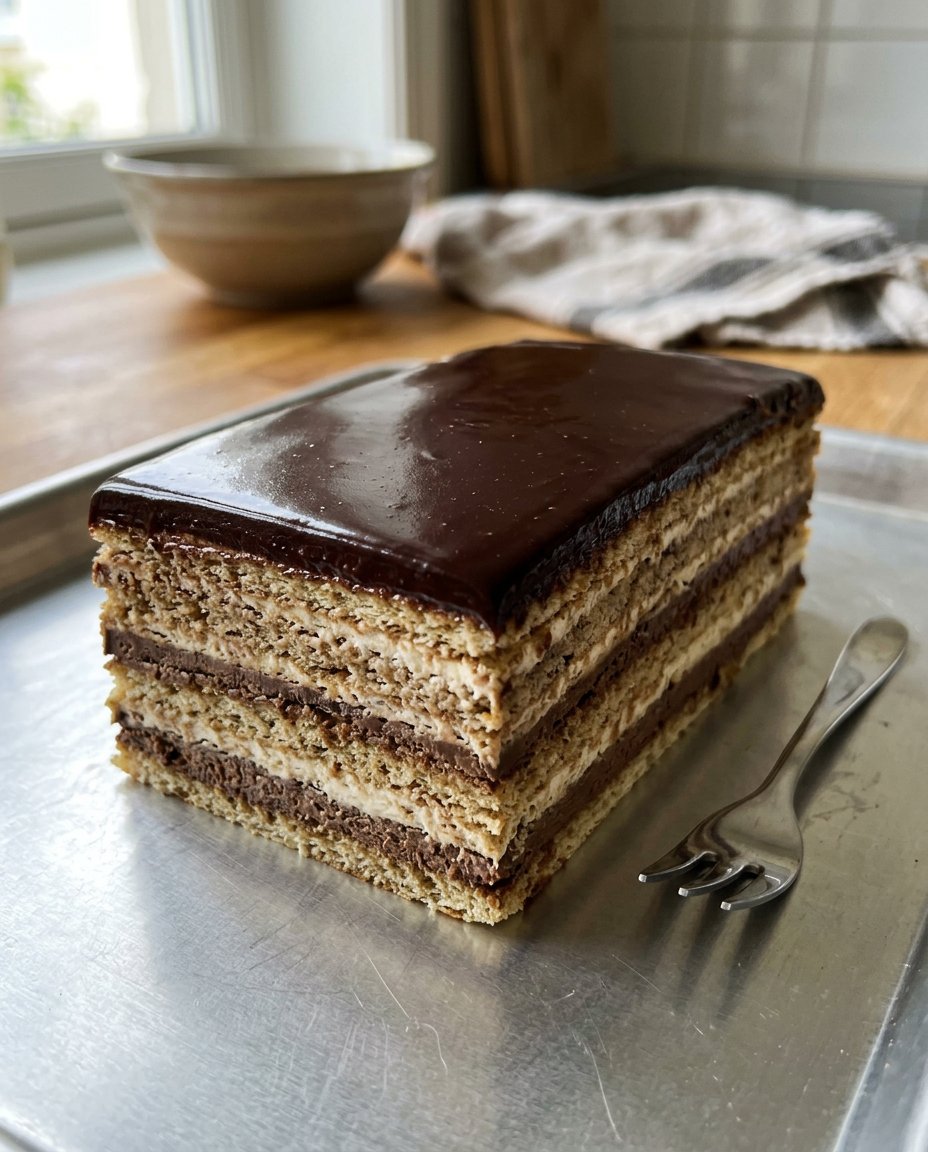
When it comes time to serve your Opera cake, remember that less is often more. This is a rich dessert, so I recommend cutting it into small, elegant rectangles, about one inch wide. Place each slice on a delicate china plate, perhaps one with a faint floral pattern that reminds you of a quiet afternoon tea at a grandmother’s house.
A simple cup of black coffee or a light Earl Grey tea is the perfect companion, as the bitterness of the drink balances the sweetness of the buttercream. If you are looking for something even more decadent for a holiday spread, you might serve this alongside a ferrero-rocher-cake to give your guests a variety of chocolate textures. The goal is to create a moment of stillness where everyone can truly savor the craftsmanship that went into each layer.
A Final Word on Baking Memories
Baking an Opera cake is a journey through time, a way to connect with the bakers who came before us and found joy in the precision of their craft. It is not about perfection, but about the love we pour into the batter and the stories we share over the final slice. As you tuck this recipe back into your own collection, I hope it becomes a cherished part of your family’s traditions, just as it has been in mine.
For those who find themselves craving even more chocolate-indulgence, remember that the kitchen is always open for another story. I would dearly love to see how your cake turned out, so please feel free to share your baking journey with our community. You can find us and share your photos on Facebook, Instagram, or Pinterest. Until next time, keep your oven warm and your heart full.