Most people think retirement means slowing down, but I say it’s time to speed up the flavor. Why not celebrate the end of the 9-to-5 grind with a cake that’s as rich, sturdy, and reliable as a gold watch, but way tastier? We’re taking a classic sponge and giving it the fondant treatment—because nothing says “I’m done” like a slice of cake big enough to silence a breakroom.

This isn’t your delicate, airy-fairy chiffon; this is a six-egg beast designed to hold its shape under fondant armor. We’re talking a buttery vanilla crumb, a smooth buttercream seal, and a professional-looking finish that screams “mission accomplished.” It’s the perfect canvas for whatever message you want to send to your old boss.
The Ultimate Send-Off
It’s a foundational recipe. This sponge is robust enough to carve, stack, or cover in fondant without collapsing, making it the MVP of any party. It keeps moist for days, so you can bake it ahead of the party stress without worrying about it drying out. Plus, the ratio of butter to sugar here creates that nostalgic, dense crumb we all secretly crave over light-as-air sponges. It’s bold, simple, and structurally sound—just like a good retirement plan.
Print
Retirement Cake
- Total Time: 1 hour 55 mins
- Yield: 12 servings
Description
Celebrate a career milestone with this robust and elegant vanilla sponge cake. Designed to support a professional fondant finish, it offers a dense, nostalgic crumb that stays moist for days, making it the ultimate centerpiece for any retirement party.
Ingredients
- 350g Butter or Margarine (room temperature)
- 350g Caster Sugar
- 6 Large Eggs
- 350g Self-Raising Flour
- 1 tsp Vanilla Extract
- 2 tbsp Milk
- 1kg Ready-to-roll Fondant Icing
- 150g Butter (for buttercream)
- 300g Icing Sugar (for buttercream)
- Extra icing sugar for dusting
Instructions
- Preheat your oven to 160C (Gas mark 2.5) and line a deep 23cm round tin with greaseproof paper.
- Beat the butter (or margarine) and sugar together for at least 5 minutes until the mixture is pale and fluffy.
- Whisk the eggs and milk in a separate jug, then add them to the butter mixture alternately with the flour to maintain a smooth texture.
- Stir in the vanilla extract, spoon the batter into the tin, and level the surface.
- Bake for 1 hour and 15 minutes, or until a wooden skewer inserted into the center comes out clean.
- Allow the cake to cool in the tin for 10 minutes before transferring it to a wire rack to cool completely.
- Prepare the buttercream by beating together 150g butter, 300g icing sugar, a splash of milk, and vanilla until creamy.
- Apply a thin layer of buttercream over the top and sides of the cold cake to act as a crumb coat and glue for the fondant.
- Roll out the fondant icing to a thickness of 0.5cm on a surface dusted with icing sugar.
- Carefully drape the fondant over the cake, smooth out any air bubbles with your hands, and trim away the excess at the base.
Notes
To ensure the most professional finish, allow the cake to settle for a few hours after crumb coating before applying the fondant. If you are working in a warm kitchen, chilling the buttercream-coated cake for 20 minutes will provide a firmer base for rolling and smoothing the final icing layer.
- Prep Time: 40 mins
- Cook Time: 1 hour 15 mins
- Category: Dessert
- Method: Baking
- Cuisine: British
The Flavor Arsenal
- Butter or Margarine: Room temperature is non-negotiable here. Margarine actually gives a slightly better rise for these heavy batters and is traditional for this style, but butter brings the rich flavor. Your call, rebel.
- Self-Raising Flour: The backbone. It has the baking powder already mixed in, ensuring an even lift for this heavy mix.
- Eggs: Six large ones. This provides the structure and richness needed to support the fondant weight.
- Milk: Just a splash to loosen the batter to dropping consistency.
- Fondant Icing: You’ll need roll-out icing (about 1kg). It’s the smooth suit that makes the cake look professional.
- Vanilla Extract: Don’t use the fake essence; get the real extract for a flavor that actually tastes like dessert.
Let’s Build This
Step 1: The Creaming Stage
Preheat your oven to 160C (Gas mark 2.5) and line a deep 23cm round tin with greaseproof paper. Beat your butter (or margarine) and sugar until pale and fluffy—don’t rush this, give it a good 5 minutes to incorporate air.
Step 2: The Emulsion
In a separate jug, fork-whisk your eggs and milk together. Add this mixture and the flour alternately to the butter bowl. A bit of egg, a bit of flour, fold, repeat. This prevents the batter from curdling and keeps the texture smooth. Finally, beat in that vanilla extract.
Step 3: The Long Bake
Spoon the mixture into the tin and level it out. Bake for about 1 hour and 15 minutes. Use a wooden skewer to check; if it comes out clean, you’re golden. Let it cool in the tin for 10 minutes before moving to a wire rack.
Step 4: The Crumb Coat
While the cake cools, beat the butter, icing sugar, milk, and vanilla for the buttercream until creamy. Once the cake is *fully* cold, cover the top and sides with this buttercream. This acts as glue for the fondant.
Step 5: The Fondant Finish
Dust your surface with icing sugar. Knead your fondant until pliable and roll it to about ½ cm thick. Lift it over the cake, smooth it with your hands to banish air bubbles, and trim the excess with a sharp knife.
Riley’s Hacks for Perfection
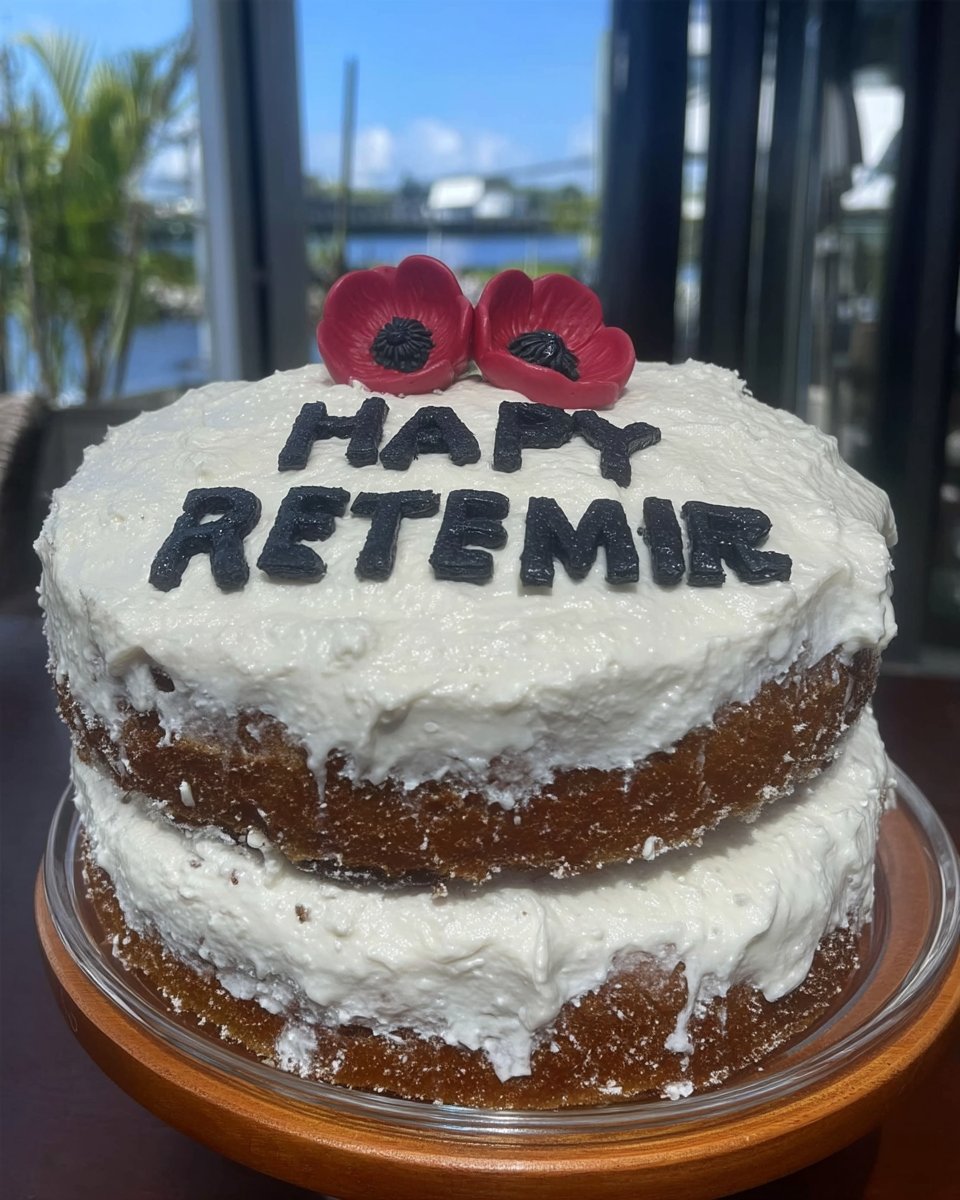
- Temperature Matters: If your ingredients aren’t all at the same room temperature, your batter will split. If it looks curdled, throw in a tablespoon of flour immediately to bind it back together.
- The Skewer Test: This is a dense cake, so it can deceive you. Test the center, not just the edge. If wet batter clings to the stick, give it another 5-10 minutes.
- Smoothing Secrets: If you don’t have a fancy fondant smoother, a piece of leftover fondant formed into a ball works surprisingly well to buff out imperfections on the icing.
- Structure: This sturdy sponge is ideal if you plan to stack tiers. For more structural tips on big bakes, check out my guide to celebration cakes.
Twist It Up
- Lemon Kick: Swap the vanilla for the zest of two lemons and use lemon juice instead of milk in the buttercream. It cuts through the sugar perfectly.
- Jam Layer: Slice the cooled cake horizontally and spread a layer of raspberry jam before adding the buttercream. It gives it that classic vintage cake vibe.
- Boozy Soak: Brush the warm sponge with a little Amaretto or simple syrup for extra moisture and a grown-up flavor profile.
- Chocolate: Replace 50g of the flour with high-quality cocoa powder for a chocolate version.
Showtime Plating
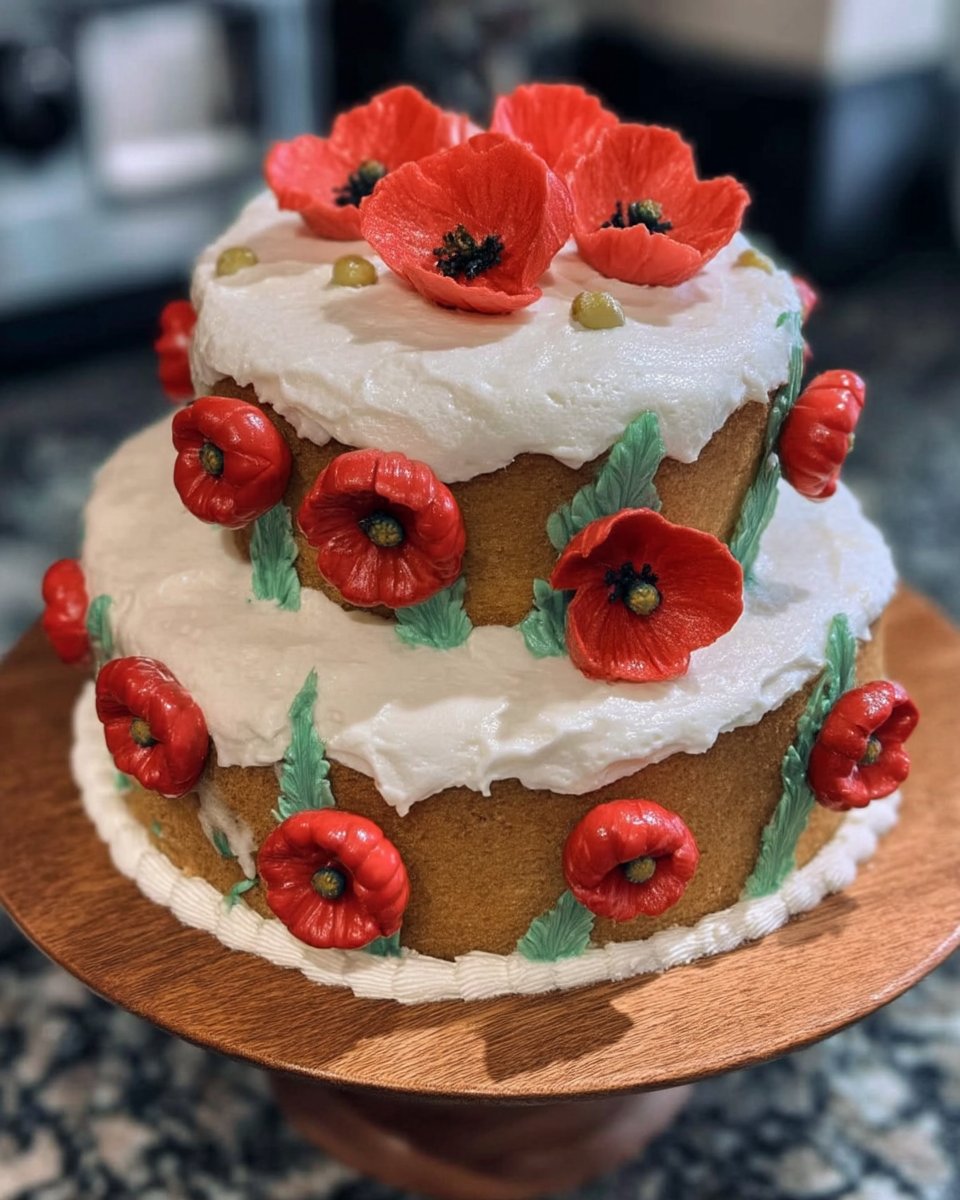
Serve this centerpiece on a high cake stand to give it the respect it deserves. Since the fondant and buttercream make it quite sweet, I recommend pairing thin slices with a dark, bitter espresso or a dry champagne to cut through the sugar. If you are looking for more timeless dessert ideas to fill out the dessert table, browse my classic recipes collection.
The Final Slice
Retirement is sweet, and this cake ensures the first taste of freedom is unforgettable. Whether you pipe a cheeky message on top or leave it pristine, it’s a bake that delivers on promise and flavor. If you’re feeling adventurous and want to sculpt something specific, like a vehicle for a mechanic’s retirement, you might want to look at my car cake tutorial next.
For more inspiration on classic bakes like this, I adjusted some techniques found in this Beechcroft recipe to ensure maximum reliability.
Now, go enjoy that pension!