In French pastry school, one of the very first terms we learn is *le ruban*—the ribbon. It describes that precise moment when eggs and sugar, beaten together with patience, fall from the whisk in a thick, folding band that sits proudly on the surface before slowly dissolving. It is the visual signature of a perfect emulsion, the promise of a structure that is both sturdy and impossibly tender.

This recipe captures that spirit of excellence. Often known in American circles as a “Blue Ribbon” pound cake, this dense, velvety creation relies on the richness of heavy cream and the lift of seven eggs to create a crumb that is unmatched in its luxury. It is a masterpiece of simplicity, requiring nothing more than precision and the very best ingredients.
A Masterclass in Texture
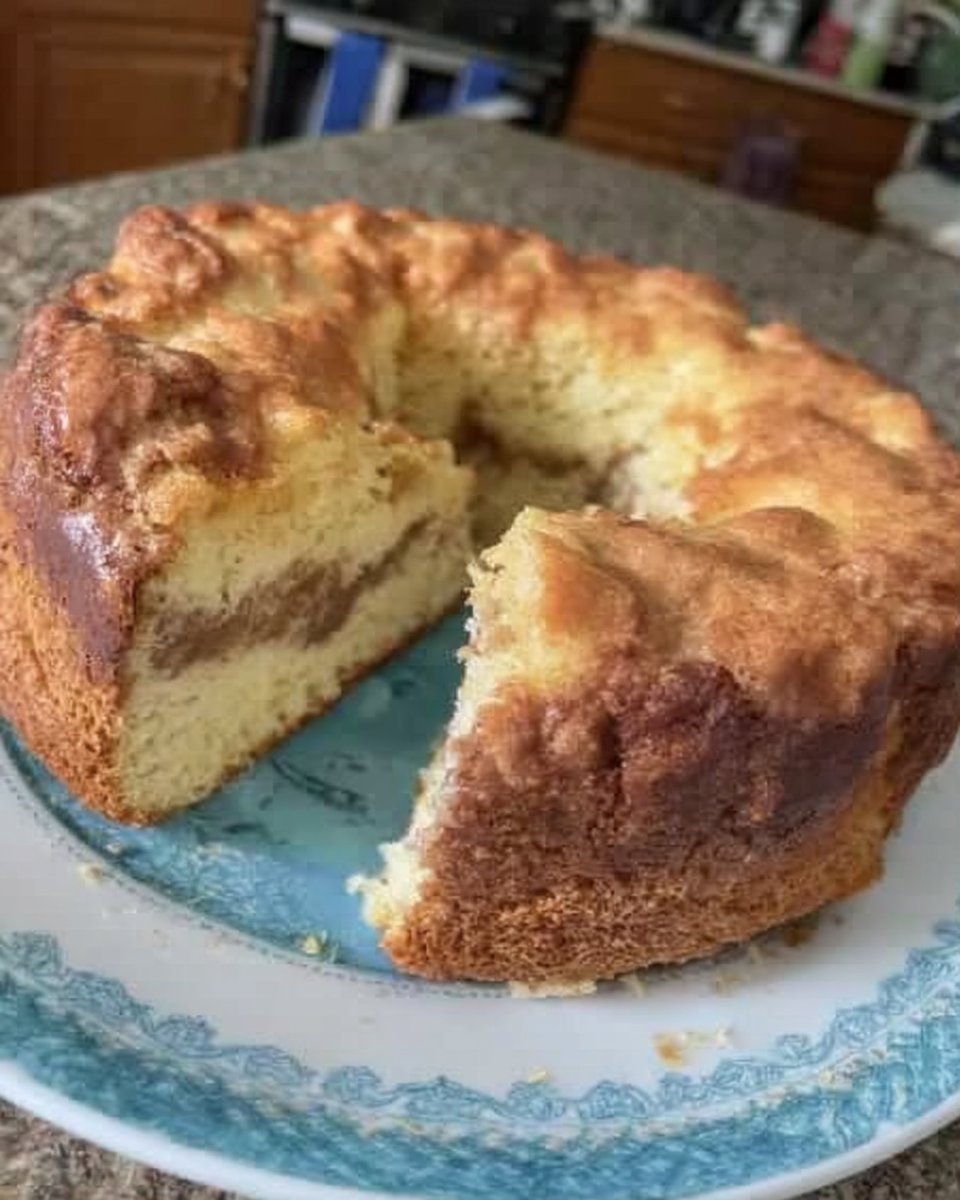
There is a profound beauty in a cake that needs no frosting to hide behind. You will love this Ribbon Cake because it celebrates the pure, unadulterated flavor of butter and vanilla. By using a combination of all-purpose flour and cornstarch, we mimic the delicacy of cake flour while maintaining enough structure to support the heavy cream. The result is a crumb that is tight yet tender—a “melt-in-your-mouth” experience that feels like a return to the golden age of baking. It is the kind of recipe that wins prizes not for its decoration, but for its undeniable quality.
Print
Ribbon Cake
- Total Time: 1 hour 35 mins
- Yield: 12 servings
- Diet: Vegetarian
Description
This luxurious Ribbon Cake features a dense, velvety crumb achieved through the meticulous creaming of high-fat butter and seven eggs. A touch of heavy cream adds an unmatched richness, making it an elegant centerpiece for any afternoon tea.
Ingredients
- 1 cup unsalted high-fat butter, softened (65°F/18°C)
- 3 cups granulated white sugar
- 7 large eggs, room temperature
- 2 ¾ cups all-purpose flour
- ¼ cup cornstarch
- 1 cup heavy whipping cream
- 1 tablespoon pure vanilla extract
Instructions
- Preheat your oven to 350°F (175°C) and thoroughly grease and flour a 10-inch tube pan or Bundt pan.
- In the bowl of a stand mixer fitted with the paddle attachment, cream the butter and sugar on medium-high speed until the mixture is very pale and aerated.
- With the mixer on low, add the eggs one at a time, ensuring each is fully incorporated before adding the next.
- In a separate bowl, whisk together the all-purpose flour and cornstarch.
- Add the flour mixture and heavy whipping cream alternately to the batter, starting with half the flour, then half the cream, then the remaining flour, and finally the rest of the cream and vanilla.
- Pour the batter into the prepared pan and bake for 60 to 75 minutes, or until a skewer inserted comes out clean.
- Cool on a wire rack for 10 minutes before inverting onto a serving plate.
Notes
To ensure a perfect emulsion, it is vital that all cold ingredients reach room temperature before mixing; cold cream or eggs can cause the batter to break. If your cake browns too quickly in the oven, loosely tent the top with aluminum foil during the last 20 minutes of baking.
- Prep Time: 20 mins
- Cook Time: 1 hour 15 mins
- Category: Dessert
- Method: Baking
- Cuisine: American
The Foundation of Excellence
To achieve the signature velvet texture, every ingredient must be weighed and tempered correctly. Here is what you will need for this small-batch approach to a classic:
- Butter: Use unsalted, high-fat butter, softened to distinct room temperature (about 65°F/18°C). It must be soft enough to indent but not greasy.
- White Sugar: Standard granulated sugar provides the crystalline structure needed for aeration during the creaming process.
- Eggs: You will need seven large eggs. They are the backbone of this cake, providing both leavening and richness. They must be at room temperature to emulsify properly.
- Cornstarch & All-Purpose Flour: We create a homemade cake flour substitute by cutting the protein of all-purpose flour with cornstarch. This ensures a tender crumb without compromising stability.
- Heavy Whipping Cream: The liquid fat source that gives this cake its dense, moist, and luxurious character.
- Vanilla Extract: Use a premium pure vanilla extract or bean paste; in a cake this simple, the flavor quality shines through.
The Method
Step 1: Prepare the Oven and Pan
Preheat your oven to 350°F (175°C). Precision in baking starts with preparation; thoroughly grease and flour a 10-inch tube pan or Bundt pan. Tap out any excess flour to ensure a smooth finish on the baked cake.
Step 2: The Creaming Stage
In the bowl of a stand mixer fitted with the paddle attachment, cream together the butter and sugar. Beat on medium-high speed until the mixture is very pale and aerated. This mechanical leavening is crucial for the cake’s final lift.
Step 3: Incorporate the Eggs
With the mixer running on low, add the eggs one at a time. Beat well after each addition, ensuring the egg is fully absorbed before adding the next. If the batter looks curdled, increase the speed briefly to bring the emulsion back together.
Step 4: Combine Dry Ingredients
In a separate bowl, whisk together the flour and cornstarch. This aerates the flour and ensures the cornstarch is evenly distributed.
Step 5: The Alternating Method
Beat half of the flour mixture into the egg and sugar mixture on low speed just until combined. Pour in ½ cup of the heavy whipping cream, mixing gently. Add the remaining flour mixture, followed by the final ½ cup of whipping cream and the vanilla extract. Stop mixing the moment the streaks of flour disappear to avoid toughening the gluten.
Step 6: Bake to Perfection
Pour the batter into your prepared pan, smoothing the top with a spatula. Bake for 60 to 75 minutes. The cake is done when a wooden skewer inserted into the thickest part comes out clean or with just a few moist crumbs attached. Cool on a wire rack for 10 minutes before inverting onto a serving plate.
Precision Secrets
- Temperature is Everything: If your eggs or cream are cold, they will shock the butter and break the emulsion, leading to a greasy, heavy cake. Ensure all dairy is at room temperature before you begin.
- The Ribbon Stage: While this recipe uses a creaming method, pay attention to the texture of your batter. It should look glossy, thick, and smooth—like a silk ribbon—before it goes into the oven.
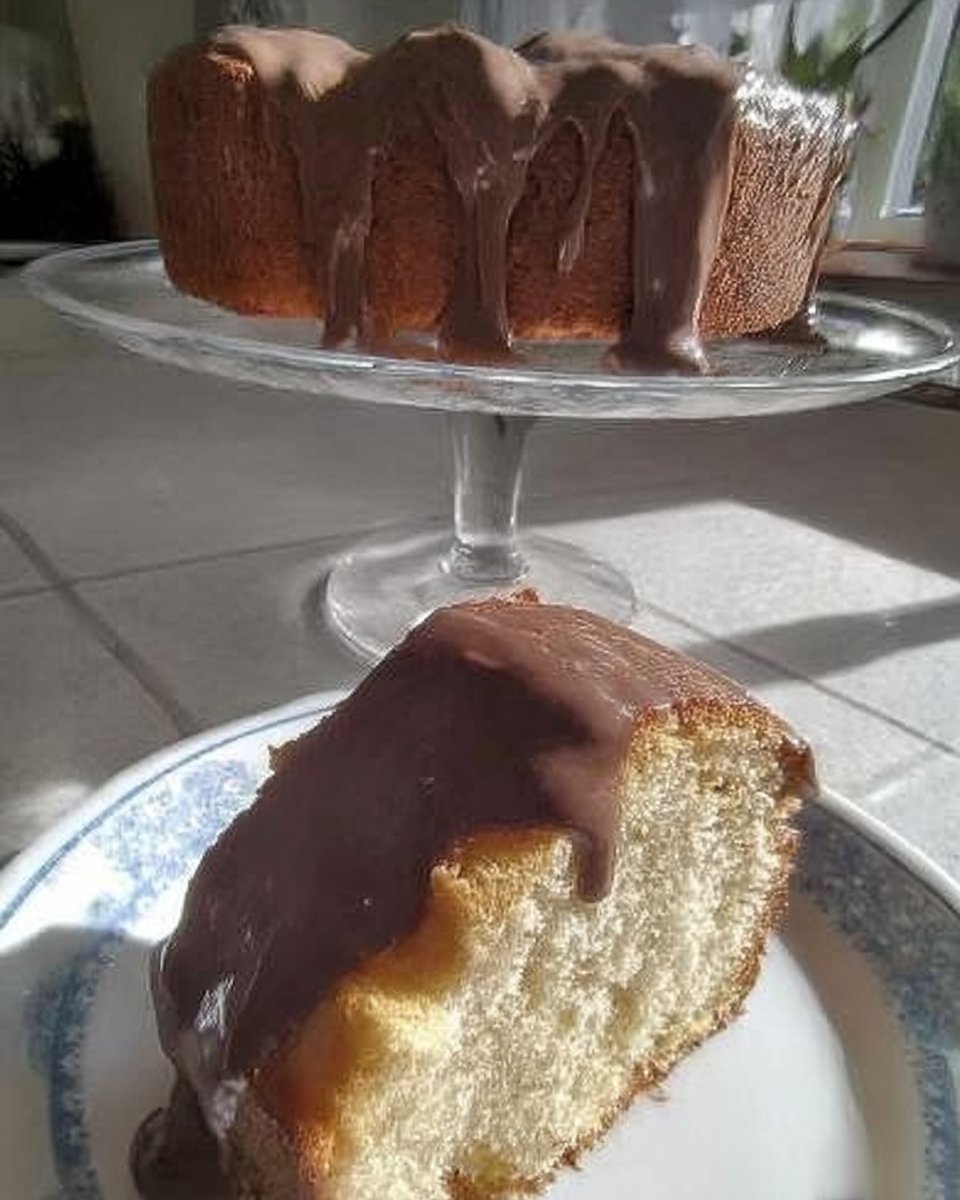
- Don’t Rush the Cool: This cake is heavy and fragile when hot. Allowing it to cool in the pan for exactly 10 minutes lets the structure set, preventing it from breaking when you turn it out.
- Classic Techniques: For more guidance on mastering these fundamental baking skills, explore our classic recipes collection, where we break down the “why” behind the method.
Refined Twists
- Citrus Infusion: Rub the zest of two lemons or oranges into the sugar before creaming to release their essential oils for a bright, aromatic lift.
- Almond Elegance: Swap half the vanilla extract for almond extract and top with toasted sliced almonds for a variation reminiscent of a financier.
- The “True” Ribbon Cake: While this recipe is a prize-winning pound cake, some bakers look for the multi-colored layered confection often served at celebrations. If you are seeking that colorful tiered aesthetic, you might enjoy our lemon rainbow cake, which focuses on visual layers rather than the dense pound cake texture here.
Presentation and Service
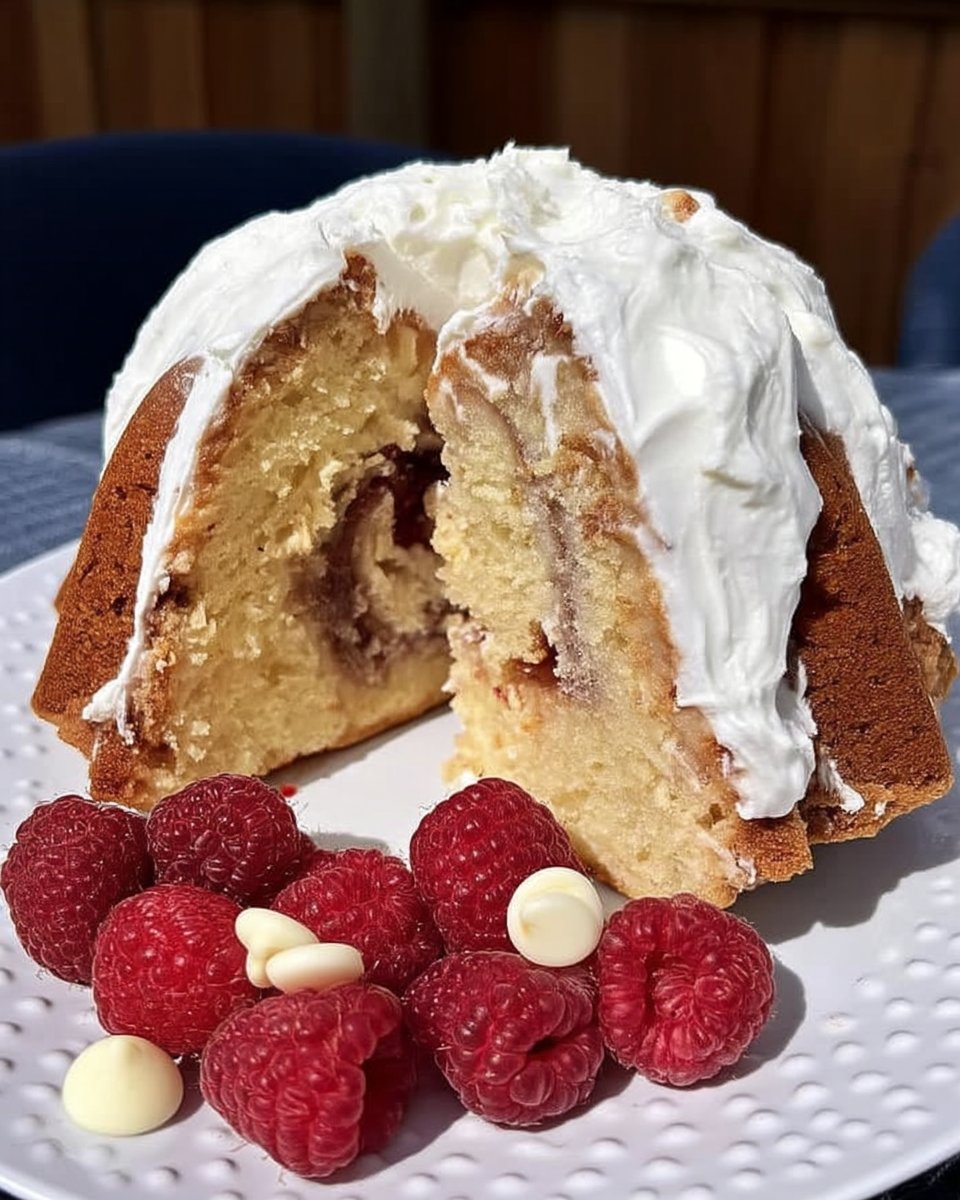
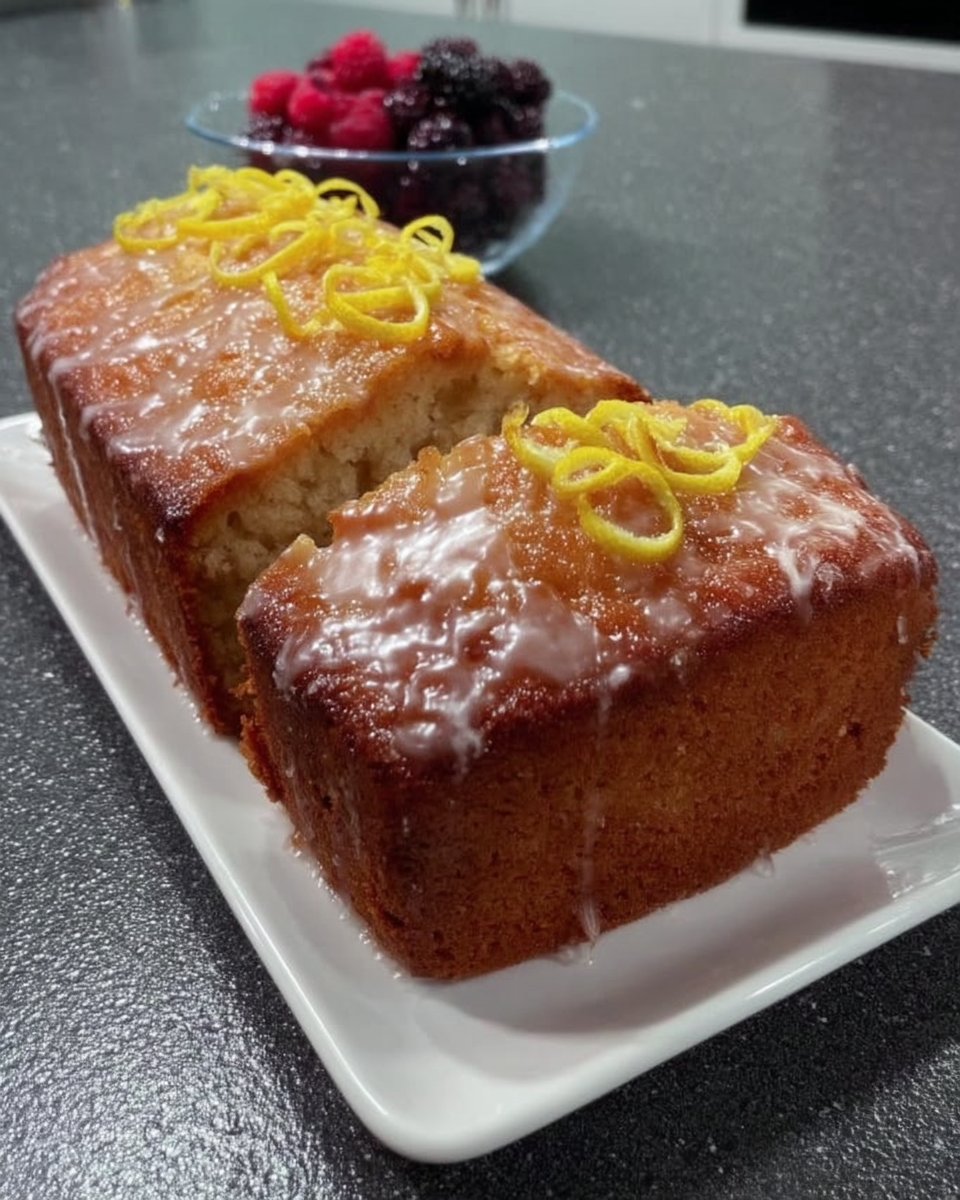
This cake is a study in understated elegance and needs very little to shine. A simple dusting of powdered sugar is often enough to highlight its golden crust. For a summer afternoon tea, serve thick slices with a dollop of softly whipped cream and fresh berries.
If you wish to elevate the presentation for a dinner party, pair it with a warm fruit compote. The density of the crumb absorbs juices beautifully without becoming soggy. It pairs exceptionally well with the nostalgia of a vintage cake table setting—think floral china and linen napkins.
The Quiet Satisfaction of Mastery
Baking a Ribbon Cake is a reminder that the most memorable desserts are often the ones that whisper rather than shout. By dedicating yourself to the proper temperature of ingredients and the patience of the emulsion, you create something timeless. It is a recipe that connects us to generations of bakers who knew that quality butter and fresh eggs were the greatest luxuries of all.
We hope this recipe earns a permanent spot in your repertoire. For another deep dive into rich, beloved classics, try our old fashioned chocolate cake.
Connect with us and share your bake: