My grandmother had a weathered tin box filled with handwritten notes, and among the yellowed cards was a recipe for a cake that smelled of a June garden. It wasn’t a cake for a crowd, but a small, heart-shaped token of affection that she would bake when the first blossoms opened. She always said that some flavors are too precious to be hurried, and this Rose Cake was exactly that—a gentle reminder of slower times.

This recipe captures the essence of those quiet afternoons spent in a sun-drenched kitchen. With a tender crumb and a fragrance that lingers like a sweet memory, it is a testament to the beauty of simple ingredients. We use real rose water to provide a floral note that is sophisticated yet comforting.
The Timeless Magic of This Recipe
There is something deeply nostalgic about the scent of roses drifting through a warm house. This recipe is a return to a style of baking where the fragrance was just as important as the sweetness. By using a blend of cake flour and all-purpose flour, we achieve a texture that is light enough for a tea party but sturdy enough to hold the weight of a rich buttercream.
Baking this cake is a sensory experience that begins the moment you open the bottle of rose water. Unlike modern treats that rely on heavy syrups or artificial colors, this cake honors the natural botanical beauty of the garden. It is the perfect choice for an intimate anniversary, a quiet birthday, or simply a Sunday afternoon where you want to treat yourself to something special.
I love how the heart shape reminds us that baking is, at its core, an act of love. When you press the fresh petals into the frosting, you are creating a piece of art that looks like it belongs in a vintage botanical illustration. It is a slow, methodical process that rewards patience with a dessert that feels like a cherished heirloom.
Print
Rose Cake
- Total Time: 55 mins
- Yield: 10 servings
- Diet: Vegetarian
Description
A delicate, vintage-inspired heart cake infused with fragrant rose water and topped with a silky floral buttercream. Perfect for intimate celebrations, this recipe pairs a tender crumb with the natural beauty of fresh garden petals.
Ingredients
- 1 cup unsalted butter, room temperature
- 1 1/2 cups granulated sugar
- 3 large eggs
- 1/2 cup milk
- 2 teaspoons food-grade rose water
- 1 teaspoon vanilla extract
- 1 1/2 cups cake flour
- 1 cup all-purpose flour
- 2 teaspoons baking powder
- 1/2 cup shortening (for frosting)
- 4 cups powdered sugar
- Fresh, pesticide-free rose petals
Instructions
- Preheat oven to 350°F (175°C) and grease two 8-inch heart-shaped cake pans.
- Cream together room temperature butter and granulated sugar until light and fluffy, about 3-5 minutes.
- Add eggs one at a time, then mix in milk, rose water, and vanilla extract until smooth.
- In a separate bowl, sift together cake flour, all-purpose flour, and baking powder.
- Gradually add dry ingredients to the wet mixture, mixing until just combined.
- Divide batter between prepared pans and bake for 30-35 minutes or until a toothpick comes out clean.
- Cool cakes completely on a wire rack before frosting.
- Prepare frosting by beating butter, shortening, and rose water, then gradually adding powdered sugar and a splash of milk.
- Ice the cooled cake and press clean, dry rose petals into the frosting starting from the outer edges.
Notes
For the most vibrant decoration, choose roses that are fully open but not wilting, and ensure they are completely dry before pressing them into the buttercream. If the rose flavor is too intense for your palate, replace half of the rose water with vanilla extract for a more subtle floral note.
- Prep Time: 20 mins
- Cook Time: 35 mins
- Category: Dessert
- Method: Baking
- Cuisine: American
The Pantry Staples and Garden Treasures
To make a truly authentic Rose Cake, we rely on high-quality basics that you likely already have in your kitchen. Each ingredient plays a specific role in creating that signature delicate crumb.
- Unsalted Butter: Using room temperature butter allows it to cream properly with the sugar, trapping the tiny air bubbles needed for a lift.
- Rose Water: This is the heart of the flavor. Be sure to use food-grade rose water, which is a distillate of rose petals, rather than a concentrated syrup.
- Cake Flour & All-Purpose Flour: This specific blend provides the perfect balance. The cake flour keeps things tender, while the all-purpose flour gives the structure needed for the heart shape.
Choosing Your Roses
The decoration is what makes this cake a showstopper. It is vital to use roses that have not been treated with chemicals or pesticides. If you don’t grow them yourself, talk to a local florist who specializes in edible varieties. The petals should be vibrant and firm so they hold their shape against the buttercream frosting.
The Baking Process
Step 1: Creaming the Base
In a large mixing bowl, cream together your room temperature unsalted butter and granulated sugar. You want to continue mixing until the color lightens and the texture becomes light and fluffy, which usually takes about three to five minutes.
Step 2: Incorporating Wet Ingredients
Add your eggs one at a time, followed by the milk, rose water, and vanilla extract. Mix these gently until the batter is smooth. Don’t worry if it looks slightly thin at this stage; the flour will bring it all together.
Step 3: Sifting the Dry Goods
In a separate bowl, sift together the cake flour, all-purpose flour, and baking powder. Sifting is a vintage technique that removes lumps and aerates the flour, contributing to that delicate, light-as-air texture we desire.
Step 4: Mixing the Batter
Gradually add the dry mixture into the wet mixture. Mix only until the flour is just combined. Over-mixing is the enemy of a tender cake, as it develops too much gluten and can make the finished product tough.
Step 5: Preparing the Pans
Pour your batter into two 8-inch greased and floured heart-shaped cake pans. If you don’t have heart pans, a standard round pan will work, but the heart shape adds that extra touch of vintage charm.
Step 6: The Bake
Bake at 350 degrees F (175 degrees C) for 30-35 minutes. I suggest checking at the 30-minute mark with a toothpick; if it comes out clean, the cakes are ready. Let them cool completely before you even think about frosting.
Step 7: Crafting the Rose Buttercream
While the cakes cool, beat together your butter, shortening, and rose water. Gradually add the powdered sugar and a splash of milk until the icing is thick, smooth, and easy to spread. You can add a drop of pink gel coloring for a soft blush hue.
Step 8: Decoration and Petals
Place one cake on your stand and ice it smoothly. If you are making a single layer, you can freeze the second cake for another day. Carefully press your cleaned and dried rose petals into the frosting, starting from the outer edge and working your way toward the center of the heart.
Secrets from the Recipe Box
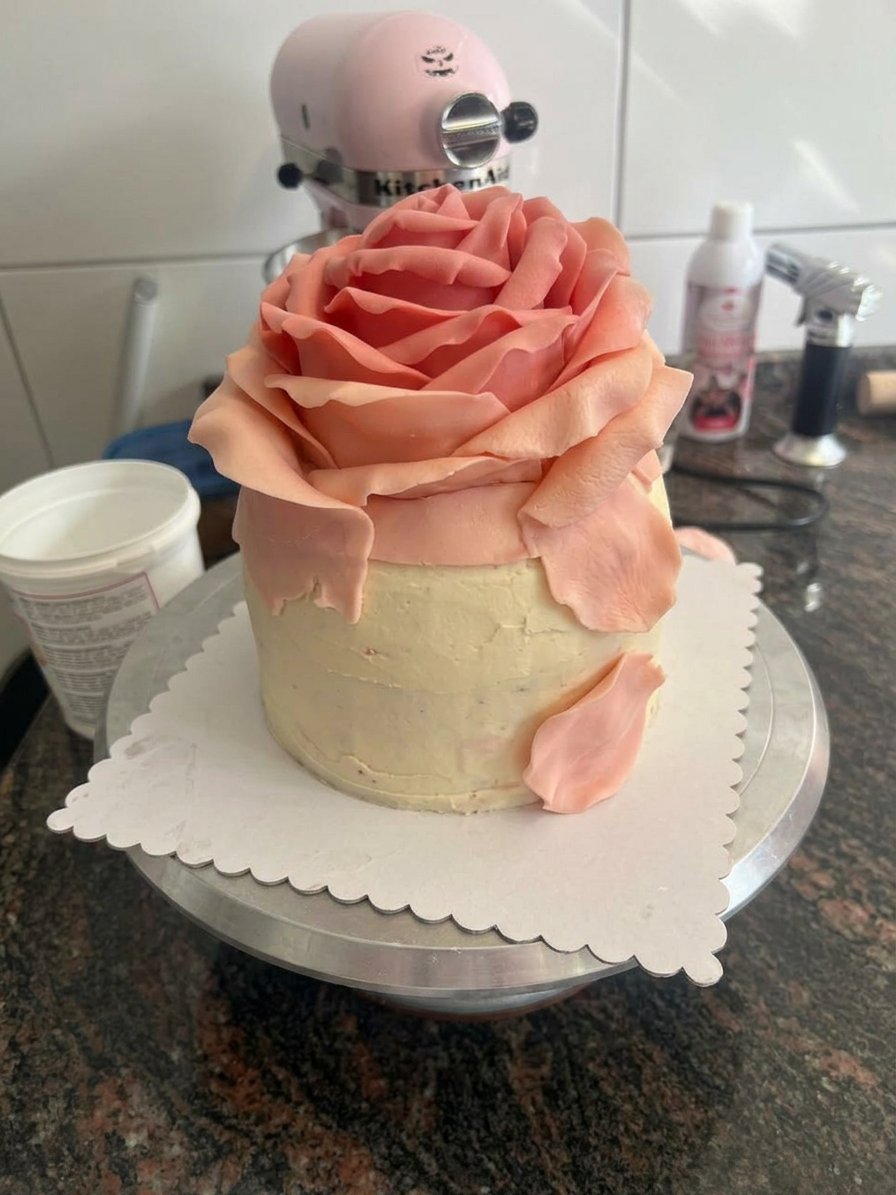
One of the most important things I learned from the old way of baking is the importance of temperature. Always make sure your eggs and milk are at room temperature so they emulsify properly with the creamed butter. If the ingredients are cold, the batter can break, leading to an uneven bake.
When applying the petals, make sure they are completely dry. Even a small amount of moisture can cause the buttercream to slide or the petals to wilt prematurely. I like to lay my petals out on a clean kitchen towel for an hour before I begin decorating. For more ideas on achieving that perfect crumb, you might enjoy reading about our vintage cake techniques.
If you find the floral scent of rose water to be very strong, you can start with just one teaspoon and taste the batter. Some brands are more concentrated than others, and it is always easier to add more than to take it away. Remember to remove the petals before serving, as they are primarily for beauty and can have a bitter taste.
Classic Flavor Twists
You can easily adapt this recipe to suit the seasons or what you have in your garden. If you want a more complex floral profile, try substituting half of the rose water for orange blossom water. This creates a citrusy floral note that is very common in traditional Mediterranean baking.
For a fruitier version, you could add a thin layer of raspberry jam between the cake layers before frosting. The tartness of the berries pairs beautifully with the sweet rose aroma. If you enjoy that combination, you should also look at our raspberry-white-chocolate-cake for more inspiration. You can also experiment with different petal colors, using white or deep burgundy roses to change the mood of the celebration.
At the Table
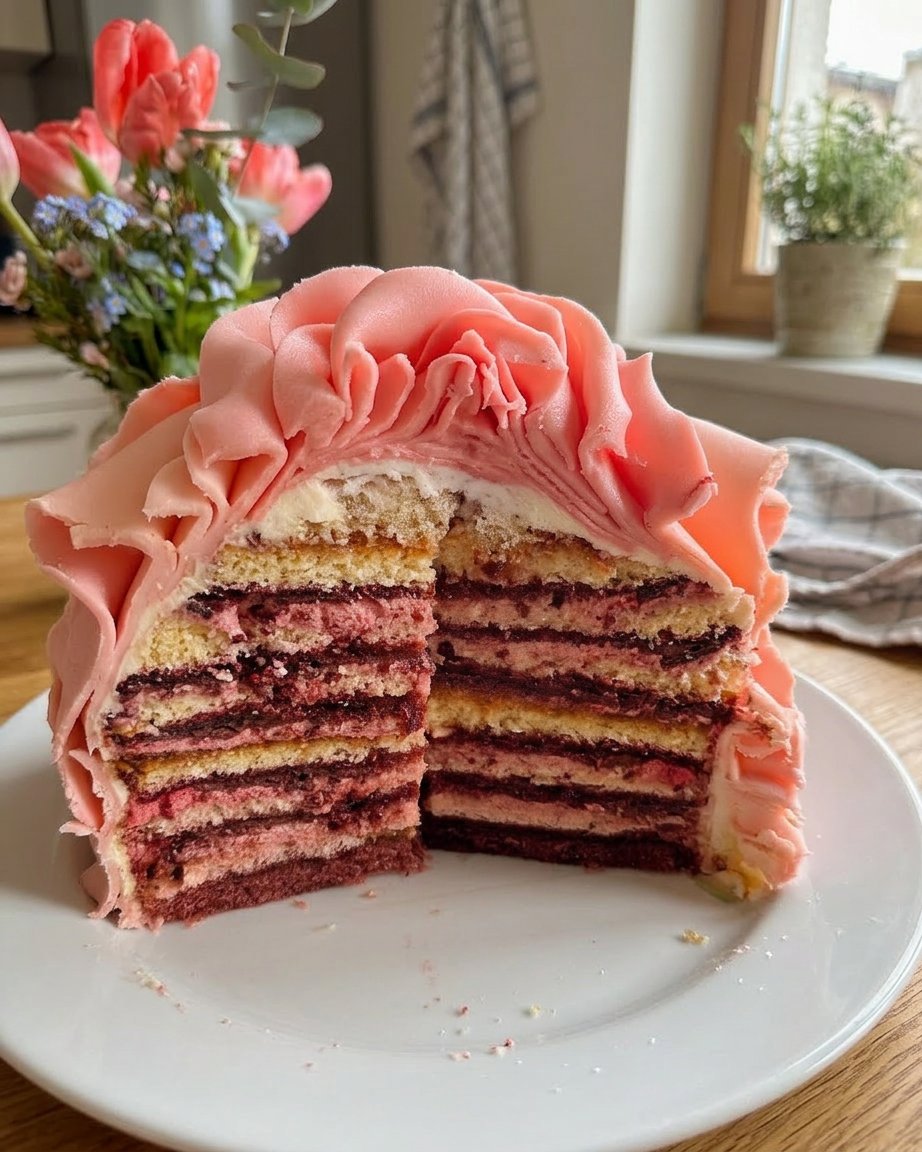
This cake is best served with a simple pot of Earl Grey tea or a light floral herbal blend. The tannins in the tea provide a lovely contrast to the creamy rose buttercream. I like to serve slices on mismatched vintage china to lean into that nostalgic, garden-party feeling.
Because this is a smaller batch recipe, it is perfect for intimate gatherings where you want to focus on the conversation. If you are planning a larger event, this cake makes a stunning centerpiece among other celebration cakes on a dessert table. It is best enjoyed within a day of decorating to ensure the petals look their freshest and the crumb stays moist.
A Final Word
Baking this Rose Cake is a way to bring a bit of the past into your modern kitchen. It reminds us that the most beautiful things in life are often the simplest ones—a few fresh petals, a hint of floral water, and a heart-shaped pan. I hope this recipe finds a permanent home in your own collection of treasures, just as it did in mine.
If you enjoyed the sentimental shape of this bake, don’t miss our classic heart-cake which uses a similar vintage approach. I would love to see your floral creations, so please share your photos with our community. You can find more inspiration and connect with us on Pinterest, Instagram, and Facebook. Happy baking, from my kitchen to yours.