In the quiet mornings of my apprenticeship in a small patisserie in Paris, I learned that a true sponge is the foundation of all great pastry. It is a lesson in air and structure, where the simple whisking of eggs becomes a transformative act of patience and grace. Mastering this basic element allows any dedicated home baker to create countless desserts with professional confidence.

This sponge cake 2 focuses on a reliable method that yields a consistent, tender result with every bake. By paying close attention to the ribbon stage and the gentle folding of dry ingredients, you will achieve a professional-quality crumb in your own kitchen. It serves as the perfect, understated canvas for your most creative flavor pairings and seasonal fruit arrangements.
Mastering the Classic Sponge
There is a profound beauty in the simplicity of a well-executed sponge. Unlike heavier butter cakes, this recipe relies on the physical aeration of eggs to create a structure that is both light and resilient. It is a technique that rewards the mindful baker; the more you understand the behavior of the proteins and the air you are incorporating, the more consistent your results will become.
This particular version is prized for its fine, even crumb and its ability to absorb syrups without becoming heavy or soggy. It is the quintessential recipe for those who appreciate the subtle nuances of French baking. When you master this, you aren’t just following a recipe; you are learning the language of texture that defines the world of high-end patisserie. The small-batch nature of this preparation allows for absolute control over every stage of the process.
Print
Sponge Cake
- Total Time: 50 mins
- Yield: 8 servings
- Diet: Vegetarian
Description
This masterclass in French patisserie demonstrates how to achieve a perfectly light and resilient sponge through the careful aeration of eggs. It serves as an elegant, fine-crumbed foundation that remains tender and moist, ideal for pairing with seasonal fruits or rich creams.
Ingredients
- 6 large eggs, room temperature
- 1 cup granulated sugar
- 2 tablespoons vegetable oil
- 1 teaspoon pure vanilla extract
- 1 1/4 cups cake flour, twice sifted
- 1 teaspoon baking powder
- 1/2 teaspoon kosher salt
Instructions
- Preheat the oven to 350°F (175°C) and prepare two cake pans by greasing only the bottoms and lining them with parchment paper.
- In a stand mixer, whisk the eggs and granulated sugar on medium-high speed until the mixture reaches the ribbon stage, appearing pale and thick enough to hold a trail for several seconds.
- Lower the mixer speed and slowly pour in the vegetable oil and vanilla extract, mixing until just combined to avoid deflating the batter.
- Sift the cake flour, baking powder, and salt together one final time directly into the egg mixture.
- Using a rubber spatula, gently fold the dry ingredients into the eggs using a J-shaped motion until no streaks of flour remain.
- Divide the batter between the prepared pans and bake for 25 to 30 minutes until the tops spring back when lightly touched.
- Cool the cakes in their pans for 10 minutes before inverting them onto a wire rack to cool completely upside down.
Notes
For the most successful lift, ensure your mixing bowl is completely free of any fat or oil residue before whisking the eggs. Always use room temperature eggs, as they incorporate air much more efficiently than cold ones. If you find the cake is too dry, you can lightly brush the layers with a simple syrup before assembly to add extra moisture and flavor.
- Prep Time: 20 mins
- Cook Time: 30 mins
- Category: Dessert
- Method: Baking
- Cuisine: French
The Foundation of Quality
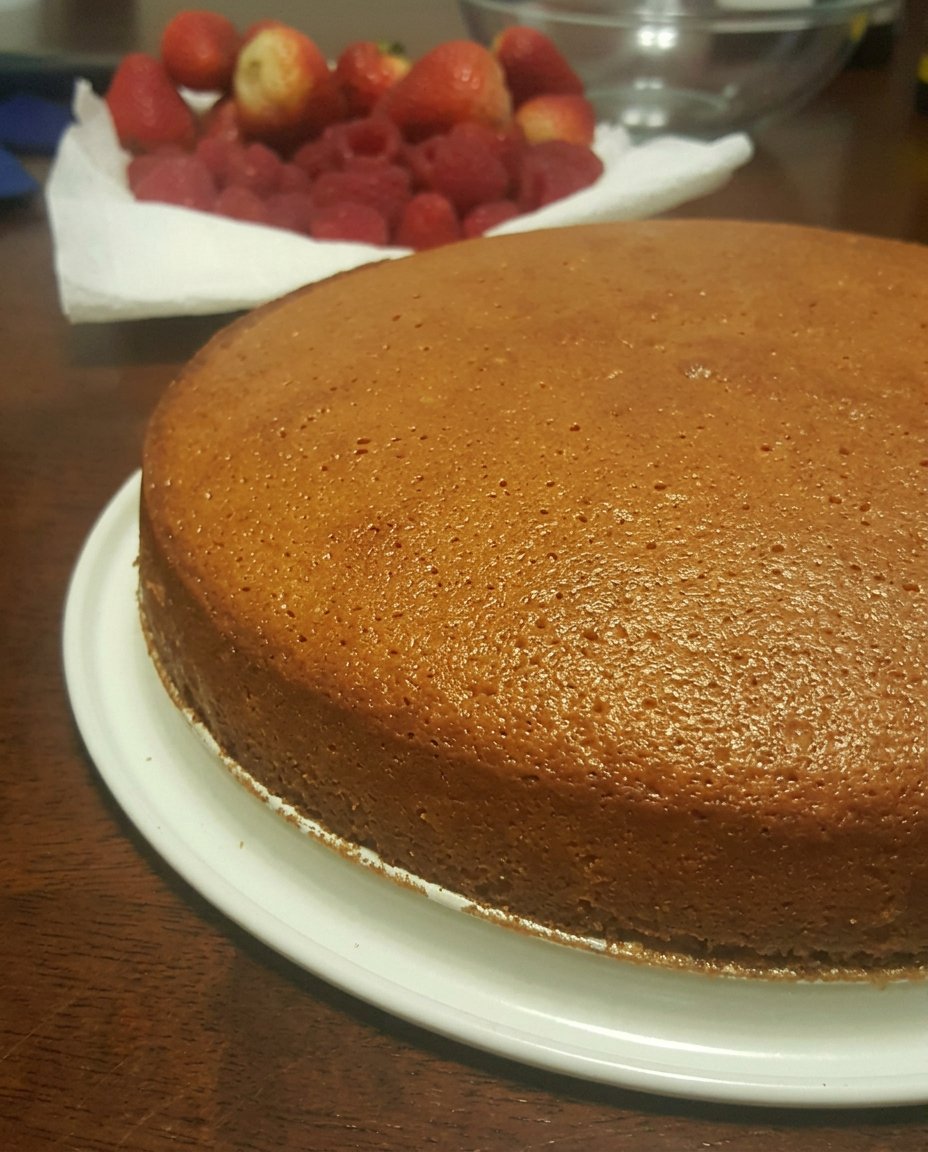
To achieve the delicate crumb that defines a superior sponge, the quality and temperature of your ingredients are of the utmost importance. Each component plays a specific role in the structural integrity and flavor profile of the final cake.
- Large Eggs: These are the heart of the recipe. Ensure they are at room temperature to allow for maximum volume during the whisking stage. Cold eggs will not hold the air as effectively.
- Granulated Sugar: Beyond sweetness, sugar helps stabilize the egg foam. It breaks down the egg proteins just enough to allow them to stretch and trap air bubbles.
- Vegetable Oil: While traditional genoise uses butter, a small amount of oil provides a moistness that lasts longer at room temperature, keeping the sponge tender for days.
- Vanilla Extract: Use a high-quality pure extract. In a recipe this simple, the floral notes of the vanilla provide the essential aromatic backbone.
- Cake Flour: This is non-negotiable for a refined texture. The lower protein content ensures the cake remains soft rather than bready or tough.
- Baking Powder: While we rely heavily on mechanical aeration, a touch of baking powder provides the extra lift needed to support the structure as it sets in the oven.
- Kosher Salt: A small pinch is necessary to balance the sweetness and brighten the overall flavor of the vanilla.
The Method
Step 1: Preparing the Environment
Begin by preheating your oven to 350°F (175°C). The oven must be fully at temperature before the batter enters, as the initial heat jump is critical for the expansion of the air bubbles. Prepare your cake pans by greasing the bottoms and lining them with parchment paper. Do not grease the sides of the pans; the sponge needs to ‘climb’ the walls to reach its full height. Set your room-temperature eggs on the counter and sift your cake flour twice to remove any clumps.
Step 2: Achieving the Ribbon Stage
In a large, clean bowl, combine the six large eggs and the granulated sugar. Using a stand mixer or a hand mixer with a whisk attachment, begin beating on low speed, gradually increasing to medium-high. You are looking for the ‘ribbon stage.’ This occurs after several minutes when the mixture has tripled in volume, turned a pale, creamy yellow, and falls back into the bowl in a thick, trailing ribbon that sits on the surface for three to five seconds before disappearing. This is the most important step for a successful sponge.
Step 3: Incorporating Liquids
Once the eggs have reached the perfect volume, turn the mixer to its lowest setting. Gently stream in the vegetable oil and the vanilla extract. Do not overmix at this stage; you only want the liquids to be just combined. The oil provides the tender crumb we desire, but adding it too quickly or mixing too harshly can deflate the delicate egg structure you worked so hard to build in the previous step.
Step 4: Sifting and Folding
Sift the cake flour, baking powder, and kosher salt together one last time directly over the egg mixture. Using a large rubber spatula, fold the dry ingredients into the wet ones. Use a ‘J’ motion: cut through the center of the bowl, scoop across the bottom, and fold over the top. Rotate the bowl as you go. Be patient and gentle; stop the moment no streaks of flour remain. The goal is a batter that is uniform but still full of the air you incorporated earlier.
Step 5: The Bake
Divide the batter evenly between your prepared pans. Place them on the center rack of the oven. Bake for approximately 25 to 30 minutes. Avoid opening the oven door during the first 20 minutes, as the rush of cool air can cause the fragile structure to collapse. The cakes are done when the tops are golden brown and spring back lightly when touched, or when a wooden skewer inserted into the center comes out clean.
Step 6: The Cooling Process
Remove the pans from the oven and let them sit on a wire rack for exactly ten minutes. Run a thin offset spatula around the edges to loosen the cake, then invert them onto the rack to cool completely. Peel away the parchment paper carefully. Letting the cakes cool upside down helps prevent them from shrinking too much and maintains that beautiful, level surface we need for decorating.
Precision Secrets for the Perfect Crumb
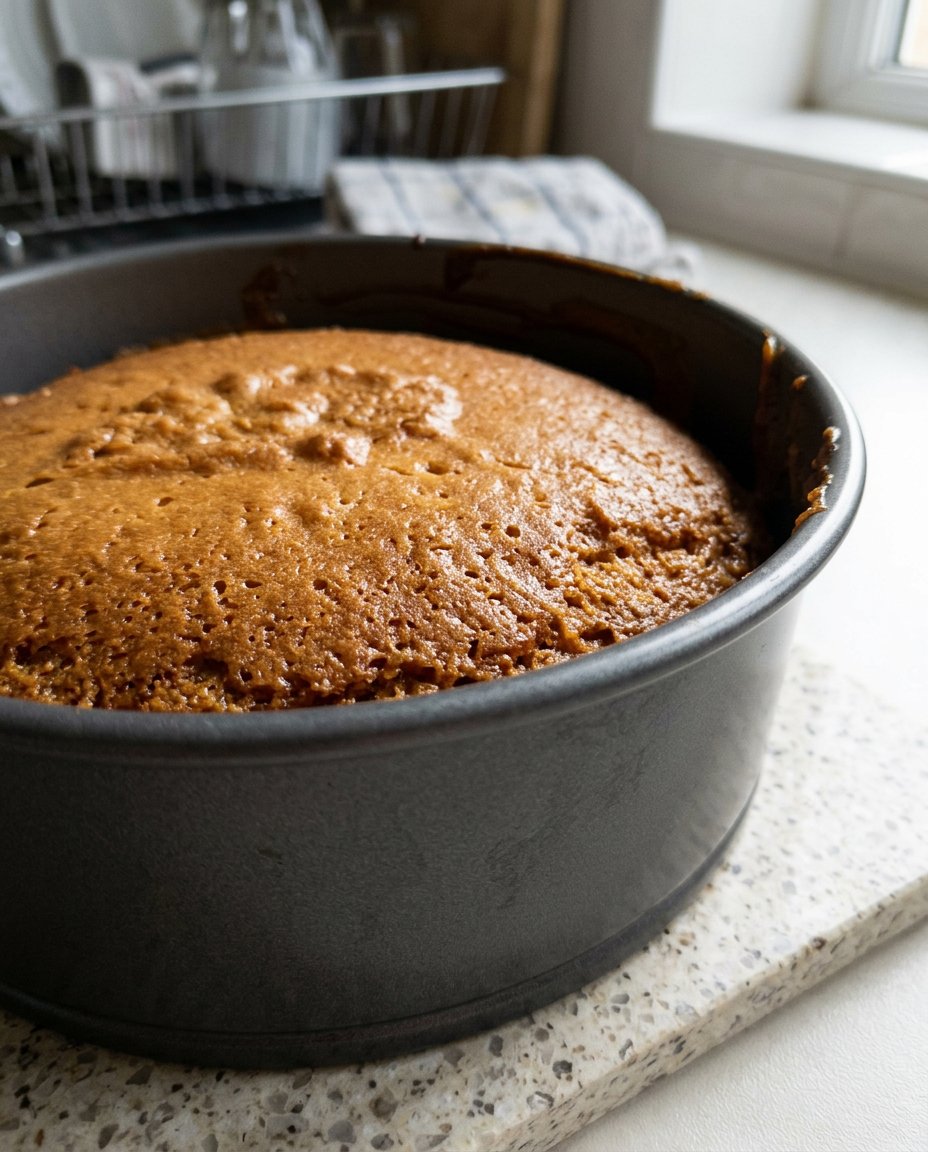
Temperature is the silent partner in pastry. If your kitchen is particularly cold, you can place the bowl of eggs and sugar over a pan of simmering water (a bain-marie) for a moment to take the chill off before whisking. Just be careful not to cook the eggs. Additionally, always sift your flour at least twice. This not only removes lumps but also aerates the flour particles, making them much easier to fold into the delicate egg foam without causing deflation. For those looking to master even more foundational skills, learning the difference in moisture levels can be found in our guide to old-fashioned chocolate cake. Another secret is to use a metal bowl for whisking your eggs, as it conducts heat better and is easier to keep completely grease-free, which is essential for maximum volume. For further reading on the science of aeration, you may find this guide on a light airy sponge cake helpful.
Refined Twists on the Original
While the classic vanilla sponge is a masterpiece on its own, you can easily adapt the flavor profile to suit your occasion. For a bright, citrusy note, fold in the zest of two lemons or one large orange along with the dry ingredients. You might also replace the vanilla extract with almond extract for a deeper, nuttier aroma that pairs beautifully with stone fruits. If you are looking for a more zest-forward dessert experience, consider comparing this technique to our lemon yogurt cake. Another elegant variation involves replacing a quarter cup of the cake flour with high-quality Dutch-processed cocoa powder to create a light chocolate sponge, perfect for layering with a silky raspberry ganache.
The Final Touch of Elegance
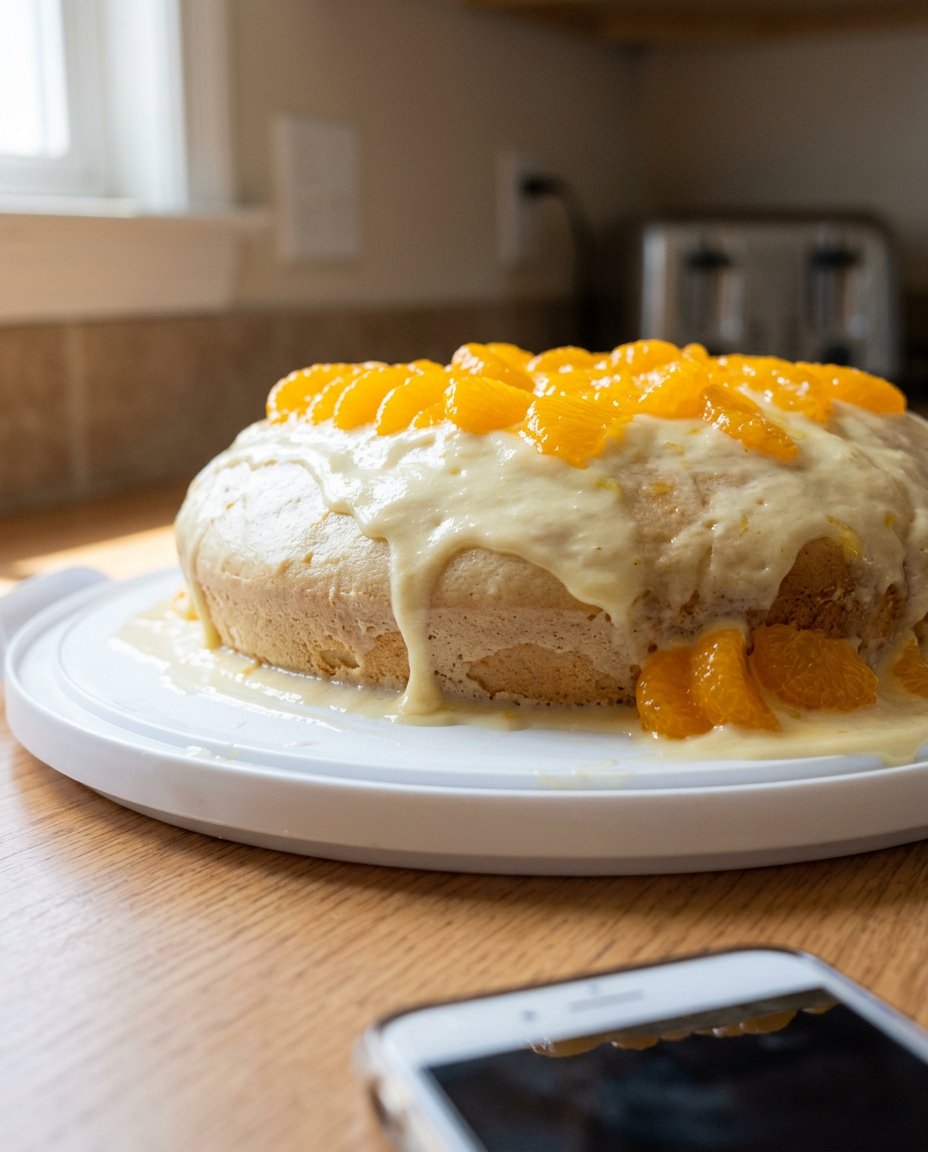
Presentation is where your precision truly shines. A simple dusting of powdered sugar and a handful of fresh raspberries can make a sponge look like it belongs in a Parisian window. For a more formal gathering, consider slicing the cake horizontally and filling it with a lightly sweetened Chantilly cream and sliced strawberries. This technique is similar to how we treat the layers in our strawberry tres leches cake. Serve each slice with a small pot of Earl Grey tea or a glass of chilled dessert wine to complement the delicate sweetness of the crumb. Always use a serrated knife with a gentle sawing motion to ensure you don’t compress the airy texture as you cut.
The Art of Small Batches
Mastering the sponge cake 2 is a rewarding journey into the heart of pastry technique. By focusing on the quality of your ingredients and the precision of your movements, you transform humble pantry staples into a sophisticated dessert. This recipe is more than just a sweet treat; it is a fundamental skill that will serve you throughout your baking life. To see how these airy techniques compare to a more traditional American style, take a look at our yellow cake with chocolate frosting. I invite you to share your results with our community of dedicated bakers. Connect with us on Pinterest or Instagram to showcase your beautiful creations.