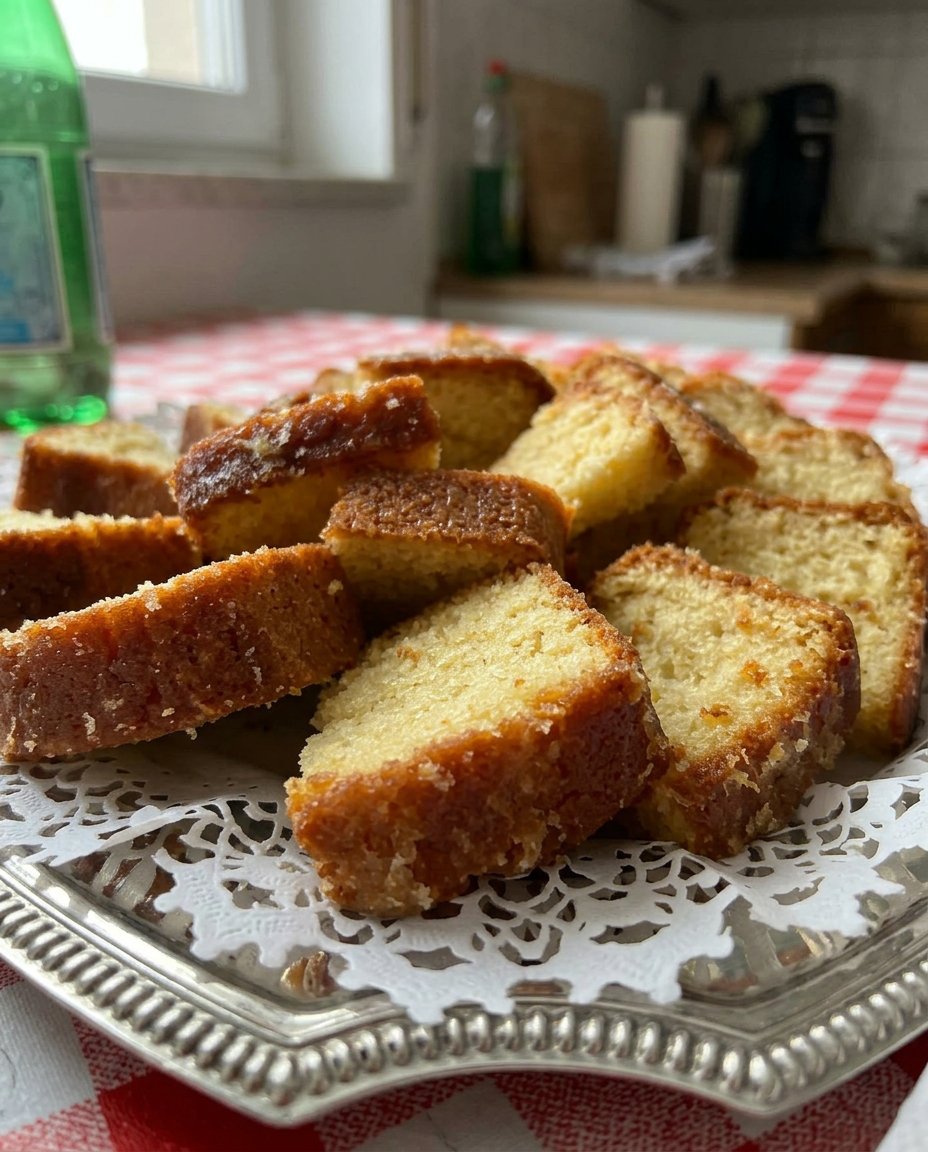
In the quiet mornings of my apprenticeship in Paris, we learned that the humblest tubers could be transformed into the most elegant of desserts, much like this Sweet Potato Cake. It is a study in texture, moving from a rustic root to a silky, refined crumb that speaks of patience and care. This recipe reminds me of that lesson, where slow roasting reveals a depth of natural sweetness that no amount of refined sugar can replicate.

This cake celebrates the natural moisture and earthy profile of the sweet potato, resulting in a crumb that is remarkably tender and rich. By using a small-batch approach, we focus on the quality of the roast and the precision of the fold, making sure every bite is a testament to professional pastry techniques. It is a simple preparation, yet the results are profoundly sophisticated and satisfying for any discerning palate.
The Art of Natural Sweetness
There is a specific beauty in a dessert that relies on the inherent quality of its primary ingredient rather than masking it with excessive sweetness. This recipe is a favorite because it highlights the caramelization of the sweet potato through a high-heat roasting process, which creates a complex flavor profile that is both grounded and delicate. The lack of heavy sugar allows the aromatic notes of the potato to stand at the forefront, creating a pristine tasting experience.
When you bake in small batches, you have the luxury of paying attention to the minute details that define excellence. The texture of this cake is unique—it is moist, slightly dense in the way of a traditional pudding cake, yet refined enough to be served at a formal tea. It is a versatile foundation that accepts various accompaniments with grace, from a simple dusting of cinnamon to a lush dollop of whipped cream. Master this method, and you will find yourself returning to the subtle charm of root-based pastries time and again.
Print
Sweet Potato Cake
- Total Time: 2 hours 10 mins
- Yield: 8 servings
- Diet: Vegetarian
Description
This elegant Sweet Potato Cake transforms humble root vegetables into a sophisticated dessert with a silky, refined crumb. By roasting the potatoes to enhance their natural sugars, this recipe achieves a deep, caramelized flavor profile that is both grounded and luxurious.
Ingredients
- 900g sweet potatoes (approx. 2 large)
- 3 large eggs, room temperature
- 100 ml single cream or full-fat milk
- 50g unsalted butter, melted
- 150g plain flour, sifted
- 1 tsp baking powder
Instructions
- Preheat oven to 220°C (428°F) and line a baking tin with baking paper.
- Pierce sweet potatoes with a fork and roast for 50 minutes until soft; then cool, peel, and mash until smooth.
- Lower oven temperature to 180°C (350°F).
- Whisk together the mashed sweet potato, eggs, cream, and melted butter until the batter is glossy and emulsified.
- Sift in the flour and baking powder, then gently fold with a spatula until just combined.
- Pour batter into the prepared tin, level the top, and bake for 45 to 60 minutes until golden.
- Cool completely and refrigerate to set before serving.
Notes
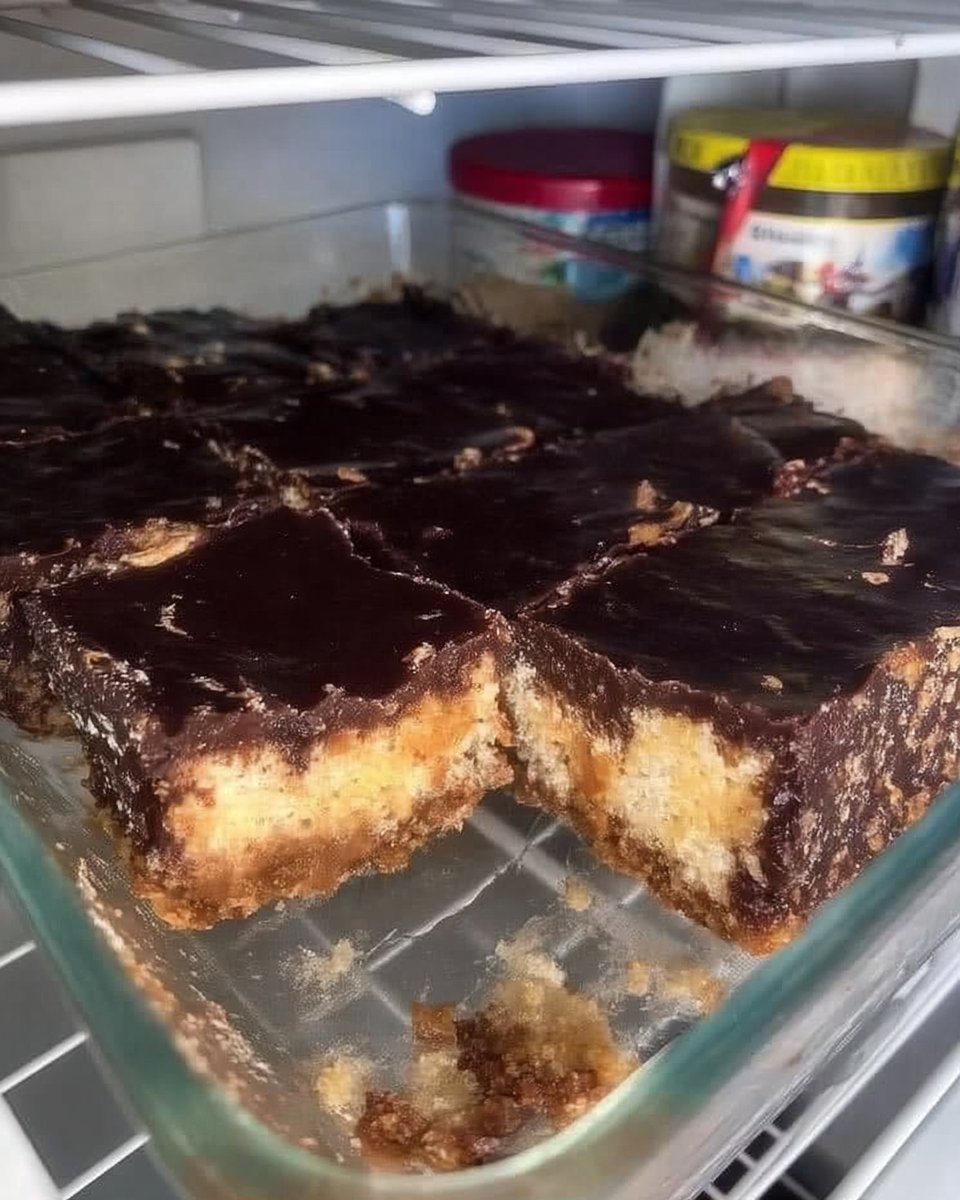
For the smoothest texture, ensure your sweet potato mash is completely free of lumps before adding the liquids. If the cake feels very soft when it comes out of the oven, don’t worry—the high moisture content requires a full cooling and chilling period in the refrigerator to develop its signature fudge-like consistency.
- Prep Time: 20 mins
- Cook Time: 1 hour 50 mins
- Category: Dessert
- Method: Baking
- Cuisine: French
The Foundation of Fine Ingredients
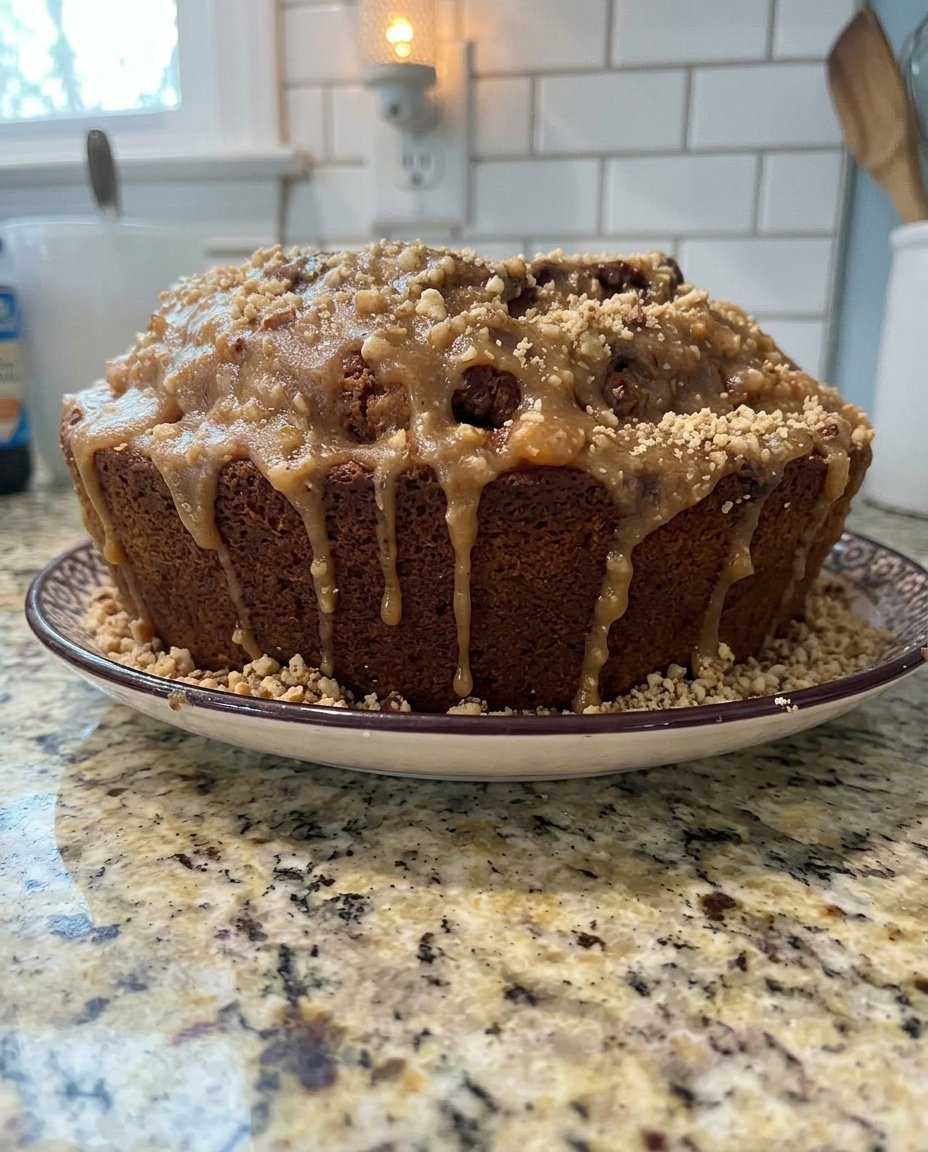
To achieve a professional result, one must begin with the highest quality components. This Sweet Potato Cake relies on the synergy of just a few elements, so their freshness and preparation are paramount. Below is an examination of what you will need to create this exquisite treat.
- Sweet Potatoes (900g): Select two large, firm potatoes with smooth skin. I prefer orange-fleshed varieties for their high sugar content and vibrant color. The roasting process is where the flavor is born, so do not rush this step.
- Large Eggs: Use eggs at room temperature to make sure they emulsify perfectly into the potato base. This creates the structural stability necessary for a tender crumb.
- Single Cream or Full-Fat Milk (100 ml): Fat is the carrier of flavor. Using full-fat dairy provides a luxurious mouthfeel that balances the fibrous nature of the tuber.
- Unsalted Butter (50g): In French baking, butter is a centerpiece. Use a high-quality, European-style butter with a high fat percentage for the best aromatic results.
- Plain Flour (150g): This provides just enough structure to hold the moisture without making the cake bread-like. Sifting it is essential for a smooth batter.
- Baking Powder (1 tsp): This acts as our leavening agent, providing a gentle lift to the dense potato mixture.
The Method of Precision
Step 1: Roasting for Depth of Flavor
Preheat your oven to 220°C (428°F). Prepare your baking tin by lining the sides and base with high-quality baking paper; I find a disk for the bottom and strips for the sides create the cleanest release. Use a small knife or a fork to pierce holes into the sweet potatoes, which allows steam to escape and prevents bursting. Roast the potatoes for 50 minutes until they are puffed up and yield easily when pierced with a fork. This high heat is vital for the Maillard reaction, which develops the deep, caramelized notes we desire.
Step 2: Preparing the Potato Base
Once the potatoes have cooled enough to handle, gently remove the skins. You will notice they have become incredibly soft and fragrant. Place the flesh in a medium bowl and mash it until it is completely smooth. Any lumps at this stage will affect the final elegance of the crumb, so take your time to achieve a uniform consistency. At this point, lower your oven temperature to 180°C (350°F) in preparation for the bake.
Step 3: Emulsifying the Liquids
Measure your unsalted butter and cream into a separate bowl. Add the smooth mashed sweet potato and the large eggs. Using a hand whisk, beat the mixture with steady, rhythmic strokes until the batter is glossy and smooth. You are looking for a cohesive emulsion where the fat, dairy, and eggs are perfectly integrated into the potato fibers. This stage sets the tone for the silky mouthfeel of the finished cake.
Step 4: Incorporating the Dry Ingredients
Sift the plain flour and baking powder directly over your wet mixture. Using a flexible spatula, gently mix the dry ingredients into the base. Use a folding motion—cutting through the center and lifting from the bottom—to avoid overworking the gluten. You want to mix only until the flour is thoroughly combined and no white streaks remain. Over-mixing at this stage can lead to a rubbery texture, which we must avoid to maintain our professional standard.
Step 5: The Patient Bake
Spoon the batter into your prepared tin and level the surface with an offset spatula for a pristine finish. Place it in the center of the oven and bake for 45 to 60 minutes. The goal is to caramelize the surface slightly, giving it a beautiful golden hue. Because of the high moisture content of the potatoes, a skewer inserted into the middle may come out a little sticky; this is expected and part of the cake’s unique charm. Allow the cake to cool completely before transferring it to the refrigerator to set.
Precision Secrets from the Patisserie
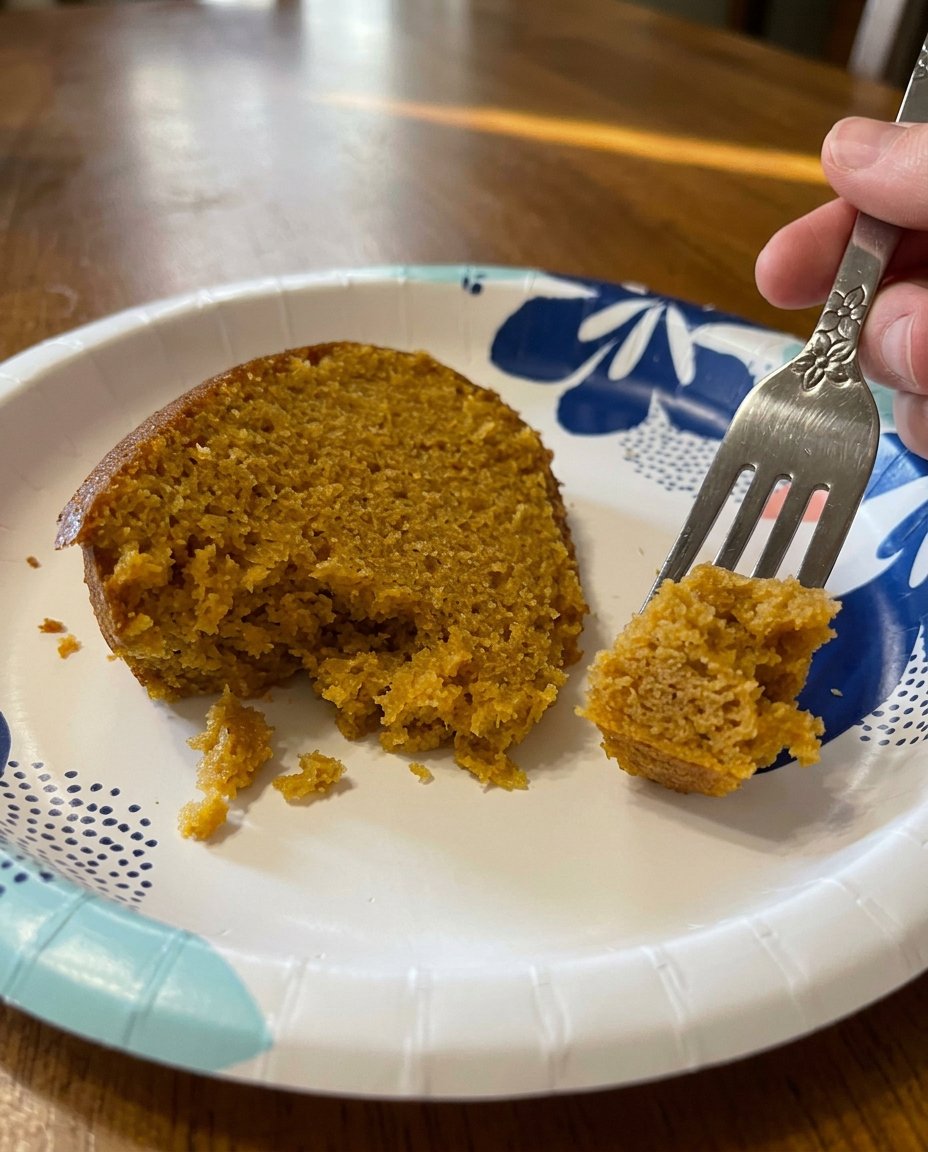
One of the most important aspects of this recipe is the moisture management. If your sweet potatoes seem particularly watery after roasting, you may want to drain any excess liquid before mashing. The difference between a good cake and an extraordinary one is often found in the texture of the puree. For a truly professional finish, you can pass the mashed potato through a fine-mesh sieve or a chinois to remove every last fiber.
Remember that the temperature of your ingredients matters. If your cream and eggs are too cold, they may cause the melted butter to seize, resulting in an uneven batter. Always aim for a uniform room temperature for all components before you begin the mixing process. For those looking to broaden their repertoire of unique vegetable-based desserts, I highly recommend checking our recipe index for more technical guides. You might also find inspiration in traditional techniques, such as those found in Japanese home recipes, which often celebrate the natural texture of sweet potatoes in similar ways.
Refined Twists on a Classic
While the purity of the sweet potato is a marvel on its own, you may wish to introduce subtle flavor variations that respect the cake’s delicate nature. Adding a teaspoon of freshly grated orange zest can provide a bright, citrusy lift that cuts through the richness of the butter and cream. Alternatively, a pinch of high-quality ground cinnamon or a scraping of a fresh vanilla bean can add a layer of warmth and complexity without overshadowing the potato.
For a different textural experience, you might consider adding a small handful of finely chopped, toasted pecans to the batter just before baking. This provides a gentle crunch that contrasts beautifully with the soft crumb. If you enjoy experimenting with vibrant, vegetable-forward cakes, you will likely appreciate our purple carrot cake, which uses similar principles of natural sweetness and moisture to create a stunning visual and culinary result.
Presentation and The Final Touch
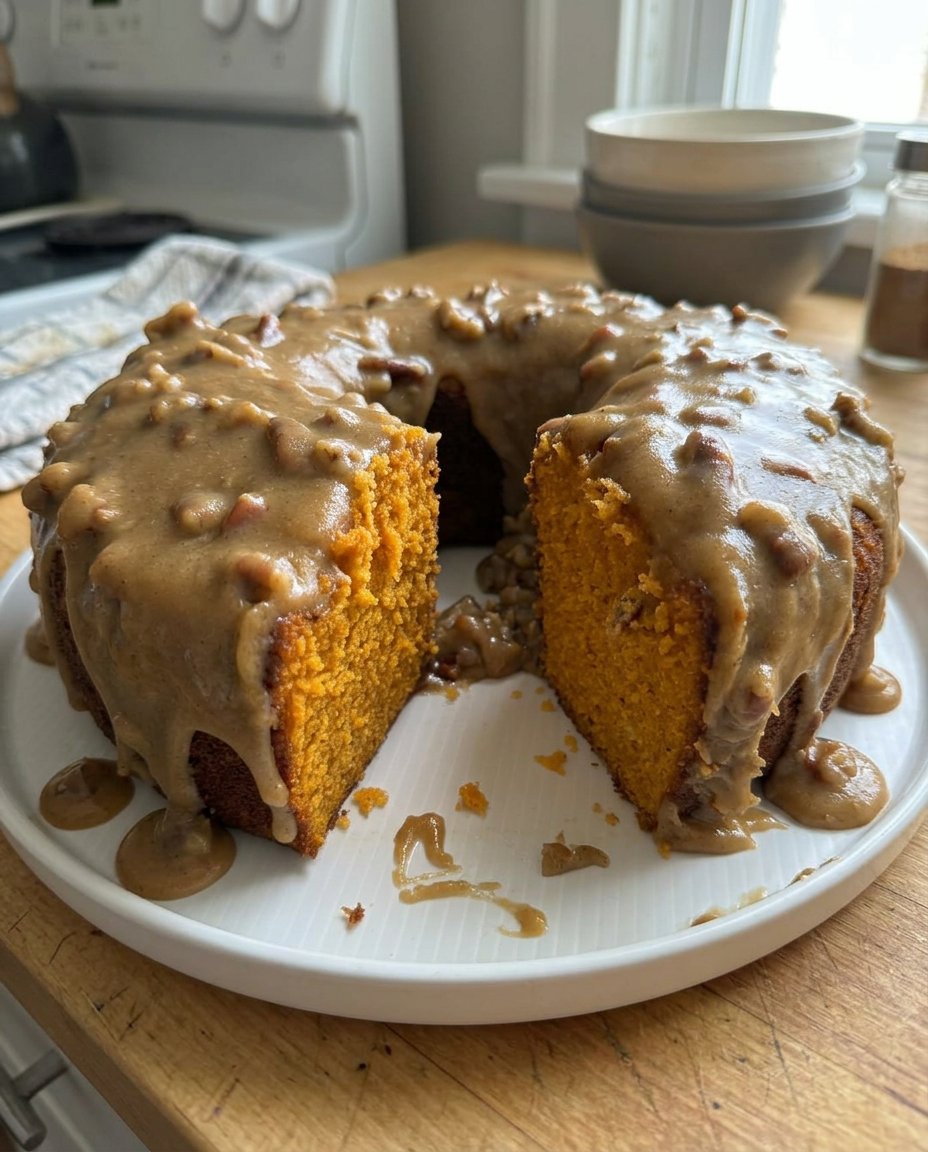
The presentation of a cake is the final act of the baker’s craft. This cake is best served slightly chilled or at room temperature, sliced into clean, precise wedges. To highlight its natural profile, I suggest a simple dollop of lightly sweetened whipped cream or a thin drizzle of high-quality maple syrup. For a more formal presentation, a fruit compote made with seasonal berries can provide a beautiful acidic balance to the earthy sweetness of the potato.
Pair this dessert with a delicate Earl Grey tea or a light roast coffee to complement its subtle flavors. If you are hosting a gathering and wish to serve a variety of textures, consider pairing this with a more traditional bake, such as our blueberry coffee cake. The contrast between the fruit-forward crumb and the smooth potato base creates a wonderful tasting experience for your guests.
The Beauty of Small Batches
Mastering this Sweet Potato Cake is a rewarding journey into the heart of simple, high-quality baking. By focusing on the technique of roasting and the precision of the emulsion, you create a dessert that is far more than the sum of its parts. It is a reminder that in the world of fine pastry, the most humble ingredients can achieve greatness when treated with respect and care. I hope this recipe brings a touch of French-inspired elegance to your kitchen.
To continue your journey through the art of refined home baking, I invite you to try our irish apple cake, which offers another perspective on fruit and vegetable integration. For more daily inspiration and to share your baking results with our community, please join us on our social channels. We love seeing your creations and hearing about your successes at the oven.