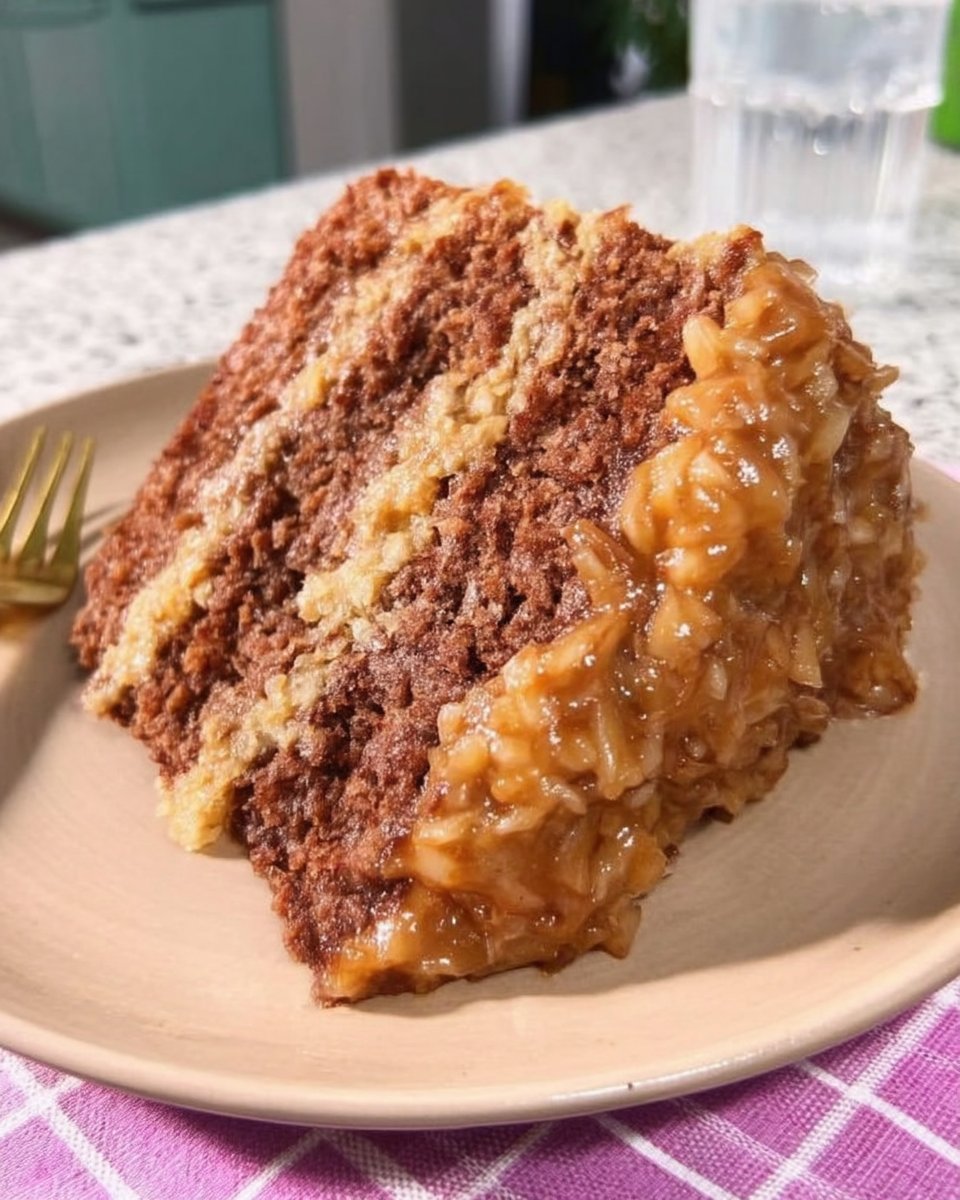
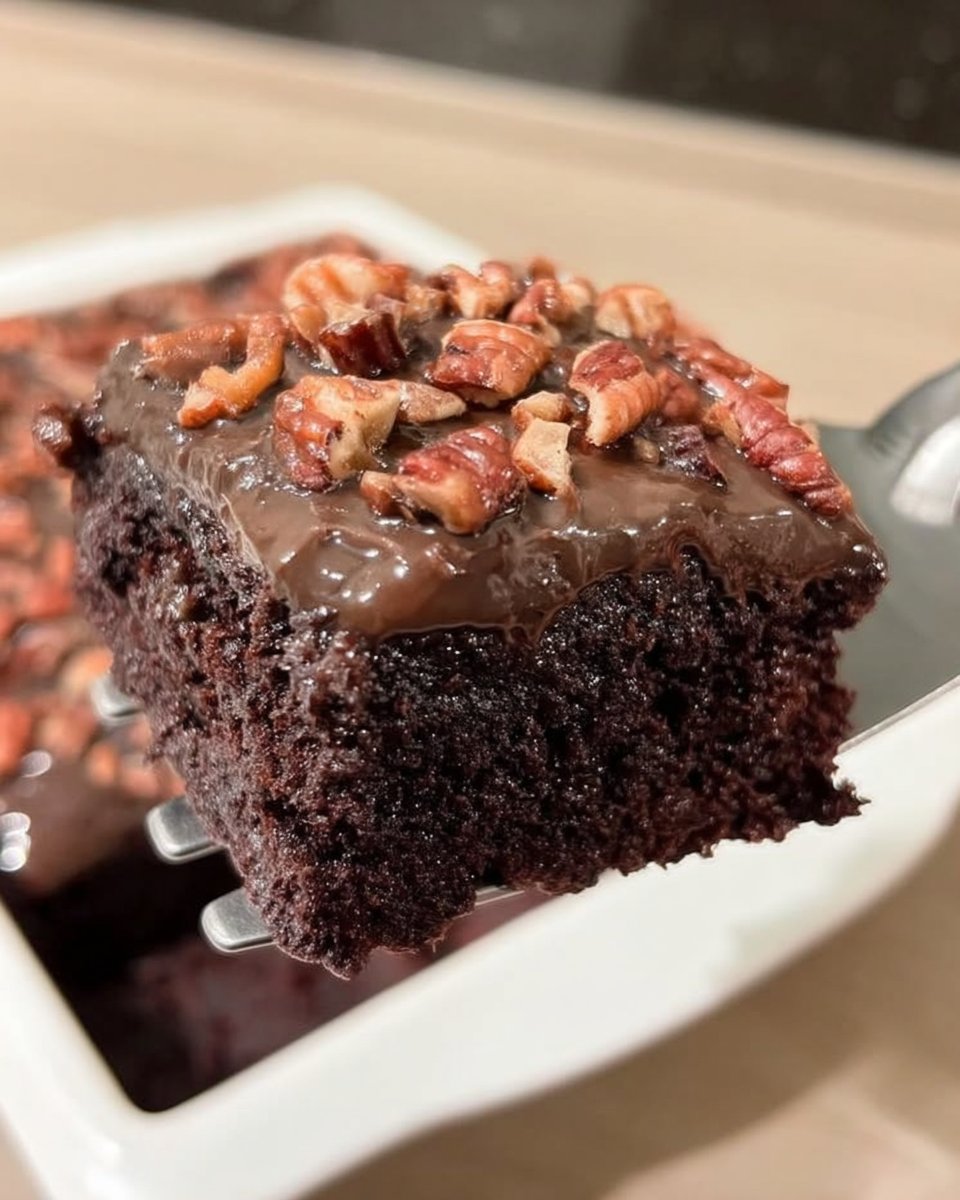
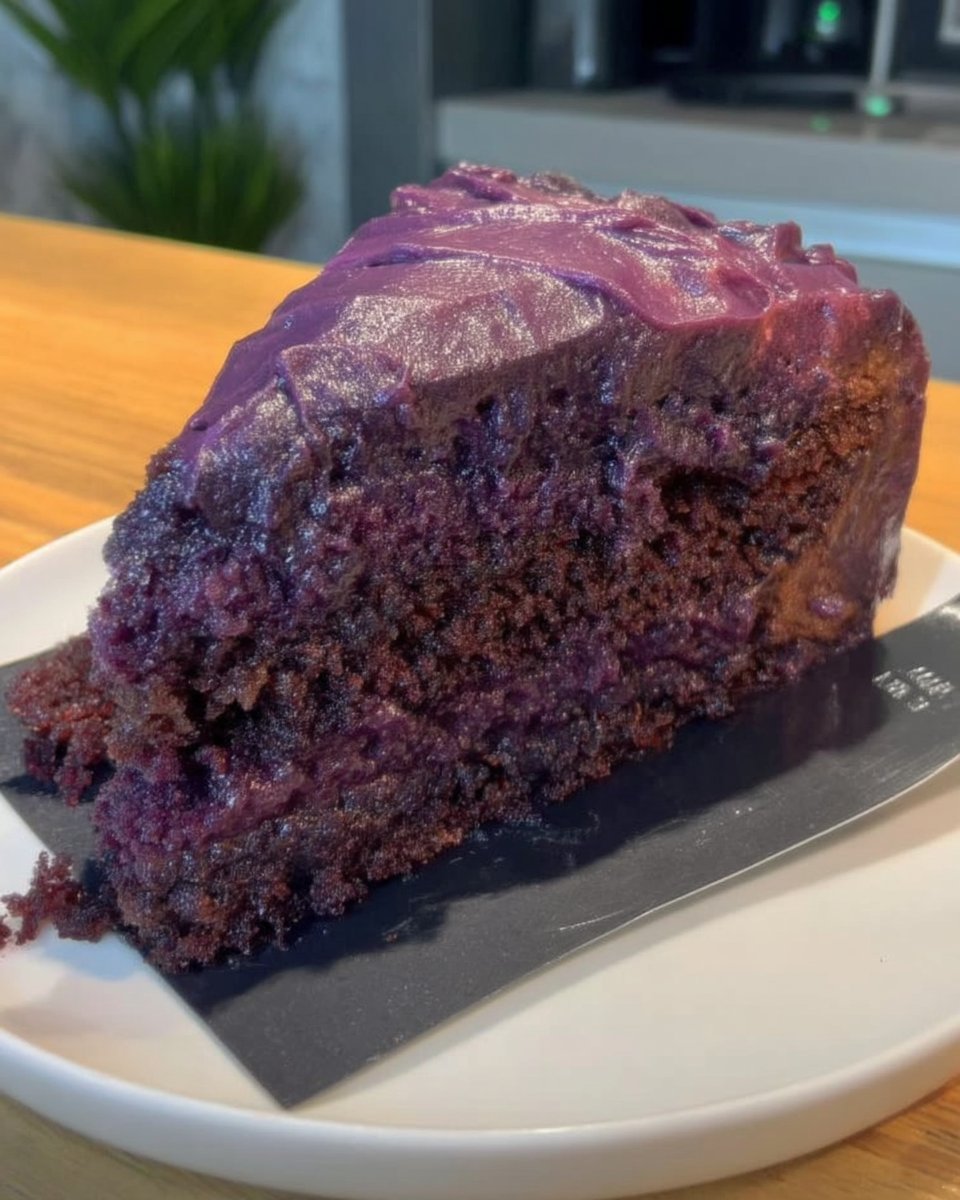
In the world of patisserie, we often speak of *l’équilibre*—balance—and the alchemy of transforming simple ingredients into something extraordinary. It may seem counterintuitive to the uninitiated to introduce a savory pantry staple like condensed tomato soup into a delicate sponge, yet this recipe is a testament to the ingenuity of the past. Much like a traditional *pain d’épices*, the spices take center stage here, while the tomato provides an essential acidity that tenderizes the crumb, resulting in a cake that is remarkably moist and rich in hue.

This is not a savory dish, but rather a spiced masterpiece where the tomato flavor disappears entirely, leaving behind a velvety texture and a warm, amber color. We finish it with a silky cream cheese frosting to provide a tangy contrast to the sweet, spiced layers. It requires a precise hand to ensure the chemical reaction between the soup and baking soda achieves the perfect lift, but the result is a sophisticated dessert that speaks of history and comfort.
The Art of Unexpected Alchemy
What makes this recipe truly special is the science behind the crumb. The acidity in the condensed tomatoes reacts vigorously with the baking soda, creating aeration that gives the cake its signature lift and tenderness. It is a technique that yields a texture difficult to achieve with butter and eggs alone.
Beyond the texture, the flavor profile is sophisticated and warming. The cinnamon, nutmeg, and allspice bloom beautifully against the rich background of the cake, creating a depth that is reminiscent of a fine carrot cake or spice bread. It allows us to appreciate how ingredients can be transformed through heat and chemistry, turning a humble can of soup into a dessert of genuine elegance.
Print
Tomato Soup Cake
- Total Time: 45 mins
- Yield: 12 servings
- Diet: Vegetarian
Description
A sophisticated reimagining of a mid-century classic, this spiced cake uses the acidity of tomato soup to create an incredibly moist and tender crumb. Topped with a velvety cream cheese frosting, it is a warm, aromatic dessert that surprises the palate with its depth of flavor.
Ingredients
- 10 oz condensed tomato soup (do not add water)
- 1 teaspoon baking soda
- 1/2 cup unsalted butter, room temperature
- 1 cup white sugar
- 2 large eggs, room temperature
- 1 teaspoon vanilla extract
- 2 cups all-purpose flour
- 1 teaspoon baking powder
- 1 teaspoon ground cinnamon
- 1/2 teaspoon ground nutmeg
- 1/2 teaspoon ground allspice
- 8 oz block cream cheese, softened
- 1/2 cup unsalted butter, softened (for frosting)
- 3 cups powdered sugar
- 1 teaspoon vanilla extract (for frosting)
Instructions
- Preheat your oven to 350°F (175°C) and lightly grease two 8-inch round cake pans.
- In a small bowl, stir the baking soda into the condensed tomato soup and set aside to react and puff up.
- In a large mixing bowl, cream the room-temperature butter and white sugar with an electric mixer until the mixture is pale and fluffy.
- Add the eggs one at a time, beating thoroughly after each addition, then stir in the vanilla extract.
- Mix the aerated tomato soup mixture into the creamed butter and sugar.
- Sift the flour, baking powder, cinnamon, nutmeg, and allspice over the wet ingredients and fold gently with a spatula until just combined.
- Divide the batter evenly between the two pans and bake for 25 minutes, or until a toothpick inserted into the center comes out clean.
- Let the cakes rest in their pans for 5 minutes before turning them out onto a wire rack to cool completely.
- Prepare the frosting by beating the softened cream cheese and butter together until smooth, then gradually adding powdered sugar and vanilla until light and creamy.
- Frost the cooled cake layers generously and serve.
Notes
For a more complex flavor profile, try making the cake layers a day in advance and storing them wrapped at room temperature; the spices will meld and intensify overnight. Ensure your baking soda is fresh by checking for a vigorous fizz when added to the soup, as this reaction is the primary source of the cake’s lift.
- Prep Time: 20 mins
- Cook Time: 25 mins
- Category: Dessert
- Method: Baking
- Cuisine: American
Selecting Your Mise en Place
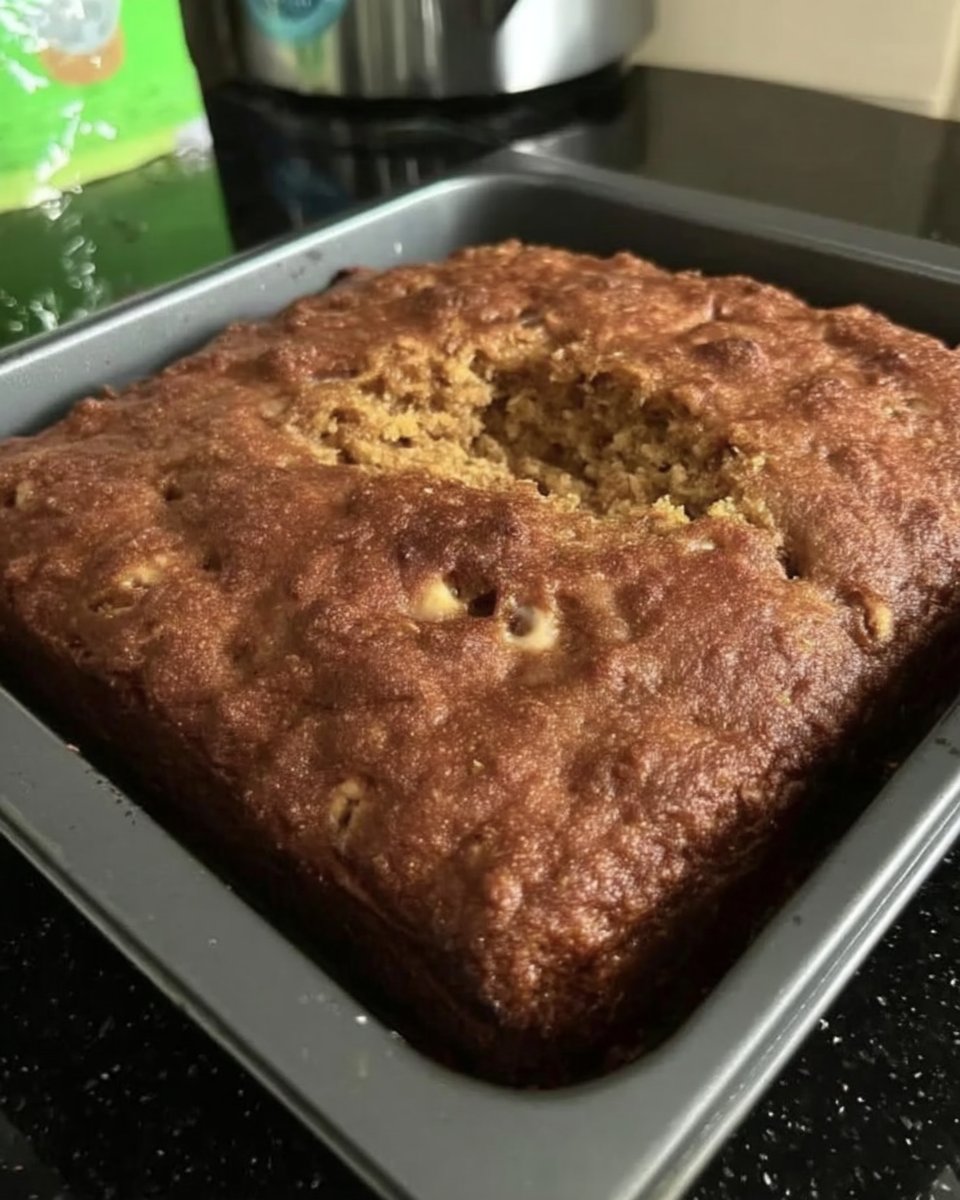
Quality is paramount when working with so few ingredients. Since this is a small-batch recipe utilizing two 8-inch pans, ensure every component is prepared with care.
- Condensed Tomato Soup: You must use condensed soup (10oz/295g) and do not add water. This concentrated puree provides the necessary acidity, moisture, and color. The brand matters less than the consistency; it should be thick and smooth.
- Spices (Cinnamon, Nutmeg, Allspice): These provide the primary flavor profile. Ensure your spices are fresh; old spices lose their potency and aroma. The combination creates a warm, complex bouquet.
- Unsalted Butter: We use room temperature butter for both the cake and the frosting. Using unsalted butter allows us to control the sodium level, which is crucial since the soup already contains salt.
- Eggs: Large eggs, strictly at room temperature, are essential for creating a stable emulsion when beaten with the butter and sugar.
- Cream Cheese: Full-fat cream cheese, softened, creates the most luxurious mouthfeel for the frosting. Do not use tub varieties meant for spreading on bagels; block cream cheese is best for stability.
The Method: Step-by-Step Precision
Step 1: Prepare the Oven and Pans
Preheat your oven to 350°F (175°C). Precision in temperature is vital for an even rise. Lightly grease two 8-inch (20cm) round cake pans. For extra security, you may line the bottoms with parchment paper to guarantee a perfect release.
Step 2: The Chemical Reaction
Place the condensed tomato soup into a small bowl. Do not add water. Stir in the baking soda. You will observe an immediate reaction—the mixture will puff up and lighten in color as the soda neutralizes the acid. Set this aside to let the chemistry do its work.
Step 3: Aerate the Butter and Sugar
In a large mixing bowl, beat the room-temperature butter and white sugar with an electric mixer. You are looking for the “creaming” stage—the mixture should become pale, fluffy, and increased in volume. This step incorporates air, which is the foundation of a light cake.
Step 4: Create the Emulsion
Add the eggs one at a time, beating well after each addition. Introduce the vanilla extract. If the mixture looks slightly curdled, do not panic; it is simply the difference in water and fat content, and it will smooth out shortly.
Step 5: Incorporate the Tomato Mixture
Mix in the tomato soup mixture prepared in Step 2. The batter will turn a lovely orange hue. Note that it might appear to “split” slightly again at this stage. This is normal behavior for this specific batter—the flour will bring it all back together.
Step 6: The Final Fold
Sift the all-purpose flour, baking powder, cinnamon, nutmeg, and allspice over the wet ingredients. Switch to a wooden spoon or spatula for this step. Gently mix just until combined and no streaks of flour remain. Overworking the gluten at this stage will result in a tough cake, so use a gentle hand.
Step 7: Bake to Perfection
Divide the batter evenly between the prepared pans. Bake for 25 minutes. The cake is done when the top springs back lightly when touched and a toothpick inserted into the center comes out clean. Do not open the oven door too early, or the delicate structure may collapse.
Step 8: Cooling
Allow the cakes to cool in their pans for 5 minutes. This brief rest helps them set. Then, turn them out onto a wire cooling rack to cool completely. The cakes must be entirely cold before frosting, or the butter in the frosting will melt.
Step 9: The Cream Cheese Frosting
While the cake cools, beat the softened cream cheese and butter together until perfectly smooth and lump-free. Gradually add the powdered sugar and vanilla, beating until the frosting is creamy, airy, and spreadable. Frost the cooled cake layers generously.
Laura’s Secrets for a Perfect Crumb
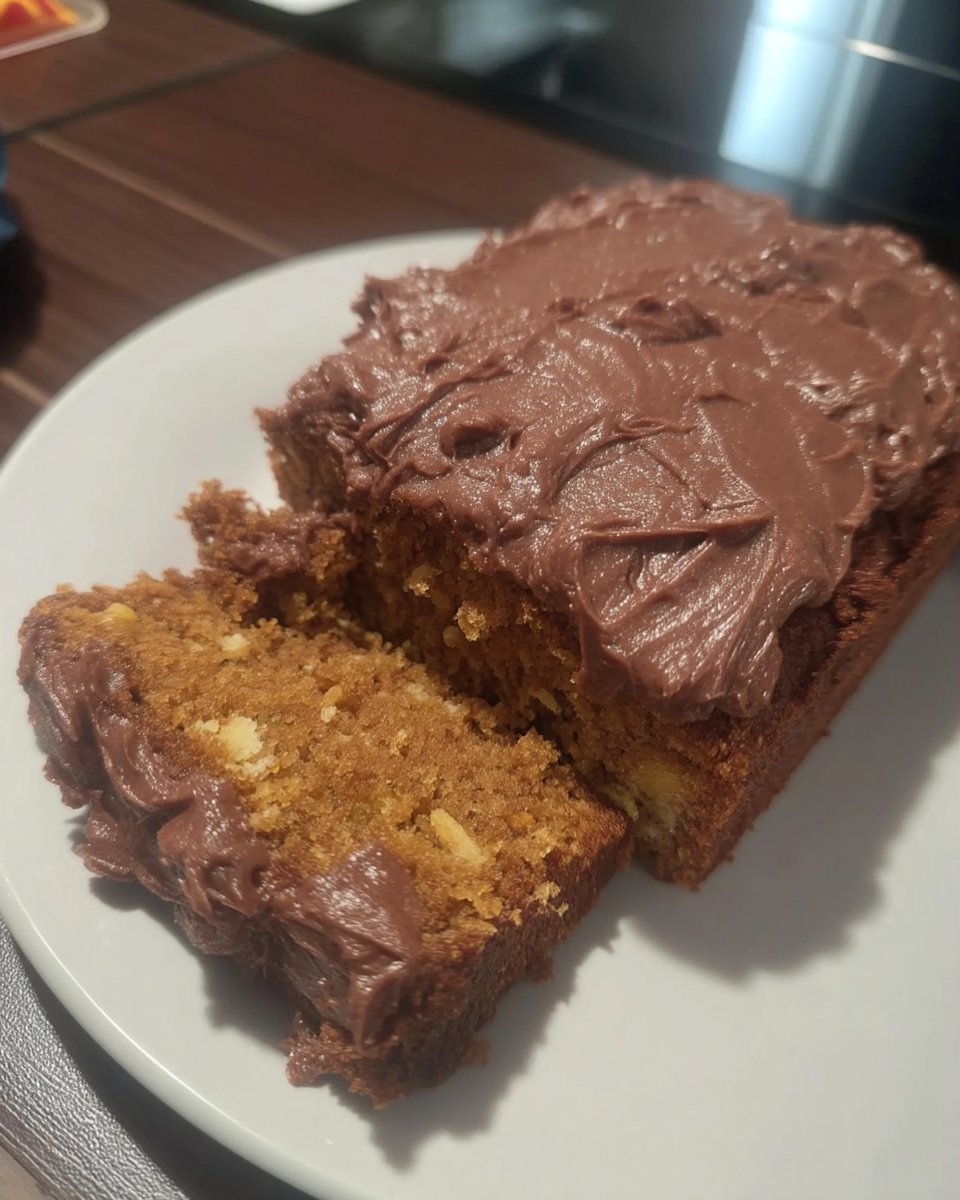
- Temperature Matters: I cannot stress this enough—your butter, eggs, and cream cheese must be at room temperature. Cold ingredients will shock the batter, causing it to seize or curdle, which results in a heavy, greasy texture rather than a light sponge.
- Watch the Reaction: When you mix the soda into the soup, observe the bubbles. This tells you your baking soda is active. If it doesn’t fizz, your leavening agent may be expired, and the cake will not rise properly.
- Do Not Overmix: Once the flour is added, mix only until the flour disappears. Overmixing develops gluten, which is excellent for bread but disastrous for a tender cake. Treat the batter with care.
- Storage: Because of the fresh cream cheese frosting, this cake should be stored in the refrigerator. However, for the best flavor and texture, let slices sit at room temperature for 20 minutes before serving. If you enjoy mastering these traditional methods, explore our collection of classic recipes for more inspiration.
Refining the Classic Profile
While the classic recipe is divine, a few refined adjustments can tailor the cake to your palate without compromising the structural integrity.
- Dried Fruit: Macerated raisins, cranberries, or golden sultanas add a lovely chewiness. Toss them in a teaspoon of flour before folding them into the batter to prevent them from sinking to the bottom.
- Nutty Texture: For a contrast in texture, toasted walnuts or pecans folded into the batter add a delightful crunch that complements the spices beautifully.
- Vegetable Twist: Just as we use vegetables in our purple carrot cake, you can grate 1-2 tablespoons of fresh ginger into the batter for a sharper, fresher spice kick that cuts through the sweetness.
- Citrus Note: A zest of orange in the cream cheese frosting pairs exceptionally well with the cinnamon and nutmeg in the sponge.
Serving with Elegance
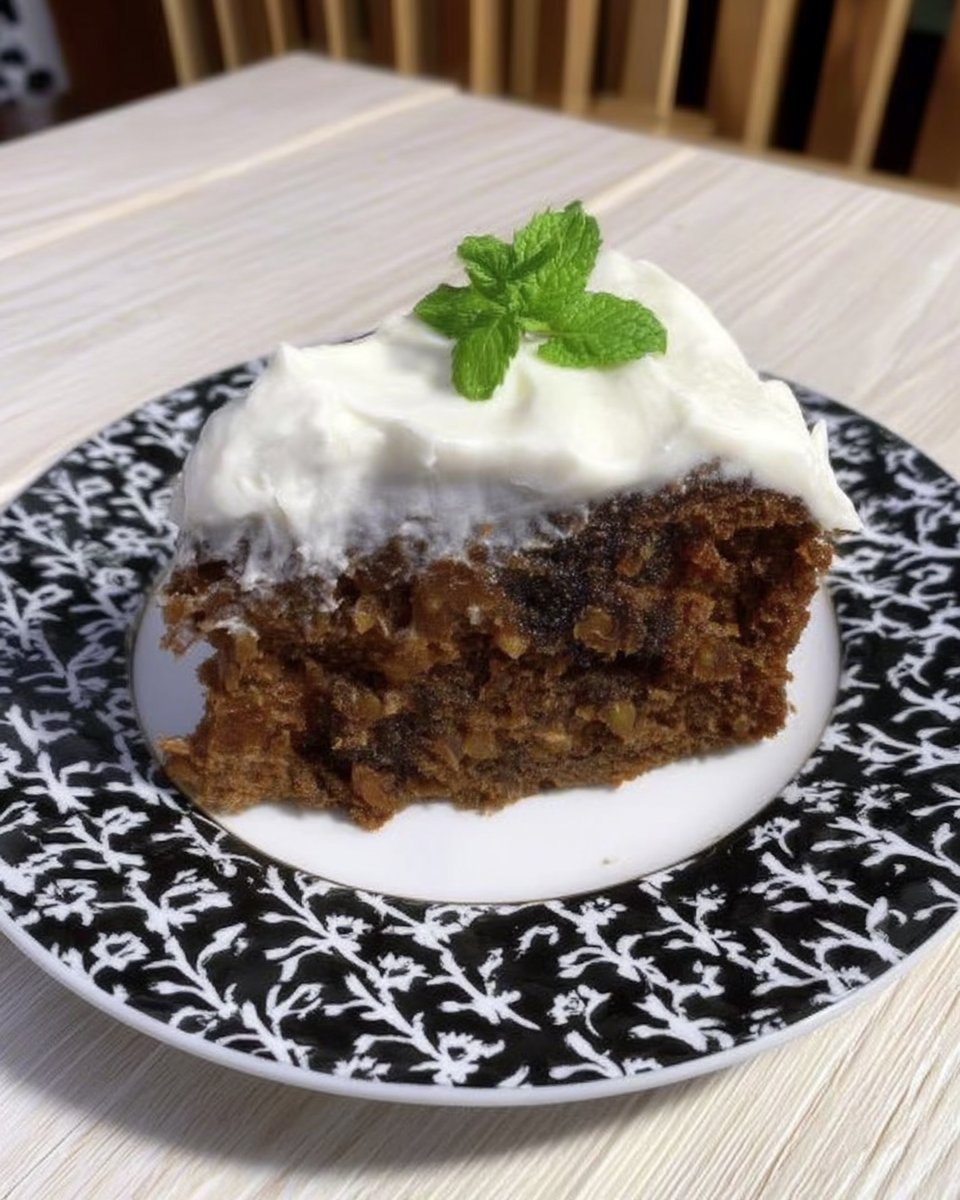
This cake has a rustic charm that requires little embellishment, yet a few thoughtful touches can make it truly exquisite. Serve a slice on a fine dessert plate, perhaps with a dusting of cinnamon on the side for aroma.
It pairs beautifully with a hot cup of Earl Grey tea or a dark roast coffee, as the tannins balance the sweetness of the frosting. For a holiday gathering, it serves as a wonderful conversation piece. This evokes the same nostalgia as our beloved vintage cake, bringing a sense of history to your table.
The Joy of Baking History
Mastering the Tomato Soup Cake is more than just following a recipe; it is an appreciation for the resourcefulness of bakers who came before us. It teaches us that with precise technique and an open mind, even the most humble ingredients can become something magnificent.
For another rich, nostalgic treat that celebrates deep flavors, try our old fashioned chocolate cake.
I hope you enjoy this journey into the past. Please share your beautiful creations with us on Pinterest, Instagram, and Facebook. We love seeing your precision in the kitchen.