In my early years at the patisserie in Lyon, I learned that the soul of a cake lies not in its complexity, but in the precision of its crumb. This yellow cake recipe represents a devotion to that classic ideal, where the golden hue of the yolks meets a texture that is both sturdy and ethereal. It is a humble masterpiece that requires only your patience and a few quality ingredients to reach perfection.

By combining a traditional creaming method with the lightness of whipped egg whites, we create a cake that stands apart from standard sponges. This small-batch approach allows you to focus on the delicate balance of fats and proteins, resulting in a crumb that is remarkably moist and fragrant. It is the perfect canvas for a rich, silky chocolate buttercream, bridging the gap between home-style comfort and professional pastry standards.
Mastering the Classic
The beauty of this particular yellow cake recipe lies in its dual nature. While many cakes rely solely on whole eggs, this method separates the yolks and whites to maximize the potential of each. The four large egg yolks provide that signature golden color and a richness that melts on the tongue, while the whipped whites act as a natural leavening agent, providing lift without a heavy chemical aftertaste. This technique is a fundamental pillar of fine pastry, allowing for a structure that is strong enough to support layers of frosting yet light enough to feel sophisticated.
Precision is the key to this success. When you bake in small batches, you have the opportunity to monitor every detail, from the temperature of your butter to the exact moment the peaks of your meringue reach their ideal loft. This recipe avoids the density often found in store-bought mixes, instead offering a clean, buttery flavor that highlights the quality of your vanilla and the tang of the buttermilk. It is a rewarding process that transforms basic pantry staples into an extraordinary dessert through the simple application of proper technique.
Furthermore, the moisture level in this cake is carefully preserved. The inclusion of buttermilk provides a slight acidity that breaks down gluten strands, making each bite tender. This is not just a cake; it is a lesson in the chemistry of baking. By understanding how the fats from the butter and yolks interact with the proteins in the cake flour, you gain a mastery that will serve you in every future baking endeavor. This is the recipe you will return to time and again whenever you seek a result that is undeniably authentic.
Print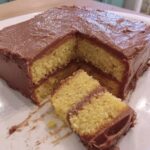
Yellow Cake Recipe
- Total Time: 1 hour
- Yield: 12 servings
- Diet: Vegetarian
Description
This classic yellow cake features a rich, golden crumb achieved through a precise balance of egg yolks and buttermilk, finished with a silky chocolate buttercream. Utilizing a specialized folding technique with whipped egg whites, the result is a sophisticated dessert that remains both sturdy and tender.
Ingredients
- 285g cake flour
- 226g unsalted butter, softened
- 4 large egg yolks
- 2 large egg whites
- 240ml buttermilk
- 2 cups granulated sugar
- 2 teaspoons pure vanilla extract
- 2 teaspoons baking powder
- 1/2 teaspoon baking soda
- 1/2 teaspoon salt
- 1/4 teaspoon cream of tartar
- 3 cups confectioners’ sugar
- 1/2 cup cocoa powder
- 1/2 cup unsalted butter (for frosting)
- 2 tablespoons heavy cream
Instructions
- Preheat oven to 350°F (177°C) and grease two 9-inch round cake pans, lining the bottoms with parchment paper.
- Whisk together the cake flour, baking powder, baking soda, and salt in a large bowl.
- Using a stand mixer with a paddle attachment, cream 226g of butter and granulated sugar for 3 minutes until pale and fluffy.
- Beat in the egg yolks one at a time, then stir in the vanilla extract.
- Alternately add the dry ingredients and buttermilk to the batter on low speed, starting and ending with the flour.
- In a separate clean bowl, whisk the egg whites and cream of tartar until they form firm, fluffy peaks.
- Gently fold the whipped egg whites into the cake batter using a silicone spatula until no streaks remain.
- Divide the batter between pans and bake for 27-31 minutes, tenting with foil after 18 minutes; cool completely on a wire rack.
- Prepare the buttercream by beating softened butter with confectioners’ sugar, cocoa, cream, salt, and vanilla until silky.
- Level the cooled cakes, stack with frosting, apply a crumb coat, and finish with the remaining buttercream.
Notes
Ensure all refrigerated ingredients, especially the buttermilk and eggs, reach room temperature before mixing to prevent the batter from breaking. For the cleanest slices, chill the assembled cake for thirty minutes before cutting with a sharp, warm knife.
- Prep Time: 30 mins
- Cook Time: 30 mins
- Category: Dessert
- Method: Baking
- Cuisine: American
The Foundation of Excellence
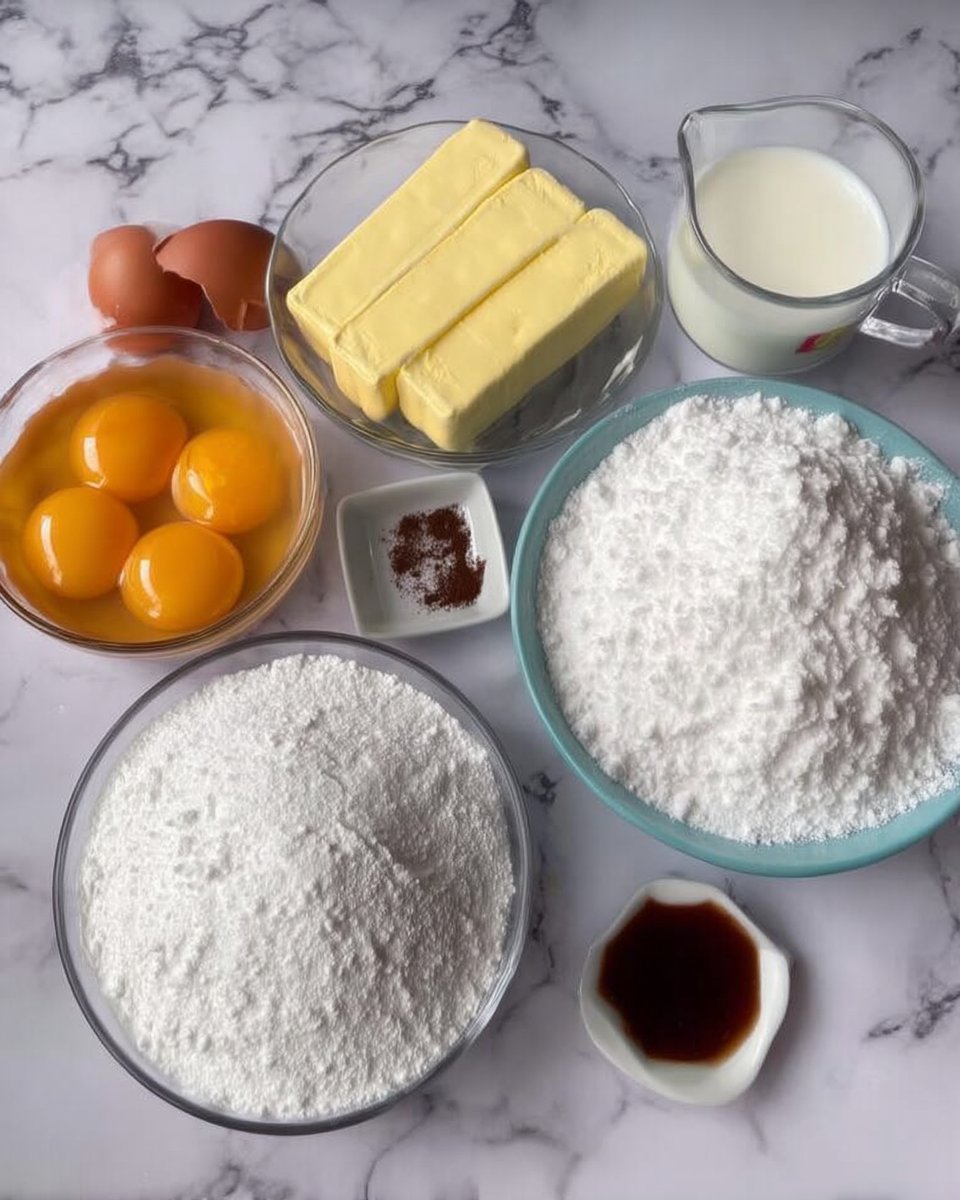
To achieve a professional result, one must start with ingredients that have been handled with care. Every component in this yellow cake recipe serves a specific structural or flavorful purpose. Using weight measurements in grams will always yield the most consistent result, as volume can vary significantly depending on how the flour is packed.
- Cake Flour (285g): This is essential for a tender crumb. Cake flour has a lower protein content than all-purpose flour, which prevents the development of tough gluten. This results in a delicate, velvety texture that defines a true yellow cake.
- Unsalted Butter (226g): Quality butter is the primary flavor profile here. It must be softened to room temperature—ideally around 65°F (18°C)—to allow for proper aeration during the creaming stage.
- Egg Yolks and Whites: By separating the eggs, we use the yolks for richness and the whites for structure. Ensure they are at room temperature to avoid curdling the batter.
- Buttermilk (240ml): This provides the necessary acidity to react with the baking soda and tenderize the flour. It contributes a subtle tang that balances the sweetness of the granulated sugar.
- Pure Vanilla Extract: With such a simple flavor profile, the quality of your vanilla matters. Use a pure extract or even vanilla bean paste for those beautiful tiny flecks of flavor.
- Leavening Agents: A combination of baking powder and baking soda provides a reliable rise, while the cream of tartar stabilizes the whipped egg whites, maintaining their volume during folding.
- Cocoa Powder: For the buttercream, you may use either natural or Dutch-process cocoa. Dutch-process will offer a darker, more mellow chocolate flavor that contrasts beautifully with the golden cake.
The Method
Step 1: Preparing the Workspace
Begin by preheating your oven to 350°F (177°C). Prepare two 9-inch round cake pans by greasing them thoroughly with a nonstick spray. Line the bottoms with parchment paper rounds and grease the paper itself; this extra step guarantees that your cakes will release without resistance. Preparing your environment is the first step toward a focused and successful bake.
Step 2: The Sifting Process
In a large mixing bowl, whisk together the cake flour, baking powder, baking soda, and salt. Sifting or vigorous whisking is necessary to remove any lumps and to distribute the leavening agents evenly. Set this dry mixture aside while you prepare the wet components.
Step 3: The Creaming Stage
Using a stand mixer fitted with the paddle attachment, beat the softened butter and granulated sugar together on high speed for at least 3 full minutes. You are looking for a pale, almost white color and a texture that is remarkably light and creamy. This process incorporates air into the fat, which is vital for the cake’s final volume.
Step 4: Emulsifying the Yolks
Lower the mixer speed to medium-high and add the 4 egg yolks one at a time. It is important to let each yolk fully integrate into the butter mixture before adding the next. This careful emulsion prevents the batter from breaking. Finally, stir in the vanilla extract until just combined.
Step 5: Incorporating the Dry and Wet
With the mixer on low speed, add the dry ingredients in three parts, alternating with the buttermilk in two parts. Begin and end with the flour. Mix only until the streaks of flour disappear. Over-mixing at this stage will develop gluten and lead to a tough cake. The resulting batter will be thick and rich.
Step 6: Whipping the Meringue
In a separate, perfectly clean bowl, use a whisk attachment to beat the 2 egg whites with the cream of tartar. Beat on high speed until fluffy peaks form. These peaks should be firm enough to hold their shape but not dry or grainy. This meringue is what provides the ‘lift’ to our thick batter.
Step 7: The Gentle Fold
Using a large silicone spatula, gently fold the whipped egg whites into the cake batter. Use a ‘cut and fold’ motion—slicing through the center and turning the batter over itself. Stop as soon as no white streaks remain. This preserves the air you worked so hard to incorporate.
Step 8: The Bake
Divide the batter evenly between your two prepared pans. Bake for 27-31 minutes. After 18 minutes, quickly tent the pans with aluminum foil to prevent the tops from darkening too much. Test for doneness by inserting a toothpick into the center; it should come out clean. Let the cakes cool in the pans on a wire rack until they reach room temperature.
Step 9: Crafting the Buttercream
Beat the butter for the frosting until it is creamy and smooth, about 2 minutes. Gradually add the confectioners’ sugar, cocoa powder, heavy cream, salt, and vanilla. Beat on low to incorporate, then on high for 60 seconds to reach a spreadable, silky consistency. If the frosting feels too stiff, a small splash of additional cream will correct it.
Step 10: Assembly and Finishing
Level your cooled cakes with a serrated knife if they have domed. Place the first layer on a stand, cover with a generous layer of buttercream, and top with the second layer. Apply a thin crumb coat first, refrigerate for 15 minutes, and then finish with the remaining frosting for a professional, polished look.
Pastry Wisdom
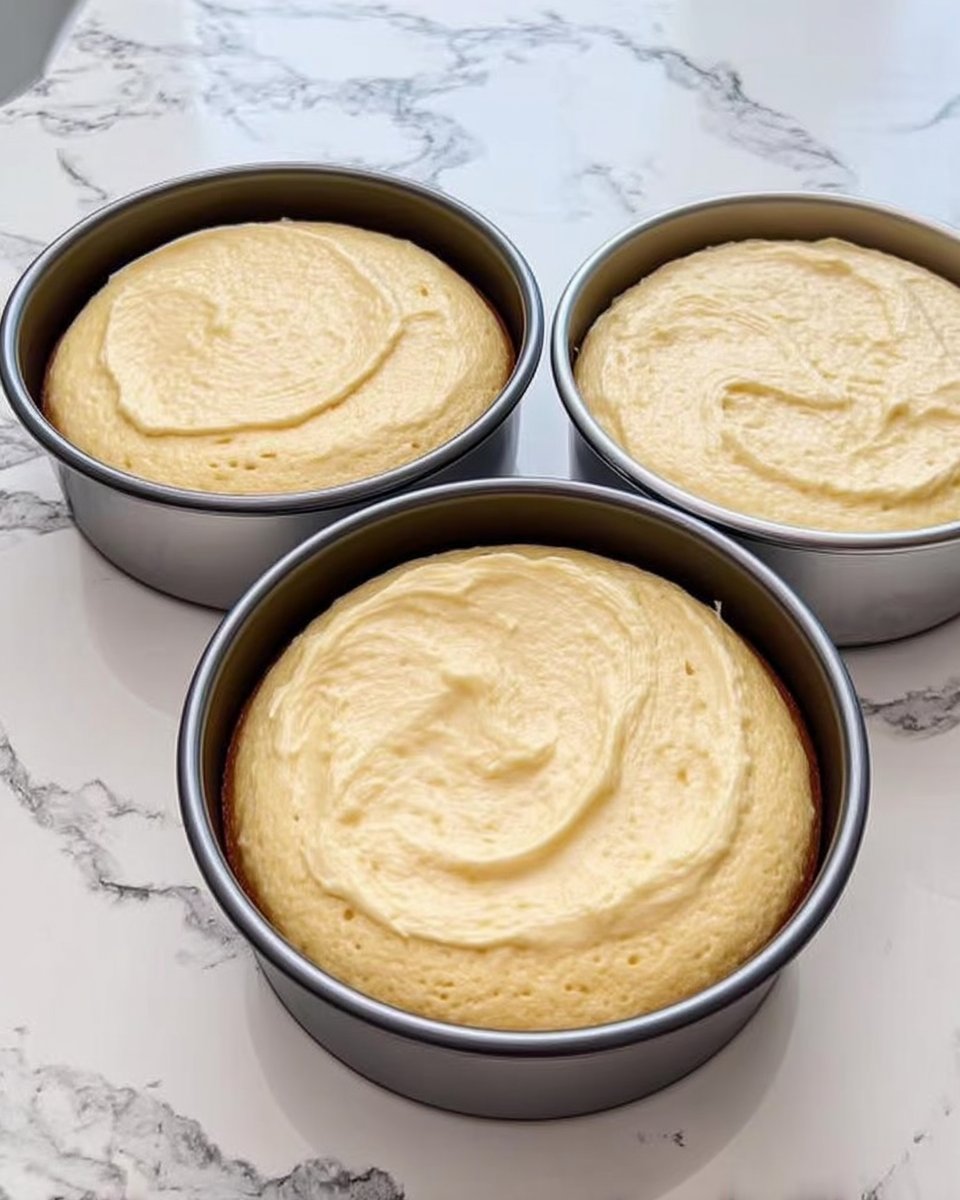
One of the most frequent mistakes in the kitchen is using ingredients at the wrong temperature. For this yellow cake recipe, ensure your butter is soft to the touch but still holds its shape; if it is greasy or melting, the air bubbles will collapse. Similarly, using cold buttermilk will cause the butter to seize, resulting in a lumpy batter. For those who wish to study more about the foundations of baking, examining our classic recipes can provide a broader context for these techniques.
When folding the egg whites, do not rush. The goal is to maintain the aeration. If you stir too vigorously, you will lose the volume, and the cake will turn out dense rather than fluffy. For more detailed insights into moisture control, you might find this guide on a moist yellow cake recipe quite helpful. Always remember that the difference between good and extraordinary is often just a degree or two of care during the mixing process.
Refined Twists
While the classic vanilla and chocolate combination is timeless, you can easily adapt this foundation to suit different moods. For a bright, citrus-forward version, fold two teaspoons of fresh lemon or orange zest into the dry ingredients. This adds a beautiful aromatic quality to the golden sponge. If you prefer a more nostalgic feel, you might consider our vintage cake variations which often incorporate almond extracts or different nut flours for added depth.
Another sophisticated variation is to infuse the buttermilk with lavender or Earl Grey tea before mixing. Simply heat the buttermilk gently with the tea, let it steep for ten minutes, then cool it back to room temperature before using. This subtle floral note transforms the yellow cake into something truly unique for an afternoon tea service. Regardless of the flavor you choose, maintaining the core ratios of this recipe will guarantee a successful bake.
Presentation and Pairing
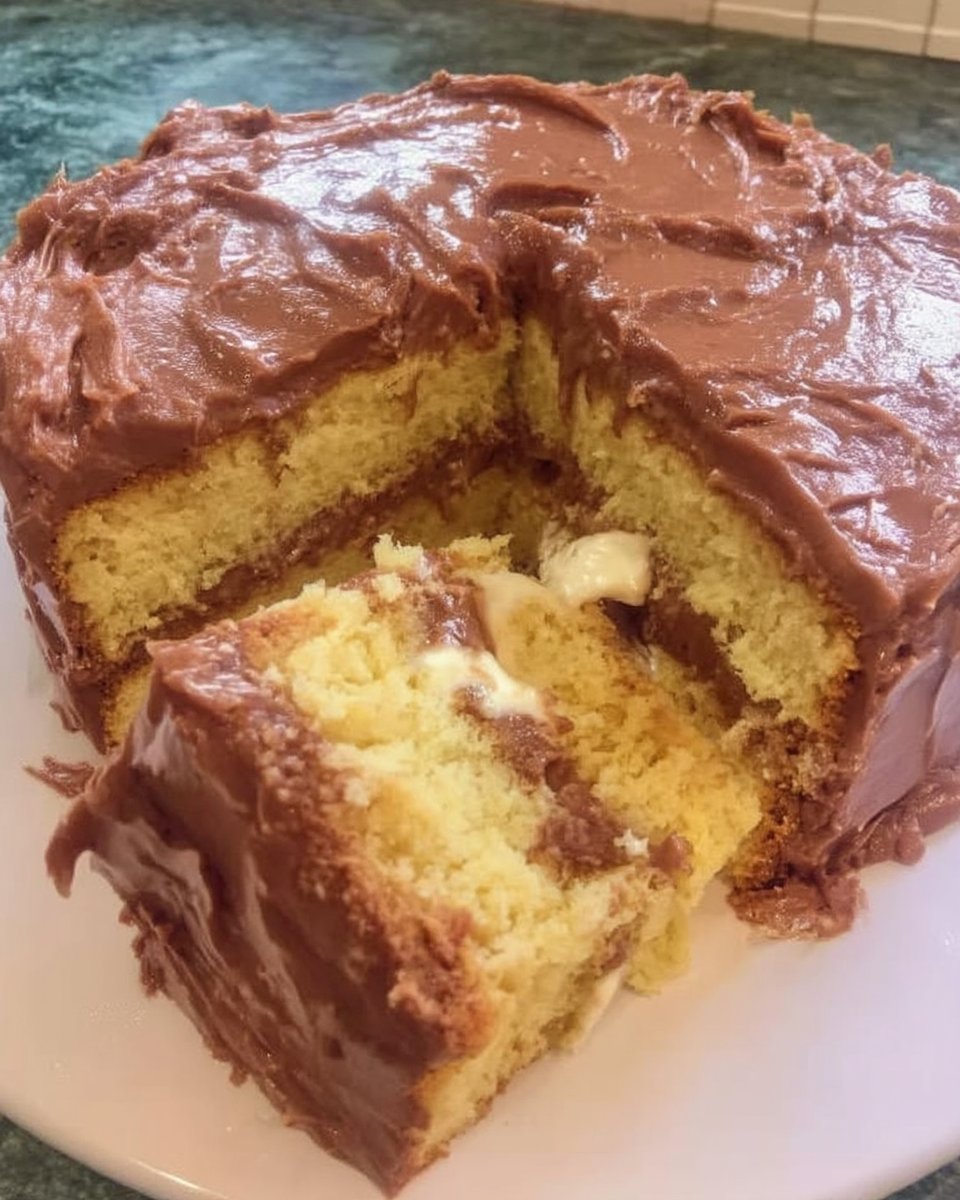
For a truly elegant presentation, I recommend refrigerating the assembled cake for at least thirty minutes before slicing. This helps the buttercream set and allows for clean, sharp edges that showcase the contrast between the golden layers and the dark frosting. If you enjoy the depth of a traditional chocolate profile, you may want to compare this presentation with our old-fashioned chocolate cake for inspiration on classic textures.
Serve each slice with a small dollop of lightly sweetened crème fraîche or a few fresh berries to add a touch of acidity. This cake pairs exquisitely with a strong dark roast coffee or a delicate Darjeeling tea. For a more celebratory occasion, a glass of Demi-Sec Champagne offers a beautiful effervescence that cuts through the richness of the chocolate buttercream, making every bite feel refreshed.
The Art of Small Batches
Mastering this yellow cake recipe is a journey into the heart of traditional baking. By focusing on the precision of your measurements and the gentleness of your technique, you create something far superior to any mass-produced alternative. This small-batch approach is not just about the final product, but about the joy of the process itself. For those who wish to explore further flavor combinations, do try our yellow-cake-chocolate-frosting guide for more assembly tips.
I invite you to share your results and your own personal twists on this classic. Connecting with a community of devoted bakers is one of the greatest pleasures of the craft. You can find more inspiration and share your creations with us on Instagram or join the conversation on Facebook. Happy baking, and may your kitchen always be filled with the scent of warm vanilla and butter.