In my early days training in a small patisserie near the Mediterranean, I learned that the most profound flavors often come from the simplest sun-drenched ingredients. This Limoncello Mascarpone Cake is a tribute to those afternoons where the scent of lemon blossoms drifted through the open kitchen windows. It represents a commitment to the delicate balance of bright acidity and the rich, velvet texture of Italian cream cheese.

By focusing on the precision of a genoise-style sponge, we create a base that is remarkably light yet sturdy enough to carry a generous soaking of citrus liqueur. This recipe is designed for the home baker who finds joy in the quiet process of whipping egg whites to the perfect peak and carefully folding them to preserve every bubble of air. It is a dessert that rewards patience with a refined, sophisticated finish.
The Beauty of Citrus and Silk
There is a specific joy in mastering a cake that feels both luxurious and weightless. This Limoncello Mascarpone Cake succeeds because it respects the fundamental principles of French and Italian pastry traditions. Instead of relying on heavy fats to provide moisture, we use a soaking syrup infused with the bright, sharp notes of lemon liqueur, which allows the crumb to remain airy while tasting intensely hydrated.
The mascarpone frosting is another reason to fall in love with this preparation. Unlike traditional American buttercream, which can often overwhelm the palate with sugar, this topping relies on the natural density and mild tang of the cheese. When combined with heavy cream, it creates a cloud-like texture that complements the zesty sponge rather than masking it. This recipe is perfect for those who appreciate a dessert that is not just sweet, but a carefully orchestrated symphony of textures and temperatures.
Print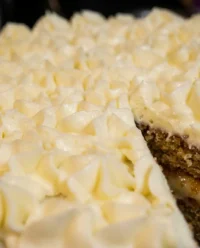
Limoncello Mascarpone Cake
- Total Time: 5 hours 5 mins
- Yield: 12 servings
- Diet: Vegetarian
Description
This elegant Italian-inspired dessert features a light-as-air lemon sponge soaked in a zesty limoncello syrup and finished with a velvety mascarpone cream. It is the perfect balance of bright citrus notes and rich, cloud-like texture, making it an ideal choice for sophisticated spring celebrations.
Ingredients
- 2 cups all-purpose flour
- 1 1/2 teaspoons baking powder
- 6 large eggs, separated
- 1 1/2 cups granulated sugar
- 2 tablespoons fresh lemon zest
- 2 tablespoons fresh lemon juice
- 1/2 cup limoncello liqueur, divided
- 1/4 cup water
- 16 ounces mascarpone cheese, chilled
- 2 cups heavy cream (at least 36% milkfat)
- 1 cup powdered sugar
- 1 teaspoon vanilla extract
Instructions
- Preheat your oven to 350°F (175°C) and grease two 8-inch round cake pans with butter, lining the bottoms with parchment paper.
- Sift the all-purpose flour and baking powder together twice into a medium bowl to ensure the dry ingredients are fully aerated.
- In a clean, grease-free bowl, use an electric mixer to beat the egg whites until they reach glossy soft peaks that curl gently.
- In a separate vessel, beat the egg yolks and granulated sugar until thick and pale (the ribbon stage), then whisk in the lemon zest, lemon juice, and 2 tablespoons of limoncello.
- Gently fold the sifted dry ingredients into the yolk mixture, then lighten with one-third of the egg whites before carefully folding in the remaining whites using a figure-eight motion.
- Divide the batter between the pans and bake for 22 to 25 minutes until the tops are golden and spring back; let cool in the pans for 10 minutes before moving to a wire rack.
- Make the soaking syrup by simmering the remaining limoncello, water, and 2 tablespoons of sugar in a small saucepan until dissolved, then cool completely.
- Whip the chilled mascarpone until smooth, then slowly add the heavy cream, powdered sugar, and vanilla, whisking until thick, stable peaks form.
- Brush the cooled cake layers generously with the syrup, stack with a thick layer of mascarpone frosting, and cover the exterior before refrigerating for at least four hours to set.
Notes
To ensure the most successful volume for your genoise-style sponge, make sure your mixing bowl and whisk are completely free of any residual fats before beating the egg whites. Additionally, for the cleanest slices, dip your knife in warm water and wipe it clean between every cut to prevent the mascarpone cream from sticking.
- Prep Time: 40 mins
- Cook Time: 25 mins
- Category: Dessert
- Method: Baking
- Cuisine: Italian-inspired
Selecting the Finest Foundation
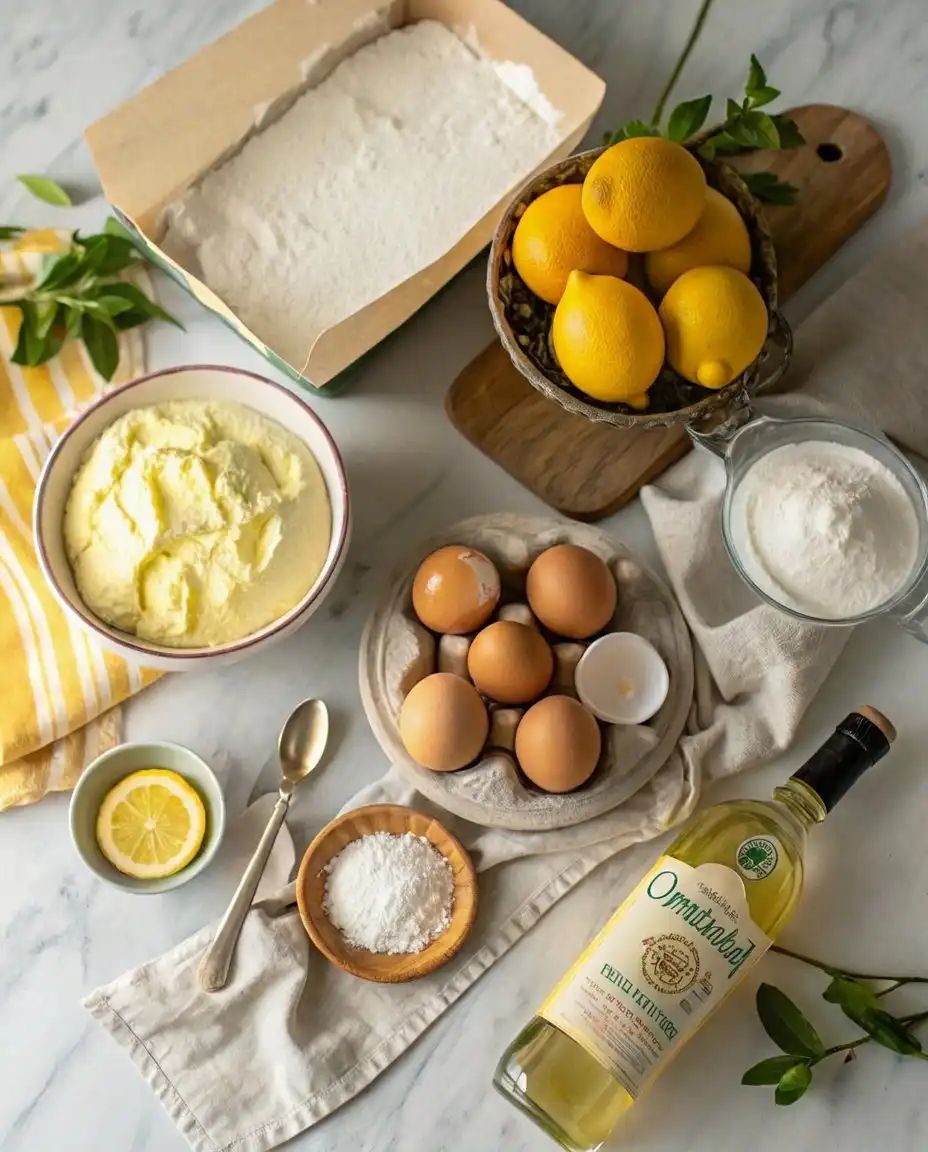
To achieve the professional results we strive for in a small-batch kitchen, every component must be of the highest quality. The chemistry of this cake relies on the interaction between the proteins in the eggs and the structure of the flour, meaning the temperature and freshness of your ingredients are non-negotiable.
- All-Purpose Flour and Baking Powder: These provide the essential framework. For the most tender results, sift these twice to remove any clumps and introduce additional air.
- Large Eggs: Separating the eggs is the most vital step of this method. Ensure the whites are completely free of yolk to allow them to reach their full volumetric potential.
- Granulated Sugar: This serves as both a sweetener and a stabilizer for the egg foam, creating the necessary viscosity for a successful batter.
- Lemon Zest and Juice: Always use fresh fruit. The aromatic oils in the zest are far more potent than any bottled extract, providing a deep, authentic citrus profile.
- Limoncello Liqueur: This Italian staple provides the signature kick. Select a premium brand that uses real lemon infusions for the most refined flavor.
- Mascarpone Cheese: This must be chilled but pliable. Its high fat content provides the structural integrity for our frosting without the need for excessive powdered sugar.
- Heavy Cream: With at least 36% milkfat, this is what allows the frosting to whip into stable, pillowy peaks.
The Method of Refined Assembly
Step 1: Preparing the Workspace and Pans
Begin by preheating your oven to 350°F (175°C). This allows the heat to stabilize while you work through the delicate batter preparation. Grease two 8-inch round cake pans with butter and line the bottoms with parchment paper. This precision in preparation makes certain that the delicate sponge releases perfectly without tearing the tender crumb.
Step 2: The Dry Component Sifting
Whisk the all-purpose flour and baking powder together in a medium bowl. I recommend passing them through a fine-mesh sieve. This step is not merely about mixing; it is about aerating the flour so that it incorporates into the egg foam with minimal resistance, preventing the loss of volume that occurs with over-mixing.
Step 3: Whipping the Whites to Soft Peaks
Place the egg whites in a pristine, grease-free bowl. Using an electric mixer on medium-high speed, beat them until they form soft peaks. A soft peak should gently curl over when the whisk is lifted. Over-beating at this stage will make the whites dry and difficult to fold, so watch the texture closely; it should look like a glossy cloud.
Step 4: The Ribbon Stage for Yolks
In a separate vessel, combine the egg yolks and granulated sugar. Beat them vigorously until the mixture becomes pale, thick, and reaches the “ribbon stage.” When you lift the whisk, the batter should fall back into the bowl in a slow, distinct trail that holds its shape for several seconds. Add the lemon zest, lemon juice, and a portion of the limoncello, whisking just until combined.
Step 5: The Delicate Folding Process
This is the most critical technical moment. Gently fold the dry ingredients into the yolk mixture using a spatula. Once just combined, add a third of the egg whites to lighten the batter. Then, carefully fold in the remaining whites using a figure-eight motion. This technique preserves the air bubbles you worked so hard to create, which is the only way to achieve a truly light Limoncello Mascarpone Cake.
Step 6: Baking the Sponge
Divide the batter evenly between the prepared pans. Bake for 22 to 25 minutes. You will know they are done when the tops are golden and spring back lightly when pressed. Avoid opening the oven door too early, as the sudden temperature drop can cause the delicate structure to collapse before it has fully set. Let them cool in the pans for ten minutes before transferring to a wire rack.
Step 7: Crafting the Limoncello Soaking Syrup
While the cakes cool, prepare the hydration syrup. Combine the remaining limoncello, water, and sugar in a small saucepan. Simmer over low heat until the sugar dissolves completely. This syrup is the secret to a moist cake; it penetrates the sponge and carries the citrus flavor deep into the crumb. Allow the syrup to cool before application.
Step 8: Creating the Mascarpone Frosting
Beat the chilled mascarpone in a cold bowl until smooth and creamy. Slowly pour in the heavy cream, powdered sugar, and vanilla extract. Whisk on medium-high speed until the mixture is thick and fluffy. The goal is a texture that is spreadable but holds sharp lines. Do not over-beat, as mascarpone can turn grainy if worked too long.
Step 9: Final Assembly and Chilling
Brush each cake layer generously with the cooled syrup. Place one layer on your serving plate and spread a thick, even layer of the mascarpone cream. Top with the second layer and cover the top and sides with the remaining frosting. For a professional finish, refrigerate the cake for at least four hours. This resting period allows the flavors to meld and the structure to firm up for clean, elegant slicing.
Precision Secrets for the Master Baker
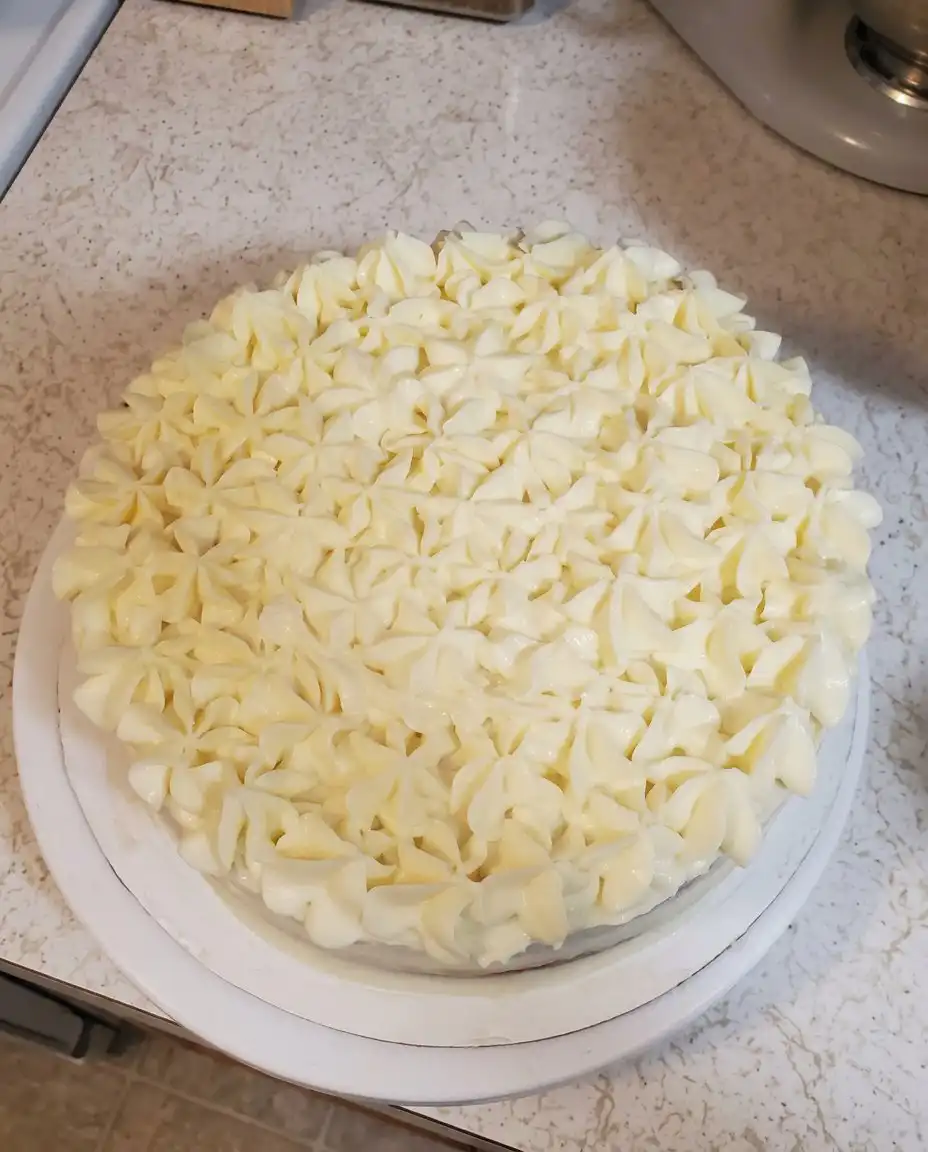
Temperature control is the difference between a good cake and an extraordinary one. When making the frosting, make certain both your mascarpone and heavy cream are very cold. If the fat is too warm, the emulsion will fail, and you will lose that silken mouthfeel. If you find your cake is too soft to handle, a brief 15-minute stay in the freezer can make the layers much easier to stack. For those looking to master other citrus foundations, I recommend reviewing our guide on lemon cake to compare crumb densities. Also, always rub your lemon zest into the sugar with your fingertips before starting; the friction releases the essential oils, scenting the entire cake more deeply than juice alone could ever achieve.
Refined Twists on a Classic Foundation
While the classic lemon profile is timeless, you can introduce subtle complexity to this recipe with a few thoughtful additions. For a floral note, add a half-teaspoon of culinary lavender to the soaking syrup. If you prefer a more decadent Italian experience, you might draw inspiration from our tiramisu cake by adding a layer of high-quality lemon curd between the sponge and the frosting. Another beautiful variation is to fold crushed toasted pistachios into the mascarpone cream, providing a salty, nutty contrast to the bright acidity of the limoncello. For those who enjoy a smaller presentation, this batter performs exceptionally well when baked in mini-springform pans for individual servings.
Presentation and the Final Touch
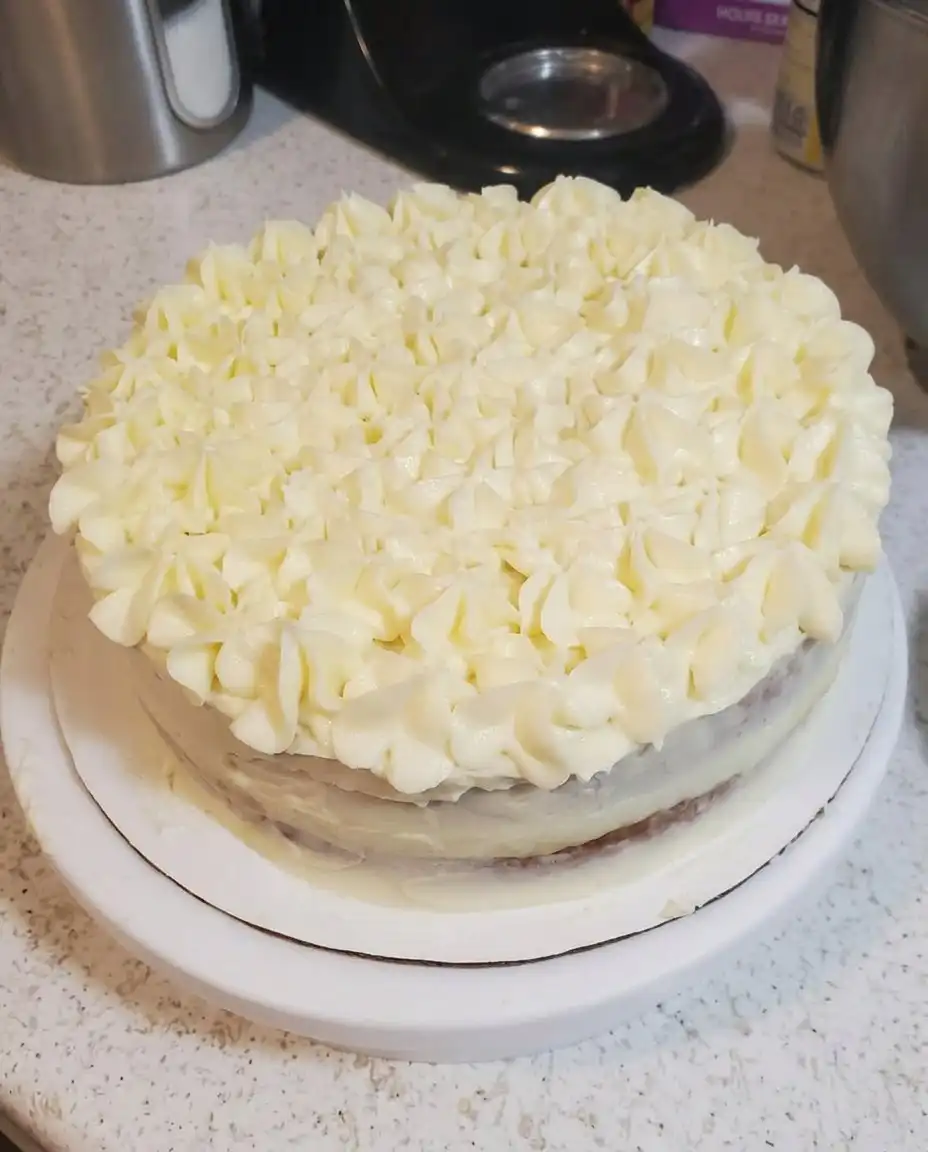
The visual appeal of a Limoncello Mascarpone Cake should reflect its bright, clean flavors. I prefer to garnish the top with very thin, candied lemon slices or a dusting of fresh lemon zest just before the cake meets the table. Serve each slice with a small glass of chilled limoncello or a delicate white tea to complement the citrus notes. For an even more refreshed palate, consider pairing a slice with a side of fresh raspberries, as their tartness balances the rich mascarpone beautifully. If you enjoy desserts with a similar creamy profile, you might find our lemon cheesecake to be a wonderful companion piece for a spring dessert buffet.
The Beauty of the Small Batch
Mastering this Limoncello Mascarpone Cake is a journey into the heart of patisserie technique. It teaches us that with a few quality ingredients and a devoted hand, we can create something truly graceful. For more inspiration on layered desserts that impress with their texture and flavor, do not miss our quick italian cream cake. This recipe was inspired by the traditional methods found at this wonderful resource. Please share your baking success with us on our social channels; we would love to see your beautiful creations.