In my early training in Paris, I discovered that even the most whimsical flavors require rigorous technique to achieve a truly refined texture and a tender, melting crumb.

This recipe for The Softest Oreo (Cookies & Cream) Cake balances nostalgic cocoa notes with the sophisticated structure of a classic buttermilk sponge for a result that is remarkably light.
Mastering the Classic
To create a dessert that is truly memorable, one must look beyond simple sweetness and focus on the architecture of the crumb. This particular cake succeeds because it marries the moisture of vegetable oil with the rich flavor of high-quality butter. By using buttermilk and a touch of white vinegar, we achieve a gentle acidity that tenderizes the gluten, ensuring every bite is pillowy and soft. The inclusion of roughly chopped chocolate cookies provides a textural contrast that transforms a standard sponge into an exquisite patisserie-style creation. Making this in a small batch allows you to maintain absolute control over the aeration of the batter, ensuring a professional result in your home kitchen.
Print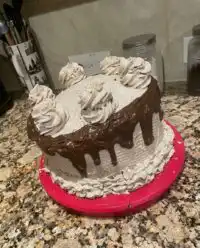
The Softest Oreo (Cookies & Cream) Cake
- Total Time: 2 hours 30 mins
- Yield: 12-16 servings
Description
This refined Oreo cake combines classic cocoa notes with a sophisticated buttermilk sponge for an incredibly soft texture. It balances rich butter with moisture-retaining vegetable oil, ensuring a tender crumb that melts in your mouth. Perfect for elevating a nostalgic flavor into a patisserie-quality dessert.
Ingredients
- Unsalted Butter (at room temperature)
- Neutral Vegetable Oil
- Granulated Sugar
- Large Eggs (at room temperature)
- Buttermilk
- All-Purpose Flour
- Cornstarch
- Baking Soda
- Baking Powder
- Salt
- Vanilla Extract
- White Vinegar
- Oreo Cookies (chopped for cake, finely crushed for buttercream, whole for garnish)
- Icing Sugar
- Milk
Instructions
- Preheat your oven to 160°C (320°F) with the fan active and grease two 8-inch cake tins. If not using a fan, increase to 175°C (347°F).
- In a clean bowl, sift together the flour, cornstarch, baking soda, baking powder, and salt to ensure a light, lump-free mixture.
- Combine the softened butter, vegetable oil, and granulated sugar in a mixer. Cream for exactly two minutes until the mixture is pale and significantly lighter in texture.
- Add the eggs one at a time, mixing for 15 seconds after each addition to ensure perfect emulsification.
- Whisk in the vanilla, vinegar, and the first half-cup (112g) of buttermilk; the vinegar will begin to react with the baking soda for lift.
- Working by hand, fold in half of the dry ingredients using a silicone spatula. Incorporate the remaining buttermilk, then the rest of the flour, stopping as soon as no white streaks remain to avoid overdeveloping gluten.
- Gently fold in the chopped Oreo cookies. Distribute the batter evenly between the prepared tins and bake for 33 minutes, or until a toothpick comes out clean.
- For the Oreo buttercream, whisk butter, icing sugar, and milk on low until combined, then beat at increased speed for a full 10 minutes to achieve a silky frosting. Fold in the finely crushed cookie crumbs.
- Assemble the cake by leveling the cooled layers. Apply a layer of buttercream, sprinkle with crushed cookies, add the second layer, then smooth the exterior and garnish with swirls and whole cookies.
Notes
Achieving the perfect texture starts with room temperature ingredients, especially for the butter, eggs, and buttermilk. This ensures proper emulsification and a consistent, tender crumb. When folding in dry ingredients and cookies, always use a gentle hand and stop mixing as soon as everything is just combined to prevent toughening the cake. Allow the cake layers to cool completely in their tins before handling and assembling to maintain their delicate structure.
- Prep Time: 30 mins
- Cook Time: 33 mins
- Category: Dessert
- Method: Baking
- Cuisine: American
The Foundation of Quality
Success in French pastry is found in the precision of your mise en place. I strongly advise using a digital scale for these measurements, as the ratio of fat to flour is delicate.
- Unsalted Butter (113g): Ensure this is at room temperature to allow for proper creaming with the sugar.
- Neutral Vegetable Oil (105g): This provides the lasting moisture that makes this cake so soft.
- Buttermilk (337g): The natural enzymes in real buttermilk are essential for the tender crumb; avoid thin substitutes if possible.
- All-Purpose Flour and Cornstarch: Mixing these creates a lower-protein blend similar to professional pastry flour, resulting in a finer texture.
- Large Eggs: Use eggs at room temperature to ensure they emulsify properly without breaking the batter.
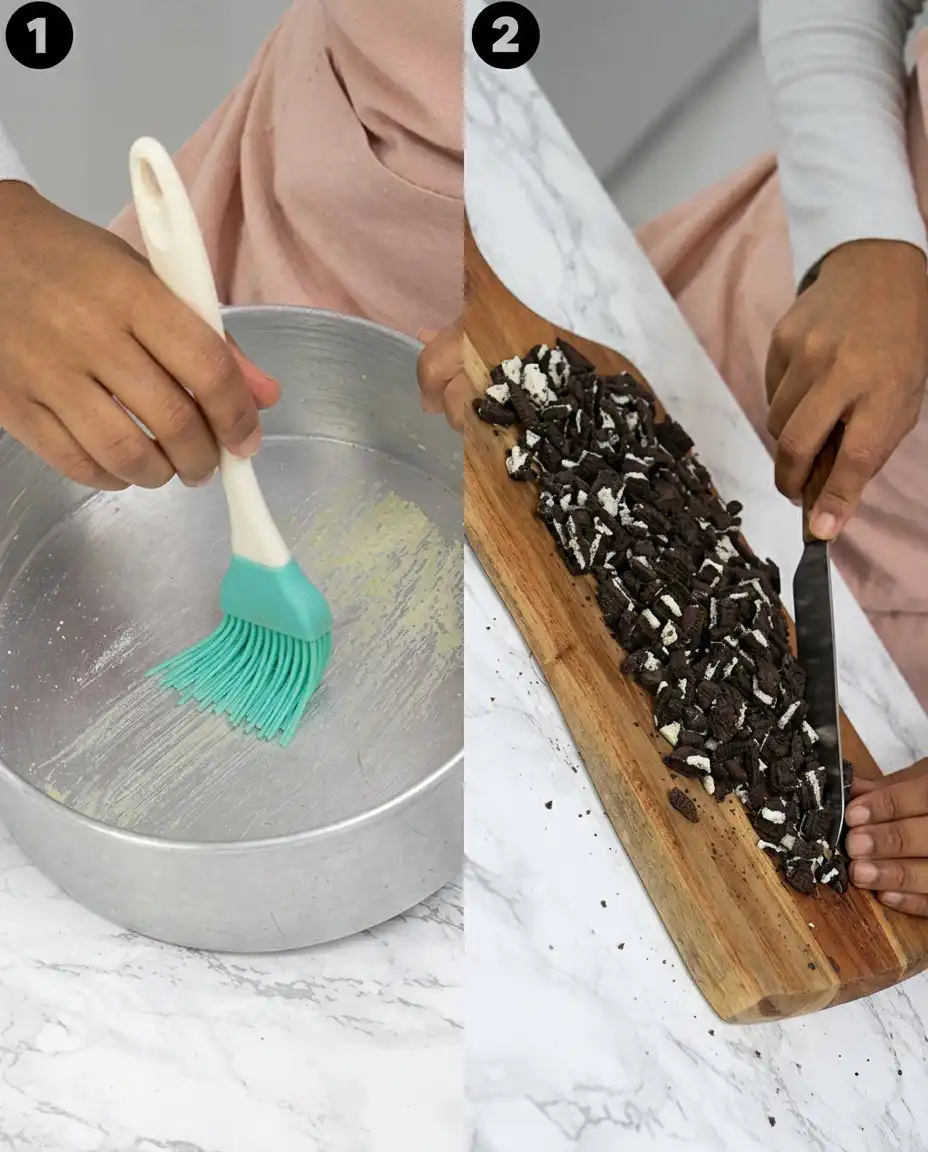
- Oreo Cookies: Use the classic variety, chopped by hand to ensure distinct, beautiful pieces within the sponge.
The Method
Step 1: Prepare the Tins and Oven
Preheat your oven to 160°C (320°F) with the fan active. Grease two 8-inch cake tins with care. If you do not have a fan function, increase the temperature to 175°C (347°F) to maintain the correct baking rate.
Step 2: Sift the Dry Elements
In a clean bowl, sift the flour, cornstarch, baking soda, baking powder, and salt. Sifting is a non-negotiable step that removes lumps and aerates the dry ingredients for a lighter result.
Step 3: Cream the Fats and Sugar
Combine the softened butter, vegetable oil, and granulated sugar. Using your mixer, cream these together for exactly two minutes. The mixture should appear pale and significantly lighter in texture.
Step 4: Emulsify the Eggs
Add the eggs one at a time. Mix for 15 seconds after each addition to ensure the fat and water stages are perfectly emulsified before moving forward.
Step 5: Incorporate the Acids
Whisk in the vanilla, vinegar, and the first half-cup (112g) of buttermilk. The vinegar will react with the baking soda to create the initial lift for the sponge.
Step 6: The Gentle Folding Technique
From this point, work by hand. Fold in half of your dry ingredients using a silicone spatula. Add the remaining buttermilk, then the rest of the flour. Stop the moment the last white streak disappears to prevent gluten development.
Step 7: Final Flourish and Bake
Fold in the chopped cookies gently. Distribute the batter evenly between the tins and bake for 33 minutes. A toothpick should emerge clean from the center.
Step 8: Craft the Oreo Buttercream
Whisk the butter, icing sugar, and milk on low until combined, then increase the speed and beat for a full 10 minutes. This extended mixing time creates a silk-like frosting. Fold in the finely crushed cookie crumbs at the very end.
Step 9: Assemble with Precision
Level your cooled cakes. Apply a layer of buttercream, a sprinkle of crushed cookies for texture, and the second layer. Smooth the exterior and garnish with swirls and whole cookies for a professional finish.
Pastry Wisdom
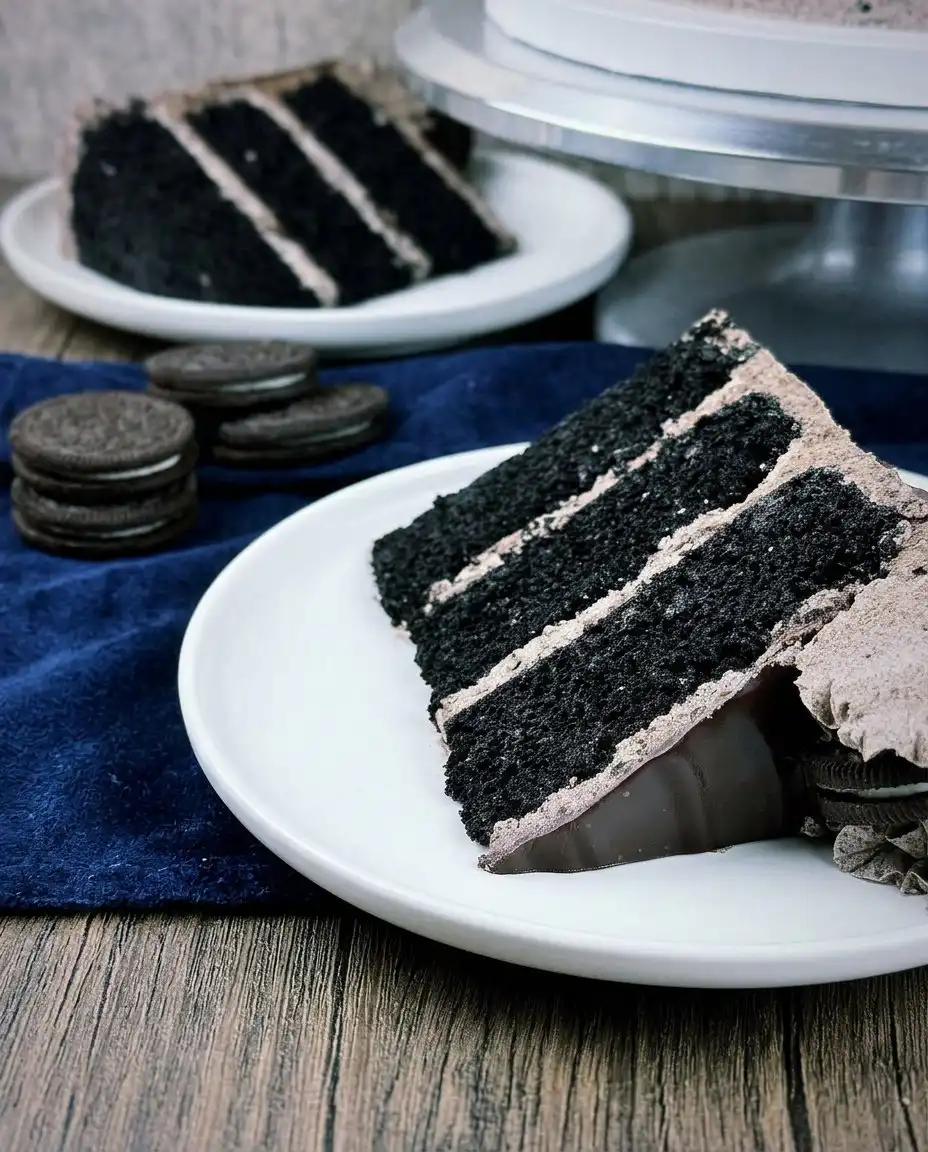
The difference between a good cake and an extraordinary one is often found in the temperature of your ingredients. Cold buttermilk or eggs will cause the butter to seize, resulting in a dense, uneven crumb. If your batter looks curdled, your ingredients were likely too cold. For another masterclass in texture, you might appreciate the richness of our triple-chocolate-layer-cake. Always allow the cakes to cool in the tins for 20 minutes before transferring to a wire rack; this allows the delicate structure to set so the cake does not break.
Refined Twists
While the classic cookies and cream profile is beloved, you can add a sophisticated touch by incorporating the zest of one blood orange into the batter. The citrus oils provide a bright top note that cuts through the richness of the white sugar. For those who prefer a more chilled presentation, the techniques used here can also be applied to create a sophisticated oreo-icebox-cake. Another option is to use golden sandwich cookies and a bean-flecked vanilla frosting for a white-chocolate version of this masterpiece.
Presentation and Plating
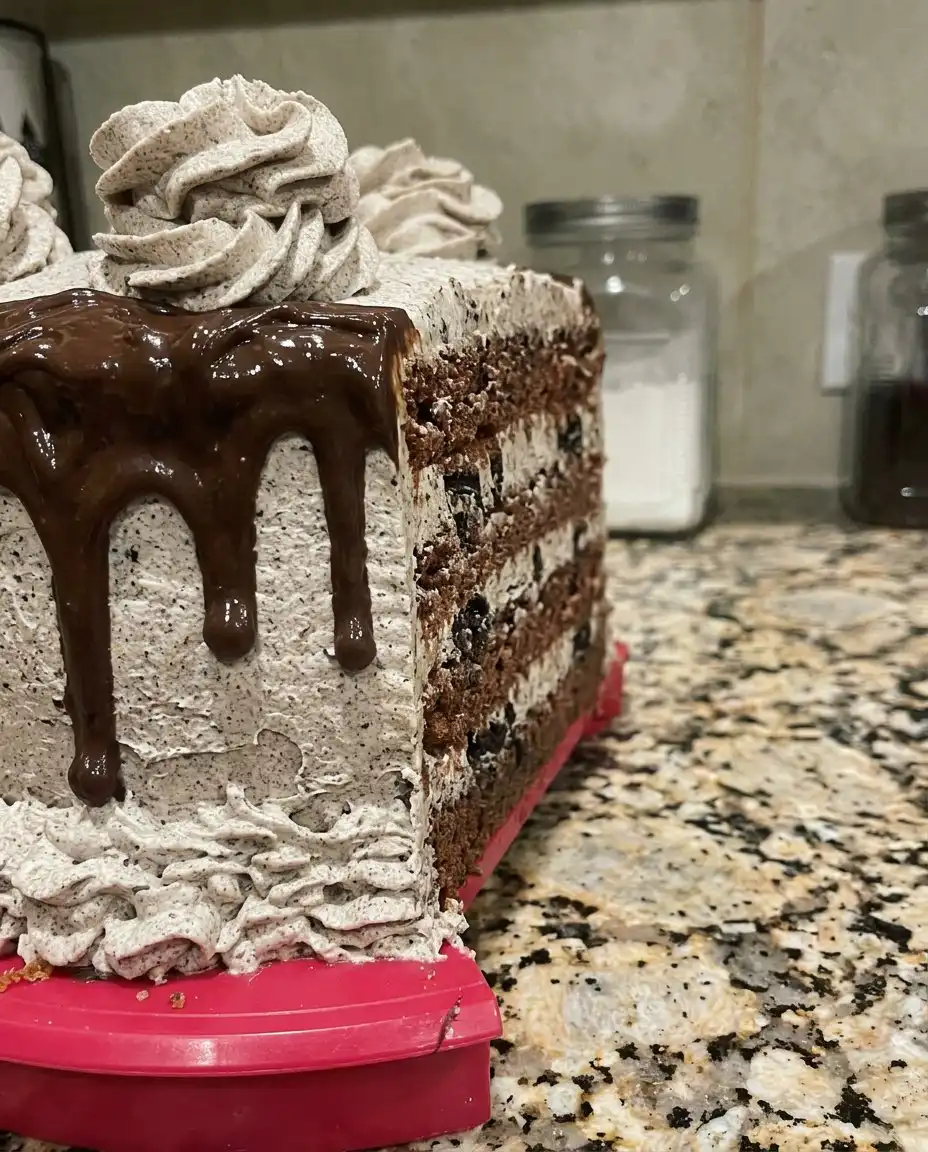
Serve a slice of this cake on a chilled white porcelain plate to highlight the dark contrast of the cookie pieces. A small glass of cold milk or a delicate Earl Grey tea makes for a perfect pairing. If you are preparing this for a gathering, you can find more inspiration in our guide to the cookies-and-cream-cake. Always slice the cake with a warm, clean serrated knife to ensure the layers remain distinct and the frosting stays pristine.
The Art of Small Batches
Mastering The Softest Oreo (Cookies & Cream) Cake is a rewarding journey into the world of refined textures. By following these precise steps, you have created something far superior to any commercial offering. To continue your education in beautiful baking, I invite you to see our original oreo-cake for further ideas. Please share your beautiful creations with our community of devoted bakers. You can find us on Pinterest, Instagram, and Facebook.