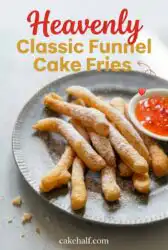
Scale down the vat of sputtering oil and you suddenly control the exact moment starch meets heat, yielding fries far crispier than any massive county fair batch could ever hope to achieve.

Cooking Classic Funnel Cake Fries in your own kitchen removes the chaotic, greasy overhead of deep-frying an entire platter of carnival dough. By frying small, precise batches of slender batter ribbons, you guarantee that every single edge achieves a shattered-glass crunch. This method allows the interiors to remain tender and custardy, rather than oil-logged and heavy. It is a calculated exercise in temperature control that turns a chaotic street food into a precise pastry project.
Why Small-Batch Works Here for Classic Funnel Cake Fries
Prep: 10 min · Serves: 6 · Difficulty: Easy
- Batter hydrates rapidly for faster frying.
- Piping slender ribbons maximizes crisp surface area.
- Small batches prevent rapid oil temperature drops.
- Standard kitchen pots replace dangerous commercial vats.
When we scale down classic recipes, we trade chaotic volume for absolute structural control. This is the precise formula I use whenever I want maximum crunch without the heavy carnival hangover.
Get The Full Cake Recipe
Print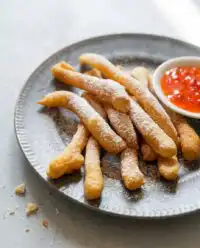
Classic Funnel Cake Fries
- Total Time: 25 mins
- Yield: 6 servings
- Diet: Vegetarian
Description
These crisp, homemade funnel cake fries offer a shattered-glass crunch with a light, custardy center. By frying small batches in a precise home kitchen setting, you can easily replicate the nostalgic carnival treat without the heavy, oil-logged texture of fairground versions.
Ingredients
- 2 cups all-purpose flour
- 1 cup whole milk
- 2 large eggs
- 2 tablespoons granulated sugar
- 2 teaspoons baking powder
- 1/2 teaspoon salt
- 1 teaspoon vanilla extract
- Vegetable oil, for frying
- Powdered sugar, for dusting
Instructions
- Heat the oil. Pour two inches of vegetable oil into a heavy-bottomed pot and heat until it registers 375°F on a candy thermometer.
- Aerate eggs and sugar. Whisk eggs and sugar in a large bowl for two minutes until the mixture turns pale, frothy, and aerated.
- Combine wet ingredients. Slowly pour the whole milk and vanilla extract into the egg mixture while whisking constantly to maintain the foam.
- Sift dry ingredients. Sift the flour, baking powder, and salt over the wet mixture to remove clumps and ensure a light texture.
- Whisk the batter. Fold the dry ingredients into the wet base gently until just combined, taking care not to overmix and develop excess gluten.
- Prepare the bottle. Transfer the smooth batter into a squeeze bottle or a piping bag with a half-inch opening.
- Pipe the fries. Squeeze the batter in straight, six-inch lines directly into the 375°F oil, frying only a few at a time to prevent temperature drops.
- Fry and drain. Cook for sixty seconds per side until golden brown, then remove with a slotted spoon to a wire rack to drain excess oil.
- Dust and serve. Sift a generous layer of powdered sugar over the warm fries and serve immediately while the interiors are hot.
Notes
- Use a digital scale for measuring flour to ensure the batter has the correct viscosity for smooth piping.
- Maintain your oil temperature between batches to prevent the fries from absorbing excess grease.
- Avoid overcrowding the pot to ensure each fry has enough space to puff up and achieve a consistent golden color.
- Prepare your batter only when the oil is fully preheated to ensure the baking powder provides maximum lift during frying.
- Prep Time: 10 mins
- Cook Time: 15 mins
- Category: Dessert
- Method: Deep Frying
- Cuisine: American
The Lineup
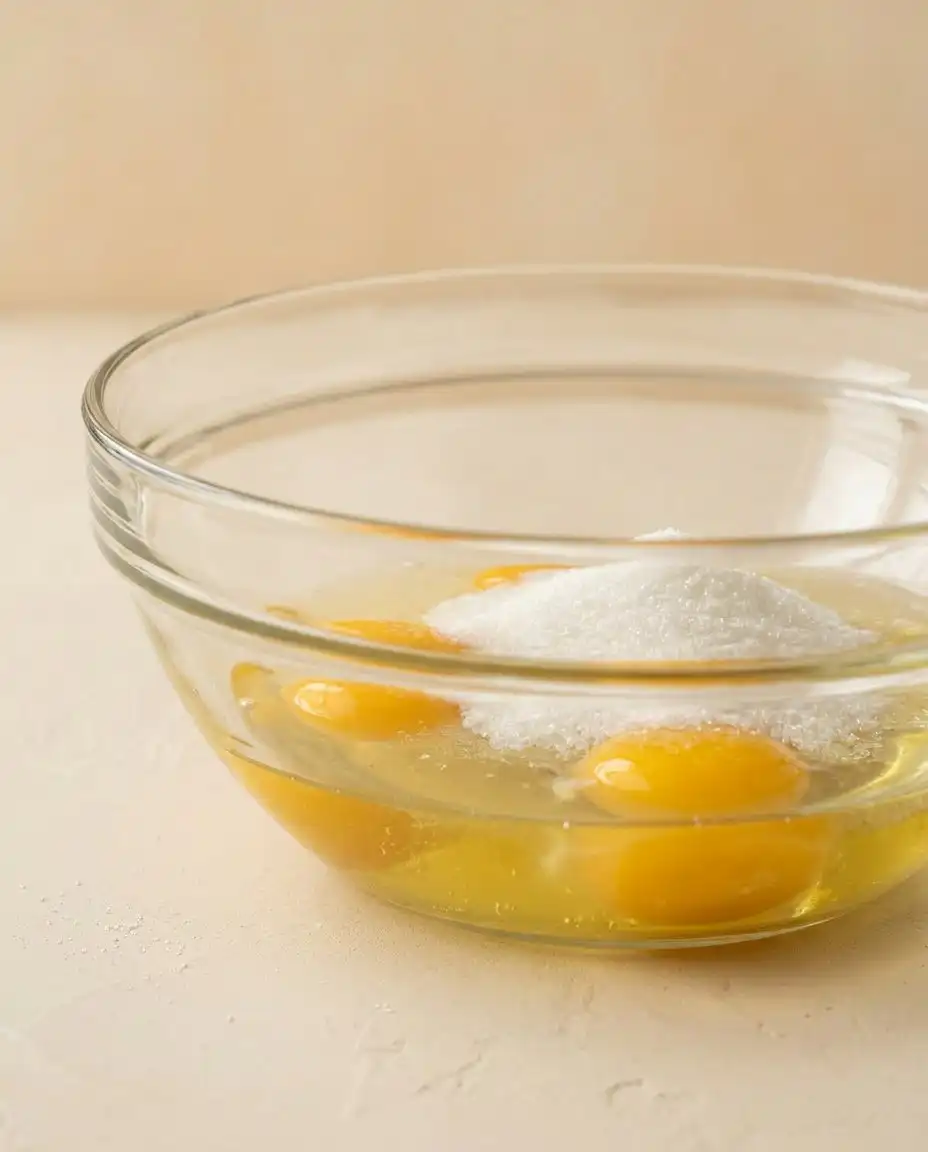
Creating the ideal batter requires balancing moisture and structure so the dough expands quickly without dissolving in the hot oil. We rely on pantry staples, but our ratio prioritizes protein density to keep the fried ribbons intact. Every element has a physical job to perform once it hits the pan.
- All-Purpose Flour: Provides the structural gluten matrix needed to hold the piped shape against the bubbling oil.
- Whole Milk: Supplies the natural sugars and fats that promote rapid browning and a tender, rich interior crumb.
- Large Eggs: Function as the primary binding agent and leavening support, keeping the batter light and airy.
- Baking Powder: Generates instant carbon dioxide bubbles when heated, causing the fries to puff up immediately upon contact with oil.
- Granulated Sugar: Adds a whisper of sweetness while helping to caramelize the exterior edges to a deep golden hue.
- Vegetable Oil: Serves as our frying medium, chosen for its high smoke point and neutral flavor profile.
| Ingredient | Why It Matters |
|---|---|
| All-Purpose Flour | Builds the gluten network to prevent the fries from disintegrating. |
| Whole Milk | Hydrates the starch while contributing lactose for beautiful exterior browning. |
| Baking Powder | Provides the chemical leavening needed for a light, non-greasy interior texture. |
| Large Eggs | Emulsify the batter and create a stable, custardy crumb inside the crispy shell. |
The Method
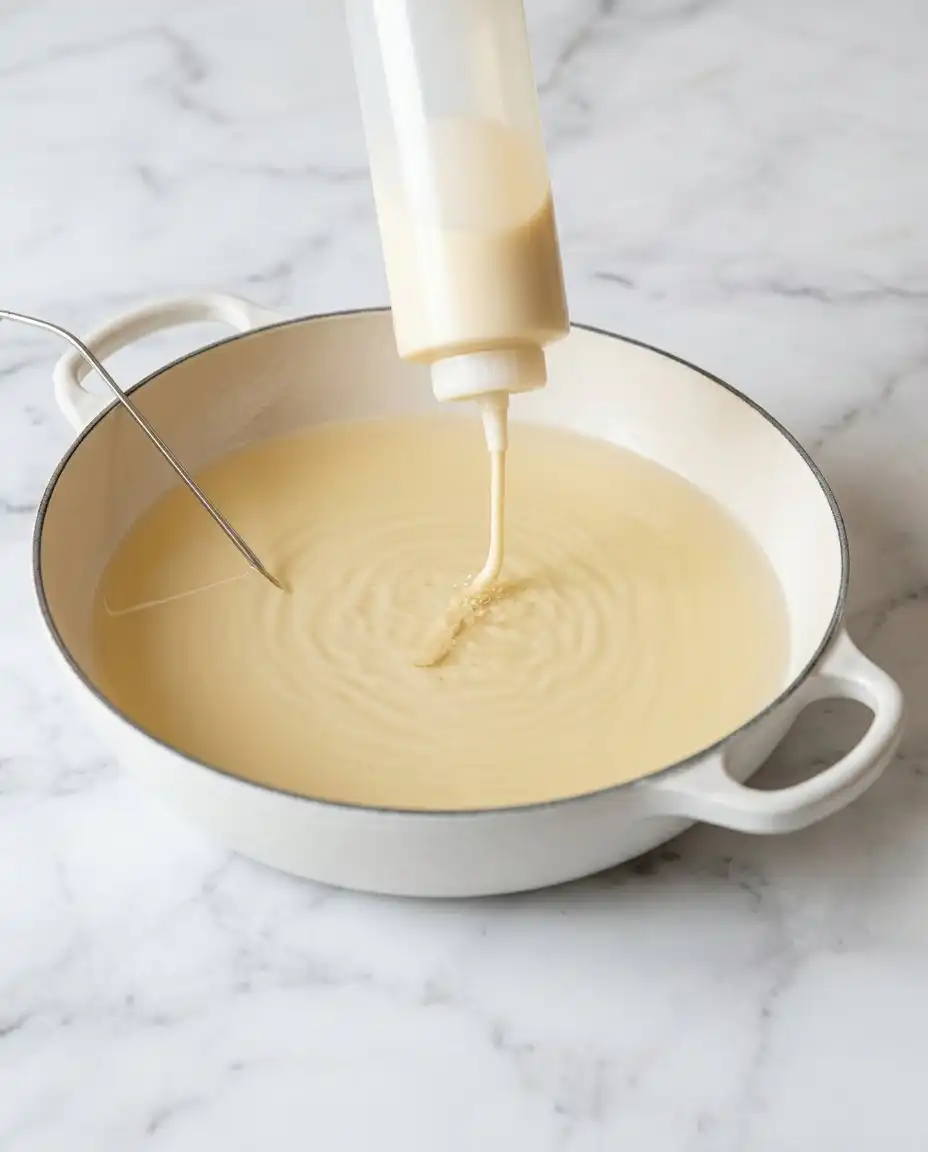
Step 1: Heat the Frying Medium
Pour two inches of neutral vegetable oil into a heavy-bottomed Dutch oven or deep saucepan. Clip a reliable candy thermometer to the side of the pot, making sure the bulb does not touch the metal bottom. Heat the oil over medium heat until it registers exactly 375°F. You will notice the oil shimmering and moving in slow waves as it approaches the correct temperature.
Step 2: Aerate the Eggs and Sugar
In a spacious mixing bowl, combine the large eggs and granulated sugar. Whisk these two ingredients vigorously for two full minutes until the mixture turns pale yellow and develops a frothy, aerated surface. This physical aeration is critical because it builds a foundational lift before any chemical leaveners even touch liquid.
Step 3: Stream in the Liquids
Slowly pour the whole milk and vanilla extract into the aerated egg mixture while whisking constantly. The liquid should incorporate cleanly without deflating the delicate egg foam you just created. You will smell the rich vanilla bloom as it disperses throughout the cool milk and egg base.
Step 4: Sift and Whisk Dry Ingredients
Measure the all-purpose flour, baking powder, and salt using a digital kitchen scale for absolute accuracy. Sift these dry components directly over the wet mixture to eliminate any dense flour clumps. Whisk the batter gently, stopping the moment the last streak of white flour disappears into the wet base. Overmixing at this stage develops excess gluten, which will turn your crisp pastry into a tough, rubbery stick.
Step 5: Transfer Batter to the Squeeze Bottle
Fit a large piping bag or plastic squeeze bottle into a tall, heavy drinking glass to hold it steady. Spoon the smooth batter carefully into the vessel, making sure you do not trap massive air pockets inside. Snip the tip of the piping bag to create a half-inch opening, or trim your squeeze bottle nozzle to match this diameter. The batter should flow slowly but hold its shape when resting.
Step 6: Pipe the Classic Funnel Cake Fries
Hold the dispensing bottle directly over the hot oil, keeping your fingers safe from the rising heat. Squeeze the bottle steadily while drawing a straight, six-inch line directly onto the shimmering surface of the oil. Repeat this motion quickly to create five or six individual fries in the bubbling pan. You will see the batter puff up instantly, hissing loudly as water evaporates from the exterior shell.
Step 7: Flip and Drain
Let the fries cook undisturbed for sixty seconds until the undersides turn a rich, toasted hazelnut color. Use a metal slotted spoon or long kitchen tongs to flip each fry over with a gentle, deliberate motion. Fry the second side for another minute until the sizzling subsides and the fries look uniformly golden and crisp. Lift them out of the hot oil, allowing any excess fat to drip back into the pot before placing them onto a wire rack lined with paper towels.
Step 8: Dust and Serve
Allow the freshly fried pastry sticks to drain for thirty seconds so the exterior oils settle. Sift a generous blanket of powdered sugar over the warm fries while they are still hot enough to grip the sweet dust. The white sugar should sit proudly on top of the golden ridges without melting into a soggy glaze. Serve them immediately while the interiors remain hot and custardy.
Notes from Testing
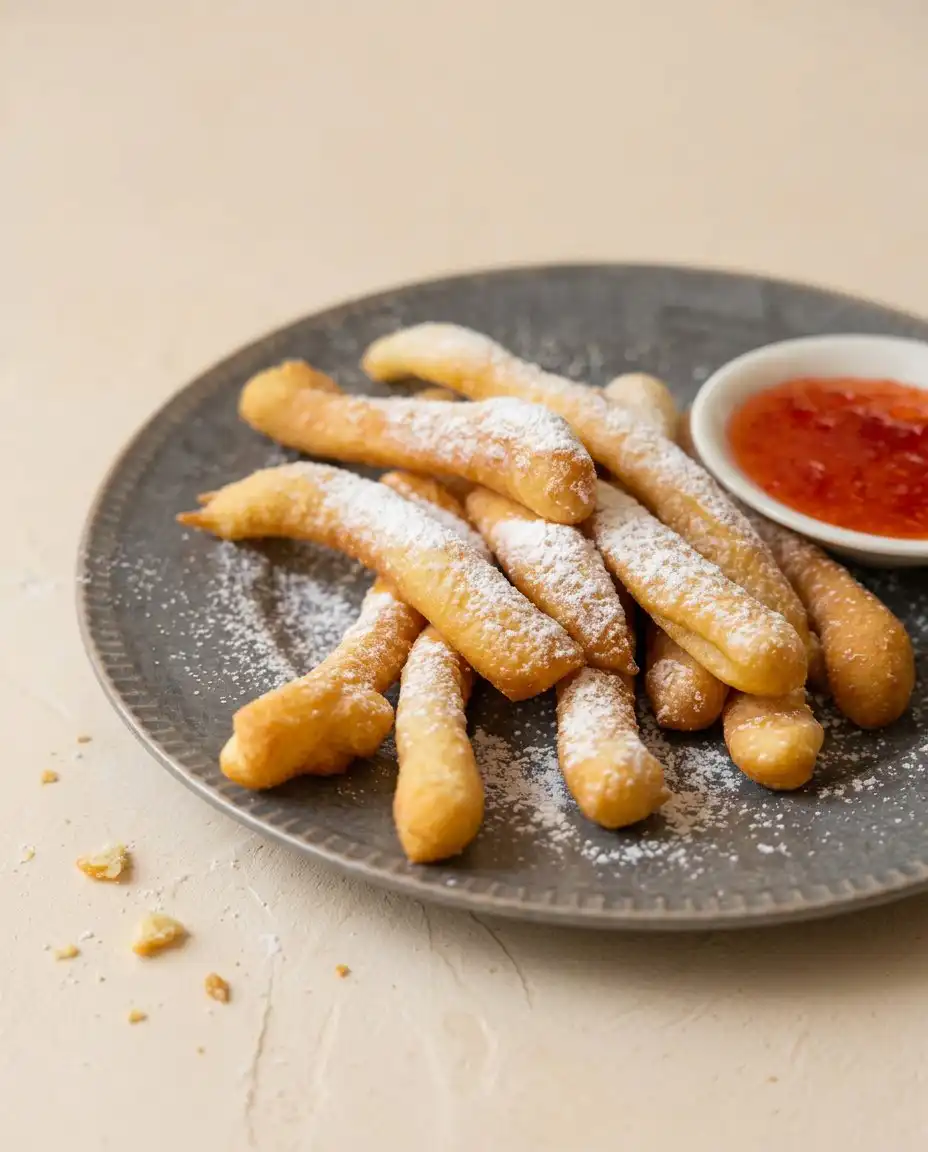
If your fries turn out heavy, soggy, and grease-logged, your oil temperature has dropped below 350°F. Always let the oil return to 375°F between batches, and never crowd the pot with more than six fries at a time. Cold batter acts like an ice cube in hot oil, pulling the temperature down instantly and ruining the crispy exterior.
For bakers who love the crisp texture of these fries but want to try a larger format, our traditional funnel cake recipe uses the same thermodynamic principles on a grander scale. Understanding how steam expands the batter helps you master both shapes.
Always use a digital scale to measure your flour rather than relying on volume cups. Too much flour makes the batter too thick to flow smoothly from a nozzle, resulting in dense, dry interior crumbs that fail to puff. A precise weight of 240 grams of all-purpose flour makes sure the viscosity is flawless every single time.
When selecting your dispensing tool, a clean plastic condiment bottle with a trimmed tip works much better than a standard pastry bag. You can read more about selecting the right tools for crisp homemade funnel fries to make sure your piping is consistent. This setup gives you far more physical control over the flow rate, making sure you get uniform thickness across the entire batch.
If you want to add an extra layer of depth to your batter, try browning a tablespoon of butter until it smells like toasted hazelnuts and whisking it into the milk. This step adds a nutty complexity that cuts through the sweetness of the powdered sugar. It is a signature pastry move that transforms simple fried dough into something truly memorable.
Never prep the batter hours in advance because the baking powder will lose its chemical potency over time. The double-acting agents react once upon contacting liquid and again under heat, so you want both reactions to occur in quick succession. Whisk the dry ingredients into the wet mixture only when your oil is fully preheated and ready.
Frequently Asked Questions
How do I get the ideal crispy texture?
The secret to an ultra-crispy exterior lies in maintaining a steady oil temperature of 375°F and avoiding overcrowding the pan. If the oil is too cold, the batter absorbs fat instead of searing, resulting in a soggy texture. Additionally, draining the fried treats on a metal wire rack rather than flat paper towels keeps steam from softening the undersides.
What tools can I use to shape the fries?
A plastic squeeze bottle with the nozzle cut to a half-inch opening offers the absolute best control for piping uniform lines. If you do not have one, a sturdy ziplock bag with a corner snipped off or a traditional pastry bag works excellently. Avoid thin sandwich bags, as the pressure of squeezing the thick batter can easily burst the seams.
What are the best dipping sauces?
Warm chocolate ganache, salted caramel, and fresh raspberry coulis are classic accompaniments that complement these fried pastries. You can also serve them alongside a spiced apple butter or a simple cream cheese glaze for a richer dessert experience. The key is choosing sauces with enough acidity or bitterness to cut through the sweet powdered sugar.
Can I bake or air fry funnel cake fries?
While you can cook them in an air fryer, the results will be significantly denser because this batter relies on rapid heat transfer to puff up. If you want to try it, pipe the batter onto parchment paper, freeze the strips solid, and air fry them at 400°F for six minutes. However, traditional shallow frying remains the only way to achieve that authentic, shattering-crisp exterior.
How do I store leftovers?
Store any extra fries in an airtight container lined with paper towels at room temperature for up to two days. Do not refrigerate them, as the cold moisture will turn the crispy dough soft and gummy. To restore their original crunch, reheat them on a wire rack in a 450°F oven for three to four minutes.
What type of oil is best for frying these?
Choose a neutral oil with a high smoke point, such as canola, vegetable, or peanut oil, to prevent any burnt flavors from transferring to the dough. Avoid extra virgin olive oil or butter, as they will burn at the required 375°F frying temperature. Always filter your oil after it cools if you plan to reuse it for future pastry projects.
Can I make the batter ahead of time?
It is best to mix the batter right before you intend to fry, as the baking powder activates as soon as it meets the wet ingredients. Letting the batter sit for more than thirty minutes will result in flatter, denser fries that fail to puff up beautifully in the oil. If you must prepare ahead, measure out your dry and wet ingredients separately and combine them at the last second.
Where to Deviate
To create a rich chocolate version, replace a quarter-cup of the all-purpose flour with high-quality Dutch-processed cocoa powder. This swap shifts the color to a deep mahogany and adds a sophisticated bitterness that contrasts beautifully with the sweet sugar dusting. You can easily adapt other sweet batters using similar ratios, much like we do when experimenting with custom chocolate cake mix recipes for quick weekend treats.
While powdered sugar is the traditional choice, tossing the hot fries in a mixture of superfine sugar, ground cinnamon, and a pinch of freshly grated nutmeg creates an excellent spiced crust. The heat of the freshly fried dough melts the sugar crystals slightly, forming a crunchy, textured shell that clings to every ridge. This variation mimics the classic flavor profile of churros while retaining the airy, delicate interior of a classic carnival pastry.
Rubbing the fresh zest of a lemon or orange directly into the granulated sugar before whisking it with the eggs releases the essential citrus oils. This quick step infuses the entire batter with a bright, aromatic lift that balances the rich, fried qualities of the dough. It is an effortless upgrade that pairs beautifully with a simple berry dipping sauce or a dollop of fresh lemon curd.
Cutting, Plating, Presenting
Presentation is everything when you are serving a dessert designed for sharing. Pile the hot, sugar-dusted fries high in a parchment-lined wire basket or a vintage wooden bowl to showcase their golden, irregular shapes. Serve them immediately while the steam still rises from the center, creating an interactive dessert experience that beats any formal cake.
To create a spectacular dessert platter, arrange several small ramekins of warm dipping sauces in the center of a large wooden board. Surround the sauces with a mountain of fresh fries, allowing guests to customize their flavor profiles with chocolate, caramel, or fruit purees. If you are hosting a larger gathering, this casual, fingers-only format pairs wonderfully alongside a decadent ooey gooey butter cake to offer a study in contrasting textures.
For an upscale twist, serve individual portions of the fries in small paper cones tucked into vintage glassware. Top each glass with a few fresh raspberries and a sprig of mint to add a pop of color and freshness. The contrast between the rustic, crispy fried dough and the elegant presentation makes it a memorable finale for an intimate dinner party.
What You Just Proved
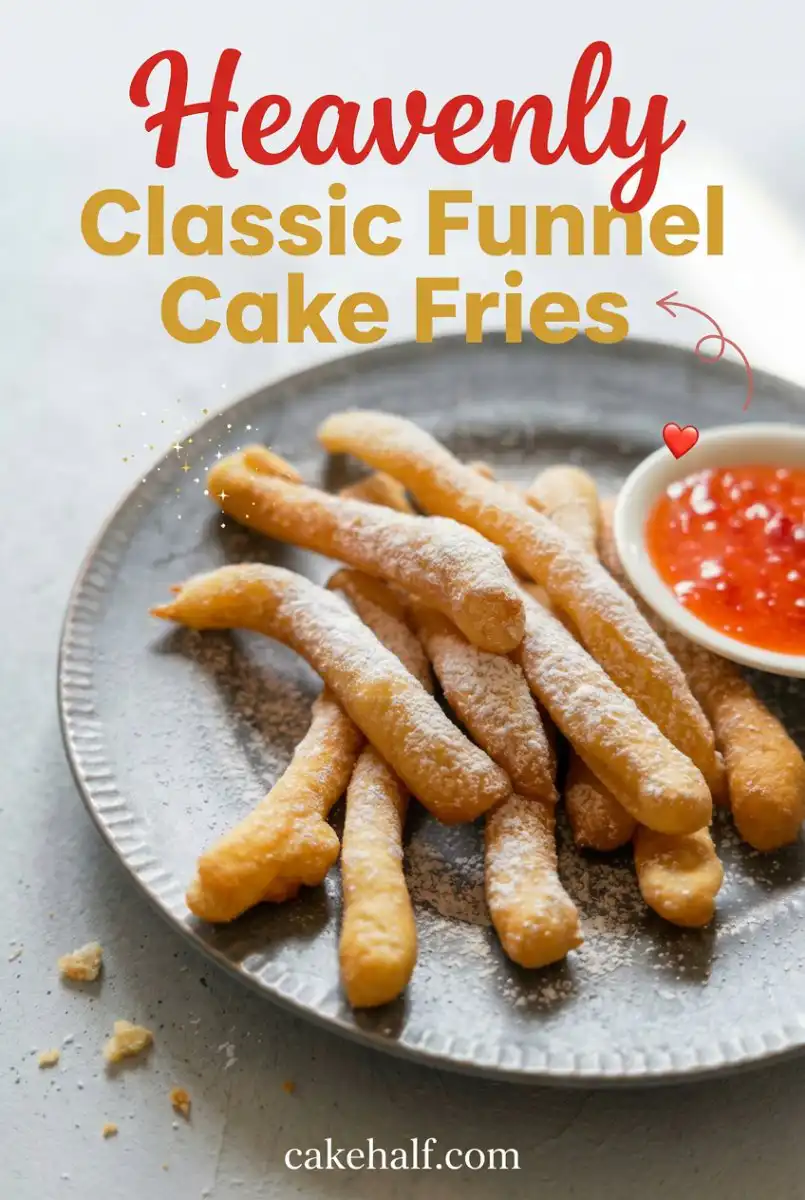
Frying a small batch of dough in your own kitchen proves that you do not need a commercial concession stand to capture the nostalgic magic of the county fair. By controlling the temperature and piping with precision, you have created a crisp, airy treat that outshines any mass-produced carnival food. This is the beauty of small-batch baking: precision always wins over pure volume.
If you enjoyed this playful approach to classic sweet treats, you might also appreciate our super quick 3 ingredient dump cake for those nights when you want a warm dessert without any complex technical steps. Both recipes celebrate the joy of simple ingredients behaving beautifully under heat. Keep experimenting with these ratios and making each recipe your own.
We love seeing how our readers put their own creative spins on these formulas. Share your golden, sugar-dusted creations with us on Facebook and follow our latest kitchen experiments on Pinterest and TikTok. Let us know if you tried any of our rebel swaps or stuck with the classic powdered sugar dusting!