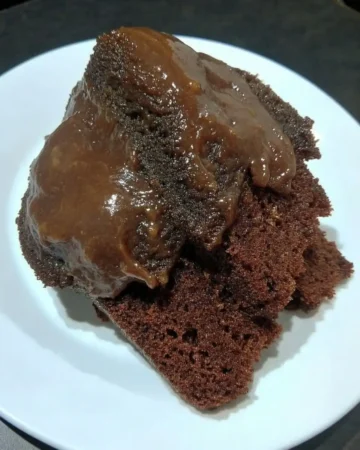
The humble zucchini, when grated fine and left unpressed, acts as a quiet reservoir of moisture that transforms a simple crumb into something remarkably tender.
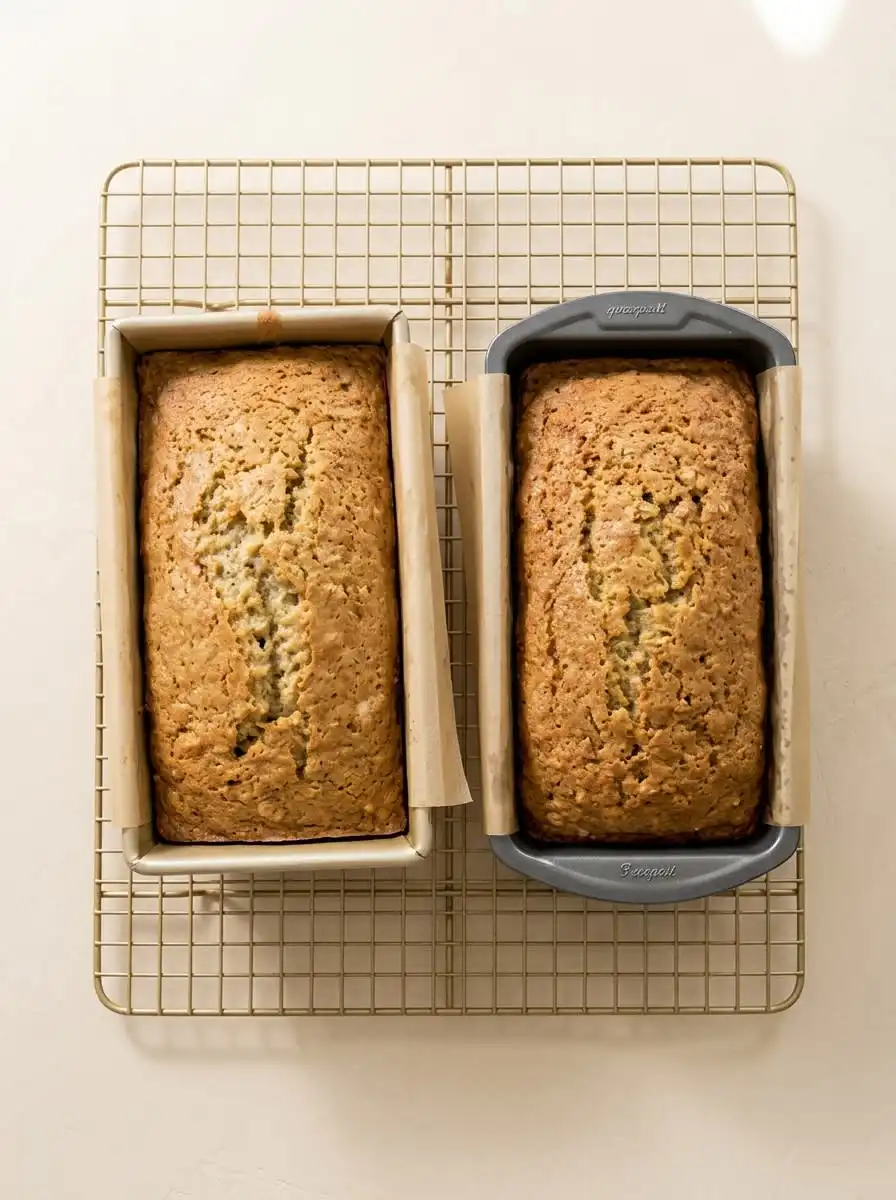
When you bake this refined zucchini cake with Greek yogurt, you are participating in a classic pastry technique that balances crumb structure with intense moisture. The acidity of the cultured dairy reacts beautifully with the leaveners, creating an exceptionally light crumb that standard recipes often fail to achieve. By incorporating the shredded vegetable directly without draining, we allow the natural moisture to release slowly during the baking process. The result is a sophisticated dessert that stands independent of modern baking trends.
Zucchini Cake with Greek Yogurt: What Careful Baking Produces Here
Prep: 15 min · Serves: 20 · Difficulty: Medium
This refined loaf balances structured crumb with lingering, delicate moisture.
- Slow moisture release creates a tender, velvety crumb.
- Rich Greek yogurt adds structural integrity and pleasant tang.
- Warm cinnamon provides a comforting, aromatic backbone.
- Walnuts offer a satisfying textural contrast in every bite.
- A controlled bake produces consistent success every time.
The crumb achieved here rivals the delicate crumb of our classic lemon yogurt cake. This is the thoughtful recipe you will return to whenever the garden overflows.
Get The Full Cake Recipe
Print
Zucchini Cake with Greek Yogurt
- Total Time: 1 hour 15 mins
- Yield: 20 servings
Description
This refined zucchini loaf combines the moisture of fresh, unpressed squash with the structural integrity of Greek yogurt. Infused with aromatic cinnamon and toasted walnuts, it offers a sophisticated, velvety crumb that remains incredibly tender for days.
Ingredients
- 3 cups all-purpose flour
- 1 tablespoon baking powder
- 1 teaspoon baking soda
- 1/2 teaspoon sea salt
- 1 tablespoon ground cinnamon
- 3 large eggs, at room temperature
- 1 cup extra light olive oil
- 1 1/2 cups granulated sugar
- 1 teaspoon vanilla extract
- 2 cups unpressed grated zucchini
- 1 cup chopped walnuts
- 1 cup Greek yogurt, at room temperature
Instructions
- Prepare the pans. Preheat your oven to 350°F (177°C) and grease two 8×4 inch metal loaf pans, lining them with parchment paper slings for easy removal.
- Whisk dry ingredients. In a large bowl, combine the flour, baking powder, baking soda, sea salt, and ground cinnamon until the mixture is uniform and aerated.
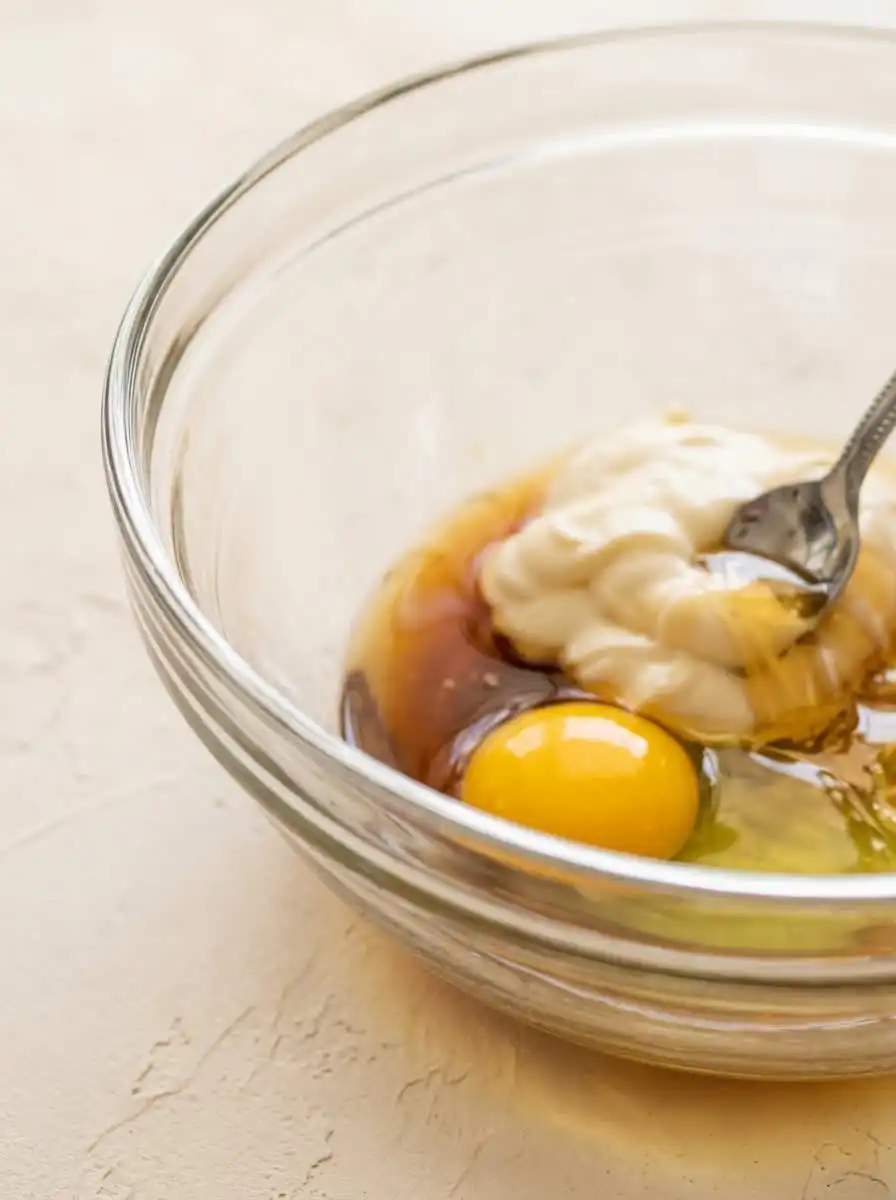
- Emulsify wet ingredients. In a separate bowl, whisk together the eggs, olive oil, sugar, and vanilla extract until the mixture is fully unified and smooth.
- Combine the batter. Gently fold the dry flour mixture into the wet ingredients using a spatula just until the flour disappears, being careful not to over-mix.
- Fold in additions. Add the grated zucchini and chopped walnuts to the batter, folding gently until evenly distributed and the batter is well-combined.
- Bake and cool. Divide the batter between the loaf pans and bake for 50–60 minutes until a skewer comes out clean; cool in the pans for 15 minutes before unmolding.
Notes
- Use the large holes on a box grater to ensure the zucchini retains its structural integrity rather than turning into a liquid purée.
- Ensure all cold ingredients like eggs and yogurt reach room temperature to prevent the oil-based emulsion from breaking.
- Weigh your flour using a scale instead of measuring cups to avoid adding excess starch that can dry out the cake.
- Avoid using dark-colored or glass loaf pans, as they may lead to uneven browning and scorched edges before the center is fully cooked.
- Prep Time: 15 mins
- Cook Time: 60 mins
- Category: Dessert
- Method: Baking
- Cuisine: Modern American
The Mise en Place
Before you begin, arrange your workspace in the classic French culinary tradition of mise en place. Measuring each component by weight will prevent errors and ensure your batter reaches the correct consistency. Your ingredients already know what to do; you need only provide the conditions to do it. This careful arrangement allows you to work with calm intention, focusing on the sensory cues of the bake.
- Unpressed Grated Zucchini: This ingredient provides the essential water content required to hydrate the starch molecules slowly during baking, without causing a wet, collapsed center.
- Greek Yogurt: The thick, acidic nature of this dairy component strengthens the gluten structure while adding a soft, rich tenderness to the finished crumb.
- Extra Light Olive Oil: A neutral fat that remains liquid at room temperature, ensuring your cake slices cleanly and retains its moisture for several days.
- Large Eggs: These must be tempered to room temperature to facilitate a stable emulsion that traps air and supports the rising process evenly.
- Ground Cinnamon: This spice adds a warm, classic complexity that complements the earthy notes of the green zucchini without overpowering the delicate batter.
- Chopped Walnuts: These toasted nuts provide a necessary physical interruption to the soft crumb, giving each bite a pleasant and satisfying contrast.
| Ingredient | Why It Matters |
|---|---|
| Zucchini | Hydrates the crumb slowly during baking |
| Greek Yogurt | Strengthens structure and adds pleasant tang |
| Olive Oil | Keeps the delicate crumb tender for days |
| Eggs | Creates a stable emulsion for even rise |
| Cinnamon | Adds a comforting, aromatic spice backbone |
The Method, Step by Step
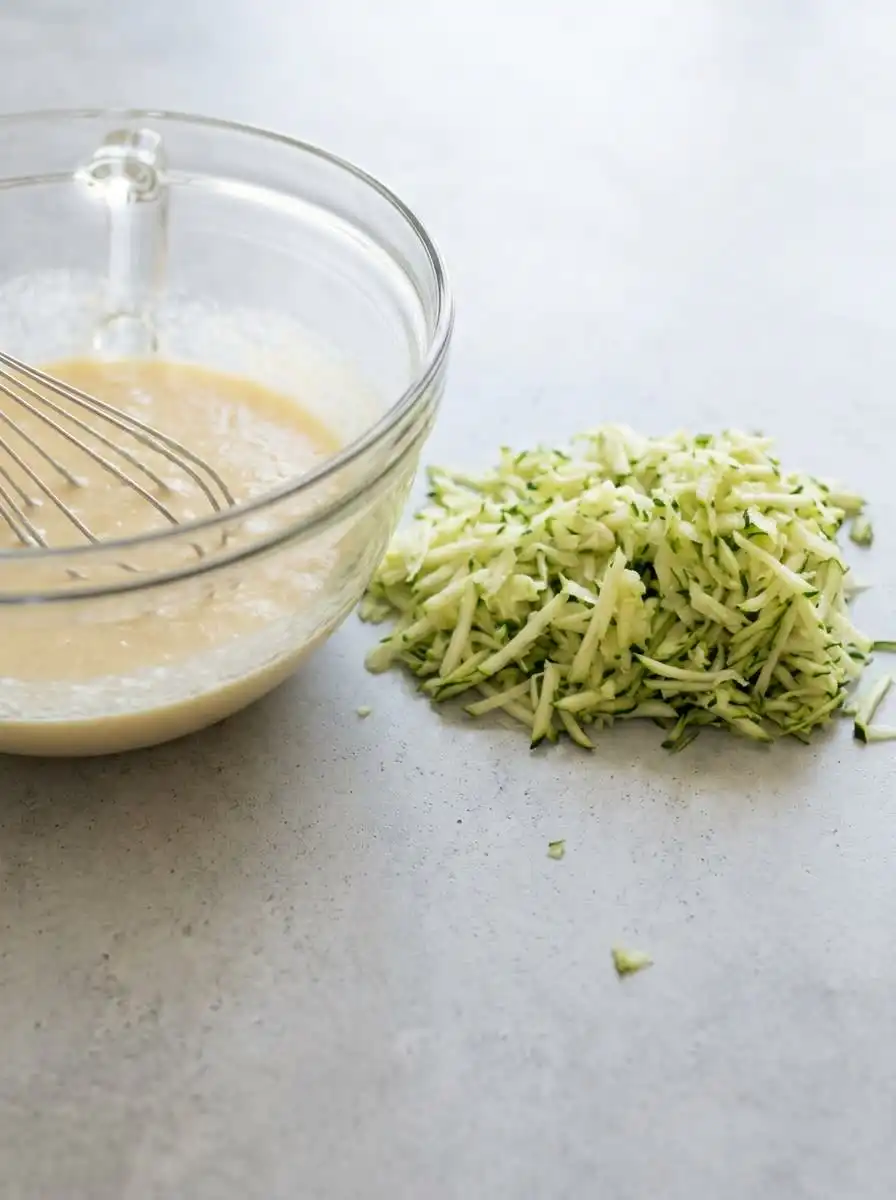
Step 1: Prepare the Loaf Pans with Care
Preheat your oven to 350°F (177°C) with the rack positioned in the center. Butter two eight-by-four-inch metal loaf pans thoroughly, making certain you coat every corner to prevent sticking. Line each pan with a strip of parchment paper that overhangs the sides, creating a convenient sling for lifting. This preparation represents the first discipline of the pastry kitchen, ensuring a clean release later.
Step 2: Combine the Dry Elements
In a large bowl, whisk together three cups of all-purpose flour, the baking powder, baking soda, sea salt, and ground cinnamon. You must stir these ingredients together until the cinnamon is evenly distributed and the flour appears light and aerated. Sifting is optional here, but a thorough whisking is mandatory to prevent pockets of rising agents from spoiling the bake. Set this dry mixture aside in your clean workspace where it will wait in readiness.
Step 3: Emulsify the Wet Ingredients
Whisk the eggs, oil, sugar, and vanilla extract together in a separate spacious mixing bowl until completely unified. You will notice the mixture transition from a separation of oil and liquid into a pale, unified syrup. Continue whisking until the texture becomes smooth and slightly thickened, which confirms the emulsion is stable. This stability is crucial for achieving an even rise.
Step 4: Combine to the Ribbon Stage
Gently pour the dry flour mixture into the bowl containing your emulsified wet ingredients. Switch to a sturdy spatula and stir the batter with calm, deliberate strokes just until the flour disappears. Lift your spatula from the bowl; the batter should fall in a slow, unbroken stream, demonstrating the ribbon stage. Over-mixing at this stage will develop too much gluten, leading to a tough and rubbery texture.
Step 5: Fold the Zucchini and Nuts
Add the freshly grated zucchini and chopped walnuts directly into your prepared batter. Fold the ingredients with a circular motion, scraping the bottom of the bowl to distribute the zucchini evenly. You will observe the thick batter loosen slightly as the squash begins to release its natural moisture. Work quickly but gently to preserve the air pockets you have built.
Step 6: Bake Your Zucchini Cake with Greek Yogurt to Golden Success
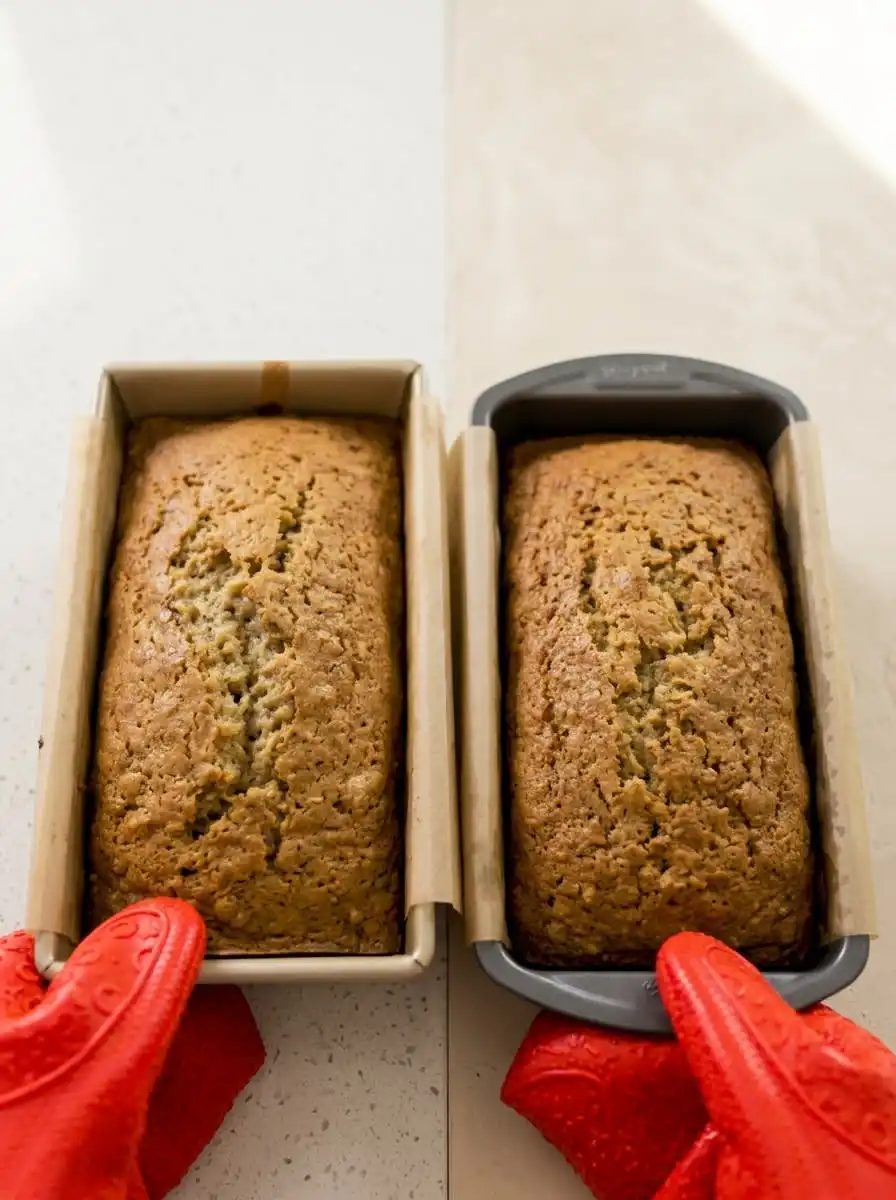
Divide the batter evenly between your two prepared loaf pans, smoothing the tops with an offset spatula. Place them in the preheated oven and bake for fifty to sixty minutes. The loaves are finished when a wooden skewer inserted into the center comes out with a clean, dry crumb. Allow them to cool in their pans for fifteen minutes before lifting them onto a wire rack to rest.
Where Precision Makes the Difference
The temperature of your ingredients is a strict rule, not a flexible suggestion. When cold Greek yogurt or cold eggs are introduced to your oil emulsion, they cause the fat to seize and separate. This broken emulsion prevents the batter from holding air, resulting in a heavy layer at the bottom of your loaf. Always allow these items to sit on your counter for at least one hour before you begin.
If your zucchini cake is dense or gummy, here is why and how to fix it. This common failure occurs when the zucchini is grated too finely, turning into a wet purée that floods the batter with excess water. To correct this, use the large holes of a classic box grater to produce distinct, clean shreds. These larger pieces release their moisture slowly during the bake, supporting the structure rather than diluting it.
Weighing your flour is the only reliable path to consistency in the pastry arts. Scooping flour directly from the bag with a measuring cup compresses the grains, adding up to twenty percent more starch than required. This mistake dries out the cake and masks the subtle earthy flavors of the squash. For those interested in mastering ingredient ratios, studying a healthy cake recipe can clarify how flour density dictates crumb structure.
The material of your loaf pans plays a significant role in heat distribution. Heavy-gauge aluminum pans conduct heat evenly, allowing the center of the loaf to rise fully before the edges brown too deeply. Dark metal or glass pans absorb heat too rapidly, which can scorch the exterior while leaving the interior underbaked. If you must use dark pans, reduce the oven temperature by twenty-five degrees and monitor the progress closely.
Allowing the baked loaves to rest in their pans for exactly fifteen minutes is a critical step in structural development. During this interval, the steam within the cake redistributes, setting the delicate crumb so it can withstand being moved. If you attempt to unmold the loaf immediately, the fragile structure may collapse under its own weight. Patience here is not a virtue — it is an instruction.
When preparing your squash, do not squeeze or drain the shredded pieces. The moisture balance of this batter is calibrated to the natural water content of standard zucchini. Altering this balance by removing the liquid will result in a dry, crumbly loaf that lacks the characteristic melting quality. For a deeper understanding of squash behavior in quick breads, you might examine this classic zucchini bread recipe to compare hydration techniques.
Frequently Asked Questions
Do you have to squeeze the water out of zucchini for cake?
No, you must not squeeze the water out of the zucchini for this specific recipe. The dry ingredients are carefully balanced to absorb the natural hydration released by the squash during the baking process. Squeezing the vegetable will result in a dry, dense loaf.
Should you peel zucchini for cake?
Peeling the zucchini is unnecessary and discouraged. The tender skin melts into the batter during baking, leaving beautiful flecks of green without affecting the texture. Additionally, the skin contains valuable fiber that helps support the structural integrity of the crumb.
Why is my zucchini cake dense or gummy?
This dense texture usually indicates that the zucchini was grated too finely or the batter was over-mixed. When you over-mix the flour, you develop too much gluten, which traps moisture and creates a heavy, gummy interior. Always fold the ingredients gently just until combined.
What can I substitute for Greek yogurt in a cake?
You may substitute full-fat sour cream or traditional buttermilk in equal measures if Greek yogurt is unavailable. Keep in mind that sour cream will slightly increase the richness due to its higher fat content, while buttermilk will make the batter slightly thinner. Avoid low-fat or watery alternatives.
Does Greek yogurt make cake better?
Yes, Greek yogurt significantly improves the texture and crumb of quick breads. Its natural acidity tenderizes the gluten strands, resulting in a remarkably soft mouthfeel. It also adds a subtle tang that balances the sweetness of the sugar.
Can you taste the zucchini in the cake?
The zucchini itself has a highly neutral flavor that completely disappears during the baking process. Its primary role is to provide moisture and structural support. The dominant flavors you will taste are the warm cinnamon, sweet vanilla, and rich walnuts.
How should I store this cake to keep it fresh?
Store the completely cooled loaves in an airtight container at room temperature for up to three days. For longer storage, wrap the loaves tightly in plastic wrap and freeze them for up to three months. Avoid refrigerating the cake, as the cold air will dry out the crumb prematurely.
Considered Variations
For an elegant citrus variation, you may introduce the finely grated zest of two organic lemons to the wet mixture. This citrus oil cuts through the richness of the olive oil and pairs beautifully with the tangy notes of the yogurt. This adjustment yields a profile similar to our beloved lemon yogurt cake 2, combining bright acidity with a tight, delicate crumb.
Should you wish to introduce chocolate, you may substitute one-half cup of the all-purpose flour with high-quality Dutch-process cocoa powder. This rich addition pairs wonderfully with the zucchini, transforming the loaf into a sophisticated chocolate cake without compromising the structural integrity. Be certain to whisk the cocoa powder thoroughly with the dry ingredients to prevent bitter clumps in the finished crumb. This small change produces a dramatically different cake suitable for evening service.
If you must accommodate nut sensitivities, you may substitute the walnuts with toasted pumpkin seeds or sunflower seeds in equal proportions. These seeds should be lightly toasted in a dry pan before being folded into the batter to maximize their earthy flavor. This simple swap preserves the pleasant crunch of the original recipe without altering the hydration of the crumb. It is a thoughtful alternative that ensures all guests can enjoy your bake safely.
Before You Serve
The presentation of this cake should reflect the care put into its creation. Use a sharp, thin-bladed chef’s knife and a steady, sweeping hand to slice the loaf into clean, elegant portions. Slicing too quickly or using a serrated knife can tear the delicate crumb and mar the visual appeal of the cross-section. Present each slice slightly warm to release the gentle aromas of cinnamon and toasted walnut.
To complement the subtle tang of the cake, serve each portion with a small dollop of lightly whipped crème fraîche or a spoonful of stewed stone fruits. These additions highlight the cake’s refined character without overwhelming its delicate sweetness. This dessert is ideally suited for an elegant afternoon tea or a quiet weekend gathering with friends. It pairs beautifully with a cup of black tea.
For those who appreciate the visual narrative of baking, observing the step-by-step assembly can be highly instructive. You may find inspiration in our lemon zucchini cake story, which highlights the beautiful transformation of simple ingredients. A beautiful result is the sum of small, unremarkable disciplines performed without deviation. Taking the time to study these transitions builds the instinct needed for pastry mastery.
The Result of Your Care
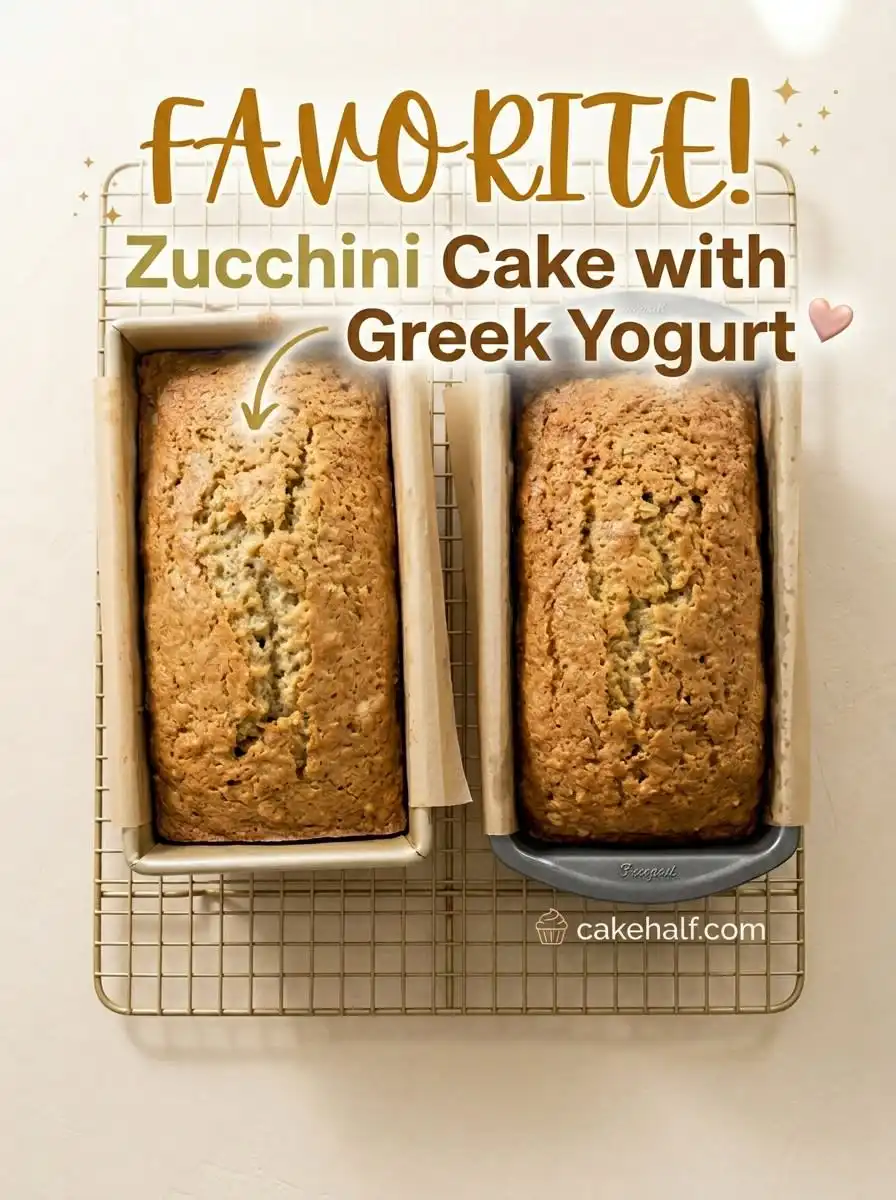
Baking is a quiet dialogue between the baker and the ingredients. By honoring the temperature of your dairy, the size of your grate, and the patience of a slow bake, you transform humble garden produce into a pastry of genuine refinement. Your kitchen will be filled with the comforting scent of warm spices, a sensory reward that begins long before the first slice is cut.
When you finally slice into the cooled loaf, you will see the reward of your precise technique. The even distribution of green flecks and toasted nuts within a beautifully uniform crumb is the ultimate validation of your kitchen disciplines. If you wish to continue studying the delicate balance of vegetables in pastry, examine our healthy chocolate zucchini cake story for further inspiration. Each recipe is a step toward greater confidence.
We invite you to share your baking journey and the beautiful loaves you create with our community. Connect with us on Pinterest, Facebook, and TikTok to share your results and discuss techniques with fellow bakers. Remember that baking is a skill built one beautiful, patient layer at a time. Enjoy the practice and the exquisite slices that follow.