I remember standing in the corner of a quiet Parisian patisserie at dawn, watching my mentor sift cocoa powder with a rhythm that felt like a heartbeat. The air was thick with the scent of dark chocolate and the promise of a perfect crumb. This Chocolate Cake Recipe captures that same devotion to precision and simplicity, resulting in a texture so tender it practically melts upon the tongue.

Mastering a simple cake is often more rewarding than completing a complex gateau. This particular recipe relies on a very thin batter, a technique that might startle the uninitiated but produces an incredibly moist, open crumb. It is a testament to the fact that when you respect the chemistry of your ingredients, even the most straightforward method yields professional results.
The Art of This Technique
There is a specific beauty in a cake that does not rely on heavy fats or complex creaming methods to achieve greatness. You will love this recipe because it prioritizes structural integrity alongside a deep, resonant chocolate flavor. By using oil instead of butter, we keep the cake soft even when chilled, a small but vital detail for those who enjoy a cool slice in the afternoon.
Furthermore, the addition of boiling water at the final stage of mixing is a classic technique known as blooming. This process opens up the flavor profiles of the cocoa powder, releasing aromatic oils that would otherwise remain trapped. It transforms a standard sponge into something truly exquisite. This method is forgiving yet precise, making it a favorite for those who value consistent, high-quality outcomes in their home kitchen.
Print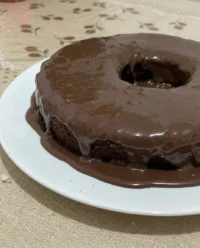
Chocolate Cake Recipe
- Total Time: 55 mins
- Yield: 12 servings
- Diet: Vegetarian
Description
A decadent and moist chocolate cake featuring a tender, open crumb achieved through the unique blooming of cocoa powder with boiling water. This reliable recipe creates a professional-quality sponge that stays soft for days, perfect for any celebration.
Ingredients
- 245g (1 3/4 cups) Plain Flour
- 75g (3/4 cup) Unsweetened Cocoa Powder
- 1 1/2 tsp Baking Powder
- 1 1/2 tsp Baking Soda
- 400g (2 cups) Sugar
- 1 tsp Salt
- 2 Large Eggs (room temperature)
- 250ml (1 cup) Whole Milk
- 125ml (1/2 cup) Vegetable Oil
- 250ml (1 cup) Boiling Water
- 2 tsp Vanilla Extract
Instructions
- Preheat your oven to 350°F (180°C) and prepare two 9-inch (22cm) cake pans by greasing them with butter and lining with parchment paper.
- Sift the flour, cocoa powder, baking powder, and baking soda into a large mixing bowl to remove lumps, then whisk in the sugar and salt until evenly distributed.
- Create a well in the center of the dry ingredients and add the eggs, milk, oil, and vanilla extract.
- Whisk for approximately 30 seconds with a balloon whisk, starting from the center and working outward, until the mixture is glossy and smooth.
- Carefully pour the boiling water into the batter and whisk gently until fully incorporated; the batter will be very thin and liquid.
- Divide the batter evenly between the prepared pans and bake on the middle rack for 35 minutes, or until a skewer inserted into the center comes out clean.
- Let the cakes rest in their pans for 10 minutes before inverting them onto wire racks to cool completely before frosting.
Notes
To ensure a perfectly level surface for stacking, try cooling your cake layers upside down on the wire rack. Always use a digital kitchen scale for the flour and cocoa measurements to maintain the specific chemistry required for this high-moisture batter.
- Prep Time: 20 mins
- Cook Time: 35 mins
- Category: Dessert
- Method: Baking
- Cuisine: French-inspired
The Foundation
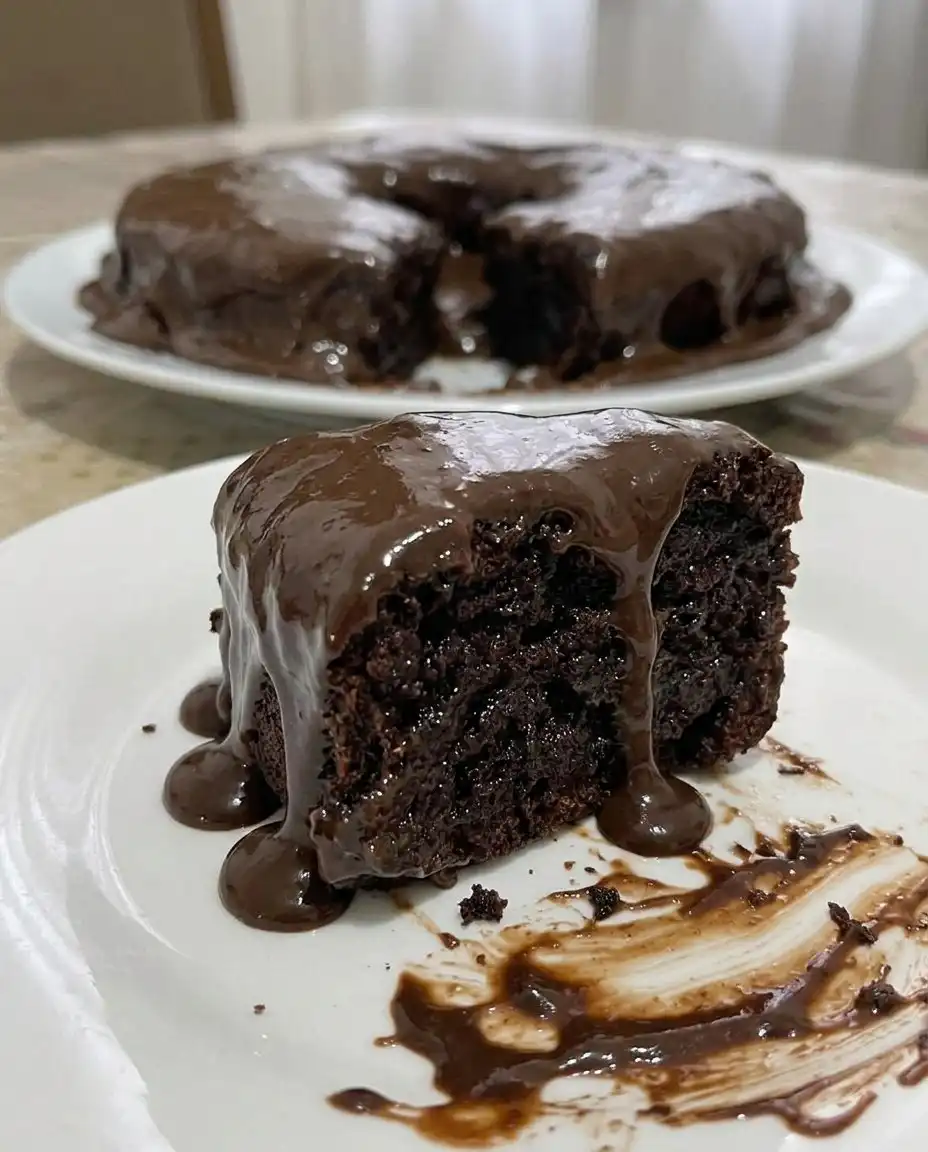
To achieve the perfect balance of moisture and structure, every ingredient must be selected with intention and handled with care. The chemistry of this cake depends on the interaction between the acidity of the cocoa and the leavening agents.
- Plain Flour (245g / 1 3/4 cups): This provides the necessary structure. Using all-purpose flour keeps the crumb tender without being too delicate to frost.
- Unsweetened Cocoa Powder (75g / 3/4 cup): I recommend a high-quality natural cocoa, though Dutch-processed will offer a darker, more mellow profile. The acidity here reacts with the baking soda to create a beautiful lift.
- Leavening Agents: A combination of 1 1/2 tsp baking powder and 1 1/2 tsp baking soda is used. The soda reacts immediately with the cocoa, while the powder provides a second lift during the baking process.
- Sugar (400g / 2 cups): Sugar does more than sweeten; it provides moisture and helps tenderize the protein in the flour. I prefer superfine sugar for its ability to dissolve quickly into the thin batter.
- Large Eggs: Two eggs provide the necessary protein for the cake’s structure. Make sure they are at room temperature to prevent the batter from breaking.
- Whole Milk (250ml / 1 cup): This adds richness and fat, contributing to the silky mouthfeel of the final sponge.
- Vegetable Oil (125ml / 1/2 cup): Oil is the secret to a moist cake that stays fresh for days. Unlike butter, oil remains liquid at room temperature, keeping the crumb soft.
- Boiling Water (250ml / 1 cup): This is the catalyst. It blooms the cocoa and thins the batter to a consistency that allows for a perfectly even rise.
- Vanilla Extract (2 tsp): Choose a pure extract to provide a floral background note that rounds out the bitterness of the chocolate.
The Method
Step 1: Preparing the Dry Foundation
Begin by preheating your oven to 350°F (180°C). Prepare your pans with butter and parchment paper. Sift the flour, cocoa powder, baking powder, and baking soda into a large bowl. Sifting is not a step to skip; cocoa powder is notorious for stubborn lumps that will not disappear during whisking. Add the sugar and salt, then whisk briefly to distribute the leavening agents evenly throughout the dry mix.
Step 2: Integrating the Wet Ingredients
Create a well in the center of your dry ingredients. Add the eggs, milk, oil, and vanilla extract. Using a balloon whisk, begin in the center and work your way outward, incorporating the flour gradually. Whisk for about 30 seconds until the mixture is glossy and free of lumps. At this stage, the batter will be thick and look like a traditional cake mix.
Step 3: The Blooming Phase
Carefully pour the boiling water into the bowl. Whisk gently but thoroughly to incorporate the liquid. Do not be alarmed as the batter transforms into a very thin, liquid consistency. This is exactly what we want. The heat from the water begins to activate the cocoa and prepares the starches for the heat of the oven. Ensure there are no pockets of dry flour hiding at the bottom of the bowl.
Step 4: Precise Baking
Divide the liquid batter evenly between your two prepared 9-inch (22cm) cake pans. Place them on the middle rack of your oven. Bake for approximately 35 minutes. To test for doneness, insert a wooden skewer into the center; it should come out clean or with just a few moist crumbs attached. Avoid opening the oven door too early, as the rush of cool air can cause the delicate structure to collapse before it has fully set.
Step 5: Cooling and Inverting
Allow the cakes to rest in their pans for 10 minutes. This period is crucial for the internal structure to firm up. Carefully turn the cakes out onto wire racks. I prefer to cool them upside down; this allows the weight of the cake to flatten the top naturally, providing a perfectly level surface for frosting later. Let them cool completely before you even think about applying your buttercream.
Pastry Wisdom
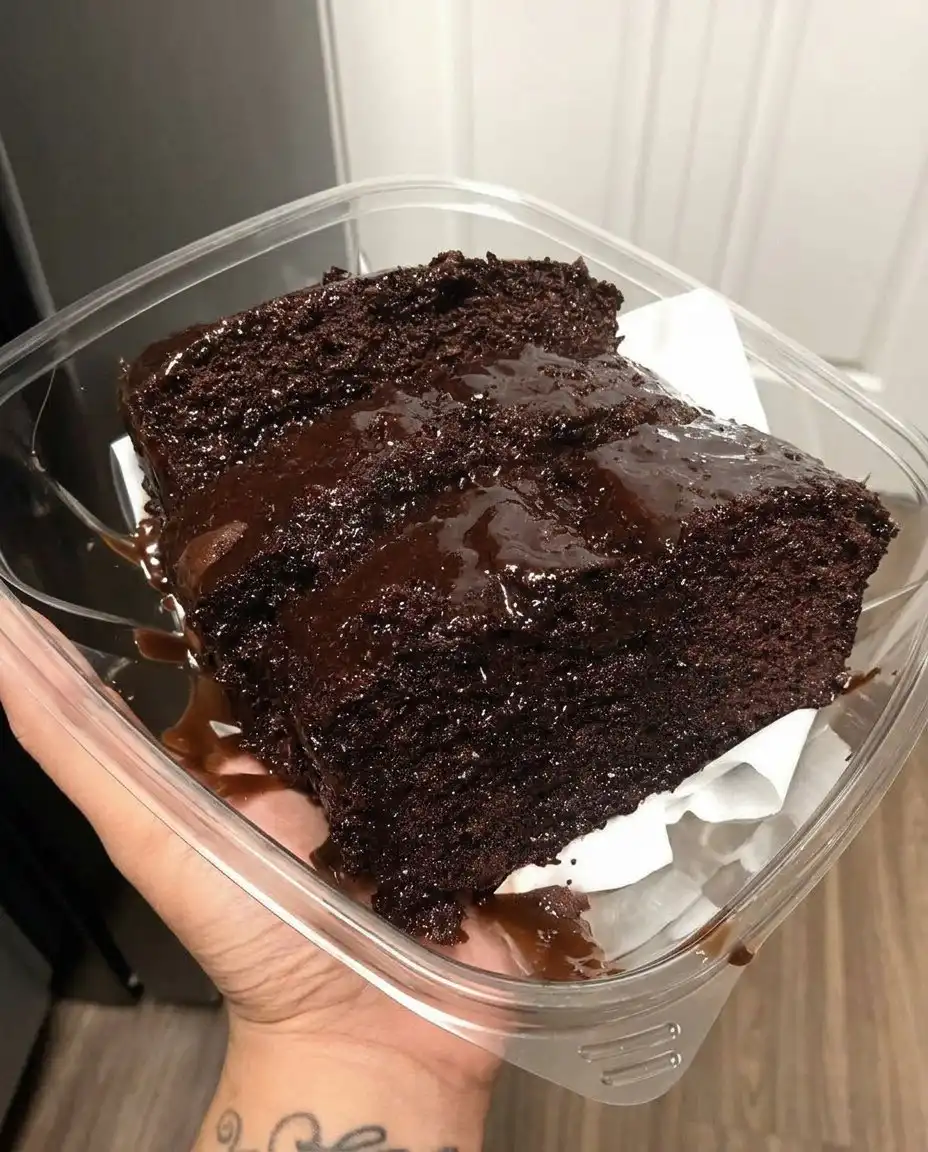
Temperature control is the hallmark of a professional baker. If your eggs or milk are too cold, they can cause the oil to clump, leading to an uneven crumb. Always bring your dairy to room temperature before beginning. If you find your cakes are leaking from springform pans, you can find a detailed solution in our guide on the old-fashioned chocolate cake.
Another secret to a professional finish is the way you handle the pans. If your oven has hot spots, rotate the pans halfway through the baking time, but do so with extreme gentleness. For more technical insights on achieving a perfectly flat top, you might also look at this expert chocolate cake tutorial which highlights similar moisture-heavy methods. Always use a scale for the most accurate results, as cup measurements can vary by as much as 20% depending on how the flour is packed.
Refined Twists
While the classic version is a masterpiece of balance, you may wish to introduce a personal touch. Adding a teaspoon of espresso powder to the dry ingredients will not make the cake taste of coffee, but it will significantly deepen the chocolate notes. For a more intense experience, you might consider our chocolate fudge cake which uses a different fat ratio for a denser bite.
For a citrus-forward variation, rub the zest of two oranges into the sugar before mixing. The oils from the orange peel provide a sophisticated brightness that cuts through the richness of the cocoa. You could also swap the boiling water for hot brewed Earl Grey tea to add a subtle bergamot aroma that is very popular in modern French patisseries.
Presentation
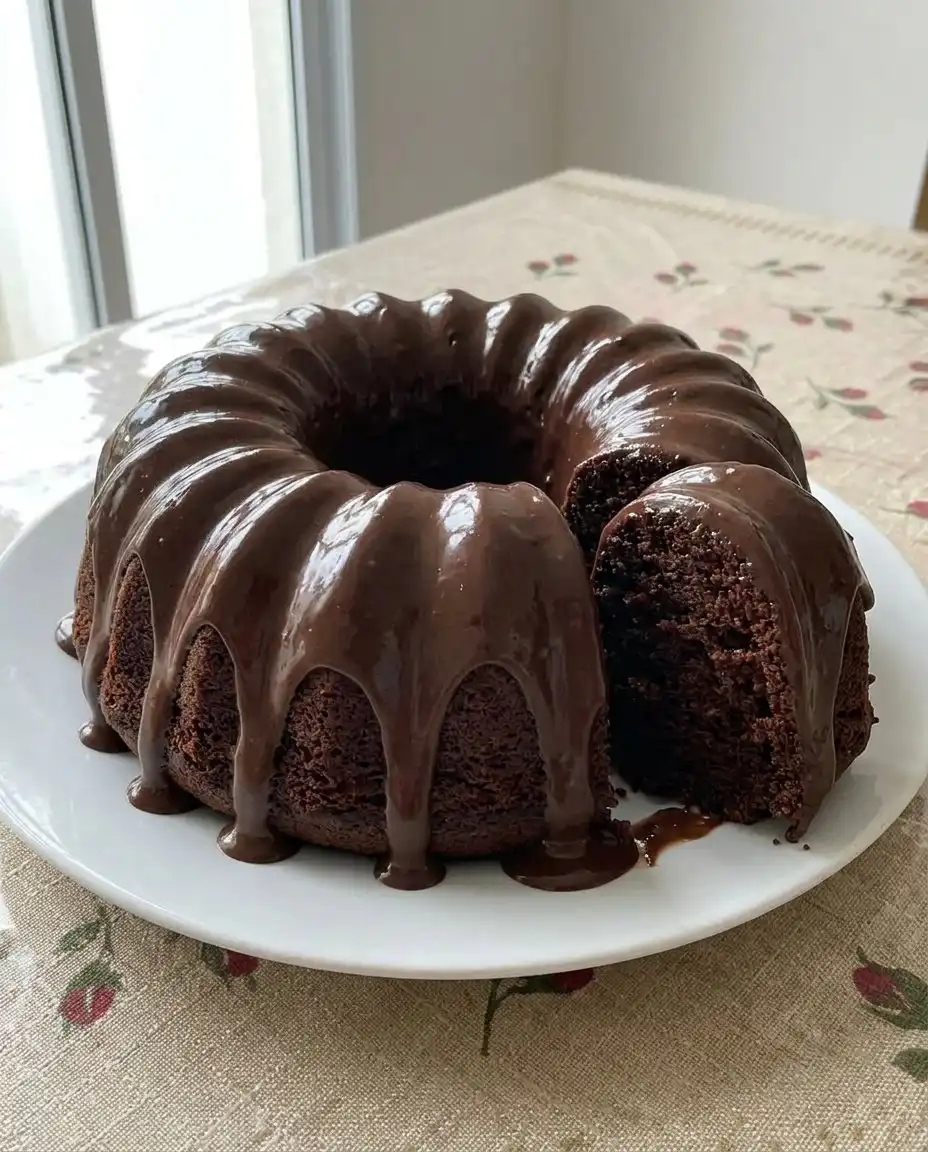
To serve this cake in the French tradition, simplicity is your best ally. A light dusting of cocoa powder or a simple ganache can be more elegant than heavy frosting. If you are preparing for a celebration, the structured layers of a German chocolate cake offer a beautiful visual contrast that you can emulate here with different fillings.
Accompany each slice with a dollop of crème fraîche or lightly sweetened whipped cream. The slight tang of the cream perfectly offsets the deep chocolate sugar levels. For a truly refined experience, serve alongside a cup of dark roast coffee or a glass of chilled dessert wine, ensuring the cake is at room temperature to appreciate the full spectrum of its texture.
Final Thoughts
Mastering this Chocolate Cake Recipe is a significant milestone for any home baker. It teaches the importance of patience, the science of blooming cocoa, and the beauty of a delicate crumb. Once you have perfected this foundation, you will find yourself returning to it for every birthday and quiet afternoon tea. If you find yourself craving a quicker version of these flavors, our chocolate mug cake provides a similar satisfaction in minutes. Please share your creations with our community of bakers on Pinterest, Instagram, or Facebook. We would love to see how you bring your own touch of mastery to this classic dessert.