In the quiet mornings of my early apprenticeship in a small village outside Paris, I learned that the most profound flavors often come from the simplest harvests. We would gather fallen fruit before the dew had fully evaporated, selecting only those with the crispest bite to ensure our tarts and cakes maintained their structural integrity. This Apple Cake Recipe is a tribute to that dedication to quality, where the humble orchard fruit is transformed through precise technique into a dessert of remarkable depth and character.
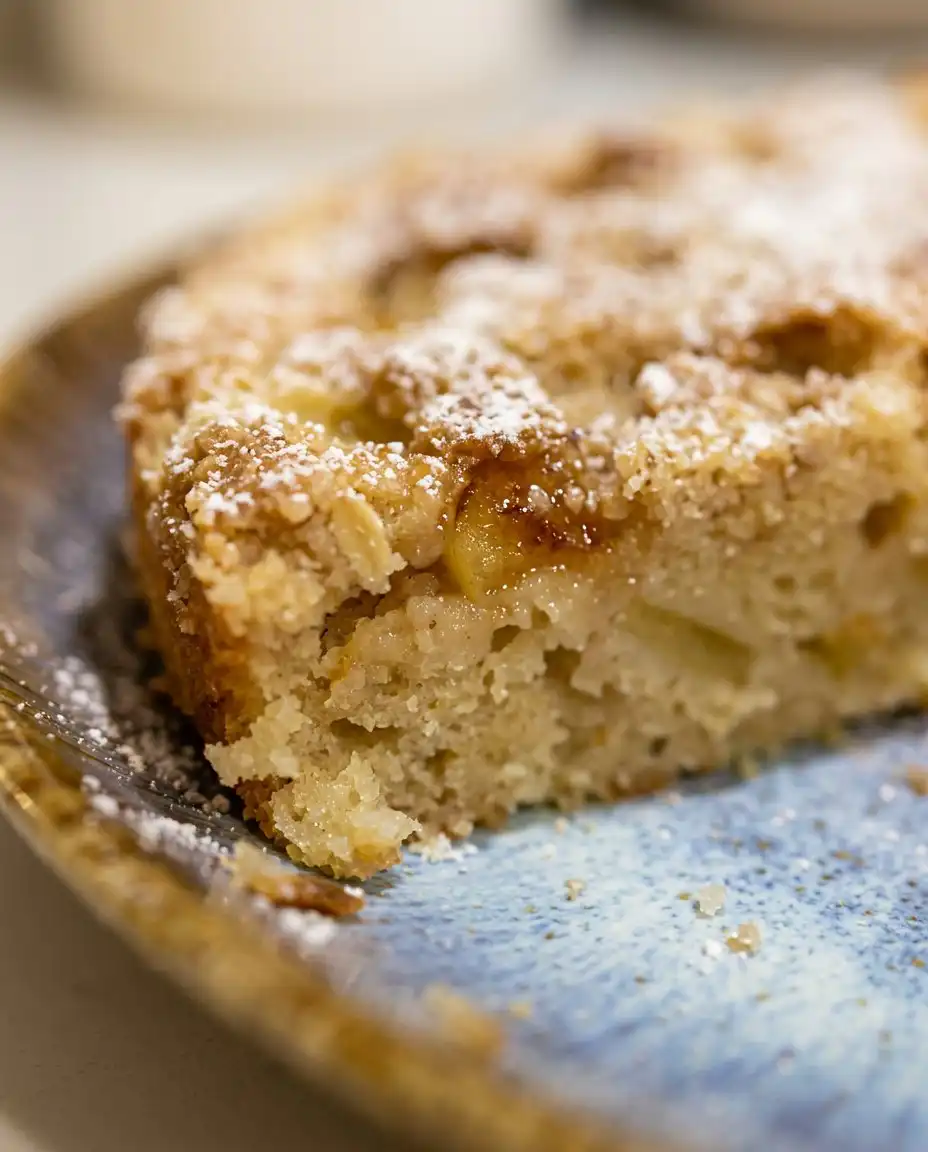
Mastering this recipe requires more than just mixing ingredients; it demands an appreciation for the chemistry of moisture and spice. By balancing the natural acidity of tart apples with a robust blend of cinnamon, cloves, and nutmeg, we create a crumb that is both tender and incredibly fragrant. This small-batch approach allows you to focus on the fine details, ensuring every cube of fruit is perfectly suspended within the golden, spiced sponge.
The Art of This Spiced Masterpiece
There is a specific kind of satisfaction that comes from a cake that does not rely on heavy frostings or elaborate decorations to make an impression. This Apple Cake Recipe celebrates the inherent beauty of seasonal fruit and the warm, almost smoky complexity provided by a thoughtful spice blend. It is a recipe that values substance over flash, offering a texture that is remarkably moist thanks to the calculated use of vegetable oil rather than butter.
While butter provides a lovely flavor, oil remains liquid at room temperature, which translates to a superior, long-lasting silkiness in the crumb. When combined with the gentle leavening of baking soda and the natural juices released by the apples during baking, the result is a cake that feels luxurious without being heavy. It is the kind of recipe that rewards the patient baker who takes the time to dice their fruit with precision and whisk their base until it reaches a beautiful, glossy emulsion.
Furthermore, the inclusion of warm spices like ground cloves and freshly grated nutmeg adds a sophisticated edge that prevents the sweetness from becoming one-dimensional. This is a grown-up dessert, one that pairs as beautifully with a sharp espresso as it does with a glass of chilled dessert wine. It is a testament to the fact that when you respect your ingredients and follow a proven method, the results are invariably exquisite.
Print
Apple Cake
- Total Time: 1 hour 15 mins
- Yield: 8 servings
- Diet: Vegetarian
Description
This elegant spiced apple cake features a tender, oil-based crumb and a vibrant blend of cinnamon, cloves, and nutmeg. Packed with tart, crisp apple pieces, it offers a sophisticated dessert that remains incredibly moist for days.
Ingredients
- 2 cups all-purpose flour
- 3/4 teaspoon baking soda
- 1/2 teaspoon salt
- 1 teaspoon ground cinnamon
- 1/4 teaspoon ground cloves
- 1/4 teaspoon freshly grated nutmeg
- 1 cup vegetable oil (grapeseed or canola)
- 1 1/2 cups granulated sugar
- 2 large eggs, room temperature
- 1 teaspoon vanilla extract
- 2 cups apples, peeled and diced (Granny Smith or Braeburn)
Instructions
- Preheat your oven to 180°C (350°F) and grease a 9-inch springform pan, lining the base with parchment paper.
- In a large bowl, whisk together the flour, baking soda, salt, cinnamon, cloves, and nutmeg until well distributed.
- In a separate bowl, whisk together the vegetable oil and sugar, then beat in the eggs one at a time followed by the vanilla until glossy.
- Gently stir the wet ingredients into the dry ingredients using a spatula until just incorporated, taking care not to overmix.
- Fold the diced apples into the thick batter until evenly distributed.
- Pour the batter into the prepared pan and bake for 50 to 60 minutes, or until a wooden skewer inserted in the center comes out clean.
Notes
For the best results, use room temperature eggs to ensure a stable emulsion with the vegetable oil. If you notice the top of the cake browning too quickly, loosely tent the pan with foil during the last 15 minutes of baking to protect the delicate crumb.
- Prep Time: 20 mins
- Cook Time: 55 mins
- Category: Dessert
- Method: Baking
- Cuisine: French
The Foundation of Fine Pastry
To achieve professional results at home, one must start with a deep understanding of the pantry. Every component in this Apple Cake Recipe serves a specific structural or flavorful purpose. We do not simply add ingredients; we build a foundation for success.
- The Flour (2 cups / 250g): Use a high-quality all-purpose flour. The protein content provides just enough gluten to support the heavy pieces of fruit without making the cake tough. If you choose to use whole wheat flour, remember to reduce the amount by two tablespoons to account for the increased absorption of the bran.
- The Leavening (3/4 tsp baking soda): Sodium bicarbonate is essential here because it reacts with the acidity in the apples and the spices to create a gentle lift. It also aids in browning, giving the crust a deep, mahogany hue.
- The Spice Trio (Cinnamon, Cloves, Nutmeg): This is where the “smoky” depth originates. Use the freshest spices possible. Ground cloves are incredibly potent, so measure with exactitude. If you can grate your nutmeg fresh, the aromatic oils will be far more vibrant than pre-ground versions.
- The Fat (1 cup vegetable oil): A neutral oil like grapeseed or canola is preferred. It ensures the cake remains moist for days and allows the flavor of the fruit and spices to remain at the forefront of the palate.
- The Fruit (2 cups diced apples): The choice of apple is paramount. A firm, tart variety like Granny Smith or a crisp Braeburn is ideal. These varieties hold their shape during the long bake time and provide a necessary acidic contrast to the sugar. Avoid soft or overly sweet apples, which may turn to mush and lose their identity within the batter.
The Methodical Path to Perfection
Step 1: Preparing the Canvas
Begin by preheating your oven to 180°C (350°F). The accuracy of your oven temperature is the difference between a golden crust and a burnt one. Grease a 21 cm (9″) springform pan with a light coating of neutral oil or butter, then line the base with parchment paper. This ensures a clean release, preserving the delicate edges of your cake.
Step 2: Sifting and Aerating the Dry Ingredients
In a large mixing bowl, whisk together the flour, baking soda, salt, cinnamon, cloves, and nutmeg. It is vital to distribute the baking soda and spices evenly throughout the flour to prevent any pockets of bitterness. This process also aerates the flour, contributing to a lighter crumb structure.
Step 3: Creating the Emulsion
In a separate vessel, combine the vegetable oil and sugar. Whisk these together until they are fully integrated. Add the room-temperature eggs one at a time, followed by the vanilla extract. Whisk vigorously until the mixture is glossy and slightly pale. This step creates a stable emulsion that will hold the dry ingredients in perfect suspension.
Step 4: The Gentle Integration
Pour the wet ingredients into the dry mixture. Using a wooden spoon or a heavy spatula, mix until the flour is just incorporated. Overmixing at this stage will develop too much gluten, leading to a rubbery texture. The batter will be thick and fragrant, a sign of the rich spices within.
Step 5: Incorporating the Fruit
Fold in your precisely cubed apples. If you have chosen to include walnuts or pecans, add them now as well. Ensure the fruit is evenly distributed so that every slice of the finished cake contains a generous amount of apple. Pour the batter into your prepared pan and smooth the top with your spatula.
Step 6: The Patience of the Bake
Place the pan in the center of the oven. Bake for 50 to 60 minutes. Because every oven behaves differently, start checking for doneness at the 50-minute mark. Insert a wooden skewer into the center; it should emerge clean or with just a few moist crumbs attached. Let the cake rest in the pan for 10 minutes before releasing the sides of the springform and moving it to a wire rack.
Precision Secrets from the Patisserie
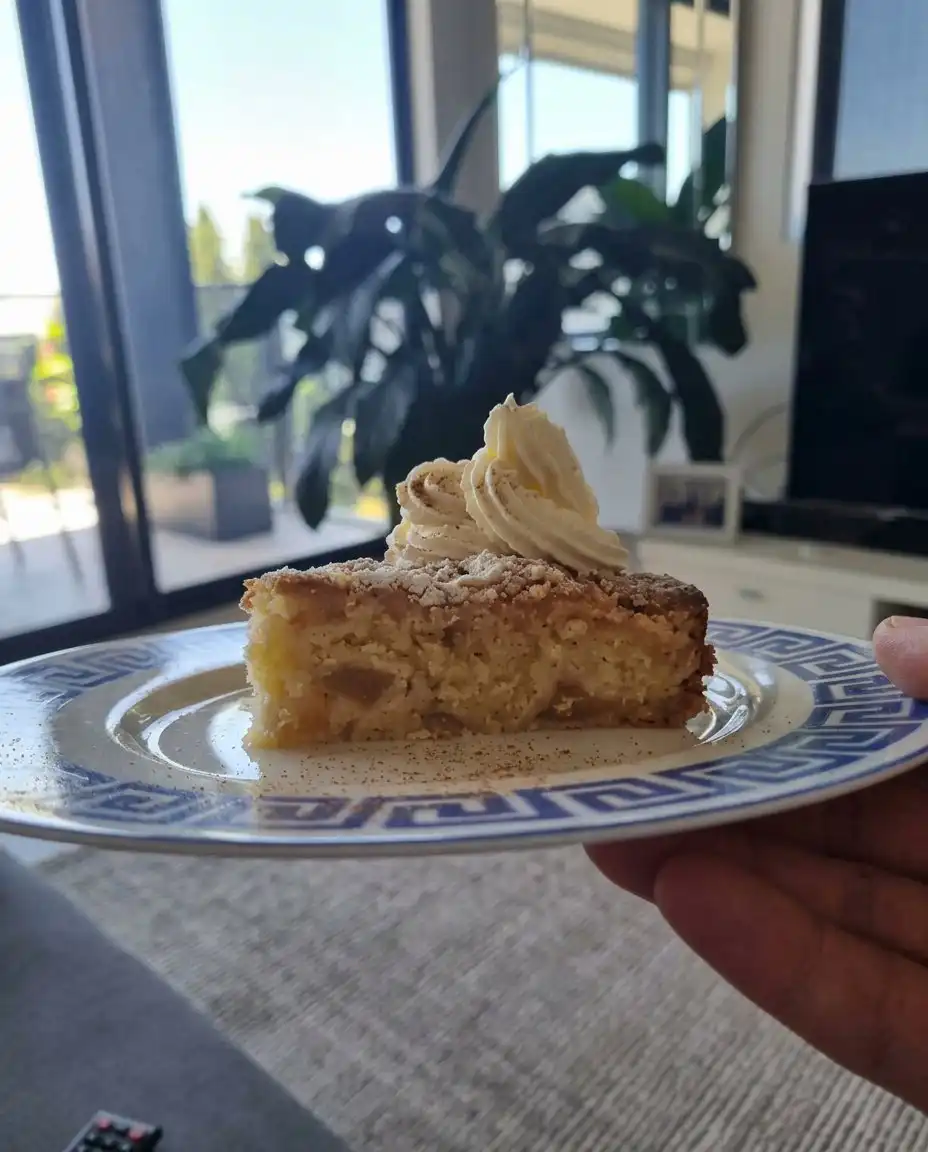
One of the most frequent errors in fruit-based cakes is the uneven distribution of moisture. To prevent the apples from sinking to the bottom or creating soggy pockets, ensure your cubes are no larger than 8mm (1/3 inch). This size allows the fruit to soften beautifully while remaining suspended in the batter. If you find your fruit often discolors during the prep stage, you might find it helpful to learn more about maintaining fruit-fresh qualities through proper handling.
Temperature is another critical factor. Ensure your eggs are at room temperature before beginning; cold eggs can cause the oil emulsion to break, leading to an uneven bake. Furthermore, if you are using a fan-forced oven, be aware that the exterior may brown faster than the interior cooks. If the top looks dark but the center is still wet, loosely tent the pan with foil for the final 15 minutes of baking. For more detailed guidance on oven calibration and baking times, the experts at RecipeTin Eats provide excellent technical breakdowns for various oven types.
Refined Twists on a Classic Profile
While the traditional spice blend is timeless, there are several ways to tailor this Apple Cake Recipe to your specific preferences without compromising the integrity of the crumb. For those who enjoy a more European flair, consider replacing the ground cloves with a teaspoon of crushed cardamom seeds for a bright, floral note. This approach is reminiscent of the techniques used in our irish-apple-cake which focuses on a slightly different textural balance.
You might also consider a textural variation by topping the cake with a thin layer of flaked almonds or coarse demerara sugar before it enters the oven. This creates a delightful crunch that contrasts with the soft, fruit-filled interior. For a more decadent finish, a light drizzle of salted caramel or a simple glaze made from powdered sugar and a touch of bourbon can add a sophisticated layer of sweetness that complements the “smoky” spice profile.
The Art of the Final Presentation
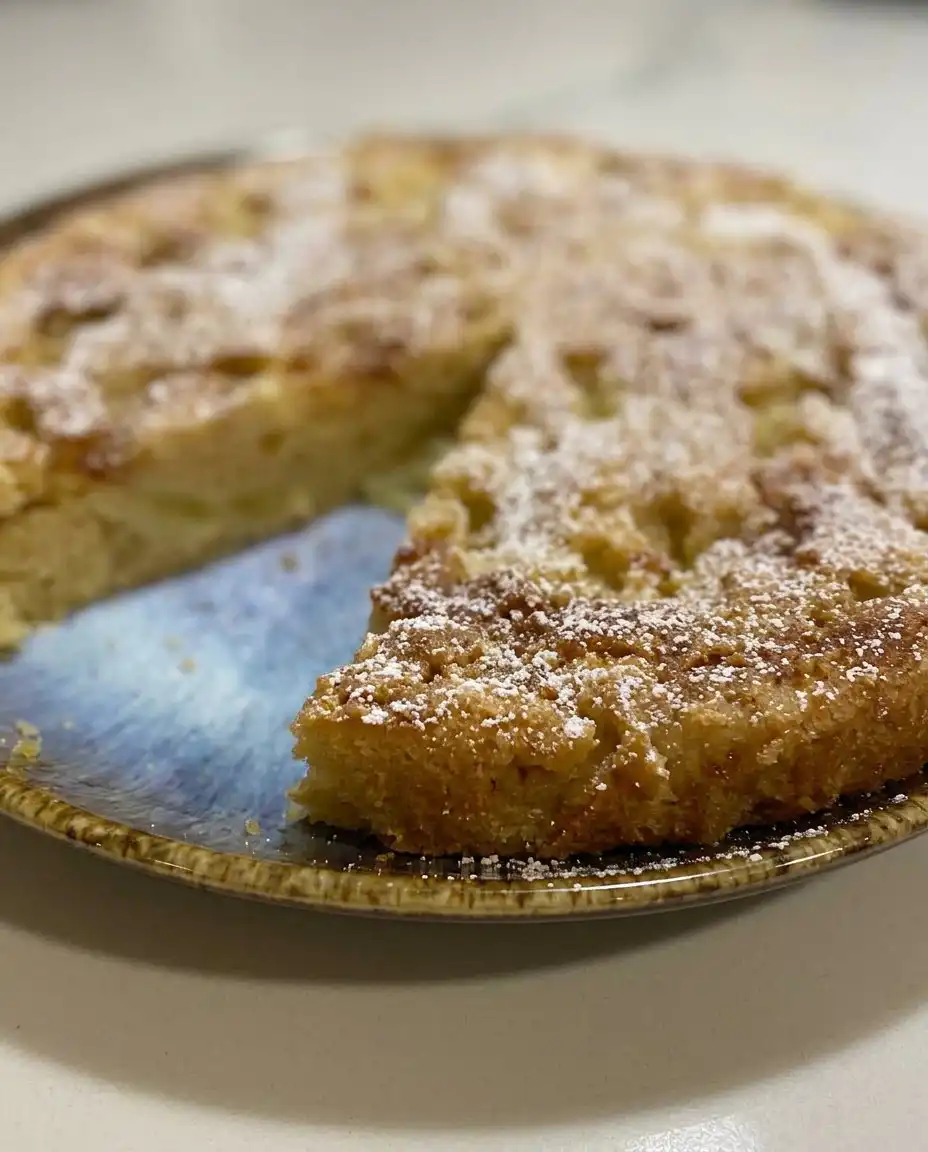
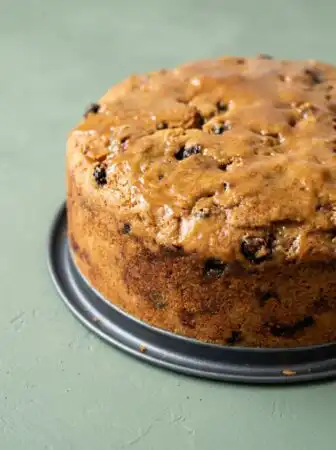
Presentation is the final step in the journey of a pastry chef. For this rustic yet refined cake, a simple dusting of confectioners’ sugar is often all that is required. The white powder settles into the crevices of the golden crust, highlighting the texture and the slivered almonds. If you are serving this at a formal gathering, place a single slice in the center of a wide plate and garnish with a small sprig of fresh mint or a few thin slices of raw apple.
While this cake is exceptionally moist on its own, a dollop of lightly sweetened crème fraîche can provide a sophisticated tang that balances the warm spices. This is a technique we often employ with our strawberry-rhubarb-cake to manage the balance of sweetness and acidity. Serve your apple cake slightly warm to allow the aromas of the cloves and cinnamon to be fully realized by your guests.
The Beauty of Mastered Fundamentals
Perfecting a recipe like this is a quiet victory. It is a reminder that when we approach our kitchens with patience and a commitment to quality, we can create something truly extraordinary from the most basic of ingredients. I hope this cake brings a sense of warmth and accomplishment to your home, just as the orchard harvests once did for me in France. For another rewarding baking project that focuses on fruit and texture, I invite you to try our blueberry-coffee-cake.
If you have found success with this recipe, please share your results with our community of devoted bakers. Your journey toward mastery inspires us all. You can find more inspiration and technique tutorials on our social channels: