Mastering the emulsion of fat and liquid is the quiet cornerstone of a classic gateau, a disciplined French technique that demands patience but rewards you with an extraordinarily tender crumb.
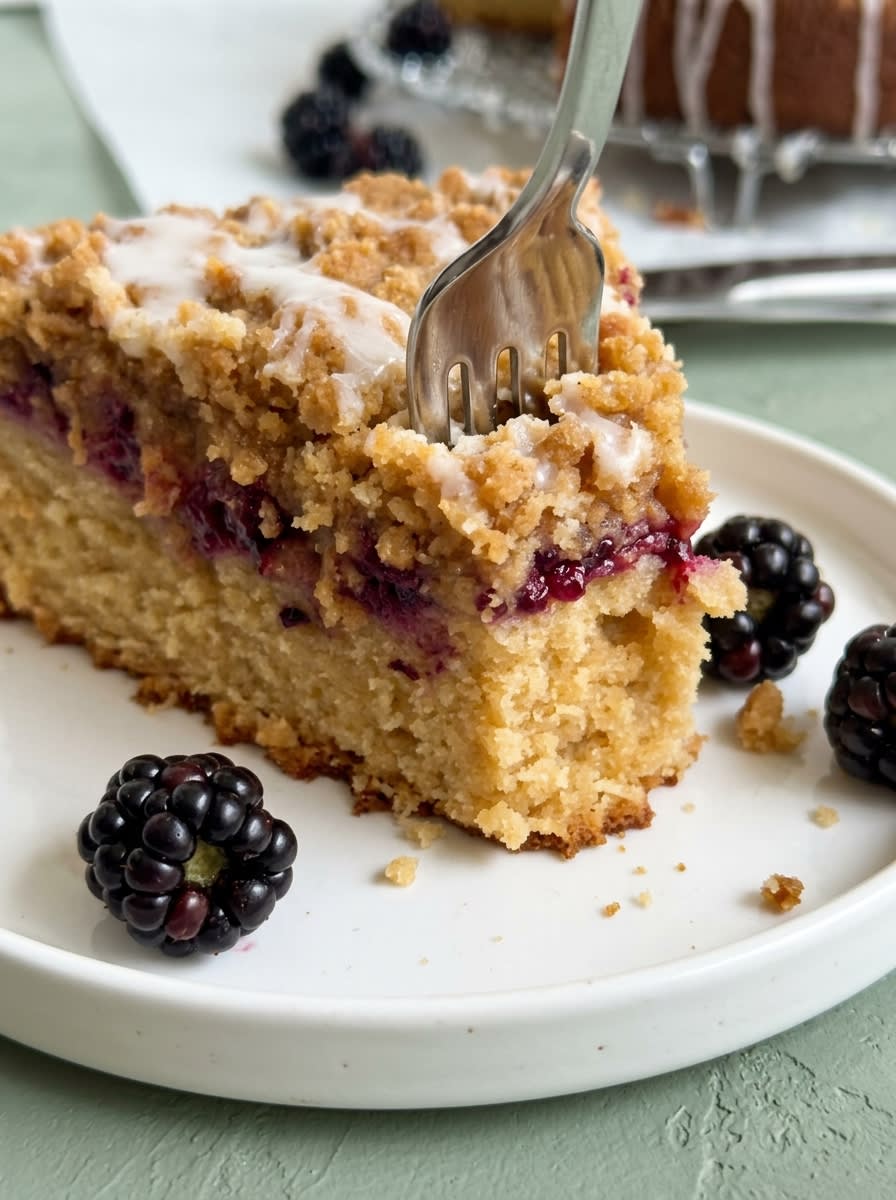
When we apply this meticulous standard to a rustic breakfast staple, the result is an exquisite Blackberry Coffee Cake that graces the morning table. This cake relies on a delicate balance of sweet, rich batter and the sharp acidity of late-summer fruit. By understanding the science of how these elements interact under heat, you will achieve a crumb of remarkable softness.
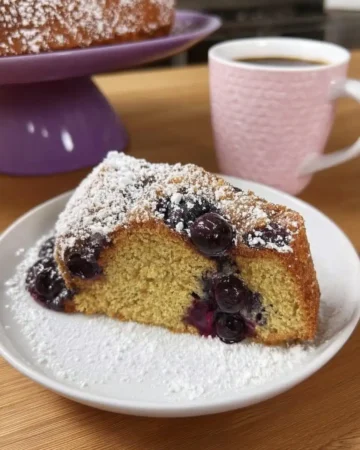
The scent of baking butter and caramelizing sugar will fill your kitchen, providing a preview of the sensory reward to come. Each slice offers a clean cross-section of deep purple fruit suspended in a golden, velvet crumb. It is a bake that demands your presence but repays your care with every single slice.
Why This Blackberry Coffee Cake Rewards Your Attention
Prep: 15 min · Serves: 12 · Difficulty: Medium
- Yields an incredibly tender, melt-in-your-mouth crumb structure.
- Balances bright tartness with rich, sweet butter layers.
- Showcases beautifully defined ribbons of fresh seasonal fruit.
- Relies on stable kitchen techniques for reliable success.
This is the precise, elegant bake that will redefine your breakfast ritual, much like our classic blueberry coffee cake.
Get The Full Cake Recipe
Print
Blackberry Coffee Cake
- Total Time: 1 hour 10 mins
- Yield: 12 servings
- Diet: Vegetarian
Description
This exquisite Blackberry Coffee Cake features a tender, buttery crumb studded with tart fresh blackberries. Topped with a delicate streusel and finished with a sweet vanilla glaze, it makes for a sophisticated and memorable breakfast centerpiece.
Ingredients
- 1 1/2 cups all-purpose flour
- 1/2 cup white sugar
- 1/2 cup light brown sugar
- 1 teaspoon baking powder
- 1/2 teaspoon baking soda
- 1/2 teaspoon salt
- 1/2 cup unsalted butter, softened
- 2 tablespoons vegetable oil
- 2 large eggs
- 1 teaspoon pure vanilla extract
- 1/2 cup sour cream
- 1 1/2 cups fresh blackberries, halved
- 1/2 cup all-purpose flour (for topping)
- 1/4 cup light brown sugar (for topping)
- 1/4 cup cold cubed unsalted butter (for topping)
- 1/2 cup powdered sugar (for glaze)
- 1 tablespoon milk (for glaze)
- 1/2 teaspoon vanilla extract (for glaze)
Instructions
- Prepare the oven. Set the oven to 350°F (177°C) and coat a nine-inch springform pan with non-stick baking spray.
- Assemble the streusel. Combine flour, brown sugar, salt, and cold butter in a bowl until crumbly, then refrigerate the mixture until needed.
- Mix dry ingredients. Sift the flour, white sugar, brown sugar, baking powder, baking soda, and salt into a large bowl and whisk thoroughly for one minute.
- Emulsify wet ingredients. Add room temperature butter and oil to the dry mix, then beat in the eggs, vanilla, and sour cream until a thick, uniform batter forms.
- Assemble and bake. Spread the batter into the prepared pan, top with halved blackberries and chilled streusel, and bake for 50 to 55 minutes until a tester comes out dry.
- Cool and glaze. Allow the cake to cool on a wire rack for fifteen minutes before removing the pan sides, then drizzle the whisked glaze over the completely cooled surface.
Notes
- Ensure all dairy and egg ingredients are at room temperature to create a stable batter emulsion.
- Pat blackberries completely dry after washing to prevent them from sinking into the cake during baking.
- Keep the streusel topping chilled in the freezer right up until the moment it goes into the oven for a crisper texture.
- Use a digital kitchen scale for ingredient measurements to avoid the inconsistencies of volume-based cup measurements.
- Wait until the cake is entirely cool before applying the glaze to ensure it sets properly and does not become absorbed.
- Prep Time: 15 mins
- Cook Time: 55 mins
- Category: Breakfast
- Method: Baking
- Cuisine: French-inspired
The Mise en Place
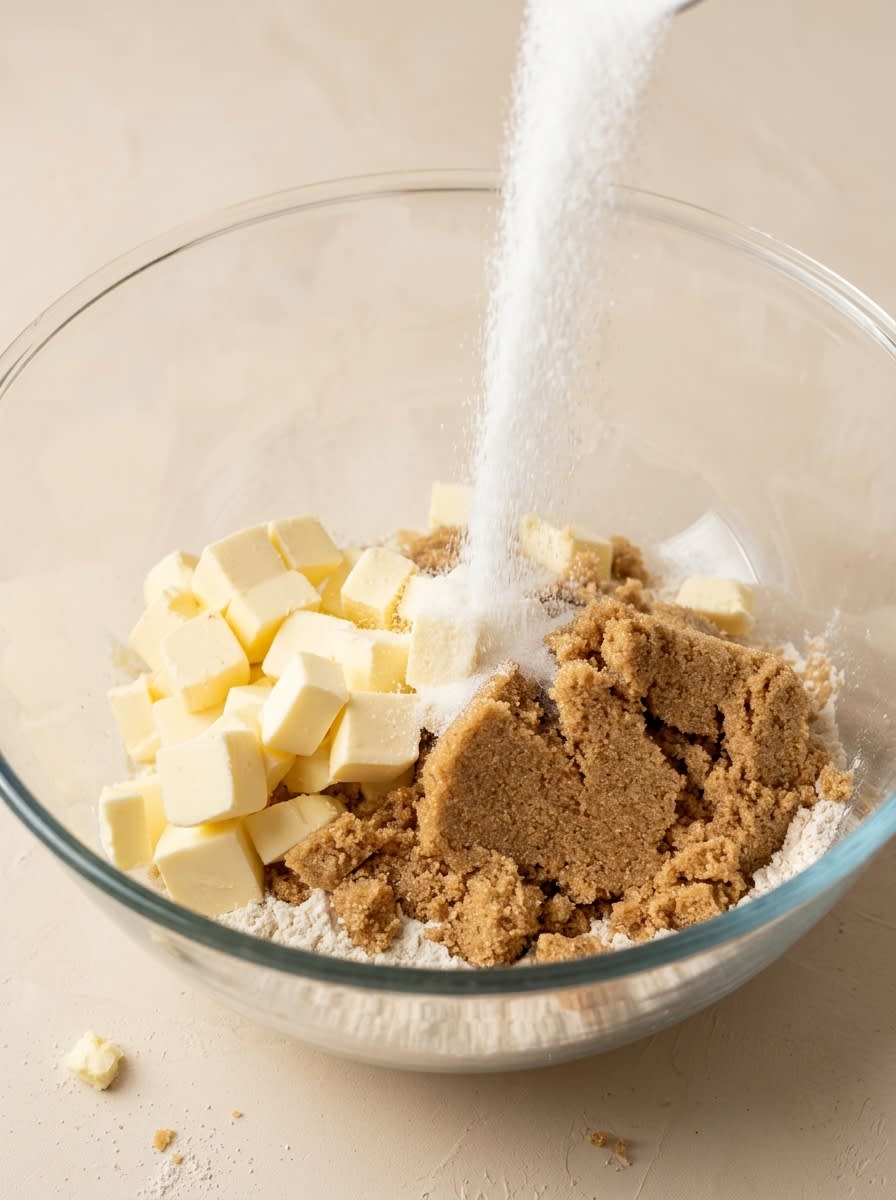
Success in the patisserie begins long before you turn on the oven. Every ingredient must be weighed with precision, and temperature must be treated as a strict instruction rather than a casual suggestion. When cold ingredients meet warm fat, emulsion fails, resulting in a coarse, heavy bake.
- Light Brown Sugar: This ingredient introduces moisture and a faint caramel undertone that white sugar alone cannot provide. Its acidic nature works in tandem with the leaveners to create a lighter, more tender rise.
- Unsalted Butter: The foundation of the cake’s structure and flavor relies entirely on high-quality fat. It must be softened to room temperature to trap air during the creaming stage, which creates the tiny air pockets that expand in the oven.
- Sour Cream: This thick, cultured dairy provides the necessary acidity to tenderize the gluten strands, ensuring a delicate mouthfeel. It also adds fat without thinning the batter, allowing the cake to support the heavy blackberries without sinking.
- Fresh Blackberries: Chosen for their plumpness and deep color, these berries offer a sharp contrast to the sweet cake. Halving them and drying them thoroughly prevents them from releasing too much water during baking, and they are the heart of this Blackberry Coffee Cake.
- Baking Powder and Soda: These chemical leaveners must be fresh to guarantee a consistent lift. They react with the acidic sour cream to lift the dense, buttery batter, creating a light and airy structure.
- Vegetable Oil: A small addition of neutral oil works alongside the butter to keep the crumb exceptionally soft. While butter provides unmatched flavor, oil remains liquid at room temperature, preventing the cake from drying out.
| Ingredient | Why It Matters |
|---|---|
| Unsalted Butter | Creates a tender emulsion, rich mouthfeel, and traps air for a proper rise. |
| Sour Cream | Tenderizes gluten, adds fat to suspend berries, and provides a delicate tang. |
| Fresh Blackberries | Offers tart fruit pockets that balance the sweetness of the sugar and glaze. |
| Light Brown Sugar | Adds essential moisture and a deep molasses complexity to the batter. |
| Vegetable Oil | Keeps the crumb exceptionally soft even after the cake has cooled completely. |
The Method, Step by Step
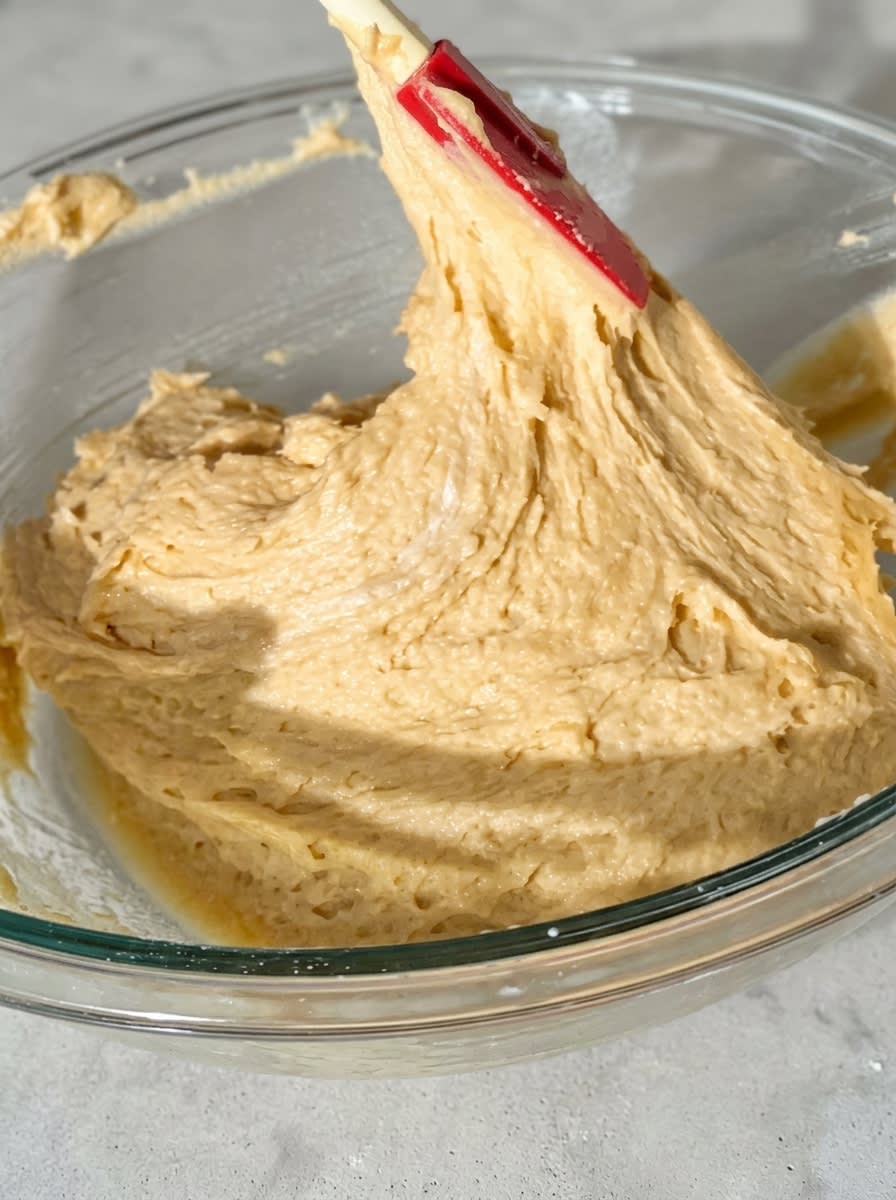
Every step in this process serves a structural purpose. The technique is the recipe. Working through these stages with care guarantees a crumb of unparalleled texture.
Step 1: Prepare the Pan and Oven
Set your oven to 350°F (177°C) and let it preheat fully so the heat is stable when the pan enters. Prepare a nine-inch springform pan by coating the bottom and sides evenly with non-stick baking spray. This grease layer prevents the delicate crumb from tearing during unmolding. Set this pan aside on your work surface so it is ready when the batter is complete.
Step 2: Assemble the Streusel Topping
Combine the flour, light brown sugar, salt, and cold, cubed butter in a medium bowl. Work the mixture with a pastry blender or your fingers, pressing the butter into the dry ingredients. Stop when the mixture resembles coarse, uneven crumbs with a few pea-sized pieces remaining. Place this bowl in the refrigerator immediately to keep the butter solid before baking.
Step 3: Combine the Dry Base
Sift the all-purpose flour, white sugar, light brown sugar, baking powder, baking soda, and salt into a large bowl. Whisk these dry ingredients for a full minute to confirm the leaveners are distributed evenly. This thorough mixing prevents uneven rising or pockets of bitter soda in the finished cake. The mixture should appear uniform in color and completely free of lumps.
Step 4: Emulsify the Wet Ingredients
Add the room temperature butter and neutral oil to the dry ingredients, mixing steadily until the flour is completely coated in fat. Whisk in the eggs, pure vanilla extract, and sour cream until a thick batter forms. You will notice the batter transitions to a pale ribbon stage as you lift the spatula. Stop mixing immediately once the wet and dry elements are fully unified.
Step 5: Assembling and Baking Your Blackberry Coffee Cake
Spread the heavy batter into your prepared springform pan, smoothing the surface with an offset spatula. Arrange the halved, dry blackberries evenly over the top, then scatter the chilled streusel crumbs to cover the fruit. Bake in the center of the oven for 50 to 55 minutes. The cake is done when a wooden tester inserted into the center comes out dry and the crumb smells richly of caramelized sugar.
Step 6: Cooling and Preparing the Glaze
Remove the pan from the oven and set it on a wire cooling rack for fifteen minutes to set. Release the sides of the springform pan carefully, allowing the steam to escape without tearing the crust. While the cake finishes cooling, whisk together the powdered sugar, vanilla extract, and milk in a small bowl. Drizzle this smooth, thick glaze over the completely cooled cake in clean, decorative lines.
Where Precision Makes the Difference
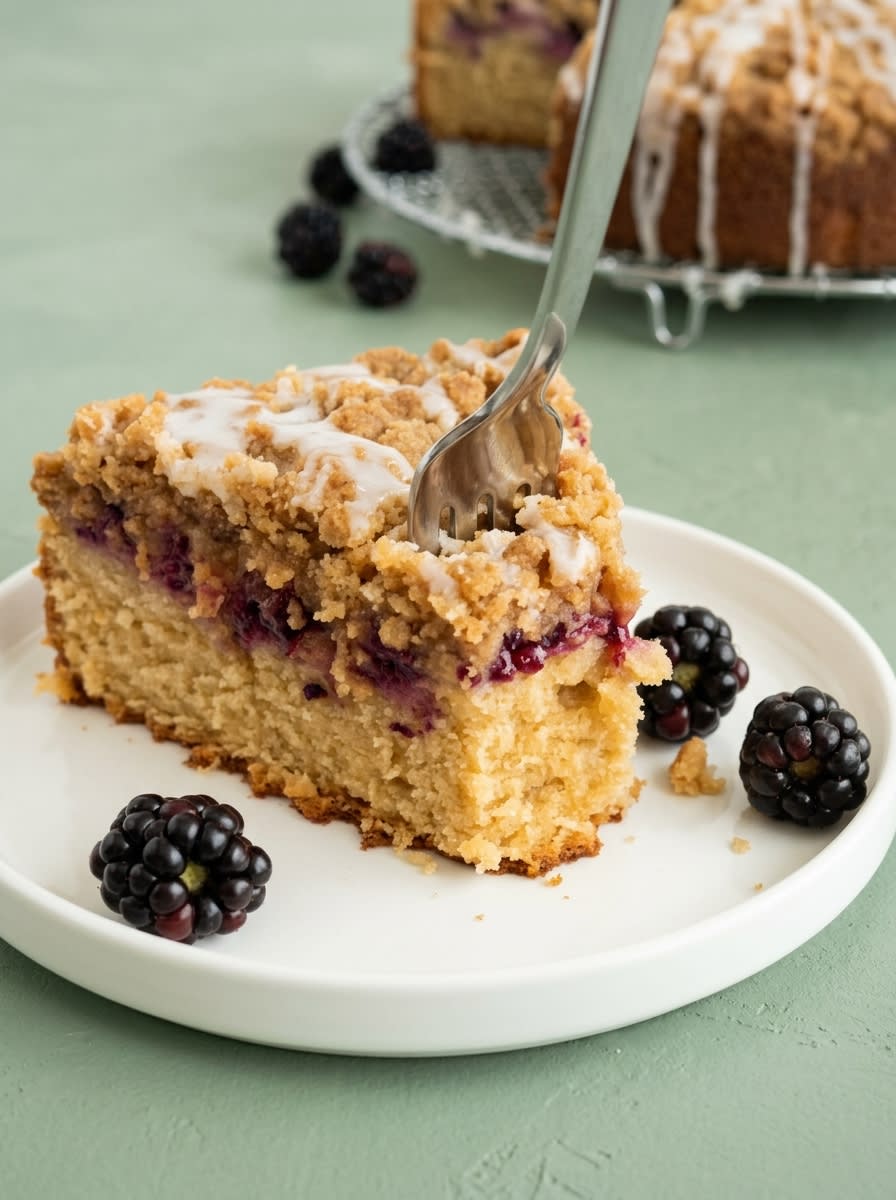
To prevent your fruit from sinking, always pat the berries completely dry after washing and halving. Moisture on the exterior of the fruit acts as a lubricant, causing them to slide through the delicate batter during the early stages of baking. You may also toss the halved berries in a single teaspoon of flour before placing them on the cake to give them grip. This light coating of starch binds to the batter, locking the fruit in place as the heat rises.
If your cake sinks in the middle during baking, this is usually due to opening the oven door too early or using expired leaveners. Cold air entering the oven before the gluten structure has set can cause the delicate dome to collapse. Always test your baking powder by placing a teaspoon in warm water; if it does not fizz immediately, it must be replaced. A precise digital oven thermometer is also invaluable for confirming that your oven runs at the true temperature.
Room temperature butter is not an option; it is a chemical necessity for a successful bake. Butter that is too cold will not trap air during mixing, resulting in a dense, heavy cake. Conversely, butter that is too warm will melt, leading to a greasy crumb that lacks the structure seen in our tender banana coffee cake. Plan ahead by leaving your dairy out on the counter for at least two hours before you begin baking.
For a remarkably crisp streusel that does not melt into the batter, keep the crumb mixture cold until the moment it enters the oven. If your hands are warm, use a pastry blender rather than your fingers to combine the butter and sugar. Chilling the prepared topping in the freezer for ten minutes before baking helps the butter maintain its shape. For further details on maintaining streusel integrity, consult this helpful guide on blackberry coffee cake preparation.
Weighing your ingredients on a digital kitchen scale is the single best way to guarantee a consistent result. Volume measurements using cups are notoriously inaccurate, as flour can pack down and add up to thirty percent more starch than required. This excess flour will dry out the cake, ruining the delicate, melt-in-your-mouth experience. Professional pastry chefs always rely on grams for accuracy rather than volume.
Be patient when it comes to the cooling process before applying the sugar glaze. Drizzling glaze over a warm cake will cause the sugar to melt and run off, disappearing into the crumb and making the surface soggy. A completely cooled cake allows the glaze to set into beautiful, opaque white ribbons that hold their shape. This quiet interval of resting is when the structural integrity of the cake stabilizes.
Frequently Asked Questions
What makes coffee cake different from regular cake?
Traditional coffee cake is defined by its dense, moist crumb and the presence of a spiced streusel or crumb topping. Unlike celebration cakes, it is rarely frosted with thick buttercream, choosing instead a light glaze. It is specifically designed to be enjoyed alongside a warm beverage like coffee or tea. The higher ratio of flour and sugar in the topping provides a pleasant textural contrast.
Can I use frozen blackberries instead of fresh?
Yes, you may use frozen blackberries, though you must not thaw them before adding them to the batter. Thawing causes the berries to release their juices, which will dye the batter grey and add excess moisture. Increase the baking time by five to seven minutes to compensate for the cold fruit. Toss them in a tablespoon of flour before baking to absorb surface condensation.
What flavors pair well with blackberry?
Blackberries pair exceptionally well with warm spices such as cinnamon, nutmeg, and cardamom. Citrus elements, particularly lemon and orange zest, help to highlight the natural acidity of the fruit. Almond extract and vanilla also offer a sweet, comforting background that softens the tartness. These pairings can be adjusted in both the batter and the streusel topping.
How do I keep berries from sinking in the cake?
The most effective method is to use a sufficiently thick batter that can support the weight of the fruit. Our sour cream base is engineered to be sturdy enough to suspend the berries naturally. Additionally, patting the berries completely dry and a light coating of flour will help them cling to the surrounding crumb. Distributing them evenly over the surface rather than folding them deeply also helps.
What is the best secret ingredient for a moist Blackberry Coffee Cake?
Full-fat sour cream is the premier secret ingredient for achieving a tender, moist texture. Its high fat content lubricates the gluten strands, while its lactic acid tenderizes the crumb. This combination guarantees that the cake remains soft and delicious for several days after baking. Greek yogurt can be used as a substitute, but sour cream yields the richest results.
What makes coffee cake different from cake?
While standard cakes prioritize a light, delicate sponge meant for layering, coffee cake focuses on a substantial crumb that holds up to toppings. The inclusion of streusel is a defining characteristic, creating a rustic appearance. It is also less sweet than standard cakes, allowing the flavors of the fruit and spices to shine. It is designed to be sliced easily and eaten without a plate if desired.
How should I store this cake to keep it fresh?
Store the cooled cake in an airtight container at room temperature for up to two days. For longer storage, keep it in the refrigerator for up to four days, bringing it to room temperature before serving. You may also wrap individual slices tightly and freeze them for up to two months. Reheat slices in a warm oven for a few minutes to restore the crispness of the streusel.
Can I bake this recipe in a different type of pan?
Yes, this recipe can be adapted to a square baking dish or a bundt pan with minor adjustments. A nine-inch square pan will require the same baking time and is excellent for casual squares. A bundt pan will require a slightly longer baking time and a thorough greasing to prevent sticking. Be sure to adjust your slicing technique to preserve the distribution of the berries.
Considered Variations
While this classic bake is beautiful in its simplicity, you may wish to adapt the flavors to the seasons or your pantry. Swapping the fruit is the most straightforward alteration. You can substitute the blackberries with an equal weight of raspberries for a slightly sweeter, seedier crumb, following the delicate style of our raspberry fluff cake. Blueberries also make an exceptional alternative, offering a more classic, subtle sweetness.
Another elegant adaptation is the addition of warm spices or citrus zest to the batter. Grating the zest of one fresh lemon into the sugar before creaming releases essential oils, providing a bright citrus background that pairs beautifully with the dark berries. You might also add a half-teaspoon of ground cardamom to the streusel for an aromatic, complex warmth. These simple modifications allow you to tailor the bake to your guests’ preferences.
If you are baking for a special occasion, you can transform this rustic cake into an elegant layered dessert. Bake the batter in two separate cake pans and layer them with a light vanilla pastry cream and fresh berries. You can also experiment with different stone fruits, such as peaches or plums, during the height of summer. These variations keep the foundational technique intact while offering a completely new visual presentation.
Finishing and Presenting
Serving this cake requires a delicate touch to preserve the pristine structure of the crumb and the crispness of the streusel. Always use a long, sharp serrated knife to cut through the layers, wiping the blade clean between each slice. This clean cut reveals the beautiful cross-section of purple berries nestled within the pale, golden crumb. Slicing with a dull blade will crush the delicate fruit and flatten the soft cake.
This cake is best enjoyed slightly warm, when the butter is soft and the aroma of vanilla is at its peak. Offer it alongside a cup of strong, dark roast coffee or a delicate black tea to balance the sweetness of the glaze. It makes a sophisticated centerpiece for a leisurely weekend brunch or a quiet afternoon gathering. Guests will appreciate the contrast between the hot beverage and the cool, sweet fruit.
If you appreciate the contrast of tart fruit and sweet cake, you will find a similar joy in baking our strawberry rhubarb cake. Both bakes celebrate the beauty of seasonal fruits enhanced by refined pastry techniques. A light dusting of powdered sugar immediately before serving adds an elegant finish without overpowering the berries. Serve each slice on a pre-warmed plate to maintain the ideal temperature.
What You Have Learned Here
Baking is a series of small, disciplined actions that lead to a beautiful result. By respecting the temperature of your ingredients and resisting the urge to overmix, you have created a magnificent breakfast cake. This process proves that pastry precision is not a cold science, but a gateway to reliable kitchen success. Every step of this journey builds your confidence and refines your instincts as a baker.
We invite you to share this elegant creation with those you love. If you find yourself craving another fruit-forward project, our exquisite lemon blueberry cake 2 offers a bright, citrusy alternative that employs these identical principles of emulsion and balance. Each recipe you master builds your confidence at the baking bench. Sharing your bakes brings joy to your table and honors the craft.
Please share your baking journey with our community. Connect with us on Pinterest, follow our kitchen updates on Facebook, or watch our technique demonstrations on TikTok to continue refining your pastry skills. We love seeing your progress and celebrating your success. Your kitchen is a space of continuous learning and beautiful creations.