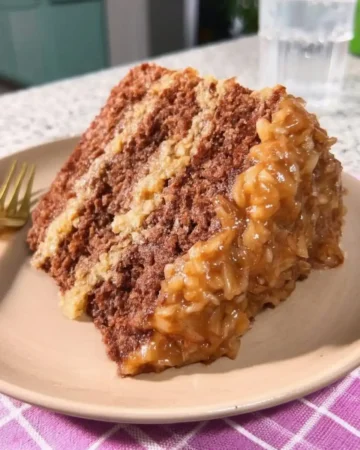
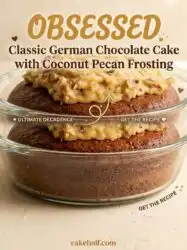
Forget the rule that chocolate cake requires a heavy fudge plaster; a true classic relies on a custard-based coconut pecan canopy.
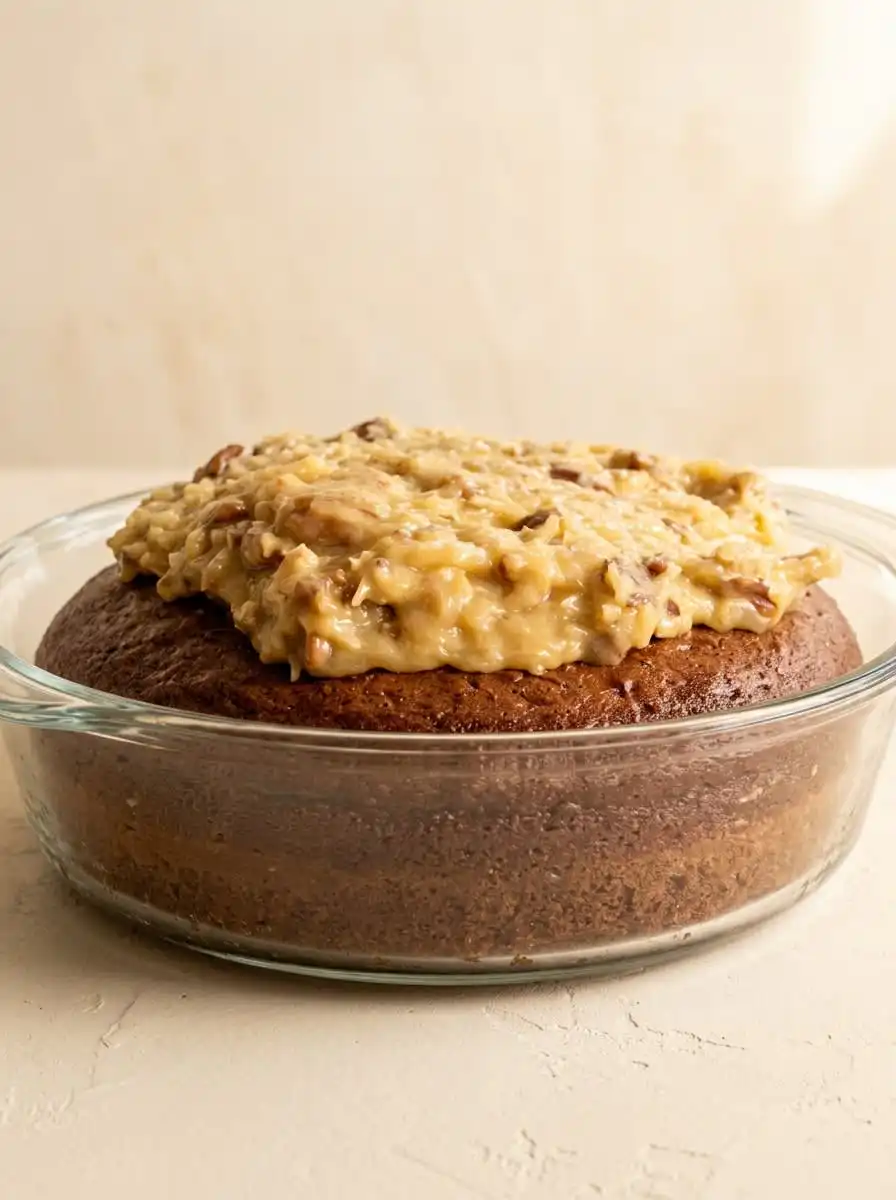
When you build a Classic German Chocolate Cake with Coconut Pecan Frosting, you are not merely frost-coating layers. You are balancing deep, bittersweet cocoa crumb against a warm, buttery, caramelized pecan paste that needs to perform like a structural element. This is why we throw out the standard American buttercream rulebook in favor of a cooked custard technique that transforms simple sugars into deep hazelnut-scented gold. It is precision work that rewards the brave, and the results speak for themselves on every single plate.
Why This Classic German Chocolate Cake with Coconut Pecan Frosting Earns Its Place
Prep: 15 min · Serves: 12 · Difficulty: Medium
- Rich egg yolk custard provides deep caramelized butterscotch undertones.
- Roasted pecans deliver a crucial woody and earthy crunch.
- Sweet flaked coconut creates an incredibly chewy structural framework.
- Small-batch baking techniques guarantee complete texture and quality control.
If you want to master a true german chocolate cake, this is the precise method that turns simple elements into pure pastry science.
Get The Full Cake Recipe
Print
Classic German Chocolate Cake with Coconut Pecan Frosting
- Total Time: 35 mins
- Yield: 12 servings
Description
Experience the timeless harmony of a rich, bittersweet cocoa sponge paired with a luxurious, buttery coconut and pecan custard. This from-scratch recipe delivers a sophisticated balance of textures and deep caramelized flavors that define a true bakery-style masterpiece.
Ingredients
- 1 cup evaporated milk
- 1 cup granulated sugar
- 3 large egg yolks
- 1 teaspoon water
- 1/2 cup margarine
- 1 teaspoon vanilla extract
- 1 cup chopped pecans
- 1 cup flaked coconut
Instructions
- Toast the nuts. Spread pecans and coconut on a baking sheet and bake at 350°F for 8 minutes, stirring halfway through, then set aside to cool.
- Whisk the base. In a cold heavy-bottomed saucepan, whisk together evaporated milk, sugar, egg yolks, and water until perfectly smooth.
- Emulsify the margarine. Add the margarine to the saucepan and cook over low heat, stirring constantly with a silicone spatula until the mixture is fully combined and glossy.
- Cook the custard. Continue cooking and stirring for 12 to 15 minutes until the mixture thickens to the consistency of warm maple syrup and reaches a butterscotch hue.
- Fold in extras. Remove from heat, stir in the vanilla extract, then fold in the toasted pecans and coconut until well incorporated.
- Frost the cake. Spoon the warm frosting onto cooled cake layers, letting it spread naturally to the edges before cooling completely.
Notes
- Ensure the saucepan is heavy-bottomed to prevent scorching the delicate egg-based custard.
- Use a digital kitchen scale to measure the coconut and pecans to maintain the perfect liquid-to-solid ratio.
- Always apply the frosting while it is still warm to ensure it spreads easily without tearing the cake’s delicate crumb.
- If the custard develops tiny egg flecks, strain it through a fine-mesh sieve before adding the nut mixture.
- Store finished cakes with parchment paper against exposed edges to prevent the frosting from developing a dry, leathery skin.
- Prep Time: 15 mins
- Cook Time: 20 mins
- Category: Dessert
- Method: Stovetop Custard
- Cuisine: German-American
What You Actually Need
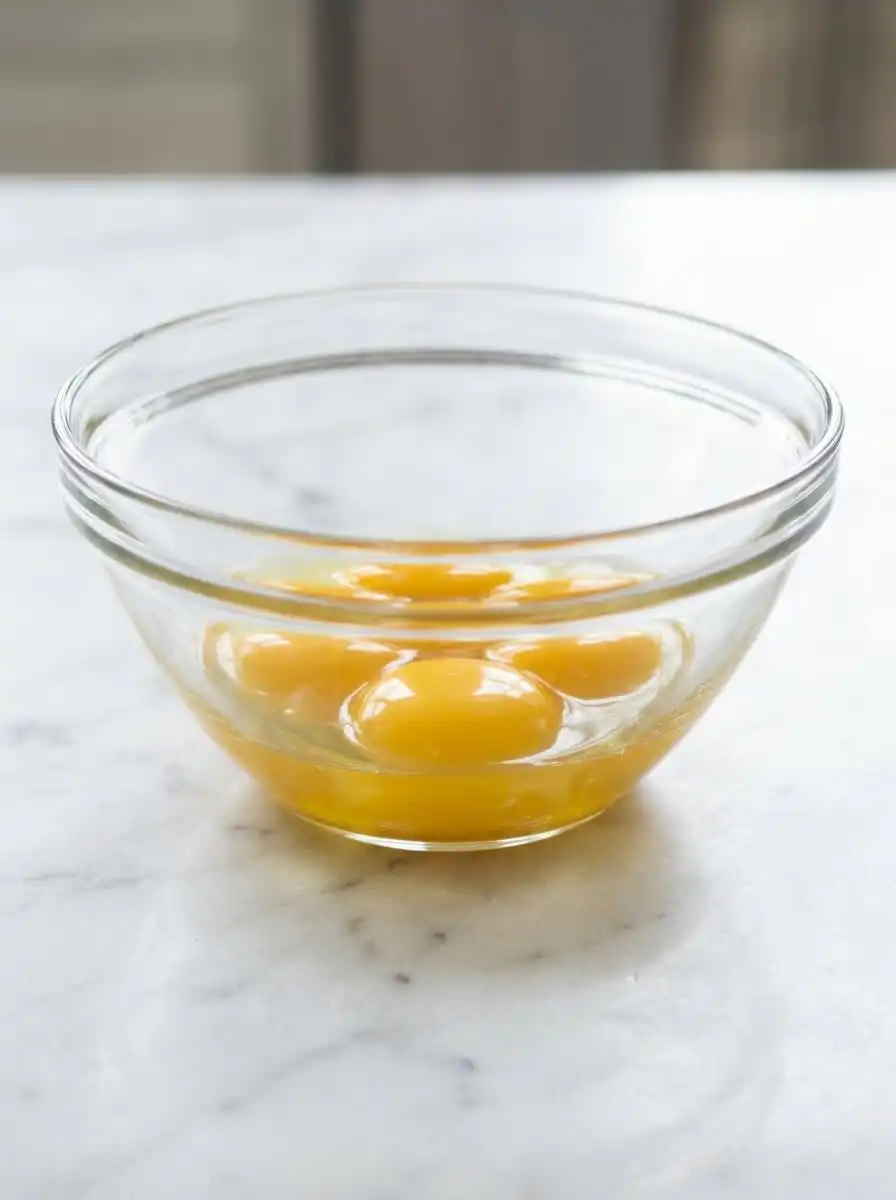
We do not assemble ingredients merely to fill a bowl; each element in this lineup has a chemical job to do. From the protein structure of the egg yolks to the fat profile of the margarine, every piece of this puzzle is selected to balance sweetness and stability. Here is what you need to build a flawless custard canopy for your layers.
- Evaporated Milk: This concentrated dairy provides the liquid foundation without adding excess water, preventing your cooked custard from breaking or weeping.
- Granulated Sugar: It dissolves into the liquid base, caramelizing slightly over heat to build that classic butterscotch background note.
- Egg Yolks: These act as the ultimate emulsifier, binding the fat and liquid together into a velvety, sliceable custard.
- Margarine: This provides a specific melting point and fat structure that keeps the frosting pliable yet sturdy at room temperature.
- Vanilla Extract: It introduces a woody, aromatic contrast that cuts through the intense sweetness of the sugar and coconut.
- Chopped Pecans: These offer a crucial earthy, nutty crunch that breaks up the dense softness of the custard and cake layers.
- Flaked Coconut: This adds a rustic, chewy texture that holds the custard together and guarantees it clings beautifully to the sponge.
| Ingredient | Why It Matters |
|---|---|
| Evaporated Milk | Supplies dense, caramelized dairy solids without the excess water of fresh milk. |
| Egg Yolks | Emulsifies the margarine and sugars into a thick, cohesive custard base. |
| Margarine | Guarantees a stable fat structure that remains soft but holds its shape. |
| Chopped Pecans | Delivers essential structural contrast and deep, roasted wood notes. |
| Flaked Coconut | Provides the chewy framework that binds the sweet custard together. |
How to Make It
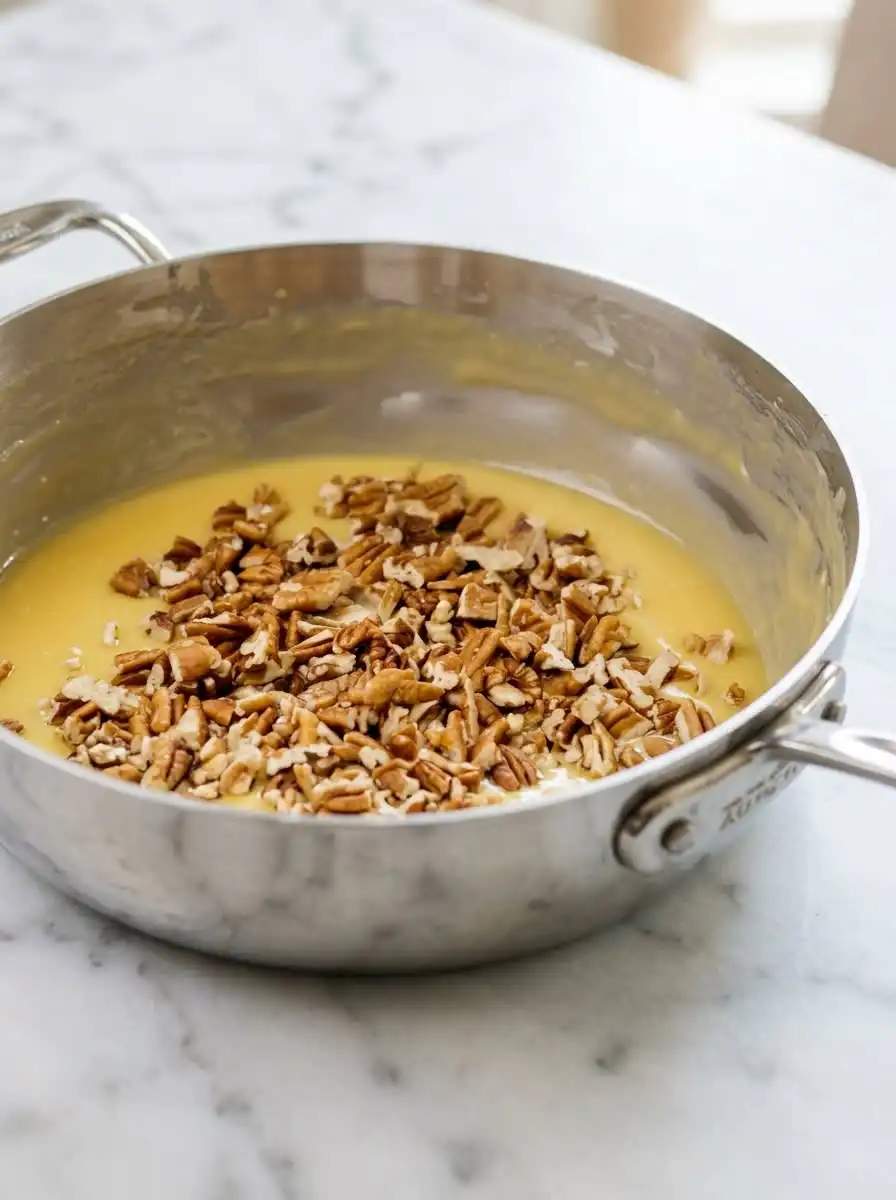
Step 1: Toast the Nuts and Coconut
Spread your raw chopped pecans and flaked coconut in a single layer on a heavy baking sheet. Place them in a preheated oven at three hundred and fifty degrees Fahrenheit for exactly eight minutes, stirring halfway through. Watch for the moment the coconut flakes turn a pale golden brown and the pecans release a warm, woody aroma. Transfer them immediately to a cool plate to prevent the residual heat of the pan from burning the delicate natural oils.
Step 2: Whisk the Liquid Base
In a cold, heavy-bottomed saucepan, combine the evaporated milk, granulated sugar, and the egg yolks beaten with a single teaspoon of water. Whisk these elements vigorously before applying any heat until the mixture is uniform and pale yellow with no visible streaks of egg yolk remaining. The tiny splash of water helps loosen the egg proteins, allowing them to blend fully with the dense sugars. This cold whisking step is your insurance policy against scrambled egg bits in your finished frosting.
Step 3: Melt and Integrate the Margarine
Add the margarine directly to the saucepan and place the vessel over a steady, low heat flame. Do not walk away or turn up the heat; patience is your greatest tool during this phase of the process. As the margarine melts, stir constantly with a heatproof silicone spatula, making sure to scrape the bottom corners of the pan where the mixture tends to collect. You will notice the fat pooling on top at first, but keep stirring until it fully emulsifies into a smooth, glossy golden liquid.
Step 4: Cook to the Sensory Checkpoint
Continue to cook the mixture over low heat, maintaining a constant, rhythmic stirring motion to keep the heat distributed evenly. You are waiting for a specific physical transformation: the liquid will begin to steam, then thicken slowly until it coats the back of your spatula like warm maple syrup. This transition typically takes about twelve to fifteen minutes, resulting in a gentle color shift from pale yellow to a rich, warm butterscotch hue. If you pull it off the heat too early, the custard will run; if you leave it too long, it will curdle.
Step 5: Master the Classic German Chocolate Cake with Coconut Pecan Frosting Finish
Remove the thickened custard base from the heat source immediately to halt the cooking process. Pour in the vanilla extract, then stir in the toasted pecans and flaked coconut, folding them from the bottom up until every flake is coated. The mixture will instantly transform from a smooth sauce into a thick, heavily textured paste that smells intensely of toasted nuts, sweet vanilla, and caramelized sugar. Let this mixture cool slightly in the pan for five minutes so it reaches its ideal, spreadable consistency.
Step 6: Coat the Sponge Layers Warm
Assemble your cooled chocolate cake layers on your decorating stand and prepare to apply the filling while it is still warm to the touch. Spoon a generous portion of the warm frosting onto the center of your first cake layer, gently nudging it to the edges rather than dragging it. The warm frosting will grip the delicate crumb of the chocolate cake without tearing it, sealing in the moisture of the cake itself. Repeat this process for the top layer, letting the rustic, nut-studded canopy cascade slightly over the sides for that signature, natural aesthetic.
Where to Be Precise
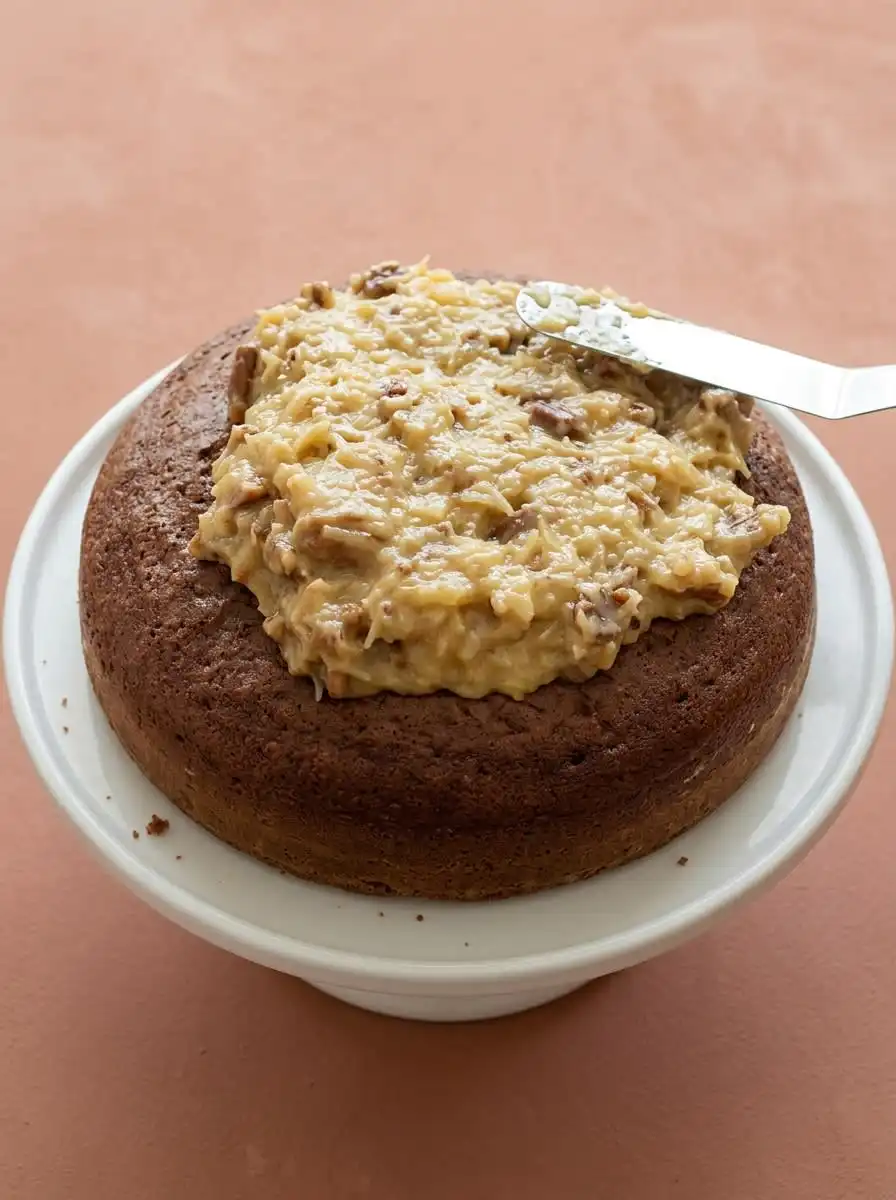
To achieve a velvety custard base, you must control the rate of heat transfer. Always select a heavy-bottomed saucepan, preferably stainless steel or anodized aluminum, because thin pans create hot spots that scorch the egg yolks before the sugar can dissolve. If you are struggling with the classic ratio, referencing a trusted evaporated milk frosting technique can help you visualize the cook times and fluid volumes. If you notice tiny cooked egg flecks in your custard despite your best efforts, do not panic; merely run the warm liquid through a fine-mesh sieve into a clean bowl before adding the coconut and pecans.
The kitchen scale is your ultimate liberation device when measuring coconut and pecans for this recipe. Volume measurements of flaked coconut can vary wildly based on how tightly it is packed into the cup, leading to a frosting that is either too dry or too runny. Weighing your ingredients guarantees that the ratio of liquid custard to solid mix-ins remains faultlessly balanced every single time you bake.
If your frosting turns out runny after cooling, here is why and how to fix it: the custard did not reach the necessary temperature to fully denature the egg proteins and bind the starch. To rescue a loose frosting, place the mixture back into a clean saucepan over low heat and add a slurry of one teaspoon of cornstarch mixed with one tablespoon of evaporated milk. Cook, stirring constantly, for an additional three minutes until the mixture bubbles and thickens to your desired consistency.
Let’s talk about the temperature of your cake layers before you begin the assembly process. While the frosting must be warm to spread easily, your chocolate cake layers must be completely cool, or even slightly chilled in the refrigerator, to maintain their structural integrity. Placing warm, heavy frosting onto warm cake layers will melt the margarine in the custard, causing the layers to slide apart and ruin your beautiful presentation.
For those who want to practice the ideal chocolate cake base, mastering a reliable chocolate cake recipe is the first step toward dessert perfection. The moisture level of your chocolate sponge must complement the sweet chew of the frosting without competing for dominance. A well-balanced cocoa crumb acts as the perfect structural canvas for this rich, caramel-scented topping.
When storing leftovers, always place a piece of parchment paper directly against the exposed sliced surfaces of the cake. This barrier stops the refrigerator’s dry air from drawing moisture out of the chocolate crumb and keeps the custard from forming a tough, leathery skin. Your cake will taste equally fresh on day three as it did the moment you frosted it.
Frequently Asked Questions
What is the difference between German chocolate cake and regular chocolate cake?
The primary difference lies in the chocolate profile and the signature frosting used to finish the layers. Traditional chocolate cakes use unsweetened cocoa powder or dark chocolate for a deep, bitter flavor, and are typically paired with chocolate buttercream. German chocolate cake utilizes a sweet baking chocolate developed by Samuel German, resulting in a milder, sweeter cake that is uniquely paired with a cooked coconut pecan custard.
Does the frosting go inside or just on top?
Traditionally, the rich coconut pecan frosting is spread between the cake layers and over the very top surface, leaving the sides exposed. This style showcases the beautiful visual contrast of the dark chocolate crumb and the golden, textured frosting. However, if you prefer a fully covered cake, you can easily double the frosting recipe to coat the sides, or finish the exterior with a smooth chocolate ganache.
Do I need to toast the coconut and pecans?
While you can use raw ingredients, toasting the pecans and coconut is a non-negotiable step for achieving the best flavor and texture. Toasting coaxes out the natural oils in the nuts and caramelizes the exterior sugars of the coconut, transforming raw sweetness into a complex, nutty depth. This simple process also guarantees that the pecans remain crisp and crunchy inside the moist custard base.
Why is my coconut pecan frosting runny?
Your frosting is likely runny because the custard base was not cooked long enough to allow the egg yolks to thicken properly. The mixture must cook over low heat until it coats the back of a spoon and registers approximately one hundred and eighty degrees Fahrenheit. If it remains loose after cooling, you can gently reheat it and stir in a small cornstarch slurry to help it achieve the proper spreadable consistency.
What is Samuel German’s chocolate?
Samuel German was an American baker who created a sweet baking chocolate for the Baker’s Chocolate Company in the mid-nineteenth century. This chocolate contained more sugar than traditional baking chocolate, designed to make baking easier for home cooks. The cake was named after him, rather than the country of Germany, which is a common misconception among modern bakers.
What can I use instead of evaporated milk?
If you do not have evaporated milk, you can substitute it with equal parts heavy whipping cream or a rich whole milk. However, keep in mind that heavy cream will yield a much richer, denser custard, while whole milk may require a slightly longer cooking time to evaporate the excess water content. Avoid using skim milk or non-dairy milks with high water content, as they will cause the custard to break.
Should the cake be served warm or cold?
This dessert is best enjoyed at room temperature, which allows the cake crumb to remain soft and the custard to stay pliable and creamy. If the cake is served straight from the refrigerator, the fats in both the cake and the frosting will be firm, masking the delicate flavors. If you must store the cake in the cold, allow slices to sit on the counter for twenty minutes before serving.
Does German chocolate cake need to be refrigerated?
Because the frosting contains egg yolks and evaporated milk cooked into a custard, the cake should be refrigerated if you plan to keep it for more than twenty-four hours. Store it in an airtight cake keeper or wrap the sliced surfaces with plastic wrap to prevent the sponge from drying out. When properly stored in the refrigerator, this cake will remain incredibly fresh and delicious for up to five days.
Rebel Swaps
If you want to introduce a subtle, sophisticated twist to this classic profile, try swapping the standard vanilla extract for a dark, oak-aged bourbon or a splash of spiced rum. This simple liquid substitution cuts through the intense sweetness of the sugar and coconut, adding a complex warmth that pairs beautifully with the bitter undertones of the chocolate cake. You do not need to alter the cooking time; stir the spirits in at the very end of the process, in the same manner as you would with the vanilla.
Another excellent classic adjustment is to substitute half of the pecans with toasted black walnuts or hazelnuts. Black walnuts offer an earthy, slightly wild flavor profile that contrasts sharply with the sweet custard, while hazelnuts bring a buttery refinement that echoes the toasted notes of the coconut. Make sure you roast these alternative nuts just as carefully as the pecans to release their essential oils and maximize their crunch.
For bakers who prefer a lighter chocolate base, you can pair this spectacular cooked frosting with a rich, yellow cake instead of the traditional cocoa sponge. This combination creates a stunning visual contrast and a completely different flavor dynamic, letting the caramel custard take center stage. To master this alternative combination, you can follow our guide for a yellow cake chocolate frosting layout, which explains how to balance yellow cake layers with rich fillings.
How to Finish and Serve
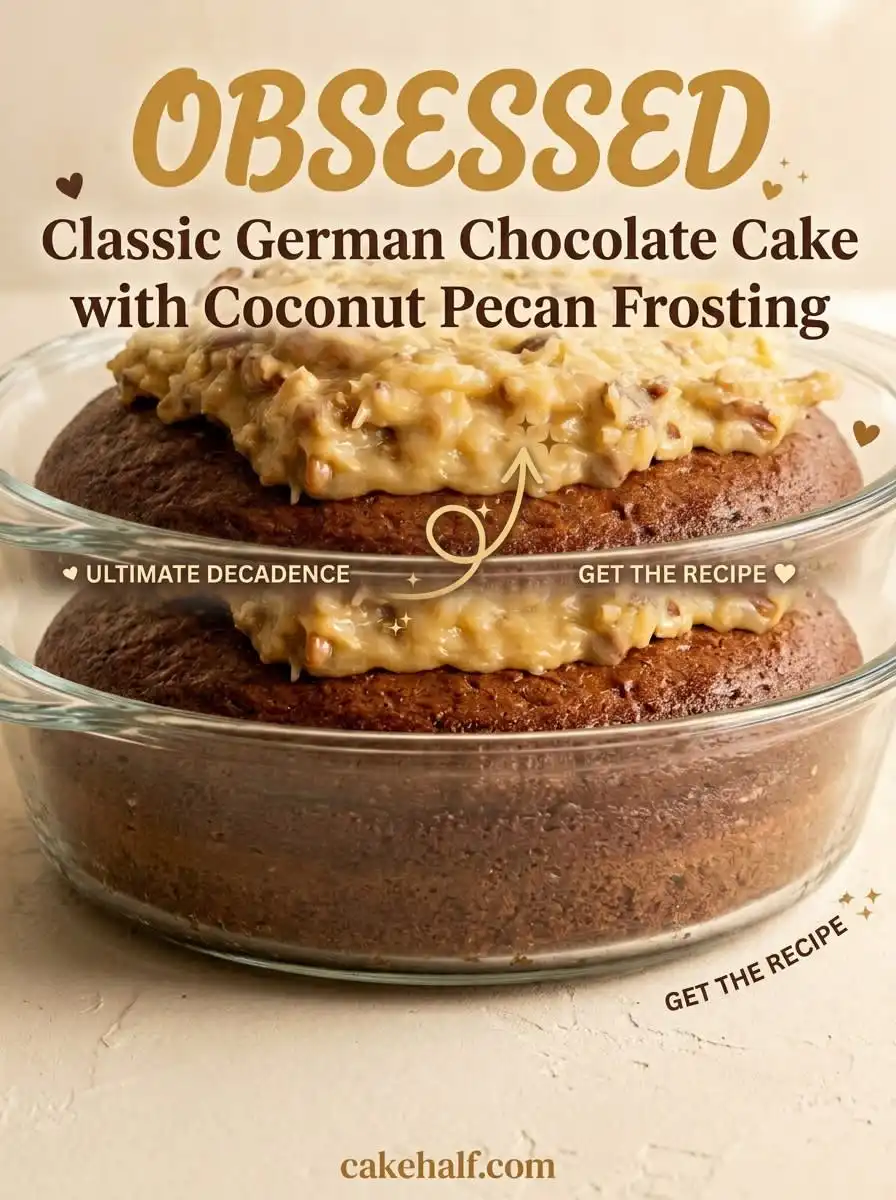
To present this magnificent creation in a way that does justice to its rich heritage, place the finished cake on an elevated glass stand. The rustic, golden-brown texture of the coconut pecan frosting contrasts beautifully with a clean, minimalist backdrop, making it a stunning centerpiece for any celebratory table. Before you make your first cut, confirm you have a long, sharp chef’s knife and a pitcher of hot water nearby. Dipping the knife into hot water and wiping it clean between slices is the secret to cutting clean, beautiful portions without dragging the sticky frosting through the soft chocolate layers.
Pairing this rich dessert with the right beverage can transform the entire tasting experience. A cup of dark, pour-over coffee or a bitter espresso provides an excellent counterpoint to the intense sweetness of the caramelized custard. If you prefer to serve this cake during an evening gathering, consider offering a glass of dark porter beer or a smooth tawny port, both of which share the deep, roasted notes found in the chocolate and pecans.
For those times when you want a simpler preparation that still delivers incredible flavor, consider baking this recipe as a single-layer sheet cake instead of a multi-tiered masterpiece. This casual approach is perfect for family gatherings or outdoor picnics where delicate layers might be difficult to transport. To achieve a similar balance of rich flavor with less assembly effort, you can use our easy chocolate cake guide to create a simple, single-pan base that carries this decadent cooked frosting beautifully.
The Takeaway
Mastering this classic dessert is a rite of passage for any ambitious home baker who wants to move beyond simple box mixes and canned frostings. By taking the time to cook a real egg-yolk custard and toast your own nuts, you are preserving a tradition of meticulous, from-scratch baking. The reward is a cake that tastes of genuine caramel, rich cocoa, and toasted wood—a combination that modern shortcut recipes cannot hope to duplicate.
If you are ready to expand your baking repertoire even further, you should try our classic homemade chocolate cake to practice different crumb structures and cocoa balances. Every recipe you try is another opportunity to hone your instincts, build your confidence, and surprise the people around your table. Remember that the recipe is merely your roadmap; your attention to detail and willingness to watch for the sensory cues are what truly bring it to life.
We would love to see how your beautiful creation turns out, so please share your baking triumphs and kitchen experiments with our community. Connect with us on Pinterest, follow our behind-the-scenes testing on Facebook, or watch our quick step-by-step video tutorials on TikTok. Let us know in the comments how your custard behaved and which creative variations you decided to explore.