When the golden August sun grew heavy in the sky, Grandma would clear her worn wooden table to prepare her treasured summer desserts.

This Classic Mango Mousse Cake is a testament to those quiet afternoons when we gathered on the porch. The delicate sponge layer cradles a cloud-soft mousse that carries the deep, natural sweetness of golden mangoes. Every spoonful feels like a cool breeze on a humid day, preserving the fleeting warmth of the harvest season in a gentle, creamy crumb. It remains a beautiful way to mark late summer celebrations.
A Bite of Pure Nostalgia: Classic Mango Mousse Cake
Prep: 40 min · Serves: 10 · Difficulty: Medium
- Delicate sponge base absorbs the light fruit syrup.
- Velvety mousse layer melts gently on the tongue.
- Golden gel topping provides a bright, glossy finish.
- Traditional methods honor the natural flavor of fruit.
- Simple ingredients create an elegant celebration centerpiece.
This is the cake my family gathers for every harvest season. We keep these traditional techniques alive because they connect us to a simpler time when baking was an act of quiet devotion. Many of our favorite Classic Recipes require this kind of patience, yielding results that far surpass modern shortcuts.
Get The Full Cake Recipe
Print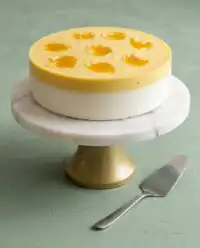
Classic Mango Mousse Cake
- Total Time: 9 hours 5 mins
- Yield: 10 servings
- Diet: Vegetarian
Description
This elegant Mango Mousse Cake features a delicate, airy sponge base topped with a velvety, cloud-soft mango mousse and a glossy golden fruit glaze. Perfect for late summer celebrations, this traditional dessert balances tropical sweetness with a light, melt-in-the-mouth texture.
Ingredients
- 1 cup all-purpose flour
- 1 teaspoon baking powder
- 4 large eggs, room temperature
- 1 cup granulated sugar
- 1 cup heavy cream
- 2 cups mango puree
- 2 tablespoons unflavored gelatin powder
- 1/4 cup water
- 1/4 cup sugar (for syrup)
- 1/4 cup water (for syrup)
Instructions
- Prepare the oven. Preheat to 350°F (175°C) and line an eight-inch springform pan with parchment paper.
- Beat egg mixture. Whisk eggs and sugar for 7-10 minutes until pale and thick ribbons form.
- Fold in flour. Gently sift and fold in flour and baking powder in three additions to keep the batter airy.
- Bake the sponge. Pour into the pan and bake for 20-25 minutes until golden and a toothpick comes out clean.
- Prepare sugar syrup. Boil sugar and water until clear; brush the cooled syrup over the baked sponge cake.
- Whip the cream. Beat heavy cream until stiff peaks form and fold gently into one cup of mango puree.
- Bloom the gelatin. Sprinkle gelatin over cool water, let soften, then microwave for 15 seconds until clear.
- Assemble the mousse. Temper gelatin with a small amount of mango cream before folding into the main mixture; pour over cake and chill for 8 hours.
- Create mango topping. Mix remaining mango puree with dissolved gelatin and pour over the set mousse.
- Chill and serve. Refrigerate for 2-4 hours until firm, then run a warm towel around the pan to unmold the cake.
Notes
- Ensure eggs are at room temperature to achieve the maximum volume for the sponge base.
- Always temper your gelatin mixture with a small amount of base before fully incorporating to prevent rubbery lumps.
- Use a hot, damp cloth wrapped around the springform pan to ensure the cake unmolds cleanly without damaging the sides.
- For the best flavor, use canned Kesar mango pulp for a consistent, deep golden color and honey-like sweetness.
- Dip your knife in hot water and wipe dry between each cut to get perfectly smooth edges on the mousse layers.
- Prep Time: 40 mins
- Cook Time: 25 mins
- Category: Dessert
- Method: Baking
- Cuisine: Continental
What You’ll Need
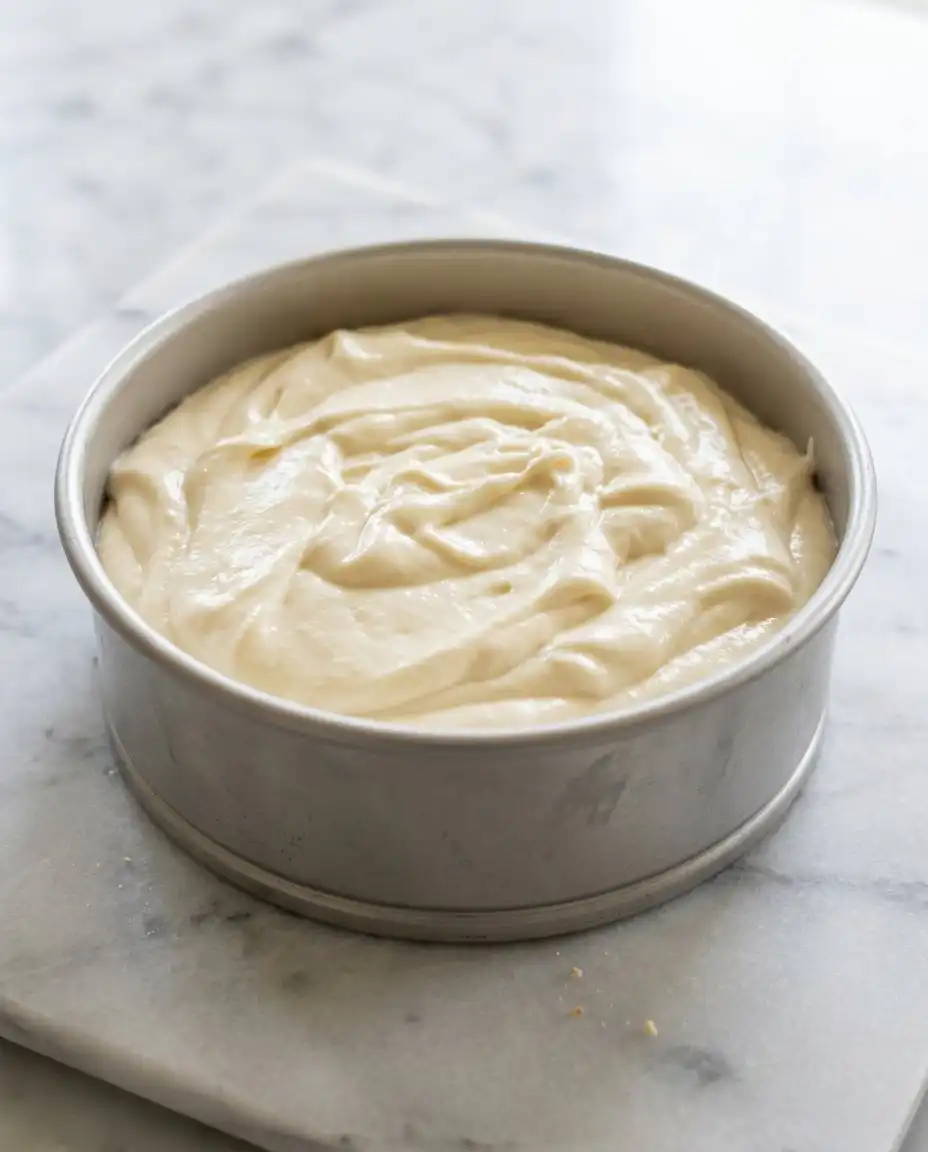
We begin by gathering humble staples from the kitchen shelf. Standard pantry items join with ripe, golden fruit to create a dessert that is both light and satisfying. Taking the time to select high-quality ingredients makes a noticeable difference in the final texture.
- All-purpose flour: This provides the gentle structure needed for our delicate sponge cake base without making it heavy.
- Heavy cream: When whipped to soft peaks, it gives the mousse its cloud-like lightness and creamy mouthfeel.
- Mango puree: We use canned Kesar mango pulp for its deep, honey-like sweetness and rich golden hue.
- Unflavored gelatin: This traditional setting agent gives our mousse layers their stable, clean-slicing texture.
- Granulated sugar: It sweetens the sponge and balances the natural tang of the tropical fruit.
| Ingredient | Why It Matters |
|---|---|
| All-purpose flour | Builds the soft sponge foundation |
| Heavy cream | Creates the airy, velvety mousse texture |
| Mango puree | Delivers rich, authentic tropical flavor |
| Gelatin powder | Sets the layers with elegant precision |
| Granulated sugar | Balances the acidity of the fruit |
Step by Step in Teresa’s Kitchen
Step 1: Prepare the Cake Pan and Pre-heat the Oven
Begin by heating your oven to 350 degrees Fahrenheit (175 degrees Celsius) to make sure you get a steady, gentle bake. Grease the bottom of an eight-inch round springform cake pan, lining it carefully with a circle of parchment paper. This layer of paper guarantees that your delicate sponge will release cleanly without tearing. Set the prepared pan aside on your counter where it is ready to receive the batter.
Step 2: Beat the Eggs and Sugar to the Ribbon Stage
In the clean glass bowl of your stand mixer, crack the room-temperature eggs and beat them for a full minute until they become pale and foamy. Gradually add the granulated sugar in a slow, steady stream while the mixer runs on medium-high speed. Continue beating for about seven to ten minutes until the mixture triples in volume and turns a pale cream color. When you lift the beater, the batter should fall back in thick ribbons that remain visible on the surface for several seconds before slowly sinking.
Step 3: Fold in the Sifted Flour Gently
Sift your all-purpose flour and baking powder together through a fine-mesh sieve onto a piece of parchment paper. Gently shake a third of this flour mixture over your beaten egg batter, using a wide rubber spatula to fold it in with slow, circular motions. Reach all the way to the bottom of the bowl to make sure no dry pockets of flour remain hidden. Repeat this gentle folding process with the remaining flour in two more additions, keeping as much precious air in the batter as possible.
Step 4: Bake the Sponge for Your Classic Mango Mousse Cake
Pour the airy batter into your lined cake pan, letting it settle naturally into an even layer. Bake in the center of your oven for twenty to twenty-five minutes, watching for the top to turn a beautiful pale gold. Insert a thin wooden toothpick into the center to confirm it emerges clean and dry. Let the pan rest on a wire rack for ten minutes before gently running a butter knife around the edge and unmolding the cake.
Step 5: Prepare the Golden Sugar Syrup
While the sponge cake cools, combine the sugar and water in a small, heavy saucepan. Bring the mixture to a gentle boil over medium heat, stirring occasionally until the sugar crystals dissolve completely and the liquid becomes clear. Remove the saucepan from the heat immediately and pour the syrup into a small glass jar to cool. Brush a portion of this sweet syrup over the top of your cooled sponge cake to keep the crumb wonderfully soft and moist.
Step 6: Measure and Whip the Cream and Combine with Mango
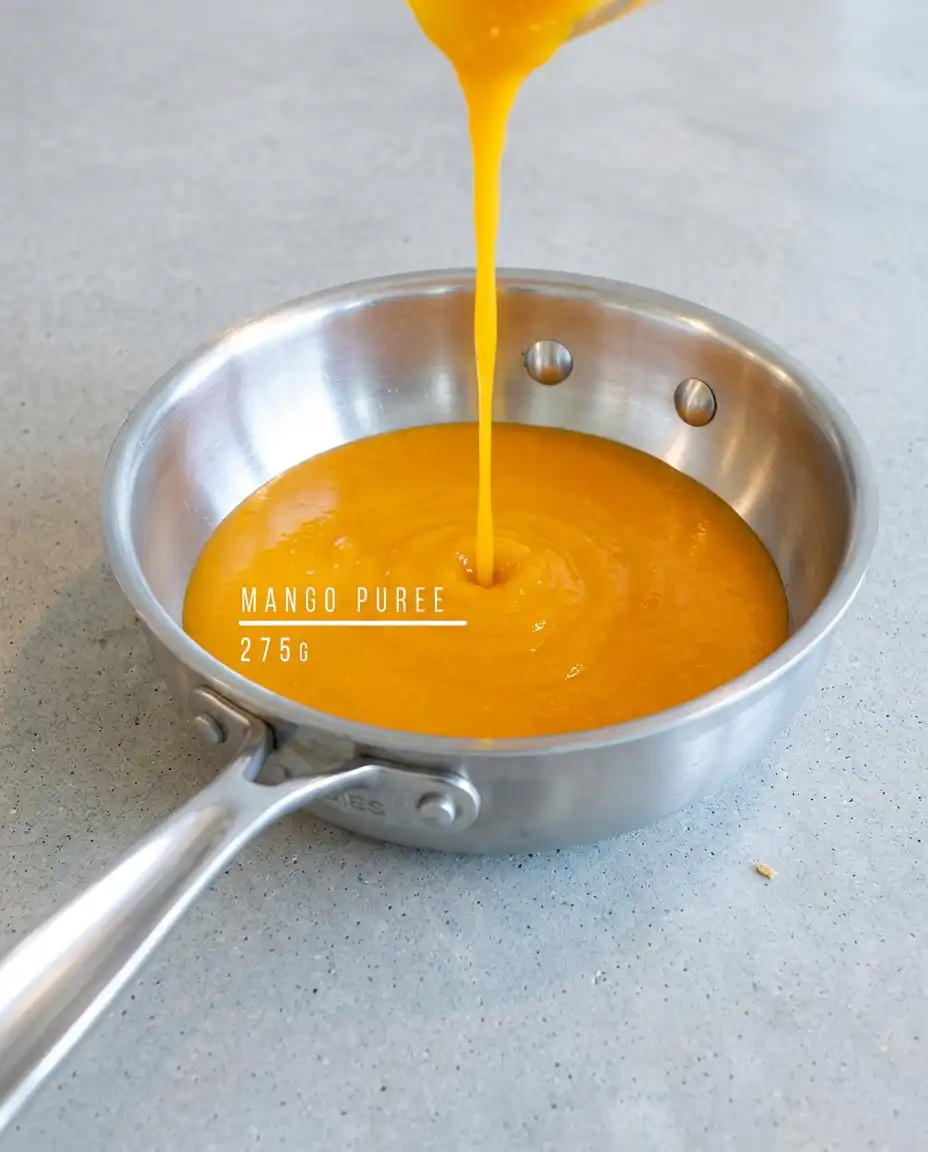
Pour the cold heavy cream and icing sugar into a chilled mixing bowl. Beat the cream until stiff peaks form, watching closely so you do not over-mix and turn the cream into butter. In a separate large bowl, measure out your golden mango puree. Use a rubber spatula to fold the whipped cream into the fruit puree in three gentle additions until the mixture shows a uniform, sunny yellow color.
Step 7: Measure and Heat the Unflavored Gelatin
Measure fifty milliliters of cool water into a small, heat-safe ramekin. Sprinkle the unflavored gelatin powder evenly across the surface of the water, allowing it to sit undisturbed for a minute to bloom and soften. Heat the ramekin in your microwave for fifteen seconds, then stir until the mixture is clear and fully liquefied. Let it cool on the counter for a few minutes so it is warm but no longer hot to the touch.
Step 8: Temper the Gelatin and Assemble the Mousse
Scoop about a quarter-cup of your whipped mango cream into a small bowl. Slowly pour the warm gelatin liquid into this small portion while stirring vigorously with a fork to combine them smoothly. Quickly fold this tempered mixture back into the main bowl of mango cream, stirring thoroughly to prevent any rubbery gelatin threads from forming. Pour the velvety mousse over the sponge cake in your springform pan, smoothing the surface with an offset spatula before placing it in the refrigerator to set for eight hours.
Step 9: Prepare the Smooth Mango Gel Topping
Combine your remaining cup of mango puree with the sugar in a medium bowl, tasting to make sure it is pleasantly sweet. Bloom the second portion of gelatin powder in seven teaspoons of cool water, letting it soften for a minute before warming it in the microwave for ten seconds. Temper this gelatin by stirring a small spoonful of the sweet mango mixture into it, then stir it back into the main bowl of mango puree. This process makes sure that your top layer will set into a smooth, clear mirror.
Step 10: Apply the Glaze and Chill to Finish
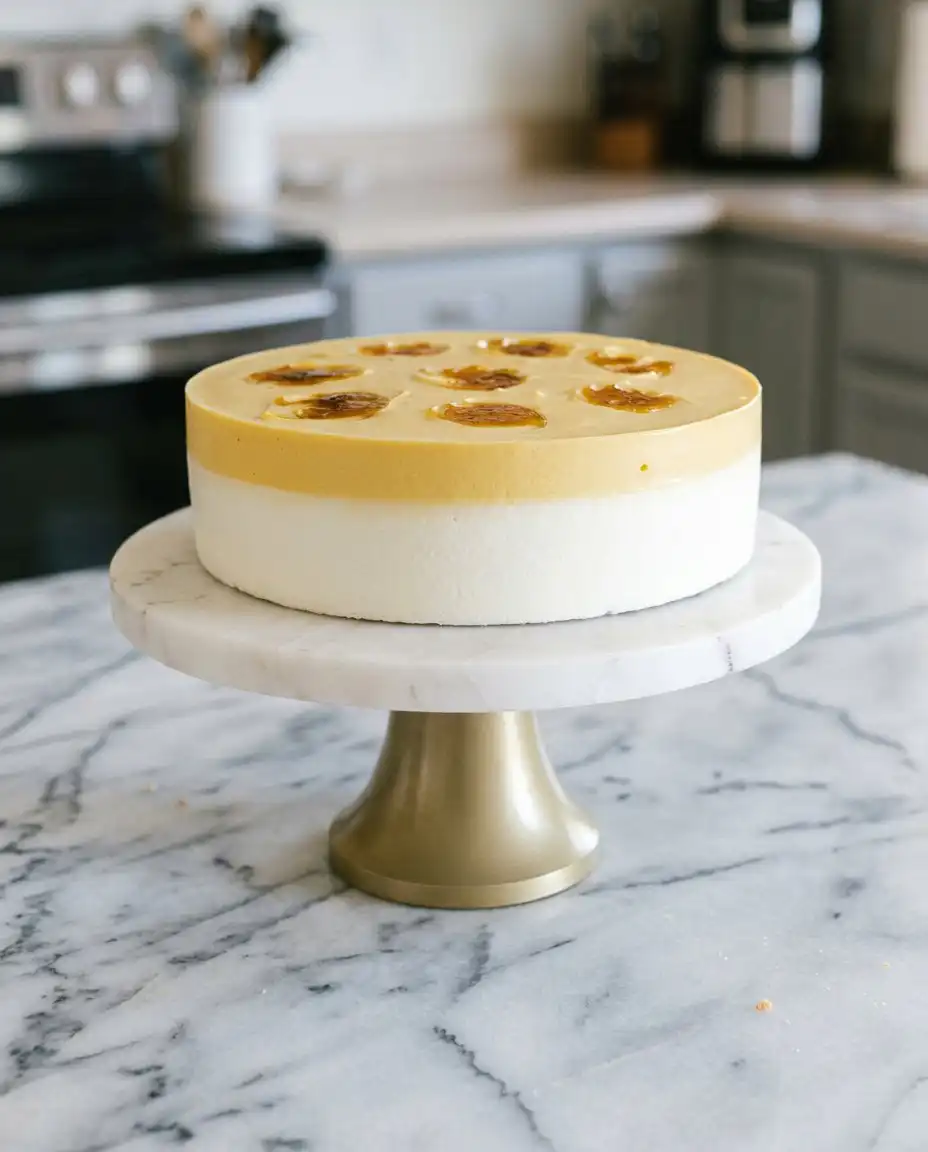
Gently pour the prepared mango gel over the set mousse layer, tilting the springform pan slowly to distribute the glaze evenly across the entire surface. Return the cake to the refrigerator for an additional two to four hours until the top layer is firm and cold. When you are ready to serve, run a warm, damp towel around the outside of the springform ring before releasing the latch. This gentle heat releases the sides cleanly, revealing the beautiful, distinct golden layers of your creation.
Secrets from the Recipe Box
For the most delicate crumb, always make sure your eggs are at room temperature before you begin beating them. Cold eggs cannot hold the tiny air bubbles required to lift a traditional sponge cake without heavy leavening agents. If you forget to set your eggs out beforehand, place them in a bowl of warm water for ten minutes to take the chill off.
When folding the flour into your whipped eggs, work with a slow, deliberate hand. Aggressive stirring will deflate the batter, resulting in a thin, rubbery cake base rather than an airy sponge. Use a rubber spatula to sweep down the side of the bowl, slide across the bottom, and fold the batter over itself.
If your gelatin begins to clump or form rubbery strings when added to the mousse, it is because the gelatin was too hot or the whipped cream was too cold. To prevent this issue, you must temper the gelatin by mixing it with a small amount of the whipped cream first. This lowers the temperature of the gelatin slowly, making sure it integrates smoothly into the rest of the mixture. This step is a cornerstone of how to successfully set gelatin in fruit desserts without ruinous lumps.
Choosing the right mango puree is key to achieving a deep, traditional flavor without relying on artificial colorings. Canned Kesar mango pulp offers a rich sweetness and a beautiful orange-gold color that fresh mangoes often cannot match. If you must use fresh fruit, make sure they are thoroughly ripe, blend them until perfectly smooth, and pass the puree through a fine sieve to remove any stringy fibers.
To achieve a clean slice, dip your long chef’s knife into a tall pitcher of hot water before each cut. Wipe the blade dry with a clean kitchen towel, make one swift slice through the cake, and wipe the blade clean again. This extra step prevents the creamy mousse layer from smudging onto the sponge or the glossy gel topping.
Should your cake ring be difficult to remove, do not force it or pull it away quickly. Wrap a kitchen towel soaked in hot water around the outside of the springform pan for thirty seconds. The gentle heat will slightly soften the outer edge of the mousse, allowing the ring to slide upward effortlessly. To make sure you can easily move your finished creation to a serving platter, visit our guide on Celebration Cakes for reliable assembly techniques.
Frequently Asked Questions
Can I use fresh mangoes instead of canned pulp?
Yes, you can use fresh mangoes, but you must confirm they are fully ripe and free of fibrous strings. Blend the fresh fruit until completely smooth, then press the puree through a fine-mesh sieve to remove any remaining pulp fibers. You may also need to adjust the amount of sugar, as fresh mangoes can vary in sweetness compared to consistent canned pulp.
Why did my gelatin form lumps in the mousse layer?
Gelatin forms rubbery lumps when it is poured directly into cold cream without being properly tempered first. When warm gelatin hits cold whipped cream, it solidifies instantly, creating small, tough pieces. To avoid this, always stir a small portion of the cream into the warm gelatin before folding it back into the main bowl.
How long does this cake keep in the refrigerator?
This cake will keep beautifully in the refrigerator for up to three to four days. Keep it stored in your springform pan or under a cake dome to prevent the delicate mousse from absorbing other refrigerator odors. The flavor actually deepens slightly after the first day, making it an excellent dessert to prepare in advance.
Is it possible to freeze this mango mousse cake for later?
While you can freeze the cake, the texture of the gelatin-set mousse and gel layers may change slightly upon thawing. The gel topping can become somewhat watery, and the mousse may lose its characteristic cloud-like lightness. If you must freeze it, thaw it slowly in the refrigerator overnight before serving.
Why did my sponge cake turn out dense instead of airy?
A dense sponge cake is usually the result of over-mixing the batter after the flour has been added. The eggs provide all the lift for this cake, so folding the flour gently with a spatula is critical. If you stir the batter too vigorously, you will deflate the whipped eggs and lose the precious air bubbles.
What is the best way to slice this cake cleanly?
Using a sharp chef’s knife dipped in hot water is the best way to slice this cake cleanly. Wipe the blade dry before making each cut, and clean it completely between slices. This method prevents the mousse and gel layers from blending and tearing as you slice.
What should I do if my gel layer does not set?
If the gel layer remains runny after several hours, the gelatin may not have been heated sufficiently to activate its setting properties. You can gently scrape the topping off, melt it down with a pinch of extra bloomed gelatin, and pour it back over the cake. Make sure the gelatin is completely dissolved in warm water before combining.
Classic Variations
For a delicate floral note, you can add a tiny splash of rosewater to your mango puree. This combination is a classic pairing in traditional heritage baking, offering a gentle fragrance that complements the tropical sweetness of the fruit. Be careful to use only a few drops, as too much rosewater can easily overpower the delicate flavor of the cream.
During the autumn months, you can swap the sponge cake base for a spiced cookie crust. Crushed ginger snaps mixed with a tablespoon of melted butter provide a warm, aromatic base that contrasts beautifully with the cool mousse. This variation is wonderful for holiday gatherings when you want a hint of spice.
You can cut small rounds of the sponge cake to fit the bottom of glass jars if you prefer individual portions. Arrange the cake rounds in the glasses, drizzle them with syrup, and pipe the mango mousse directly on top. For more inspiration on adapting heritage recipes into smaller portions, look through our collection of Modern & Mini desserts.
Sitting Down Together
This elegant cake is best served on a quiet Sunday afternoon when there is plenty of time to linger around the table. Arrange thin slices of the cake on your grandmother’s old china plates, allowing the rich golden colors to stand out against the delicate patterns. A simple silver dessert fork is all that is needed to enjoy the soft, melting layers of this dessert.
To complement the rich, tropical sweetness of the mango, serve each slice alongside a cup of hot black tea. The slight bitterness of a traditional Earl Grey or English Breakfast tea balances the creaminess of the mousse beautifully. For a refreshing summer gathering, you might also pair it with cold water infused with fresh mint leaves.
If you are hosting a larger family gathering, this cake makes a stunning centerpiece on a wooden pedestal stand. Surround the base of the stand with small, fresh green leaves or edible flowers to emphasize the natural beauty of the fruit. To discover more ways to share light, seasonal treats with those you love, browse our full selection of Fruit & Fresh recipes.
Before You Close the Recipe Box
Baking is more than just combining ingredients; it is a way to preserve the warmth of seasons past and share them with the people we cherish. This dessert brings the bright, golden flavor of late summer into our kitchens, offering a moment of quiet sweetness in every slice. I hope this recipe finds a special place in your home, bringing comfort and joy to your family table.
As you prepare this cake, remember to take your time and enjoy the gentle process of folding, whipping, and waiting. The old ways of baking teach us that the best things in life require patience and care. If you find yourself craving something rich and comforting during the colder months, look through our rich Chocolate Indulgence collection for your next baking weekend.
We would love to see your beautiful creations and hear about the memories you make around your table. Please share your baking journey with us and connect with our community of home bakers on Pinterest, Facebook, and TikTok. Until we meet again in the kitchen, keep your flour-dusted apron close and your oven warm.