The foundational technique of dry layering requires a precise understanding of how moisture moves through starch to create a unified crust without the mechanical aeration of traditional mixing.
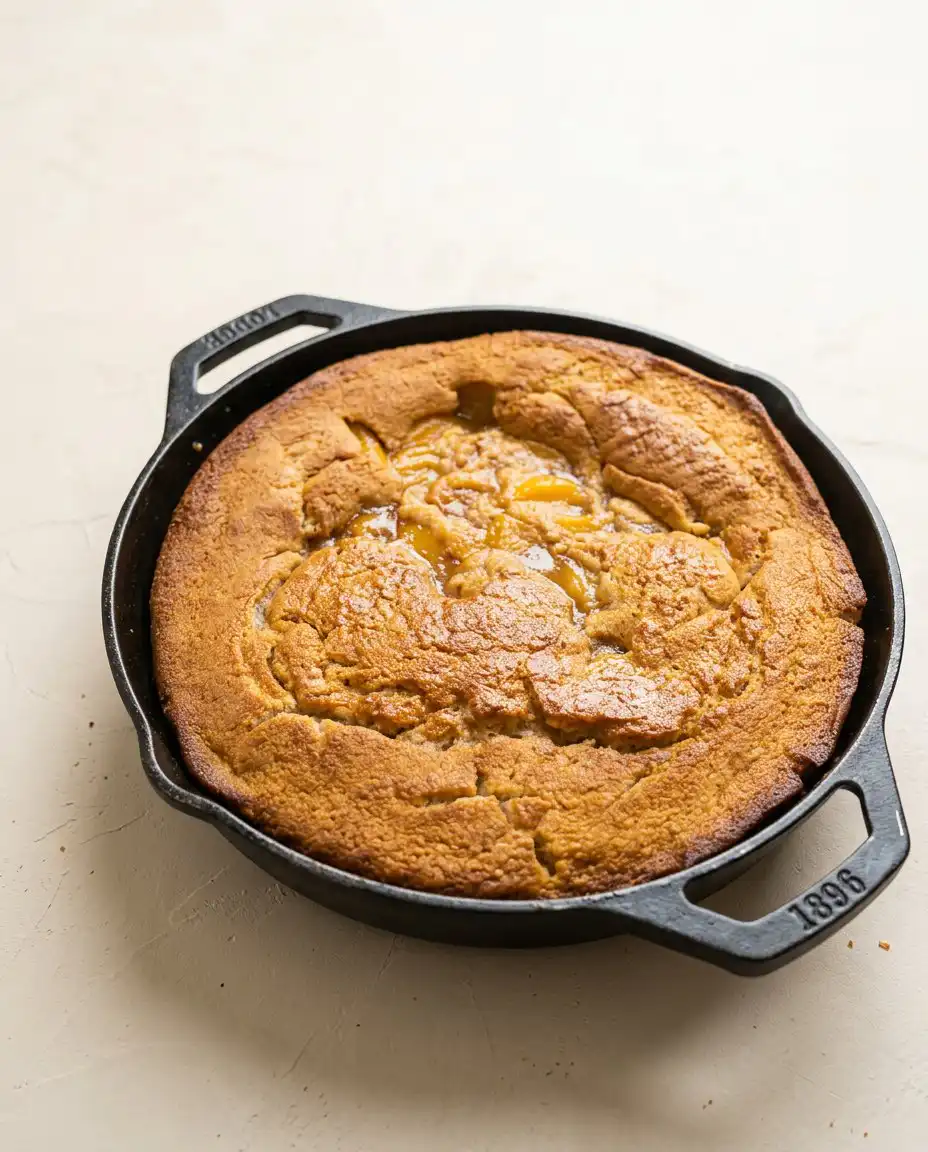
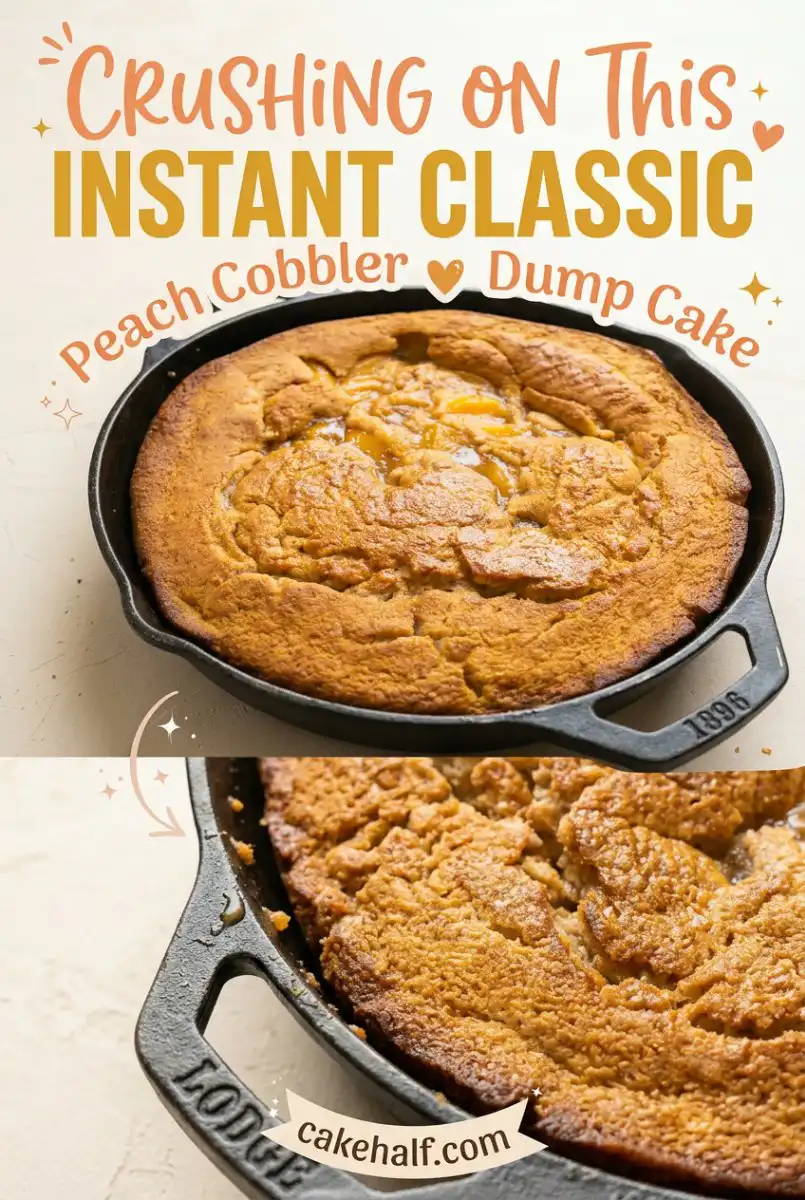
The Classic Peach Cobbler Dump Cake is a study in restrained effort yielding substantial rewards. By layering ingredients rather than incorporating them, you allow the thermal energy of the oven to perform the work of a pastry blender. This results in a texture that oscillates between a soft, fruit-soaked pudding and a crisp, buttery biscuit that captures the essence of a late-summer harvest. You will find that when this Classic Peach Cobbler Dump Cake is executed with care, it transcends its humble method to become a centerpiece of refined comfort.
Why This Classic Peach Cobbler Dump Cake Rewards Attention
Prep: 10 min · Serves: 24 · Difficulty: Easy
- Achieve a crisp texture without traditional mixing.
- Balance syrup sweetness with warm, woody cinnamon.
- Master the science of dry-layer baking techniques.
- Provide a reliable dessert for large gatherings.
- Produce consistent results through thermal precision.
Precision is not a constraint; it is the freedom to repeat success, and this peach dump cake demonstrates that truth perfectly. This is the reliable standard that earns its place on your table every autumn evening.
Get The Full Cake Recipe
Print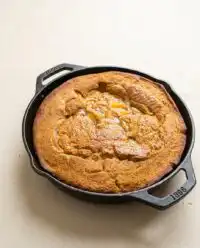
Classic Peach Cobbler Dump Cake
- Total Time: 55 mins
- Yield: 24 servings
Description
This classic dump cake features a luscious base of canned peaches in syrup topped with a golden, buttery biscuit-like crust. It is a masterclass in effortless baking, requiring minimal preparation to deliver a comforting and reliable dessert for any occasion.
Ingredients
- 2 cans (15 oz each) sliced peaches in heavy syrup
- 1 box (15.25 oz) yellow cake mix
- 1/2 cup (1 stick) unsalted butter, cold and thinly sliced
- 1 teaspoon ground cinnamon
Instructions
- Preheat the oven. Set your oven to 375 degrees F and ensure a 9×13-inch baking dish is ready for assembly.
- Layer the peaches. Pour both cans of peaches, including the heavy syrup, into the baking dish and spread them into a single even layer.
- Add dry mix. Sprinkle the dry yellow cake mix evenly over the peaches, using a spatula to press it down gently into the syrup.
- Distribute the butter. Arrange the thinly sliced cold butter pieces across the entire surface of the cake mix to ensure uniform melting.
- Season and bake. Dust the top with ground cinnamon and bake for 45 minutes until the fruit is bubbling and the topping is deep golden brown.
- Rest before serving. Allow the cobbler to set for 15 minutes to let the juices thicken before serving warm.
Notes
- Use glass or ceramic bakeware for more even heat distribution and a better fruit texture.
- For a perfectly even crust, grate your cold butter directly over the cake mix instead of slicing it.
- If the topping browns faster than the fruit bubbles, loosely tent the dish with aluminum foil.
- Always allow the cobbler to rest after baking to ensure the syrup thickens for an ideal serving consistency.
- Prep Time: 10 mins
- Cook Time: 45 mins
- Category: Dessert
- Method: Baking
- Cuisine: American
The Mise en Place
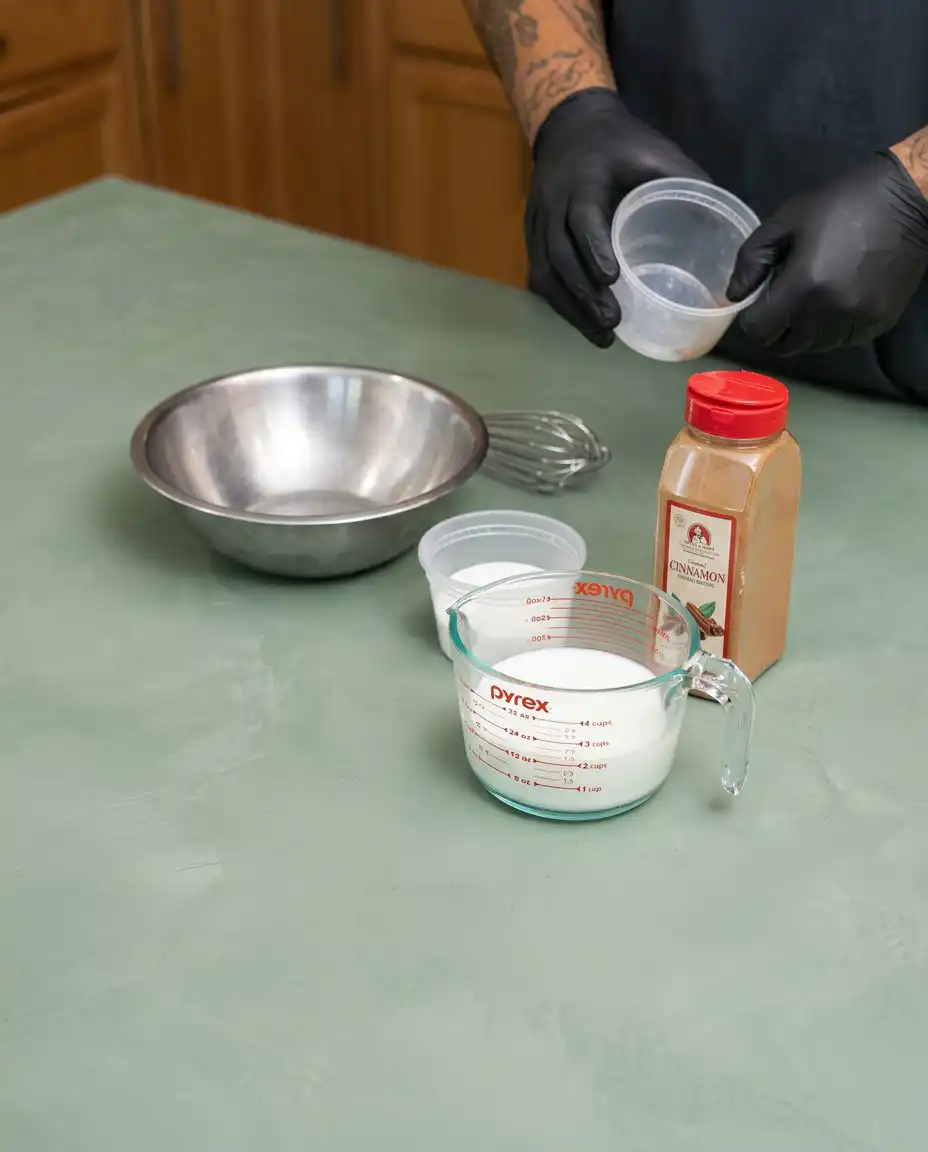
Before you begin, verify that every ingredient is weighed and positioned for immediate use. The temperature of your butter and the consistency of the syrup are the two variables that will determine the structural integrity of the final crumb.
- Canned Peaches in Heavy Syrup: These provide the necessary moisture and sweetness to hydrate the dry mix from below.
- Yellow Cake Mix: This serves as the structural foundation, containing the leavening and flour required for the crust.
- Unsalted Butter: The fat content here is non-negotiable, as it creates the Maillard reaction necessary for a golden finish.
- Ground Cinnamon: This spice adds a classical depth that cuts through the sugar of the preserved fruit.
| Ingredient | Why It Matters |
|---|---|
| Peaches in Syrup | Provides the hydration and base flavor profile |
| Yellow Cake Mix | Acts as the starch and leavening source |
| Cold Butter | Creates a flaky, biscuit-like upper texture |
| Cinnamon | Offers aromatic complexity to the fruit base |
The Technique Laid Out
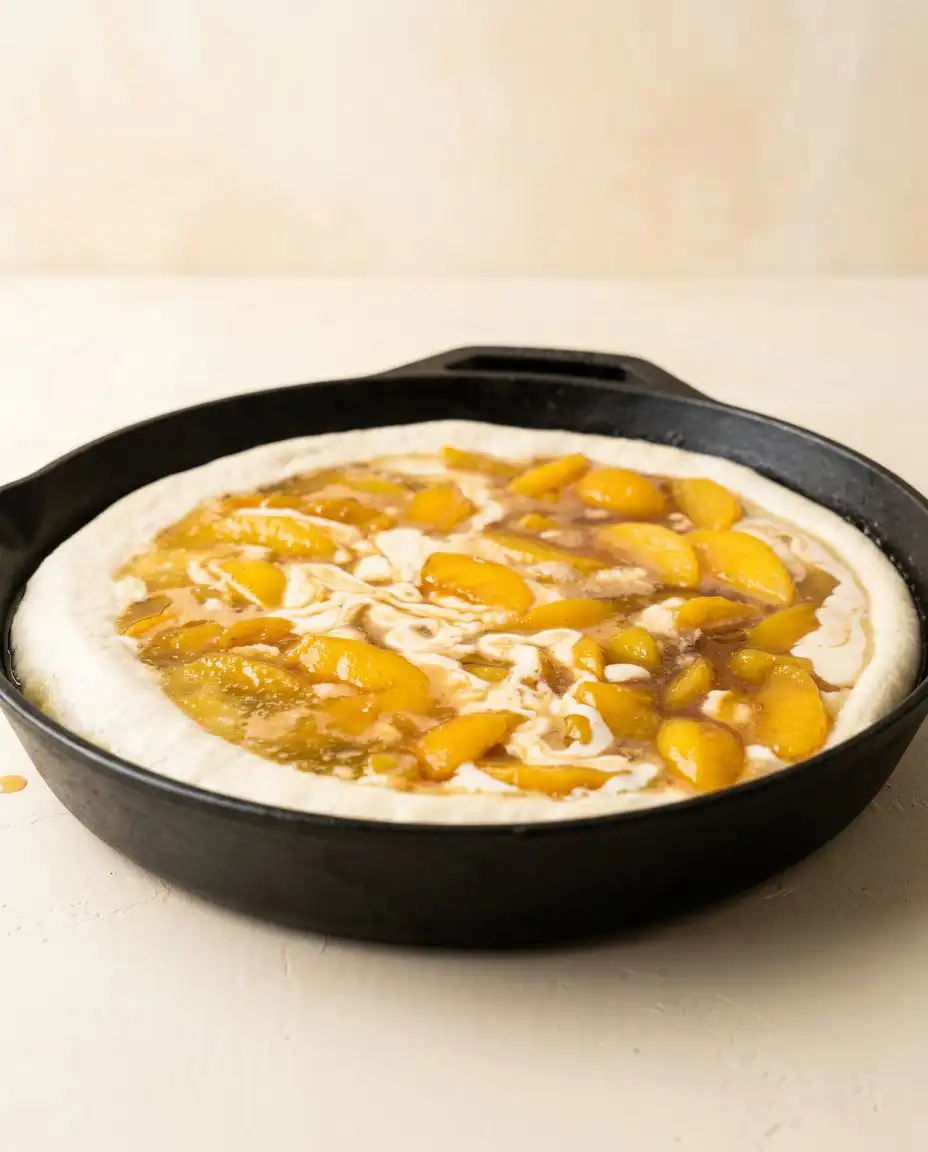
Step 1: Prepare Your Station and Pan
Begin by preheating your oven to 375 degrees F (190 degrees C) to ensure the heat is stable before the dish enters. You will need a 9×13-inch baking dish, ideally glass or ceramic, to allow for even heat distribution during the forty-five-minute bake. Prepare your mise en place by opening the cans and measuring your butter with the same attention you would give a complex torte.
Step 2: Establish the Fruit Foundation
Empty the two cans of peaches, including their heavy syrup, into the bottom of the prepared baking dish. You must spread them in an even layer so that the liquid is distributed across the entire surface of the glass. This syrup is the primary hydrating agent for the dry ingredients you will place on top shortly.
Step 3: Layer the Dry Mix
Cover the peaches with the dry cake mix by pouring it slowly to avoid creating uneven mounds or valleys. You will use a flat spatula or the back of a large spoon to press the mix down firmly into the syrup. This compression is vital because it initiates the capillary action that draws moisture upward into the starch during the early stages of baking.
Step 4: Distribute the Fat Source
Cut or grate your cold butter into small, uniform pieces and scatter them across the entire surface of the cake mix. You must be diligent in covering as much area as possible to prevent dry flour pockets from remaining after the bake. The butter will melt downward, meeting the rising syrup to form the characteristic crumb of this dessert.
Step 5: Bake Your Classic Peach Cobbler Dump Cake to Perfection
Sprinkle the top of the dish with ground cinnamon before placing it in the center of the preheated oven. You will bake the dish for approximately 45 minutes, or until the peaches are hot and bubbling and the top is a deep golden brown. The visual cue of the bubbling syrup around the edges confirms that the internal temperature has reached the point of starch gelatinization.
Where Precision Makes the Difference
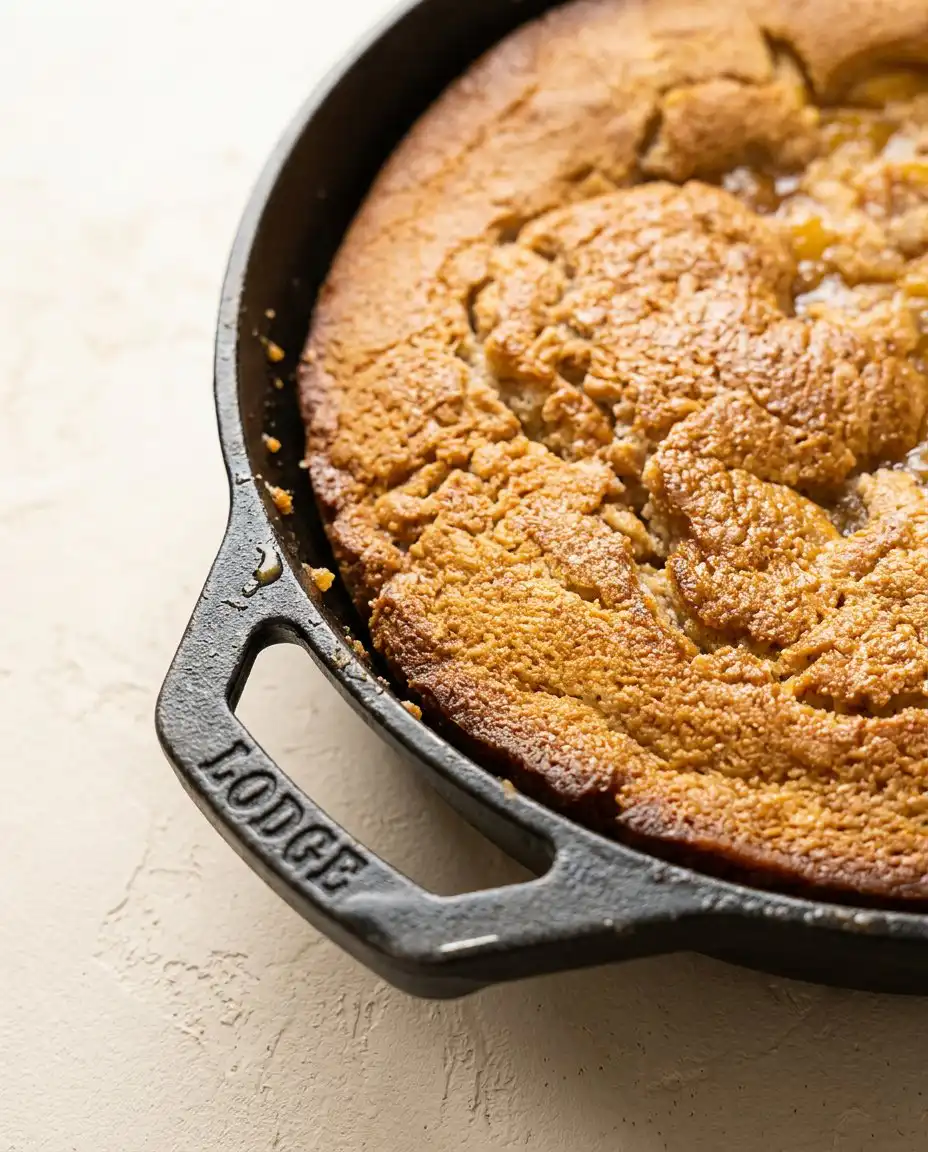
For the most consistent crust, consider grating your butter while it is still very cold rather than cutting it into slices. This technique provides hundreds of small fat points that melt more evenly across the dry mix, preventing the common failure mode of dry, powdery spots on the surface. If you find your cake has dry flour patches after thirty minutes, use a spoon to gently press those areas into the bubbling syrup to assist hydration.
Temperature control of the ingredients is a discipline that cannot be ignored even in simple recipes. While many bakers use room temperature butter, this specific paula deen peach cobbler style of baking benefits from cold butter to maintain the separation of the crust layers. You will notice a distinct difference in the crispness of the final result when the fat remains solid until it meets the heat of the oven.
If the top of your cake is browning too quickly while the center remains liquid, you may cover the dish loosely with foil for the final ten minutes. This allows the heat to continue penetrating the fruit layer without scorching the delicate sugars in the cake mix. Always verify your oven temperature with an external thermometer, as a variance of even ten degrees can alter the texture of the fruit syrup significantly.
Precision in selecting your baking dish material will influence the bottom of your cobbler as much as the top. Glass dishes conduct heat more slowly than metal, which prevents the sugar in the peach syrup from caramelizing too aggressively before the cake layer is set. This slower heat transfer promotes a tender, pudding-like consistency in the fruit layer that contrasts beautifully with the crisp topping.
To understand the science of the bake, observe the movement of the liquid through the glass if using a transparent dish. The syrup should appear to be rising through the cake mix, indicating that the starch is absorbing the moisture correctly. This is the same principle of absorption seen in high-end pastry work, scaled for the home kitchen. For more on the technical aspects of fruit-based desserts, you may consult how to balance acidity in fruit fillings.
You will find that a resting period of at least fifteen minutes after removal from the oven is an instruction, not a suggestion. This interval allows the starches to set and the syrup to thicken, which ensures a clean cross-section when serving. Moving too quickly will result in a dessert that is overly fluid and lacks the structural integrity expected of a well-made bake.
Frequently Asked Questions
Can I use fresh peaches instead of canned for this recipe?
While fresh peaches offer a lovely flavor, they lack the heavy syrup required to hydrate the dry cake mix properly. If you choose to use fresh fruit, you must macerate them in sugar and add at least one cup of liquid to the pan. Without this added moisture, the cake mix will remain a dry powder rather than becoming a crust.
Why did my dump cake turn out with dry spots of flour?
Dry spots usually occur when the butter is not distributed evenly or the cake mix is not pressed firmly enough into the syrup. You must ensure the fat covers the surface and that the moisture from the fruit can reach the starch. Grating the butter is the most effective way to prevent this specific failure mode.
How should I store leftovers to maintain the texture?
Store any remaining portions in an airtight container in the refrigerator for up to four days. To regain the crispness of the topping, you should reheat individual servings in an oven or air fryer at 350 degrees F. Avoid the microwave if possible, as it will make the crust soft and spongy.
Is it possible to make this recipe in a slow cooker?
Yes, the method can be adapted by layering the ingredients in a slow cooker and cooking on high for two to three hours. However, you will lose the crisp, golden crust that the dry heat of an oven provides. The result will be more akin to a steamed pudding than a traditional cobbler.
What is the purpose of pressing the cake mix down?
Pressing the mix facilitates the capillary action that allows the peach syrup to migrate into the dry particles. If the mix is left loose, the air pockets act as insulators and prevent the liquid from moving upward. This small discipline ensures a uniform hydration and a consistent crumb across the entire dish.
Can I use a different type of fat besides butter?
While margarine or oil can technically provide fat, they do not offer the same flavor or structural properties as high-quality butter. Butter contains water and solids that contribute to the browning and the specific mouthfeel of the crust. For the best result, stick to unsalted butter to maintain control over the seasoning.
Thoughtful Alternatives
If you wish to depart from the traditional yellow cake base, a white cake mix offers a lighter, more delicate crumb that emphasizes the fruit. This swap requires no adjustment to the baking time or temperature, but you will notice the flavor profile becomes more floral and less buttery. You might also consider using a cherry dump cake foundation for a more tart experience that contrasts the heavy syrup of the peaches.
Incorporating texture through the addition of toasted pecans or walnuts can provide a sophisticated counterpoint to the soft fruit. You should add these during the final fifteen minutes of baking to prevent the oils in the nuts from becoming bitter under prolonged heat. This small addition respects the foundational recipe while introducing a sensory element that appeals to those who enjoy a varied mouthfeel.
The addition of a small amount of almond extract to the peach syrup can accentuate the stone fruit notes of the recipe. One half-teaspoon is sufficient to provide a background aroma without overwhelming the natural scent of the peaches. This is a subtle refinement that mirrors the techniques used in professional French patisserie to layer flavors with intention and restraint.
Finishing and Presenting
The presentation of this Classic Peach Cobbler Dump Cake is most effective when the contrast between the warm fruit and a cold accompaniment is highlighted. A single quenelle of high-quality vanilla bean ice cream provides a temperature bridge that allows the flavors to linger on the palate. You will find that as the ice cream melts into the warm cinnamon crust, it creates a secondary sauce that enriches the entire experience. Consider using a slow cooker peach cobbler as a comparison point for texture when discussing these desserts with guests.
Plating should be done with a large spoon to capture both the crisp upper layer and the syrupy fruit beneath in a single motion. Use wide, shallow bowls rather than flat plates to contain the syrup and keep the dessert cohesive as it is consumed. A clean, sharp edge to the serving dish and a steady hand during the transfer will preserve the visual appeal of the distinct layers. This attention to detail is the final proof of the technique you have applied throughout the process.
For an evening service, a small dusting of fresh nutmeg or a sprig of mint can provide a visual and aromatic finish that signals the end of a meal. These garnishes should be added just before the dish reaches the table to ensure they are at their peak freshness. This level of care transforms a simple family dessert into a refined conclusion to any gathering. Serve alongside a strong coffee or a light dessert wine to balance the inherent sweetness of the heavy syrup.
A Word Before You Slice
As you have seen, the Classic Peach Cobbler Dump Cake is far more than a convenient dessert; it is a lesson in how heat and moisture interact with starch and fat. By respecting the mise en place and the specific layering techniques required, you have created a dish that is both reliable and sophisticated. You will find that the patience shown during the resting period is rewarded with a texture that is as pleasing to the eye as it is to the palate. Small things, done exactly right, are what define a master of the craft.
I encourage you to share your results and continue refining your understanding of these foundational baking principles. Each time you prepare this old fashioned oven baked peach cobbler variation, you build the muscle memory and technical intuition that are the hallmarks of a skilled baker. May your kitchen always be a place of precision, patience, and the quiet joy of a bake well executed.
If you found this instruction helpful, please join our community for further technical insights and recipes. You may follow our progress and share your own kitchen successes on Pinterest, Facebook, and TikTok. We look forward to seeing your precision in action as you master the art of the perfect bake.