We are grating two cups of green vegetables into a cake batter because moisture is a structural requirement, not an option, and zucchini delivers it without a hint of garden-patch flavor.

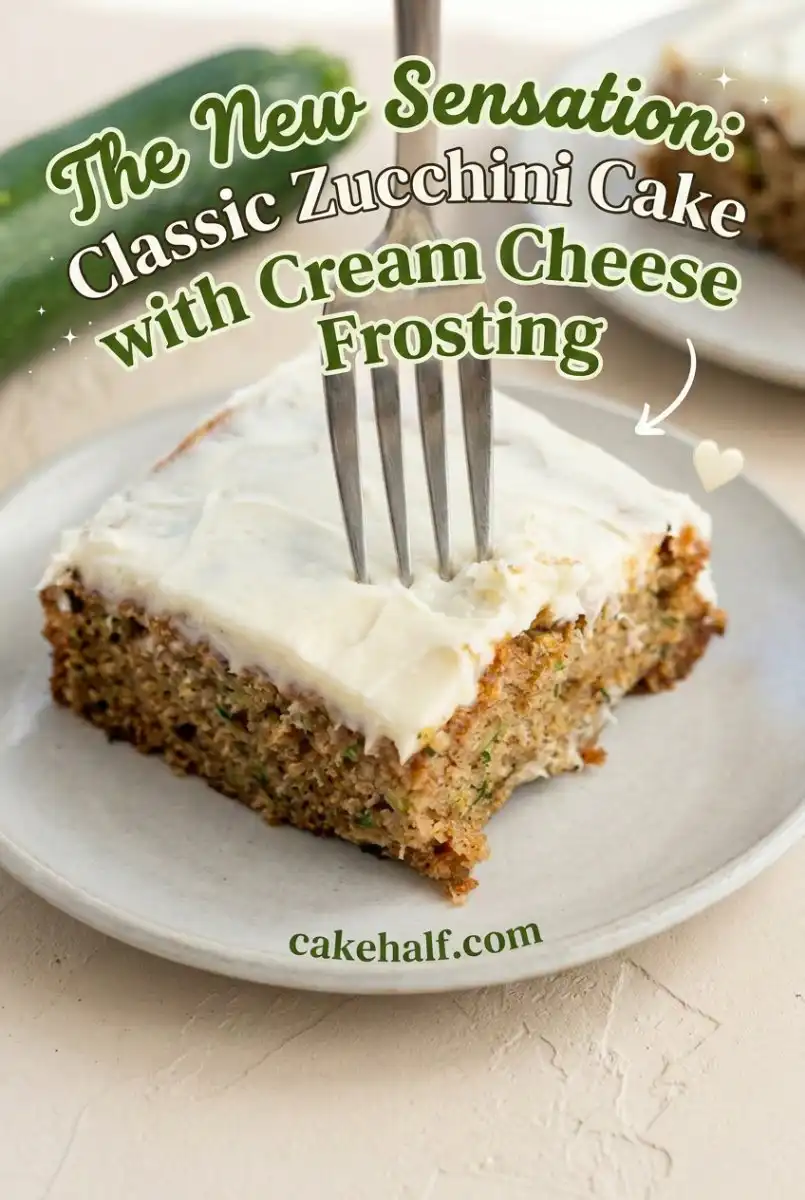
This Classic Zucchini Cake with Cream Cheese Frosting proves that a home garden surplus is actually a high-performance baking asset. By suspending shredded zucchini in a rich oil-based crumb, we achieve a texture that resists drying out even after days in the fridge. This is small-batch logic applied to a 9×13 sheet: every bite is dense with cinnamon heat and balanced by a sharp, cold tang.
Why Classic Zucchini Cake with Cream Cheese Frosting Works
Prep: 25 min · Serves: 24 · Difficulty: Medium
- Structural moisture from fresh shredded garden vegetables.
- Warm cinnamon spice creates deep aromatic profiles.
- Velvety cream cheese provides necessary lactic acidity.
- Dense crumb holds up under heavy frosting.
- Small-batch precision ensures a tight, even bake.
This recipe is the reason I look forward to the late summer harvest every single year. Let’s revisit some classic recipes that redefine what a vegetable cake can actually be.
Get The Full Cake Recipe
Print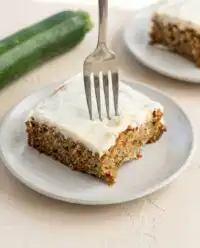
Classic Zucchini Cake with Cream Cheese Frosting
- Total Time: 1 hour 10 mins
- Yield: 24 servings
- Diet: Vegetarian
Description
This moist, spiced sheet cake utilizes fresh shredded zucchini to achieve a dense, tender crumb that stays fresh for days. Finished with a tangy, velvety cream cheese frosting, it transforms a summer garden surplus into a sophisticated and aromatic dessert.
Ingredients
- 2 cups shredded zucchini
- 1 cup vegetable oil
- 1 cup brown sugar, packed
- 1 cup granulated sugar
- 3 large eggs
- 2 cups all-purpose flour
- 1 teaspoon baking powder
- 1 teaspoon baking soda
- 1 teaspoon salt
- 2 teaspoons ground cinnamon
- 1 teaspoon vanilla extract
- 8 ounces cream cheese, softened
- 1/2 cup unsalted butter, softened
- 2 cups powdered sugar
Instructions
- Prep the oven. Heat the oven to 350°F and thoroughly grease and flour a 9×13-inch rectangular cake pan.
- Mix dry ingredients. Whisk together the salt, baking powder, baking soda, ground cinnamon, and all-purpose flour in a medium bowl until uniform.
- Emulsify the liquids. In a separate large vessel, whisk the eggs until pale, then slowly stream in the vegetable oil and vanilla until glossy.
- Integrate the sugars. Add both the brown and granulated sugars to the liquid base, stirring until dissolved and the mixture darkens.
- Merge the components. Fold the dry ingredients into the wet mixture, stopping immediately once the flour streaks disappear to avoid over-mixing.
- Suspend the zucchini. Gently fold in the shredded zucchini until evenly distributed throughout the batter.
- Bake the cake. Pour into the prepared pan and bake for 40 to 45 minutes until a toothpick comes out clean, then cool completely.
- Whip the frosting. Beat the softened cream cheese and butter until smooth, then incorporate the powdered sugar and vanilla until thick and velvety.
- Frost and serve. Spread the cream cheese frosting evenly over the cooled cake and chill briefly before slicing.
Notes
- Use a kitchen scale to measure flour to ensure the moisture-heavy batter retains its structural integrity.
- Ensure your cream cheese is at room temperature before whipping to prevent lumps in the frosting.
- Squeeze excess water out of the zucchini if it appears overly wet to maintain the perfect crumb texture.
- Wait for the cake to reach room temperature before applying frosting to avoid a melted, uneven finish.
- Test your baking soda with a splash of vinegar if it has been stored for a long time to verify its lifting power.
- Prep Time: 25 mins
- Cook Time: 45 mins
- Category: Dessert
- Method: Baking
- Cuisine: American
Build Your Mise en Place
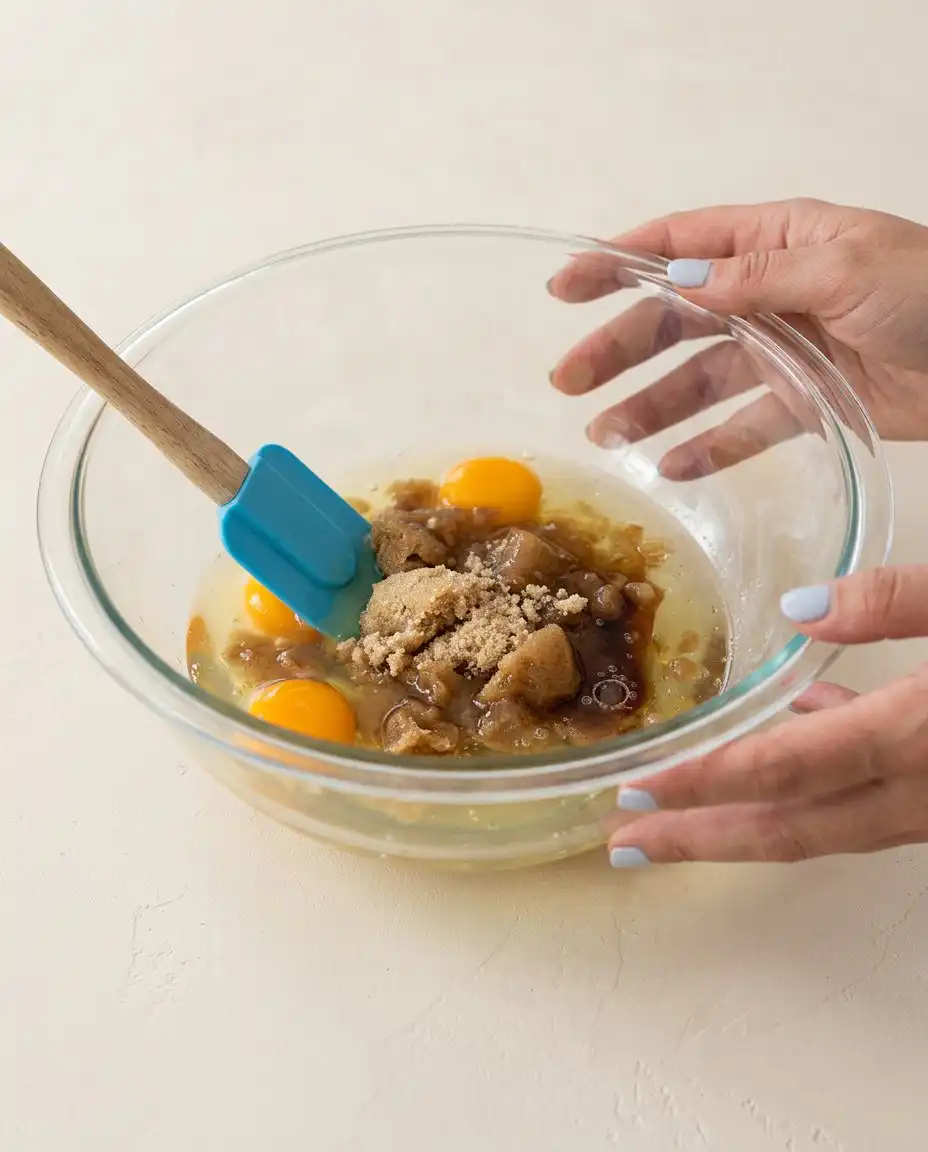
You aren’t just dumping ingredients into a bowl; you are building a suspension system for shredded squash. The oil ensures the crumb stays fluid, while the dual-sugar approach provides both structural integrity and a deep, molasses-tinted sweetness.
- Shredded Zucchini: Provides internal hydration that lasts for days without making the batter heavy.
- Vegetable Oil: Unlike butter, oil remains liquid at room temperature for a softer, more flexible crumb.
- Brown Sugar: Adds essential moisture and a hint of caramel that complements the cinnamon.
- Ground Cinnamon: The primary aromatic driver that masks the vegetal notes of the squash.
- Cream Cheese: High-fat lactic tang that cuts through the sugar of the frosting.
- All-Purpose Flour: The scaffold that holds our moisture-heavy ingredients in place.
- Large Eggs: They act as the primary binder to prevent a gummy texture.
| Ingredient | Why It Matters |
|---|---|
| Baking Powder/Soda | Dual leavening for a lifted, airy structure. |
| Vanilla Extract | Bridges the gap between spice and cream. |
| Granulated Sugar | Helps create crisp edges and structural lift. |
| Unsalted Butter | Provides a stable, creamy base for frosting. |
| Salt | Sharpens the sweetness and spices for depth. |
The Method
Step 1: Prep the Oven and Pan
Heat your oven to 350°F and prepare a 9×13-inch rectangular cake pan with a thorough coating of grease and flour. You might prefer a nonstick baking spray that includes flour, which provides an extra layer of insurance against sticking. The pan should feel smooth to the touch before the batter enters, as any dry spots will trap the cake and lead to structural failure when you attempt to serve. This preparation step is the foundation of a clean release and ensures the edges of your bake are crisp and well-defined.
Step 2: Build the Classic Zucchini Cake with Cream Cheese Frosting Scaffold
Whisk the salt, baking powder, baking soda, ground cinnamon, and all-purpose flour in a medium glass bowl until the mixture is uniform. You are looking for a sandy, light-brown hue that indicates the cinnamon has been distributed evenly throughout the starch scaffold. This dry mix acts as the primary structure for the recipe, preventing the heavy zucchini from sinking to the bottom of the pan during the bake. Take the time to sift if you notice any clumps in the flour, as lumps of soda will leave a bitter, soapy aftertaste in the finished crumb.
Step 3: Emulsify the Liquid Base
In a separate large vessel, whisk the three eggs until they lose their viscosity and become a pale yellow liquid. Slowly stream in the vegetable oil and vanilla while whisking vigorously to create a stable emulsion that will eventually carry the weight of the flour. The mixture should look glossy and slightly thickened, a sign that you have successfully trapped the fat within the proteins. This emulsion is what gives the cake its signature tenderness and prevents the crumb from feeling oily or greasy on the palate.
Step 4: Integrate the Sugars for Moisture
Add both the brown and granulated sugars to the liquid base, stirring until the granules begin to dissolve and the mixture darkens to a deep caramel color. Brown sugar is a deliberate choice here because it contributes molasses notes and extra hygroscopic properties that keep the cake soft for days. Granulated sugar provides the necessary structure to help the edges of the cake pull away from the pan as it bakes. Ensure there are no large lumps of brown sugar remaining, as these will melt into unappealing sugar pockets in the finished cake.
Step 5: Merge the Wet and Dry Components
Gently fold the dry ingredients into your wet base using a large spatula, stopping the moment the white streaks of flour vanish into the brown batter. Over-mixing at this stage is a common mistake that activates too much gluten, leading to a tough, bready texture rather than a delicate cake. You want to see a thick, viscous batter that holds its shape for a second before smoothing out. This stage is where you earn the trust of the crumb, so handle it with precision and care.
Step 6: Suspend the Shredded Zucchini
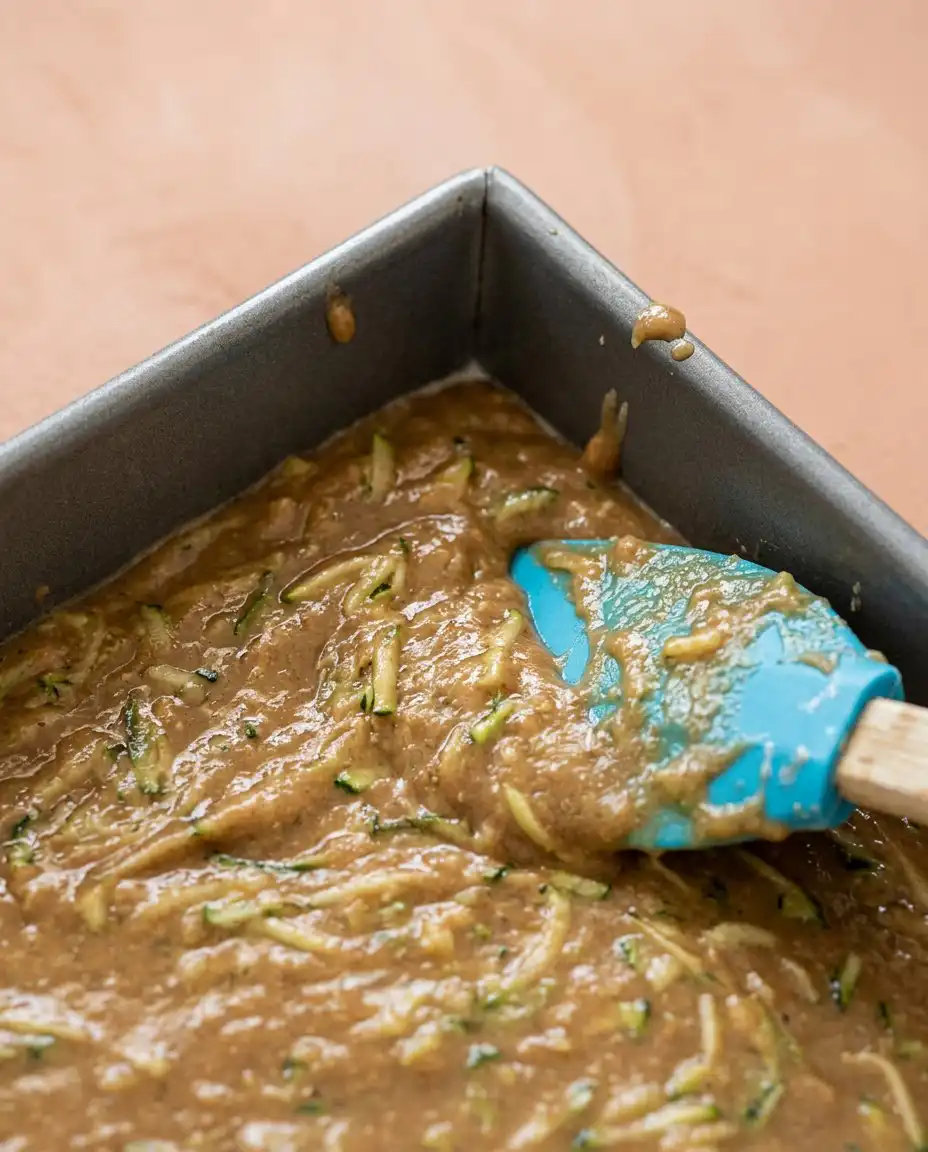
Stir in the two cups of shredded zucchini, watching as the green flecks distribute themselves throughout the spice-heavy batter. The zucchini should be evenly suspended, not clumped, to ensure the moisture release is consistent across the entire pan during the baking process. Do not be alarmed by how much zucchini is in the bowl; the squash will lose its volume as the water evaporates and turns into steam within the cake. This steam is what creates the lift and keeps the crumb from becoming dense or gummy.
Step 7: The Bake and Sensory Check
Pour the batter into your prepared pan and bake for 40 to 45 minutes, or until the center feels springy to the touch and a toothpick comes out clean. You will notice a deep, aromatic cinnamon scent filling the kitchen as the cake reaches its final five minutes of baking time. The cake gets quite brown because of the brown sugar and spices, but this is data, not a mistake—it indicates a deep caramelization. Let the cake cool completely in the pan; frosting a warm cake is a tactical error that results in a melted, soupy mess.
Step 8: Whip the Cream Cheese Frosting
Beat the softened cream cheese and butter until the mixture is pale and perfectly smooth without a single lump in sight. Slowly incorporate the powdered sugar and vanilla, whipping until the frosting holds a stiff peak and looks like white velvet. The texture should be thick enough to hold its shape but soft enough to spread without tearing the delicate surface of the cake. This frosting provides the necessary lactic acidity to balance the sweetness and spice of the zucchini base.
Step 9: The Final Finish and Texture
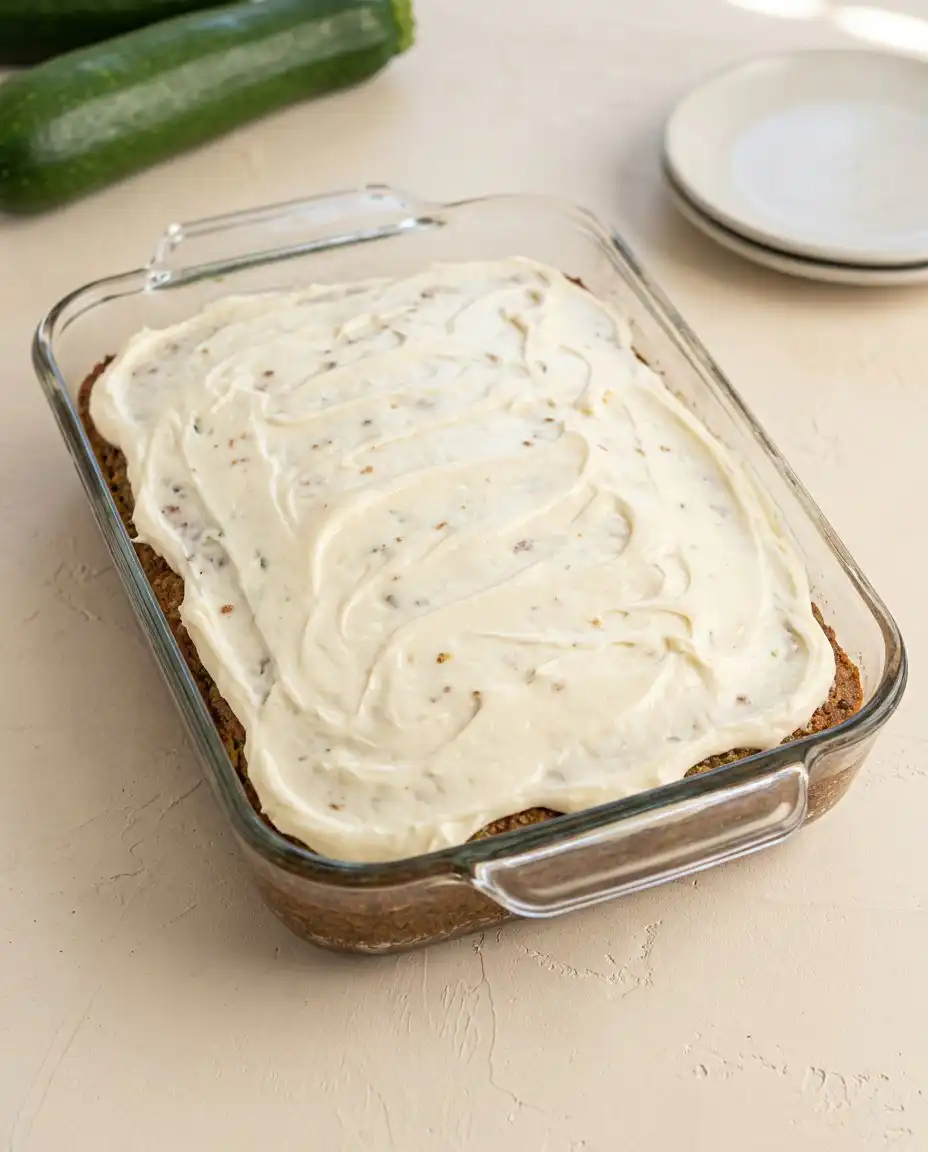
Spread the frosting over the cooled cake in a thick, even layer, using an offset spatula to create playful swoops and textures across the surface. The contrast between the dark, spicy cake and the stark white frosting is the visual drama we are after in this small-batch bake. If the cake is still slightly warm, the frosting will lose its structural integrity, so patience is a requirement here. Once frosted, the cake should be refrigerated briefly to allow the frosting to set before you attempt to make your first cut.
Notes from Testing
If your cake turns out gummy, here is why: you likely over-mixed the batter or used zucchini that was dripping wet. Always use a kitchen scale to measure your flour, as the difference between a cup and a “packed” cup can ruin the delicate balance of this recipe. The kitchen scale is your liberation device; it removes the guesswork and ensures that every small-batch bake performs exactly like the last. I recommend measuring your zucchini by weight rather than volume to account for the varied density of the shred.
If the cake browns too quickly on the edges before the center is set, lower your oven temperature to 325°F as early as twenty minutes into the bake. This prevents the sugars from scorching while the internal structure finishes setting up without drying out the crumb. Understanding how to properly measure flour for baking is the difference between a dense brick and a light, airy crumb. Take the time to spoon your flour into the cup rather than scooping directly from the bag.
For the best frosting results, ensure your cream cheese is at room temperature but still holds its shape before you begin beating. If the cream cheese is too warm, the frosting will lose its structural integrity and slide right off the edges. Try browning your butter before adding it to the frosting for a deeper, hazelnut-like aroma that pairs beautifully with the cinnamon. This extra step provides a sensory landmark that elevates the entire dessert profile.
Always check the freshness of your baking soda; if it has been sitting in the back of your pantry for a year, your cake will fail to lift. You can test it by dropping a pinch into some vinegar to see if it bubbles vigorously and immediately. If you are feeling adventurous, consider how a classic vanilla butter cake uses similar emulsion techniques to achieve its legendary texture. Understanding the mechanics of your ingredients is how you move from following a contract to riffing on a recipe.
Frequently Asked Questions
How do you know when cake is done baking?
Insert a toothpick into the center of the cake and look for a clean exit or a few dry crumbs. If you see wet batter clinging to the pick, the structure hasn’t set, and it needs another five minutes in the heat. The cake should also pull away slightly from the sides of the pan when it is fully baked.
Do you have to drain zucchini for baking?
Normally, you do not need to squeeze the zucchini dry for this specific ratio, as we want that internal hydration. However, if the zucchini is exceptionally watery or has been frozen, a light pat with a paper towel prevents the batter from becoming too fluid. Excessive water can lead to a dense, wet crumb that fails to rise properly.
Do I need to peel the zucchini?
There is no need to peel the skin, as it is thin enough to disappear into the crumb during the baking process. The green flecks provide a visual cue of the cake’s identity and add a subtle texture that is part of the charm. Ensure you wash the vegetable thoroughly to remove any grit before shredding.
Why is my zucchini cake gummy?
A gummy texture is usually a result of under-baking or over-mixing the flour once the wet ingredients are added. Make sure your oven is calibrated and that you stop mixing the moment the dry ingredients are fully incorporated. If the batter is over-worked, the gluten becomes too strong and traps too much moisture.
Can I add nuts or raisins?
You can absolutely incorporate up to one cup of chopped nuts or raisins to add complexity and chew to each bite. Just ensure they are folded in gently at the very end to avoid deflating the batter’s air pockets. Toasted walnuts are a classic addition that pairs exceptionally well with the cream cheese frosting.
Does zucchini cake need to be refrigerated?
Because of the high moisture content and the cream cheese frosting, this cake should be stored in the refrigerator to stay fresh. It actually tastes better on the second day once the spices have had time to fully bloom. Keep it loosely covered to prevent the frosting from absorbing other fridge odors.
Take It Somewhere Else
The recipe is a starting point, and you are the variable, so don’t be afraid to experiment with the aromatic profile. You can replace half of the cinnamon with ground ginger or nutmeg to shift the flavor toward a more intense, autumnal spice profile. For a textured contrast, fold in a cup of toasted pecans or walnuts right before the batter goes into the pan. This adds a necessary crunch that breaks up the softness of the zucchini-laden crumb.
If you want to deviate from the sheet cake format, this batter performs exceptionally well in a round tin or even as muffins. Just keep an eye on the clock, as smaller vessels will bake significantly faster than a single 9×13 pan. Consider the logic of a pumpkin spice cake when looking for other vegetable-based swaps that provide similar moisture. Whether you choose to add chocolate chips or raisins, ensure they are lightly tossed in flour first to prevent them from sinking to the bottom.
The Final Call
Wait until the cake is completely chilled before you attempt to cut it into squares for the best visual drama. A cold cake allows the cream cheese frosting to set firmly, ensuring that your knife cuts are clean and the cross-section is sharp. If you try to cut it while warm, the frosting will drag and the crumb will crumble, ruining the presentation. This cake is best served directly from the fridge, where the contrast between the cold frosting and spicy cake is most apparent.
Serve each slice on a small plate with a side of sharp, black coffee to balance the sweetness of the frosting. The bitterness of the coffee acts as a perfect foil to the warm cinnamon and the lactic tang of the cheese. If you’re hosting a larger gathering, look at how an apple spice cake can complement this zucchini version on a seasonal dessert table. The two flavors share a warm spice profile but offer different textural experiences for your guests to explore.
You can also garnish the top of the frosting with a light dusting of cinnamon or some extra shredded zucchini for a decorative touch. If you have any off-cuts or edge pieces, use them as proof-of-concept bites to check the crumb structure before the guests arrive. These bites often reveal more about the baker’s judgment than the finished, plated slice. Always serve with small dessert forks to encourage slow, deliberate enjoyment of the dense, spiced layers.
What You Just Proved
Small batch, full conviction is the only way to approach a recipe that transforms a garden staple into a sophisticated dessert. You’ve now seen how the rebel swap of zucchini provides a moisture profile that traditional butter cakes can only dream of achieving. This cake is not a compromise; it is a deliberate choice to use the specific chemistry of vegetables to create a superior texture. By following the precise steps of emulsion and gentle mixing, you have created a crumb that is both sturdy and tender.
The recipe is a starting point, and I hope you take this foundation and make it your own with different spices or textures. When you see those green flecks peeking through the spice-darkened crumb, remember that tradition was noted, but you proceeded anyway. Share your results with the CakeHalf community and let us know which rebel swaps worked for you this season. For more inspiration, check out our take on carrot cake to see how other vegetables perform under the pressure of a hot oven.