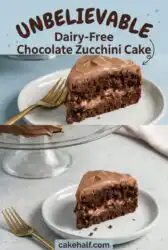
Emulsion and hydration form the silent foundation of a superior Dairy-Free Chocolate Zucchini Cake, where moisture is not a happy accident but a result of vegetable cellular structure.

This Dairy-Free Chocolate Zucchini Cake represents a marriage of rustic garden produce and the sophisticated chemistry of plant-based baking. By utilizing the natural water content of zucchini, you bypass the need for dairy fats while achieving a crumb that remains remarkably tender for days. It is an exercise in restraint and precision, yielding a result that challenges the very notion of what a vegan cake can achieve in a home kitchen. You will find that the zucchini disappears entirely into the cocoa, leaving behind only a luxurious, dense texture.
Why This Dairy-Free Chocolate Zucchini Cake Rewards Your Patience
Prep: 20 min · Serves: 12 · Difficulty: Medium
Master the art of plant-based moisture through precise technique.
- Achieve a deep, fudgy crumb without dairy.
- Balance moisture through precise zucchini preparation techniques.
- Master a silkier ganache using coconut milk.
- Enjoy a sophisticated vegan cake using garden produce.
- Create a professional-grade dessert with pantry staples.
The discipline of the crumb reveals itself in every slice.
Get The Full Cake Recipe
Print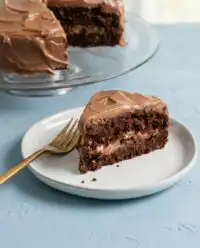
Dairy-Free Chocolate Zucchini Cake
- Total Time: 1 hour 50 mins
- Yield: 12 servings
- Diet: Vegan
Description
This decadent dairy-free cake uses finely grated zucchini to achieve a remarkably moist, fudgy crumb. Topped with a silky coconut milk ganache, this plant-based dessert proves that garden produce can form the basis of a sophisticated and indulgent treat.
Ingredients
- 2 cups finely grated zucchini
- 2 cups whole wheat flour
- 1 cup sugar
- 3/4 cup Dutch-processed cocoa powder
- 1 teaspoon baking soda
- 1/2 teaspoon baking powder
- 1/2 teaspoon salt
- 2 tablespoons flax meal mixed with 6 tablespoons water
- 1/2 cup extra virgin olive oil
- 1/2 cup non-dairy milk
- 1 teaspoon vanilla extract
- 1/2 cup canned coconut milk (full-fat)
- 1 cup dark chocolate pieces
Instructions
- Prepare binding agent. Whisk flax meal and water in a small vessel and let rest for five minutes until gelatinous.
- Sift dry ingredients. Combine whole wheat flour, sugar, cocoa, baking soda, baking powder, and salt in a large bowl, sifting to remove clumps.
- Hydrate components. Mix the flax gel, grated zucchini, non-dairy milk, olive oil, and vanilla extract in a separate bowl until well combined.
- Combine into batter. Gradually stir the wet mixture into the dry ingredients just until combined, being careful not to overwork the flour.
- Bake the cake. Transfer batter to a pan and bake at 350°F for 45-50 minutes until a skewer inserted in the center comes out clean.
- Create ganache. Heat coconut milk until steaming, pour over chocolate pieces, let sit for three minutes, and whisk until smooth.
- Finish and set. Spread the ganache over the cooled cake and let it set for at least forty minutes before slicing.
Notes
- Ensure zucchini is lightly squeezed to remove excess water before measuring to prevent a soggy cake texture.
- Use room temperature ingredients to allow the fats and liquids to emulsify correctly for a smoother batter.
- Always use a kitchen scale to measure flour, as packing it by volume can significantly alter the moisture balance.
- Avoid over-mixing the batter after adding the flour to prevent gluten development that would result in a tough, bread-like texture.
- Prep Time: 20 mins
- Cook Time: 50 mins
- Category: Dessert
- Method: Baking
- Cuisine: Modern Vegan
The Mise en Place
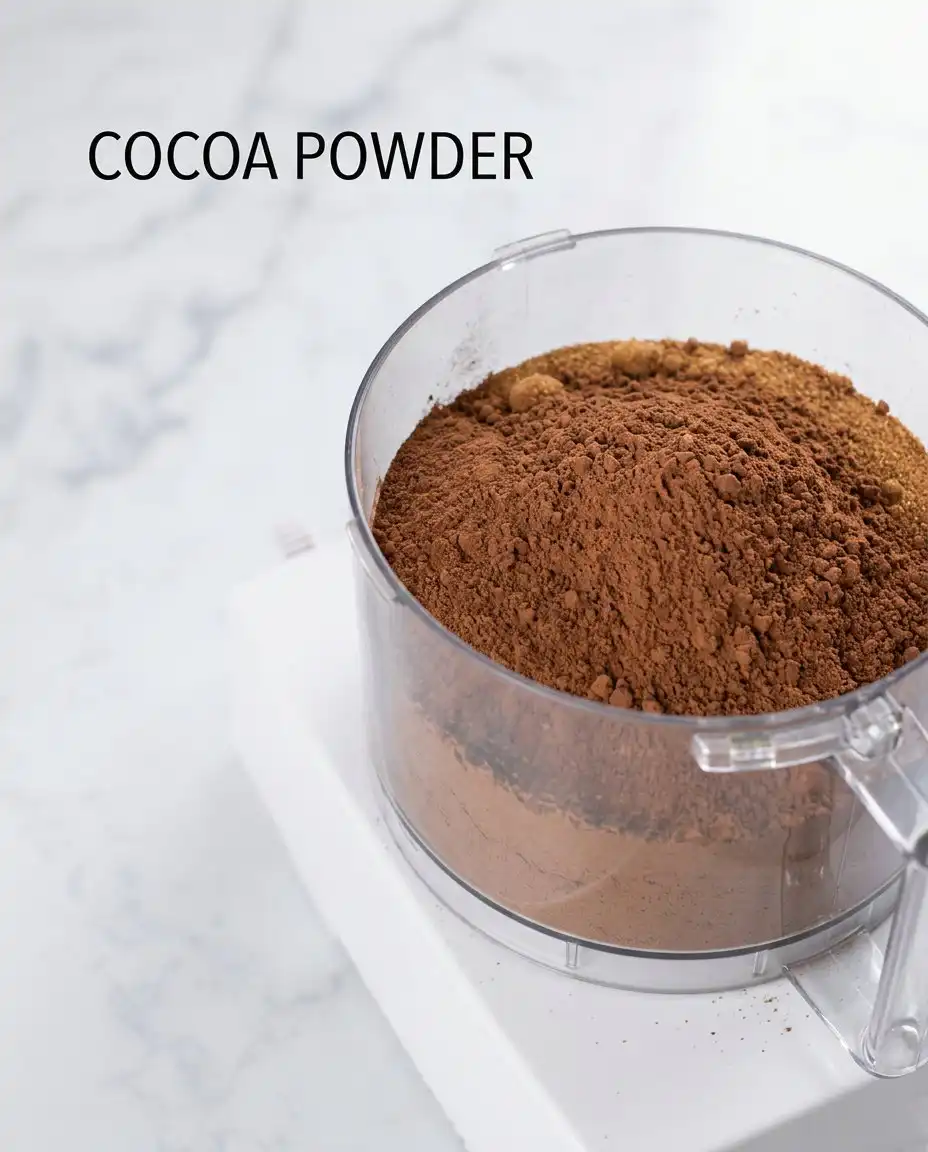
Success begins with the careful selection and weighing of components, ensuring each plays its structural role. We seek a balance between the strength of whole wheat flour and the delicate hydration of the squash.
- Grated zucchini: Provides structural moisture through its high water content and cellulose fibers.
- Whole wheat flour: Offers the necessary protein strength to support the heavy, moist batter.
- Dutch-processed cocoa powder: Delivers a neutralized pH and intense, dark chocolate profile.
- Flax meal: Actively binds the batter as a plant-based alternative to egg proteins.
- Extra virgin olive oil: Contributes a clean fat profile that remains liquid at room temperature.
- Coconut milk: Used in the ganache for its high fat content and stable emulsion.
| Ingredient | Why It Matters |
|---|---|
| Zucchini | Ensures a tender crumb through natural hydration |
| Flax Meal | Provides the structural binding necessary for stability |
| Cocoa Powder | Defines the deep flavor and dark visual profile |
| Olive Oil | Creates a silky mouthfeel and long-lasting freshness |
The Method, Step by Step
Step 1: Prepare the Binding Agent
Begin by whisking your flax meal and water in a small glass vessel, allowing it to rest for at least five minutes. This period of quiet allows the mucilage to develop, creating the viscous texture required to replace egg proteins effectively. You will notice the mixture transition from a thin liquid to a thick, gelatinous consistency that provides the essential structural foundation for your batter.
Step 2: Sift the Dry Components
In a large ceramic bowl, sift together the whole wheat flour, sugar, cocoa powder, baking soda, baking powder, and salt. Sifting is not merely about removing clumps; it aerates the heavy whole wheat particles and ensures an even distribution of leavening agents. This prevents uneven rising or pockets of soda that can mar the flavor and appearance of the final crumb.
Step 3: Hydrate the Ingredients
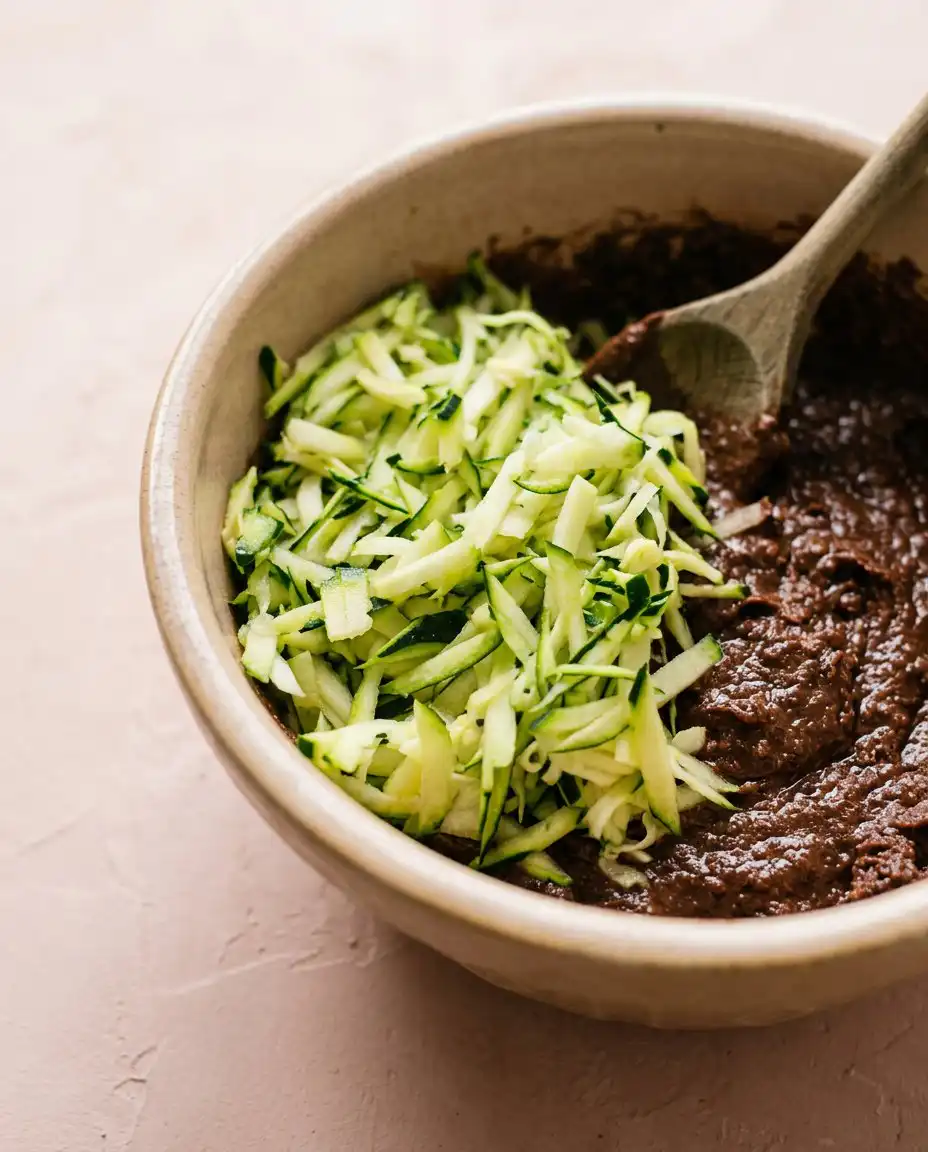
Combine the thickened flax mixture with the grated zucchini, non-dairy milk, olive oil, and vanilla extract in a separate bowl. Ensure the zucchini is evenly distributed throughout the liquids so that its moisture is available to every gram of flour. This careful integration prevents dry spots and ensures that the vegetable fibers are fully coated in the lipid phase of the recipe.
Step 4: Combine into a Homogeneous Batter
Gradually add the zucchini mixture to the dry ingredients, stirring with a steady hand until the flour is barely incorporated. Stop the moment the last streak of cocoa disappears to avoid overworking the gluten, which would result in a tough, bread-like texture. Your batter should fall from the spatula in a heavy, slow stream, signaling that the hydration levels are correct.
Step 5: Bake Your Dairy-Free Chocolate Zucchini Cake
Transfer the batter into your prepared pan, smoothing the surface with an offset spatula to ensure an even rise. Position the pan in the center of the 350°F oven, where the heat can circulate freely around all four sides. Bake for 45-50 minutes, checking for a clean, dry crumb with a wooden skewer; the cake should feel firm to a light touch at the center.
Step 6: Emulsify the Chocolate Ganache
While the cake cools, heat your coconut milk until it begins to steam, then pour it over the chocolate pieces without stirring. Allow it to sit for three minutes to temper the chocolate before whisking from the center outward to create a glossy, stable emulsion. This process requires patience, as the ganache must cool and thicken at room temperature until it reaches a spreadable, velvet-like consistency.
Step 7: Final Finishing and Setting
Spread the thickened ganache over the completely cooled surface, using long, deliberate strokes to maintain a professional finish. Allow the ganache to set for at least forty minutes before attempting to cut the cake. A clean, sharp knife and a steady hand when cutting will reveal the precise cross-section of your work.
Where Precision Makes the Difference
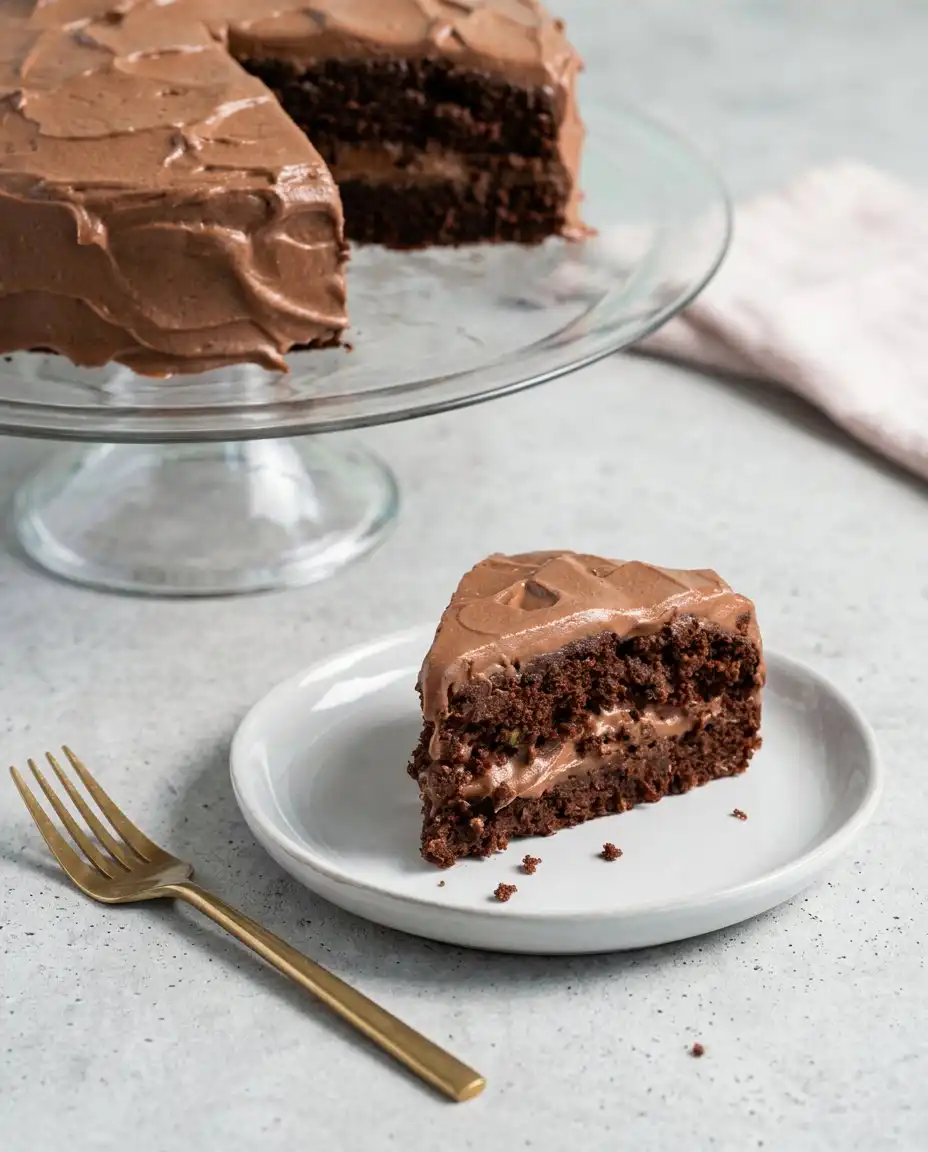
The quality of your cocoa powder is a non-negotiable factor in the success of this bake. A Dutch-processed variety is essential here because it has been treated to reduce acidity, allowing it to work in harmony with the baking soda and powder for a consistent rise. Using a natural cocoa powder can result in a metallic aftertaste or an uneven crumb structure due to the chemical reaction with the leavening agents.
Temperature is an instruction, not a suggestion, particularly when working with your flax meal and non-dairy milk. If your milk is too cold, it can cause the olive oil to clump or the flax meal to hydrate unevenly, leading to a fragmented batter. Ensure all liquid components are at room temperature to facilitate a smooth, unified emulsion that bonds correctly with the dry ingredients.
When preparing the zucchini, its moisture level must be assessed with a baker’s eye rather than a timer. If your grated squash is dripping wet, it will overwhelm the flour’s capacity to absorb liquid, leading to a sunken center. A gentle squeeze to remove excess water, while leaving the pulp noticeably damp, is the technique that ensures a stable, upright healthy cake recipe every time.
If your ganache breaks and appears oily or curdled, it is often because the coconut milk was too hot or the whisking was too aggressive. To fix this failure mode, slowly add a teaspoon of room-temperature non-dairy milk while whisking gently from the center. This helps re-establish the emulsion without requiring you to start the process over from the beginning.
Weight measurements are far superior to volume for a recipe of this density. A cup of whole wheat flour can vary by as much as thirty grams depending on how it is packed, which can be the difference between a fudgy cake and a dry one. Invest in a digital scale to ensure your ratios are identical to the original formula every time you bake. You can learn more about balancing moisture in vegan baking to further refine your skills.
Patience here is not a virtue — it is an instruction. Do not be tempted to frost the cake while it is even slightly warm, as the residual heat will melt the coconut oil in the ganache and cause it to slide off the surface. The internal structure of the cake also needs time to set fully, so a total cooling period is mandatory for a clean, professional slice.
Frequently Asked Questions
Can I use a different type of oil instead of olive oil?
Yes, you may substitute neutral oils such as grapeseed or melted coconut oil. However, olive oil is preferred for its ability to remain liquid at room temperature, which keeps the crumb exceptionally soft over several days. Ensure any substitute is weighed accurately to maintain the lipid-to-flour ratio.
Why is my zucchini cake gummy in the middle?
A gummy texture usually indicates that the zucchini was too wet when added or the oven temperature was inconsistent. It is vital to squeeze the grated squash if it appears to be dripping with juice. Additionally, ensure your baking soda is fresh, as old leavening agents will fail to provide the lift needed to aerate the heavy batter.
How should I store this cake to keep it fresh?
Because of the high moisture content from the zucchini, this cake should be stored in an airtight container in a cool environment. It will stay fresh for up to three days at room temperature, or up to five days in the refrigerator. If refrigerating, allow slices to sit at room temperature for twenty minutes before serving to soften the ganache.
Is it possible to freeze the finished cake?
The cake base freezes remarkably well for up to three months when wrapped tightly in parchment and foil. I recommend freezing the cake without the ganache, as the texture of coconut milk frosting can sometimes change upon thawing. Once thawed at room temperature, you can apply a fresh layer of ganache for the best presentation.
Can I use a different sweetener like maple syrup?
Replacing granulated sugar with a liquid sweetener like maple syrup will fundamentally alter the hydration of the batter and is not recommended. Granulated sugar contributes to the structure and the browning of the crust. If you must use a substitute, look for a dry alternative like coconut sugar which behaves more similarly to cane sugar.
Does the zucchini need to be peeled before grating?
Peeling is not necessary for this recipe, as the skin of the zucchini is tender and will melt into the chocolate during the baking process. However, if you are using very large, overgrown squash, the skin can be tough and the seeds large. In that specific case, peeling and seeding are advisable to maintain a refined texture in the crumb.
Considered Variations
For those who prefer a more traditional profile, replacing the whole wheat flour with an equal weight of all-purpose flour will yield a lighter, more delicate crumb. This change reduces the protein content, so you must be even more careful not to over-mix the batter. You might also consider using this chocolate cake recipe as a base for a double-layered presentation if you have mastered the stability of the zucchini-based batter.
The addition of espresso powder is a thoughtful modification that does not change the chemistry of the bake but significantly clarifies the cocoa notes. Add one teaspoon to the dry ingredients to add depth and a slight bitterness that balances the sugar. This is a common technique in professional patisserie to make chocolate flavors appear more three-dimensional on the palate.
If you wish to adapt this for individual service, the batter performs excellently when baked as muffins. Line a 24-cup tin and reduce the baking time to approximately 30 minutes, or until the tops spring back when pressed. This format is ideal for gatherings where a formal cake service is not practical, though the ganache should still be applied with the same attention to detail.
Finishing and Presenting
When presenting this cake, simplicity should be your guide to emphasize the richness of the chocolate. A light dusting of flaky sea salt over the ganache just before serving can heighten the cocoa notes and provide a sophisticated contrast to the sweetness. If you are looking for a historical perspective on simple bakes, the wacky cake depression cake offers a similar lesson in achieving depth with limited ingredients.
For a formal dessert course, serve a thick slice alongside a handful of fresh raspberries or a tart berry coulis. The acidity of the fruit cuts through the dense, fudgy nature of the cake, cleansing the palate between bites. This cake is best enjoyed at room temperature, where the fats in the crumb and the ganache are at their most supple and flavorful.
To ensure every guest receives a flawless portion, use a knife dipped in hot water and wiped dry between each cut. This technique prevents the ganache from dragging and ensures the internal layers of the cake are displayed clearly. If you have mastered this eggless cake recipe, you will appreciate the clean, sharp lines that a well-tempered plant-based cake can produce.
The Result of Your Care
You have now navigated the specific disciplines required to turn garden produce into a sophisticated pastry. This cake is a testament to the fact that precision and patience can overcome the absence of traditional dairy components. The technique is the recipe, and by following these steps, you have created a dessert that is as structurally sound as it is indulgent.
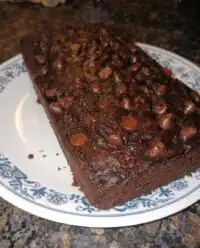
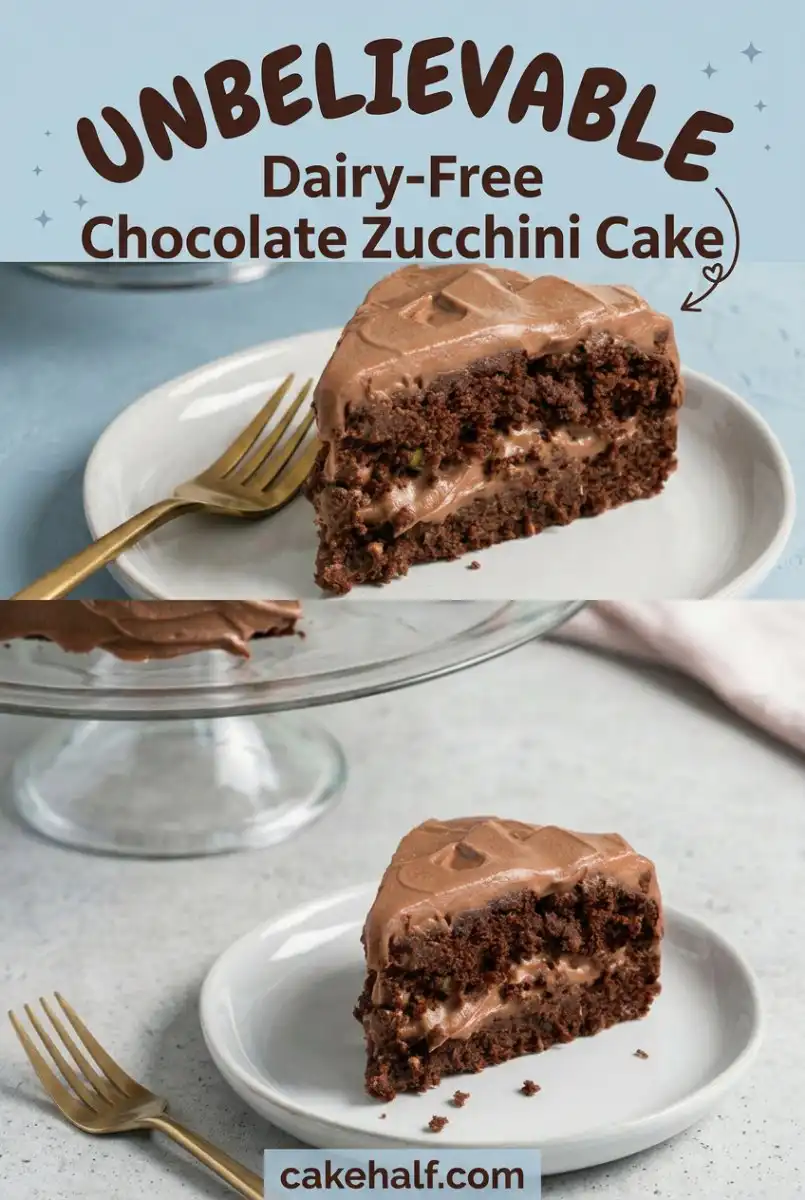
I encourage you to share this bake with those who might be skeptical of vegetable-based desserts. The reveal of the cross-section, with its dark, even crumb and lustrous ganache, is the final proof of the techniques you have applied here. There is a quiet satisfaction in knowing that such a decadent result began with a humble zucchini and a commitment to the craft.
For more technical baking guides and refined recipes, please follow our journey on Pinterest and Facebook. We invite you to share your results and continue building your skills alongside our community of dedicated bakers.