Standard bakers trust dry milk powder or artificial extracts for citrus punch, but a precise emulsion of fresh zest and cold-pressed oil is what actually forces real flavor into a heavy crumb.

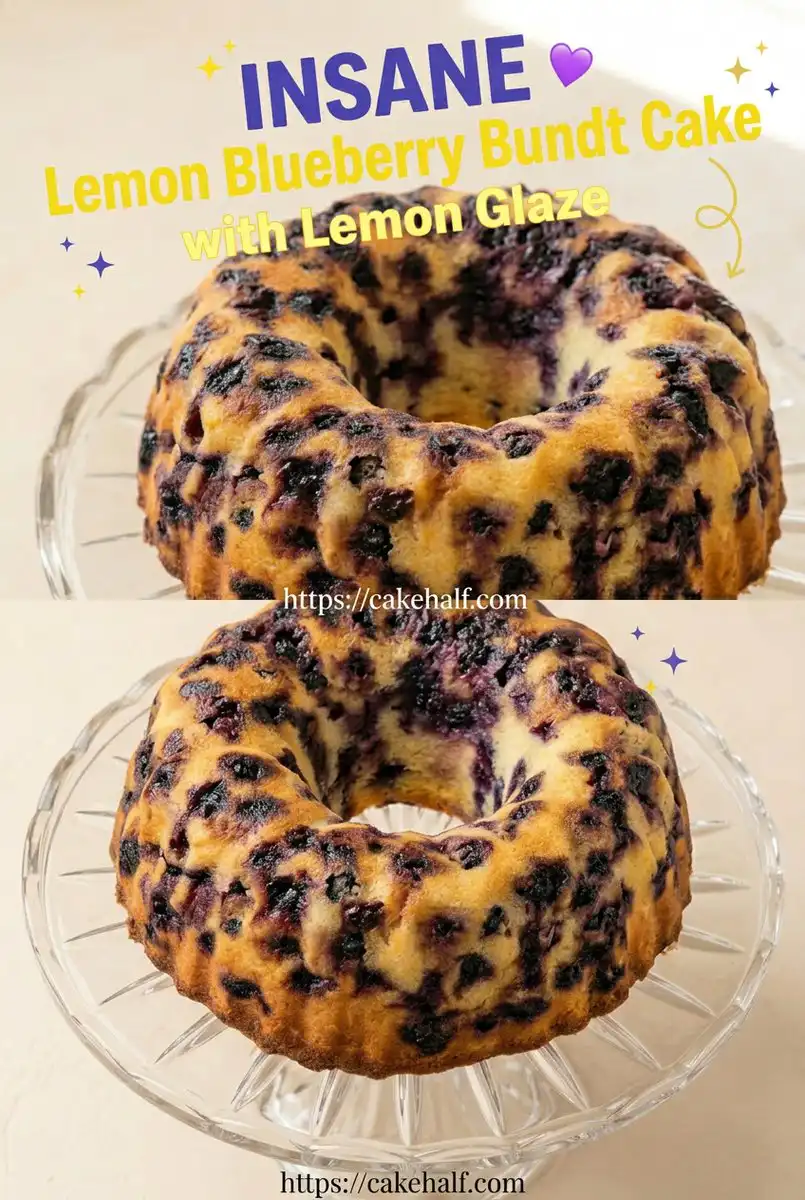
Most bundt cakes suffer from a structural identity crisis, masquerading as light sponges when they actually need the dense, velvet-tight crumb of a high-fat pound cake to survive the pan. To achieve this, we bypass the standard milk carton entirely and recruit full-fat sour cream alongside a targeted splash of neutral oil. This combination guarantees a cake that remains moist for days without ever turning gummy or collapsing under its own weight. The result is a striking, golden ring packed with pockets of jammy fruit and finished with a sharp, puckery glaze. Let’s make this Lemon Blueberry Bundt Cake with Lemon Glaze the new standard in your kitchen.
What Makes This Lemon Blueberry Bundt Cake with Lemon Glaze Different
Prep: 25 min · Serves: 12 · Difficulty: Medium
This precise formula turns a simple ring cake into a velvet-crumbed masterpiece.
- Sour cream creates an exceptionally tender crumb.
- Flour-coated blueberries distribute evenly without sinking.
- Double citrus delivery guarantees bold flavor.
- A tight crumb structure holds shape flawlessly.
- Two fats combine for ultimate moisture retention.
To see how we apply similar fruit-and-acid mechanics to other bakes, check out our no bake lemon blueberry dessert for a cooler alternative. This is the exact formula I use when I want to prove that small-batch precision defeats bakery-scale shortcuts every single time.
Get The Full Cake Recipe
Print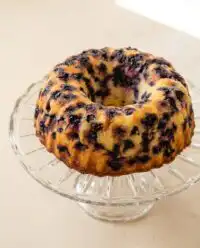
Lemon Blueberry Bundt Cake with Lemon Glaze
- Total Time: 1 hour 30 mins
- Yield: 12 slices
- Diet: Vegetarian
Description
A masterclass in small-batch pastry physics. This Lemon Blueberry Bundt Cake with Lemon Glaze balances a rich, dual-fat crumb with fresh blueberries and a sharp, puckery glaze that sets into a beautiful, opaque shell.
Ingredients
- 2 cups (300g) fresh blueberries
- 1 tbsp (8g) all-purpose flour (for coating)
- 2 and 3/4 cups (345g) all-purpose flour, spooned and leveled
- 1 tsp baking powder
- 1/2 tsp baking soda
- 1 tsp salt
- 3/4 cup (170g) unsalted butter, room temperature
- 2 cups (400g) granulated sugar
- 4 large eggs, room temperature
- 2 tsp vanilla extract
- 1/3 cup (80ml) fresh lemon juice
- 2 tbsp (30ml) lemon zest
- 1/4 cup (60ml) canola or vegetable oil
- 1 cup (230g) full-fat sour cream, room temperature
- 1 cup (120g) confectioners’ sugar
- 2–3 tbsp (30-45ml) fresh lemon juice (for glaze)
Instructions
- Prep and Coat the Fruit: Preheat oven to 350°F. Toss blueberries with 1 tablespoon of flour until fully coated. Set aside.
- Whisk the Dry Foundation: In a large bowl, whisk together the flour, baking powder, baking soda, and salt. Set aside.
- Cream the Fats and Sugar: Beat butter and sugar on medium-high speed for 4-5 minutes until light and fluffy.
- Emulsify the Wet Ingredients: Mix in eggs one at a time, then add vanilla, lemon juice, lemon zest, and oil, mixing until combined.
- Incorporate the Batter: Alternating, add dry ingredients in three parts and sour cream in two parts, mixing on low speed until just combined.
- Fold in the Blueberries: Gently fold in the flour-coated blueberries using a rubber spatula until evenly distributed.
- Bake the Cake: Pour batter into a well-greased 10-inch bundt pan. Bake at 350°F for 50-65 minutes until a toothpick inserted comes out clean.
- Cool and Invert: Cool in the pan on a wire rack for 30 minutes, then invert onto the rack to cool completely.
- Glaze and Set: Whisk confectioners’ sugar and lemon juice until smooth. Drizzle over the cooled cake and let sit for 15 minutes to harden.
Notes
- Room Temperature is Key: Cold eggs or sour cream will split the butter emulsion, resulting in a dense, heavy cake.
- Measure by Weight: Use a kitchen scale for flour to guarantee a soft, tender crumb instead of a dry, floury texture.
- Prevent Sticking: Use a baking spray containing flour and coat every single crevice of the bundt pan thoroughly.
- Do Not Thaw Frozen Berries: If using frozen berries, fold them in while completely frozen to prevent bleeding color into the batter.
- Prep Time: 25 mins
- Cook Time: 65 mins
- Category: Dessert
- Method: Baking
- Cuisine: American
The Lineup
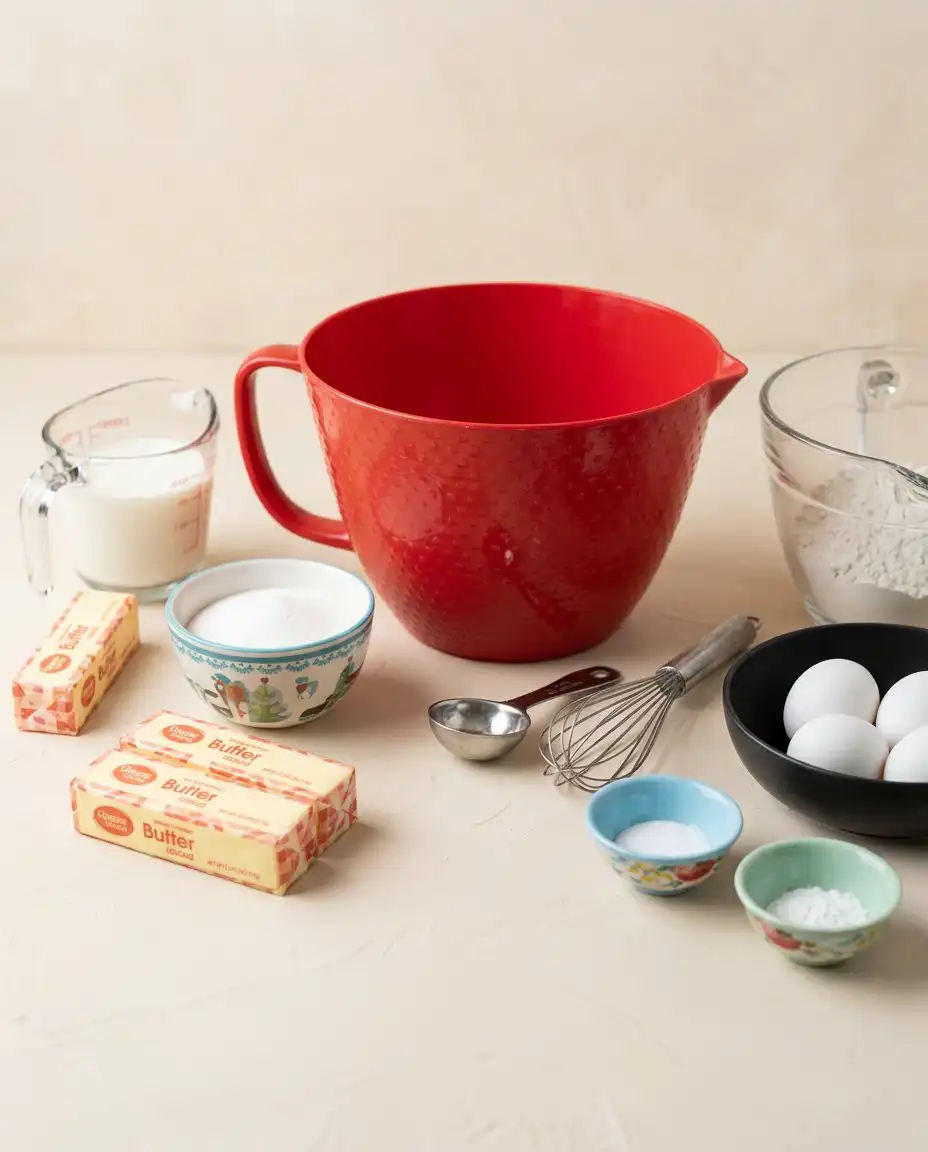
Successful baking relies on understanding how your ingredients interact under heat, rather than throwing them into a bowl. Every component in this lineup has a specific chemical job to perform, from tenderizing the gluten to stabilizing the fruit. Here is what you need to gather on your counter before turning on the oven.
- All-Purpose Flour: This provides the structural scaffold of our cake. With a protein content of around 10 to 12 percent, it strikes the ideal balance between strength and tenderness. Too much protein would result in a chewy bread-like texture, while too little would cause the cake to collapse under the weight of the blueberries.
- Baking Powder & Baking Soda: A double-leavening system is critical here. The baking powder provides a reliable lift as it reacts to both moisture and heat, while the baking soda neutralizes the heavy acidity of the sour cream, releasing carbon dioxide gas to create a light, open crumb.
- Granulated Sugar: Beyond sweetening, sugar is highly hygroscopic, meaning it binds with water molecules to lock in moisture. During the creaming stage, its sharp crystals tear through the solid butter, carving out millions of microscopic air pockets that serve as the foundation for the cake’s rise.
- Fresh Blueberries: These provide bursts of jammy acidity that cut through the rich, buttery crumb of the cake.
- Full-Fat Sour Cream: Lactic acid weakens gluten networks, producing a tender texture while adding necessary moisture without thinning the batter.
- Canola or Vegetable Oil: Unlike butter which solidifies at room temperature, liquid oil keeps the starch molecules soft, making sure the cake remains moist for days.
- Fresh Lemon Zest: The essential oils found in the outermost layer of the peel contain the purest, most intense citrus flavor that survives the heat of the oven.
- Unsalted Butter: This provides the classic, rich flavor base and creates the foundational air pockets during the initial creaming step.
- Large Eggs: They act as the primary emulsifier, binding the fats and liquids together to prevent the batter from splitting.
| Ingredient | Why It Matters |
|---|---|
| Fresh Blueberries | Adds pockets of moisture and sharp fruit contrast to the rich batter. |
| Full-Fat Sour Cream | Lowers pH to tenderize gluten and adds rich fat for a soft crumb. |
| Lemon Zest | Delivers concentrated citrus oil that will not bake out in the oven. |
| Canola Oil | Keeps starch soft at room temperature, preventing dryness. |
The Method
Step 1: Prep and Coat the Fruit
Start by preheating your oven to 350°F (177°C) and positioning the rack in the center. In a medium bowl, toss the fresh blueberries with one tablespoon of all-purpose flour until every single berry is completely coated in a thin, white dust. This dry barrier acts as a physical anchor, preventing the fruit from sliding through the batter and sinking to the bottom of the pan during the bake. Set them aside while you prepare the dry base.
Step 2: Whisk the Dry Foundation
In a large mixing bowl, combine the remaining flour, baking powder, baking soda, and salt. Whisk vigorously for at least thirty seconds to make sure the leavening agents are distributed evenly throughout the flour. This step prevents uneven rising or pockets of bitter baking soda in your final slice. Set this dry mixture aside.
Step 3: Cream the Fats and Sugar
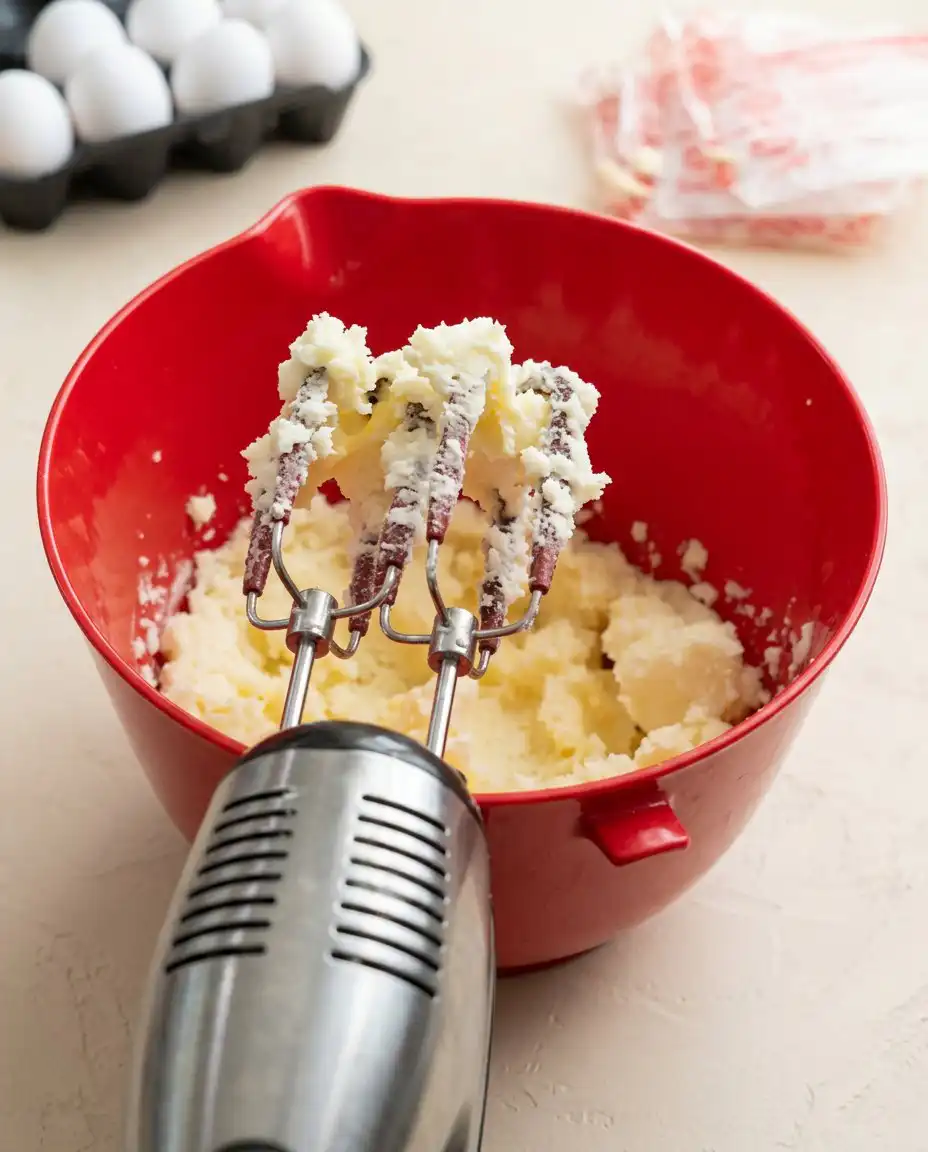
In the bowl of a stand mixer fitted with the paddle attachment, combine the softened butter and granulated sugar. Beat on medium-high speed for four to five minutes until the mixture transforms from a dense paste into a pale, fluffy mass that resembles whipped cream. This process forces air into the butter, creating the microscopic pockets that will expand in the oven to lift the cake.
Step 4: Emulsify the Wet Ingredients
Add the room-temperature eggs one at a time, beating thoroughly after each addition to maintain a stable emulsion. Once the eggs are fully integrated, pour in the vanilla extract, fresh lemon juice, lemon zest, and canola oil. The mixture may look slightly curdled or wet at this stage; that is not a mistake, that is data showing the temporary separation of fats and liquids before the flour joins.
Step 5: Incorporate the Batter for Lemon Blueberry Bundt Cake with Lemon Glaze
Reduce the mixer speed to low and add the dry ingredients in three parts, alternating with the sour cream in two parts, beginning and ending with the flour. Mix each addition until barely combined to avoid overworking the gluten, which would make the cake tough. Use a flexible rubber spatula to scrape down the bottom and sides of the bowl, folding the batter by hand a few times to make sure everything is uniform.
Step 6: Fold in the Blueberries
Gently tip the flour-coated blueberries into the thick batter. Using your rubber spatula, use a broad, sweeping motion to fold the berries in until they are evenly distributed. Be careful not to press too hard, or you will rupture the fruit and streak the golden batter with gray-purple lines.
Step 7: Fill and Bake
Generously spray a 10-inch bundt pan with nonstick cooking spray, making sure to coat every crevice and the center tube. Pour the thick batter into the pan, smoothing the top with your spatula to make sure it rises evenly. Bake at 350°F (177°C) for 50 to 65 minutes, checking the progress at the 45-minute mark; if the top is browning too quickly, tent it loosely with aluminum foil. The cake is done when a toothpick inserted near the center comes out clean with only a few moist crumbs attached.
Step 8: Cool and Invert
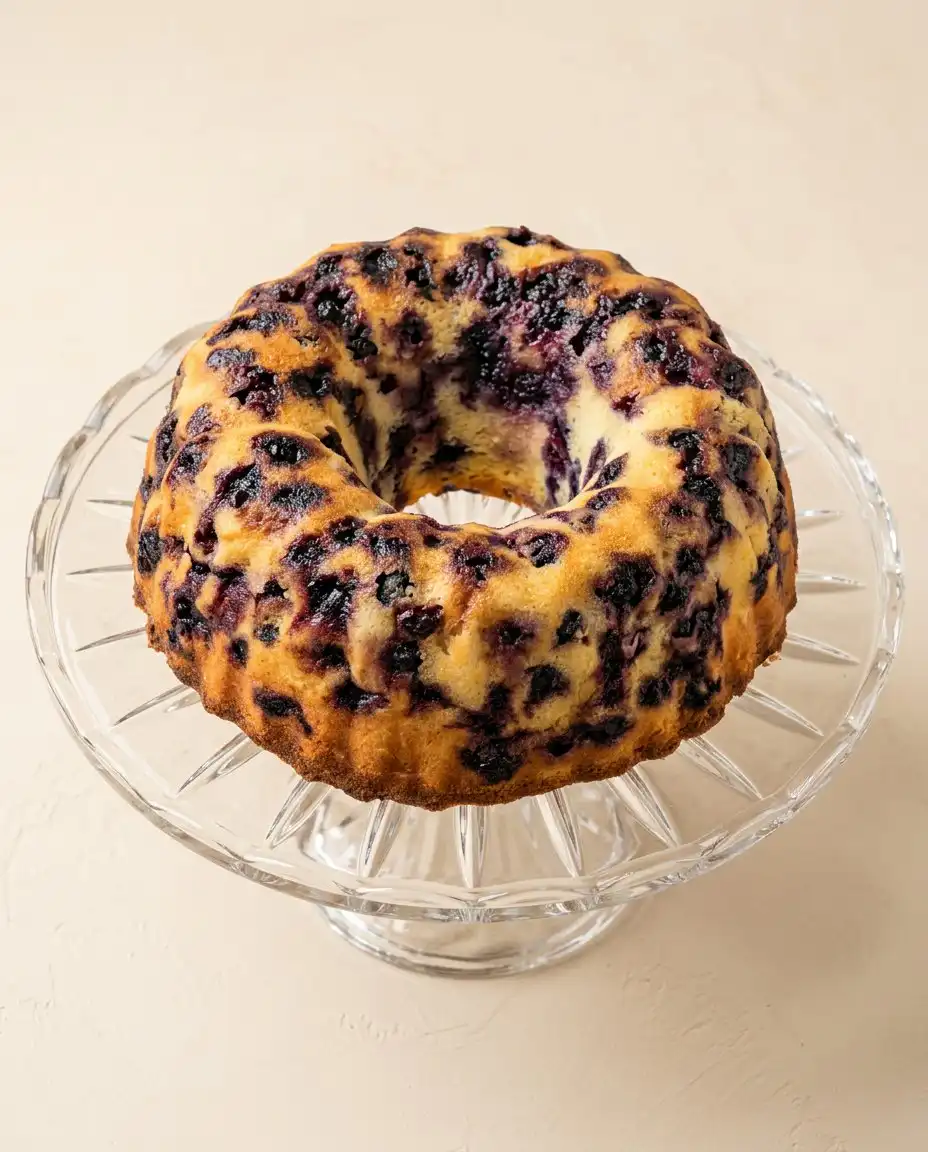
Transfer the pan to a wire cooling rack and let the cake rest undisturbed for exactly thirty minutes. During this window, the cake’s structure firms up as it cools slightly, making it strong enough to release without tearing. Place a wire rack over the top of the pan, quickly invert it, and lift the pan straight up to reveal the golden, detailed ring.
Step 9: Glaze and Set
In a medium bowl, whisk together the confectioners’ sugar and fresh lemon juice until a smooth, thick glaze forms. It should flow slowly, like warm honey; if it is too thin, whisk in a tablespoon of sugar, and if too thick, add a few drops of juice. Drizzle the glaze evenly over the completely cooled cake, letting it run down the ridges, and let it sit for fifteen minutes to harden before slicing.
The Details That Matter
Temperature is your absolute critical control point when working with high-fat batters. If your eggs and sour cream are cold, they will seize the creamed butter, causing the batter to split and bake into a dense, oily brick. To prevent this, let all cold ingredients sit on the counter for at least an hour, or submerge cold eggs in warm water for ten minutes before cracking. For more tips on mastering classic bakes, read our guide on the lemon velvet cake to see how temperature affects texture.
If your cake sticks to the pan and tears during inversion, here is why and how to fix it. The sugar in the cake can caramelize against the metal walls, creating a literal glue if the pan is not properly prepped or if the cake is left to cool inside the pan for too long. To fix a stuck cake, wrap a hot, damp kitchen towel around the inverted pan for five minutes to create steam, which naturally coaxes the caramelized sugars to release their grip.
Ditch the measuring cups and use a digital kitchen scale to measure your flour and sugar. Flour packed into a cup can easily add up to twenty percent more weight than required, resulting in a dry, heavy cake that chokes out the delicate fruit. Precision is the ultimate creative freedom, allowing you to replicate bakery-level results every single time without guesswork.
When selecting your fruit, opt for medium-sized blueberries rather than jumbo ones. Giant berries carry too much water weight, which creates large, soggy pockets of steam inside the baking cake that can cause the surrounding crumb to collapse. For a deeper breakdown of berry selection and how water content affects cake structure, check out the expert baking science behind this lemon blueberry bundt cake method.
Never glaze a warm cake unless you want the icing to melt completely and disappear into the crumb. Wait until the cake is cool to the touch so the glaze sits proudly on top, forming that beautiful, opaque white shell that contrasts so sharply with the golden crust.
Avoid using intricate, highly detailed bundt pans for cakes that feature whole fruit. Classic, simple designs with clean ridges allow the blueberries to slide out easily, whereas complex geometric pans have too many corners where berries can lodge and tear the delicate crust during release.
Frequently Asked Questions
Why did my blueberries sink to the bottom?
Blueberries sink when the batter is too thin or when the berries are not tossed in flour before folding. The flour coating creates friction, helping the berries cling to the batter while it expands in the oven. Additionally, over-mixing can thin the batter, making it easier for heavy fruit to fall.
How do I prevent the cake from sticking to the Bundt pan?
Use a high-quality nonstick baking spray that contains flour, or brush the pan with a homemade paste of equal parts melted butter and flour. Ensure you coat every single ridge and the center tube thoroughly. Never use liquid oil or butter alone, as they can pool in the crevices and cause sticking.
Can I use frozen blueberries instead of fresh?
Yes, you can use frozen blueberries, but do not thaw them before adding to the batter. Thawing releases excess moisture that will streak your cake with blue-gray dye and make the batter soggy. Toss them in flour while frozen and fold them in quickly right before baking.
How do I make my cake extra moist?
The secret to maximum moisture lies in the dual-fat combination of butter and oil, along with the high fat content of sour cream. Sour cream adds rich moisture without thinning the batter like milk would. Be careful not to over-bake, as even a few extra minutes can dry out the crumb.
What is the best way to get a strong lemon flavor?
The strongest lemon flavor comes from the zest, not the juice. Rubbing the lemon zest directly into the granulated sugar before creaming releases the essential oils, dispersing the citrus flavor throughout the entire cake. The glaze also provides a sharp, concentrated hit of fresh acid.
Should I glaze the cake while it’s warm or cool?
Always wait until the cake is completely cool before applying the glaze. If the cake is even slightly warm, the glaze will melt, turn translucent, and run off the sides into a puddle. A cool cake allows the glaze to set into a thick, beautiful white drape.
How long does this cake last, and how should it be stored?
This cake keeps beautifully at room temperature in an airtight container for up to three days. If you want to keep it longer, wrap individual slices tightly in plastic wrap and store them in the freezer for up to three months. Avoid refrigerating the cake, as the cold air will dry out the crumb.
Where to Deviate
If you want to shift the flavor profile toward something more complex, swap the lemon zest and juice for lime or Meyer lemon. Meyer lemons offer a sweeter, slightly floral note that pairs beautifully with wild blueberries, creating a softer, more delicate finish. For another citrus variation that leans into rich, creamy textures, try our highly rated limoncello mascarpone cake which takes classic Italian flavors to new heights.
Add a savory edge to this sweet ring by folding in one tablespoon of finely chopped fresh thyme or rosemary along with the lemon zest. The earthy, piney notes of the herbs cut through the sweet glaze and highlight the deep, jammy flavors of the baked blueberries.
You can easily swap half of the blueberries for fresh raspberries or blackberries to create a mixed-berry masterpiece. Ensure you cut larger blackberries in half so they match the size of the blueberries, preventing them from sinking or creating massive wet spots in the delicate crumb.
Cutting, Plating, Presenting
Presentation is everything when it comes to a striking bundt cake. Place the glazed ring on a footed cake stand to give it height and drama on your dessert table. For a beautiful visual contrast, dust the top of the set glaze with a tiny pinch of fresh lemon zest and scatter a few fresh, plump blueberries around the base of the stand. If you enjoy dramatic, fruit-forward presentations, you might also appreciate our classic peach cobbler pound cake which brings a similar rustic elegance to any gathering.
When slicing, use a long, sharp serrated knife rather than a smooth blade. A gentle sawing motion prevents you from crushing the delicate, jammy blueberries and guarantees clean, photogenic cross-sections. Serve each slice with a dollop of unsweetened whipped cream or a scoop of vanilla bean ice cream to balance the bright, tart lemon notes.
Pair this cake with a hot pot of Earl Grey tea or a dark roast coffee. The floral notes of the tea complement the citrus zest beautifully, while the bitterness of the coffee cuts through the sweet, sugary glaze. It is the perfect centerpiece for a weekend brunch or a sophisticated afternoon tea.
The Takeaway
Baking a bundt cake is a lesson in patience and precision, but the reward is a show-stopping dessert that commands attention. By refusing to compromise on temperature, fat ratios, and mixing times, you prove that small-batch baking is an art form worth mastering. This recipe is a starting point; you are the variable that makes it extraordinary.
If you are ready to expand your baking repertoire even further, head over to our thorough recipe index to discover more bold flavor experiments and pastry innovations. We believe in making less but meaning more with every single bake that leaves our kitchen.
We want to see your gorgeous, glazed creations in the wild. Share your baking triumphs with us on Pinterest, connect with our community of flavor rebels on Facebook, or watch our quick technique videos on TikTok. Let’s keep pushing the boundaries of what home baking can be.