Whisking fresh lemon juice directly into a hot butter batter before microwaving breaks every baking rule, but it is the only way to get a real crumb.

You do not need an oven, a stand mixer, or forty minutes of patience to satisfy a sudden, intense craving for citrus. This single-serving Lemon Mug Cake turns your microwave into a precision baking tool, delivering a moist and tender sponge in exactly seventy-five seconds. By ditching the traditional volume-heavy pan methods and focusing on small-batch chemistry, we create a bright, tangy crumb that refuses to turn spongy or rubbery.
Why This Lemon Mug Cake Earns Its Place
Prep: 5 min · Serves: 1 · Difficulty: Easy
- Bold flavor without heating up the kitchen.
- Flawless crumb texture in seventy-five seconds.
- Real fresh lemon juice replaces artificial flavorings.
- Minimal cleanup with only a single mug.
- Tailored balance of sweet and sharp citrus.
This is the fast-track recipe that proves you can build real structure in a single coffee cup.
When you make a standard lemon cake, you commit to preheating, greasing pans, and waiting for a slow bake. This micro-method challenges those old boundaries, proving that quick heat can yield a delicate texture. We bypass the heavy density that plagues microwave treats by balancing the leavening agent against pure, acidic citrus.
Small-batch logic dictates that every single gram of raw material has a magnified role. There is no safety net of a large cake body to hide structural imbalances here. Each grain of sugar and drop of liquid must perform its chemistry under intense, rapid heat.
Instead of hoping for the best, you control the hydration of the flour with exact proportions of fresh juice and milk. This creates a tender network of starches that sets before the steam can toughen the proteins. The result is a sponge that mimics traditional oven baking without the long wait.
We do not accept the idea that quick baking requires low quality or dry results. This single-serving recipe delivers a soft, springy interior that absorbs the sweet glaze beautifully. It is a deliberate choice for bakers who demand immediate satisfaction without sacrificing high pastry standards.
Get The Full Cake Recipe
Print
Lemon Mug Cake
- Total Time: 7 mins
- Yield: 1 serving
- Diet: Vegetarian
Description
Enjoy a vibrant, moist lemon cake in just over a minute using this simple microwave method. This single-serving treat delivers a professional-quality, tangy crumb perfect for satisfying sudden citrus cravings without heating up your oven.
Ingredients
- 2 tablespoons melted butter
- 2 tablespoons granulated sugar
- 1 tablespoon fresh lemon juice
- 1 tablespoon whole milk
- 4 tablespoons all-purpose flour
- 1/4 teaspoon baking soda
- 1 pinch fine salt
- 1/2 teaspoon fresh lemon zest
- 1 tablespoon confectioners sugar
Instructions
- Melt and sweeten butter. Place butter in a mug and microwave for 15 seconds until liquid, then whisk in the granulated sugar until well combined.
- Emulsify the liquids. Add the fresh lemon juice and milk to the butter mixture, whisking vigorously until the liquid turns a pale, uniform yellow.
- Combine dry ingredients. Sift the flour, baking soda, and salt into the mug, stirring with a fork until smooth, then gently fold in the fresh lemon zest.
- Microwave the batter. Heat the mug on high power for 75 seconds until the cake is set and springy to the touch.
- Prepare the glaze. Whisk together the confectioners sugar and remaining half-teaspoon of lemon juice in a small bowl until smooth.
- Finish and serve. Drizzle the prepared glaze over the warm cake and allow it to rest for two minutes before eating.
Notes
- Use a 12-ounce ceramic mug with straight sides to ensure the cake rises evenly and cooks thoroughly.
- Weigh your flour if possible, as accurate measurements prevent the cake from becoming dense or rubbery.
- Bring milk to room temperature before mixing to prevent the melted butter from hardening upon contact.
- Let the cake rest for at least one minute after microwaving to allow the structure to finish setting.
- Prep Time: 5 mins
- Cook Time: 2 mins
- Category: Dessert
- Method: Microwave
- Cuisine: American
Build Your Mise en Place
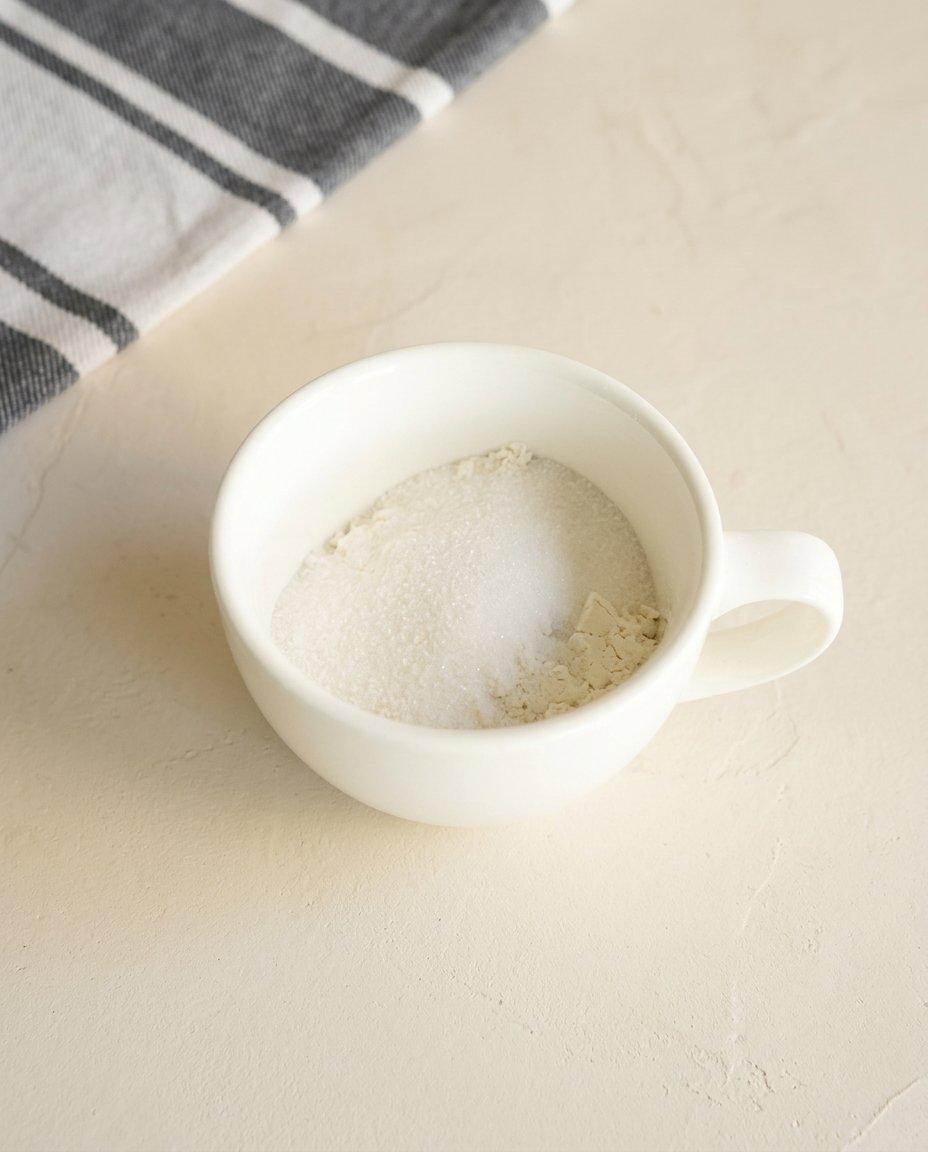
Every ingredient in a micro-scale bake must justify its presence through immediate chemical action. We do not use fillers or stabilizers, relying instead on the raw reaction of acid and leavener to lift the crumb. Understanding how these basic elements interact helps you master the science of quick baking.
- Fresh Lemon Juice: Provides the essential acidity that reacts instantly with the baking soda for a rapid rise.
- Melted Butter: Adds lipid rich weight to coat flour proteins, keeping the crumb tender instead of rubbery.
- Baking Soda: Acts as the sole chemical lifter, needing the immediate moisture and acid to activate.
- Confectioners Sugar: Dissolves instantly into the glaze without leaving a grainy residue on your tongue.
- Lemon Zest: Releases essential citrus oils during the rapid heating process, delivering a pure aroma.
| Ingredient | Why It Matters |
|---|---|
| Fresh Lemon Juice | Reacts with the baking soda to lift the batter |
| Melted Butter | Coats flour proteins to prevent a rubbery texture |
| Baking Soda | Provides rapid leavening under intense micro-heat |
| Lemon Zest | Delivers pure citrus oils for aroma and depth |
| Confectioners Sugar | Dissolves easily into a smooth finish glaze |
Baking on a micro-scale is a balancing act of moisture loss. Traditional cakes cook slowly, allowing moisture to escape gradually. In a microwave, water heats rapidly to steam, which can easily leave your dessert dry or tough if the ratios are off.
By keeping the butter melted and using real citrus juice, we establish a fat-to-acid ratio that protects the starch. The fat coats the flour, limiting gluten formation, while the acid tenderizes the overall structure. This dual action gives you a crumb that behaves like a classic sponge cake.
Always choose fresh fruit over bottled options for this single-serving experiment. Bottled juices contain preservatives that alter the pH level, which can interfere with the rise. Fresh fruit provides the exact acidity needed to kick-start the chemical reaction.
Let’s Bake
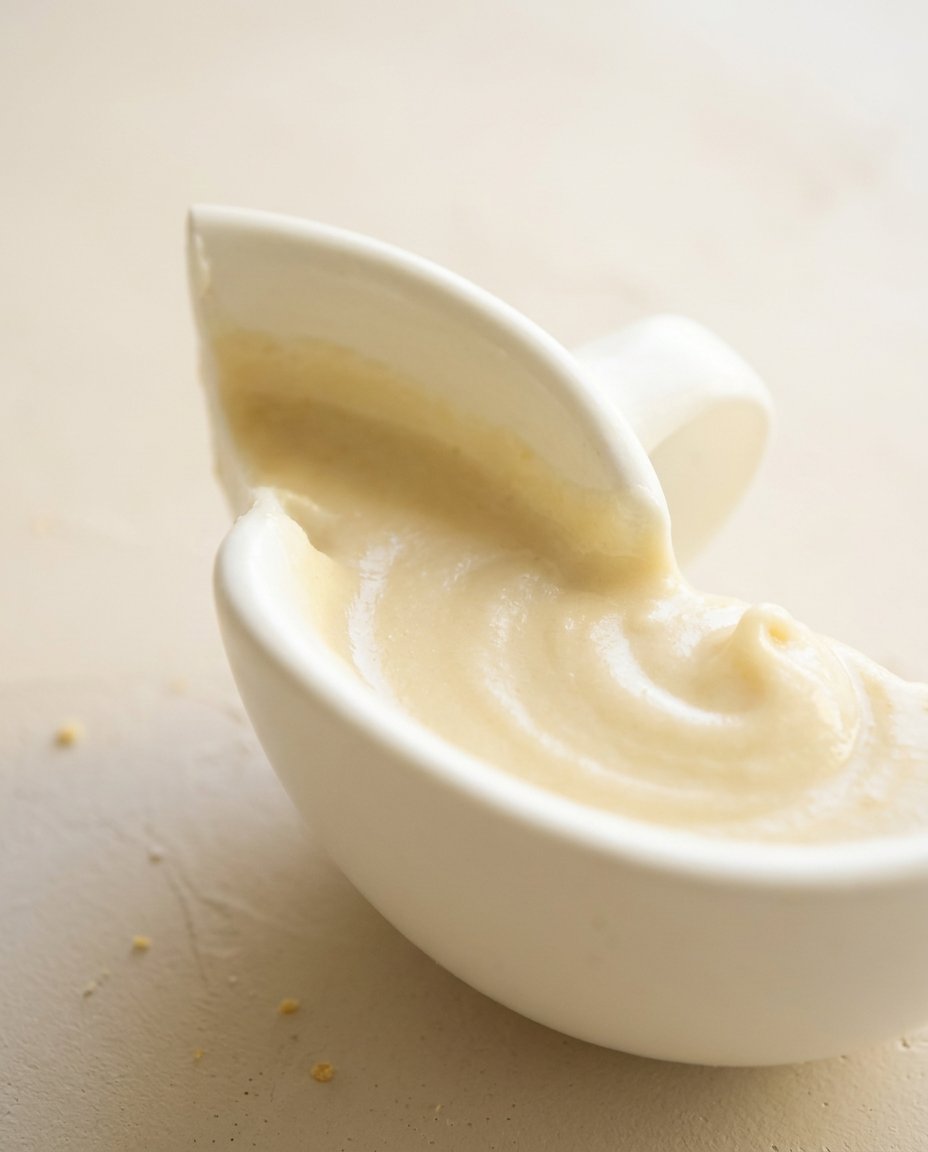
Follow these steps with precision to transform simple pantry staples into a delicate dessert. Watch for the visual and physical transitions at each stage to make sure your bake succeeds. Do not rush the mixing process, as each phase builds the structural foundation needed for a light sponge.
Step 1: Melt and Sweeten
Place your butter directly into a heatproof ceramic mug and microwave it for fifteen seconds until fully liquid. Whisk the granulated sugar into the warm butter until the mixture resembles wet sand. This step coats the sweet granules with fat, delaying sugar dissolution until the heat rises.
Step 2: Balance the Liquids
Measure the fresh citrus juice and whole milk directly into the sweet butter mixture. Whisk vigorously until the liquids emulsify, turning a pale yellow shade mid-mix. This visual transition indicates that the fat and liquid have bonded, which is crucial for even heat distribution.
Step 3: Build the Lemon Mug Cake Batter
Sift the all-purpose flour, baking soda, and fine salt directly into the liquid emulsification. Stir the mixture with a small fork until the dry flour disappears and a smooth batter forms. Fold in the fresh zest gently, stopping as soon as the batter is uniform to avoid overworking the gluten.
Step 4: The Microwave Bake
Position the mug in the center of your microwave and heat on high power for seventy-five seconds. Watch the batter rise rapidly during the last thirty seconds, doming slightly over the rim. Touch the center lightly with your finger; it must feel set and springy, not wet or sticky.
Step 5: Whisk the Glaze
Sift the confectioners sugar into a tiny bowl and pour in the final half-teaspoon of citrus juice. Whisk the two components together until they form a thick, opaque glaze that drips slowly from your spoon. If the glaze feels too thick, add a single drop of juice to adjust the viscosity.
Step 6: Finish and Drizzle
Pour the finished glaze over the warm top of the sponge, letting it seep into the crumb. The heat of the fresh bake will melt the glaze slightly, creating a translucent, sweet shell. Allow it to rest for two minutes before taking your first spoon to let the crumb set.
The Details That Matter
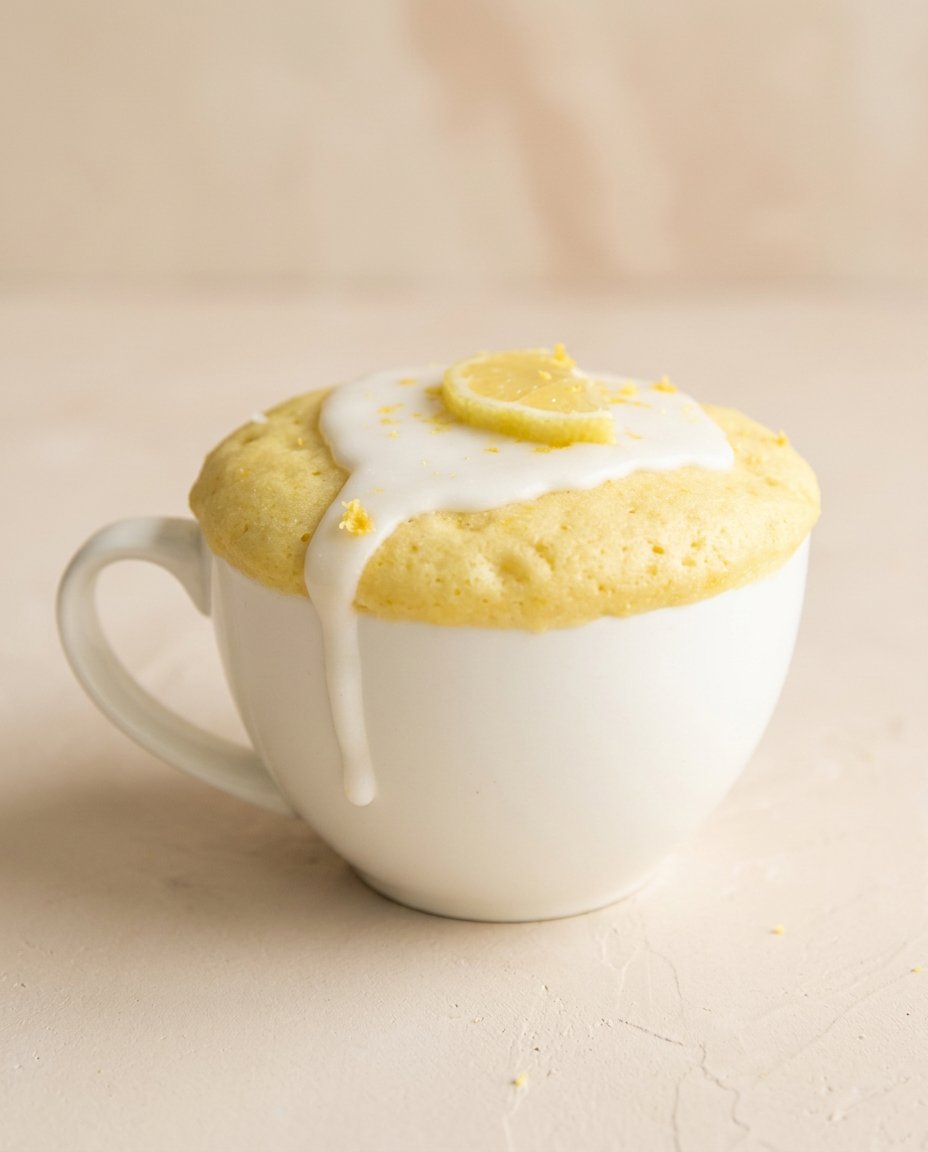
Precision with your kitchen scale is the ultimate liberation device when baking on a micro-scale. Measuring flour by volume often leads to packing, which can add up to fifty percent more dry material than needed. Use a digital scale to ensure your flour weighs exactly thirty grams to keep the crumb light and airy.
Choose your mug wisely to avoid a messy microwave overflow or an unevenly cooked center. A twelve-ounce ceramic mug with straight sides provides the ideal chamber for the batter to rise evenly. Curved bowls or tapered mugs trap steam at the bottom, leading to a dense base and an overcooked top.
If your cake turns rubbery, here is why and how to fix it: you likely mixed the batter too long or overcooked it by ten seconds. Stirring activates gluten, which acts like rubber bands under rapid microwave heat, so fold the ingredients until they barely combine. Check your microwave wattage and reduce cooking time to sixty seconds if you use a high-powered machine.
The temperature of your milk affects the rate of chemical leavening. Cold milk shocks the melted butter, causing it to clump and preventing a smooth emulsion before you add the flour. Warm your milk to room temperature before stirring it into the liquid base to make sure you get a smooth, homogeneous batter.
Do not skip the resting phase after the cooking cycle finishes. The sponge continues to cook from residual heat for sixty seconds after the microwave stops. Slicing or eating immediately interrupts this final setting process, which can cause the crumb to collapse.
For a deep citrus flavor, try making a lemon drizzle cake style soak. Prick the top of the warm sponge with a toothpick before applying the glaze to let the citrus seep deep into the crumb. This creates pocketed reservoirs of sharp acidity that contrast beautifully with the sweet cake.
Frequently Asked Questions
How do you make a lemon mug cake from scratch?
You make this dessert by combining melted butter, sugar, milk, and fresh citrus juice in a single mug before folding in flour, baking soda, and salt. Whisk the dry and wet components until barely combined, then microwave on high for seventy-five seconds. Finish the warm dessert with a simple powdered sugar and citrus glaze.
What ingredients are in a lemon mug cake?
This quick dessert relies on basic pantry staples including all-purpose flour, granulated sugar, melted butter, milk, baking soda, and salt. The bright citrus flavor comes from fresh lemon juice and grated lemon zest. The glaze is made from a simple mix of confectioners sugar and extra citrus juice.
Can I use bottled lemon juice for a lemon mug cake?
You should avoid bottled juice because it contains preservatives that alter its acidity levels, which can ruin the chemical reaction with the baking soda. Freshly squeezed juice provides the pure flavor and correct pH required to lift the batter. Fresh juice also contains natural oils that bottled versions lack.
Can you make a vegan or gluten-free lemon mug cake?
Yes, you can substitute the melted butter with neutral oil and use any plant-based milk to make a vegan version. For a gluten-free option, swap the all-purpose flour for a high-quality one-to-one gluten-free baking blend. Be sure to stir gently, as gluten-free flours can absorb liquids differently.
Why is my mug cake rubbery or dry?
A rubbery texture is usually the result of over-mixing the batter or overcooking the cake in a high-powered microwave. Over-mixing develops too much gluten, while extra cooking time drives out the essential moisture. Stop mixing as soon as the flour disappears, and test the cake at sixty seconds.
What size mug should I use for a mug cake?
A standard twelve-ounce ceramic mug with straight, vertical sides is the best choice for this recipe. Avoid using small coffee cups or mugs with highly tapered bases, as they do not allow the batter to rise evenly. Straight walls make sure the heat penetrates the center of the cake at the same rate as the edges.
How do you get a lemon mug cake out of the mug?
Run a thin butter knife gently around the inside edge of the warm mug to loosen the sides of the sponge. Turn the mug upside down over a small plate and tap the bottom firmly until the cake slides out. You can then drizzle the glaze over the sides for a beautiful presentation.
How do you make lemon mug cake icing?
Whisk together two tablespoons of confectioners sugar with a half-teaspoon of fresh citrus juice in a small bowl. Stir until the mixture is completely smooth and free of sugar clumps. Drizzle the glaze over the warm cake so it melts slightly into the crumb.
Where to Deviate
You can easily adapt this single-serving formula without disrupting the delicate chemical balance of the bake. Small changes in extracts or dry additions can completely shift the flavor profile while maintaining a tender crumb. Always introduce dry elements slowly to prevent the batter from clumping.
For a subtle crunch and a classic pairing, fold a half-teaspoon of black poppy seeds into the final batter. This mimics the texture of a traditional lemon poppy seed cake without altering the hydration ratio. The seeds distribute evenly throughout the thick batter, offering a pleasant pop in every bite.
Introduce a rich, herbal note by substituting half of the melted butter with a high-quality extra virgin olive oil. This rebel swap adds fruitiness and a silky mouthfeel that pairs beautifully with the bright citrus. You can read more about how citrus and fats interact in this guide on lemon mug cake chemistry to understand the science.
The Final Call
While this dessert is designed to be eaten straight from the mug, a few thoughtful additions can transform it into an elegant plate. Slide the warm sponge onto a shallow dish before drizzling the glaze to show off the visual drama of the golden crust. This basic presentation trick changes how the dessert feels without adding extra work.
A cold scoop of vanilla bean ice cream placed beside the warm cake offers a beautiful contrast in temperature. The melting cream sinks into the citrus sponge, creating a rich sauce that balances the sharp lemon. You can also serve it alongside a classic lemon yogurt cake at a brunch gathering to offer different textures of the same bright flavor.
Pair this quick sweet with a cup of hot black tea or a bold espresso to cut through the sweetness of the glaze. The roasted notes of coffee or the tannins in tea ground the bright fruit flavors, making each bite feel balanced. Serve it immediately while the steam still carries the scent of fresh zest.

The Takeaway
Baking a cake in seventy-five seconds is not a compromise; it is an exercise in culinary efficiency and precision. This single-serving experiment proves that you do not need hours of prep or a sink full of dishes to enjoy a delicate, bright sponge. It is the ultimate solution for spontaneous pastry cravings.
The recipe is a starting point. You are the variable. Use this formula as your foundation, and do not be afraid to adjust the citrus punch to match your taste. If you enjoy this quick format, try our classic chocolate mug cake for a rich, dark contrast to this sunny dessert.
Share your micro-baking experiments with us and let us know how your crumb turned out. You can follow our community on Pinterest, join our discussions on Facebook, or watch our latest quick bakes on TikTok.