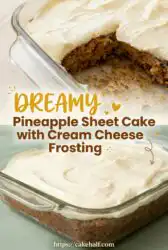
Dumping an entire 20-ounce can of crushed pineapple, juice and all, directly into flour with zero added oil is the ultimate baking rebellion.

You are probably staring at this ingredient list wondering where the butter went. I promise you this is not an oversight; it is chemistry doing the heavy lifting. The acidic pineapple juice reacts with the baking soda to create a sponge so light and moist it defies standard baking logic. We are bypassing the traditional creaming step to let the fruit handle both the moisture and the structure of this Pineapple Sheet Cake with Cream Cheese Frosting.
The Case for Making This Pineapple Sheet Cake with Cream Cheese Frosting
Prep: 15 min · Serves: 20 · Difficulty: Easy
- Zero added butter or oil in the cake.
- One bowl makes clean-up extremely fast.
- Crushed pineapple creates a moist crumb.
- Thick cream cheese frosting balances the sweetness.
- Ideal for feeding a crowd with ease.
This is the recipe that will make you throw out your old box mixes for good. When we bake, we often fall into comfortable patterns, repeating steps because that is the way we have always done them. This cake challenges those conventions by proving that fruit acid can replace traditional fats while delivering an exceptionally tender crumb. If you are looking for more fruit-forward bakes, check out our best pineapple cake for another variation on this tropical classic.
Baking is a science, but it is also an art of reduction. By removing the oil, we allow the bright, tropical flavor of the pineapple to stand at the forefront rather than being masked by heavy fats. The resulting texture is light, spongy, and ideally suited to hold up a thick layer of tangy cream cheese icing. It is a crowd-pleasing dessert that feels nostalgic yet refreshing, making it a staple for any gathering.
Get The Full Cake Recipe
Print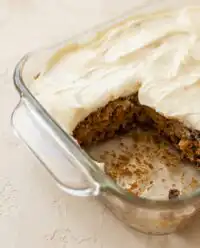
Pineapple Sheet Cake with Cream Cheese Frosting
- Total Time: 50 mins
- Yield: 20 servings
- Diet: Vegetarian
Description
A moist Pineapple Sheet Cake with Cream Cheese Frosting made in one bowl. This unique recipe relies on crushed pineapple and its juices for moisture, resulting in a tender crumb topped with a rich, tangy cream cheese frosting.
Ingredients
- 2 cups white sugar
- 2 eggs, at room temperature
- 2 cups all purpose flour
- 2 teaspoons baking soda
- 20 ounces crushed pineapple, including the juice
- 8 ounces cream cheese, at room temperature
- 2 cups powdered sugar
- 1 teaspoon vanilla extract
Instructions
- Step 1: Prep Your Oven and Pan. Preheat the oven to 350 degrees F. Line a 9×13 metal baking dish with a sheet of parchment paper to have about an inch hanging over the pan and spray with baking spray.
- Step 2: Whip the Sugar and Eggs. Combine the sugar and eggs in a large stand mixer and mix on medium speed for 1 minute until pale and slightly thickened.
- Step 3: Combine the Dry and Wet Ingredients. Add the flour and baking soda, followed immediately by the undrained crushed pineapple. Mix until everything is just incorporated, then remove the bowl from the mixer.
- Step 4: Bake the Pineapple Sheet Cake with Cream Cheese Frosting. Transfer the batter into the prepared baking dish and bake for 35 minutes until the top is golden brown and a toothpick inserted in the center comes out clean. Remove and let cool completely.
- Step 5: Whip the Cream Cheese Frosting. Combine the softened cream cheese, powdered sugar, and vanilla in a stand mixer. Mix on low speed to incorporate, then whip on medium-high until thick and smooth, scraping down the sides as needed.
- Step 6: Frost and Swoop the Cake. Spread the frosting over the cooled cake, creating lots of decorative swoops and swirls, then serve.
Notes
- Wait to frost this cake until just before serving if you do not have room for an entire 9×13 sheet pan in your refrigerator.
- Store the frosted cake in the refrigerator, covered tightly, for up to one week.
- Use room temperature cream cheese to guarantee a smooth, lump-free frosting.
- Prep Time: 15 mins
- Cook Time: 35 mins
- Category: Dessert
- Method: Baking
- Cuisine: American
What You Actually Need
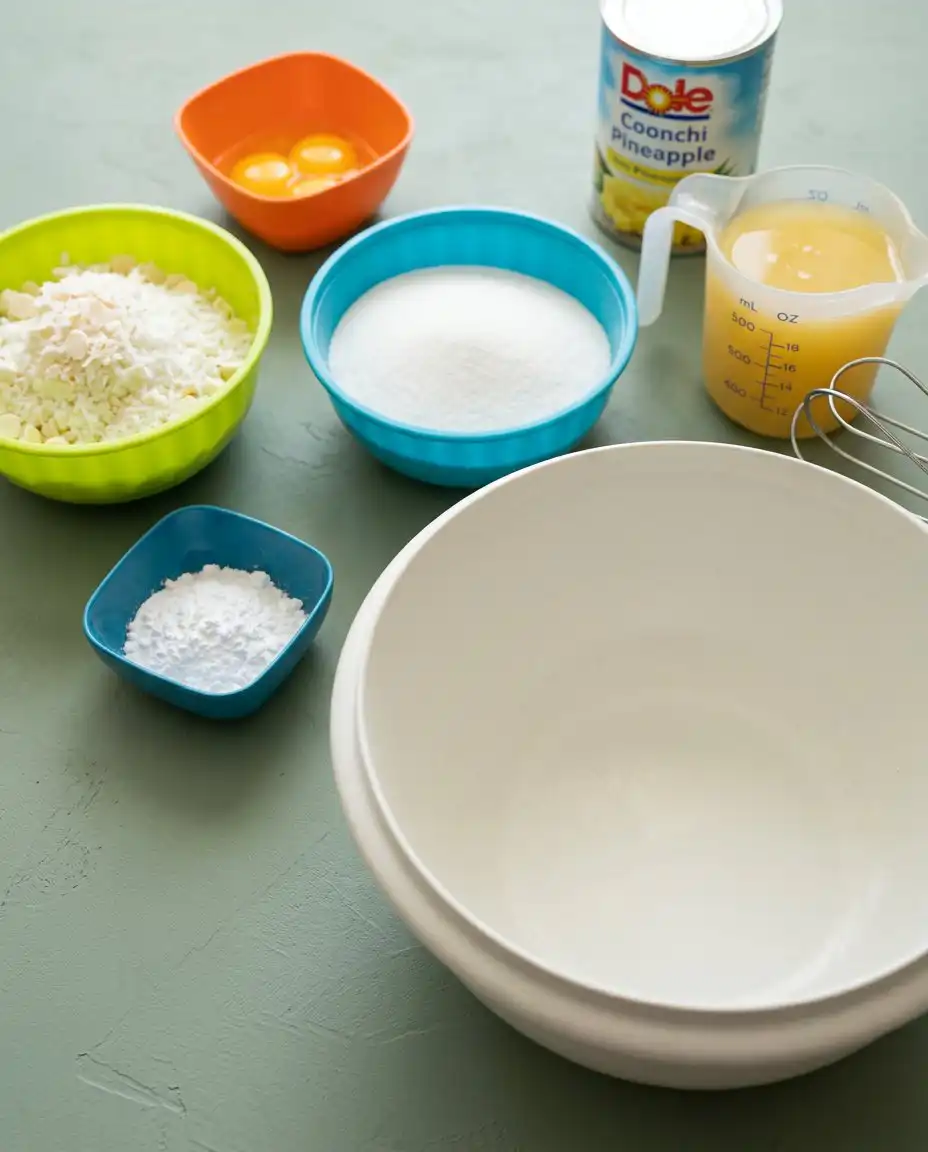
Before you start mixing, let us talk about the role each ingredient plays in this recipe. We are not using a long list of complex items, but each component must perform its job precisely to achieve the correct texture.
- Crushed Pineapple: You need a full 20-ounce can, and you must not drain it. The sweet juice provides all the liquid and acidity required to activate our rising agent.
- Baking Soda: This is our sole leavening agent. It reacts instantly with the pineapple juice to create the bubbles that lift our cake.
- All-Purpose Flour: This forms the structural backbone of our cake. Measure it carefully to prevent a dense, dry result.
- Granulated Sugar: Beyond sweetening, sugar tenderizes the crumb and locks in moisture so the cake stays fresh for days.
- Eggs: Use room temperature eggs to make sure they emulsify smoothly into the wet batter without curdling.
- Cream Cheese: This must be completely softened at room temperature. Cold cream cheese will guarantee a lumpy, uneven frosting.
- Powdered Sugar: This sweetens and stabilizes our frosting, allowing us to create beautiful, dramatic swoops.
- Vanilla Extract: A splash of high-quality vanilla rounds out the tang of the cream cheese and the sweetness of the sugar.
| Ingredient | Why It Matters |
|---|---|
| Crushed Pineapple | Provides all the moisture and acidity to activate the rising agent. |
| Baking Soda | Reacts with the pineapple acid to create a light, airy crumb. |
| Cream Cheese | Adds a rich, tangy contrast to the sweet cake layer. |
| Powdered Sugar | Stabilizes the cream cheese frosting for beautiful swoops. |
The Method
Step 1: Prep Your Oven and Pan
Start by preheating your oven to 350 degrees F. Line a 9×13 metal baking dish with a sheet of parchment paper, leaving about an inch overhang on the sides so you can lift the cake out easily later. Spray the paper lightly with baking spray to prevent sticking. Metal pans are preferred here because they conduct heat evenly, giving you beautiful golden edges.
Step 2: Whip the Sugar and Eggs
Combine the sugar and eggs in a large stand mixer fitted with the paddle attachment. Mix on medium speed for exactly one minute. You will watch the mixture transform from dark yellow to a pale, slightly thickened ribbon texture. This step builds the foundational air bubbles that support our fat-free cake structure.
Step 3: Combine the Dry and Wet Ingredients
Add the flour and baking soda directly to the egg mixture, followed immediately by the undrained crushed pineapple. Turn the mixer to low and blend until the dry ingredients are fully incorporated. Notice the moment batter changes color or texture mid-mix; it will puff up and pale slightly as the pineapple acid meets the baking soda. Stop mixing immediately to avoid deflating these precious air bubbles.
Step 4: Bake the Pineapple Sheet Cake with Cream Cheese Frosting
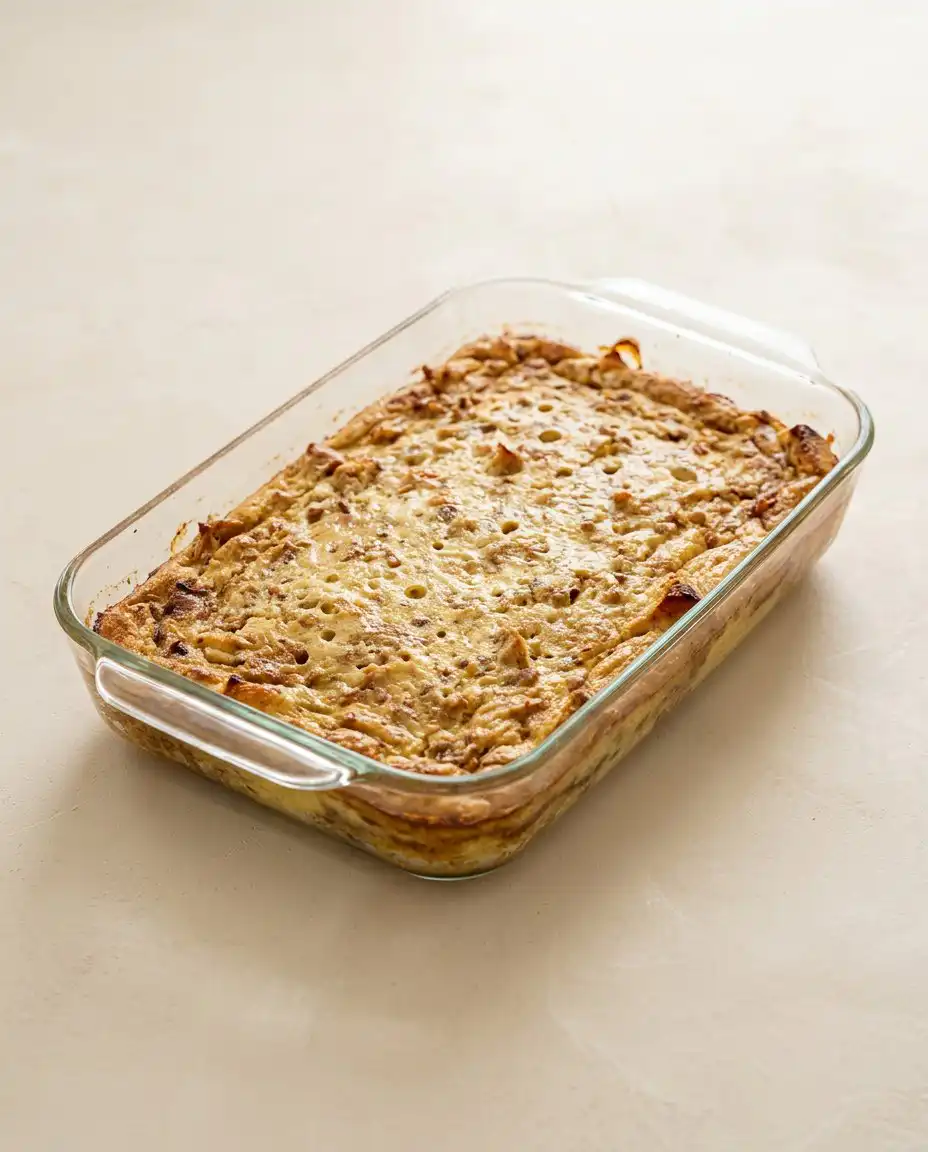
Transfer the thick batter into your prepared baking dish, smoothing the top with an offset spatula. Bake in the preheated oven for 35 minutes. You will know it is ready when the top is a deep golden brown and a toothpick inserted in the center comes out clean. Remove the cake from the oven and place the pan on a wire rack to cool completely before frosting.
Step 5: Whip the Cream Cheese Frosting
While the cake cools, combine the room temperature cream cheese, powdered sugar, and vanilla extract in your mixer bowl. Start the mixer on low speed to prevent a cloud of sugar from escaping. Once incorporated, increase the speed to medium-high and whip until you have a thick, smooth, and spreadable icing. Scrape down the sides of the bowl frequently to prevent any unsmoothed cream cheese pockets.
Step 6: Frost and Swoop the Cake
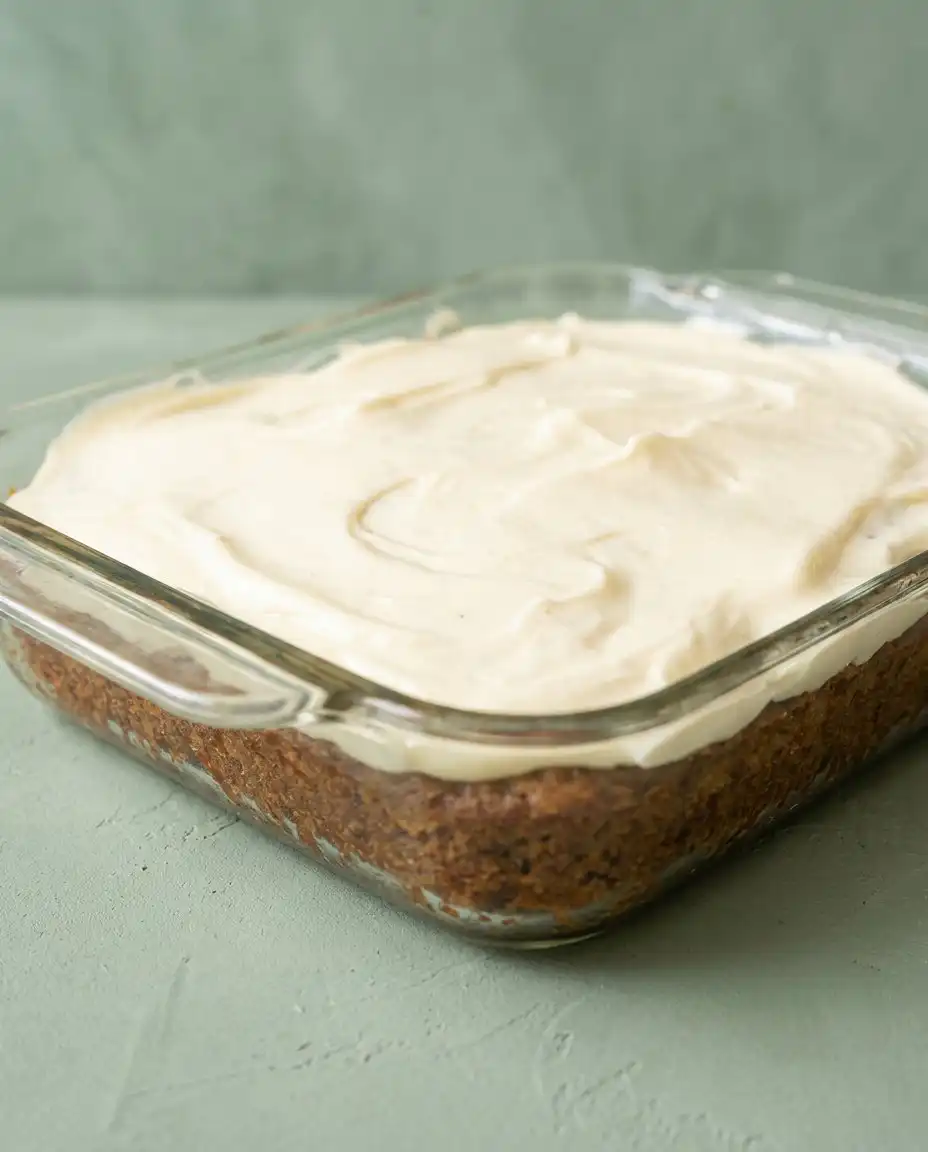
Once the cake is completely cool to the touch, spread the icing generously over the top. Use the back of a spoon or an offset spatula to create lots of dramatic swoops and swirls. The visual drama of a cross-section cut will reveal the beautiful contrast between the golden cake and the thick, white frosting layer.
The Details That Matter
Let us examine the technical details that separate a good baker from a great one. First, never use cold cream cheese for the frosting. If you try to whip cold cream cheese, it will break into tiny beads that are impossible to smooth out. If this happens, your frosting will look grainy rather than silky. To fix this, let the cream cheese sit on the counter for at least two hours before mixing.
Second, pay close attention to your pineapple can. Do not buy pineapple tidbits or chunks and try to crush them yourself; the texture will be too irregular. Standard canned crushed pineapple has the exact ratio of fruit solids to juice required for this specific chemistry. If you want to expand your fruit baking skills, read about how we balance moisture in our limoncello mascarpone cake.
Third, do not open the oven door during the first twenty-five minutes of baking. The cake relies entirely on the delicate reaction between the baking soda and pineapple juice for its rise. Opening the door lets cool air in, which can cause the fragile structure to collapse before it sets. If your cake sinks in the middle, this premature oven-peeking is the primary culprit.
Finally, use a kitchen scale to measure your flour. Scooping flour directly from the bag with a measuring cup packs it down, adding up to twenty percent more flour than needed. This extra flour dries out the cake, ruining the tender crumb we worked so hard to achieve. Small batch, full conviction is our motto, and precision is how we guarantee success every time.
For an extra layer of flavor, check out how other bakers handle fruit bases, like this Gaby’s pineapple sheet cake technique.
Frequently Asked Questions
Should I drain the crushed pineapple for the cake?
No, you must not drain the crushed pineapple. The juice in the can is the primary liquid ingredient in this cake batter. If you drain it, your cake will not have enough moisture to form a batter, and the baking soda will not activate properly, leaving you with a dense, dry, and flat cake.
Do I frost the cake while it’s warm or completely cooled?
You must let the cake cool completely to room temperature before adding the frosting. Cream cheese frosting has a high fat content that will melt instantly if it touches a warm cake. This will result in a runny, messy glaze rather than a thick, beautiful layer of frosting.
Can I freeze pineapple cake with cream cheese frosting?
Yes, you can freeze this cake quite successfully. For best results, freeze individual slices on a baking sheet until the frosting is firm, then wrap them tightly in plastic wrap and aluminum foil. They will keep well in the freezer for up to three months; just thaw them in the refrigerator overnight before serving.
How do I store a frosted pineapple sheet cake?
Because of the cream cheese frosting, this cake must be stored in the refrigerator. Keep it covered with plastic wrap or in an airtight container to prevent it from drying out or absorbing other refrigerator odors. It will stay fresh and moist for up to one week when stored properly.
What size pan is best for a pineapple sheet cake?
A standard 9×13-inch metal baking pan is the ideal choice for this recipe. It allows the thin batter to spread out evenly, guaranteeing a consistent bake throughout the cake. Avoid using glass pans if possible, as they can cause the edges to overcook before the center is fully baked.
Can I add nuts or coconut to this recipe?
Certainly, both nuts and coconut make wonderful additions to this cake. You can fold half a cup of chopped pecans, walnuts, or shredded coconut directly into the batter before baking. Alternatively, you can sprinkle them over the top of the frosted cake for added texture and visual appeal.
Can I make this cake gluten-free?
Yes, you can substitute the all-purpose flour with a high-quality 1-to-1 gluten-free baking flour blend. Make sure the blend contains xanthan gum to help replicate the structure of traditional wheat flour. The pineapple moisture helps keep gluten-free bakes from becoming too dry.
Why did my cake turn out dense and gummy?
This usually happens if the baking soda is old or if the batter was overmixed. Baking soda loses its potency over time, so make sure yours is fresh. Additionally, overmixing activates the gluten too much and deflates the air bubbles created by the chemical reaction, leading to a heavy texture.
Where to Deviate
The recipe is a starting point. You are the variable. Once you master the base cake, you can introduce your own creative twists to match the season or your personal taste.
For a tropical twist, try adding half a cup of unsweetened toasted shredded coconut to the frosting. You can fold the coconut directly into the cream cheese icing or sprinkle it over the top for a beautiful texture. This adds a lovely chewiness that pairs beautifully with the pineapple flavor. If you enjoy experimenting with tropical fruits, you might also love our classic peach upside down cake.
Another excellent option is adding toasted pecans or walnuts. Fold half a cup of finely chopped toasted nuts directly into the batter before baking. The earthy crunch of the nuts provides a wonderful contrast to the soft, tender crumb of the cake. This addition brings a rustic, comforting quality to the dessert that makes it feel even more like a heritage recipe.
Cutting, Plating, Presenting
When it comes to serving this cake, simplicity is your friend. Because the cake is unusually moist and the frosting is rich, you do not need heavy accompaniments. A simple cup of black coffee or a strong black tea provides the excellent bitter contrast to the sweet, tropical flavors of the cake.
For a beautiful presentation, use a hot knife to cut clean squares. Dip your knife in hot water, wipe it dry, and make your cut. Repeat this process for every single slice to keep the cream cheese frosting from smearing across the golden edges of the cake. This clean presentation highlights the beautiful layers and showcases your baking precision. If you enjoy serving classic, crowd-pleasing sheet cakes, you should also try our old fashioned peanut butter cake for your next gathering.
This cake is ideal for casual backyard barbecues, family reunions, or even as a delightful weekend treat. It travels exceptionally well in the pan, making it an excellent option for potlucks. Cover the pan tightly with foil or plastic wrap after the frosting has set in the fridge, and you are ready to go.
What You Just Proved
By baking this cake, you have proved that you do not need complicated techniques or mountain-high ingredient lists to create something truly spectacular. You challenged the traditional rules of baking by letting a simple can of fruit do the heavy lifting, and the result speaks for itself. It is a testament to the power of simple, precise baking.
If you enjoyed this recipe, I invite you to browse our full collection of baking experiments on our recipe index. We are constantly pushing the boundaries of classic recipes to find easier, bolder ways to bake. Share your baking triumphs with us on our social channels; we love seeing your creations and hearing your feedback.
Connect with our community of adventurous bakers on Pinterest, follow our latest kitchen experiments on Facebook, and watch our quick technique tutorials on TikTok. Let us know how your swoops turned out and what rebel swaps you plan to try next. Happy baking!