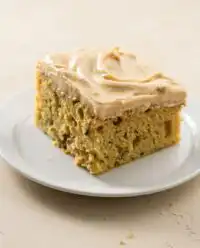
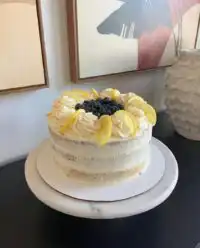
The shredded coconut in this Three-Layer Italian Cream Cake serves as the structural foundation, offering a subtle resistance that balances the richness of the crumb with every forkful.

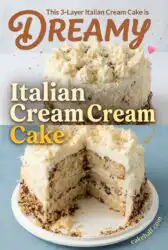
This Three-Layer Italian Cream Cake stands as a monument to precision and patience, marrying the rustic warmth of the American South with refined French technical discipline. You will notice that the crumb is exceptionally tender, a result of the careful interaction between acidic buttermilk and the structural lift of whipped egg whites. Every slice reveals a dense but soft architecture, punctuated by the crunch of toasted pecans and the tropical sweetness of coconut, all encased in a smooth cream cheese frosting. Mastering this cake requires a steady hand and an understanding of how temperature and timing influence the final texture.
The Craft Behind This Three-Layer Italian Cream Cake
Prep: 15 min · Serves: 12 · Difficulty: Advanced
- Achieves a signature tender and moist crumb profile
- Balances complex textures of coconut and toasted pecans
- Features a precisely stable cream cheese frosting layer
- Demonstrates the technical beauty of the folding method
- Uses room temperature ingredients for a flawless emulsion
This cake represents the quiet discipline of a baker who knows that patience is the final, essential ingredient for a classic vanilla butter cake or a towering layered masterpiece.
Get The Full Cake Recipe
Print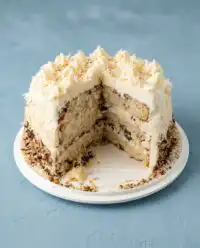
Three-Layer Italian Cream Cake
- Total Time: 50 mins
- Yield: 12 servings
Description
This refined Italian Cream Cake features a tender, airy crumb enriched with buttermilk and whipped egg whites, perfectly balanced by the crunch of toasted pecans and sweet shredded coconut. It is a sophisticated, classic dessert that achieves a delicate texture through precise technique and careful ingredient integration.
Ingredients
- All-purpose flour
- Cornstarch
- Baking powder
- Baking soda
- Salt
- Unsalted butter, softened
- Vegetable oil
- Granulated sugar
- Large eggs, separated
- Vanilla extract
- Almond extract
- Buttermilk
- Shredded coconut
- Pecans, chopped
Instructions
- Prepare the environment. Preheat the oven to 180°C (350°F) and grease two 8-inch cake pans, lining the bottoms with parchment paper.
- Sift the foundations. Sift the flour, cornstarch, baking powder, baking soda, and salt together in a medium bowl and whisk to distribute.
- Cream the fats. Beat the softened butter, oil, and sugar in a stand mixer on medium-high speed for two minutes until pale and fluffy.
- Incorporate the emulsion. Add egg yolks one at a time, then mix in the vanilla extract, almond extract, and buttermilk on low speed.
- Fold the dry base. Gently fold the sifted dry ingredients into the wet mixture by hand until just combined.
- Introduce texture. Fold in the shredded coconut and chopped pecans using minimal strokes to maintain batter aeration.
- Achieve stiff peaks. Whip the egg whites in a separate clean bowl until they form stiff, upright peaks.
- Incorporate the whites. Fold the egg whites into the batter in two additions, using a gentle sweeping motion to preserve volume.
- Bake the cake. Divide the batter between pans and bake for 30 to 35 minutes until a skewer comes out with only a few moist crumbs.
- Control the cooling. Let the cakes rest in their pans for 20 minutes, then invert onto a wire rack and remove parchment immediately.
Notes
- Ensure all dairy and egg ingredients are at true room temperature to prevent the batter from breaking.
- Toast your pecans in a dry skillet until fragrant before adding them to the batter for a deeper flavor.
- Avoid over-mixing the batter after adding the flour to keep the cake crumb tender rather than tough.
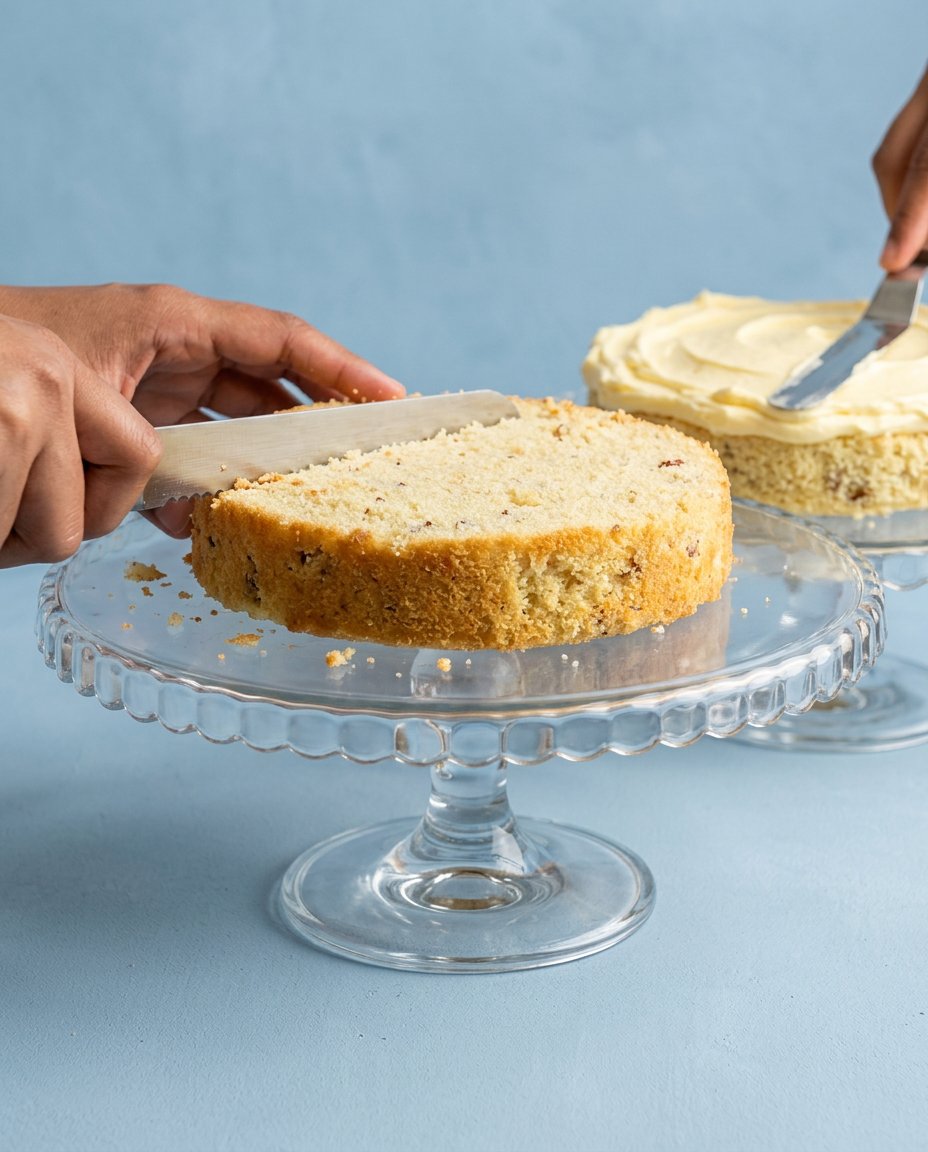
- Chill your finished cake layers for an hour before frosting to make assembly cleaner and prevent crumbs.
- Use full-fat block cream cheese for the best frosting stability and consistency.
- Prep Time: 15 mins
- Cook Time: 35 mins
- Category: Dessert
- Method: Baking
- Cuisine: Italian-American
Ingredients, Chosen with Purpose
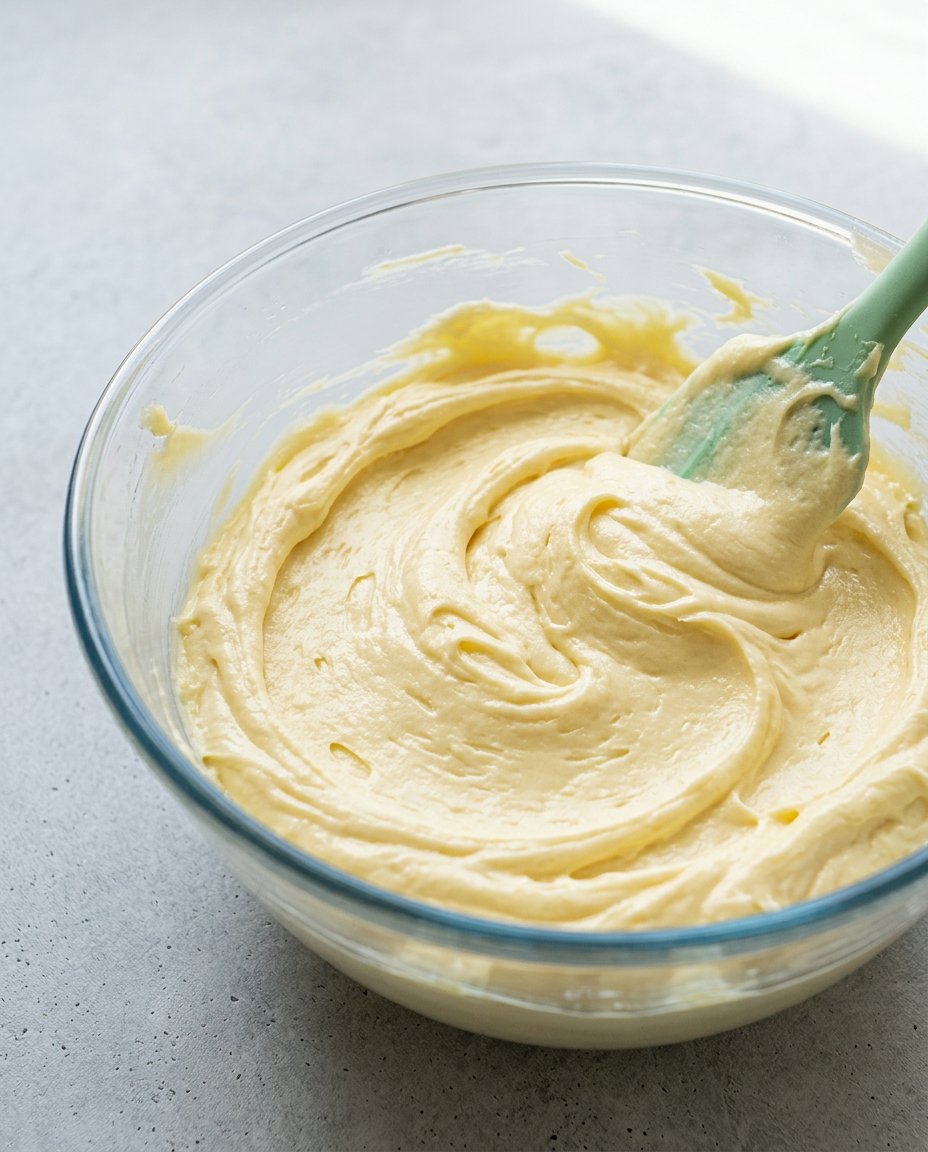
Your mise en place is the first step toward success, ensuring each component is weighed and tempered before the chemistry of baking begins. The interaction of these specific fats and leaveners determines the success of your Three-Layer Italian Cream Cake.
- All-Purpose Flour and Cornstarch: This combination mimics cake flour by reducing protein content, ensuring a delicate structure that does not become tough. The cornstarch interferes with gluten development, providing that sought-after melt-in-the-mouth feel.
- Unsalted Butter and Vegetable Oil: Using both fats provides the best of both worlds. Butter offers a depth of flavor and structural stability, while oil ensures the cake remains moist even when refrigerated, as it does not solidify at cold temperatures.
- Large Eggs, Separated: The yolks provide richness and act as an emulsifier for the fats. The whites, when whipped to stiff peaks, provide a mechanical leavening that gives the cake its characteristic airy lift.
- Buttermilk: The acidity in the buttermilk reacts with the baking soda to create carbon dioxide bubbles. This process tenderizes the gluten and provides a subtle tang that cuts through the sweetness of the sugar.
- Shredded Coconut and Pecans: These additions must be handled with care to avoid weighing down the batter. The coconut adds moisture and a unique chew, while the pecans provide a necessary earthy contrast to the cream cheese frosting.
| Ingredient | Why It Matters |
|---|---|
| Cornstarch | Lowers protein for a more tender crumb structure |
| Buttermilk | Provides acidity for leavening and moisture |
| Egg Whites | Creates a light, airy architecture through aeration |
| Vegetable Oil | Guarantees a moist texture even after refrigeration |
| Pecans | Adds structural contrast and essential earthy fats |
The Technique Laid Out
Step 1: Prep the Environment
Before you begin, ensure your oven is preheated to 180C (350°F) conventional or 160C (320°F) for convection models. Preparation of your pans is equally critical; grease two 8-inch cake pans and line the bases with parchment paper to ensure a clean release. This step prevents the delicate edges of the cake from tearing during the transition from pan to rack.
Step 2: Sift the Foundations
Sift the all-purpose flour, cornstarch, baking powder, baking soda, and salt into a medium bowl. Sifting is not merely for removing lumps; it aerates the dry ingredients, ensuring they incorporate evenly into the wet base without the need for excessive mixing. Use a whisk to distribute the leavening agents thoroughly through the flour for a consistent rise.
Step 3: The Creaming Method
In the bowl of a stand mixer, combine the room temperature butter, vegetable oil, and granulated sugar. Beat these on medium-high speed for exactly two minutes until the mixture appears pale and noticeably fluffy. This process traps air in the fat, which is essential for a cake that feels light rather than dense and heavy.
Step 4: Incorporate the Emulsion
Add the egg yolks one at a time, mixing on low speed until they are just incorporated. Following the yolks, pour in the vanilla extract, almond extract, and buttermilk, continuing to mix on a low setting. You may notice the mixture looks slightly curdled at this stage; this is a normal reaction to the acidity of the buttermilk and will resolve once the dry ingredients are added.
Step 5: Fold the Dry Base
Remove the bowl from the mixer and add the sifted dry ingredients to the wet base. Using a wide spatula, gently fold the mixture by hand until just combined. You must stop as soon as the last streaks of flour disappear, as overworking the batter at this stage will develop gluten and result in a tough, bread-like texture.
Step 6: Introduce Texture
Gently fold the shredded coconut and roughly chopped pecans into the batter. These should be distributed evenly with minimal strokes to maintain the aeration you have built. Ensure the pecans are chopped to a uniform size so they do not sink to the bottom of the layers during the baking process.
Step 7: Achieve Stiff Peaks
In a separate, meticulously cleaned bowl, whip the egg whites until they form stiff peaks. The whites should stand straight up when the whisk is lifted, and the bowl can be inverted without the whites shifting. Any trace of fat or yolk in the bowl will prevent the proteins from bonding, so ensure your equipment is spotless.
Step 8: Incorporate the Whites
Add one-third of the whipped egg whites to the heavy batter and fold gently to lighten the base. Once the mixture is slightly loosened, fold in the remaining whites with a slow, sweeping motion from the bottom of the bowl upward. This preserves the air bubbles that will expand in the oven to create a light crumb.
Step 9: Bake Your Three-Layer Italian Cream Cake to Perfection
Distribute the batter evenly between your prepared pans and place them in the center of the oven. Bake for 30 to 35 minutes, or until a wooden skewer inserted into the center emerges with only a few moist crumbs. The tops should be a light golden brown and feel springy to the touch when gently pressed.
Step 10: Control the Cooling
Allow the cakes to rest in their pans for exactly 20 minutes before attempting to move them. This cooling period allows the internal structure to set, preventing the cake from collapsing or breaking. Once the time has passed, invert them onto a wire cooling rack and remove the parchment paper immediately to let the steam escape.
Technical Notes
Precision is not a constraint. It is the freedom to repeat success. Always weigh your ingredients using a digital scale rather than using volume measurements, as the density of flour can vary significantly depending on how it is packed. This ensures your crumb is consistent every time you bake this white almond sour cream cake variant.
If your cream cheese frosting becomes soupy, it is likely because your butter or cream cheese was too warm or you over-mixed the sugar. To fix this, refrigerate the frosting for thirty minutes to firm up the fats before whipping it briefly on low speed. Always use full-fat block cream cheese rather than the spreadable variety found in tubs for the best stability.
Temperature control is a non-negotiable instruction in my kitchen. Your buttermilk and eggs must be at room temperature to ensure they emulsify properly with the creamed butter and sugar. Cold ingredients will cause the fat to seize, leading to a broken batter and a coarse, uneven texture in the finished layers.
Toasting your pecans before adding them to the batter provides a deeper, more sophisticated flavor profile. Place the chopped nuts in a dry pan over medium heat for three to five minutes until they become fragrant and slightly darkened. Allow them to cool completely before folding them into the batter to avoid melting the fats prematurely.
When folding the egg whites, use a large metal spoon or a silicone spatula with a thin edge. A thick tool will deflate the air you worked so hard to incorporate. The goal is to retain the volume of the whites while ensuring they are fully integrated into the denser batter base without leaving any white streaks.
Before frosting, you may find it helpful to chill the cake layers in the refrigerator for one hour. A chilled cake is much easier to handle and produces fewer crumbs during the frosting process. You can learn more about mastering the crumb structure of a moist italian cream cake to ensure your layers are professional in appearance.
Frequently Asked Questions
What is in Italian cream cake?
An Italian cream cake traditionally consists of a tender crumb made with buttermilk, shredded coconut, and chopped pecans. It is distinguished from other cakes by the use of whipped egg whites, which are folded into the batter to provide a light and airy texture. The cake is almost always finished with a rich, tangy cream cheese frosting.
What was Pope John Paul II’s favorite dessert?
While often debated, many historical accounts suggest that Pope John Paul II had a fondness for Polish cream cake, specifically a dessert known as Kremówka Papieska. However, the Italian cream cake has become a popular celebratory dessert in various cultures due to its rich flavor and elegant presentation. Its popularity in the United States often links it to high-level celebrations and formal events.
How long to cook a 3 layer cake?
Baking times for a three-layer cake depend heavily on the size of the pans and the temperature of the oven. For 8-inch layers at 350°F, you should expect a baking time between 25 and 35 minutes. Always test the center with a toothpick to ensure it comes out with only a few moist crumbs before removing the pans from the oven.
Is Italian wedding cake and Italian cream cake the same thing?
They are often used interchangeably, but there are subtle differences depending on the region. Both typically feature coconut, pecans, and cream cheese frosting, though some ‘wedding cake’ versions may use a lighter sponge or different fruit extracts. The Italian cream cake specifically focuses on the buttermilk and whipped egg white technique for its structure.
Why did my cake sink in the middle?
A cake typically sinks in the center if it was underbaked or if the oven door was opened too frequently during the first twenty minutes of baking. It can also occur if there is too much leavening agent or if the batter was over-beaten, causing it to rise too quickly and سپس collapse. Ensure your baking powder is fresh and your oven temperature is accurate.
How should I store this cake for the best quality?
Because of the cream cheese frosting, this cake must be stored in the refrigerator in an airtight container. It will remain fresh and moist for up to four days, but I recommend bringing individual slices to room temperature for twenty minutes before serving. This allows the butter in the cake to soften, improving the overall flavor and mouthfeel.
Thoughtful Alternatives
For a more traditional profile, you may replace the almond extract with an equal amount of additional vanilla bean paste. While almond extract provides that classic Italian bakery scent, vanilla bean paste offers a deeper, more floral complexity. This substitution maintains the balance of the quick italian cream cake while leaning into a more singular flavor profile.
You might consider adapting this recipe for a smaller gathering by using three 6-inch cake pans instead of two 8-inch pans. This creates a more dramatic height and a higher ratio of frosting to cake in every slice. Be sure to reduce the baking time by approximately five to seven minutes, as the smaller surface area will cause the centers to cook through more quickly.
Seasonal adaptations can be made by lightly toasting the coconut before adding it to the batter during the winter months. This brings out a nutty, caramelized flavor that pairs beautifully with a cup of strong coffee. Ensure the toasted coconut is entirely cool before adding it to the batter to maintain the integrity of the room-temperature emulsion.
Presentation and Service
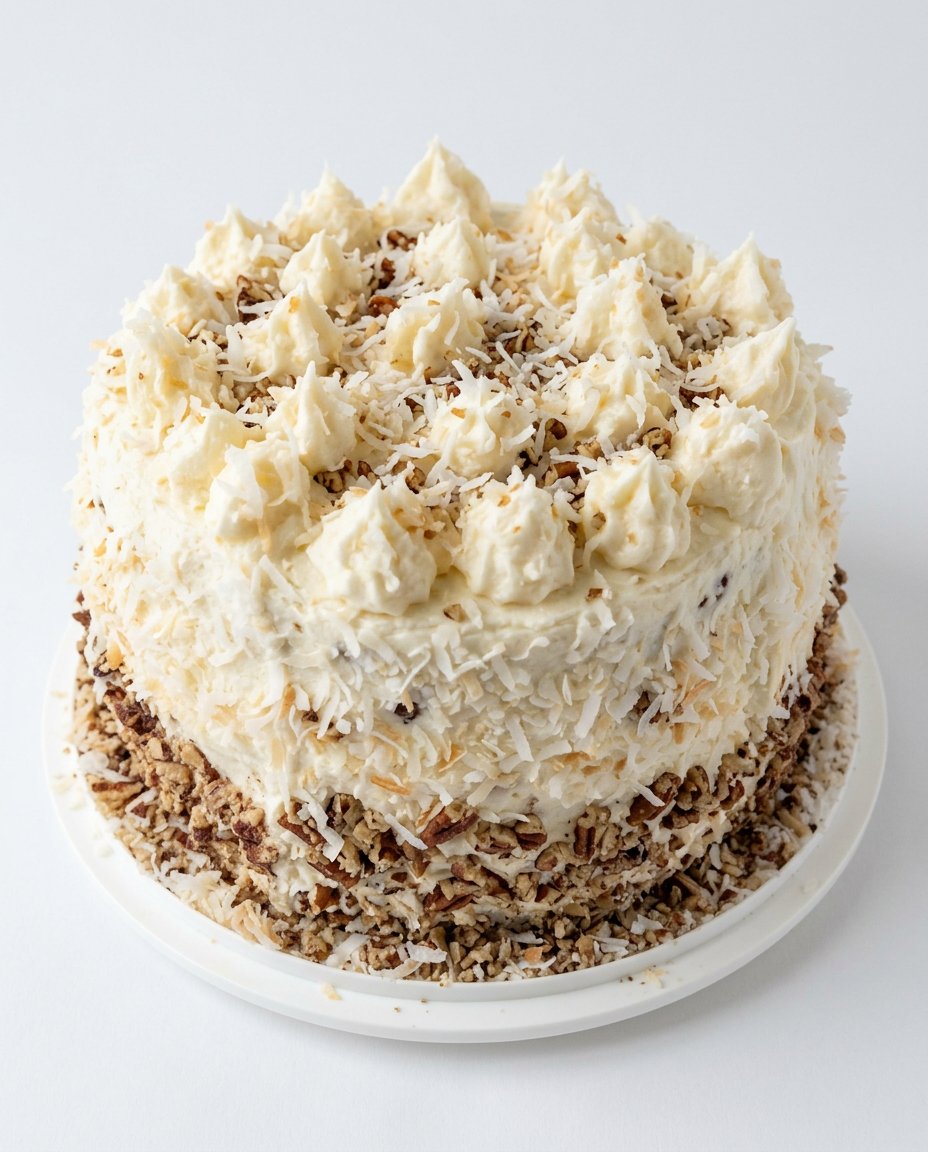
When presenting this Three-Layer Italian Cream Cake, simplicity is the hallmark of sophistication. Use a clean, sharp knife dipped in hot water and wiped dry between every cut to ensure the cross-section remains pristine and the cream cheese frosting does not smudge. A steady hand and a centered slice will showcase the precisely layered coconut and pecan crumb that defines this classic vanilla layer cake successor.
This cake is best served alongside a beverage that offers a slight bitterness to balance the sweetness of the frosting. A dark-roasted espresso or a strong Earl Grey tea provides the necessary contrast to the rich cream cheese and nutty pecans. For a formal gathering, consider garnishing the plate with a few whole toasted pecans and a light dusting of unsweetened coconut to hint at the flavors hidden within the layers.
The Result of Your Care
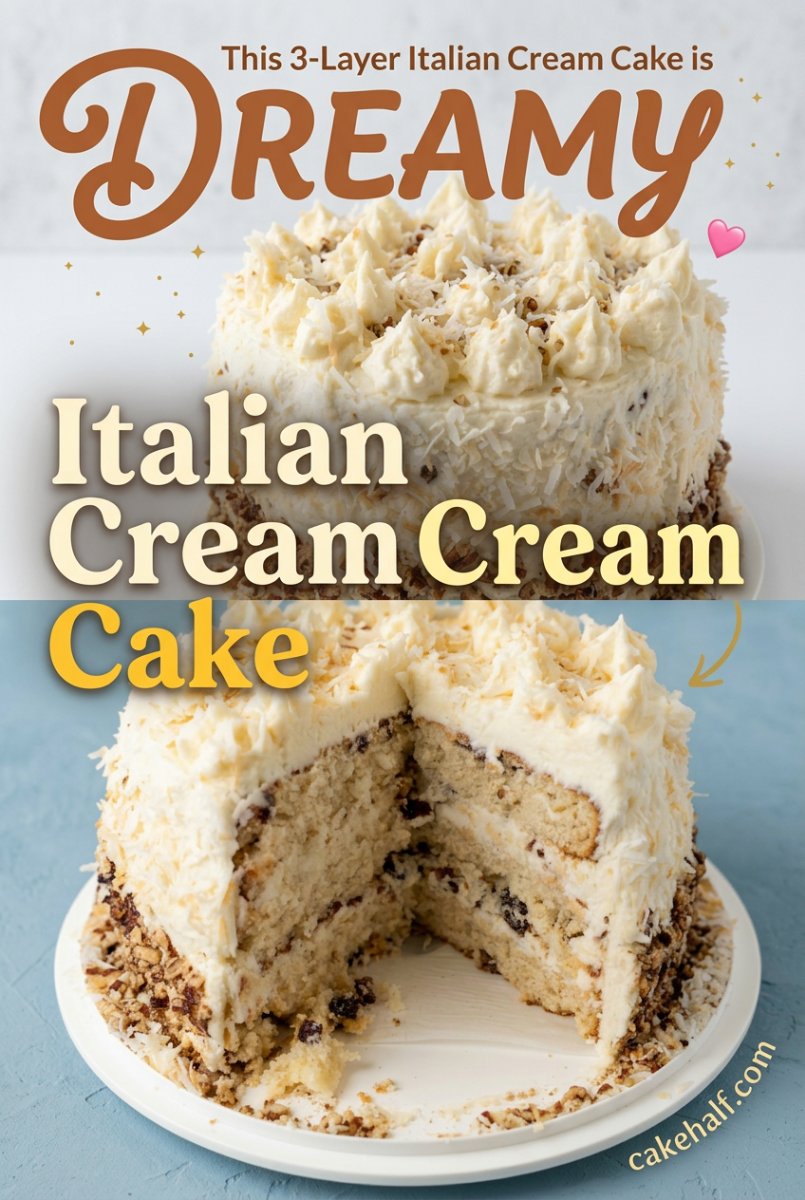
The technique is the recipe. By following these steps with precision, you have created a Three-Layer Italian Cream Cake that honors the tradition of the craft while demonstrating your own skill as a baker. The combination of the light, airy sponge and the textured additions of coconut and pecans creates a sensory experience that is far superior to any store-bought alternative. This cake is not merely a dessert but a reflection of the small disciplines done correctly.
I encourage you to share your results with others, as the true joy of baking is found in the connection it creates. If you find yourself craving another challenge, you might find the deep flavors of a triple chocolate layer cake to be a worthy next step. Precision in the kitchen is a journey, and every bake is an opportunity to refine your touch and deepen your understanding of the ingredients.
Please share your baking journey with us on Pinterest or join our community on Facebook. You can also find more technical demonstrations on TikTok to assist with your future projects.